
Reviewed · HAKONE TOURS
Hakone 6 hour Private Tour with Government-Licensed Guide
Hakone is easiest to enjoy when someone else handles the puzzle of buses, ropeways, walking routes, and sudden weather changes. This six-hour private tour lets you choose three or four sights, then see them with a licensed English-speaking guide rather than follow a fixed group schedule. I especially like the freedom to mix big scenery, such as Lake Ashi and Owakudani, with a museum or temple. I also like the practical help: guides such as Hiro, Yumi, Kate, and Yoshii have helped visitors adjust plans when high winds closed the ropeway or when crowds slowed public transport.
The catch is that the $175.76 per-person price does not cover transport, entrance tickets, lunch, or the Hakone Freepass. It is a walking tour, not a private-car outing, so you need comfortable shoes and patience for crowded buses and busy stations.
In This Review
- Key points before you book
- Why a private Hakone tour can be worth the money
- Lake Ashi and Hakone Shrine: the classic opening
- Ropeway and Owakudani: Hakone’s volcanic side
- Hakone Open-Air Museum: art with room to breathe
- POLA, Okada, and Hakone museums
- Sengokuhara, Choanji, and the quieter north
- Glass, gardens, and unusual museums
- A walking tour that uses public transport
- Guides and the human side of the day
- Timing, weather, and the art of changing plans
- Who should book this Hakone tour?
- Should you book it?
- FAQ
- How long is the Hakone private tour?
- How many places can I visit?
- Is the tour private?
- Is hotel pickup included?
- Is a private car provided?
- Are transportation costs included?
- Are entrance tickets included?
- Is lunch included?
- Is the Hakone Freepass included?
- Can bad weather change the itinerary?
Key points before you book
- Choose three or four stops: Build a nature, art, food, or history day instead of accepting a fixed route.
- Private group format: Only your party joins the activity, so the pace and conversation can suit your interests.
- Licensed English-speaking guide: Guides explain local customs, history, transport, and the meaning of places such as Hakone Shrine.
- Transport is not included: You meet the guide on foot, and you pay for buses, trains, ropeways, boats, and admission separately.
- Weather can change the plan: Wind may close both the ropeway and Lake Ashi boat service, making a flexible guide especially useful.
- Six hours goes quickly: Three major stops may feel comfortable, while four busy sites can create a fast-moving day.
Why a private Hakone tour can be worth the money
Hakone looks simple on a map. It is not. The area spreads around a volcanic mountain, a lake, museums, shrines, hot-spring towns, and transport links that do not always line up neatly. The classic circuit can involve a train, cable car, ropeway, boat, and bus. Add queues, weather closures, and limited time, and a first visit can become a day of logistics.
That is where this tour earns its keep. Your guide can help decide which three or four places make sense together and explain how to move between them. Guides have also helped with practical matters such as luggage shipping, choosing a Suica or Pasmo card, finding the right bus, and planning onward travel to Kyoto.
The private format matters most if your group has a clear preference. You can request museums and gardens instead of the standard volcano-and-lake route. You can focus on photography, Japanese art, local food, religious sites, or a gentler pace. A guide can also leave space for you to explore rather than filling every minute with commentary.
At $175.76 per person, this is not a budget sightseeing option. The value improves with a larger private group, since group discounts are offered, and when you want help navigating rather than simply paying for transportation. For a solo visitor or couple who already understands the Hakone system, booking separate tickets and using a self-guided route may cost less.
More Private Tours in Hakone
- Private Tour to Mt. Fuji and Hakone (Fully Licenced Operator)
★ 5.0 · 1,910 reviews - Mt. Fuji & Hakone Private Day Tour with English-Speaking Driver
★ 4.5 · 824 reviews - Mt. Fuji, Hakone Full-Day Private Tour with English Driver Guide
★ 4.5 · 458 reviews
Lake Ashi and Hakone Shrine: the classic opening
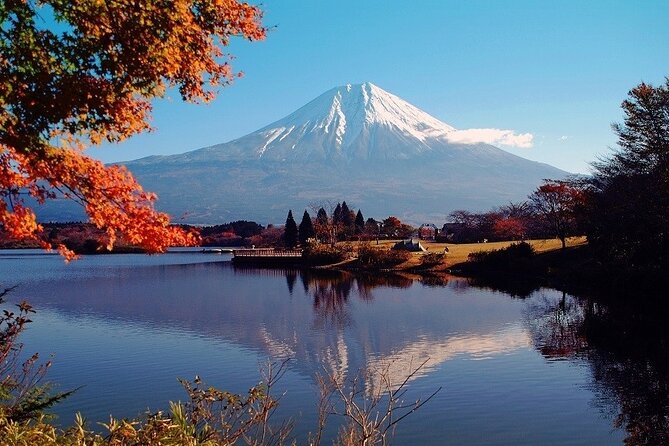
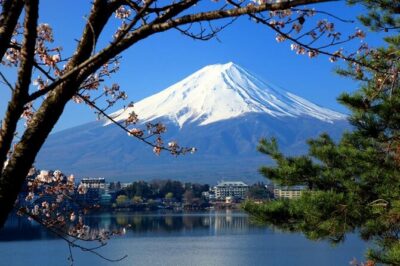
Lake Ashi, also called Ashinoko, was formed in the caldera of Mount Hakone after the volcano’s last eruption about 3,000 years ago. It is Hakone’s signature view, especially when Mount Fuji appears behind the water. The planned stop is about 30 minutes, with no admission charge.
Allowing only half an hour means this is a scenic introduction, not a full lake excursion. If you want a boat ride, ask before the tour and understand that the boat ticket is extra. One guide-led day included a Lake Ashi pirate ship cruise, while another had to replace boat plans because high winds shut down services.
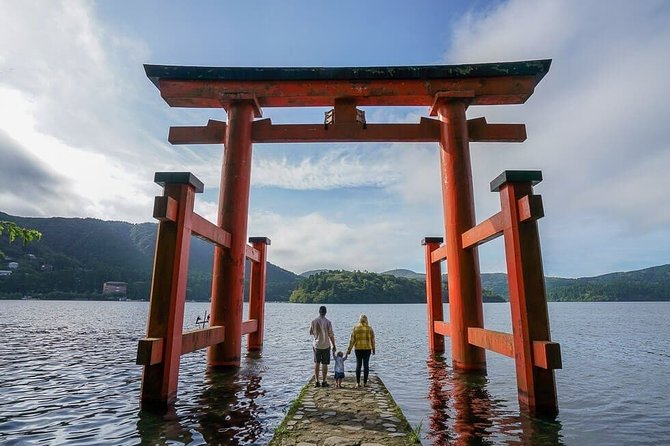
Hakone Shrine sits among tall forest near the lake. Its history reaches back more than 12 centuries, and the shrine has been rebuilt several times after fires. The setting is quiet and atmospheric, with the famous red torii gate at the water, though the short 20-minute stop may not allow much unhurried wandering when the area is crowded.
I would pair Lake Ashi and Hakone Shrine if this is your first visit and you want the classic Hakone atmosphere. The guide adds useful context here, explaining the religious importance of the shrine and how it fits into the area’s long connection with travelers crossing the old Hakone route.
Ropeway and Owakudani: Hakone’s volcanic side
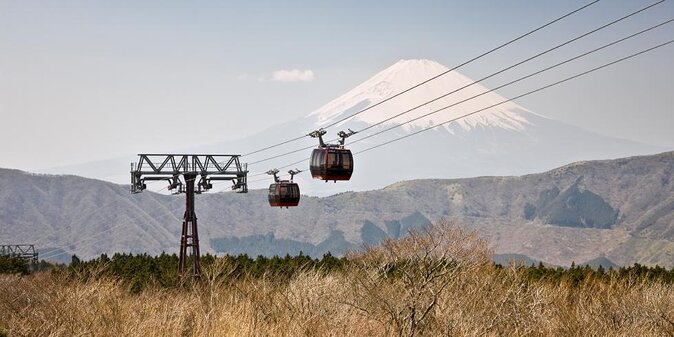
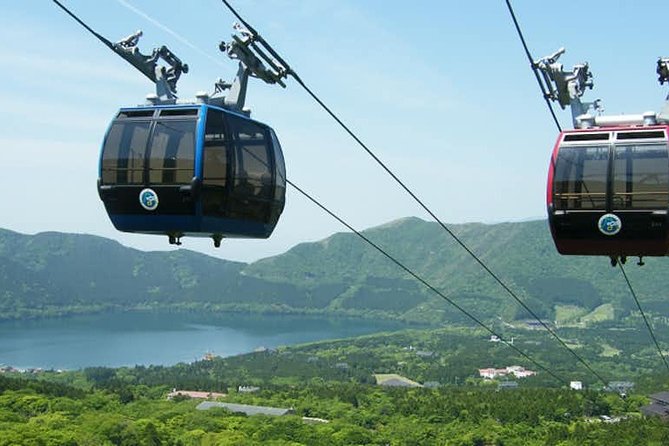
The Hakone Ropeway links Sounzan and Togendai as part of the Hakone Round Course. It crosses the volcanic Owakudani area and provides wide views of the mountains and, in good conditions, Mount Fuji. The scheduled stop is about 20 minutes, and the fare is not included.
The ropeway is both transportation and an attraction. A guide can help you find the right platform, manage lines, and decide if the route is still practical given wind or visibility. One guide secured good seats and used waiting time to explain the area. Another helped a group leave before a closure stranded people in a long line.
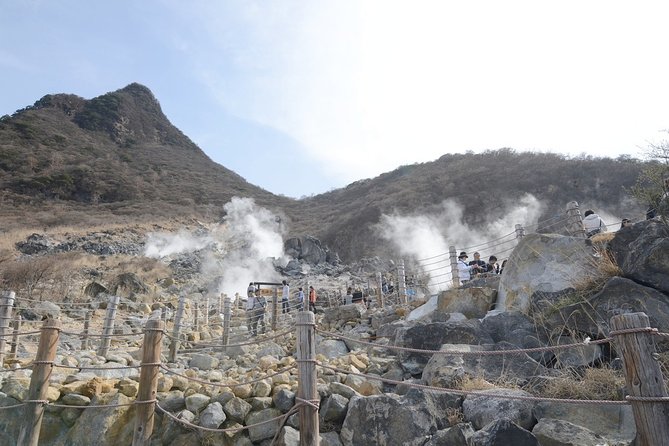
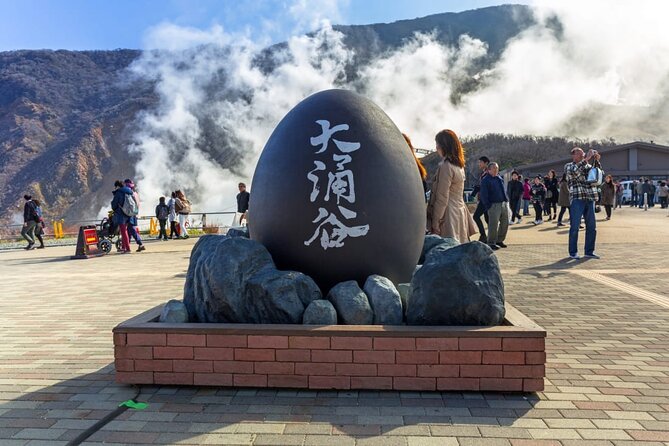
Owakudani is an active volcanic valley where geothermal heat powers Hakone’s hot springs. You may see steam rising from the ground and can try the famous black boiled eggs, which are sold as a local specialty. The standard stop is about 20 minutes, so food, photos, and volcanic views may require a brisk visit.
The Owakudani Nature Study Path is a different proposition. This walking trail passes through an active volcanic area and offers closer views of geothermal activity. Advance reservation is required, the entrance fee is 800 yen, and the visit takes about 40 minutes. If you want this option, raise it when arranging the tour. It uses much of your six-hour schedule and should not be treated as a casual add-on.
Volcanic conditions are not a minor footnote. Strong wind has closed the ropeway, and weather has also affected boat service. Guides have redirected groups to Sengokuhara, cafés, museums, or other stops when necessary. That flexibility is one of the strongest reasons to choose a private tour on a tight schedule.
Hakone Open-Air Museum: art with room to breathe
The Hakone Open-Air Museum was Japan’s first open-air art museum. Its large grounds place sculpture among gardens and mountain views, with a Picasso collection inside one section. The listed visit is only 20 minutes, and admission is extra.
Twenty minutes is enough for a taste, not a proper museum visit. If art is your main reason for coming to Hakone, make this one of your three or four chosen sites and ask for more time. If you want a broad first look at the region, the guide may combine it with Lake Ashi or the ropeway, but that will make the day more tightly timed.
This is an especially good choice for mixed groups. One person can enjoy the art, another can enjoy the setting, and the guide can explain how the museum connects Japanese appreciation of nature with outdoor sculpture. The museum also gives you a useful indoor option if clouds hide Mount Fuji.
More Hakone trips and passes:
- Mt Fuji and Hakone 1-Day Bus Tour Return by Bullet Train
★ 5.0 · 26,383 reviews - Mt Fuji & Hakone Cruise, Drum Show Bullet Train 1 Day from Tokyo
★ 4.0 · 7,413 reviews - Tokyo Mt Fuji 5th St & Hakone Cruise Bus Tour w/Bullet Train
★ 4.4 · 5,024 reviews - Tokyo: Mt. Fuji Tour, Hakone Ropeway, Owakudani, Lake Ashi
★ 4.7 · 4,002 reviews
POLA, Okada, and Hakone museums
Hakone has an unusually strong collection of art museums for a mountain resort. The POLA Museum of Art opened in 2002 to display the private collection of the late head of the POLA beauty-products company. Its modern collection gives you a change of pace from shrines, volcanoes, and lake views.
The Okada Museum of Art opened in 2013 and presents works from antiquity through the modern era. Its focus is broader than the POLA Museum, making it a possible choice if you want Japanese and Asian art across several periods.
The Hakone Museum of Art, founded in 1952 in Gora, is another option. It is connected with the MOA Museum of Art in Atami, on the Izu Peninsula. The listed stop is about 20 minutes, though that is short for any serious museum visit.
I would not attempt all three. Pick one based on your interest, then tell the guide whether you prefer Japanese ceramics, older art, modern work, or a general collection. Entrance fees are not included, and the museums are spread across the Hakone area, so each choice affects the transport plan.
Sengokuhara, Choanji, and the quieter north
Sengokuhara is known for its slope of pampas grass, at its most attractive in autumn. The scheduled visit is about 20 minutes, with admission listed as extra. It is a simple stop, but a useful one if you want open scenery and a break from museums or queues.
Choanji Temple, a Soto Zen temple in Sengokuhara, was established in 1356. It sits in a quiet area at the foot of a hill, and the planned visit is 30 minutes with no admission charge. This is a good choice for a slower, more reflective part of the day.
The Hakone Botanical Garden of Wetlands, or Hakone Shisseikaen, preserves wetland plants in the highlands of Fuji Hakone Izu National Park. The listed stop is only 10 minutes, which makes it more of a brief nature pause than a full garden visit.
These northern Hakone choices suit you if you have already seen the main lake and volcano sights, or if you prefer quiet paths to famous viewpoints. They also give the guide useful alternatives when the ropeway is shut or the central route becomes too crowded.
Glass, gardens, and unusual museums
The Hakone Venetian Glass Museum, also known as Hakone Glass no Mori, uses Italian-style buildings, museum displays, shops, and a strolling garden around a canal-like pond. Large glass works are placed outdoors, so this stop combines art and garden scenery. Admission is extra, and 20 minutes will give you only a quick impression.
Gora Park is a Western-style garden on the steep slope above Gora Station. It is designed as a place to relax, with views across Hakone. The listed visit is just 10 minutes, so it works best as a short pause near other Gora sights rather than as a main destination.
The Dollhouse Museum Hakone is a smaller, more unusual choice. It displays dollhouses from around the world, including examples more than 200 years old, with exhibits changing through the year. A 30-minute stop lets you see the collection without taking over the entire day.
Narukawa Art Museum, near Lake Ashi, focuses on nihonga, or Japanese-style painting. This can be a strong choice if you want Japanese art rather than outdoor sculpture or European glass. The visit is listed at 30 minutes, and admission is extra.
A walking tour that uses public transport
The tour includes a guide who meets you on foot within a designated Hakone area. It does not include a private vehicle. You pay for your own transportation, entrance tickets, lunch, and personal purchases.
That distinction should shape your expectations. This is not a chauffeur-driven tour where you step from one attraction to the next. You may use Hakone buses, trains, a cable car, the ropeway, or a boat, depending on your chosen route. The transport system is part of the Hakone experience, but it can be crowded and slow during peak periods.
Comfortable shoes are essential. One four-star assessment described a fast pace, considerable walking, and crowded public transport. That is a fair warning, especially if you want four sites, a boat, and the ropeway in one six-hour period.
The Hakone Freepass is not included. Some guides have advised visitors to buy one ahead of time, but its usefulness depends on your exact route and the rides you plan to take. Ask your guide what fits your itinerary, then compare the pass with individual fares.
Guides and the human side of the day
The strongest part of this experience is the guide-to-group match. Hiro is repeatedly praised for explaining Japanese culture, history, and even kanji, while also finding efficient routes and good seats on the ropeway and boat. He has also introduced visitors to a yosegi-zaiku craftsman, connecting the sightseeing day with Hakone’s traditional woodwork.
Kumiko, also known as Kate, is described as organized and attentive to timing. She has adjusted routes during sakura season, helped groups cover their chosen sights, and offered useful suggestions for the rest of a Japan trip. Yumi is praised for detailed explanations and for changing plans quickly when weather interfered.
Yoshii, Hide, Taka, Atsushi, Sho, Shovon, Ryuta, and other guides are also named in the feedback. Their strengths include local transport help, historical explanation, food suggestions, and a willingness to let people explore independently.
There is one caution. One experience was marked down because the guide arrived late and the group felt it had to do too much planning in advance. The operator said it would reassess the guide and address meeting times. I would send clear interests before the day, but I would also expect the guide to turn those interests into a workable plan.
Timing, weather, and the art of changing plans
Hakone’s weather can decide the day. Clouds may hide Mount Fuji, and strong wind can close both the ropeway and boat. That does not make the tour worthless, but it does mean you should judge success by the guide’s response as much as by the original route.
Good guides have moved groups to lunch, a tea house, Sengokuhara, or museums when conditions changed. One guide got a group back on the ropeway before it closed, avoiding a long wait for a bus. Another found alternatives when high winds cancelled the planned boat and ropeway.
At six hours, you need to choose priorities. A relaxed day might include Lake Ashi, Hakone Shrine, one museum, and lunch. A transport-focused day might include the ropeway, Owakudani, the lake, and the shrine. Four major stops are possible, but you may spend much of the time walking, waiting, and transferring.
Tell the guide if you need a slower pace, a vegetarian meal, or more time at one museum. A guide has helped arrange a vegetarian lunch, and other groups have used waiting periods for cultural explanations. The private format gives you room to ask for this.
Who should book this Hakone tour?
I would recommend it to first-time visitors who want Hakone’s major sights but do not want to decode the transport system alone. It is also a good fit for families, older adults who need help with timing, and groups with mixed interests.
Art lovers should send a short list of preferred museums before the tour. Nature lovers should ask about Lake Ashi, Owakudani, Sengokuhara, and the Nature Study Path. If Mount Fuji is your priority, remember that no guide can control cloud cover, though a flexible schedule may improve your chances.
You should think twice if you want a private car, a slow museum day, or a low-cost outing. You should also budget for fares, tickets, lunch, and possibly the Freepass. The tour price pays for personal guidance and route planning, not an all-inclusive day.
Free cancellation is available up to 24 hours before the start time. Changes or cancellations inside that window are not accepted for a refund. The activity is near public transportation, service animals are allowed, and most people can participate, but it remains a walking tour.
Should you book it?
Book this tour if navigation, flexibility, and cultural explanation matter more to you than keeping costs down. The most useful guides do far more than point out scenery: they adjust routes, explain local customs, help with crowded transport, and keep the day moving when weather closes a major attraction.
Choose three priorities before you arrive, and treat the fourth stop as optional. If you do that, this can be a thoughtful way to experience Hakone without the pressure of a large group. If you already know the rail and bus system and want to spend hours in one museum, save the guide fee and explore independently.
FAQ
How long is the Hakone private tour?
The tour lasts approximately six hours.
How many places can I visit?
You can choose three to four sites from the available Hakone attractions.
Is the tour private?
Yes. Only your group participates, and you cannot combine multiple tour groups.
Is hotel pickup included?
The guide meets you on foot within a designated area of Hakone. This is not vehicle pickup.
Is a private car provided?
No. A private vehicle is not included.
Are transportation costs included?
No. You pay transportation fees separately, including fares for public transport, the ropeway, or boat services.
Are entrance tickets included?
Entrance fees are not included for the listed sights. Guide entry fees are covered only for sights specified under the tour’s included attractions.
Is lunch included?
No. Lunch and other personal expenses are separate.
Is the Hakone Freepass included?
No. The Hakone Freepass is not included.
Can bad weather change the itinerary?
Yes. High winds have closed the ropeway and boat services, so the guide may suggest alternative sights or routes.
New on our Hakone list
- From Tokyo: Mount Fuji & Hakone Full Day Private Tour★ 4.9 · 25 reviews
- Tokyo: Mt. Fuji, Owakudani, Hakone Shrine, & Open-Air Museum★ 4.7 · 25 reviews
- Tokyo:Mt Fuji & Hakone Day Tour with English Speaking Driver★ 5.0 · 26 reviews
- Full Day Private Tour in Mt. Fuji and Hakone★ 4.5 · 30 reviews
- Odawara: Odawara Castle Tenshukaku Entrance Ticket★ 4.2 · 30 reviews
- Mt.Fuji view Hakone Private tour with English speaking driver★ 5.0 · 33 reviews
- “Tokyo to Mt. Fuji & Hakone: Private Customizable Day Trip”★ 5.0 · 45 reviews
- Mount Fuji and Hakone Private Tour from Tokyo (Customizable)★ 5.0 · 45 reviews
Hakone Tours, compared.
Mt Fuji and Hakone 1-Day Bus Tour Return by Bullet Train
Read our review →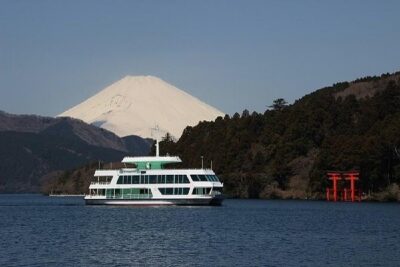
Mt Fuji & Hakone Cruise, Drum Show Bullet Train 1 Day from Tokyo
Read our review →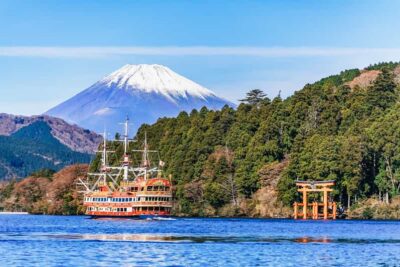
Tokyo Mt Fuji 5th St & Hakone Cruise Bus Tour w/Bullet Train
Read our review →
Mt. Fuji Tour, Hakone Ropeway, Owakudani, Lake Ashi
Read our review →
Mt. Fuji 5th Station & Hakone Cruise 1-Day Bus Tour
Read our review →
Private Tour to Mt. Fuji and Hakone (Fully Licenced Operator)
Read our review →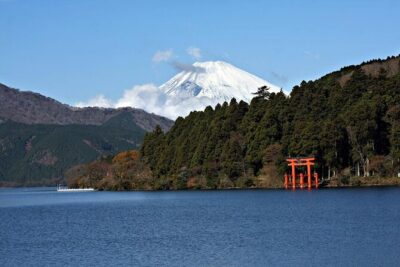
Mt Fuji & Hakone Cruise, Drum Show Bus 1 Day from Tokyo
Read our review →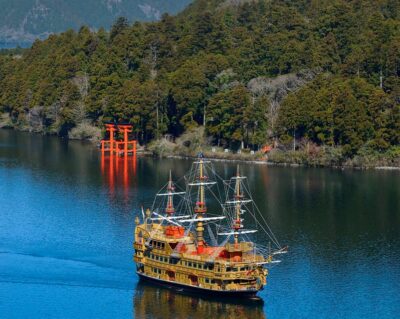
Mt. Fuji & Hakone Tour w/ Return by Bullet Train
Read our review →Browse the lists this tour appears in