
Reviewed · MT FUJI AREA TOURS
Tokyo: Mt. Fuji Tour, Hakone Ropeway, Owakudani, Lake Ashi
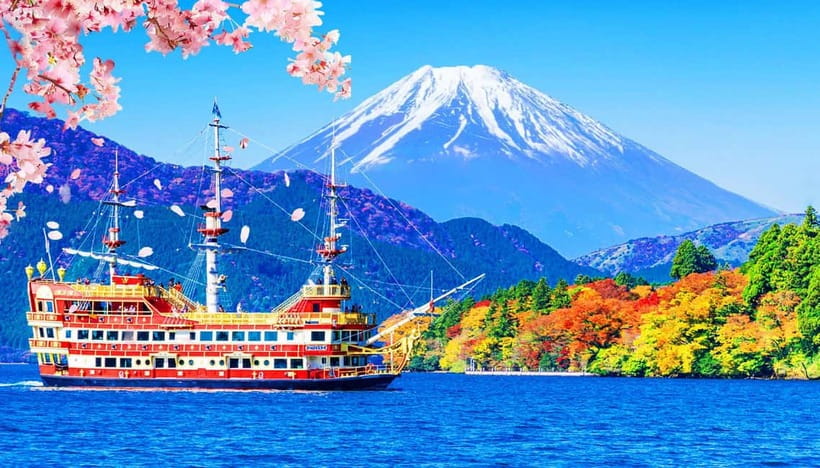
The best part of this Mt. Fuji day trip is the variety. In one long sweep from Tokyo, you see a lakeside shrine, ride above volcanic valleys, cruise Lake Ashi on a pirate ship, photograph swans, and visit ponds fed by Fuji snowmelt. It is a lot of Japan in one day.
I like the strong value at $54, since transport, the guide, parking, and Hakone Ropeway fare are included. I also like the way the route combines Hakone with Oshino Hakkai, giving you both volcanic scenery and classic Fuji views. The main drawback is time: this is a packed 10-hour outing, and traffic or slow-moving groups can leave only a few minutes at the final stop.
In This Review
- Key points to know before booking
- What this $54 Fuji day trip really offers
- Starting at Tokyo Station or Shinjuku
- Hakone Shrine and the Heiwa no Torii
- Lake Ashi by pirate ship or road
- Riding the Hakone Ropeway above Owakudani
- Lake Yamanaka and the Swan Lake Shore
- Lunch, local food, and the long gap
- Oshino Hakkai and the Fuji snowmelt ponds
- Guides, group size, and the pace of the day
- Weather, timing, and what to pack
- Is the tour a good value from Tokyo?
- Who should book this Mt. Fuji tour?
- FAQ
- How long does the Mt. Fuji and Hakone tour last?
- What is included in the price?
- Is the Lake Ashi pirate ship included?
- Is lunch included?
- Can I always see Mt. Fuji?
- What happens if the Ropeway closes?
- Where does the tour meet?
Key points to know before booking
- Lake Ashi opens the day with the red Torii gate, the Hakone Shrine, and optional pirate ship views.
- The Ropeway fare is included, but weather or maintenance can close it.
- The 1,700-yen cruise is extra, and lunch is not included.
- Fuji visibility is never guaranteed, so the clearest mountain views depend on the weather.
- Bring breakfast and snacks, since food is not allowed on the coach and lunch can come late.
- Guides such as Jack, Kousei, Tom, and Sato receive strong praise for keeping large groups informed and on time.
What this $54 Fuji day trip really offers
For $54 per person, this is less a quiet country outing and more a well-loaded sightseeing circuit. You are paying for a full day of transport from Tokyo, a multilingual guide, the Ropeway, parking, and several hard-to-link stops in the Hakone and Fuji Five Lakes areas.
I see the value in that arrangement. Hakone and the northern Fuji lakes are spread out, and arranging buses, boat tickets, and the Ropeway yourself would take more planning. The coach also saves you from changing trains and figuring out local connections.
The trade-off is independence. You follow a shared schedule, and the group may include English, Chinese, and Japanese speakers. Guides work hard to keep everyone moving, but a large group can mean queues, meeting-point confusion, and short visits.
The tour normally runs about 10 hours from morning departure to evening return. That sounds manageable until you add Tokyo traffic, queues at popular sights, and a route that crosses a wide area. I would not schedule a dinner reservation, airport transfer, or evening show soon after the expected drop-off.
More Mt Fuji days from Tokyo:
- Mt Fuji and Hakone 1-Day Bus Tour Return by Bullet Train
★ 5.0 · 26,383 reviews - Mt Fuji & Hakone Cruise, Drum Show Bullet Train 1 Day from Tokyo
★ 4.0 · 7,413 reviews - Tokyo Mt Fuji 5th St & Hakone Cruise Bus Tour w/Bullet Train
★ 4.4 · 5,024 reviews
Starting at Tokyo Station or Shinjuku
Your meeting point depends on the option you book. The designated location is listed around STAND T and Tokyo Mode Gakuen, with pickup choices described for Tokyo Station or Shinjuku Station. Confirm the exact point in your booking details, then arrive at least 15 minutes early.
The meeting area can be busy, with several tour groups gathering close together. Look for staff wearing a yellow vest. The operator sends the guide and driver details the evening before, so check your regular inbox and your spam folder.
The ride to Hakone takes roughly two hours. The vehicle is air-conditioned, but comfort can vary on a shared coach. You cannot smoke or eat on board, so have breakfast before meeting the group and carry water and snacks for later.
That last point matters. One practical account described breakfast at 7 a.m. and lunch after 2 p.m. Another specifically advised eating before the 7:45 meeting time. The tour does include a restaurant break later, but I would treat that as too late to be your first meal of the day.
Hakone Shrine and the Heiwa no Torii
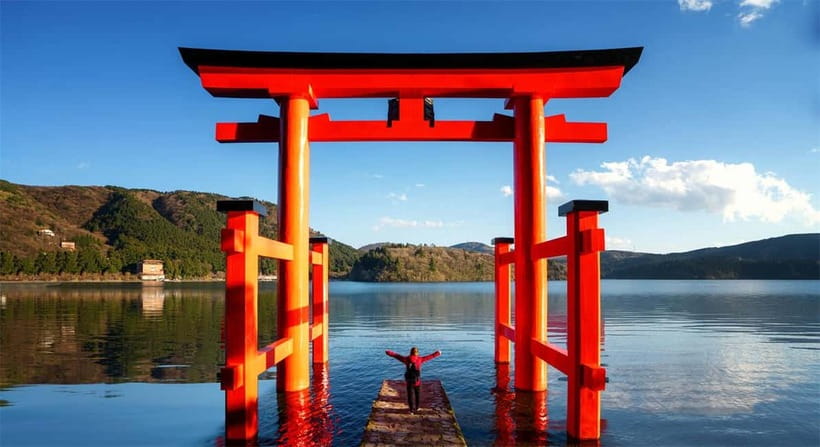
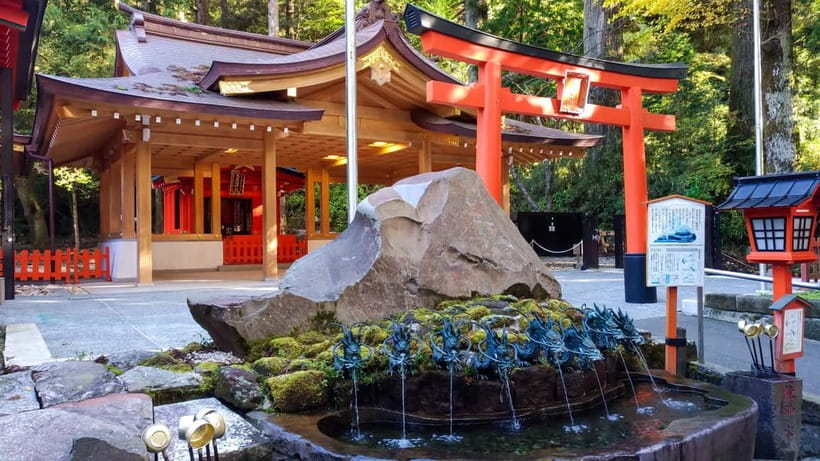
The first major stop is the Heiwa no Torii, the red gate set in Lake Ashi. It is the photograph most people have in mind when they picture Hakone: bright vermilion against the water, with forested hills behind it and, on a clear day, Mt. Fuji farther off.
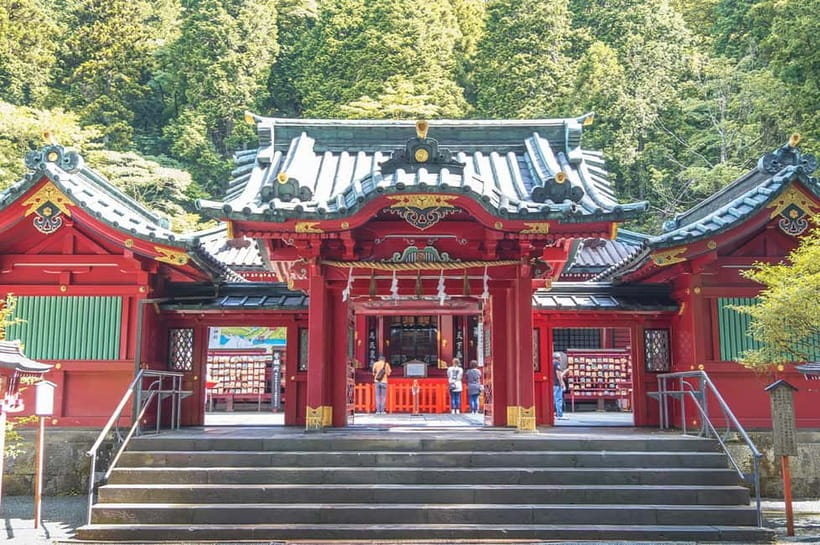
You get about 20 minutes at the gate and another short period around Hakone Shrine. That is enough to take photographs and walk through the sacred setting, but not enough for a long shrine visit or a relaxed exploration of every path.
The gate can draw a line for photographs. You may get a better result by finding a nearby angle among the trees rather than waiting for the perfect position directly in front of it. The shrine itself dates to 757, giving the stop more depth than a simple photo point.
A seasonal warning is important: the Torii gate is scheduled to be closed from December 28 through February 10, 2026. If your date falls in that period, you should expect the gate visit to be affected. The itinerary can also change because of weather, traffic, or local conditions.
Lake Ashi by pirate ship or road
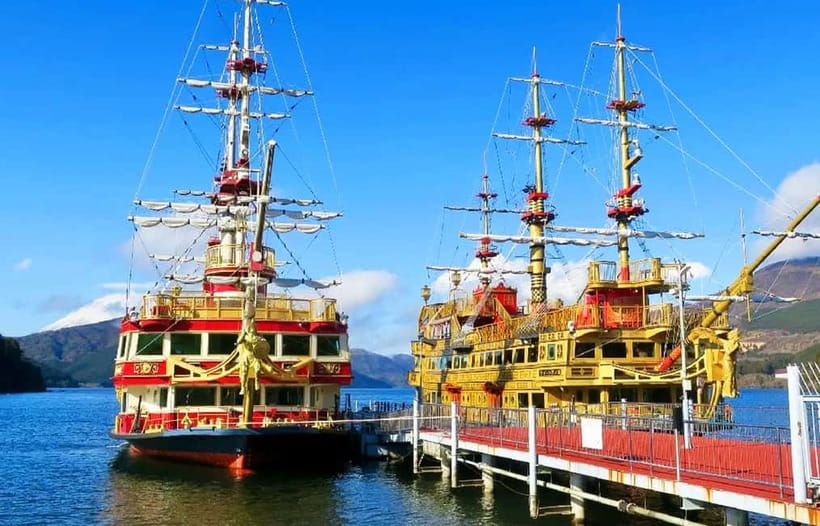
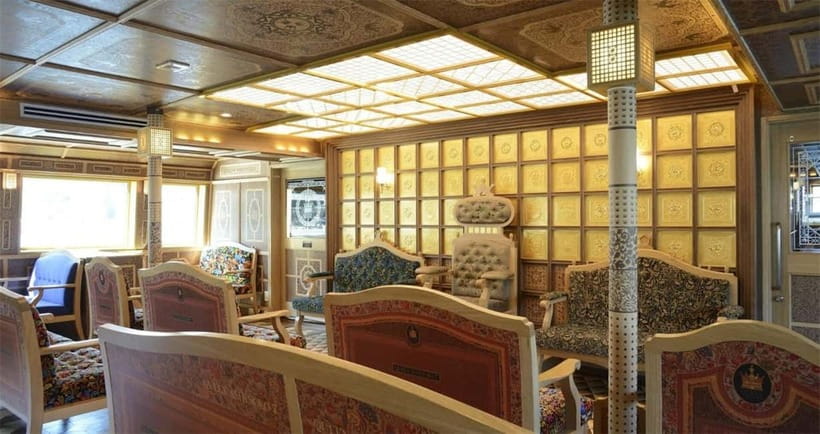
After the shrine, you can take the Lake Ashi sightseeing cruise on one of three themed ships: Royal II, Victory, or Queen Ashinoko. The ride lasts about 25 minutes and gives you a different view of the Torii gate, the lake, and the surrounding hills.
The cruise is optional and costs about 1,700 yen, paid separately. It is not part of the $54 price, so include that cost before deciding. If the weather is poor, the boat may still operate while offering little in the way of mountain views. One unhappy experience came from paying for the cruise during very bad weather when almost nothing could be seen.
If you skip the boat, the group travels by vehicle to Togendai Ropeway Station. I would choose the cruise when the lake is clear and calm, especially if you enjoy seeing familiar sights from the water. I would be less eager to pay for it in heavy cloud or rain.
Queues can build at both the cruise and cable car. The guide handles the group, but you still need to listen closely for boarding and meeting times. This is not the place to wander off for a long snack stop.
More Hakone trips and passes:
- Tokyo: Mt. Fuji 5th Station & Hakone Cruise 1-Day Bus Tour
★ 4.2 · 2,381 reviews - Private Tour to Mt. Fuji and Hakone (Fully Licenced Operator)
★ 5.0 · 1,910 reviews - Mt Fuji & Hakone Cruise, Drum Show Bus 1 Day from Tokyo
★ 4.0 · 1,287 reviews - From Tokyo: Mt. Fuji & Hakone Tour w/ Return by Bullet Train
★ 4.2 · 1,278 reviews
Riding the Hakone Ropeway above Owakudani
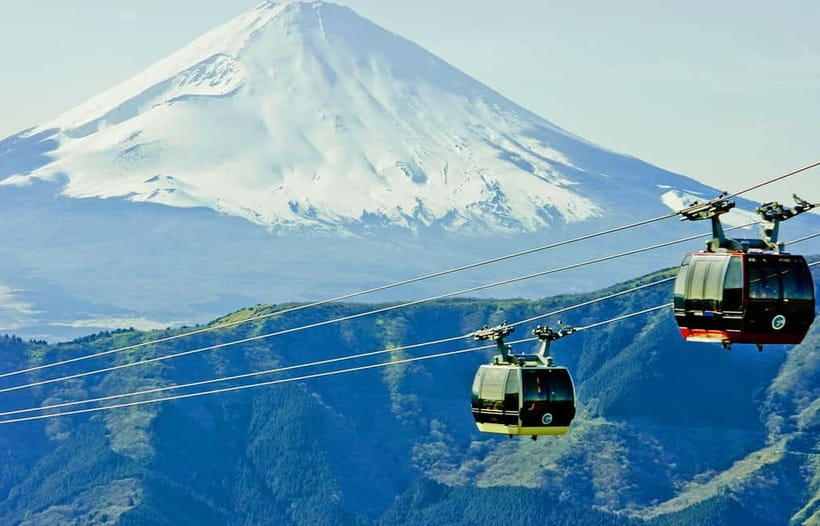
The included Ropeway ride is one of the tour’s strongest features. The cable car travels over the Hakone area for about 30 minutes, opening wide views toward Lake Ashi and, when clouds cooperate, Mt. Fuji.
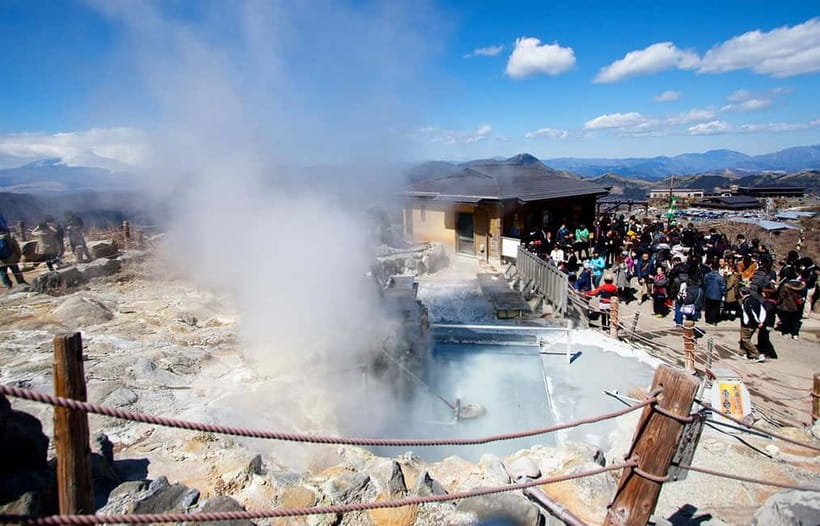
The ride leads to Owakudani, a volcanic valley formed by a huge eruption of Mt. Hakone about 4,000 years ago. Here the scenery changes sharply. Instead of shrine forests and blue water, you see steaming ground, volcanic vents, and a more rugged setting.
Owakudani is also the place to try the famous black eggs, cooked in volcanic spring water. They are a local specialty and an easy snack if you skipped breakfast, though you should still bring your own food because the timing is not guaranteed.
The Ropeway can close for bad weather or maintenance. If that happens, the operator states that you can request a refund of 1,000 yen per person for the Ropeway ticket. Ask the company by email rather than assuming the refund happens automatically.
People with respiratory problems should think carefully before booking. Owakudani is a volcanic area, and the experience is specifically marked as unsuitable for those with respiratory issues. The tour is also not designed for people with mobility impairments, given the coach transfers, queues, walking, and cable car boarding.
Lake Yamanaka and the Swan Lake Shore
The next stop is Lake Yamanaka, one of the Fuji Five Lakes. At the Swan Lake Shore, you have about 20 minutes for photographs and free time.
The draw here is simple and pleasant: swans on the water, with Mt. Fuji as a possible backdrop. If you enjoy wildlife photos or want a quieter pause after Owakudani, this stop adds a different mood to the day.
Do not count on an extended visit. Some departures have had to shorten or skip swan feeding when the group fell behind schedule. That is a useful clue about the tour’s priorities: major transport connections and the return to Tokyo come first.
The view also depends entirely on weather. A sunny winter day can reveal Fuji in full detail, while cloud can hide the mountain completely. The operator makes no promise about visibility, so book this as a scenic day in the Fuji region, not as a guaranteed Fuji photograph.
Lunch, local food, and the long gap
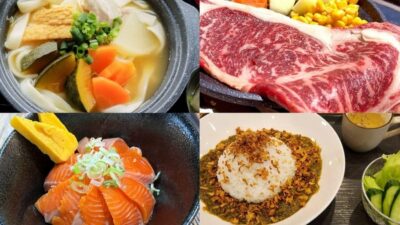
Lunch is not included in the $54 fare. The schedule allows about 40 minutes at a local restaurant, but the exact timing can move. Some people enjoy the food and find it good value, while others have found the dining room cold or wished the stop came earlier.
You may bring something to eat, buy food at the attractions, or follow the restaurant suggestion from the guide. Since food is not allowed on the vehicle, eat at the meeting point or at the first stop rather than assuming you can snack during the drive.
I would pack a compact breakfast, water, and something filling. Black eggs and drinks at Owakudani can help, but they should not replace a proper meal if you have a long morning.
The restaurant stop can also feel rushed. Forty minutes is enough for a straightforward meal, but not for a leisurely lunch with a long wait. If you are particular about food, ask the guide what options are available and keep an eye on the departure time.
Oshino Hakkai and the Fuji snowmelt ponds
The final scenic stop is Oshino Hakkai, a village-like site known for eight clear ponds fed by Mt. Fuji’s snowmelt. The water reflects the mountain and gives you one of the day’s most traditional Fuji scenes.
You get about 40 minutes here, although traffic and delays can reduce that. The ponds are especially appealing after the larger-scale views from Lake Ashi and the Ropeway. I like this stop because it shows how Fuji shapes the region through water, not just through its famous cone.
There are small food and drink opportunities around the site, including matcha and sweets. It is a good place for a final taste of local scenery before the two-hour coach ride back to Tokyo.
Do not linger beyond the meeting time. One departure ended with only a few minutes at the final stop because other people had not kept to the schedule. On a shared tour, one late return can affect everybody.
Guides, group size, and the pace of the day
The guide can make or break a day with this many moving parts. Names praised repeatedly include Jack, Kousei, Tom, Sato, Andrew, Wanting, and Leonard. Their most useful role is not simply giving facts. It is explaining where to go, when to return, how the next transfer works, and how to avoid getting separated.
Several guides also help with photographs, which is useful at the Torii gate, Lake Yamanaka, and Oshino Hakkai. Jack is often described as clear and energetic, while Kousei is noted for patience, photography, and keeping a large group organized. Tom receives praise for useful explanations and attentive help.
The tour is shared and multilingual. That keeps the price low, but you should expect announcements in more than one language and a group that may not move at exactly the same speed. Clear English varies by guide, so if you need an instruction repeated, ask early and directly.
The transport rating is high, with 87 percent of published ratings giving it a perfect score, but that does not mean every coach ride will feel spacious. Solo passengers should also be aware that seating may be assigned or arranged by the operator, and personal space can be limited.
Weather, timing, and what to pack
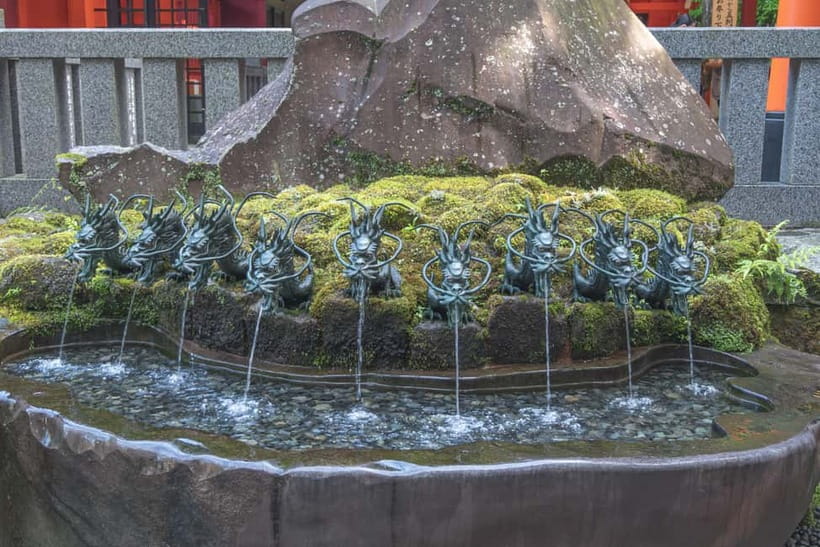
Mt. Fuji visibility is the great variable. You might get the crisp, cloudless view described by several departures, or you might see only a pale outline, or nothing at all. Hakone still offers worthwhile sights in poor weather, but the mountain is the central gamble.
Wear comfortable shoes and weather-appropriate clothing. The day includes shrine paths, viewpoints, queues, the volcanic valley, and outdoor photo stops. Bring a camera, water, and snacks.
Winter can be especially rewarding for clear views, but it can also mean cold air at the lakes and volcanic valley. In warmer or wetter weather, the same itinerary may feel more tiring because you are outside at repeated stops.
The driver is limited to a maximum of 10 working hours per day under Japanese rules. Heavy traffic or delays can force the guide to shorten or cancel a stop. The return time may also move, so I would leave the evening open.
Is the tour a good value from Tokyo?
At $54, I consider this a strong transport bargain for a first visit. You get a guide, coach transportation, parking, and the Ropeway, while visiting several places that are awkward to combine without a car.
The extra costs are modest but real: lunch and roughly 1,700 yen for the pirate ship. You may also want to buy black eggs, drinks, matcha, or other food along the route. Even after those additions, the tour can compare well with the cost and effort of arranging the same circuit independently.
The value is lower if you want long walks, quiet shrine time, or control over every meal and departure. It is also a weaker choice for anyone who dislikes early starts, packed schedules, shared coaches, or weather-dependent sightseeing.
Free cancellation is available up to 24 hours before departure, and you can reserve now and pay later. Those policies help if your Tokyo plans are still shifting, but they do not remove the practical risk of traffic or cloud.
Who should book this Mt. Fuji tour?
I would book this for a first-time Tokyo visitor who wants to cover Hakone and the Fuji lakes in one day without renting a car. It suits photographers, families with enough stamina for a long day, and anyone who values a guide and simple transport over slow independent travel.
I would skip it if you have limited mobility, respiratory problems, or only one clear day reserved for Fuji and cannot tolerate the possibility of missing the mountain. I would also avoid it if your priority is a peaceful Hakone hot-spring experience rather than a full sightseeing circuit.
For the best chance of enjoying it, eat breakfast before pickup, bring snacks, keep the evening free, and accept that the schedule may change. If the forecast looks clear, the combination of Lake Ashi, the Ropeway, Owakudani, and Oshino Hakkai makes this a very efficient day outside Tokyo. If the forecast is poor, book it for the regional sights, not for a guaranteed postcard.
FAQ
How long does the Mt. Fuji and Hakone tour last?
The tour normally lasts about 10 hours, including the coach journey from Tokyo and the return trip. Traffic, weather, queues, and other delays can change the finish time.
What is included in the price?
The $54 price includes air-conditioned vehicle transportation, pickup and drop-off at the designated points, a tour guide, driver, parking fees, and the Hakone Ropeway fare.
Is the Lake Ashi pirate ship included?
No. The pirate ship cruise is optional and costs around 1,700 yen per person, paid separately.
Is lunch included?
No. Lunch and drinks are not included. You can bring food, buy food at the attractions, or eat at a restaurant suggested by the guide.
Can I always see Mt. Fuji?
No. Mt. Fuji visibility depends on the weather and is not guaranteed. Cloud, rain, and other conditions can hide the mountain.
What happens if the Ropeway closes?
The Ropeway may close because of bad weather or maintenance. The tour information says you can contact the operator by email to request a refund of 1,000 yen per person for the Ropeway ticket.
Where does the tour meet?
The meeting point varies by the option booked. The listed designated area is around STAND T and Tokyo Mode Gakuen, with options described for Tokyo Station or Shinjuku Station. Arrive at least 15 minutes early and look for staff wearing a yellow vest.
New on our Tokyo list
- From Tokyo: Mount Fuji & Hakone Full Day Private Tour★ 4.9 · 25 reviews
- Tokyo Spectacular View Day-Cruise in 90 Minutes★ 5.0 · 25 reviews
- Real Tokyo Runner Club : Daikoku Car Meet Night Tour with JDM Car★ 5.0 · 25 reviews
- 2.5 Hour-Guided Cycle Tour in the Central Tokyo★ 5.0 · 25 reviews
- Ramen Making from Scratch +Akihabara Tour –Cooking Class★ 5.0 · 25 reviews
- [Self-Drive] Tokyo & Daikoku Custom Car Driving Tour★ 4.9 · 25 reviews
- Tokyo: 2-Hour Night Bike Tour of the City’s Hidden Gems★ 4.9 · 25 reviews
- Samurai themed Entertainment show in Shinjuku★ 4.5 · 25 reviews
Mt Fuji Area Tours, compared.
Mt Fuji and Hakone 1-Day Bus Tour Return by Bullet Train
Read our review →
Mt Fuji & Hakone Cruise, Drum Show Bullet Train 1 Day from Tokyo
Read our review →
Tokyo Mt Fuji 5th St & Hakone Cruise Bus Tour w/Bullet Train
Read our review →
Mt.Fuji,Kawaguchiko Oishi Park,Arakurayama Sengen Park
Read our review →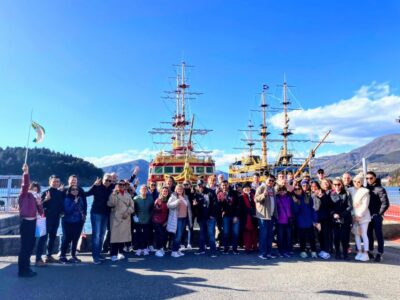
Mt. Fuji 5th Station & Hakone Cruise 1-Day Bus Tour
Read our review →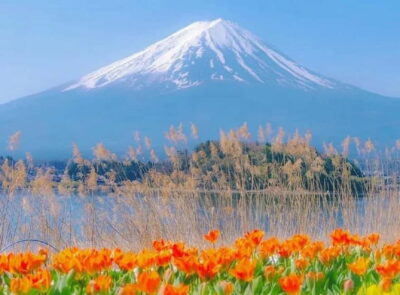
Mt Fuji Top 5 Spots Day Tour: Arakurayama Park,Oshino Hakkai
Read our review →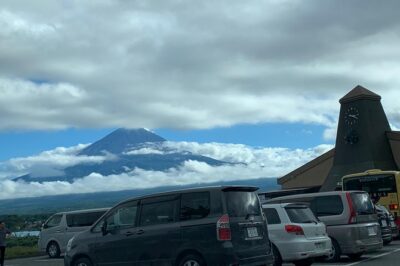
Private Tour to Mt. Fuji and Hakone (Fully Licenced Operator)
Read our review →Browse the lists this tour appears in