
Reviewed · HAKONE TOURS
Hakone Adventure: Explore Nature’s Beauty and Tranquility
Hakone’s great pleasure is seeing the region change beneath you: forested slopes from the Hakone Tozan Railway, volcanic vents at Owakudani, and broad lake views from a boat on Lake Ashi. This private guided trip links those pieces into one full day, with guides such as Yumiko, Taku, and Yuuki helping you handle the changes.
I like the variety of transport, since the train, cable car, ropeway, and cruise each reveal Hakone from a different angle. I also like the useful local context, from the old Tokaido Road to the spiritual meaning of Hakone Shrine. The catch is price: at $139 per person, you still pay transportation fares and food separately, and crowds can make the schedule feel tight.
In This Review
- Key points at a glance
- Why this Hakone route works so well
- Starting from Tokyo, Odawara, or Hakone
- Riding the Hakone Tozan Railway for one hour
- Climbing higher by cable car and ropeway
- Owakudani and the smell of a living volcano
- A scenic cruise across Lake Ashi
- Hakone Shrine and its torii gates
- The final bus ride and the timing problem
- What the $139 price really buys
- Weather, crowds, and what to pack
- Who should book this Hakone experience?
- FAQ
- How much does the Hakone Adventure experience cost?
- How long does the experience last?
- Where can I join the tour?
- Where does the tour finish?
- Is the tour conducted in English?
- Is this a private group experience?
- Which transport is used during the tour?
- Is Mt. Fuji guaranteed to be visible?
- What should I bring?
- Should you book it?
Key points at a glance
- Hakone’s mountain train: Ride Japan’s only mountain railway through wooded slopes and switchbacks.
- Owakudani’s live volcano: See steam rise from vents and smell the sulfur in this active geothermal valley.
- Lake Ashi by boat: Cruise past forested hills, torii gates, and possible views of Mt. Fuji.
- Four kinds of transport: The route uses train, cable car, ropeway, and sightseeing boat.
- Several starting points: Join from Shinjuku, Hakone Yumoto, Odawara, or the listed park meeting point.
- Private English guidance: You get personal assistance with transfers, though transport costs are extra.
Why this Hakone route works so well
Hakone is not a single attraction. It is a string of sights spread around a volcanic crater, with trains, buses, cable cars, ropeways, and boats connecting them. That makes the area rewarding, but it can also turn a day trip into a puzzle of schedules and queues.
This experience solves much of that puzzle. Your guide stays with you through the main route, explains what you are seeing, and helps you move between transport systems. You are not simply dropped at a viewpoint and told to find your own way to the next stop.
The route also gives you several types of scenery in a short time. The railway feels intimate and old-fashioned. The ropeway gives you a high view over the crater. Owakudani brings you close to volcanic activity. Lake Ashi slows the pace again, and Hakone Shrine adds a cultural finish.
That variety is the main reason to consider the tour. If you want one famous Hakone sight, you can arrange that more cheaply. If you want the area’s major highlights in one guided outing, the extra cost buys help with the route and background.
More Hakone trips and passes:
- Mt Fuji and Hakone 1-Day Bus Tour Return by Bullet Train
★ 5.0 · 26,383 reviews - Mt Fuji & Hakone Cruise, Drum Show Bullet Train 1 Day from Tokyo
★ 4.0 · 7,413 reviews - Tokyo Mt Fuji 5th St & Hakone Cruise Bus Tour w/Bullet Train
★ 4.4 · 5,024 reviews
Starting from Tokyo, Odawara, or Hakone
You can begin at one of four listed meeting points: Mukoyama Park, the Shinjuku Station East Exit Police Box, Hakone Yumoto Station, or the Odawara Station Tourist Information Center. The exact meeting point depends on the option you choose, so check your booking details carefully.
The Shinjuku option is useful if you are based in Tokyo and want a guided day without arranging the Hakone route yourself. The Hakone Yumoto and Odawara choices make more sense if you are already staying in the area or arriving by train.
The experience can last from 270 to 570 minutes, a very wide range. That difference likely reflects the chosen start point, transport conditions, and the amount of time available. Ask yourself how much time you have before booking, especially if you must catch a specific train back to Tokyo.
Arrive 15 minutes before departure. That advice matters here because missing the group at a station can be much harder than missing a guide at a quiet museum entrance.
Riding the Hakone Tozan Railway for one hour
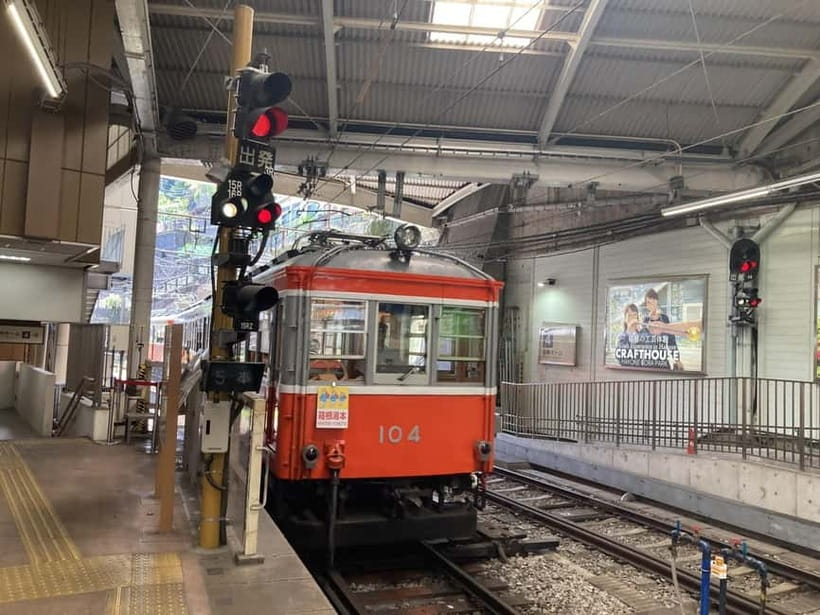
The first major section uses the Hakone Tozan Railway, Japan’s only mountain train. It climbs through wooded hills and narrow valleys, using switchbacks to gain height where a straight track would be too steep.
I like this part because it feels like transportation with a purpose, not just a ride between attractions. The changing views show why Hakone became a mountain retreat, and seasonal scenery adds variety throughout the year.
Your English-speaking guide gives context about Hakone’s development as a resort and its location along the old Tokaido route between regions. That background helps you see the railway as part of Hakone’s identity, not merely a way to reach the cable car.
The train takes about one hour. Keep your shoes comfortable and be ready for some walking once you arrive. The route is active enough that people with mobility limitations may find the day difficult, and the experience is not recommended for people with heart problems or pregnant women.
Climbing higher by cable car and ropeway
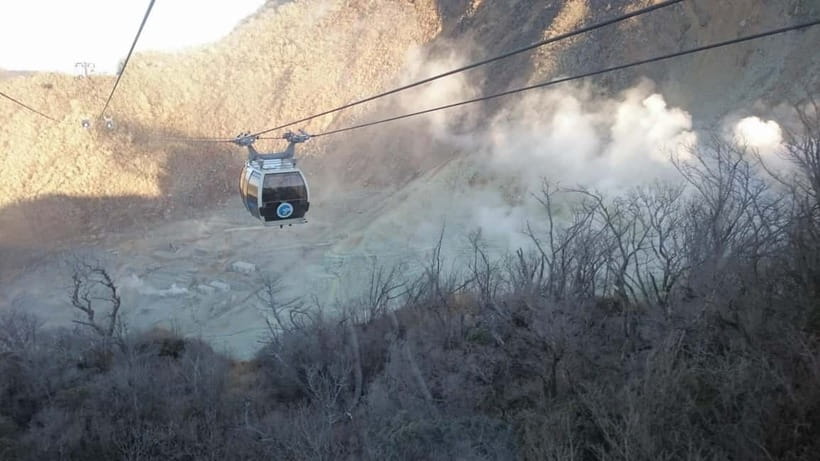
After the train, the route continues upward by cable car and ropeway. The cable car climbs through the mountain area, while the ropeway carries you above valleys and volcanic ground.
This is where the trip becomes especially scenic. From above, you can understand Hakone as a huge crater shaped by ancient eruptions. The views are broader than those from the train, and the height gives you a clear sense of the region’s scale.
The ropeway can also be the day’s biggest practical problem. One October booking encountered a long queue even on a Monday, which shortened the time available for Hakone Shrine. That is a useful warning: Hakone can be crowded outside the weekend, and transport lines may disrupt an ambitious schedule.
If you are booking this experience, do not assume every listed stop will receive the same amount of time. A crowded ropeway, weather delay, or slow transfer can reduce time later in the day. If Hakone Shrine is especially important to you, tell your guide early and keep your onward train plans realistic.
Same corner of Hakone, a completely different plan:
- Tokyo: Mt. Fuji Tour, Hakone Ropeway, Owakudani, Lake Ashi
★ 4.7 · 4,002 reviews - Tokyo: Mt. Fuji 5th Station & Hakone Cruise 1-Day Bus Tour
★ 4.2 · 2,381 reviews - Private Tour to Mt. Fuji and Hakone (Fully Licenced Operator)
★ 5.0 · 1,910 reviews - Mt Fuji & Hakone Cruise, Drum Show Bus 1 Day from Tokyo
★ 4.0 · 1,287 reviews
Owakudani and the smell of a living volcano
Owakudani is the route’s most unusual stop. This active geothermal valley has steam rising from volcanic vents, and the air carries a clear sulfur smell. You are seeing evidence that Hakone’s volcanic activity is not only ancient history.
The visit lasts about 20 minutes, including guided sightseeing. That is enough to take in the main view and learn about the site, but it is not a long independent walk through the area.
The famous black eggs associated with Owakudani are part of the local experience, and one guide-led visit included the chance to discover them. Food is not included, so any purchase is at your own cost.
Owakudani can be striking in clear weather, but fog or cloud may soften the views. You should also be ready for the sulfur scent, which some people may find strong. Comfortable shoes help here, as the day includes walking around uneven outdoor areas.
Your guide adds value by explaining the cultural stories and local traditions tied to the volcanic valley. Without that context, Owakudani can become a quick photo stop. With it, the steam, smell, and black eggs connect to a larger picture of Hakone’s natural forces and local customs.
A scenic cruise across Lake Ashi
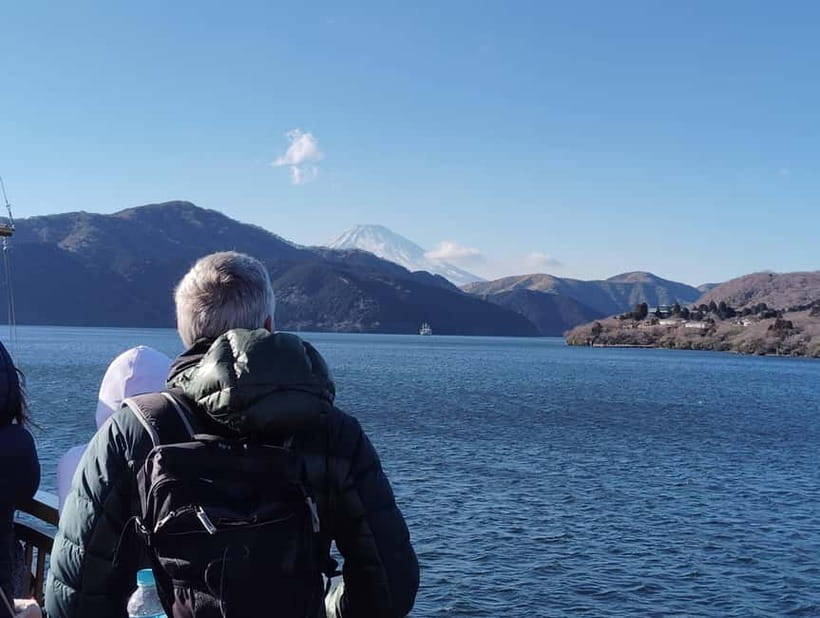
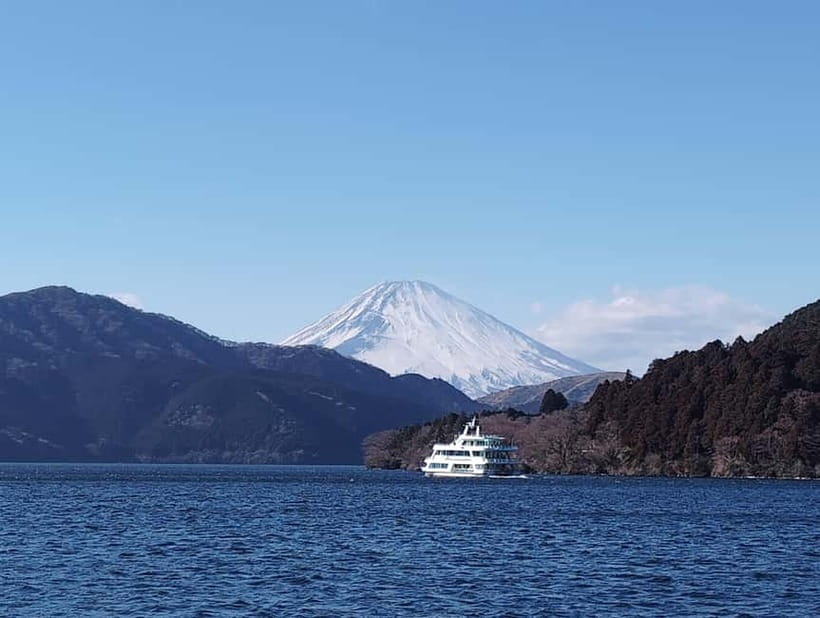
The sightseeing cruise lasts about 50 minutes and crosses Lake Ashi, a caldera lake formed within Mount Hakone. After the heights and fumes of Owakudani, the boat offers a calmer stretch of the day.
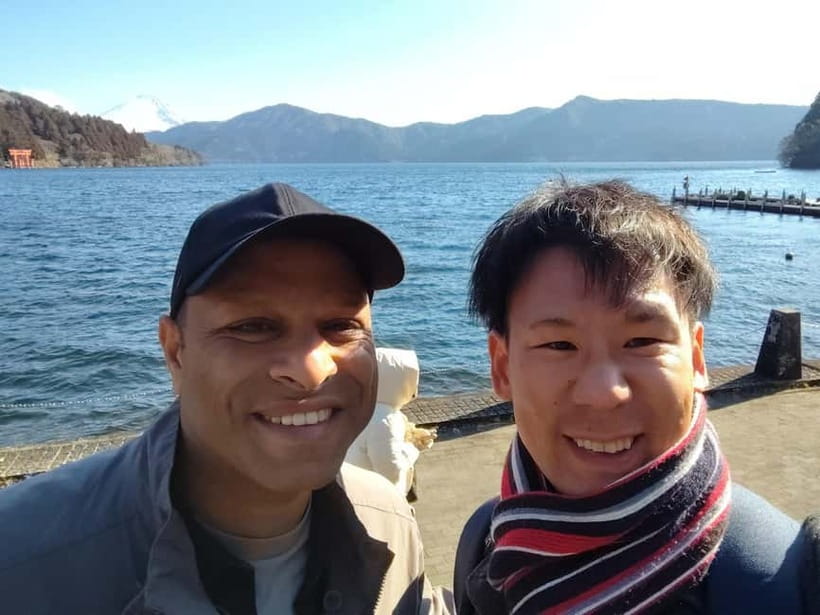
Look toward the forested hills and the famous torii gates associated with Hakone Shrine. On a clear day, Mt. Fuji may appear beyond the lake. The view is never guaranteed, however. Cloud cover prevented one group from seeing Fuji, though the lake and volcanic area still made the outing worthwhile.
This is one reason to avoid judging the trip only by Fuji. The mountain is an excellent bonus, but Hakone’s appeal also comes from the lake, the crater, the changing transport, and the contrast between quiet water and active volcanic ground.
The cruise is especially useful for people who want scenic variety without spending the entire day hiking. You can sit back, photograph the views, and let the route carry you to the next part of the visit.
Hakone Shrine and its torii gates
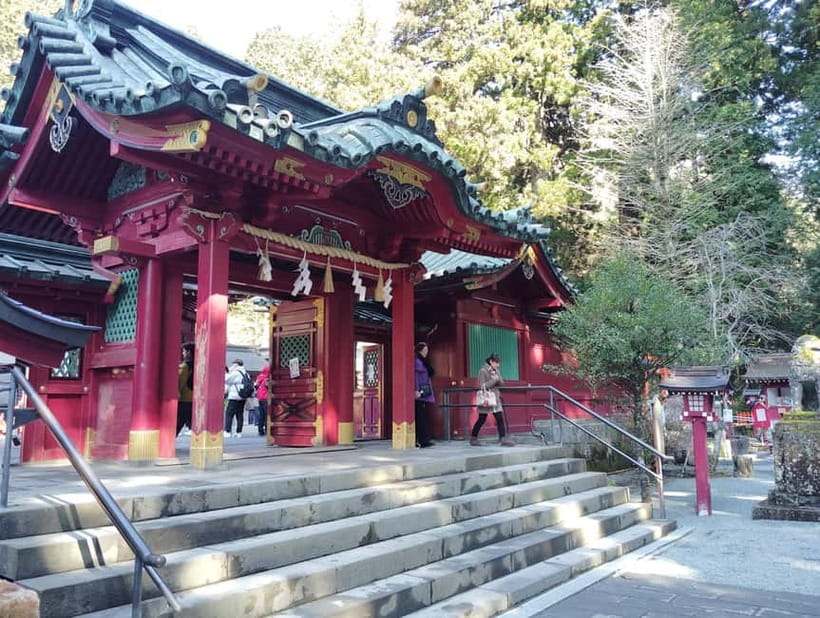
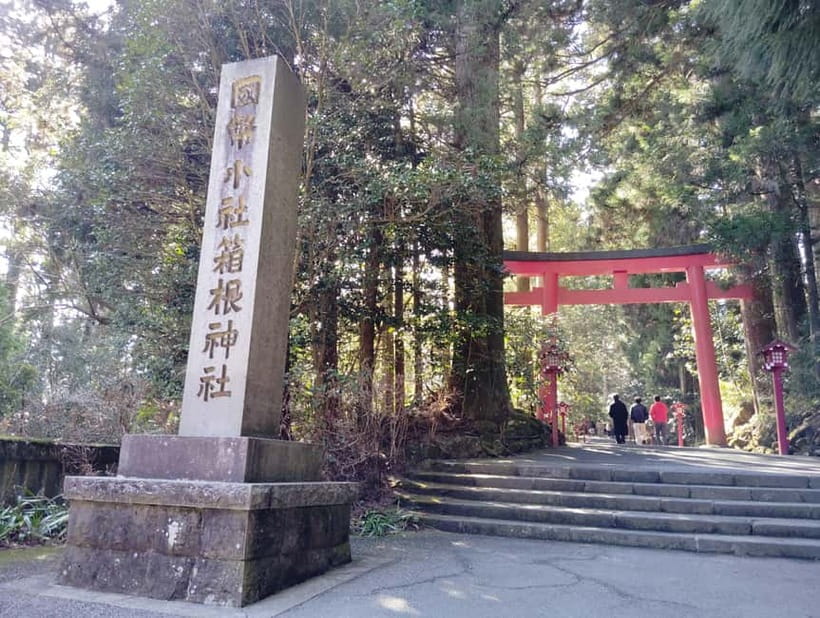
The route allows about 45 minutes at Hakone Shrine, plus a shorter 10-minute Lake Ashi visit. The shrine is important for understanding Hakone’s spiritual tradition and is closely linked with the torii gates seen by the water.
This stop gives the day a cultural counterpoint. Owakudani shows the power of nature, while the shrine shows how people have understood and honored this mountain region over time.
Timing is the key issue. If queues delay the ropeway or transport connections, the shrine visit may be shortened or missed. One group had to skip it because they had a train booked back to Tokyo. I would not book a tight return connection after this tour if the shrine is a priority.
The guide can help you understand why the shrine matters, rather than treating it as another quick photo point. Still, forty-five minutes is a compact visit, not a leisurely exploration of every corner.
The final bus ride and the timing problem
The listed bus or coach segment takes about 45 minutes and leads to Hakone Yumoto Station or the Shinjuku East Exit police box, depending on your booking. It gives you a direct finish after a day of transfers.
The route is carefully packed. In the best conditions, you see the train, cable car, ropeway, Owakudani, Lake Ashi, Hakone Shrine, and the main connecting points in one outing. In crowded conditions, the same plan can feel rushed.
That tradeoff is central to the experience. Guides such as Taku and Yuuki have been praised for helping with transport and adjusting to individual needs. Taku was also noted for being considerate when slight mobility issues made movement more demanding. That personal help can be valuable when you are dealing with unfamiliar stations and several changes.
Still, a guide cannot control ropeway queues, weather, or road conditions. If you want long meals, extended shrine time, or slow photography at every stop, this is not the right format. Think of it as a well-organized introduction to Hakone rather than a slow retreat.
What the $139 price really buys
The price is $139 per person, and the transport fares are paid separately during the day. Food and drinks are also extra. This is the most important financial detail because the advertised price is not the full cost of moving around Hakone.
Several people found the tour expensive compared with arranging the route independently. That criticism is fair. Hakone’s transport network is designed for sightseeing, and an independent visitor can buy the relevant tickets and follow the route with planning.
You are paying for more than tickets here. The price includes an English-speaking guide, private group service, help with transfers, and local explanation at the main sights. Guides named Yumiko, Taku, Yuuki, and Kyo received strong praise for being friendly, attentive, and useful with local information.
For a first visit, a private group can make the day less stressful. You can ask questions, get help when plans change, and avoid spending your attention on every connection. For a confident independent visitor who enjoys reading timetables and comparing fares, the value is weaker.
I would compare the total cost of the tour plus transport with the cost of your preferred Hakone pass or individual tickets. Then ask how much you value a guide’s time. The tour is not the bargain choice, but it may be a reasonable convenience purchase for a short Japan visit.
Weather, crowds, and what to pack
Clear weather makes a major difference, especially if Mt. Fuji is high on your list. Check the forecast and dress for changing mountain conditions rather than Tokyo’s weather alone.
Bring comfortable shoes, warm clothing, a camera, and sunscreen. You will spend time outdoors, ride open scenic transport, and walk between stations and sights.
Crowds deserve equal attention. Ropeway queues can be long even on a weekday, and delays may reduce your time at later stops. I would avoid a very tight return train and would consider booking outside the busiest periods when possible.
Smoking is not allowed on the activity. The outing is also not suited to pregnant women, people with mobility impairments, or people with heart problems. If you have only slight mobility concerns, mention them before the day begins. One guide was especially helpful with transport assistance, but the route still involves walking and multiple changes.
Who should book this Hakone experience?
I would choose this tour if you are visiting Hakone for the first time and want the main sights without spending hours planning connections. It suits people who value explanation, like a private group, and want to experience Hakone through several forms of transport.
It is also a good fit if you are staying in Tokyo but want a guided day into the mountains. Starting from Shinjuku can simplify the trip, while the Odawara and Hakone Yumoto options suit people already closer to the region.
I would think twice if your budget is tight, if you dislike fixed schedules, or if you want to linger at Owakudani and Hakone Shrine. Independent transport will likely cost less, and a self-guided day gives you more control over pauses and meals.
FAQ
How much does the Hakone Adventure experience cost?
The listed price is $139 per person. Transportation fares during the tour, along with food and drinks, are not included.
How long does the experience last?
The duration ranges from 270 to 570 minutes. Check the available option and starting time because the length varies.
Where can I join the tour?
The listed starting points are Mukoyama Park, the Shinjuku Station East Exit Police Box, Hakone Yumoto Station, and the Odawara Station Tourist Information Center. Your meeting point depends on the option booked.
Where does the tour finish?
The listed drop-off points are Hakone Yumoto Station and the Shinjuku Station East Exit Police Box. Your end point depends on the selected option.
Is the tour conducted in English?
Yes. The experience includes a live English-speaking guide throughout the journey.
Is this a private group experience?
Yes. The group type is listed as private.
Which transport is used during the tour?
The route uses the Hakone Tozan Railway, cable car, ropeway, sightseeing cruise, and bus or coach.
Is Mt. Fuji guaranteed to be visible?
No. Mt. Fuji can be seen from Lake Ashi on clear days, but cloud cover may block the view.
What should I bring?
Bring comfortable shoes, warm clothing, a camera, and sunscreen. Arrive at the meeting point 15 minutes before the scheduled departure.
Should you book it?
Book this experience if you want Hakone’s major sights linked by a guide who can help with the transport changes. The strongest parts are the range of scenery, the volcanic stop at Owakudani, the Lake Ashi cruise, and the practical help provided by guides such as Yumiko, Taku, and Yuuki.
Skip it if you mainly want the lowest possible price or a relaxed, unhurried day. The separate transport fares raise the total cost, and queues can squeeze the schedule. For a first visit with limited time, though, this remains a useful way to get a broad view of Hakone in one carefully planned outing.
New on our Hakone list
- Hakone Private Customized Day Tour★ 4.5 · 3 reviews
- Day Trip To Mount Fuji and Hakone from Tokyo with English Guide★ 4.5 · 3 reviews
- Mt Fuji, Hakone Private Tour by Car Pickup from Tokyo★ 5.0 · 3 reviews
- Odawara: Castle Guided Tour with Panoramic Views★ 5.0 · 3 reviews
- Mount Fuji and Hakone Private day trip from Tokyo★ 5.0 · 3 reviews
- Tokyo to Hakone | Private and Personalized Day Trip with a Local★ 4.0 · 3 reviews
- Mount Fuji Hakone with English-speaking Guide★ 5.0 · 3 reviews
- 2 Days Tokyo ,Mount Fuji / Hakone Private Tour from Tokyo★ 5.0 · 3 reviews
Hakone Tours, compared.
Mt Fuji and Hakone 1-Day Bus Tour Return by Bullet Train
Read our review →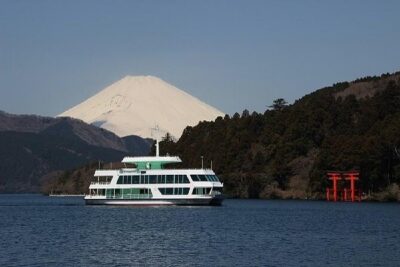
Mt Fuji & Hakone Cruise, Drum Show Bullet Train 1 Day from Tokyo
Read our review →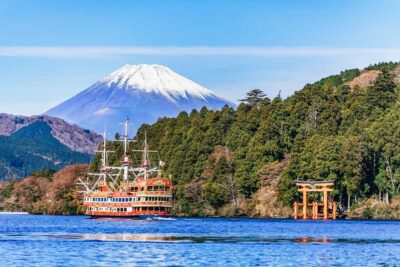
Tokyo Mt Fuji 5th St & Hakone Cruise Bus Tour w/Bullet Train
Read our review →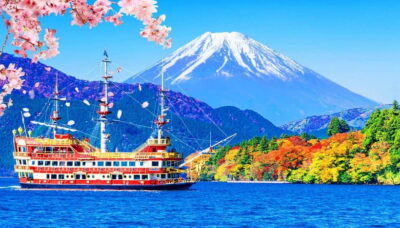
Mt. Fuji Tour, Hakone Ropeway, Owakudani, Lake Ashi
Read our review →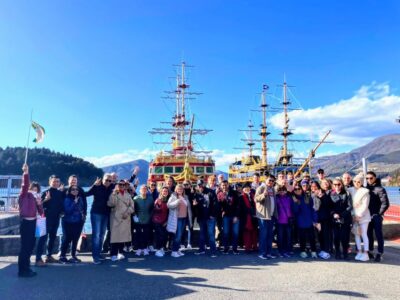
Mt. Fuji 5th Station & Hakone Cruise 1-Day Bus Tour
Read our review →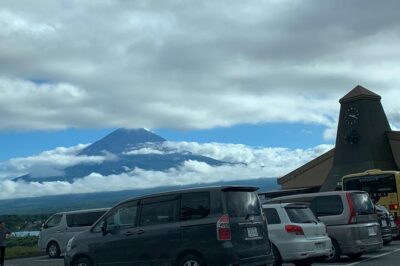
Private Tour to Mt. Fuji and Hakone (Fully Licenced Operator)
Read our review →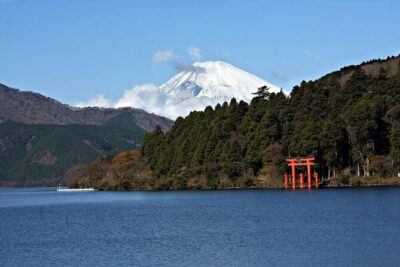
Mt Fuji & Hakone Cruise, Drum Show Bus 1 Day from Tokyo
Read our review →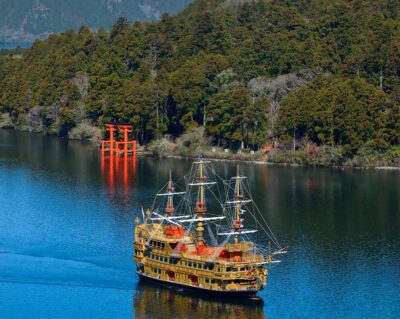
Mt. Fuji & Hakone Tour w/ Return by Bullet Train
Read our review →Browse the lists this tour appears in