
Reviewed · HAKONE TOURS
“Takigyo”Traditional Japanese Waterfall Training meditation
The most striking part of this Odawara experience is simple: you walk beneath a real waterfall in traditional ritual clothing, following prayers led by a local monk. Takigyo is not a quick photo stop. It asks you to stand still, breathe, and accept the cold force of the water.
I like the small maximum of four people, which keeps the morning personal and gives Kai and the GOEN team room to guide you carefully. I also like the temple ceremony and safety prayer before the waterfall, since they give the activity cultural meaning instead of treating it as an ordinary outdoor stunt.
The main consideration is physical comfort. You will get wet, need a full change of clothes, and face weather-dependent scheduling. At $143.34 per person, this is a special-purpose experience rather than a cheap sightseeing add-on, but transport, robes, staff, temple guidance, and a GoPro video are included.
In This Review
- Key points to know before booking
- What Takigyo means in this Odawara setting
- Starting at Odawara Station at 7:30 am
- Beginning with temple prayers and purification
- Changing into a dōgi at the temple
- Walking through the forest to Sunset Falls
- Facing the waterfall during Takigyo
- Drying off, drinking tea, and reflecting
- What the $143.34 price includes
- Who should book this experience
- Practical planning for weather and cancellation
- Should you book Takigyo in Odawara?
- FAQ
- Where does the Takigyo experience take place?
- Where do I meet the group?
- How long does the activity last?
- What happens before the waterfall ritual?
- What clothing is provided?
- Should I bring a change of clothes?
- Is transportation included?
- Is the experience offered in English?
- How many people can join the activity?
- Is activity insurance included?
- Can the activity be canceled because of weather?
- What is the cancellation deadline?
Key points to know before booking
- The ritual begins at 7:30 am at Odawara Station, with pickup and round-trip transport to the temple included.
- A local monk leads a purification ceremony and safety prayer before you approach the falls.
- You wear a traditional dōgi, with a fundoshi also provided for men.
- Sunset Falls is reached by a short forest walk, adding a quiet nature component to the morning.
- The group is limited to four participants, useful if you want close guidance and little waiting.
- Bring a complete change of clothes and your own travel insurance, since meals and activity insurance are not included.
What Takigyo means in this Odawara setting
Takigyo is a Japanese waterfall training practice linked with purification, prayer, discipline, and mental focus. The idea is not simply to stand under falling water for entertainment. You prepare at a temple, put on ritual clothing, approach the site quietly, and use the force of the water to clear your attention.
That structure matters. Without it, a waterfall bath could feel like an unusual thrill activity. Here, the prayer, clothing, forest walk, and period of reflection create a clear beginning, middle, and end.
You should also set your expectations correctly. This is not a long meditation retreat, and the supplied details do not promise an extended religious teaching session. It is a roughly four-hour cultural activity built around one demanding ritual. I see that as a strength for a busy Japan trip: you receive a focused introduction without giving up an entire day.
The experience is hosted through GOEN, and Kai is identified as the organizer and guide connected with the Buddhist temple. The available feedback repeatedly highlights his warm, friendly, competent approach and clear English. That is useful here, because you will want instructions you can understand before stepping into moving water.
More Hakone trips and passes:
- Mt Fuji and Hakone 1-Day Bus Tour Return by Bullet Train
★ 5.0 · 26,383 reviews - Mt Fuji & Hakone Cruise, Drum Show Bullet Train 1 Day from Tokyo
★ 4.0 · 7,413 reviews - Tokyo Mt Fuji 5th St & Hakone Cruise Bus Tour w/Bullet Train
★ 4.4 · 5,024 reviews
Starting at Odawara Station at 7:30 am
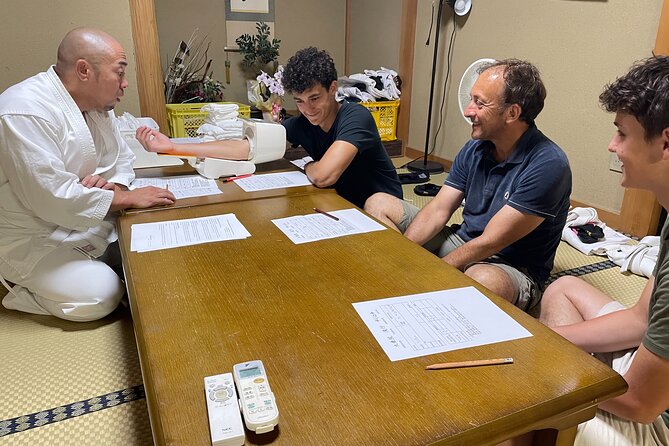
Your morning starts at Odawara Station at 7:30 am. The meeting time is early, but it gives the activity a calm start and leaves part of the day free afterward.
Pickup at the station removes one of the biggest headaches with rural cultural activities: working out the final connection by yourself. Round-trip transportation to the temple is included, so you do not need to plan a separate local transfer for the main part of the morning.
The experience is near public transportation, but the stated meeting arrangement is still important. Arrive ready to leave at the set time rather than treating the station as a loose meeting area. Confirmation is sent within 48 hours of booking, subject to availability, so check that confirmation before building tight same-day plans around the activity.
The group limit of four is one of the strongest practical features. A tiny group means less time spent watching other people take their turn, and more chance to ask questions about the ritual or local area. It also makes the activity feel less like a staged attraction.
Beginning with temple prayers and purification
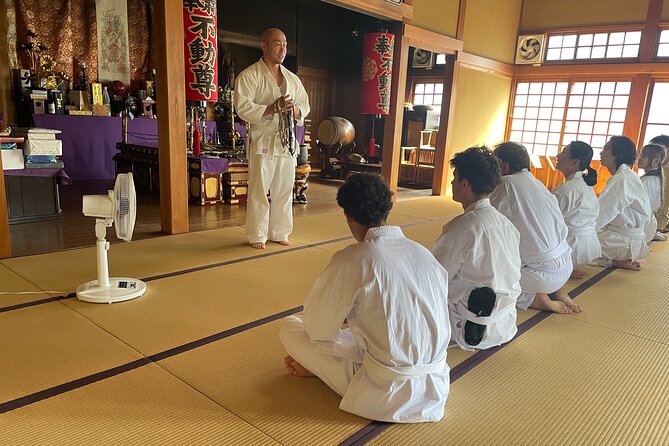
The first stop is a quiet countryside temple. A local monk leads a purification ceremony and prayer for safety and mindfulness before you change clothes.
This is the part I find most valuable for understanding what you are about to do. The prayer frames the waterfall as a sacred place and reminds you that the activity has a spiritual purpose. It also provides a pause before the physical challenge begins.
You can expect cultural explanation about the area and the waterfall ritual from the Japanese and English-speaking staff. The experience is therefore suitable for someone who wants context, not just directions. At the same time, you should not expect a full academic lecture on Japanese Buddhism. The information provided points to a practical, guided introduction tied directly to the morning’s ritual.
The safety prayer is especially welcome. Waterfall training has an element of risk and discomfort, so preparation should come before enthusiasm. The available feedback describes some participants feeling nervous after changing and hearing the instructions, then feeling calm and proud afterward. That emotional shift is part of the appeal.
Changing into a dōgi at the temple
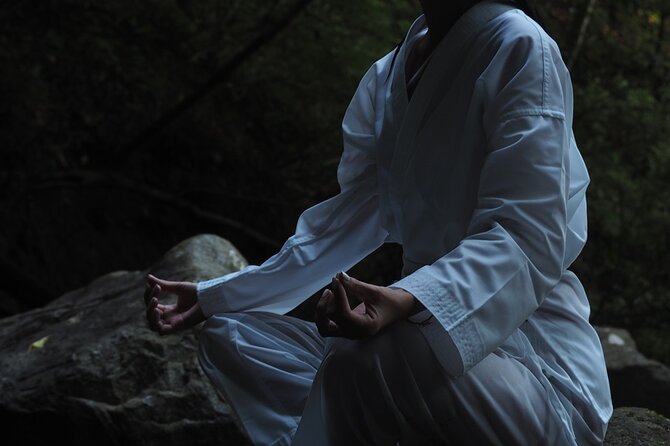
You are provided with a traditional outfit, including a dōgi and, for men, a fundoshi. These garments are associated with monks and ascetics who have practiced waterfall rituals over the centuries.
The clothing helps you leave ordinary sightseeing behind. It also makes the activity feel connected to the religious setting rather than like a standard swim or canyon excursion.
Practical warning: bring your own change of clothes. A rental ritual outfit is included, but dry clothing is not. Since the waterfall is the central activity, assume you will need to change fully afterward. The information provided does not specify changing-room details, so pack in a way that keeps your dry clothes simple to reach and easy to put on.
Meals are not included either. The early start means you should handle food before or after the activity according to your own plans. Personal expenses and souvenirs are also separate.
Same corner of Hakone, a completely different plan:
- Tokyo: Mt. Fuji Tour, Hakone Ropeway, Owakudani, Lake Ashi
★ 4.7 · 4,002 reviews - Tokyo: Mt. Fuji 5th Station & Hakone Cruise 1-Day Bus Tour
★ 4.2 · 2,381 reviews - Private Tour to Mt. Fuji and Hakone (Fully Licenced Operator)
★ 5.0 · 1,910 reviews - Mt Fuji & Hakone Cruise, Drum Show Bus 1 Day from Tokyo
★ 4.0 · 1,287 reviews
Walking through the forest to Sunset Falls
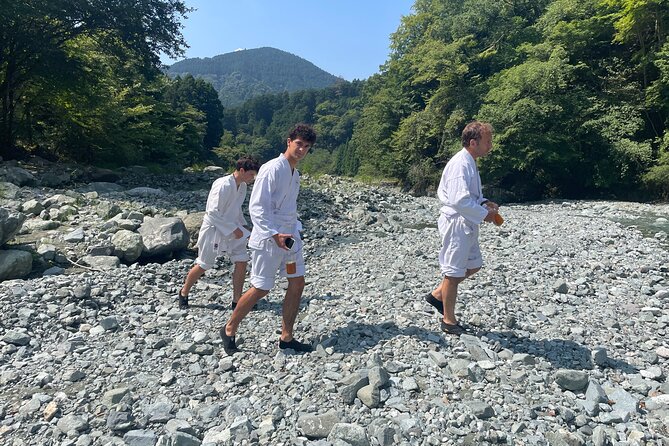
After changing and receiving the explanation, you take a short walk through forest paths to Sunset Falls. This walk is not filler. It gives you time to settle down, notice the quiet surroundings, and move from the temple into the natural setting where the ritual takes place.
The route is described as short, but the information does not give an exact distance or walking time. Wear practical footwear for the approach and be prepared for conditions that may be damp or uneven. The activity is near public transportation, but the final walk is still an outdoor part of the experience.
Sunset Falls has a slightly curious name for an activity that begins in the morning. The supplied details do not explain the name, so I would not build expectations around seeing sunset views. The important point is the waterfall itself and its role as the ritual site.
This forest walk also helps the experience avoid feeling rushed. A temple visit followed immediately by a powerful waterfall could feel like a set of disconnected activities. The short approach links them.
Facing the waterfall during Takigyo
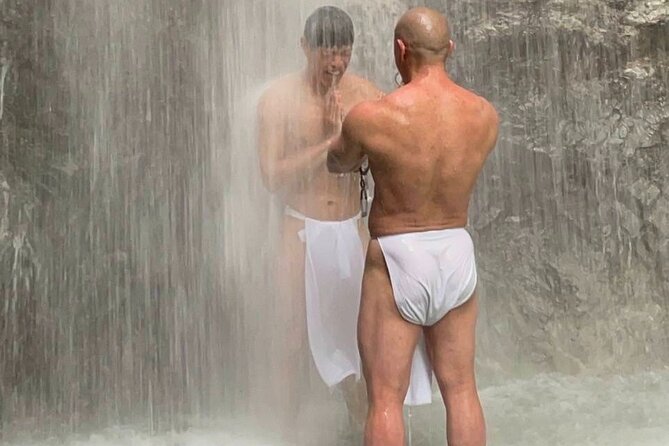
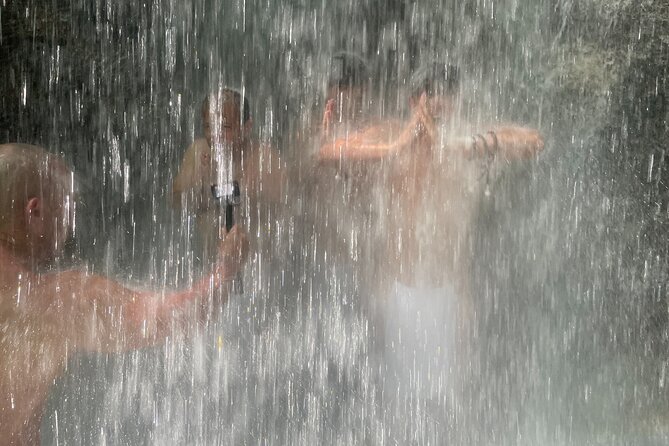
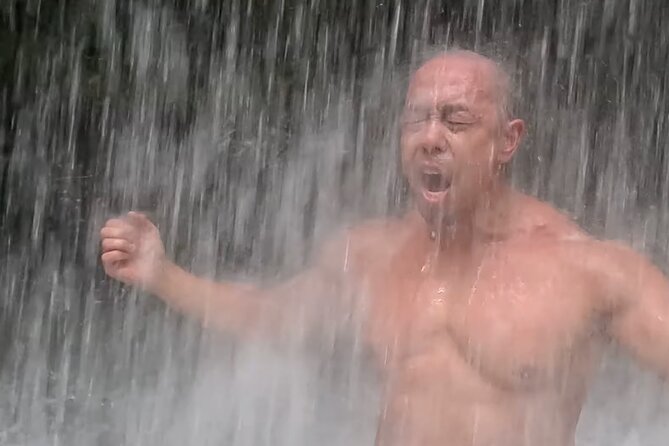
The central moment comes when you step beneath the waterfall. You are asked to calm your mind, breathe deeply, and remain present under the falling stream.
This is the demanding part. The water is not presented as a gentle spa treatment, and the activity description emphasizes the challenge of performing the ritual in authentic clothing. You should book it because you want a test of composure and a strong sensory experience, not because you expect comfort.
The guide’s role is important here. Kai and the staff provide cultural explanation and accompany you through the waterfall training. The small group should allow more direct attention, though the provided information does not state how long each person remains under the water.
The spiritual benefit is personal rather than guaranteed. You might feel calm, refreshed, proud, or grateful afterward. You might mainly remember the cold shock and the effort required. Both reactions are reasonable. The experience gives you the setting and structure for reflection, but it cannot promise a particular inner result.
I also appreciate that the ritual is not sold as a simple dare. The temple prayer, traditional clothing, and quiet approach give the waterfall a purpose. You are not merely proving that you can tolerate cold water. You are taking part in a practice designed to sharpen attention.
Drying off, drinking tea, and reflecting
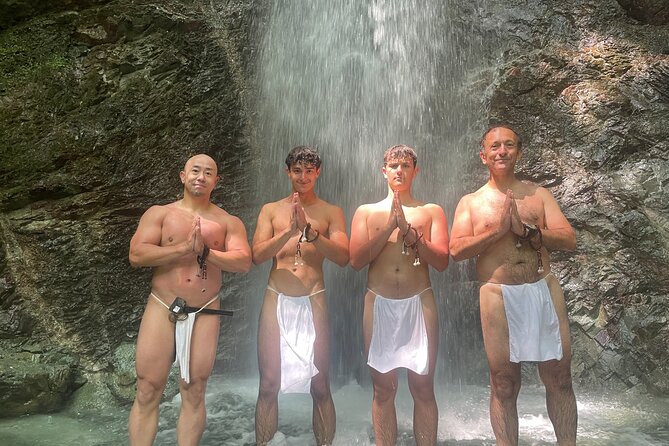
After the waterfall, you have time to dry off, reflect, and enjoy tea or another warm drink with the guide and the rest of the small group.
This closing period may be just as important as the ritual. Physical effort can leave you keyed up, and a warm drink gives you a chance to settle before the return journey. It also creates room to talk with Kai about what you have just done.
The available feedback gives this final stage particular weight. Participants describe feeling calm, refreshed, proud, and grateful afterward. Those reactions suggest the experience works best when you allow yourself time to notice the change in mood instead of rushing straight back to ordinary sightseeing.
A GoPro video of the experience is included. That gives you a record of the waterfall ritual without needing to manage a camera while standing under the stream. It is a useful extra, though you should confirm how and when the video is delivered if that matters to you.
What the $143.34 price includes
At $143.34 per person, this is expensive compared with a simple temple visit or a self-guided trip to a waterfall. The value comes from the combination of services and access.
Your price includes:
- Japanese and English-speaking staff
- Pickup at Odawara Station
- Round-trip transportation to the temple
- Traditional dōgi rental
- Fundoshi rental for men
- Temple safety prayer
- Cultural explanation of the ritual and area
- Guidance during the waterfall training
- GoPro video of the experience
For me, the strongest value is the specialist guidance. You are not just paying to reach a waterfall. You are paying for a carefully framed cultural activity with a monk-led ceremony, ritual clothing, small-group attention, and transport.
The price makes less sense if you only want a quick nature outing or a cold-water challenge. You can also find cheaper ways to spend four hours in Odawara. But if your goal is a rare cultural experience that you could not easily arrange alone, the package is easier to justify.
Remember that food, dry clothes, personal expenses, souvenirs, and activity insurance are not included. You should have your own travel insurance, particularly because the activity involves outdoor conditions and immersion in moving water.
Who should book this experience
I would recommend Takigyo to an adventurous adult who wants a strong cultural memory rather than another standard sightseeing stop. It suits people interested in Buddhist practice, Japanese ritual, meditation, and controlled physical challenges.
It also works well for someone who likes small groups. With no more than four participants, you are less likely to feel lost in a crowd, and the guide can keep the experience personal.
You should think twice if you dislike cold water, wet clothing, early starts, or outdoor activity. The details say most participants can take part, but that does not mean the experience will feel easy for everyone. Physical comfort and weather remain real factors.
This is also a good choice for a repeat visitor to Japan who has already seen major temples and cities. The appeal is not a famous monument. It is the chance to take part in a ritual under the guidance of people connected with the temple.
Practical planning for weather and cancellation
The experience requires good weather. If poor weather causes cancellation, you are offered another date or a full refund.
For a full refund, cancel at least 24 hours before the start time. Cancellations or changes made less than 24 hours before the activity are not accepted for a refund, and the cut-off uses local time.
That policy makes it wise to avoid placing the activity on the final morning of a short trip. A weather change could alter your plans, and an early start leaves little room for delays. If you have flexibility, schedule it early enough in your stay to allow a new date if needed.
The experience receives full marks from the six supplied ratings, with especially strong praise for the unusual nature of the activity, the friendly English-speaking team, Kai’s guidance, and the calm feeling after the ritual. I would treat those points as the most useful clues about what you are buying: personal support and a memorable emotional finish, not luxury or convenience.
Should you book Takigyo in Odawara?
Book it if you want to step outside ordinary sightseeing and are willing to get properly wet, wake early, and face a demanding waterfall ritual. The temple prayer, traditional clothing, short forest walk, small group, and warm drink afterward give the morning a clear cultural shape.
Skip it if you are looking for a relaxed bath, a flexible schedule, or a low-cost way to see nature. The $143.34 price is fair for the transport and guided setup, but only if the ritual itself interests you.
My advice is to bring dry clothes, arrange food separately, keep your schedule open around the weather, and arrive at Odawara Station ready for a serious experience. For the right person, this could be one of the most memorable mornings in Japan.
FAQ
Where does the Takigyo experience take place?
The experience takes place in Odawara, Japan, with the waterfall ritual held at Sunset Falls.
Where do I meet the group?
You meet at Odawara Station at 7:30 am. Pickup and round-trip transportation to the temple are included.
How long does the activity last?
The experience lasts approximately four hours.
What happens before the waterfall ritual?
You visit a countryside temple, take part in a purification ceremony and safety prayer led by a local monk, and receive an explanation of the ritual.
What clothing is provided?
A traditional dōgi is provided. A fundoshi is also provided for men.
Should I bring a change of clothes?
Yes. You must bring your own change of clothes because dry clothing is not included.
Is transportation included?
Yes. Pickup at Odawara Station and round-trip transportation to the temple are included.
Is the experience offered in English?
Yes. Japanese and English-speaking staff are included.
How many people can join the activity?
The maximum group size is four participants.
Is activity insurance included?
No. Activity insurance is not included, so you should have your own travel insurance.
Can the activity be canceled because of weather?
Yes. The experience requires good weather. If poor weather causes cancellation, you can receive a different date or a full refund.
What is the cancellation deadline?
You can cancel at least 24 hours before the start time for a full refund. Changes or cancellations made less than 24 hours before the start time are not accepted for a refund.
New on our Hakone list
- Hakone Private Customized Day Tour★ 4.5 · 3 reviews
- Day Trip To Mount Fuji and Hakone from Tokyo with English Guide★ 4.5 · 3 reviews
- Mt Fuji, Hakone Private Tour by Car Pickup from Tokyo★ 5.0 · 3 reviews
- Odawara: Castle Guided Tour with Panoramic Views★ 5.0 · 3 reviews
- Mount Fuji and Hakone Private day trip from Tokyo★ 5.0 · 3 reviews
- Tokyo to Hakone | Private and Personalized Day Trip with a Local★ 4.0 · 3 reviews
- Mount Fuji Hakone with English-speaking Guide★ 5.0 · 3 reviews
- 2 Days Tokyo ,Mount Fuji / Hakone Private Tour from Tokyo★ 5.0 · 3 reviews
Hakone Tours, compared.
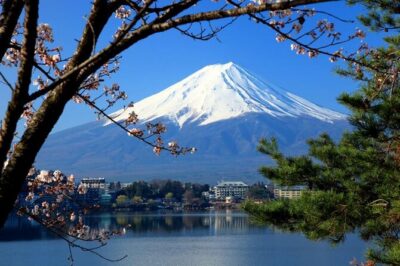
Mt Fuji and Hakone 1-Day Bus Tour Return by Bullet Train
Read our review →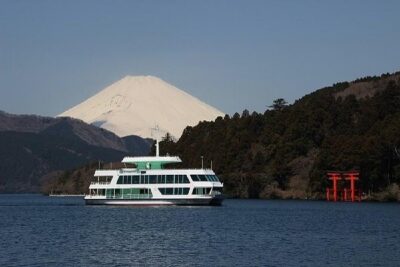
Mt Fuji & Hakone Cruise, Drum Show Bullet Train 1 Day from Tokyo
Read our review →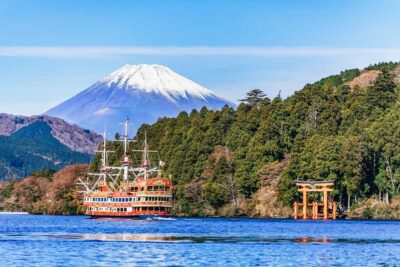
Tokyo Mt Fuji 5th St & Hakone Cruise Bus Tour w/Bullet Train
Read our review →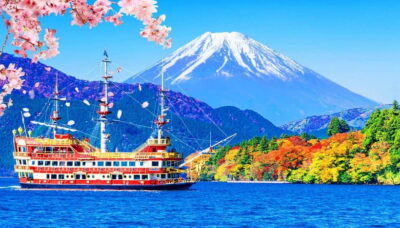
Mt. Fuji Tour, Hakone Ropeway, Owakudani, Lake Ashi
Read our review →
Mt. Fuji 5th Station & Hakone Cruise 1-Day Bus Tour
Read our review →
Private Tour to Mt. Fuji and Hakone (Fully Licenced Operator)
Read our review →
Mt Fuji & Hakone Cruise, Drum Show Bus 1 Day from Tokyo
Read our review →
Mt. Fuji & Hakone Tour w/ Return by Bullet Train
Read our review →Browse the lists this tour appears in