
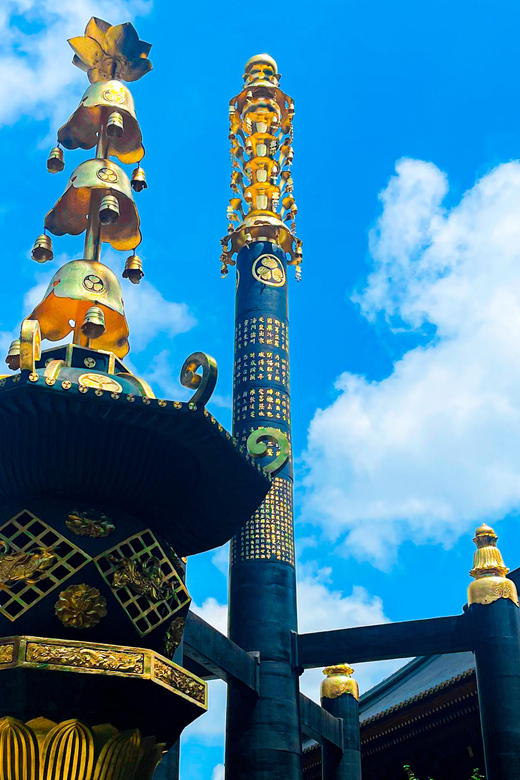
Reviewed · NIKKO TOURS
Nikko: Day Tour from Tokyo in Spanish – Spanish
Nikko gives you a sharp change of pace from Tokyo: within a few hours, city streets give way to sacred bridges, forested temple grounds, and some of Japan’s most ornate religious buildings. This tour makes the journey easier with reserved express trains and a Spanish-speaking guide who explains the legends behind the Futarasan complex and Toshogu Shrine.
I like the friendly, personal guiding style reported from Nerea, Laura, Ori, and Isma, as well as the practical advice you get for the rest of your Japan trip. I also like the small-group feel, which lets the guide adjust the pace when people walk at different speeds. The main drawback is the price, $254 per person, especially since temple admission and lunch are extra.
In This Review
- Key points before you book
- Why Nikko works so well as a Tokyo day trip
- The 105-minute train ride from Asakusa
- First look at Nikko and the walk to Shinkyo Bridge
- Rinnoji Temple and the Futarasan complex
- Toshogu Shrine, the visual centerpiece
- Lunch and the final walk through Nikko
- What the Spanish guiding adds
- Pace, walking, and practical limits
- Is $254 a fair price?
- Who should book this Nikko tour?
- Should you book it?
- FAQ
- Where does the tour meet in Tokyo?
- Is hotel pickup available?
- What language is the tour conducted in?
- How long does the tour last?
- Are the express trains included?
- How long is the train journey?
- What places does the tour visit?
- Is lunch included?
- How much do temple tickets cost?
- Can I bring luggage or a large bag?
Key points before you book
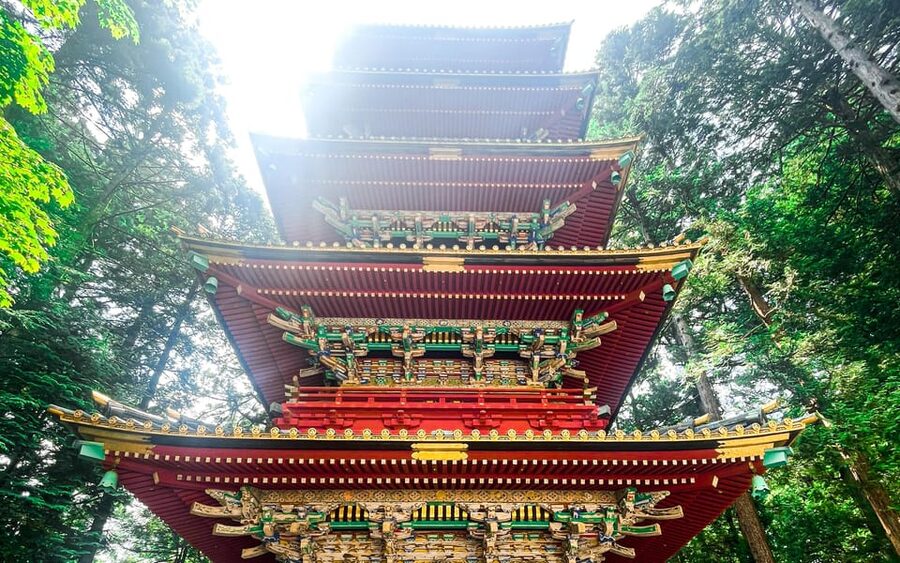
- Reserved express trains from Asakusa: The 105-minute ride each way gives you a comfortable, organized route to Nikko.
- Spanish explanations at every major stop: The guide covers Shinkyo Bridge, Rinnoji Temple, the Futarasan area, and Toshogu Shrine.
- A full look at Nikko’s sacred center: You see three major sites rather than making a quick photo stop at one shrine.
- Toshogu gets the most time: The guided visit lasts about 95 minutes, enough for its elaborate design and stories.
- Hotel pickup may be available: If selected, the guide meets you at your hotel reception with a NIPONEANDO name tag.
- Budget for extras: Temple tickets cost ¥1,900, and food and drinks are not included.
Why Nikko works so well as a Tokyo day trip
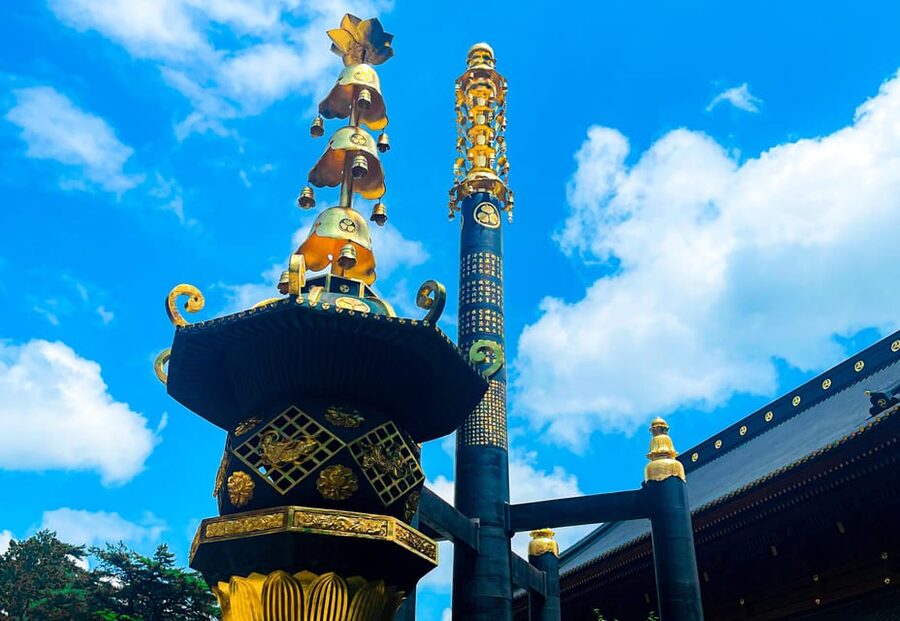
Tokyo can fill an entire trip with neon, trains, department stores, and dense neighborhoods. Nikko gives you a different side of Japan without requiring an overnight stay. The town is a UNESCO World Heritage Site, and the focus here is religious architecture, local legends, and the careful transition from ordinary streets to sacred grounds.
The tour begins in Tokyo, with the standard meeting point in front of the Asakusa Tourist and Cultural Information Center. You are looking for a guide wearing a NIPONEANDO name tag. An optional hotel pickup may be available, which is useful if you prefer not to navigate to Asakusa early in the day.
The rail journey takes about 105 minutes each way. That is a substantial part of the day, but it is also one of the reasons the tour works. You do not have to sort out train reservations or worry about finding the correct seats. The express train is included for bookings made from September 15, 2025 onward. If you booked before that date, check your confirmation carefully, since the train cost was handled differently.
At $254, this is not a bargain day trip. You are paying for Spanish-language guiding, organization, and reserved round-trip express trains. If you are comfortable handling Japanese transport and researching each shrine yourself, you can likely spend less. If you want a Spanish-speaking guide to connect the sites and remove the rail-planning work, the price becomes easier to defend.
More Nikko day trips:
- Nikko: Kegon Falls, Lake Chuzenji & Toshogu Temple
★ 4.6 · 1,577 reviews - Tokyo: Nikko Toshogu Shrine and Kegon Waterfall Tour
★ 4.5 · 1,266 reviews - Nikko Full-Day Private Tour with Government-Licensed Guide
★ 5.0 · 259 reviews
The 105-minute train ride from Asakusa
The train ride is long enough to matter. You spend about three and a half hours on trains during the day, so this is not a quick excursion squeezed between Tokyo attractions. It is best for you if Nikko is a priority and you want to see its main sacred sites in one organized outing.
Reserved seats are a real advantage. You can settle in rather than worry about standing or splitting up. The ride also creates a natural pause before the walking begins. The activity does not include other transportation beyond the express trains, so once you arrive, expect to move around on foot.
The meeting point at Asakusa is practical because the tour ends at one of two drop-off locations: the Asakusa Tourist and Cultural Information Center or Tobu-Asakusa Station. That makes it easy to continue your evening in Asakusa, assuming you still have energy after a full day.
First look at Nikko and the walk to Shinkyo Bridge
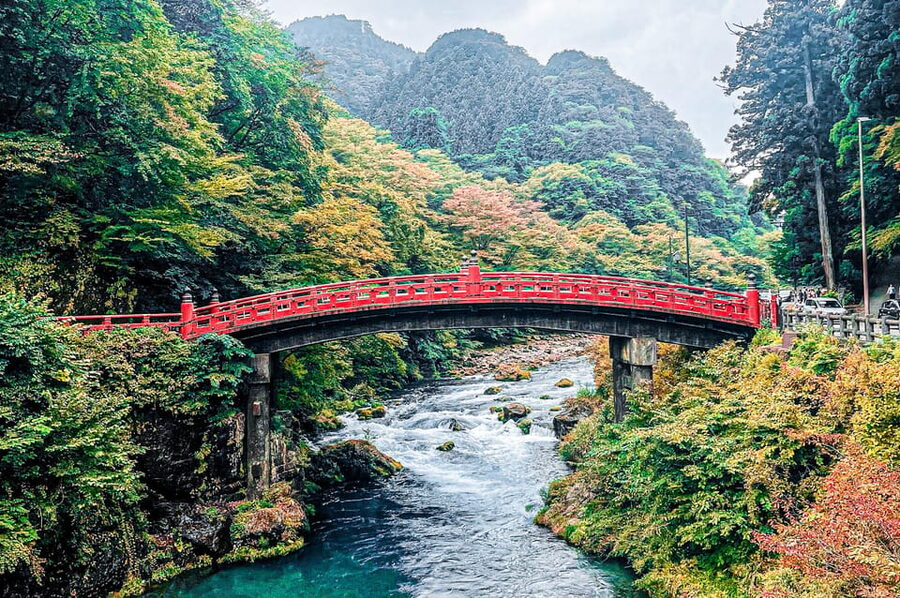
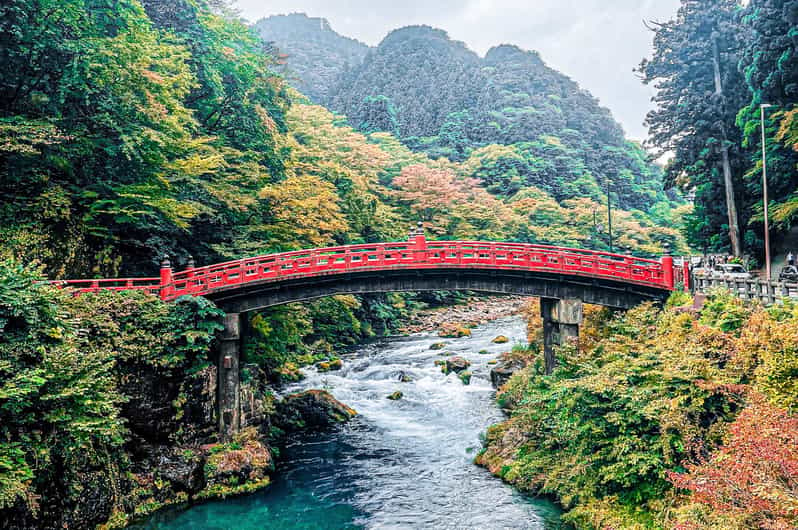
The first guided portion in Nikko lasts about 30 minutes. You begin along the town’s main street, then continue toward Shinkyo Bridge, one of the area’s most recognizable sights. The bridge is often called the Bridge of the Gods, a name that immediately tells you this is more than a crossing for foot traffic.
The visit at Shinkyo Bridge lasts about 15 minutes. That is enough for a focused explanation and photographs, but do not expect a long pause. The tour keeps moving because several major religious sites are still ahead.
A short walk of about 10 minutes follows. You should wear comfortable shoes, especially if you plan to use the free hour for lunch and additional walking. The tour is not suited to wheelchair users, and large bags or luggage are not allowed, so pack lightly.
Rinnoji Temple and the Futarasan complex
Next comes Nikkozan Rinnoji Temple, with about 25 minutes of guided time. The route also includes several temples and shrines connected with the Futarasan complex. Here, the guide’s role matters. Without Spanish explanations, you might see impressive buildings and decorations but miss the stories, legends, and religious connections that give the area its shape.
The time at Rinnoji is fairly short. You will get an introduction and a focused visit, not an unhurried study of every room or object. That is the tradeoff of a day trip from Tokyo. The tour gives you a broad introduction to Nikko’s most important places rather than a slow, specialist tour of one temple.
A five-minute walk connects this stop to Toshogu Shrine. The close spacing helps keep the day efficient. You spend your time seeing the sites instead of repeatedly getting on and off transport.
Same corner of Nikko, a completely different plan:
- From Tokyo: Nikko World Heritage Site Private Full-Day Trip
★ 4.9 · 243 reviews - Nikko: Edo Wonderland Edomura Cultural Theme Park Ticket
★ 4.3 · 205 reviews - Tokyo: Nikko World Heritage Private Day Trip Hotel Pick-up
★ 4.8 · 145 reviews - From Tokyo: Nikko World Heritage Sight Full Day Private Tour
★ 4.9 · 127 reviews
Toshogu Shrine, the visual centerpiece
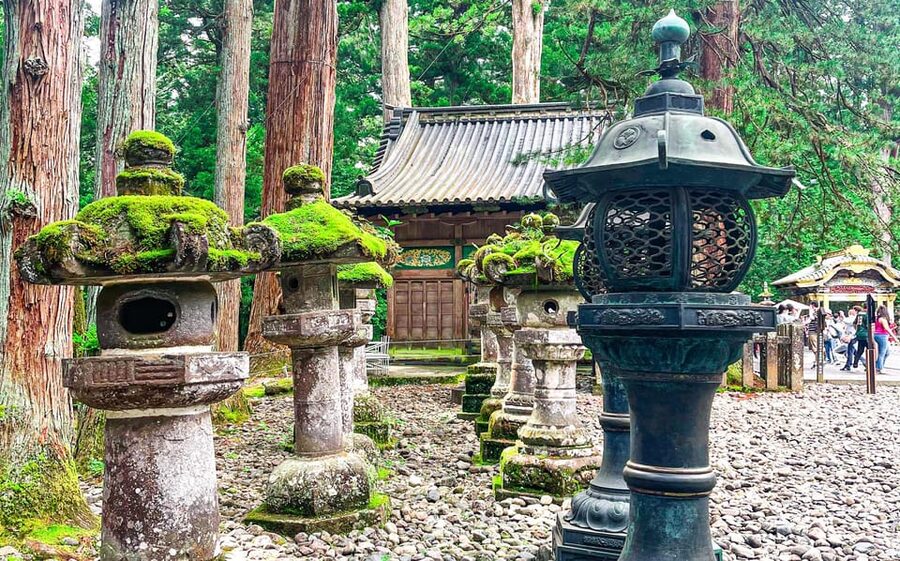
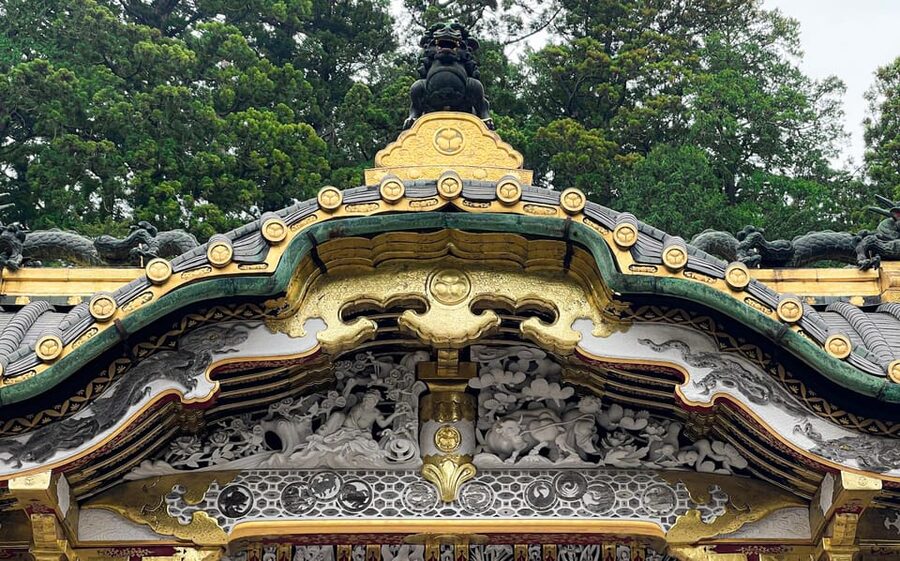
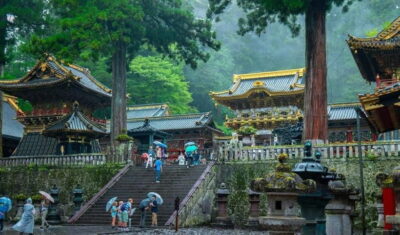
Toshogu Shrine receives about 95 minutes, making it the heart of the tour. It is known for a style that looks markedly different from many other Japanese shrines, with elaborate decoration and a strong visual presence. If you are choosing this excursion mainly for one major sight, this is the place that justifies the trip to Nikko.
The guide explains what you are seeing rather than leaving you to decode the complex on your own. This is especially useful at a shrine with many details, where the visual spectacle can easily distract from the meaning of the buildings, stories, and legends.
The 95-minute visit is generous compared with the earlier stops, but it still has a schedule. You should expect the guide to keep the group moving so the planned return train is possible. A separate entrance for the tour helps you skip the regular line, although that does not mean every part of the shrine will be empty.
Temple tickets cost ¥1,900 and are not included. Add that amount to the advertised price when comparing this excursion with other Nikko options. Food and drinks are also separate.
Lunch and the final walk through Nikko
After Toshogu, you get one hour for lunch. This is a useful break after the morning’s walking and a chance to choose your own food. One booking included a meal at a local restaurant, but the standard terms say food and drinks are not included, so do not assume lunch is covered unless your selected option clearly says so.
The free hour gives the day a little breathing room. You can eat, rest, and take in more of Nikko at your own pace. The schedule then includes about 20 minutes of walking before the return train.
That flexibility is valuable, but it also means you should manage the clock. A long meal could leave you rushing back to the meeting point. Ask your guide for timing advice if you want to use the break for more than lunch. The guides are also happy to offer suggestions for continuing your Japan trip, which adds value beyond the formal sightseeing.
What the Spanish guiding adds
This is not simply a transport package with a few facts attached. The main benefit is having someone explain Nikko in Spanish as you move through the sites. The guides named in the feedback include Nerea, Laura, Ori, and Isma, and the strongest praise centers on their warmth, clear explanations, love of Japanese culture, and willingness to answer everyday questions about Japan.
Nerea was praised for handling different walking speeds in a small group. That detail matters because a tightly scheduled day can become stressful when one person walks quickly and another needs more time. A guide who adjusts the pace without losing the route can make the difference between a pleasant day and a tiring one.
Laura was especially appreciated for offering practical recommendations as well as cultural explanations. Ori received praise for explaining ordinary Japanese topics, not only famous monuments. Isma was described as an engaging host with a strong interest in history. You should not expect every departure to feature the same guide, but these names give you a useful sense of the team’s approach.
The tour is offered in Spanish, and a private group option is available. The standard format appears suited to people who want company and conversation, while the private option may be worth considering if your group has a particular pace or wants more control over the day.
Pace, walking, and practical limits
The published schedule totals 510 minutes, or eight and a half hours. It is often described as an eight-hour tour, so allow a full day rather than planning a tight Tokyo appointment afterward. The return train alone takes another 105 minutes, and small delays in walking or lunch can affect your arrival.
The walking sections are short when listed individually: about 10 minutes to Rinnoji, five minutes to Toshogu, 10 minutes afterward, and another 20-minute walk later in the day. Still, you are walking around temple and shrine grounds, not simply stepping between train platforms. Comfortable shoes are important.
Large bags and luggage are not allowed. Bring only what you need for the day. Unaccompanied minors cannot join, and the tour is not suitable for wheelchair users or people with hearing impairments.
Some activity content may appear in its original language. Since the live guide service is Spanish, ask before departure if you need clarification about any written or recorded material at the sites.
Is $254 a fair price?
The price makes the most sense for you if three things matter: Spanish guiding, a smooth rail connection, and a tightly organized visit to Nikko’s main religious sights. Reserved seats on both express trains remove one major planning task, while the guide helps you understand why Shinkyo Bridge, Rinnoji, Futarasan, and Toshogu belong in the same visit.
The value is weaker if you are traveling on a strict budget or prefer to explore slowly. You still pay for temple admission, lunch, and drinks. You also spend a good share of the day on the train, so the excursion is a commitment rather than a casual add-on.
The excellent rating of 4.7 from 10 reviews supports the idea that the guiding is the strongest part of the experience. The comments repeatedly highlight organization, kindness, cultural explanations, and useful advice. No specific complaint appears in the supplied feedback, but the practical limitations remain: a high total cost, a fixed schedule, considerable train time, and no included meal.
Who should book this Nikko tour?
I would choose this tour if you want Nikko explained in Spanish and you do not want to manage the rail details yourself. It is particularly suitable for first-time visitors to Japan who want cultural context, not only photographs.
It also fits couples, families with accompanied minors, and small groups that value a friendly guide. The option of a private group may help if you want a more personal format.
I would look elsewhere if you need wheelchair access, want a slow day with long meals, or are focused on keeping costs low. Independent visitors who already understand the train system and shrine etiquette may prefer to arrange their own trip and spend longer at each site.
Should you book it?
Book it if Spanish explanations and easy train planning are worth paying for. Nikko is a strong choice for a Tokyo day trip, and the tour covers its essential sights without wasting the day on complicated transfers.
Before paying, confirm whether your booking includes the express trains, add ¥1,900 for temple tickets, and set aside money for lunch. Choose hotel pickup if available and useful, but remember that the tour still ends in Asakusa. With those details clear, this is a well-organized way to see Nikko, especially when you want a personal guide who can explain both Japan’s sacred places and the practical side of traveling around the country.
FAQ
Where does the tour meet in Tokyo?
The standard meeting point is in front of the façade of the Asakusa Tourist and Cultural Information Center. Your guide will wear a NIPONEANDO name tag.
Is hotel pickup available?
Pickup is optional. If you select that option, the guide will meet you at your hotel reception and wear a NIPONEANDO name tag.
What language is the tour conducted in?
The live tour guide language is Spanish.
How long does the tour last?
The stated duration is 510 minutes, which is eight and a half hours. The activity is also described as an eight-hour tour.
Are the express trains included?
Bookings made from September 15, 2025 onward include the round-trip express trains with reserved seats. If you booked before that date, check your booking details because the trains were not included in the price.
How long is the train journey?
The express train takes about 105 minutes each way.
What places does the tour visit?
The route includes Nikko, Shinkyo Bridge, Nikkozan Rinnoji Temple, the Futarasan complex, and Nikko Toshogu Shrine.
Is lunch included?
No. Food and drinks are not included. The itinerary provides one hour for lunch in Nikko.
How much do temple tickets cost?
Temple tickets cost ¥1,900 and are not included in the tour price.
Can I bring luggage or a large bag?
No. Luggage and large bags are not allowed. Unaccompanied minors cannot join, and the activity is not suitable for wheelchair users or people with hearing impairments.
New on our Nikko list
- Nikko Private Custom Tour with Local Guide★ 5.0 · 3 reviews
- Nikko’s Majestic Landscapes: Private Guided Tour★ 4.6 · 3 reviews
- Tokyo: Toshogu Shrine (Nikko Toshogu), Lake Chuzenji, Kegon Falls★ 3.0 · 3 reviews
- World Heritage Nikko Walking Tour Toshogu and Kanmangafuchi★ 4.0 · 3 reviews
- Luxury Nikko Gateway;Private Guided tour★ 4.2 · 3 reviews
- Tokyo/yokohama: Full Day Nikko Private Sightseeing Trip★ 5.0 · 3 reviews
- Explore the Culture and History of Nikko with this Private Tour★ 5.0 · 3 reviews
- Experience Nature and Culture Private Day Tour in Nikko★ 5.0 · 3 reviews
Nikko Tours, compared.
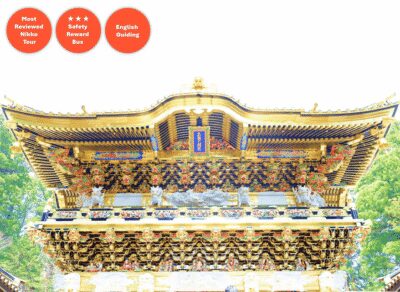
Nikko Toshogu Shrine and Kegon Waterfall Tour
Read our review →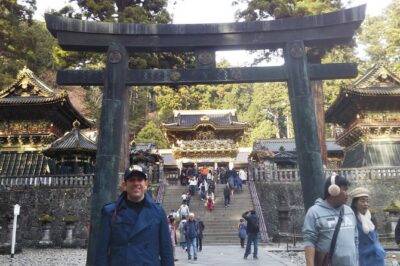
Nikko Full-Day Private Tour with Government-Licensed Guide
Read our review →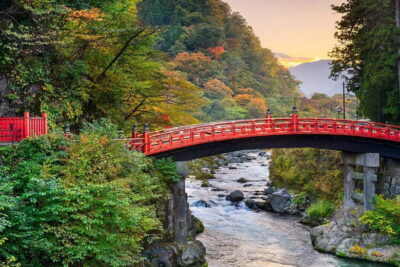
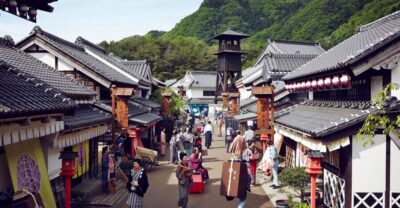
Edo Wonderland Edomura Cultural Theme Park Ticket
Read our review →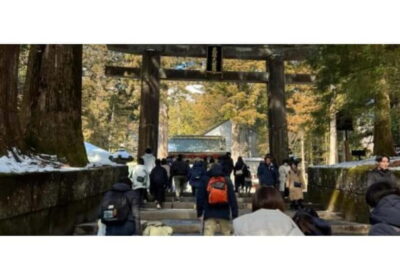
Browse the lists this tour appears in