
Reviewed · TEMPLE & SHRINE TOURS
Tokyo: Nikko Toshogu Shrine and Kegon Waterfall Tour
Nikko packs imperial power, mountain scenery, and a nearly 100-meter waterfall into one long day from Tokyo. The centerpiece is Toshogu Shrine, where Tokugawa Ieyasu rests among lavish carvings, giant cedar trees, and layers of Japanese history. The drive also brings you up the famous Iroha Slope to Kegon Falls and Lake Chuzenji.
I like the way the guide sets up the shrine with a short history lesson before arrival, and I like the comfortable coach for a route that would take more effort by public transport. Guides such as Tina, Zoe, Jeff, Annie, Vicki, and Sheila have been praised for clear explanations and useful food tips. The main drawback is the length: about 10.5 hours, with several hours spent on the road.
In This Review
- Key points at a glance
- Why Nikko makes a strong day trip from Tokyo
- Meeting in Tokyo and settling into the coach
- Shinkyo Bridge, the red gateway to Nikko
- Toshogu Shrine and the world of Tokugawa Ieyasu
- Riding the Iroha Slope into the mountains
- Kegon Falls, the dramatic natural centerpiece
- Lake Chuzenji and the high-country change of mood
- How the $84 price works as a value
- Timing, weather, and practical preparation
- Who will enjoy this Nikko day trip
- Should you book it?
- FAQ
- How long does the Nikko tour last?
- Where does the tour start?
- Is lunch included?
- Is admission to Toshogu Shrine included?
- Is the Kegon Falls elevator included?
- Does the tour visit an onsen or Shinkyo Bridge?
- Can I bring luggage on the coach?
Key points at a glance

- Toshogu Shrine entry is included: You do not need to buy the main admission ticket separately.
- The trip reaches mountain Nikko: The Iroha Slope, Kegon Falls, and Lake Chuzenji give you a sharp change from Tokyo’s city streets.
- The schedule changes on October 1, 2025: The former onsen stop is replaced by Shinkyo Bridge.
- Kegon Falls has an optional extra cost: The waterfall elevator is not included, so carry cash if you want the lower viewing area.
- The bus ride is part of the bargain: The journey takes about 2.5 hours going out and roughly 3 hours returning.
- Lunch is your responsibility: You get time to eat near Kegon Falls, but the meal itself is not included.
Why Nikko makes a strong day trip from Tokyo
Tokyo can fill several weeks, but its scale and noise make a day in Nikko feel like a useful change of pace. Nikko City, in Tochigi Prefecture, combines a major Shinto shrine complex with forests, mountain roads, a high waterfall, and a lake at about 1,269 meters above sea level.
The cultural heart of the visit is Toshogu Shrine. It is the final resting place of Tokugawa Ieyasu, the founder of the shogunate that governed Japan for more than 250 years until 1868. A guide helps turn the carved gates and halls into a story about power, ritual, family, and the Edo Period, rather than leaving you to admire the buildings without context.
The natural part of the day has a different rhythm. You move from ornate religious architecture to a twisting mountain road, then to the roar of Kegon Falls and the broad view of Lake Chuzenji. I find that contrast is the strongest reason to choose this outing instead of a city-only schedule.
More Temple & Shrine Tours in Nikko
- Nikko: Kegon Falls, Lake Chuzenji & Toshogu Temple
★ 4.6 · 1,577 reviews - From Tokyo: Nikko Toshogu Shrine and Kegon Waterfall Tour
★ 4.0 · 42 reviews - Nikko Private Day Tour – Temples, Nature & Hidden Gems
★ 5.0 · 41 reviews
Meeting in Tokyo and settling into the coach
You choose between two departure areas, depending on the date and option booked: Tokyo Yaesu Bus Terminal, around 2-chome-2-1 Yaesu, or the ground floor of the Sumitomo Mitsui Bank, Shinjuku Nishiguchi Branch. Check the exact meeting point carefully, since it can vary.
The tour leader meets the group before the long ride north. The coach is an important part of the experience, not just a way to reach the sights. The journey to Nikko takes about two and a half hours, and the return can take around three hours, so a clean, comfortable bus matters.
Some departures have been described as having generous VIP-style seat spacing, Wi-Fi, and USB charging ports. Those features will not make the road time disappear, but they make it easier to rest, charge your phone, or sort photos between stops.
The guide’s role is to accompany the group throughout the day and explain the places as you go. Guides named in feedback include Tina, Zoe, Jeff, Annie, Vicki, Sheila, Jax, and Sophie. The exact guide changes, but the common strength is clear communication in English or Chinese, often with history and food suggestions mixed into the practical instructions.
Shinkyo Bridge, the red gateway to Nikko
From October 1, 2025, the first sightseeing stop is Shinkyo Bridge. You have about 20 minutes here for a visit, photos, and a quick look at one of Nikko’s best-known symbols.
The bright red, arched bridge crosses the Daiya River at the entrance to the sacred area. Against the surrounding trees and river valley, it offers a simple first impression of Nikko before the more elaborate shrine visit.
Twenty minutes is enough for photographs and a short orientation, but not for a slow exploration. Treat this as a brief introduction rather than a full stop. If you are fond of bridges, river views, or traditional religious sites, have your camera ready as soon as you leave the bus.
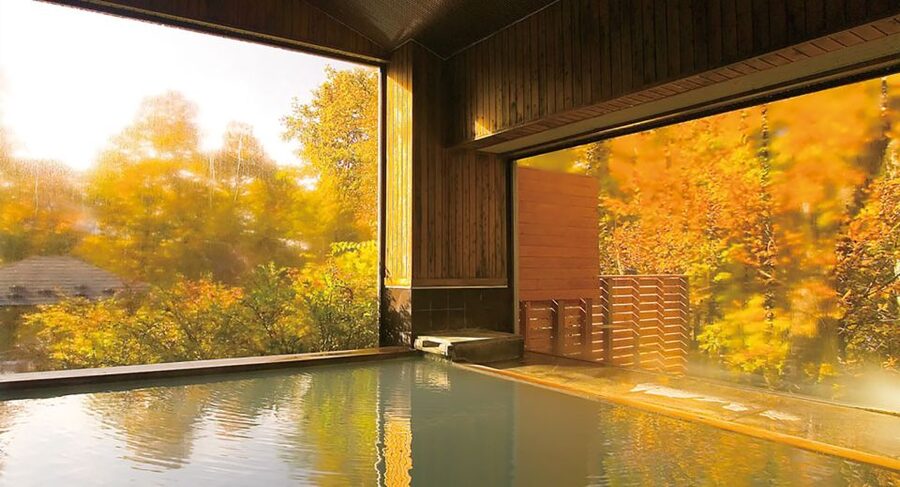
The schedule before October 1, 2025 is different. At that time, the group visits a Nikko onsen instead of Shinkyo Bridge. The onsen stop received warm praise, especially from people who enjoyed the hot spring water after sightseeing. If your date is before the change, confirm the precise arrangement when booking.
Toshogu Shrine and the world of Tokugawa Ieyasu
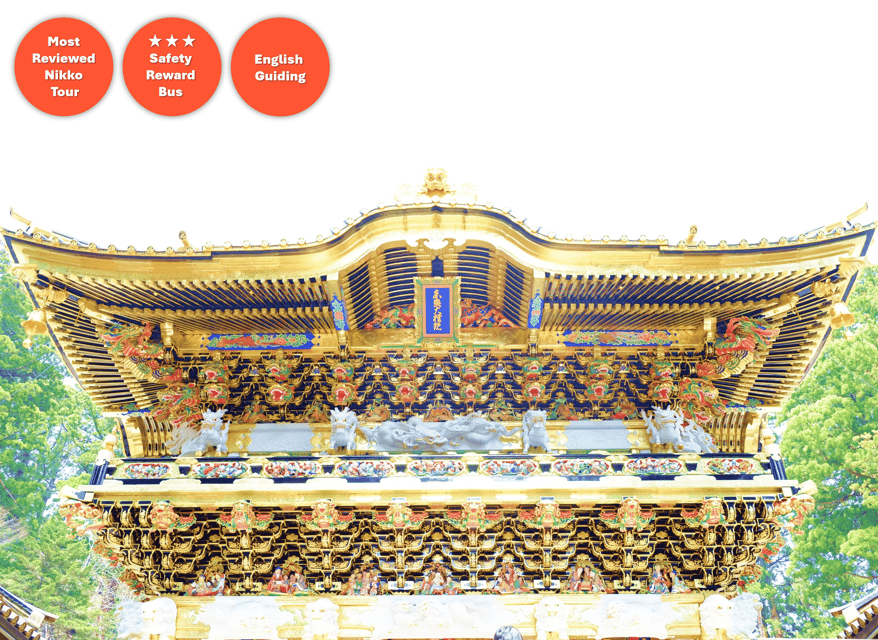
The tour spends about 75 minutes at Nikko Toshogu Shrine, including sightseeing and time for photographs. Your admission ticket is included, which is useful because this is the cultural highlight and the one place where you do not want to waste time arranging entry.
Toshogu is part of Nikko’s UNESCO World Heritage site. It is not a plain, restrained shrine. You will find elaborate gateways, painted details, carved animals, and buildings set among tall trees. The famous woodwork rewards close attention, so do not spend every minute taking wide shots. Look up, check the beams, and notice the small carvings around the larger forms.
The guide’s explanation makes a real difference here. A short history lesson on the bus gives you the basic setting before you arrive, then the guide can point out legends and stories connected with the buildings. That preparation helps you understand why the complex looks so ornate and why Tokugawa Ieyasu’s burial place carries such weight.
You may also encounter a Buddhist temple beside the Shinto shrine area. It is not included in this tour, so do not expect time or admission for every nearby religious building. That limitation matters if you want a full study of Nikko’s blend of Buddhist and Shinto traditions.
Seventy-five minutes is a reasonable introduction, but it can feel tight when the complex is crowded. I would keep the group meeting time firmly in mind and avoid wandering too far from the agreed meeting point. Several people have wished for longer at the shrine, and that is understandable: Toshogu is the place most likely to make you want another half hour.
The approach also involves steps. One visitor specifically praised the climb of 207 steps, but you should plan for uneven walking and comfortable shoes. You do not need formal clothing, but sturdy footwear will help on a day that includes the shrine grounds, waterfall viewpoints, and the lakeside.
More temples and shrines near Tokyo:
- Tokyo: Meiji Shrine, Asakusa, Skytree Bus Tour and Cruise
★ 4.7 · 1,986 reviews - Tokyo: Asakusa Walking Tour with Sensoji Temple Visit
★ 4.8 · 1,583 reviews - Tokyo: Kamakura & Enoshima Day Trip including Temple Tickets
★ 4.5 · 1,375 reviews - Tokyo Panoramic 1 Day: Meiji Shrine, Asakusa, Odaiba and SKYTREE®
★ 4.5 · 1,222 reviews
Riding the Iroha Slope into the mountains
After Toshogu, the bus follows the Iroha Slope, a winding mountain road famous for its 48 sharp turns. It is a sightseeing feature in its own right, even though you do not get out for a dedicated stop.
The road is closely linked with the animation Initial D, which gives it a pop-culture appeal for some visitors. In autumn, the turns are especially popular for views of changing leaves. The driver’s skill matters here, and the tour gives you the chance to experience the route without worrying about navigation or parking.
If you suffer from motion sickness, this is the part of the day to prepare for. The tour does not state that motion-sickness medication is provided, so bring anything you normally use. Keep water nearby and look outside when possible.
Kegon Falls, the dramatic natural centerpiece
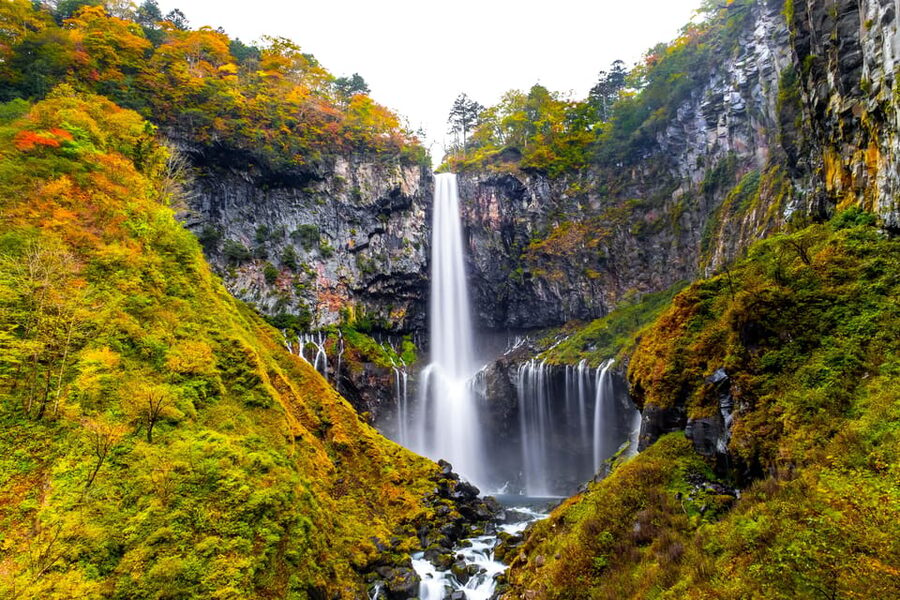
Kegon Falls is nearly 100 meters high and is counted among Japan’s three famous waterfalls, along with Nachi Falls in Wakayama Prefecture and Fukuroda Falls in Ibaraki Prefecture. The waterfall is one of the strongest reasons to accept the long bus ride from Tokyo.
You have about 75 minutes in the Kegon Falls area. This time includes sightseeing and a lunch opportunity, but lunch is not included. Your guide may point you toward local places, and several guides have been praised for useful food recommendations. One suggestion led a group to an authentic udon restaurant near the waterfall area.
The waterfall viewing experience can vary with weather. Mist, fog, rain, or poor visibility may hide part of the falls and reduce the view across the valley. On clear days, the height and force of the water make this the day’s most dramatic photo stop. In bad weather, the shrine may become the most satisfying part of the outing.
The elevator to the lower waterfall viewing area is an extra expense. It is not included in the tour price, and cash is a sensible choice because card payment is not accepted at every location. If you want the fullest Kegon Falls experience, budget for that separately.
The 75-minute stop gives you time to see the falls, eat, use the washroom, and buy a drink. It is not a long meal break, so I would decide quickly between food and photographs. Bring a small amount of cash, especially if you want lunch, snacks, the elevator, or small purchases.
Lake Chuzenji and the high-country change of mood
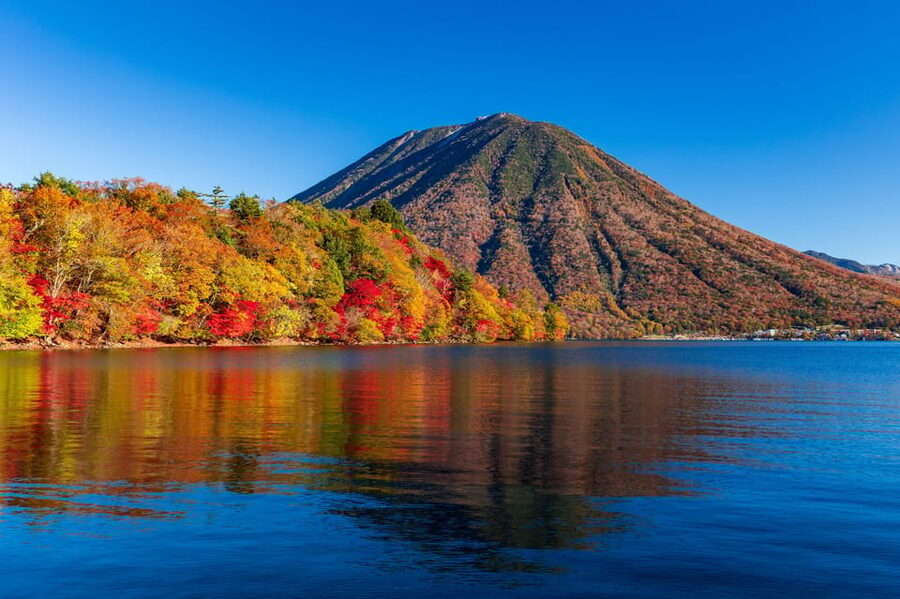
The final major sightseeing stop is Lake Chuzenji, with about 45 minutes for photographs, a walk, sightseeing, and some shopping. The lake sits in the same mountain area as Kegon Falls and offers a calmer finish after the shrine and waterfall.
Do not expect a full lakeside hike. The stop is designed for a scenic look, a short walk, and time for refreshments. Coffee and cake can be welcome here, especially if the weather turns cool.
Conditions at the lake can change quickly. In November, it may be cold enough to need warm layers, even when Tokyo feels mild. Spring can bring snow around the lake, while summer offers relief from Tokyo’s heat. Fog and rain can also limit the view, so the lake is best treated as a scenic opportunity rather than a guaranteed panorama.
This is where the day’s seasonal character often appears most clearly. Autumn leaves can color the mountain roads, winter can leave snow around the water, and summer can feel cooler than the capital. Pack for Nikko, not just for the forecast in Tokyo.
How the $84 price works as a value
At $84 per person, the tour is not the cheapest possible way to see Nikko, but the price covers several costly and time-consuming pieces. You get round-trip coach transport from central Tokyo, an English or Chinese-speaking tour leader, and admission to Toshogu Shrine.
The route is awkward to combine independently in one day if you want all the listed stops. You would need to coordinate transport to Nikko, local connections toward the lake and waterfall, shrine admission, and the return journey. The coach removes that planning burden and lets you see the cultural and natural sides of the area in a single outing.
The value is strongest if you want a broad first look at Nikko. You pay for convenience, a driver who handles the mountain road, and a guide who explains what you are seeing. It is less ideal if you prefer to spend half a day inside Toshogu, linger by the lake, or set your own pace.
Add the cost of lunch and the Kegon Falls elevator. Bring cash because some locations do not accept cards. The included shrine ticket helps keep the extra spending manageable, but the advertised price is not the final amount you will spend during the day.
Timing, weather, and practical preparation
The total duration is 630 minutes, or about 10.5 hours. The outward bus ride takes roughly 2.5 hours, the return is listed at about 3 hours, and the remaining time covers the four sightseeing areas and stops.
Traffic can alter the schedule, especially during busy seasons. The itinerary may be adjusted if there is a serious traffic jam, so do not plan a tight evening reservation immediately after the scheduled return.
Weather is a real part of the decision. Fog has hidden Kegon Falls and Lake Chuzenji on some days, while rain has softened views around the shrine and lake. The operator says you will be informed on or before 2:00 PM the day before if severe weather forces cancellation.
Wear comfortable shoes and carry water. Leave large luggage behind, since only one carry-on bag is allowed and huge bags are not accepted. Children must be accompanied by an adult, and unaccompanied minors cannot join.
Tattoos are considered taboo in this area. The information provided does not spell out a separate procedure, so you should ask the operator for current guidance if this affects you.
Free cancellation is available up to 24 hours before departure for a full refund, and you can reserve now and pay later. Those terms help if your Tokyo plans are still shifting, but you still need to check the meeting point and departure time for your selected date.
Who will enjoy this Nikko day trip
I would choose this tour if you want Nikko’s main sights without changing trains and buses several times. It suits first-time visitors to the area, people interested in Japanese political and religious history, and anyone who wants a waterfall and mountain lake in the same day.
It also works well for photographers who want varied subjects: the red bridge, ornate shrine carvings, winding mountain road, waterfall, and lake. Just remember that weather controls the outdoor views, and the shrine stop may feel short if you want to photograph every detail.
Families can join as long as children are accompanied by an adult. The long bus rides may be tiring for young children, but regular sightseeing stops provide chances for food, drinks, and washroom breaks.
I would think twice if your priority is a slow temple visit or a long onsen session. The tour gives you an efficient overview, not a relaxed stay in Nikko. The former onsen option is also date-specific, since it changes to Shinkyo Bridge on October 1, 2025.
Should you book it?
Book this day trip if you want an easy, well-supported route from Tokyo to Toshogu Shrine, Kegon Falls, and Lake Chuzenji. The strongest parts are the included shrine ticket, the comfortable coach, the mountain scenery, and the guides who add useful context without filling every quiet moment with commentary.
Go in with realistic expectations. You will spend many hours on the bus, lunch is extra, Kegon’s elevator costs extra, and fog or rain may reduce the outdoor views. Still, at $84, this is a sensible way to reach several difficult-to-combine sights in one day.
For the best experience, bring warm layers in cooler months, comfortable shoes, water, and cash. If you want a broad taste of Nikko rather than a slow, independent visit, I would make the booking.
FAQ
How long does the Nikko tour last?
The tour lasts 630 minutes, or about 10.5 hours. The journey from Tokyo to Nikko takes about 2.5 hours, and the return journey is listed at about 3 hours.
Where does the tour start?
The available meeting points are Tokyo Yaesu Bus Terminal and the ground floor of the Sumitomo Mitsui Bank, Shinjuku Nishiguchi Branch. The exact meeting point may vary by the option and date booked, so check your tour schedule.
Is lunch included?
No. Lunch is not included, but the Kegon Falls stop includes time for lunch. Bring cash because credit card payments are not accepted at every location.
Is admission to Toshogu Shrine included?
Yes. The Toshogu Shrine entry ticket is included in the tour price.
Is the Kegon Falls elevator included?
No. The elevator to the lower viewing area costs extra. Cash is recommended if you want to use it.
Does the tour visit an onsen or Shinkyo Bridge?
Until September 30, 2025, the group visits a Nikko onsen instead of Shinkyo Bridge. From October 1, 2025, the onsen stop changes to Shinkyo Bridge.
Can I bring luggage on the coach?
Only one carry-on bag is allowed. Large or oversized luggage is not permitted, so leave huge bags elsewhere before joining the tour.
New on our Tokyo list
- From Tokyo: Mount Fuji & Hakone Full Day Private Tour★ 4.9 · 25 reviews
- Tokyo Spectacular View Day-Cruise in 90 Minutes★ 5.0 · 25 reviews
- Real Tokyo Runner Club : Daikoku Car Meet Night Tour with JDM Car★ 5.0 · 25 reviews
- 2.5 Hour-Guided Cycle Tour in the Central Tokyo★ 5.0 · 25 reviews
- Tokyo: 2-Hour Night Bike Tour of the City’s Hidden Gems★ 4.9 · 25 reviews
- Ramen Making from Scratch +Akihabara Tour –Cooking Class★ 5.0 · 25 reviews
- [Self-Drive] Tokyo & Daikoku Custom Car Driving Tour★ 4.9 · 25 reviews
- Samurai themed Entertainment show in Shinjuku★ 4.5 · 25 reviews
Temple & Shrine Tours, compared.
Meiji Shrine, Asakusa, Skytree Bus Tour and Cruise
Read our review →
Asakusa Walking Tour with Sensoji Temple Visit
Read our review →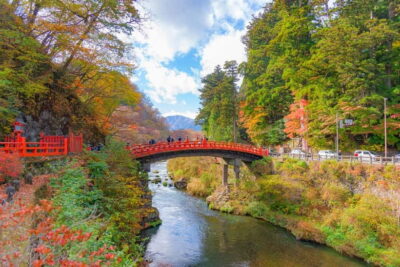
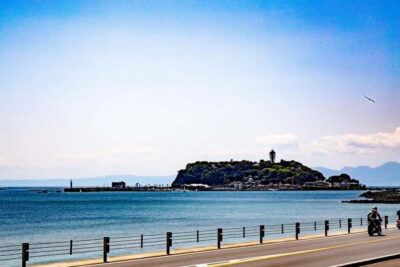
Kamakura & Enoshima Day Trip including Temple Tickets
Read our review →
Tokyo Panoramic 1 Day: Meiji Shrine, Asakusa, Odaiba and SKYTREE®
Read our review →
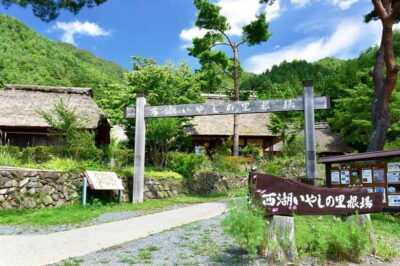
Mt. Fuji Heritage Tour: Traditional Villages, Lakes & Shrine
Read our review →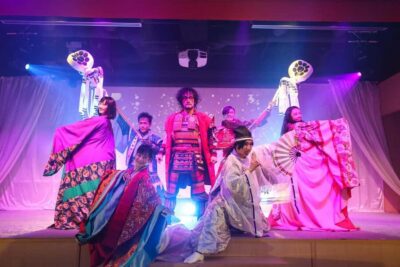
Samurai Entertainment Night Show in Kanda Shrine
Read our review →Browse the lists this tour appears in