
Reviewed · TEMPLE & SHRINE TOURS
Tokyo: Toshogu Shrine (Nikko Toshogu), Lake Chuzenji, Kegon Falls
Nikko packs grand shrines, mountain roads, a high-altitude lake, and one of Japan’s best-known waterfalls into a long day from Tokyo. The highlight is the contrast: Toshogu Shrine’s carved gates and gold details give way to cool mountain views at Akechidaira and Lake Chuzenji.
I like the included vehicle, fuel, tolls, and driver service, since Nikko’s mountain route would be awkward to cover by public transport in one day. I also like the three-minute cable-car ride to the 1,373-meter observation deck, where you can see both Kegon Falls and the lake. The main caution is organization: finding your guide in a crowded meeting area may take patience, and the shrine visit can be busiest in the morning.
In This Review
- Key points to know before booking
- Why Nikko makes a worthwhile day away from Tokyo
- Toshogu Shrine and Tokugawa Ieyasu’s mountain memorial
- Iroha Mountain Road and the climb toward Oku-Nikko
- Akechidaira’s 1,373-meter view
- Lake Chuzenji through four seasons
- Kegon Falls, Nikko’s dramatic finish
- What $105.99 covers, and what it does not
- Timing, meeting instructions, and luggage rules
- Who will get the most from this Nikko day
- Should you book it?
- FAQ
- How long does the Tokyo to Nikko tour last?
- Which days does the tour operate?
- What sights are included?
- Is the Akechidaira cable car included?
- Are meals included in the price?
- Can I bring luggage?
- What happens if I need to cancel?
Key points to know before booking
- Toshogu Shrine begins the sightseeing: Allow about two hours for Tokugawa Ieyasu’s ornate memorial complex and its mountain setting.
- Akechidaira gives you the big picture: The observation deck looks toward Lake Chuzenji, Kegon Falls, Mount Nantai, and the surrounding cliffs.
- The 48-turn Iroha Mountain Road is part of the experience: The drive is scenic, but winding roads may not suit anyone prone to motion sickness.
- The day lasts about 11 hours: Ten hours are assigned to vehicle service, with the remaining time used for driving and lunch.
- The tour runs only Tuesdays and Saturdays: It also needs a minimum of four people to operate and accepts a maximum of 15.
- Meals and personal costs are separate: Bring money for lunch and any expense not listed as included.
Why Nikko makes a worthwhile day away from Tokyo
Nikko offers a sharp change from Tokyo’s dense streets. The trip takes you into Tochigi Prefecture, where the mountain setting matters as much as the buildings. Toshogu Shrine sits among the Nikko Mountains, while Lake Chuzenji and Kegon Falls occupy the higher Oku-Nikko area.
This is not a slow, village-by-village exploration. It is a sightseeing day built around four major stops, with a driver handling the long route. That makes it useful if you want to see Nikko’s best-known sights without arranging several trains, buses, and local connections yourself.
The trade-off is time. An 11-hour day from Tokyo leaves little room for wandering beyond the planned stops. You should book this for scenery and famous landmarks, not for a relaxed afternoon in Nikko town.
The service is provided with local Chinese drivers and tour guides. That may be especially helpful if you prefer to receive instructions and practical explanations in Chinese. Guide names are not provided in advance, so your confirmation email matters. The message sent the night before gives the vehicle registration number, guide contact details, and pickup time.
More Temple & Shrine Tours in Nikko
- Nikko: Kegon Falls, Lake Chuzenji & Toshogu Temple
★ 4.6 · 1,577 reviews - Tokyo: Nikko Toshogu Shrine and Kegon Waterfall Tour
★ 4.5 · 1,266 reviews - From Tokyo: Nikko Toshogu Shrine and Kegon Waterfall Tour
★ 4.0 · 42 reviews
Toshogu Shrine and Tokugawa Ieyasu’s mountain memorial
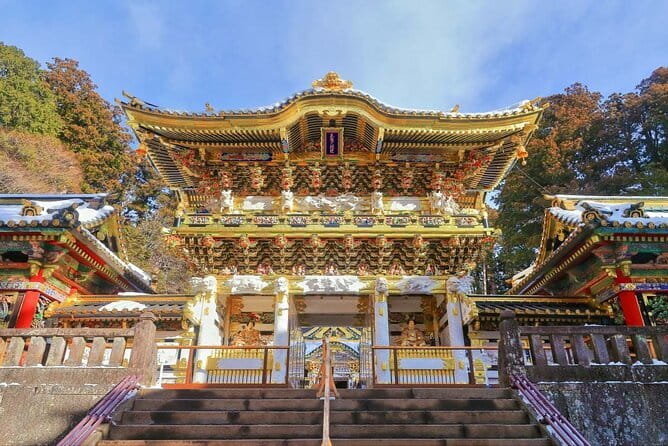
Toshogu Shrine is the cultural centerpiece of the outing. It honors Tokugawa Ieyasu, the first shogun of the Edo shogunate, and forms part of the UNESCO-listed Shrines and Temples of Nikko site, designated in December 1999.
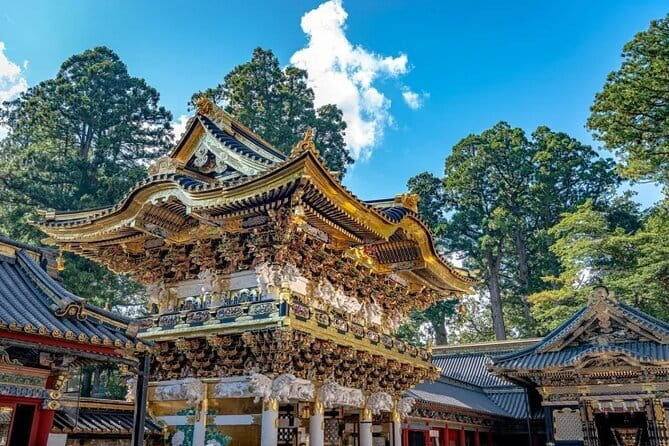
Give this stop its full two hours. The complex is known for elaborate carvings, bold color, and a mix of Japanese and Chinese design influences. The Yomeimon Gate, described in the tour material as the Japanese-style Mingyang Gate, and the Chinese-style Tang Gate are among the most recognizable structures.
The setting adds weight to the visit. The shrine is built against the mountains rather than placed in an ordinary urban block, so you get architecture framed by tall slopes and forest. The design also uses symbolic details and visual metaphors, which reward a closer look than a quick photograph.
The tour assigns no separate admission charge to this stop. Still, keep your pace sensible. Two hours sounds generous, but the shrine grounds contain enough gates, halls, carvings, and religious details to fill the time.
The practical issue is meeting the guide. One account of the experience describes a crowded, confusing start with no distinctive sign identifying the guide. Do not assume the guide will locate you inside the crowd. Check the pickup instructions, keep the vehicle number handy, and arrive at the exact meeting point early.
Beginning at Toshogu has one advantage and one weakness. You see the most important cultural site before fatigue sets in. But the morning can also bring a heavy crowd, which makes the grand gates harder to appreciate quietly. If you prefer empty paths and soft light, this schedule may not deliver that feeling.
Iroha Mountain Road and the climb toward Oku-Nikko
After Toshogu, the route heads up the Iroha Mountain Road. This 15.8-kilometer road connects Nikko City with Lake Chuzenji and Oku-Nikko, using 48 turns on its uphill and downhill routes.
The road is part of the sightseeing, not just dead time between stops. Its curves climb through the mountain zone, and the changing altitude gives you shifting views. Autumn is especially popular because the different elevations produce bands of red, orange, and yellow foliage at different times.
The obvious warning is motion sickness. The route is winding, and the tour does not describe a long break between every curve. If you are sensitive to mountain roads, sit where you normally feel most comfortable, keep water nearby, and avoid a heavy meal before the climb.
A vehicle is a real advantage here. Reaching the upper sights by public transport is possible in principle, but a private tour keeps the group together and includes fuel, tolls, and highway charges. You pay for convenience as much as for the sights.
Akechidaira’s 1,373-meter view
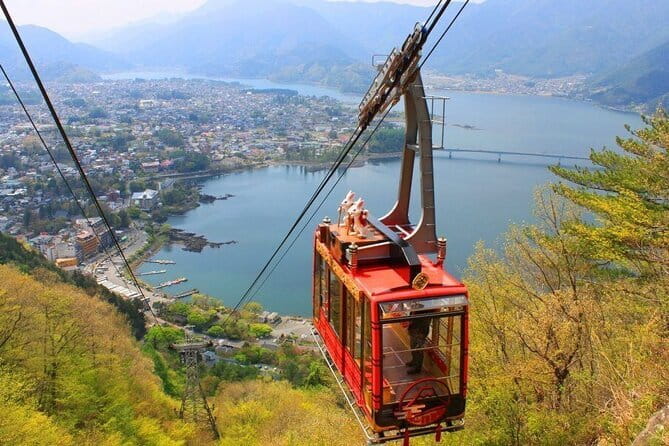
Akechidaira Observation Area is the visual high point of the tour. The cable car takes about three minutes to reach an observation deck at 1,373 meters, and the stop allows about an hour.
From above, you can look toward Lake Chuzenji and Kegon Falls. To the east, the view includes Pingfeng Rock, a series of cliffs, along with more distant mountain ridges. This is the place for the wide-angle photograph that shows how the lake, waterfall, cliffs, and mountain road fit together.
The cable-car admission is included. That is a useful detail because the ride is not just transport to another ordinary viewpoint. It is the short link to the higher observation deck described as the area’s most popular lookout.
Weather will shape this stop. The tour promises access to the viewpoint, but it cannot promise clear visibility. Cloud, rain, or seasonal haze can soften the view. The stop still gives you a mountain break, but its full value comes on a clear day.
An hour is enough for the cable car and photographs, though not for a long walk or an unhurried café visit. Keep track of the return timing. This is a group tour, and the next stops are tied to the vehicle schedule.
More temples and shrines near Tokyo:
- Tokyo: Meiji Shrine, Asakusa, Skytree Bus Tour and Cruise
★ 4.7 · 1,986 reviews - Tokyo: Asakusa Walking Tour with Sensoji Temple Visit
★ 4.8 · 1,583 reviews - Tokyo: Kamakura & Enoshima Day Trip including Temple Tickets
★ 4.5 · 1,375 reviews - Tokyo Panoramic 1 Day: Meiji Shrine, Asakusa, Odaiba and SKYTREE®
★ 4.5 · 1,222 reviews
Lake Chuzenji through four seasons
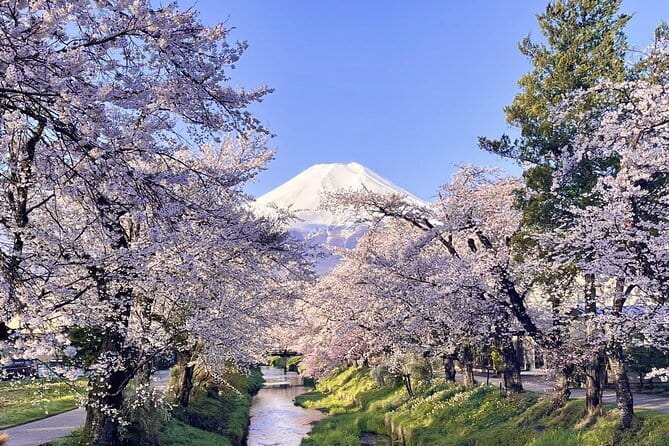
Lake Chuzenji is described as Japan’s highest natural lake. It sits in the upper Nikko area and changes character with the season.
Spring brings azaleas. Summer offers green mountain slopes and cooler air than Tokyo. Autumn is the big draw for many sightseers, with red leaves around the water. Winter brings snow and a quieter, colder view.
The tour gives you about an hour here. That is enough to take in the shoreline and make photographs, but it is not a full lake excursion. No boat ride or other self-funded activity is included in the listed price, and lunch is also separate.
I like the way this stop breaks up the day. Toshogu asks you to look closely at buildings and carvings. Lake Chuzenji lets you step back and take in open water and mountain scenery. The contrast keeps the itinerary from becoming a string of similar temples.
Do not expect a private lakeside retreat. This is one of Nikko’s best-known scenic areas, particularly during spring azalea season and autumn foliage. The hour can pass quickly if you want both photographs and lunch, so plan to eat according to the guide’s timing rather than assuming a long free period here.
Kegon Falls, Nikko’s dramatic finish
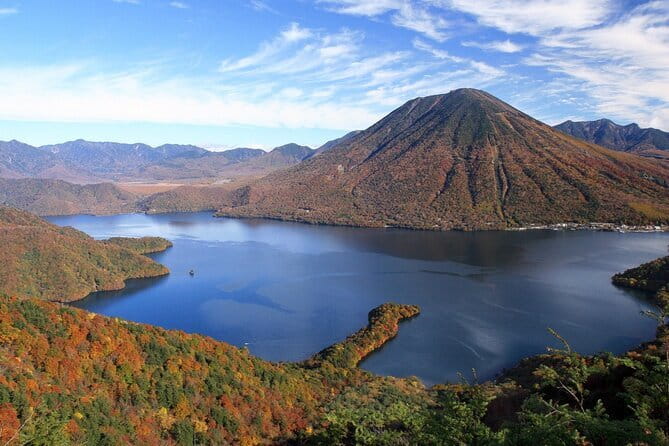
Kegon Falls is the final named stop and lasts about 30 minutes. Water from Lake Chuzenji forms the Ojiri River, then drops from a height of 99 meters after passing over the mountain terrain. Twelve smaller streams spill from gaps in the rock beside the main fall.
The waterfall is counted among Japan’s three famous waterfalls. Its scale is easy to understand from the viewing area: a narrow lake outlet becomes a straight plunge framed by dark rock and forest.
The stop is short, so arrive ready with your camera and jacket. There is no long walking plan described here. You get the main view, take in the falls, and return to the vehicle.
Autumn adds bright foliage around the rock face. In winter, snow changes the mood. Spring and summer offer their own appeal, though the tour information gives the strongest seasonal emphasis to spring azaleas at the lake and autumn color across the mountains.
Kegon Falls works well at the end because it is a clear, memorable sight after the shrine and viewpoints. It is also the stop most likely to feel rushed. Thirty minutes leaves little space for browsing, a leisurely meal, or extra viewpoints.
What $105.99 covers, and what it does not
At $105.99 per person, the price is reasonable if you value a handled day trip rather than the lowest possible transport cost. The fee covers vehicle service, fuel, tolls, highway charges, and the driver. It also includes the Akechidaira cable-car admission listed for the itinerary.
The tour provides up to 10 hours of vehicle service under Japanese law. The overall experience lasts about 11 hours, with the remaining time used for driving and lunch. That distinction matters: you should not expect 11 full hours of sightseeing.
Meals are not included. Neither are accommodation, personal purchases, or activities not named in the inclusions. Children under three are free if they do not occupy a seat, while children who need a seat should be counted according to the booking rules.
The maximum group size is 15. That is smaller than a large coach tour, but it is not a private tour for two or four people. Ask customer service before ordering if you are relying on a group of four, since the departure requires at least four confirmed participants.
The tour is usually booked well ahead, with an average booking lead time of 75 days. That does not guarantee that every date sells out, but Tuesday and Saturday operation makes planning more important than with a daily excursion.
Timing, meeting instructions, and luggage rules
You receive a reminder email the night before departure. It contains the pickup time, vehicle registration number, and guide contact information. The guide does not initiate contact, so you need to be in position and ready rather than waiting for a phone call.
Japanese hotels may not allow a tour vehicle to park for a long time. If pickup is arranged at your hotel, wait in front of the building before the stated time. Do not remain in your room expecting the driver to come upstairs.
This is a day trip, not a transfer service. Carrying luggage is discouraged. One piece per person is allowed if you declare it when booking. An extra charge of 100 yuan per piece may apply if you fail to note the luggage or bring more than one item per person.
Carry your passport and valuables with you. The operator places responsibility for loss, theft, or damage on you, so this is a day for a small bag, secure pockets, and sensible packing.
The mobile ticket is convenient, but it does not remove the need to read the confirmation carefully. The meeting place and vehicle details are especially important because finding the guide in a crowded area may be difficult.
Who will get the most from this Nikko day
I would choose this tour if I wanted Nikko’s signature sights in one day and preferred a Chinese-speaking driver and guide. Families may appreciate the direct vehicle service, while active sightseers will like the mountain road, cable-car ride, lake, waterfall, and shrine in one package.
It also suits anyone who does not want to solve the transport puzzle between central Nikko, the upper mountain area, and Tokyo. The route covers a lot of ground, and the included tolls make the price easier to understand.
I would hesitate if your priority is quiet temple time, a long lakeside walk, or flexibility at each stop. The schedule is fixed, the shrine may be crowded in the morning, and the waterfall stop is brief.
The experience is also not ideal for someone who dislikes winding roads. The Iroha Mountain Road is scenic, but its 48 turns are a central feature of the route, not an incidental detail.
Cancellation is free up to 24 hours before the start time. After that, late changes and no-shows are nonrefundable, and once confirmed the date cannot be changed. Treat the departure date as firm.
Should you book it?
Book this tour if you want Nikko’s major sights with transport handled, especially if you are comfortable with a long, structured day and a Chinese-speaking guide. The strongest value comes from the vehicle, road tolls, driver service, and Akechidaira cable car, not from a leisurely pace.
Skip it if you want to set your own schedule or spend most of the day at Toshogu Shrine. For everyone else, the combination of ornate shrine architecture, a high mountain viewpoint, Lake Chuzenji, and Kegon Falls makes this a practical first look at Nikko from Tokyo. Just confirm the four-person minimum, read the pickup email closely, and arrive early enough to identify the correct vehicle.
FAQ
How long does the Tokyo to Nikko tour last?
The experience lasts approximately 11 hours. Vehicle service is provided for up to 10 hours, with the remaining time allocated to travel and lunch.
Which days does the tour operate?
The tour operates on Tuesdays and Saturdays. A minimum of four people is required for the departure to proceed.
What sights are included?
The route includes Nikko Toshogu Shrine, Iroha Mountain Road, Akechidaira Observation Area, Lake Chuzenji, and Kegon Falls.
Is the Akechidaira cable car included?
Yes. The Akechidaira stop includes admission, and the cable-car ride to the observation deck takes about three minutes.
Are meals included in the price?
No. Meals are not included. Accommodation, personal purchases, and other activities not listed as included are also separate.
Can I bring luggage?
The tour does not recommend bringing luggage, but one piece per person is allowed if you declare it during booking. An extra 100 yuan per item may be charged if you do not declare it or bring more than one piece per person.
What happens if I need to cancel?
You can receive a full refund if you cancel at least 24 hours before the experience begins. Cancellations or changes made less than 24 hours before departure are not accepted for a refund.
New on our Tokyo list
- Sumi-e Experience in a relaxing green tea shop in Tokyo★ 5.0 · 3 reviews
- Tokyo : Kamikaze Street Drift Ride★ 5.0 · 3 reviews
- Private Zen Meditation in English in Shinjuku, Tokyo★ 5.0 · 3 reviews
- Onsen Spa in Tokyo and Asakusa Bar Hopping with Local Guide★ 5.0 · 3 reviews
- Easy for everyone! Now you can play handmade mini shamisen and show off to everyone! Musical instruments, sweets and live music★ 5.0 · 3 reviews
- Tokyo: Private Tsukiji Street Food & Sake with Local Guide★ 5.0 · 3 reviews
- Mt Fuji Exploration Tour with Free Japanese Kusa Mochi from Tokyo★ 4.5 · 3 reviews
- Tokyo Tsukiji Fish Market Walking and Exploring Hidden Gems Tour★ 5.0 · 3 reviews
Temple & Shrine Tours, compared.
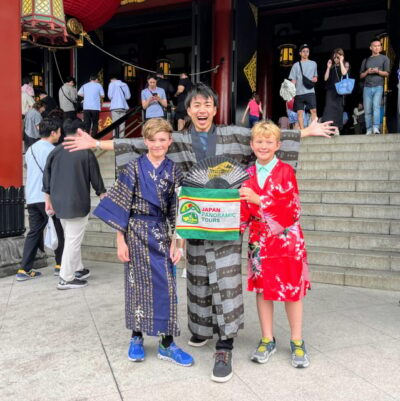
Meiji Shrine, Asakusa, Skytree Bus Tour and Cruise
Read our review →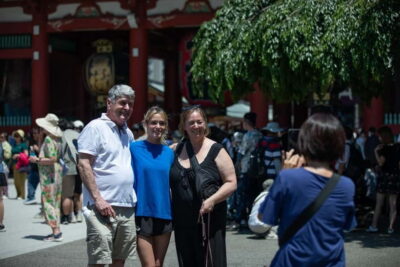
Asakusa Walking Tour with Sensoji Temple Visit
Read our review →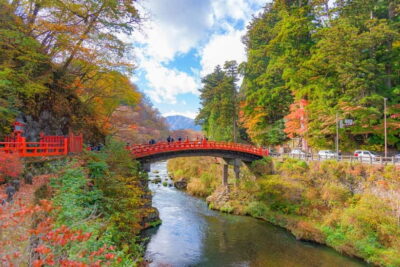
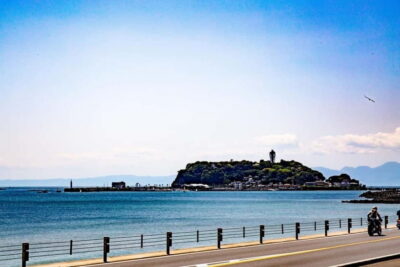
Kamakura & Enoshima Day Trip including Temple Tickets
Read our review →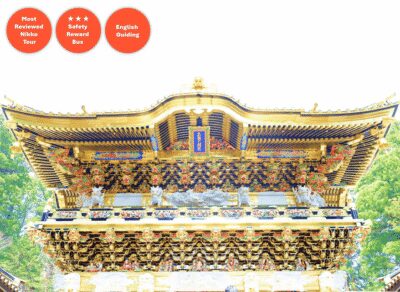
Nikko Toshogu Shrine and Kegon Waterfall Tour
Read our review →
Tokyo Panoramic 1 Day: Meiji Shrine, Asakusa, Odaiba and SKYTREE®
Read our review →
Mt. Fuji Heritage Tour: Traditional Villages, Lakes & Shrine
Read our review →Browse the lists this tour appears in