
Reviewed · HISTORICAL TOURS
From Tokyo: Nikko World Heritage Sight Full Day Private Tour
Nikko gives you two very different Japan experiences in one day: the carved and colorful world of Toshogu Shrine, then a mountain drive to Lake Chuzenji and the plunging ice and water of Kegon Falls. This private tour makes that spread manageable, since the major sights are too far apart for a pleasant walk between them.
I like the hotel pickup, comfortable vehicle, and freedom to adjust the day. Guides including Mirza, Imran, Musa, and Kashif have helped families, older visitors, and guests with mobility needs, while also taking useful holiday photos. The catch is the long drive from Tokyo, and the Akechidaira Ropeway can close in poor weather. Confirm whether Edo Wonderland is part of your exact booking, since it is promoted in the highlights but not shown in the timed route.
In This Review
- Key points at a glance
- Why this Tokyo to Nikko day trip works
- The two-hour ride from Tokyo
- Shinkyo Bridge, Nikko’s elegant gateway
- Toshogu Shrine and the art around it
- Futarasan Shrine and Nikko’s spiritual side
- Kanmangafuchi Abyss and the Jizo statues
- Lake Chuzenji and the mountain road
- Akechidaira Ropeway and the best wide view
- Kegon Falls, from water to winter ice
- What is actually included, and what is not
- Who should book this private Nikko tour?
- Practical tips for getting more from the day
- Should you book it?
- FAQ
- How long does the Tokyo to Nikko tour last?
- Is hotel pickup included?
- How many people can join the private tour?
- Which languages are available?
- Can the itinerary change if the weather is bad?
- Are meals and entrance fees included?
Key points at a glance
- Toshogu’s famous carvings: See Yomeimon Gate, the sleeping cat, and the forest setting of Tokugawa Ieyasu’s shrine.
- A private route through Nikko: Your driver-guide can adjust stops, timing, and walking time for your group.
- Mountain views in one day: Combine Lake Chuzenji, Mount Nantai, Kegon Falls, and the Akechidaira Ropeway.
- Useful early-start advantage: Leaving Tokyo early can help you avoid holiday crowds and return before dark.
- A practical family option: A private van gives families room for a stroller, children, luggage, and breaks.
- Weather matters: Snow and autumn color can be spectacular, but rain, wind, and ice may change the plan.
Why this Tokyo to Nikko day trip works
Nikko is about two hours from Tokyo by van each way, so this is not a quick side trip. You spend roughly four hours on the road, with about six hours for the sights, stops, and meals. That sounds like a lot of driving, but a private vehicle solves Nikko’s biggest problem: its attractions are spread between the shrine district and the higher mountain area.
The price is $362 for a private group of up to six. For six people, that works out to about $60 per person. For two people, it is much less economical than public transport, but you are paying for door-to-door service, a dedicated vehicle, highway taxes, Wi-Fi, air conditioning, and a guide who can change the schedule.
I see the strongest value for families and small groups. You can leave your Tokyo hotel without navigating train connections, wait in the vehicle while someone needs extra time, and stop for food without reorganizing the entire day. Solo visitors and couples who prefer public transport may find the price harder to justify.
The experience has a 4.9 rating from 127 bookings, and the most consistent praise centers on flexibility, safe driving, comfort, and helpful photography. The guide names vary by booking. Mirza and Imran appear often in the supplied feedback, with Musa and Kashif also mentioned. Ask who will lead your day and how much historical explanation you want.
More Private Tours in Nikko
- Nikko Full-Day Private Tour with Government-Licensed Guide
★ 5.0 · 259 reviews - From Tokyo: Nikko World Heritage Site Private Full-Day Trip
★ 4.9 · 243 reviews - Tokyo: Nikko World Heritage Private Day Trip Hotel Pick-up
★ 4.8 · 145 reviews
The two-hour ride from Tokyo
Pickup is available from hotels in Tokyo and Nikko. Give the provider your hotel name and address, then wait in the lobby 10 minutes before the scheduled time. The stated waiting limit is 60 minutes, so do not treat pickup time casually.
The drive gives you time to rest, but it also sets the rhythm of the day. Several people appreciated the clean, comfortable vehicle and a safe driver, especially on a full day with children. One family traveled with a one-year-old, four-year-old, and seven-year-old, and found the guide patient with stroller help and sightseeing breaks.
Ask for an early departure if your schedule allows. A start around 7 a.m. helped one group see the main sights and return before dark, while another visitor suggested a 6:30 a.m. option during the crowded autumn period. The exact start time depends on availability, but the lesson is clear: early hours matter on national holidays and during fall color season.
Wi-Fi and air conditioning are included. You should still carry water, since food and drinks are not included. A service-area stop may be available, but do not assume every meal or refreshment is covered.
Shinkyo Bridge, Nikko’s elegant gateway
The first listed Nikko stop is Shinkyo Bridge, a 30-minute photo and walking visit. Its dark red wooden structure crosses the Daiya River, with forest and seasonal color behind it. This is a short stop, but it gives you an immediate sense of Nikko’s connection between mountain nature and sacred sites.
The bridge is also a good place to begin taking photographs before you reach the more detailed shrine complex. Your guide can point out viewpoints and help with pictures, a small service that comes up repeatedly in the experience feedback.
Thirty minutes is enough for photos and a look at the setting. It is not enough for a long riverside walk, so keep your expectations in check. If you prefer slow photography, tell your guide early and be prepared to shorten another stop.
Toshogu Shrine and the art around it
Toshogu is the cultural heart of the day. The shrine honors Tokugawa Ieyasu, founder of the Tokugawa shogunate, and its buildings are famous for dense carvings, strong colors, and careful workmanship.
Look for Yomeimon Gate, where the decoration rewards slow viewing. The sleeping cat sculpture is another small but famous detail. The shrine sits among tall trees, and that forest setting softens the visual overload of the painted gates and carved animals.
The listed schedule gives 30 minutes at the Nikko Toshogu Art Museum and another 30 minutes at Toshogu itself. That is a brisk visit for a place with this much to see. You can cover the principal sights, but you may not have time to inspect every building or pause at length.
Entry fees are not specifically listed among the inclusions, and one visitor advised bringing cash for admission. Treat shrine and museum entry as an extra cost unless your booking confirmation says otherwise. There may also be shops along the route, and the walking path does not necessarily circle back to the first museum area. If you spot a souvenir you want, ask about the route before moving on.
The tour is described as having a separate entrance for skip-the-line access. Even so, crowds can affect Nikko, particularly on holidays and in autumn. Buying tickets ahead of time may save a long wait, according to the practical experience of one visitor.
More Nikko day trips:
- Nikko: Kegon Falls, Lake Chuzenji & Toshogu Temple
★ 4.6 · 1,577 reviews - Tokyo: Nikko Toshogu Shrine and Kegon Waterfall Tour
★ 4.5 · 1,266 reviews - Nikko: Edo Wonderland Edomura Cultural Theme Park Ticket
★ 4.3 · 205 reviews - Nikko – Beautiful Full-Day Personal and Private Tour
★ 4.9 · 119 reviews
Futarasan Shrine and Nikko’s spiritual side
Nikko Futarasan Jinja receives a 30-minute photo and sightseeing stop. Compared with Toshogu, it offers a calmer way to consider Nikko’s religious setting and the long connection between the shrines and the surrounding mountains.
Your guide can explain how religious traditions developed together in the area. One visitor especially valued explanations about the relationship between Buddhism and Shinto over time. That kind of context is where a private guide earns the fee, provided you ask questions rather than simply follow the route.
The stop is short, so this is an introduction rather than a full exploration. If shrine architecture is your main interest, tell the guide before the day begins. The private format gives you a better chance of adjusting the balance between buildings, nature, and photo stops.
Kanmangafuchi Abyss and the Jizo statues
Kanmangafuchi Abyss is one of the most appealing additions to this day because it feels quieter and more reflective than the main shrine zone. The path follows the river and is lined with more than 70 Jizo statues, figures associated here with the spirits of children and travelers.
The setting matters as much as the statues. You hear the river, walk under trees, and reach Jiunji Hondo Temple, a small and peaceful retreat. It is a strong choice if you want something beyond the major ticketed sights.
This stop is not clearly placed in the timed itinerary, yet guides have added it when the ropeway closed or when a guest specifically requested it. That is a real benefit of a private tour, but you should request it in advance if it is important to you. The path also requires comfortable shoes and may not suit every mobility level.
Lake Chuzenji and the mountain road
After the shrine district, the van climbs toward Lake Chuzenji, a highland lake formed by volcanic activity at the foot of Mount Nantai. The 1.5-hour stop allows time for photographs, a walk, and a slower look at the water and mountain setting.
This is where the day changes character. The ornate shrine grounds give way to open views, cooler air, and a more spacious feeling. Autumn brings strong color around the lake, while winter can bring snow and frozen scenery. Summer may be hot and humid, so carry sunscreen, a hat, and water.
The lake offers boating, hiking, and picnicking opportunities, but those activities are not automatically included. Boat rentals and certain activities cost extra, and the schedule may not allow much time for them. Ask your guide how much free time you have before paying for anything.
The mountain road itself can take time, especially during busy seasons. A private driver is useful here because you are not trying to coordinate separate buses between the lake, ropeway, waterfall, and shrine district.
Akechidaira Ropeway and the best wide view
The Akechidaira Ropeway visit lasts about 45 minutes, including guided time and free time. From the observation area, you can look across Mount Nantai, Lake Chuzenji, and Kegon Falls. This is the broadest view of the day and one of the strongest reasons to include the mountain section.
The cable ride is short, but the payoff is visual rather than historical. Bring your camera, and give yourself enough time at the viewpoint instead of treating the ropeway as a quick transport link.
Weather is the main weakness. Wind and poor conditions can close the ropeway. One group lost this stop because of wind and was taken to Kanmangafuchi Abyss and the Imperial Villa instead. The exact substitute depends on your guide and the conditions, but this example shows why a private itinerary is useful on an uncertain mountain day.
Do not build your entire decision around the ropeway running. The lake and waterfall remain worthwhile, and a flexible guide can shift time to another Nikko sight.
Kegon Falls, from water to winter ice
Kegon Falls drops 97 meters into a rocky gorge, making it one of Japan’s most famous waterfalls. The viewing area is reached by a short walk from Lake Chuzenji, and the scheduled stop lasts about an hour.
The falls work in every season. In winter, ice can form over the cascade and turn the gorge into a sharp, pale sculpture. In autumn, the surrounding trees add color, while summer brings a fuller sense of flowing water. You may also have time for tea or coffee here, but food and drinks are generally your own expense.
The waterfall viewpoint is accessible by a short walk, yet the full day includes substantial walking at shrines, bridges, and forest paths. Bring shoes with good grip, especially in snow or rain. Some parts of Nikko are not suitable for visitors with mobility impairments, although one guest using a wheelchair and crutches received considerable help and an adjusted route from Imran.
What is actually included, and what is not
The included package covers hotel pickup and drop-off, private luxury transport, air conditioning, Wi-Fi, highway taxes, photography assistance, and guided explanations in Arabic, English, or Hindi. It also advertises cultural activities, nature trails, and scenic viewpoints.
Food, snacks, souvenirs, insurance, boat rentals, and certain workshops are not included. Budget for those separately. The materials also mention Edo Wonderland, with traditional craft workshops and performances, but Edo Wonderland does not appear in the timed itinerary. Ask for written confirmation before booking if that attraction is essential to your day, since fitting it alongside Toshogu, the lake, ropeway, and falls would make the schedule very tight.
Free cancellation is available up to 24 hours before departure, and you can reserve now and pay later. The activity lasts about 10 hours from pickup to return, not 10 hours on site.
Who should book this private Nikko tour?
I would choose this for a group of three to six, families with children, older relatives who need more control over the pace, and anyone who dislikes changing trains and buses. It is also a good match if you want a driver to handle the mountain roads while you concentrate on scenery and photographs.
The private format helped several groups avoid feeling rushed. Guides waited patiently, suggested places to eat, adapted around rain, and adjusted the route when the ropeway closed. That flexibility is more valuable than a fixed schedule when weather changes quickly.
I would think twice if you are a couple watching every yen, dislike long road journeys, or want extended time inside Toshogu’s buildings. You may prefer public transport and a focused shrine visit. I would also avoid promising the tour to someone with serious mobility limits without discussing the route first, since some paths and shrine areas are difficult.
Practical tips for getting more from the day
- Ask for an early pickup during autumn color season, national holidays, or other busy periods.
- Request Kanmangafuchi Abyss when you book if you want the statue-lined river walk.
- Confirm Edo Wonderland before paying, since it is not part of the stated stop-by-stop schedule.
- Carry cash for entry fees and small purchases unless your confirmation says they are included.
- Wear walking shoes with grip. The day includes shrine grounds, paths, bridges, and waterfall viewpoints.
- Check the forecast before leaving. Wind can close the ropeway, and snow or rain can change walking conditions.
- Bring sunscreen, water, a hat, and a camera.
- Tell the guide your priorities at pickup. You can often trade extra photo time, shrine time, or a quieter nature stop.
Should you book it?
Book this tour if you want to see Nikko’s major cultural and natural sights in one long but well-supported day from Tokyo. The price makes good sense for a group of six, and the private van removes the hardest part of the trip: getting between scattered sights while keeping track of time.
The strongest features are the flexible route, comfortable transport, hotel pickup, and guides such as Mirza and Imran who help with explanations, photos, children, and changing conditions. The main compromises are four hours of driving, extra costs for food and admission, substantial walking, and no guarantee that the ropeway will operate.
For a small group that values ease and personal attention, I would book it, especially in autumn or winter when road conditions and crowds make planning harder. Just confirm the guide language, entry fees, early pickup, accessibility, and whether Edo Wonderland is truly included before you commit.
FAQ
How long does the Tokyo to Nikko tour last?
The tour lasts approximately 10 hours, including pickup in Tokyo, the sightseeing day, and the return drive.
Is hotel pickup included?
Yes. Hotel pickup and drop-off are available in Tokyo and Nikko. You should provide the hotel name and address when booking and wait in the lobby 10 minutes before pickup.
How many people can join the private tour?
The listed price covers a private group of up to six people.
Which languages are available?
Live guide support is available in Arabic, English, and Hindi.
Can the itinerary change if the weather is bad?
Yes. The Akechidaira Ropeway may close because of bad weather. The private route can be adjusted, and alternative stops such as Kanmangafuchi Abyss may be possible.
Are meals and entrance fees included?
Food and drinks are not included. Optional activities, souvenirs, insurance, and certain workshops may also cost extra. Bring cash for admission unless your booking confirmation states otherwise.
More Full-Day in Tokyo
- From Tokyo: Mount Fuji Full-Day Sightseeing Trip
★ 4.5 · 4,970 reviews - Mount Fuji Full-Day Private Tour from Tokyo (Customizable)
★ 4.9 · 1,470 reviews - Tokyo Private Full-Day Tour by Car or Van
★ 5.0 · 684 reviews - From Tokyo: Must-Visit Mount Fuji Highlight Full-Day Tour
★ 4.7 · 532 reviews
More Historical Tours in Tokyo
- Tokyo: Imperial Palace and Shogun Historical Walking Tour
★ 5.0 · 2,251 reviews - Tokyo: Imperial Palace Japanese History Walking Tour
★ 4.9 · 987 reviews - Yanaka Walking Tour: Historic and Traditional District of Tokyo
★ 5.0 · 530 reviews - Tokyo: Shinjuku Historical Walking Tour & Secret Backstreets
★ 5.0 · 530 reviews
New on our Tokyo list
- From Tokyo: Mount Fuji & Hakone Full Day Private Tour★ 4.9 · 25 reviews
- Tokyo Spectacular View Day-Cruise in 90 Minutes★ 5.0 · 25 reviews
- Real Tokyo Runner Club : Daikoku Car Meet Night Tour with JDM Car★ 5.0 · 25 reviews
- 2.5 Hour-Guided Cycle Tour in the Central Tokyo★ 5.0 · 25 reviews
- Tokyo: 2-Hour Night Bike Tour of the City’s Hidden Gems★ 4.9 · 25 reviews
- Ramen Making from Scratch +Akihabara Tour –Cooking Class★ 5.0 · 25 reviews
- [Self-Drive] Tokyo & Daikoku Custom Car Driving Tour★ 4.9 · 25 reviews
- Samurai themed Entertainment show in Shinjuku★ 4.5 · 25 reviews
Historical Tours, compared.
Imperial Palace and Shogun Historical Walking Tour
Read our review →
Yanaka Walking Tour: Historic and Traditional District of Tokyo
Read our review →
Shinjuku Historical Walking Tour & Secret Backstreets
Read our review →
Mt. Fuji Heritage Tour: Traditional Villages, Lakes & Shrine
Read our review →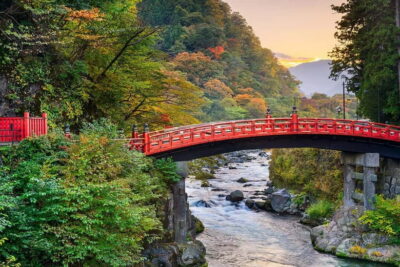
The Best of Izakaya in Shinjuku Food & Cultural Tour
Read our review →
Yanaka Historical Walking Tour in Tokyo’s Old Town
Read our review →Browse the lists this tour appears in