

Reviewed · HIKING & TREKKING
Private Local Hiking to enjoy the nature and culture of Mt.Fuji
At the foot of Mt. Fuji, this private outing gives you much more than a mountain photo. You move from an ancient shrine to a lava cave, quiet Saiko Lake, and the Aokigahara Forest before hiking to Sankodai for broad views of Fuji. I like the mix of nature and local culture, and I like having Yuki, a certified mountain guide who has climbed Fuji more than 40 times, explain what you are seeing.
I also like the practical touches: private transport, free hiking gear, and a local bowl of Yoshida Udon after the trail. The main consideration is weather. Fuji views can disappear on cloudy days, and the tour may be canceled if conditions are poor.
In This Review
- Key points
- A different way to meet Mt. Fuji
- What Yuki adds to the day
- Fuji Omuro Sengen Shrine and the mountain’s sacred side
- Saiko Lake, the quieter Fuji Five Lake
- Aokigahara Forest and the marks of an eruption
- Ryugudoketsu and a sacred lava cave
- The Sankodai hike, about two hours of real walking
- Yoshida Udon after the trail
- A Japanese garden and optional matcha
- What the $131.38 price covers
- Pickup limits and practical planning
- Who should book this Mt. Fuji hike
- Should you book it?
- FAQ
- Where does the Mt. Fuji hiking tour take place?
- What time does the tour start?
- How long does the tour last?
- Is hotel pickup available?
- Is this a private tour?
- Who guides the tour?
- How difficult is the hike?
- Is hiking equipment included?
- Is lunch included in the price?
- Is the matcha tea included?
Key points
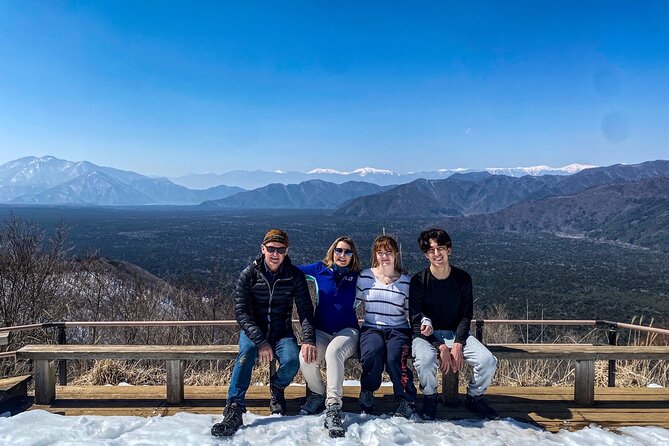
- Sankodai viewpoint: Hike about one hour uphill and 30 minutes down for views of Mt. Fuji, Saiko Lake, and the sea of trees.
- Yuki’s local perspective: Your guide is a certified mountain guide and licensed hunter with strong knowledge of the area’s natural and spiritual traditions.
- A quieter Fuji region: Saiko Lake and the forest area feel less crowded than the Lake Kawaguchiko waterfront.
- Free outdoor equipment: Trekking shoes, poles, rain gear, and gloves are available to borrow.
- Local meal and garden stop: Yoshida Udon costs about JPY 1,000, followed by a public Japanese garden and optional matcha.
- Private from start to finish: Only your group takes part, with pickup available in Kawaguchiko or Fujiyoshida.
A different way to meet Mt. Fuji
Most visitors first meet Fuji at Lake Kawaguchiko, where the mountain rises behind busy roads, hotels, and photo stops. This outing uses Kawaguchiko as a starting point, then takes you toward quieter places where the mountain is tied to worship, volcanic forces, and daily local life.
That change of pace matters. You are not simply driven to a viewpoint, given ten minutes for a picture, and sent on. The day links several places that help explain Fuji as both a physical mountain and a sacred presence.
The tour lasts about five to six hours and begins at 9:00 a.m. Since it is private, the day can feel more relaxed than a large bus excursion. Your group can ask questions, set a comfortable walking pace, and spend more time at a place that catches your interest.
The walking portion is moderate rather than extreme. The main climb takes about an hour each way according to the route description, though the detailed timing also describes roughly one hour up and 30 minutes down. Plan for around two hours on the trail, including a break at the top.
More Private Tours in the Mt Fuji Area
- Mt Fuji Area Private Guided Tours in English-Nature up close, quiet, personal
★ 5.0 · 288 reviews - Private guided hidden gems tour by local English speaking driver
★ 5.0 · 142 reviews - Mt. Fuji Five Lakes Area Private Tour with Licensed Guide(Kawaguchiko area Dep)
★ 5.0 · 55 reviews
What Yuki adds to the day
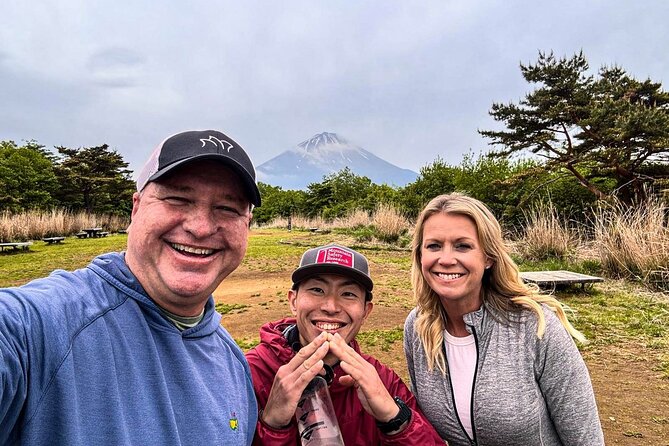
Yuki is the named guide and provider. He is a certified mountain guide, has climbed Mt. Fuji more than 40 times, and is also a licensed local hunter. Those details point to the strongest reason to book this tour: you are not just following a marked path with a guide who knows the route. You get someone who can connect the forest, volcanic rock, mountain worship, and local customs.
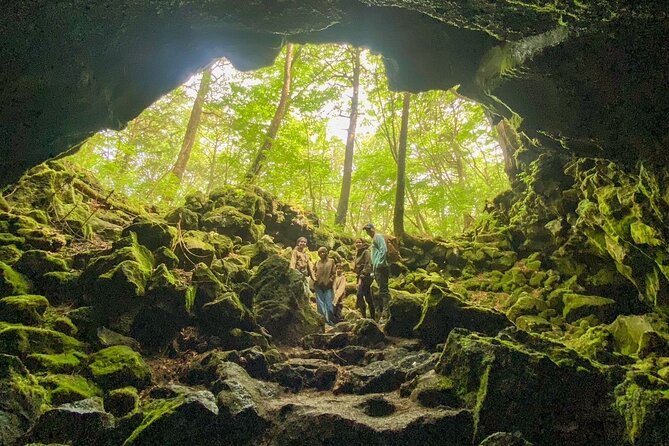
The shrine and cave are much easier to appreciate with explanation. Without context, a cave can be just a dark opening in volcanic stone. Here, you learn that people once visited the cave to pray to the goddess of Mt. Fuji before climbing the mountain. The belief that the cave represented the inside of the goddess gives the stop a clear spiritual purpose.
Yuki’s hospitality is another practical plus. One account describes coffee, tea, chocolate, and snacks waiting at the summit. That is not listed as a formal inclusion, so do not book solely for it, but it suggests a guide who pays attention to comfort during the walk.
One booking account names Danny as the guide rather than Yuki. Since Yuki is the stated provider, confirm who will lead your date if having a particular guide matters to you.
Fuji Omuro Sengen Shrine and the mountain’s sacred side
The first cultural stop is Fuji Omuro Sengen Shrine, an ancient place connected with worship of Mt. Fuji. It is also linked to one of the mountain’s largest eruptions. Local ancestors built the shrine in the hope of calming the volcanic activity, and Fuji worship began here in connection with that fear and respect.
This is a useful opening stop because it gives the rest of the day a frame. Fuji is not only a scenic peak. It has shaped local belief, settlement, travel, and ritual for centuries.
You spend about 15 minutes here, and admission is free. That is enough time for an introduction and a look around, but not a long shrine visit. If you want a slow, detailed study of architecture or religious practice, this tour moves too quickly for that. Its aim is to connect several sites in one morning rather than focus on one landmark.
Saiko Lake, the quieter Fuji Five Lake
Saiko is one of the Fuji Five Lakes and feels calmer than Lake Kawaguchiko. The tour uses it as a scenic stop, with about ten minutes to take in the water and mountain views.
The contrast with Kawaguchiko is part of the appeal. Kawaguchiko is the region’s most popular lake and attracts many visitors for its classic Fuji views. Saiko offers a less hectic setting, though the exact view depends heavily on clouds and light.
The tour also uses a lakeside vista point before the hike on some routes. This gives you a chance to see Fuji from below before walking into the forest. On a clear day, the combination of lake and mountain makes a strong first look at the peak.
Ten minutes is brief, so keep your camera ready and avoid expecting a long lakeside stroll. The value here is the sequence: you see the mountain beside the lake, then later from higher ground at Sankodai.
More Mt Fuji days from Fujikawaguchiko machi:
- Explore Mt. Fuji Ice Cave in Aokigahara Forest
★ 5.0 · 243 reviews - Ramen Cooking Class at Ramen Factory in Mt.Fuji
★ 5.0 · 101 reviews - Early Morning Kayaking With Views of Mt Fuji at Lake Kawaguchiko
★ 5.0 · 69 reviews - Johnny’s Exclusive: Mt. Fuji Adventure from Kawaguchiko
★ 5.0 · 62 reviews
Aokigahara Forest and the marks of an eruption
Aokigahara is known locally as Jukai, or the sea of trees. From a viewpoint, the forest appears to spread like a broad green sea. Its form comes from a major Mt. Fuji eruption about 1,200 years ago, when lava helped create the ground and forest area you see today.
The stop lasts about 15 minutes. That makes it an introduction rather than a long forest walk. You may see the forest from a viewpoint and hear how volcanic activity shaped it, then continue to the cave nearby.
This short visit is a good fit if you want natural context without spending a full day on forest trails. It is less suited to someone looking for extended birdwatching, plant study, or a long woodland hike. The main walking challenge comes later on the climb to Sankodai.
Ryugudoketsu and a sacred lava cave
Ryugudoketsu-iriguchi is the entrance to a sacred cave associated with Fuji worship. Before climbing Mt. Fuji, people came here to pray to the mountain goddess. The cave was regarded as the inside of the goddess, which helps explain why this place carried religious meaning.
You have about 30 minutes here. That is more time than at the shrine, lake, or forest viewpoint, so the cave forms an important part of the cultural story.
The tour description does not give details about how far visitors enter the cave or what the footing is like inside. For that reason, listen closely to Yuki’s instructions and use the supplied gear if needed. You should also expect a natural site rather than a polished attraction with extensive facilities.
This is one of the outing’s more unusual stops. Many Fuji day trips focus on temples, ropeways, and photo platforms. A volcanic cave tied to mountain worship gives you a stronger sense of how nature and religion meet in the Fuji region.
The Sankodai hike, about two hours of real walking
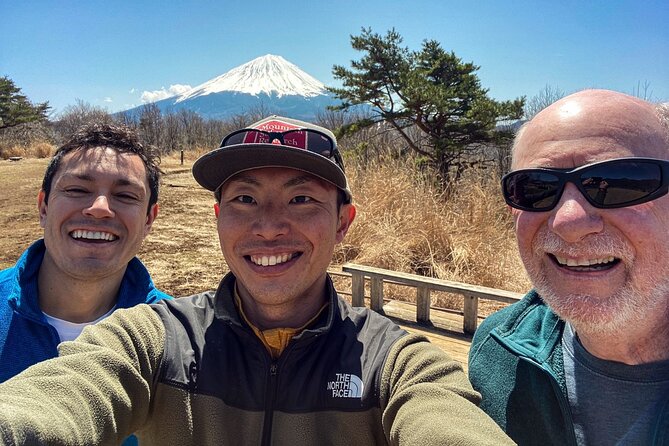
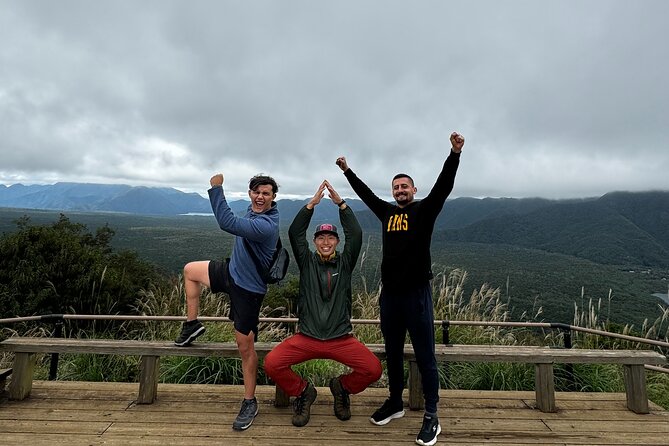
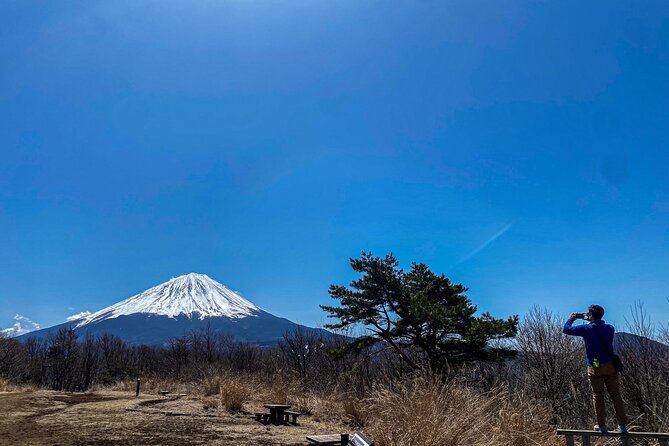
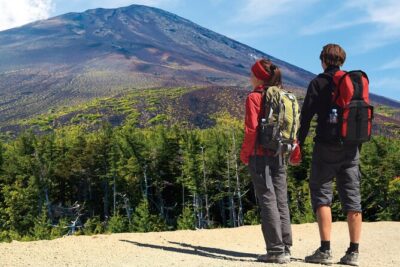
Sankodai is the physical centerpiece of the day. The route takes about an hour uphill and roughly 30 minutes down, with the full outing often described as about two hours round trip when a summit break is included.
The path is rated suitable for outdoor beginners, but do not read that as completely effortless. An hour of climbing requires steady movement, and mountain weather can change. You need comfortable clothing and shoes, even though trekking shoes and other equipment are available to borrow.
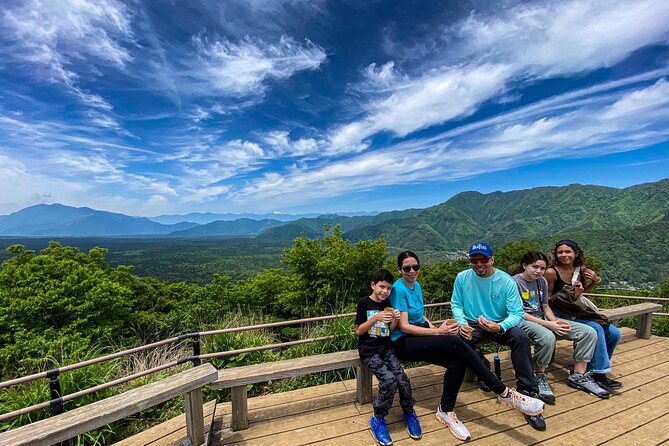
The payoff is a three-part view: Mt. Fuji, Saiko Lake, and the Aokigahara sea of trees. On a clear day, Fuji can appear from the trail and then open up more fully at the viewpoint. The summit break gives you time to rest rather than rush straight back down.
The supplied equipment is a useful value point. You can borrow trekking shoes, poles, rain jackets and pants, and gloves at no extra charge. The listing does not specify sizes or availability for every participant, so tell the provider what you need when booking. You should still dress for a moderate mountain walk.
Weather is the great variable. Several accounts describe stunning Fuji views, but the route can also be enjoyable under cloud cover when the temperature is good. One account specifically found a cloudy day ideal for trekking and appreciated that the guide chose an easy route with good views. If your priority is the classic unobstructed Fuji photograph, consider keeping another clear day available.
Yoshida Udon after the trail
After hiking, you stop at a local restaurant for Yoshida Udon, a signature dish of the area. The meal is not included, and the expected cost is about JPY 1,000 per person.
This is a smart part of the schedule. After a climb, a simple local meal is more satisfying than another formal sightseeing stop. Yoshida Udon is known in the region for its firm noodles, and the restaurant is selected by the guide rather than left for you to find on your own.
The stop lasts about 30 minutes, so think of it as a focused lunch rather than a long dining session. Your guide can help you order and explain the local specialty. Food preferences and menu details are not provided, so ask ahead if you have dietary concerns.
The meal also keeps the tour’s value in perspective. At $131.38 per person, you are paying for private transport, guide service, and a full route, but lunch is extra. Add about JPY 1,000 for the udon and budget separately for the optional tea service later.
A Japanese garden and optional matcha
The last stop is Fujisan Onsen Hotel Kaneyamaen in Fujiyoshida. The hotel is described as one of the oldest in the city and opens its large Japanese garden to the public.
You have about 30 minutes to walk through the garden or simply sit and rest. After the forest and uphill trail, this quieter finish gives the day a gentler landing.
Matcha and a Japanese sweet are optional and cost about JPY 1,000 per person. You can also enjoy the garden without ordering tea. That choice is helpful if you want to keep the final cost down or are already full from lunch.
This stop is not an onsen visit. The information provided describes the garden and tea, not access to bathing facilities, so do not assume a hot-spring session is included.
What the $131.38 price covers
The price is $131.38 per person. For a private five to six-hour outing, that can be fair value, especially for a small group that would otherwise need to arrange transport between a shrine, two lakeside areas, a forest, a cave, a trailhead, a restaurant, and a garden.
Private transportation is included, which removes the need to coordinate several regional bus connections. The guide fee is also included, as is the outdoor equipment. Those extras matter more here than they would on a simple walking tour because the sites are spread around the Fuji area.
You still need to pay for lunch, which should be about JPY 1,000, and matcha is another optional JPY 1,000. Insurance is not included. The tour’s value is strongest if you want a guide and vehicle for the whole route, not if you only want a short forest walk.
Group discounts are available, though the amount is not specified. Since this is a private activity, ask for the group price before booking if you have several people in your party.
Pickup limits and practical planning
Pickup is available only if you are already staying in the Kawaguchiko or Fujiyoshida area, or if you can reach one of those areas on your own. This is important. The tour is not presented as a day trip from Tokyo or another distant base.
The stated start time is 9:00 a.m. Confirmation arrives when you book, and mobile tickets are supported. Private transportation is included once the tour begins, but the information does not promise pickup from every hotel or town in the wider Fuji region.
The outing requires good weather. If conditions force a cancellation, you are offered another date or a full refund. You can cancel for a full refund up to 24 hours before the start time. Cancellations or changes inside that window are not accepted, and the cut-off uses local time.
Most people can participate, but the route is still a mountain hike. If you have concerns about walking uphill for about an hour, ask the provider before committing. Free poles and shoes can help, but they do not remove the need for basic outdoor stamina.
Who should book this Mt. Fuji hike
I would choose this for someone who wants Fuji scenery with local stories attached. It suits couples, families, and small groups that prefer a private pace and want more than the usual lakefront photo stop.
It is also a strong choice for first-time visitors who do not want to plan transport between scattered sites. Yuki’s guiding can turn the shrine, cave, and forest from separate stops into one clear story about worship and eruptions.
You should be comfortable with a moderate walk and flexible about the view. Fuji is not guaranteed to appear clearly, even though the route includes several good viewpoints. If your only goal is a perfect mountain photograph, a short viewpoint visit on a clear day may be simpler.
The tour is less suitable for anyone seeking a hard summit climb. This is a lower-mountain nature and culture outing, not an ascent of Mt. Fuji.
Should you book it?
Book this tour if you value private transport, a local guide, and a varied route more than a single famous viewpoint. The combination of Fuji Omuro Sengen Shrine, Saiko, Aokigahara, Ryugudoketsu, Sankodai, Yoshida Udon, and a Japanese garden gives you a full picture of the region in one day.
The best reasons to go are Yuki’s experience, the quiet Fuji-area stops, the included hiking gear, and the chance to finish with a local meal and matcha. The main risks are weather, the extra costs for food and tea, and the fact that pickup is limited to Kawaguchiko and Fujiyoshida.
If those conditions fit your plans, this is a thoughtful and well-rounded way to see Mt. Fuji’s natural and spiritual side.
FAQ
Where does the Mt. Fuji hiking tour take place?
The experience is based in Fujikawaguchiko-machi, Japan, with stops around Lake Kawaguchiko, Saiko Lake, Aokigahara Forest, and Fujiyoshida.
What time does the tour start?
The stated start time is 9:00 a.m.
How long does the tour last?
The full experience takes approximately five to six hours.
Is hotel pickup available?
Pickup is available only for people staying in the Kawaguchiko or Fujiyoshida area, or for those who can reach those areas on their own.
Is this a private tour?
Yes. Only your group takes part in the activity.
Who guides the tour?
The provider is Yuki, a certified mountain guide who has climbed Mt. Fuji more than 40 times and is also a licensed local hunter.
How difficult is the hike?
The trail is described as moderate and suitable for outdoor beginners. The main route takes about one hour uphill and about 30 minutes downhill, with the hike generally taking around two hours including a break.
Is hiking equipment included?
Yes. Trekking shoes, trekking poles, rain jackets and pants, and gloves are available to borrow at no extra cost.
Is lunch included in the price?
No. Yoshida Udon costs about JPY 1,000 per person and is paid separately.
Is the matcha tea included?
No. Matcha with a Japanese sweet is optional and costs about JPY 1,000 per person. You can visit and enjoy the Japanese garden without ordering it.
More Hiking & Trekking in Fujikawaguchiko machi
- Lake Kawaguchi Private Hiking Tour with local guide
★ 5.0 · 5 reviews - Full Day Hiking Tour at Mt.Takao including Hot Spring
★ 5.0 · 52 reviews - Hike Hakone Hachiri
★ 5.0 · 48 reviews - Hike Japan Heritage Hakone Hachiri with certified mountain guide
★ 5.0 · 46 reviews
New on our Fujikawaguchiko machi list
- Lake Kawaguchi : Private Half Day Customized Tour w/ local guide★ 5.0 · 3 reviews
- Lake Kawaguchi Private Hiking Tour with local guide★ 5.0 · 5 reviews
- Private Tour of Mt. Fuji Culture and Nature Walk★ 5.0 · 5 reviews
- Fuji Photo Tour★ 5.0 · 6 reviews
- View of Mt. Fuji is good! Sushi making experience class★ 5.0 · 6 reviews
- Mt. Fuji 2-Hour Photo Shoot with a Local Photographer-Kawaguchiko★ 5.0 · 6 reviews
- Mt. Fuji Five Lakes Tour with Guide & Vehicle (Kawaguchiko Dep)★ 4.5 · 6 reviews
- Mt. Fuji Customized Private Tour: See Top Attractions in 1 Day★ 5.0 · 9 reviews
Hiking & Trekking, compared.
Full Day Hiking Tour at Mt.Takao including Hot Spring
Read our review →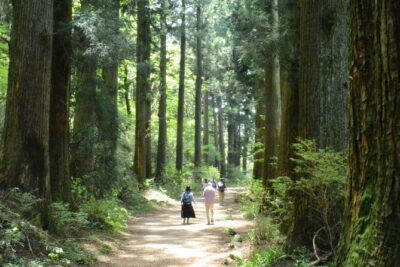
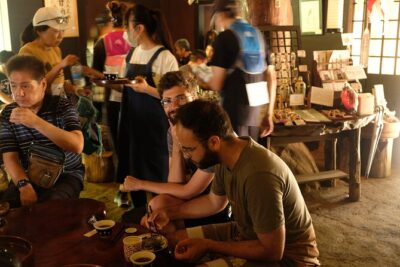
Hike Japan Heritage Hakone Hachiri with certified mountain guide
Read our review →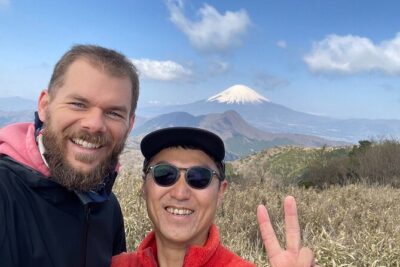
Traverse Outer Rim of Hakone Caldera and Enjoy Onsen Hiking Tour
Read our review →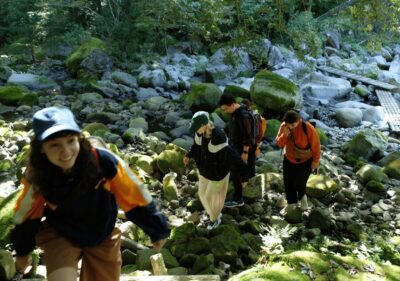
Hakone Hachiri: Old Tokaido Highway Hiking Tour
Read our review →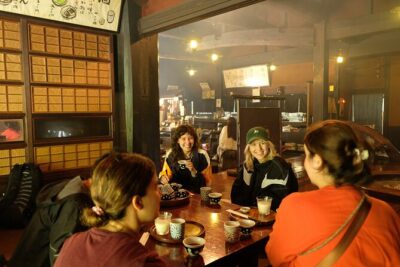
Yokosuka : Scenic Hidden Gem Hike and Naval Port Cruise
Read our review →Browse the lists this tour appears in