
Reviewed · WALKING TOURS
Private Tour of Mt. Fuji Culture and Nature Walk
Mt. Fuji is more than a scenic cone on the horizon. On this private tour, you follow its spiritual story from a hilltop view and forest walk to pilgrimage caves and Sengen shrines. I like the unusual mix of nature and culture, and I like having Momo, a local university sociology teacher, explain what you are seeing rather than simply naming it.
I also like the private format. Momo can help with local bus navigation before the day begins and adjust the walking plan for someone who has trouble covering long distances. The main consideration is physical: you will walk uphill for about 15 minutes, spend two hours in Aokigahara, and enter caves that may not suit every visitor.
In This Review
- Key points to know before booking
- Why this Mt. Fuji tour feels different
- Starting at Sankodai for the big Fuji view
- Two hours among Aokigahara’s trees
- Going underground at Narusawa Ice Cave
- The pilgrimage meaning of Funatsu Tainai Jugata
- Reading Kitaguchi Hongu Fuji Sengen Jinja
- What Momo adds to the day
- Lunch, transport, and the six-hour schedule
- Who should book this experience?
- Is the $99.40 price good value?
- Practical details before you reserve
- Should you book it?
- FAQ
- Where does the tour start and end?
- How long does the experience last?
- Is transportation included?
- Is lunch included?
- What places does the tour visit?
- Can someone with limited walking ability participate?
Key points to know before booking
- Mt. Fuji from Sankodai: Begin with a broad view of the mountain, the lakes, and the Aokigahara forest below.
- Aokigahara on foot: Spend about two hours among the trees and visit some of the forest’s caves.
- Caves with cultural meaning: Narusawa Ice Cave offers a natural attraction, while Funatsu Tainai Jugata connects directly to Fuji pilgrimage.
- A guide with an academic angle: Momo teaches sociology at a local university and focuses on the cultural meaning of Mt. Fuji.
- A genuinely private outing: Only your group joins, with private transportation, a guide-driver, and lunch included.
- Six hours with a 9:00 a.m. start: The schedule suits an active half-day based around Kawaguchiko Bus Station.
Why this Mt. Fuji tour feels different
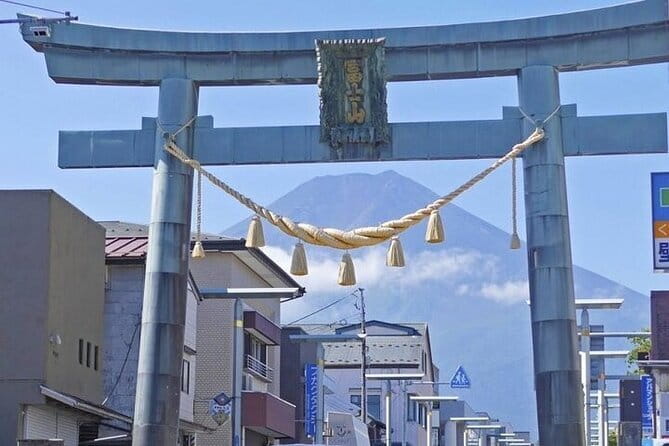
Many Mt. Fuji outings revolve around getting the clearest photograph. This one gives you that chance, but it does not stop there. The day treats the mountain as a sacred place shaped by belief, pilgrimage, forests, caves, and shrines.
That approach matters because Fuji has been a spiritual symbol in Japan for more than 1,500 years. Japanese worshippers traditionally regarded the mountain itself as a god. Pilgrims traveled to its summit, and worship sites grew around its foothills.
Momo’s role is to connect those pieces. As a sociology teacher at a local university, he brings an academic and cultural focus to places that can otherwise look like simple sightseeing stops. You will not just see a shrine gate or a cave. You will learn why it is there and how it fits into Fuji worship.
I especially like the private arrangement for this kind of tour. Religious sites and natural areas reward questions, and a small group makes it easier to pause, ask, and change the pace. It also avoids the fixed rhythm of a large coach outing.
The tour costs $99.40 per person and includes private transportation, lunch, entrance fees, and a guide-driver. That is a fair package if you value interpretation and door-to-door movement between several sites. It is less attractive if your main goal is only a quick Fuji photo, since you could spend much of the day walking and listening rather than ticking off viewpoints.
More Private Tours in the Mt Fuji Area
- Mt Fuji Area Private Guided Tours in English-Nature up close, quiet, personal
★ 5.0 · 288 reviews - Private guided hidden gems tour by local English speaking driver
★ 5.0 · 142 reviews - Mt. Fuji Five Lakes Area Private Tour with Licensed Guide(Kawaguchiko area Dep)
★ 5.0 · 55 reviews
Starting at Sankodai for the big Fuji view
The tour begins at 9:00 a.m. at Kawaguchiko Bus Station No. 2. The first stop is Sankodai, where you walk about 15 minutes uphill to a viewpoint.
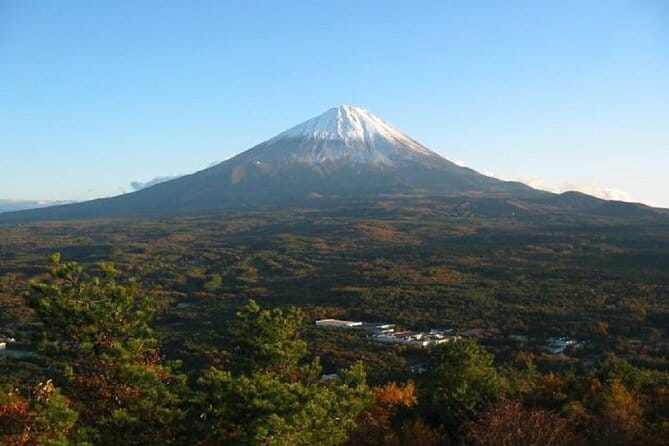
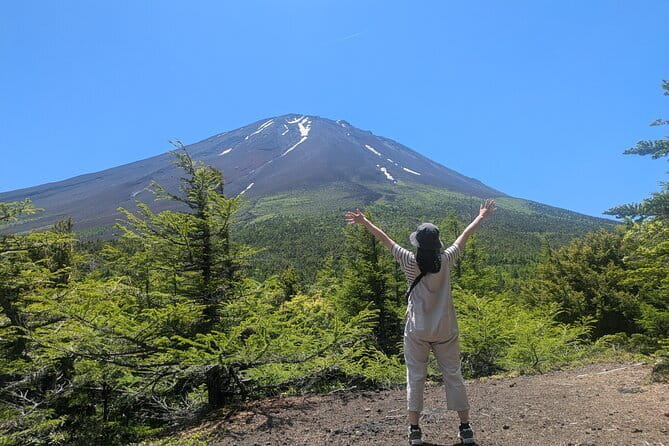
The reward is a wide view of Mt. Fuji, the lakes below, and the enormous spread of Aokigahara forest. This is a useful opening because it gives you the geography of the day. From above, you can see the mountain, the water, and the forest as parts of one connected setting.
The viewpoint takes about an hour, including the walk. It is a strong place to start, but mountain weather can affect the view. The tour promises the viewpoint, not a clear summit every day. Clouds may hide Fuji, and that is simply part of visiting a high-profile mountain.
The short uphill walk is worth noting. It is not described as a difficult hike, but it does set the tone for the day. If you have limited mobility, tell Momo in advance. His flexible approach has allowed a 75-year-old participant with walking difficulties to take part actively instead of waiting alone while the group continued.
Two hours among Aokigahara’s trees
From Sankodai, you head into Aokigahara, often called the Sea of Trees. The forest section lasts about two hours and is the longest part of the walking program.
The attraction here is not a single monument. It is the feel of the forest itself, along with the chance to visit some of its caves. The tour describes this as a chance to experience forest bathing, a Japanese practice of spending quiet time among trees and natural surroundings.
Momo’s interpretation is particularly useful here. Aokigahara can be reduced to a dark reputation in popular culture, but this tour focuses on its natural beauty and its place at the foot of Mt. Fuji. You get time to notice the forest rather than rushing through it for a photograph.
Expect uneven outdoor walking and a slower pace than a standard sightseeing route. The supplied details do not give a trail difficulty rating or a precise distance, so you should ask Momo about current conditions if you have concerns. The two-hour period also means this is not a token stop. You need to be comfortable spending a good part of the morning on foot.
There is no admission charge for the forest portion. That helps keep the tour’s price focused on transport, guiding, lunch, and the paid cave visit later in the morning.
Going underground at Narusawa Ice Cave
Narusawa Ice Cave sits at the eastern entrance to Aokigahara. It is one of the Fuji Five Lakes area attractions that can be visited throughout the year, and admission is included.
The cave adds a change of scale to the morning. At Sankodai, Fuji fills the horizon. In Aokigahara, the trees surround you. Inside Narusawa Ice Cave, the experience becomes close and subterranean.
The stop lasts about an hour, which gives Momo time to explain the cave and gives you time to move through it without treating it as a rushed photo stop. The available information does not describe the cave’s exact interior conditions, so practical details such as temperature, stairs, or headroom should be confirmed when booking if they matter to you.
This is one reason the tour is better suited to people who want a varied day than to those seeking a single scenic overlook. You get forest, cave, shrine, and pilgrimage culture in one route. The tradeoff is that each stop receives a set amount of time, so you are not spending half a day at any one place.
More Mt Fuji days from Fujikawaguchiko machi:
- Explore Mt. Fuji Ice Cave in Aokigahara Forest
★ 5.0 · 243 reviews - Ramen Cooking Class at Ramen Factory in Mt.Fuji
★ 5.0 · 101 reviews - Early Morning Kayaking With Views of Mt Fuji at Lake Kawaguchiko
★ 5.0 · 69 reviews - Johnny’s Exclusive: Mt. Fuji Adventure from Kawaguchiko
★ 5.0 · 62 reviews
The pilgrimage meaning of Funatsu Tainai Jugata
In the afternoon, the cultural theme becomes more direct at Funatsu Tainai Jugata Lava Tree Mold. This historic cave was used by Fuji-ko pilgrims, who paid homage there before beginning their climb of Mt. Fuji.
You go inside the cave rather than viewing it from outside. That physical act is part of what makes the stop memorable. The cave is not only a natural formation. It is a place connected to the preparation and spiritual mindset of people who came to climb the sacred mountain.
The admission fee is included, and the stop takes about an hour. That is enough time for Momo to explain the pilgrimage tradition and for you to understand why caves had such importance in Fuji worship.
This is also a point where comfort and mobility deserve attention. Entering a lava cave is a different experience from walking a flat shrine approach. The supplied details do not specify the cave’s exact route or accessibility, so ask for current conditions if you have difficulty with uneven or confined spaces.
For someone interested in Japanese religious practice, this may be the most distinctive part of the day. You are not simply looking at an old building. You are standing in a site tied to the emotional and spiritual preparation for a pilgrimage.
Reading Kitaguchi Hongu Fuji Sengen Jinja
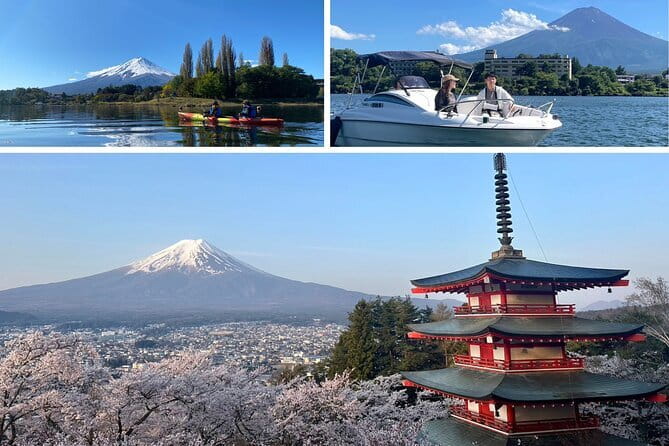
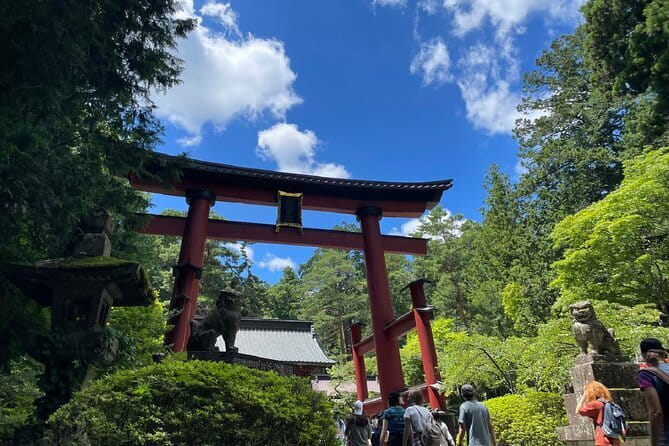
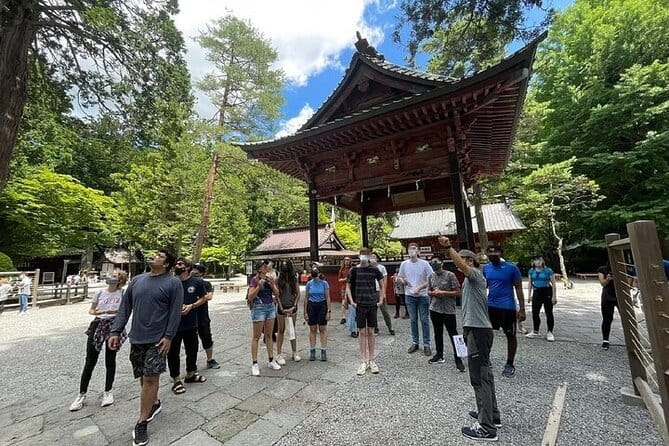
The final stop is Kitaguchi Hongu Fuji Sengen Jinja, one of the main shrine sites in the Mt. Fuji area. The grounds are described as majestic, but the key point is that Momo wants you to look beyond the surface.
A shrine can be easy to admire without understanding. You may notice the gates, trees, buildings, and ceremonial details, then move on. Momo explains the shrine’s history and cultural role so you can see how it relates to Fuji worship and pilgrimage.
This is a fitting final stop because it gathers the day’s ideas in one place. The viewpoint showed Fuji as a physical presence. The forest showed its natural setting. The caves connected nature with pilgrimage. The shrine gives that belief a formal home.
The shrine section lasts about an hour and has no admission fee. The setting is also less physically demanding in concept than the cave and forest portions, though the tour does involve walking throughout the day. If you prefer historic sites with context, this guided explanation is a major reason to choose the private tour instead of visiting independently.
What Momo adds to the day
Momo is not presented as a standard sightseeing guide. He is a local sociology teacher at a university, and the tour is built around his explanations of society, belief, and place.
That background shapes the day in a useful way. Instead of treating Mt. Fuji as a collection of attractions, he explains how Japanese people traditionally viewed the mountain, why pilgrimage developed, and why shrines and caves were built around it.
His help begins even before the tour for some people. One participant had trouble working out the bus system from a smaller city to the meeting point, and Momo offered guidance before the scheduled start. That is the kind of practical support that can make a regional excursion much less stressful.
The private format also lets him respond to the group. If one person needs a slower pace, the day can be adjusted. If you are curious about the shrine’s symbolism or the forest’s cultural associations, you have a guide who can spend time on those questions.
You should still keep your expectations realistic. A six-hour tour cannot provide an exhaustive study of Mt. Fuji religion, geology, and local society. The value is in getting a clear, connected introduction while moving through places that are hard to understand from a quick independent visit.
Lunch, transport, and the six-hour schedule
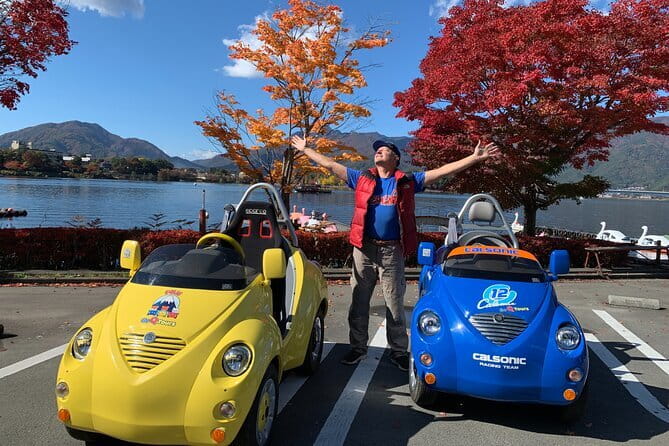
Private transportation is included, along with lunch and the guide-driver. That matters because the route links a viewpoint, forest, two cave sites, and a shrine. You do not need to arrange separate local transport between each stop.
The tour begins and ends at Kawaguchiko Bus Station No. 2 in Fujikawaguchiko-machi. Pickup is offered, but the stated meeting point is the bus station, so confirm the exact pickup arrangement when you book. The activity starts at 9:00 a.m. and lasts about six hours.
Lunch is included, but drinks and snacks are not. Bring or purchase those separately, especially since the forest and cave portions take up much of the day. The tour information does not specify the lunch menu, so ask ahead if you have dietary needs.
The schedule is full but logical. You start with the view while the day is young, spend the morning in nature, then shift toward Fuji’s religious and historical meaning after lunch. The plan avoids spending the whole day on roads while still covering a lot of ground.
Since only your group participates, the tour can feel more personal than a standard shared excursion. That comes with a practical benefit: you are not waiting for a large group at every stop. It also means the experience depends heavily on whether your group enjoys walking, asking questions, and giving the cultural material time to land.
Who should book this experience?
I would choose this tour if you want Mt. Fuji explained as part of Japanese culture, not just photographed from a distance. It suits you especially well if you are interested in Shinto shrines, pilgrimage, sacred mountains, local traditions, and nature walks.
It is also a good choice for families or mixed-age groups that want a private schedule. The ability to adjust the day helped one group include a 75-year-old mother with walking difficulties, though you should still discuss your needs before arrival.
The tour may not suit you if you want a relaxed café day, a long climb, or several hours at one panoramic viewpoint. The itinerary has five substantial stops, and some require walking or entering caves. You should also be comfortable with a guide-led day centered on explanation rather than free time.
The five published ratings are all five-star, with the strongest praise focused on Momo’s kindness, help with local transport, cultural understanding, and flexibility. Those qualities are more important here than polished sightseeing commentary because the sites require context.
Is the $99.40 price good value?
At $99.40 per person, the tour offers a reasonable deal for a private six-hour outing if your group wants a guide and transport. You receive private transportation, lunch, all listed fees and taxes, and admission to both Narusawa Ice Cave and Funatsu Tainai Jugata Lava Tree Mold.
The value improves for a small group because the price buys a private experience rather than a seat on a shared bus. You are paying for the route, the driving, and Momo’s interpretation of places that can seem disconnected when visited alone.
The calculation changes if you are mainly after the cheapest possible Fuji view. Sankodai itself has no admission charge, and the forest and shrine are also free. In that case, much of the price goes toward convenience, lunch, private transport, and the academic guidance.
I think the cost is justified for the right audience. The tour turns several free or modestly priced sites into a coherent cultural day. It is not the best bargain for someone who wants only scenery, but it is good value for someone who wants to understand why Mt. Fuji matters.
Practical details before you reserve
Confirmation arrives within 48 hours, subject to availability. The experience is near public transportation, and the meeting point is Kawaguchiko Bus Station No. 2.
Free cancellation is available up to 24 hours before the start time for a full refund. Changes or cancellations made less than 24 hours before the 9:00 a.m. start are not accepted for a refund, and the cut-off uses local time.
Wear footwear suitable for a 15-minute uphill walk, forest paths, and cave access. The tour details do not give a dress code or equipment list, so ask Momo about current conditions if you have mobility, balance, or confined-space concerns.
Bring water and snacks because drinks and snacks are not included. Also remember that Fuji views depend on the weather. The cultural stops remain worthwhile, but a cloudy day may reduce the impact of the opening panorama.
Should you book it?
Book this tour if you want the fuller Mt. Fuji story: mountain, forest, cave, pilgrimage, and shrine. Momo’s local perspective and sociology background give the day a clear purpose, while private transport and a flexible pace make the route practical.
Skip it if you want a short photo stop or dislike walking, caves, and scheduled sightseeing. For most curious visitors staying around Kawaguchiko, though, the $99.40 price buys more than transportation. It gives you a way to understand why this mountain has been revered for centuries.
FAQ
Where does the tour start and end?
It starts at 9:00 a.m. at Kawaguchiko Bus Station No. 2 in Fujikawaguchiko-machi and ends back at the meeting point.
How long does the experience last?
The tour lasts approximately six hours.
Is transportation included?
Yes. Private transportation and a guide-driver are included. Pickup is offered, but the stated starting point is Kawaguchiko Bus Station No. 2.
Is lunch included?
Yes, lunch is included. Drinks and snacks are not included.
What places does the tour visit?
The route includes Sankodai, Aokigahara Forest, Narusawa Ice Cave, Funatsu Tainai Jugata Lava Tree Mold, and Kitaguchi Hongu Fuji Sengen Jinja Shrine.
Can someone with limited walking ability participate?
Most people can participate, and the private format allows the route to be adjusted. The tour does include a 15-minute walk uphill, forest walking, and cave visits, so discuss specific mobility needs with Momo before booking.
More Walking Tours in Fujikawaguchiko machi
- Tokyo Tsukiji Fish Market Food and Culture Walking Tour
★ 5.0 · 3,184 reviews - Tokyo: Imperial Palace and Shogun Historical Walking Tour
★ 5.0 · 2,251 reviews - Tokyo: Shinjuku Local Bar and Izakaya Guided Walking Tour
★ 4.9 · 1,794 reviews - Tokyo: Tsukiji Fish Market Food and Walking tour
★ 5.0 · 1,724 reviews
New on our Fujikawaguchiko machi list
- Lake Kawaguchi : Private Half Day Customized Tour w/ local guide★ 5.0 · 3 reviews
- Lake Kawaguchi Private Hiking Tour with local guide★ 5.0 · 5 reviews
- Fuji Photo Tour★ 5.0 · 6 reviews
- View of Mt. Fuji is good! Sushi making experience class★ 5.0 · 6 reviews
- Mt. Fuji 2-Hour Photo Shoot with a Local Photographer-Kawaguchiko★ 5.0 · 6 reviews
- Mt. Fuji Five Lakes Tour with Guide & Vehicle (Kawaguchiko Dep)★ 4.5 · 6 reviews
- Mt. Fuji Customized Private Tour: See Top Attractions in 1 Day★ 5.0 · 9 reviews
- Lake Kawaguchi : Exclusive Private Customized Tour w/ Local Guide★ 5.0 · 9 reviews
Walking Tours, compared.

Tokyo Tsukiji Fish Market Food and Culture Walking Tour
Read our review →
Imperial Palace and Shogun Historical Walking Tour
Read our review →
Shinjuku Local Bar and Izakaya Guided Walking Tour
Read our review →
Asakusa Walking Tour with Sensoji Temple Visit
Read our review →
Tokyo Castle & Imperial PalaceーShogun Walking Tour
Read our review →
Browse the lists this tour appears in