Reviewed · MT FUJI AREA TOURS
3 Day Japan Highlights Tour: Tokyo, Mt.Fuji, Nara, Kyoto, Osaka
The clever idea here is covering Japan’s classic route from the Tokyo area to Osaka in only three days. You move by air-conditioned vehicle through Kamakura, Hakone, Mt. Fuji, Nara, and Kyoto, with an English-speaking guide rather than trying to stitch the route together by train and taxi yourself.
I like the mix of famous sights and smaller stops, especially Owakudani’s sulphur vents and Oshino Hakkai’s clear ponds. I also like the flexible approach. Guide Matt has adjusted the day around personal interests, and past guests have used that flexibility to focus on temples, countryside, culture, or food.
The trade-off is simple: this is a fast-moving tour. You get a remarkable amount in three days, but some stops last only 10 to 40 minutes, and the long road sections can feel tiring. Mt. Fuji views are also weather-dependent, so the most famous mountain in Japan may hide behind clouds.
In This Review
- Key points to know before booking
- What this three-day Japan route really offers
- Day one: Kamakura temples and Hakone’s volcanic scenery
- Day two: Mt. Fuji villages, caves, and waterfalls
- Day three: Nara deer, Kyoto temples, and Osaka after dark
- How much value do you get for $1,310.55?
- Who will enjoy this fast route
- Booking details that affect your decision
- Should you book this Japan highlights tour?
- FAQ
- Where does the tour start?
- Where does the tour end?
- What is included in the price?
- Are meals included?
- Are attraction admission fees included?
- How large is the group?
Key points to know before booking
- Kamakura and Enoshima open the trip with a giant bronze Buddha, temple gardens, ocean views, and seafood.
- Hakone packs in a ropeway, crater lake cruise, shrine, and sulphur valley on the first day.
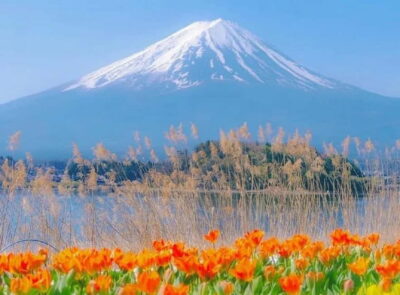
- Mt. Fuji’s northern lakes region gets a full day, including Oshino Hakkai, a thatched village, lava caves, waterfalls, and tea country.
- Nara, Kyoto, and Osaka arrive on the same final day, so expect an early start and a full schedule.
- The group is capped at 23 people, with WiFi, road tolls, parking, air conditioning, three-star accommodation, and two breakfasts included.
- The price is $1,310.55 per person, which makes most sense if you value private transport, a guide, and the convenience of ending in Osaka.
What this three-day Japan route really offers
This is not a relaxed temple-and-tea holiday. It is a well-packed introduction to central Japan, designed for someone who wants to see a lot without changing trains, hauling luggage, or arranging separate hotels.
The route begins at Narita Airport Terminal 2 or 3 Station, though pickup is offered from Tokyo or Narita entry points. It ends in a different location, in the Osaka area, after an evening in Dotonbori. That one-way design is useful. You are not forced to return to Tokyo after reaching western Japan.
The vehicle carries no more than 23 people and includes WiFi, air conditioning, parking, and road tolls. Those details matter here because the route covers major distances. You spend much of the trip on the road, but you avoid the burden of managing several connections with luggage.
The tour includes three-star accommodation and two breakfasts. Lunch and dinner are yours to arrange, which gives you freedom to sample local food but means you should budget for meals separately. The advertised cost also does not cover several attraction tickets, so allow extra cash for the Hakone ropeway, pirate ship, Todai-ji, Kiyomizu-dera, Saiko Iyashi no Sato Nemba, the wind cave, and the optional tea ceremony.
More Mt Fuji days from Narita:
- Mt Fuji and Hakone 1-Day Bus Tour Return by Bullet Train
★ 5.0 · 26,383 reviews - Mt Fuji & Hakone Cruise, Drum Show Bullet Train 1 Day from Tokyo
★ 4.0 · 7,413 reviews - Tokyo Mt Fuji 5th St & Hakone Cruise Bus Tour w/Bullet Train
★ 4.4 · 5,024 reviews
Day one: Kamakura temples and Hakone’s volcanic scenery
The first morning follows the coast through Yokohama toward Kamakura, Japan’s former capital. The opening stop is Kotoku-in, home to the Great Buddha, an 11-meter bronze statue cast in 1252.
You get about 30 minutes here, enough to see the statue and take photos, but not enough for a slow study of the grounds. Admission is not included. The Buddha is impressive because it sits outdoors, exposed to the weather and centuries of change, rather than inside a grand hall.
Next comes Hasedera Temple, where you have about 40 minutes. Its main draw is a 9-meter wooden image of the goddess of mercy, along with gardens, ocean views, and a small underground area. This is a better stop for a little quiet than the Great Buddha, though the short visit means you will need to choose between gardens, views, and the temple interior.
Enoshima Island gives you about an hour. You can see part of the shrine complex, watch surfers, visit sea caves, or stop at one of the seafood restaurants. The time is tight, so you probably cannot do everything. I would treat this as a scenic coastal pause and a chance to eat, not a full island tour.
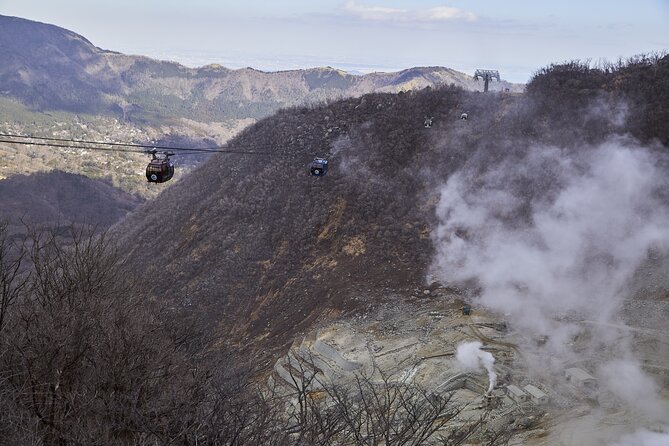
The day then turns inland to Hakone. The ropeway is one of the route’s most enjoyable transport sections. You ride above the mountain area in a gondola, with a foot bath and views along the way. The listed admission is 2,000 yen and is not included.
At Owakudani Valley, you make a brief 15-minute stop among sulphur steam vents rising from the crater area. The famous snack here is the kuro-tamago, or black egg, boiled in the sulphur springs. This is a quick, unusual stop, though the smell and volcanic fumes may not suit everyone.
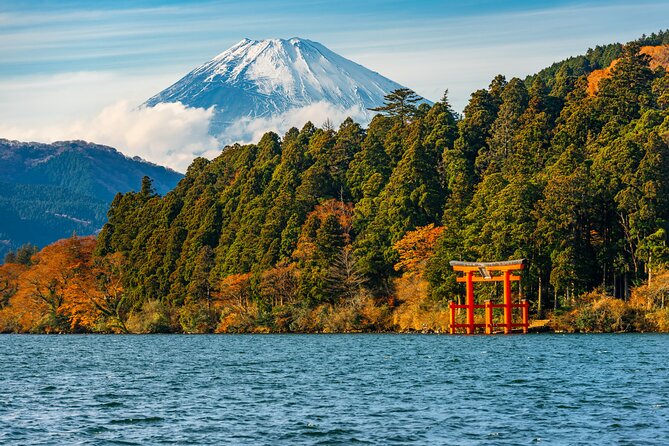
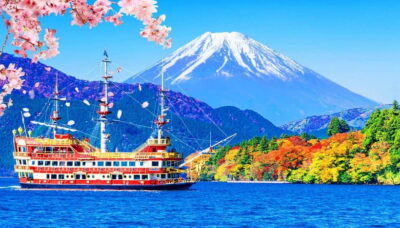
The Hakone Pirate Ship leaves from Tōgendai Port for a one-hour cruise across Lake Ashi, a crater lake formed in an extinct volcanic area. On a clear day, you may see Mt. Fuji from the water. The cruise costs 1,700 yen and is separate from the tour price.
Afterward, Hakone Jinja offers a change of pace. The shrine dates to 757 and is set among tall cedar trees, with a well-known torii gate on the shore of Lake Ashi. You have 30 minutes, enough for a quick visit to the shrine complex or the lakeside gate, depending on timing and walking speed.
The Lake Ashinoko Sky Line completes the day with a drive offering views toward the Pacific, Lake Ashi, and Mt. Fuji in clear weather. The route notes possible sightings of deer and raccoon dogs, but these are wildlife possibilities, not guaranteed encounters.
Day two: Mt. Fuji villages, caves, and waterfalls
The second day focuses on the countryside around Mt. Fuji. A short stop in the Fuji area lets you taste regional specialties and see tea plantations. At only 20 minutes, this is more of a flavor of the region than a full food experience.
Oshino Hakkai is one of the day’s most appealing stops. The village has eight clear ponds, local shops, and views toward Mt. Fuji. You have an hour here, which gives you time to walk around and buy snacks. It can feel more commercial than a remote country village, but the ponds and mountain setting make it worthwhile.
Kitaguchi Hongu Fuji Sengen Jinja offers a more reflective visit. The shrine sits in a cedar forest at Mt. Fuji’s base and is traditionally linked with the start of the climb. You have 30 minutes. Even if you are not interested in climbing, the forest setting gives you a strong sense of the mountain’s religious importance.
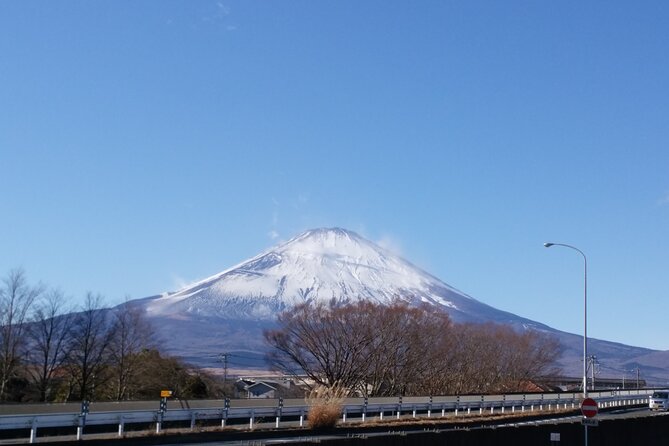
Oishi Park lies by Lake Kawaguchi and is included for its Mt. Fuji views. The stop lasts about 20 minutes and works best in clear morning weather. Keep your camera ready, but do not build the whole trip around getting a perfect mountain photograph. Clouds can cover Fuji without warning.
Saiko Iyashi no Sato Nemba adds a cultural element. This reconstructed traditional village has thatched-roof houses, countryside views, and the chance to dress in kimono or samurai armor. Admission is 500 yen. One hour is enough to walk through the village and try the clothing, though the activity is more staged than a living rural neighborhood.
The Fugaku Wind Cave is a 30-minute stop inside lava tubes at Mt. Fuji’s base. The cave stays cold and contains ice for much of the year, making it a striking contrast to the open-air viewpoints. The admission fee is 300 yen. Watch your footing, since caves naturally involve uneven surfaces and confined spaces.
Aokigahara Forest receives only 10 minutes, so do not expect a long forest walk. This is a brief look at one of Japan’s best-known wooded areas, rather than a hiking session.
Shiraito Falls gives you about 40 minutes. A short walk leads to two waterfalls, with local snacks nearby. Compared with the compressed forest stop, this one offers more time to pause and enjoy the scenery.
The day finishes in Nagoya’s Sakae district, where you have about an hour to explore shops and restaurants. This is an evening taste of the city, not a full Nagoya sightseeing program. If you want to see Nagoya Castle or spend time in its museums, you will need extra time before or after the tour.
Day three: Nara deer, Kyoto temples, and Osaka after dark
The final day covers three major destinations, so expect the most demanding schedule of the trip.
Nara Park gets two hours, the longest single stop. The park is known for its free-roaming deer, which are accustomed to people and can be very forward around food. You then visit Todai-ji, founded in 738 and home to one of the world’s largest bronze Buddha statues inside an enormous wooden temple.
Todai-ji admission is 800 yen and is not included. The building and statue are the main event, but the temple also contains other large sculptures and works of art. One hour here is enough for the essential visit, though you will not have time to inspect every detail.
Kyoto follows with Kiyomizu-dera Temple. You have about an hour to see the World Heritage temple and nearby traditional shops. The route is planned to avoid much of the worst crowding, which matters in Kyoto, where narrow lanes and famous temples can become slow and uncomfortable at peak times.
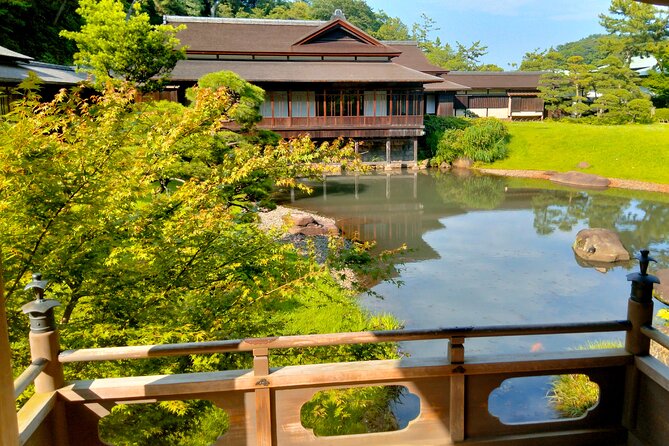
Entoku-in provides a smaller, calmer temple visit. It was built in 1605 as the family home and garden of Nene, Toyotomi Hideyoshi’s wife. You have 40 minutes, with a short tea ceremony available for an additional 1,300 yen. I would consider adding the tea if you want a brief cultural activity rather than another quick photo stop.
Arashiyama Bamboo Forest is allocated an hour. The bamboo is photogenic, but this is one of Kyoto’s most famous places, and the path can feel crowded. The schedule allows the guide to substitute a less crowded bamboo grove at Kotoku-in Temple if time is short. That flexibility is useful, since the famous name does not always guarantee the best experience.
Fushimi Inari-taisha comes next, with 40 minutes. Its thousands of orange torii gates form a tunnel up the mountain. You cannot walk the full route in this time, but you can see the lower section and get a sense of why this shrine is one of Kyoto’s signature sights.
The tour ends in Osaka’s Dotonbori district. You have an hour to explore back streets, restaurants, and illuminated signs. Dinner is not included, but this is an excellent place to choose your own meal. Osaka’s famous food culture is best handled with an appetite and a willingness to browse.
A few more Narita bookings worth comparing
- Hakone Free Pass, 2-3 Days Travel Voucher Japan
★ 3.0 · 9 reviews - 3 Days Tokyo, Mt. Fuji and Hakone Private Tour from Tokyo
★ 5.0 · 6 reviews
How much value do you get for $1,310.55?
The price is high for a three-day tour, but the comparison is not just three nights of lodging and a list of admissions. You are paying for a guide, private group transportation, route planning, road tolls, parking, air conditioning, WiFi, accommodation, and a one-way journey between the Tokyo area and Osaka.
The price makes more sense if you are short on time, arriving through Narita, or uneasy about arranging a complicated route across several regions. It also saves you from finding separate transport to Kamakura, Hakone, Mt. Fuji, Nara, Kyoto, and Osaka.
It makes less sense if you prefer slow mornings, public transportation, independent meals, or long visits at fewer temples. Several admission fees are extra, and you must pay for lunch and dinner. Add the listed costs for the ropeway, pirate ship, village, cave, Todai-ji, Kiyomizu-dera, and possible tea ceremony before deciding.
The tour is also described as tailor-made to interests, and the guide can adjust the itinerary. That matters more than a rigid checklist. Previous guide Matt is singled out for helping people understand Japanese culture and for offering flexibility around temples, shrines, scenery, and city time.
Who will enjoy this fast route
I would recommend it most to a first-time Japan visitor who wants an overview before returning for a slower trip. Families and mixed-age groups may also appreciate the vehicle and the ability to avoid complicated train changes.
It suits you if you want:
- A guided introduction to several major regions
- A direct route from Narita or Tokyo toward Osaka
- Countryside views mixed with major temples
- Help choosing between crowded headline sights and quieter alternatives
- A small group rather than a large coach, with a maximum of 23 people
You should think twice if you need lots of free time, have limited tolerance for long drives, or want to hike around Mt. Fuji. Most stops are short, and the final day in particular is packed.
Most travelers can participate, and service animals are allowed. The tour operates near public transportation, but the provided details do not give a full walking-distance breakdown. If you have mobility concerns, ask the provider how much walking is expected at each stop before booking.
Booking details that affect your decision
The activity is offered daily between 8:00 a.m. and 8:00 p.m. during the stated operating period. Confirmation is normally sent at booking, though reservations made within one day of departure are subject to availability.
Pickup is offered, and the listed start point is Narita Airport Terminal 2 or 3 Station. Because the tour ends elsewhere, confirm the final drop-off details before you reserve a hotel for the next night.
The cancellation terms are worth noting. You receive a full refund if you cancel at least six full days before the start time. Cancellation two to six days ahead brings a 50 percent refund, while cancellation within two days is nonrefundable. Changes follow the same cutoff rules.
Should you book this Japan highlights tour?
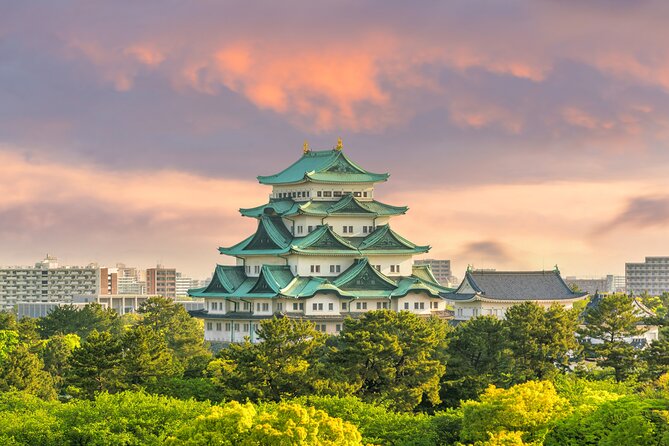
Book it if your priority is seeing the broad sweep from the Tokyo area to Osaka with one guide and one organized vehicle. The route includes genuine variety: coastal Kamakura, volcanic Hakone, Mt. Fuji’s lakes and villages, Nara’s deer and Todai-ji, Kyoto’s shrines, and Osaka nightlife.
Do not book it expecting a restful holiday or a deep visit to each city. This is a fast, practical overview, and its best quality is the amount of ground it covers without making you solve every transport problem yourself.
If you have only three days and want a guided first look at Japan, the value is reasonable despite the price. If you have a week or more, I would prefer adding extra nights in Tokyo, Kyoto, or Osaka and visiting fewer sights at a slower pace. The tour can also be extended toward Hiroshima or back to Tokyo through the Japan Alps, which may suit you if you want to turn the quick introduction into a longer route.
FAQ
Where does the tour start?
The listed starting point is Narita Airport Terminal 2 or 3 Station in Narita. Pickup is also offered from a hotel or port of entry in Tokyo or Narita.
Where does the tour end?
The activity ends in a different location from the start, after visiting Osaka’s Dotonbori district. Confirm the exact final drop-off details before booking onward accommodation.
What is included in the price?
The tour includes WiFi on board, an air-conditioned vehicle, parking fees, road tolls, three-star accommodation, and two breakfasts.
Are meals included?
Two breakfasts are included. Lunch and dinner are not included, so you should budget separately for those meals.
Are attraction admission fees included?
Several admission fees are extra. Listed examples include the Hakone ropeway at 2,000 yen, the Hakone pirate ship at 1,700 yen, Saiko Iyashi no Sato Nemba at 500 yen, Fugaku Wind Cave at 300 yen, Todai-ji at 800 yen, Kiyomizu-dera at 500 yen, and the optional tea ceremony at 1,300 yen.
How large is the group?
The group has a maximum of 23 people. An English-speaking guide accompanies the tour, and the experience can be adjusted to suit interests according to the provided details.
New on our Narita list
- 9-Day Japan and South Korea Highlight Tour★ 4.5 · 3 reviews
- Tokyo Layover Tour with Licensed Guide:Narita Airport Dep★ 4.5 · 4 reviews
- Private Arrival Transfer : Narita International Airport to Tokyo Disney★ 5.0 · 4 reviews
- Tokyo Narita Airport (NRT) Transfer Private Transfer(Single way)★ 5.0 · 5 reviews
- Narita-san Private Layover Tour from Narita International Airport★ 5.0 · 5 reviews
- Private Chauffeur from Narita Airport to Tokyo★ 5.0 · 5 reviews
- Private Arrival Transfer : Narita International Airport to Yokohama City★ 5.0 · 6 reviews
- Narita Layover tour with National Licensed guide★ 5.0 · 7 reviews
Mt Fuji Area Tours, compared.
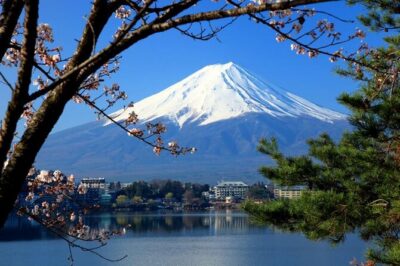
Mt Fuji and Hakone 1-Day Bus Tour Return by Bullet Train
Read our review →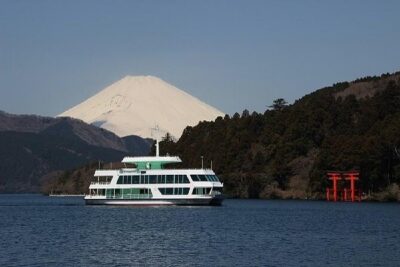
Mt Fuji & Hakone Cruise, Drum Show Bullet Train 1 Day from Tokyo
Read our review →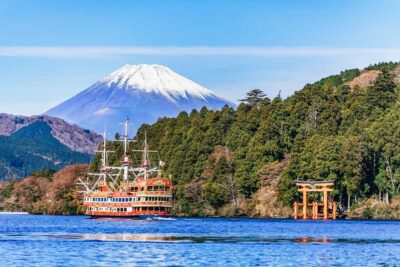
Tokyo Mt Fuji 5th St & Hakone Cruise Bus Tour w/Bullet Train
Read our review →
Mt. Fuji Tour, Hakone Ropeway, Owakudani, Lake Ashi
Read our review →
Mt.Fuji,Kawaguchiko Oishi Park,Arakurayama Sengen Park
Read our review →
Mt. Fuji 5th Station & Hakone Cruise 1-Day Bus Tour
Read our review →