

Reviewed · MT FUJI AREA TOURS
From Tokyo: Mount Fuji Full-Day Sightseeing Trip
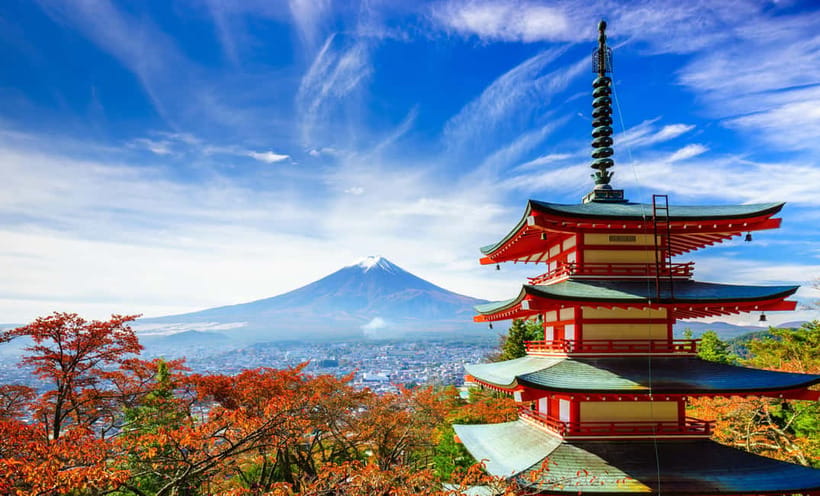
Mount Fuji is the star, but the clever part of this day trip is the variety of viewpoints. You see the mountain beside Lake Kawaguchi, behind the red Chureito Pagoda, near the clear springs of Oshino Hakkai, and from high on the mountain itself. That gives you a much better chance of finding a good view when Fuji disappears behind clouds.
I like the way the route mixes famous photo spots with small cultural stops, especially Oshino Hakkai’s spring-fed ponds and the old-fashioned Hikawa Clock Shop area. I also like having a guide on the bus. Guides such as Sophie, Evita, Annie, and Catherine have been praised for clear explanations and a good sense of humor. The main drawback is the road: the two-hour ride each way can become much longer in weekend or flower-season traffic, and no tour can promise a clear view of Fuji.
In This Review
- The best parts of the Mount Fuji day trip
- What this $68 tour really gives you
- Leaving Tokyo by coach
- Oishi Park and the first Lake Kawaguchi view
- Arakurayama Sengen Park and the Chureito Pagoda
- Hikawa Clock Shop and the Fujiyoshida streets
- Oshino Hakkai’s clear spring water
- Reaching Mount Fuji’s 5th Station at 2,300 meters
- Weather is part of the bargain
- Timing, walking, and the return to Tokyo
- Who will get the most from this tour
- Booking details worth knowing
- Should you book it?
- FAQ
- How long does the Mount Fuji day trip take?
- Where does the tour start?
- Is food included in the $68 price?
- Which languages are available?
- Will I definitely see Mount Fuji?
- What happens if the road to the 5th Station is closed?
- Can I bring luggage on the bus?
The best parts of the Mount Fuji day trip
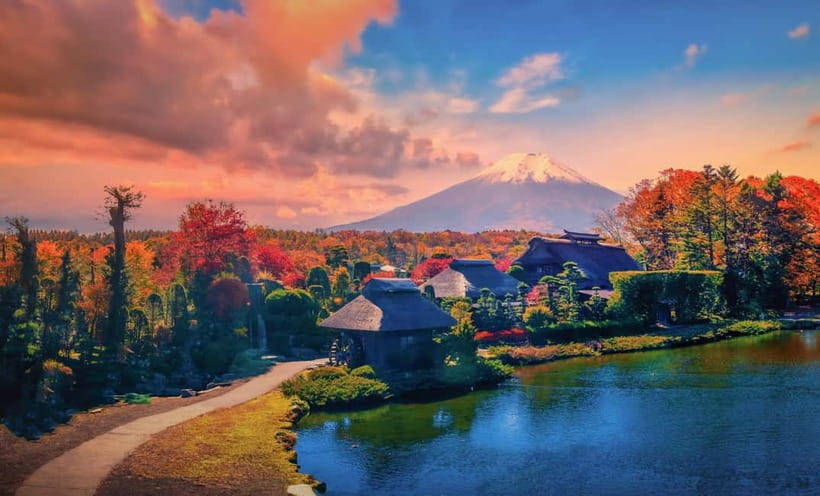
- Four distinct Fuji viewpoints: Lake Kawaguchi, Chureito Pagoda, Oshino Hakkai, and the mountain’s 5th Station each show Fuji in a different setting.
- A practical Tokyo departure: You can choose a starting point in the Shinjuku or Tokyo Station area, with drop-off options provided at the end.
- A guide-led day: English, Mandarin, and Cantonese support is available, with guides who explain local culture, sightseeing points, and the day’s timing.
- A high mountain finish: The 5th Station sits at about 2,300 meters, giving you a close view of Fuji’s upper slopes when the road is open.
- Useful seasonal changes: Winter conditions may send the bus to the 4th or 1st Station, or Lake Yamanakako Hana no Miyako Park instead.
- Strong value at $68: Transport, sightseeing entry fees, and a full day of stops are included, but meals and drinks are not.
What this $68 tour really gives you
At $68 per person, this is a good-value way to see the Mount Fuji area from Tokyo. You get a 10-hour outing, an air-conditioned coach, a professional guide, and admission to the sightseeing stops. You also avoid the work of connecting trains and buses between several places in Yamanashi Prefecture.
The price makes the most sense if you want a broad first look rather than a slow, local stay around Lake Kawaguchi. You can cover four major areas in one day, take photos, hear some context, and return to Tokyo without arranging the route yourself.
There are trade-offs. Food and drinks are extra, and the schedule is fixed. At some stops, you need to choose between using the restroom, standing in a food queue, shopping, and taking photos. You are paying for reach and convenience, not unlimited time at one viewpoint.
The tour is rated 4.5 from nearly 5,000 bookings, which fits its purpose well. It is a sightseeing sampler with a lot packed into one day. If Fuji is your main goal, the weather will matter far more than the price.
More Mt Fuji days from Tokyo:
- Mt Fuji and Hakone 1-Day Bus Tour Return by Bullet Train
★ 5.0 · 26,383 reviews - Mt Fuji & Hakone Cruise, Drum Show Bullet Train 1 Day from Tokyo
★ 4.0 · 7,413 reviews - Tokyo Mt Fuji 5th St & Hakone Cruise Bus Tour w/Bullet Train
★ 4.4 · 5,024 reviews
Leaving Tokyo by coach
The day begins at a designated meeting point in the Shinjuku or Tokyo Station area, depending on the option you book. Finding the exact place can take effort. One pickup area has several tours leaving nearby, and arriving from the wrong underground exit can leave you searching around street corners.
I would arrive early and check the meeting instructions carefully. Do not rely only on the general station name. Keep your phone ready for messages from the tour team, and confirm the exact pickup spot before you leave your hotel.
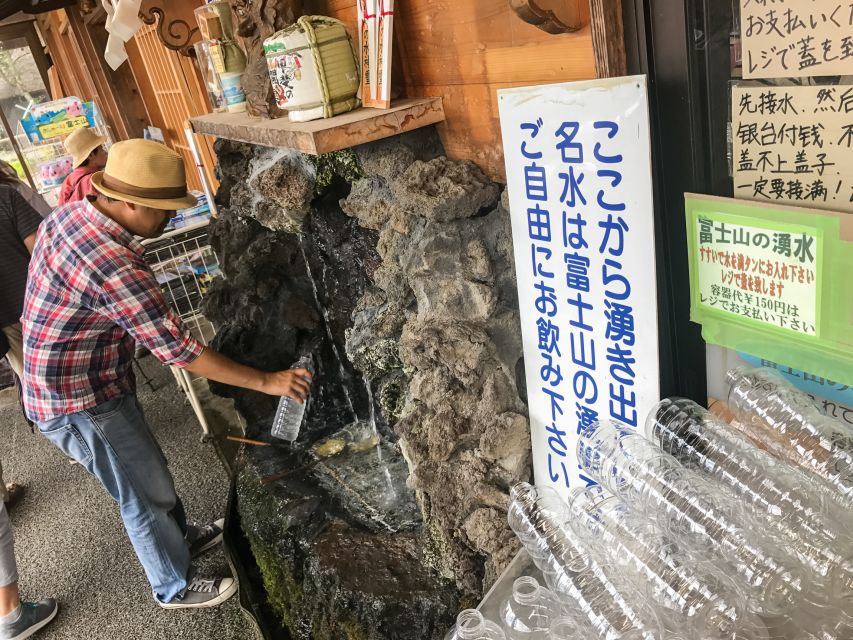
The outward coach ride takes about two hours in normal conditions. The bus is air-conditioned, clean, and generally comfortable, though one passenger found the coach less comfortable than expected. You cannot bring luggage or large bags, so this works best with a daypack and a light jacket.
The ride gives the guide time to explain the mountain, Japanese customs, and the stops ahead. Several guides, including Sophie, Evita, Jack, and Annie, have been praised for making the long ride pleasant with stories, clear instructions, and jokes. The tour leader’s role is to accompany the group and organize the day, so do not expect a private guide or a long formal lecture at every site.
Oishi Park and the first Lake Kawaguchi view
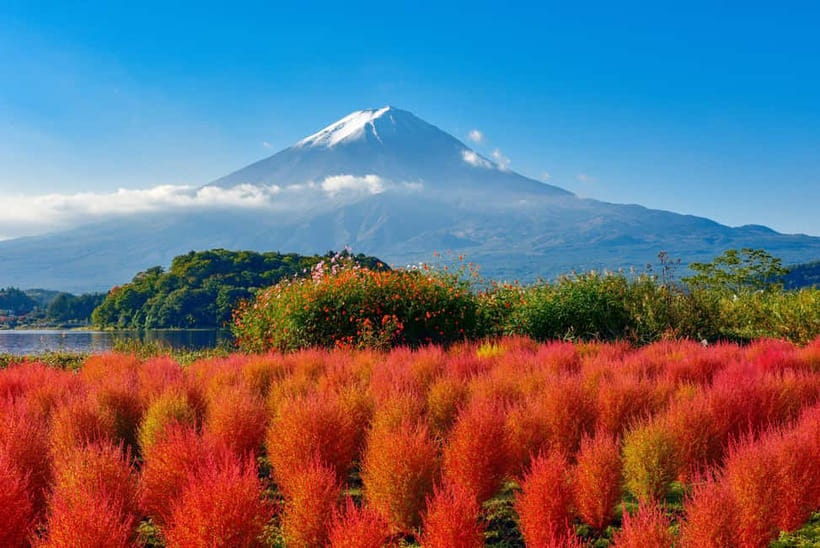
The first main stop is Oishi Park beside Lake Kawaguchi. You have about 30 minutes for photos and a quick look around. The classic picture is Fuji rising behind the lake, though the exact view depends on clouds and light.
This is a good opening stop because it puts the mountain into scale. At the lake, Fuji feels broad and distant. Later, you see it from higher ground and from a village setting, so the day becomes a sequence of changing perspectives rather than one repeated postcard.
Thirty minutes goes quickly. If the sky is clear, take your main photos first. You might find a reflection of Fuji in the lake, but water and weather conditions vary. Save shopping and snacks for later unless you have finished your photos.
Flower season and weekends can bring heavy crowds and road delays around the most popular sites. That can reduce your free time, so keep your attention on the meeting instructions. A late return to Tokyo by two or three hours is possible when traffic is severe.
Arakurayama Sengen Park and the Chureito Pagoda
The next stop is Arakurayama Sengen Park in Fujiyoshida. This is the classic Fuji composition: the five-storied Chureito Pagoda in the foreground, the city below, and Mount Fuji behind it.
You should plan for walking here. The famous view requires climbing more than 400 steps, according to the practical advice given during the tours. The climb is not a minor stroll, especially if you are moving slowly or visiting in cold weather, but the payoff is the image most associated with this park.
Spring brings cherry blossoms, which add another layer to the scene. They also bring bigger crowds and heavier traffic. In clear weather, the pagoda view can be superb. In cloud, you still have the pagoda and city, but Fuji may vanish completely.
The park visit is listed at about 75 minutes, including sightseeing and walking. That gives you time to climb, take photos, and return to the bus, but not time to linger. Older visitors and anyone with knee or mobility concerns should allow extra time and avoid treating the stairs as a race.
A few more Tokyo bookings worth comparing
- Mount Fuji Full-Day Private Tour from Tokyo (Customizable)
★ 4.9 · 1,470 reviews - Tokyo Private Full-Day Tour by Car or Van
★ 5.0 · 684 reviews - From Tokyo: Must-Visit Mount Fuji Highlight Full-Day Tour
★ 4.7 · 532 reviews - Mt. Fuji, Hakone Full-Day Private Tour with English Driver Guide
★ 4.5 · 458 reviews
Hikawa Clock Shop and the Fujiyoshida streets
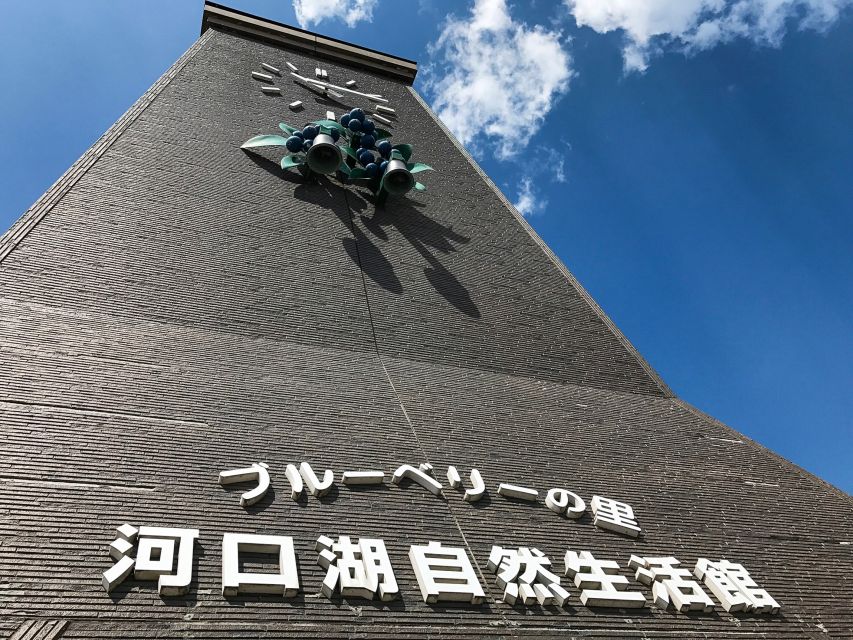
The Hikawa Clock Shop stop offers a different view of the area. Here, the appeal is the street scene and the way Fuji can appear at the end of the road, creating a pleasing contrast between ordinary town life and Japan’s most famous mountain.
This stop helps break up the major viewpoints. You are not simply moving from one scenic platform to another. You get a short walk through a local-looking part of Fujiyoshida, with time to look around and take photographs.
The exact amount of free time can feel limited on a busy day. If this is the stop you most want to explore, listen carefully for the return time. One person wished for more time at the third stop, while another felt the pace was smooth and neither too fast nor too slow. That difference comes down to your priorities.
Oshino Hakkai’s clear spring water
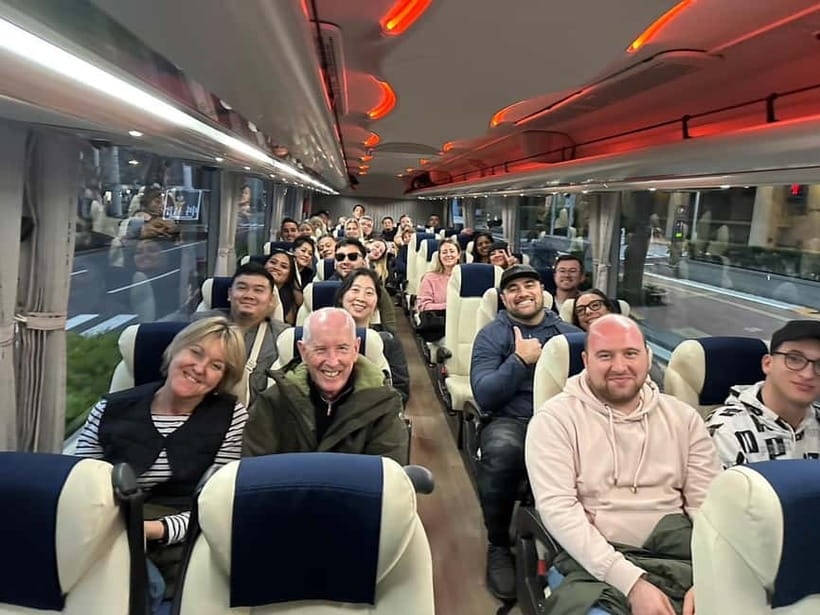
Oshino Hakkai is one of the most appealing stops for anyone who wants more than a mountain photograph. The area is known for eight lakes or ponds formed by water flowing from Mount Fuji. You can see the clear water and taste water from the mountain.
The stop lasts about 80 minutes and includes time for lunch. Food is not included in the tour price, so budget separately for a meal, drinks, and any snacks. This is also a useful place to buy souvenirs, but queues can eat into your sightseeing time.
I like this stop because it adds a physical connection to Fuji. You are not only looking at its snowcap or upper slopes. You are seeing water associated with the mountain emerge in a settled rural area. The ponds, small buildings, and food stalls give the day a more grounded feel.
Keep your schedule in mind. You may want to photograph all eight ponds, taste the water, eat lunch, use the restroom, and shop. You probably cannot do all of those slowly within 80 minutes. I would take the water and scenery first, then decide how much time remains for food or souvenirs.
Reaching Mount Fuji’s 5th Station at 2,300 meters
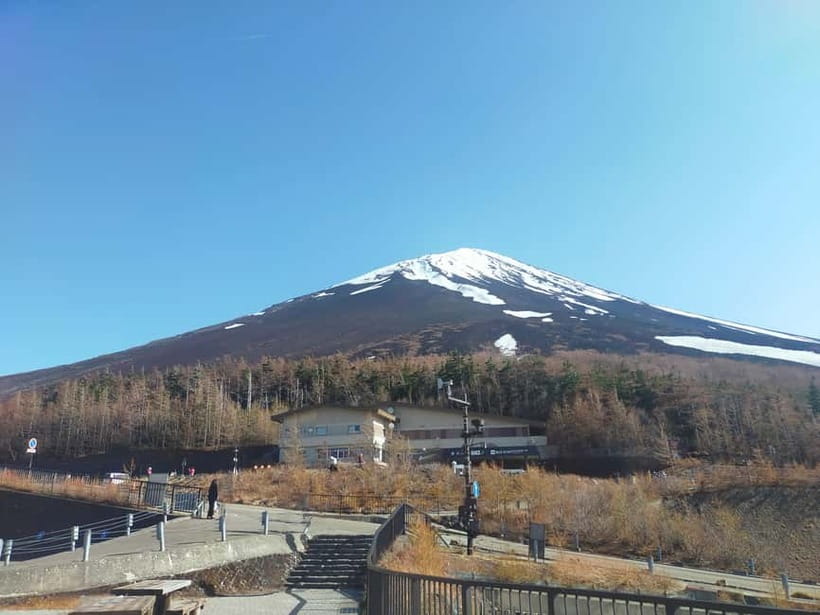
The final major stop is Mount Fuji’s 5th Station, roughly halfway up the mountain at about 2,300 meters. When the access road is open and the air is clear, this is your closest view of Fuji’s upper slopes on the tour.
You get around 40 minutes here. The station has special foods and distinctive souvenirs, so you can combine a close mountain view with a short shopping stop. Temperatures can be much lower than in Tokyo, and the wind may make the stop feel colder still. Bring warm layers even if the city feels mild.
Visibility changes fast. One group reached the station while Fuji was visible, only to have clouds cover it minutes later. Another had rain and mist but still enjoyed the visit. This is why the guide may change the order and take you to the mountain earlier when a clear window appears.
In winter, the road to the 5th Station may close. The tour can then visit the 4th Station, the 1st Station, or Lake Yamanakako Hana no Miyako Park. The alternative may offer a different view, including a possible Diamond Fuji sunset scene, but it is not the same experience as standing at the 5th Station. Road, weather, and traffic can also change or cancel parts of the route.
Weather is part of the bargain
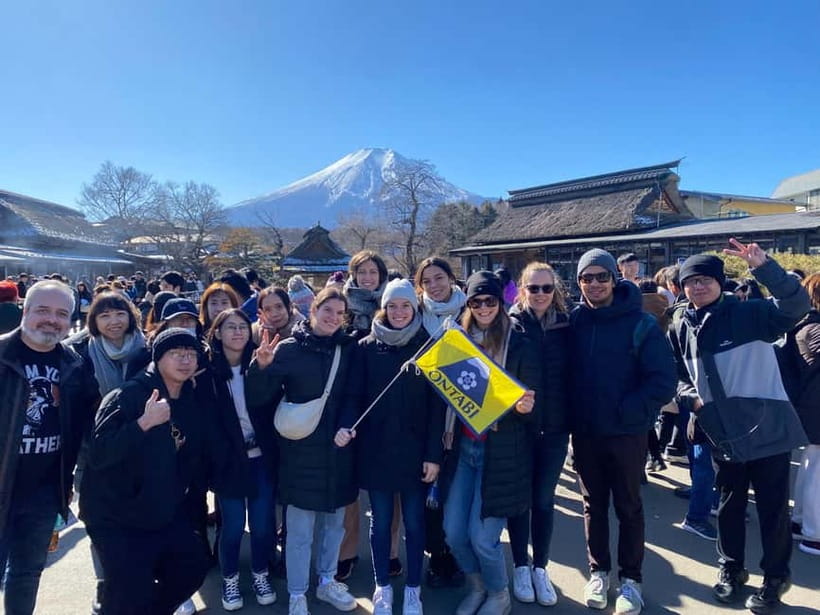
A clear Mount Fuji photograph is never guaranteed. The mountain can be visible in the morning and hidden by afternoon, or appear only briefly through moving cloud. Several people had excellent views, while others enjoyed the stops without seeing the summit at all.
That uncertainty is not a flaw unique to this tour. It is simply the nature of visiting Fuji. The smart approach is to value the full route: lake, pagoda, town street, spring ponds, and high mountain station. If Fuji appears at every stop, you have had a lucky day. If it hides, the smaller sights still give the trip some substance.
Your season matters. Spring cherry blossoms add beauty but bring crowds. Winter can offer crisp views but may close the upper road. Summer and autumn conditions can change quickly as well. Check the weather, dress in layers, and keep your expectations realistic.
Timing, walking, and the return to Tokyo
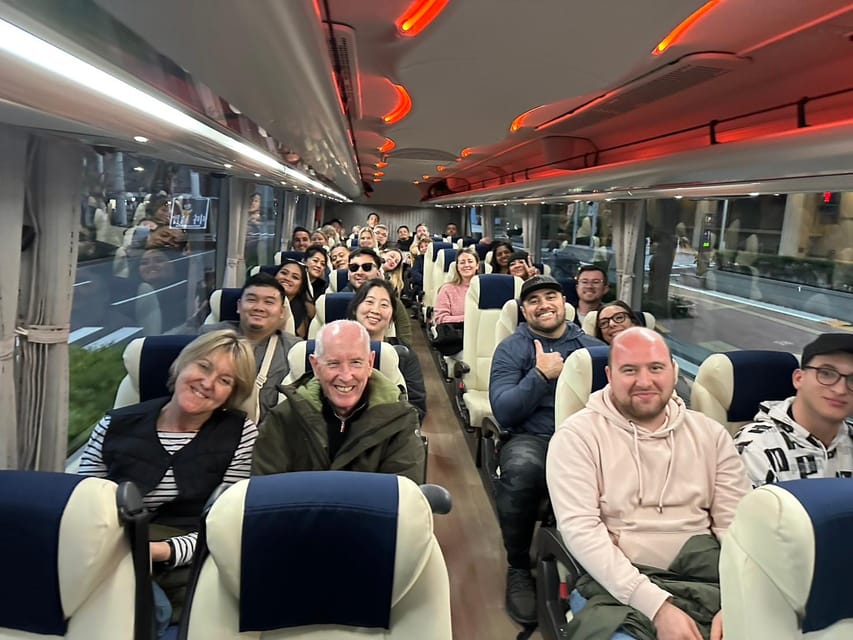
This is a long day with roughly four hours of coach travel in the basic schedule. Traffic can add two or three hours to the arrival time, especially on weekends and during flower season. I would not book a dinner reservation or evening train with a tight connection after the tour.
The stops involve walking, and Arakurayama includes a steep stair climb for the main pagoda view. You should be comfortable spending much of the day getting on and off a bus, walking between viewpoints, and keeping to meeting times.
The return bus usually brings you back to the designated Tokyo or Shinjuku drop-off area. That is convenient, but these points may not be right beside your hotel. One person found the location awkward for catching a taxi, so check your onward route before the day begins.
The guide keeps the schedule moving and may use a small speaker so everyone can hear. Some people appreciate frequent explanations and reminders. If you prefer a quiet sightseeing day, the commentary may feel too constant at times. The benefit is that you are less likely to miss the bus or misunderstand the timing.
Who will get the most from this tour
I would choose this trip if you have one free day in Tokyo and want to see several Mount Fuji sights without planning a complicated regional route. It suits first-time visitors, families with older children, and anyone who values a guide, reserved coach transport, and a clear sequence of stops.
It is also a good match for photographers who want several chances at Fuji. The four settings give you more opportunities than a single lookout, though you still need cooperative weather.
I would think twice if you want a quiet, flexible day beside the lake. You may prefer independent transport if you want to skip a stop, spend hours at one temple, or return to Tokyo on your own. One person would have preferred leaving from near a train station after the temple rather than sitting in evening traffic.
This is not the tour to book for a tea ceremony. The tea ceremony shown in promotional material belongs to a different trip, one that combines Mount Fuji with tea and outlet shopping. Another option may include outlet shopping or a hot spring in the afternoon, but those are not part of this sightseeing route.
Booking details worth knowing
The $68 price includes the coach, sightseeing entry fees, and a guide in English, Mandarin, or Cantonese. Meals, drinks, and personal purchases are extra.
Children must be accompanied by an adult, and unaccompanied minors are not accepted. Large bags and luggage are not allowed, so use a small daypack.
You can cancel up to 24 hours before departure for a full refund, and a reserve-now, pay-later option is available. The exact starting time and meeting point depend on the option selected, so read those details carefully before booking.
Should you book it?
Book this Mount Fuji day trip if you want maximum sightseeing coverage for one day and can accept a long coach ride. At $68, the combination of transport, entry fees, multiple viewpoints, and a guide is strong value.
Skip it if a clear Fuji view is the only reason you are going, since weather can defeat the best itinerary. Also skip it if you dislike fixed schedules, stairs, crowds, or the risk of a late return.
For most visitors with limited time in Tokyo, I would book it for the range of views. Pack a small bag, warm layers, water, and patience for traffic. If Fuji comes out from behind the clouds, you will have several places ready for the photograph you came to Japan to find.
FAQ
How long does the Mount Fuji day trip take?
The experience lasts about 10 hours. The scheduled coach ride takes roughly two hours each way, but traffic can delay the return by two to three hours.
Where does the tour start?
Pickup options are available in the Shinjuku and Tokyo Station areas. The exact meeting point can vary with the option booked, so check the booking details carefully.
Is food included in the $68 price?
No. Food and drinks are not included. You have time for lunch at Oshino Hakkai and can buy food or drinks at the sightseeing stops.
Which languages are available?
The tour provides guides in English, Mandarin, and Cantonese.
Will I definitely see Mount Fuji?
No. Views depend on weather and visibility, so a clear panoramic view is not guaranteed. Clouds can cover the mountain quickly.
What happens if the road to the 5th Station is closed?
The itinerary may change to Mount Fuji’s 4th Station, 1st Station, or Lake Yamanakako Hana no Miyako Park. Changes can also result from traffic, weather, or other unavoidable conditions.
Can I bring luggage on the bus?
Large bags and luggage are not allowed. Bring only a small daypack with the items you need for the day.
New on our Tokyo list
- From Tokyo: Mount Fuji & Hakone Full Day Private Tour★ 4.9 · 25 reviews
- Tokyo Spectacular View Day-Cruise in 90 Minutes★ 5.0 · 25 reviews
- Real Tokyo Runner Club : Daikoku Car Meet Night Tour with JDM Car★ 5.0 · 25 reviews
- 2.5 Hour-Guided Cycle Tour in the Central Tokyo★ 5.0 · 25 reviews
- Ramen Making from Scratch +Akihabara Tour –Cooking Class★ 5.0 · 25 reviews
- [Self-Drive] Tokyo & Daikoku Custom Car Driving Tour★ 4.9 · 25 reviews
- Tokyo: 2-Hour Night Bike Tour of the City’s Hidden Gems★ 4.9 · 25 reviews
- Samurai themed Entertainment show in Shinjuku★ 4.5 · 25 reviews
Mt Fuji Area Tours, compared.
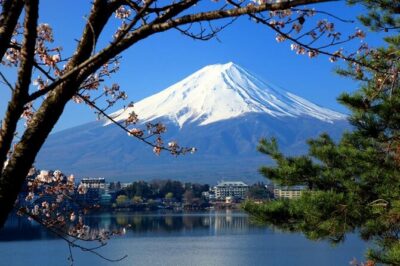
Mt Fuji and Hakone 1-Day Bus Tour Return by Bullet Train
Read our review →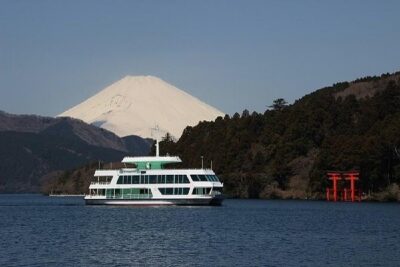
Mt Fuji & Hakone Cruise, Drum Show Bullet Train 1 Day from Tokyo
Read our review →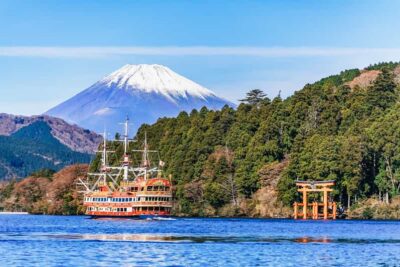
Tokyo Mt Fuji 5th St & Hakone Cruise Bus Tour w/Bullet Train
Read our review →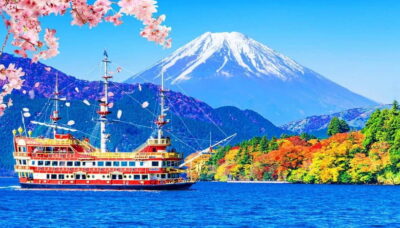
Mt. Fuji Tour, Hakone Ropeway, Owakudani, Lake Ashi
Read our review →
Mt.Fuji,Kawaguchiko Oishi Park,Arakurayama Sengen Park
Read our review →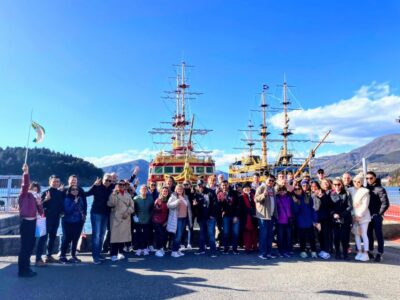
Mt. Fuji 5th Station & Hakone Cruise 1-Day Bus Tour
Read our review →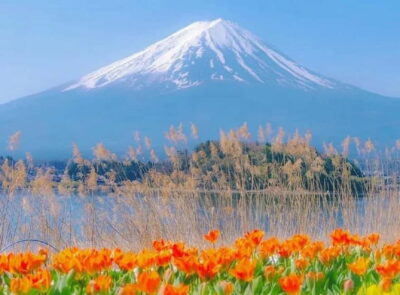
Mt Fuji Top 5 Spots Day Tour: Arakurayama Park,Oshino Hakkai
Read our review →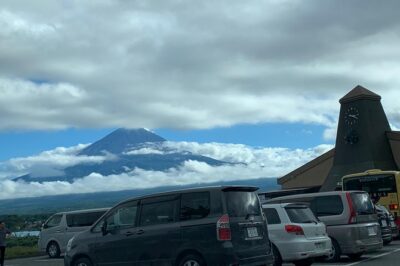
Private Tour to Mt. Fuji and Hakone (Fully Licenced Operator)
Read our review →Browse the lists this tour appears in