
Reviewed · MT FUJI AREA TOURS
Tokyo:Mt.Fuji,Kawaguchiko Oishi Park,Arakurayama Sengen Park
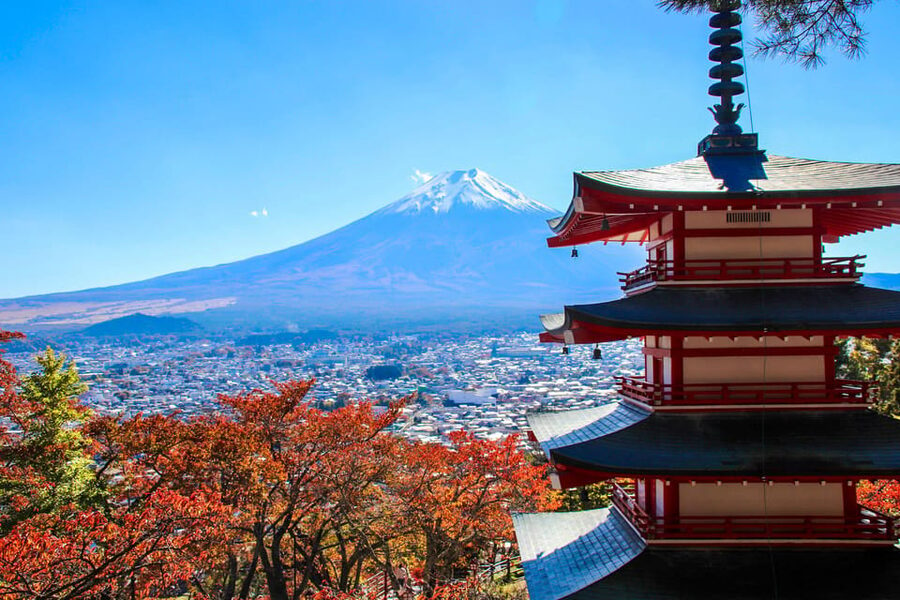
The magic of this day is the changing view of Mt. Fuji. From the Chureito Pagoda lookout, Fuji rises behind a vermilion five-story pagoda. At Oishi Park, the mountain shares the scene with Lake Kawaguchi and seasonal flowers. I like that you get both famous photo spots and a quieter old-style village at Saiko Iyashi-no-Sato. I also like the $54 price, which covers transport, a guide, and the village entry ticket. The tradeoff is simple: ten hours is a long day, and traffic or cloud can cut into your time at each stop.
Guides such as Omar, Koji, George, and Eric have helped make this a friendly, well-run outing. You should expect clear meeting instructions, a comfortable air-conditioned bus, and free time to explore rather than a nonstop guided walk. Still, this is a full schedule, with stairs, walking, and several transfers, so eat breakfast and wear good shoes.
In This Review
- Key points at a glance
- Why this Mt. Fuji day trip works
- Arakurayama Sengen Park and the 398-step climb
- Hikawa Clock Shop and Arakura Fuji Sengen Shrine
- Lake Kawaguchi, Maple Corridor, and a local lunch
- Oishi Park and the 350-meter Flower Road
- Saiko Iyashi-no-Sato Nenba and old Japan in the Fuji region
- Guides, buses, and the pace of the day
- Weather, seasons, and what you should pack
- Who should book this tour
- Should you book it?
- FAQ
- How long is the Mt. Fuji day trip from Tokyo?
- What languages are available for the live guide?
- What is included in the price?
- Is lunch included automatically?
- How many steps lead to the Chureito Pagoda viewpoint?
- Can I see Mt. Fuji in every season?
- Where does the tour start and end?
Key points at a glance
- Four strong Mt. Fuji viewpoints: See the mountain from Arakurayama, Lake Kawaguchi, Oishi Park, and the Saiko area.
- The famous Chureito Pagoda frame: Climb 398 steps for Japan’s classic pagoda, cherry tree, and Fuji view.
- A useful mix of scenery and culture: The route includes shrines, lakeside paths, flower gardens, shops, food, and a restored thatched-roof village.
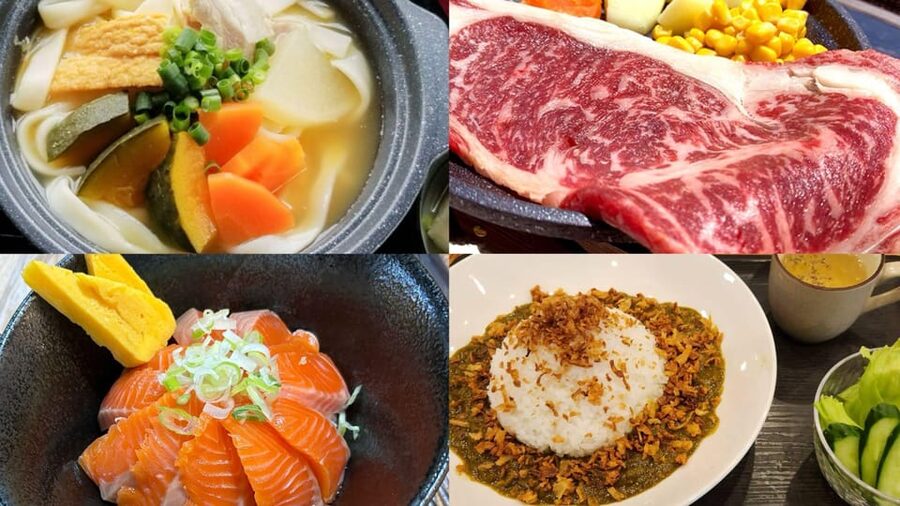
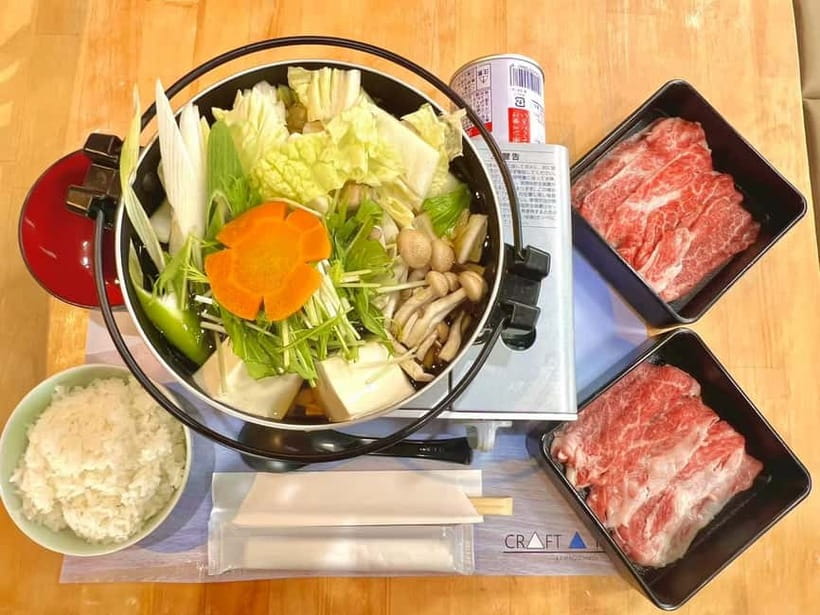
- Optional local lunch: Choose Houtou noodles, Kobe beef shabu-shabu, Koshu wine beef steak, or another available option.
- Good value for a Tokyo day trip: At $54 per person, the bus, guide, and village admission are included.
- Weather matters greatly: Clear skies can produce superb views, but rain and cloud may hide Fuji from every viewpoint.
Why this Mt. Fuji day trip works
You can reach the Fuji Five Lakes area independently, but doing so takes planning, transfers, and a close eye on bus schedules. This tour takes care of the long ride from Tokyo and links several widely separated sights in one day.
That is the main value here. You are not paying only for a single lookout. You are getting transport across the region, a live guide, admission to Saiko Iyashi-no-Sato Nenba, and the chance to compare Fuji from different angles. At $54, it is a strong deal for anyone who wants a broad first look at the area without renting a car.
The route has also been running for more than ten years. That does not remove the usual day-trip risks, but it helps explain the organized feel reported by many customers. Numbered seats, clear announcements, and a smooth-running bus can make a real difference on a ten-hour outing.
The biggest uncertainty is the mountain itself. Mt. Fuji is often hidden by cloud, even when the rest of the day looks pleasant. I would book this for the range of places, not only for one perfect photograph. If Fuji appears clearly, the day becomes special. If it does not, the lake, shrine, village, food, and changing seasons still give you plenty to see.
More Mt Fuji days from Tokyo:
- Mt Fuji and Hakone 1-Day Bus Tour Return by Bullet Train
★ 5.0 · 26,383 reviews - Mt Fuji & Hakone Cruise, Drum Show Bullet Train 1 Day from Tokyo
★ 4.0 · 7,413 reviews - Tokyo Mt Fuji 5th St & Hakone Cruise Bus Tour w/Bullet Train
★ 4.4 · 5,024 reviews
Arakurayama Sengen Park and the 398-step climb
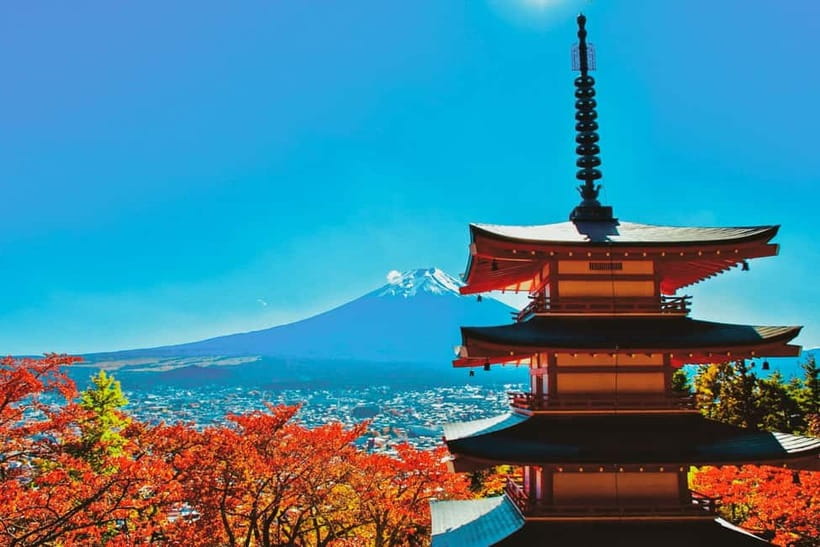
The day’s most recognizable scene comes at Arakurayama Sengen Park. From the upper observation area, you can frame Mt. Fuji with Chureito Pagoda and, in spring, flowering cherry trees. It is the image many people associate with Japan, and the view earns its fame.
Getting there takes effort. The climb from the park entrance is 398 stone steps, so allow time and expect a workout. A slope route is available, which is useful if stairs are difficult, though the stop still involves walking.
In late March and mid-April, around 650 cherry trees flower across the park. The annual Cherry Blossom Festival draws large crowds during this period, making the scene beautiful but busy. Autumn offers a different reward, with red and gold leaves around the pagoda and Fuji’s snow-covered summit when conditions cooperate.
Your guide will usually explain where to meet after the free period, but take a moment to note the bus location before climbing. This is one of the places where an extra few minutes would be welcome, and several customers have wished for more time at the Fuji lookout. Take your main photographs first, then explore the park.
Hikawa Clock Shop and Arakura Fuji Sengen Shrine
The stop near Hikawa Clock Shop gives you a very different Fuji photograph. Here, the mountain appears beyond a Japanese street, creating a neat contrast between everyday town life and one of the country’s most famous natural sights.
This is a photo stop rather than a long attraction visit. Keep your group’s timing in mind and be respectful around the shops and road. The charm comes from the setting, not from a large ticketed sight.
Arakura Fuji Sengen Shrine adds a spiritual side to the morning. The shrine is connected with the same sacred area as the pagoda, and the guide may explain local beliefs, legends, and the importance of Mt. Fuji. You get free time to look around, take photos, and walk at your own pace.
Taken together, these stops show why the area is more than a mountain lookout. You see a town street, a shrine, a pagoda, and a park, all linked by Fuji.
Lake Kawaguchi, Maple Corridor, and a local lunch
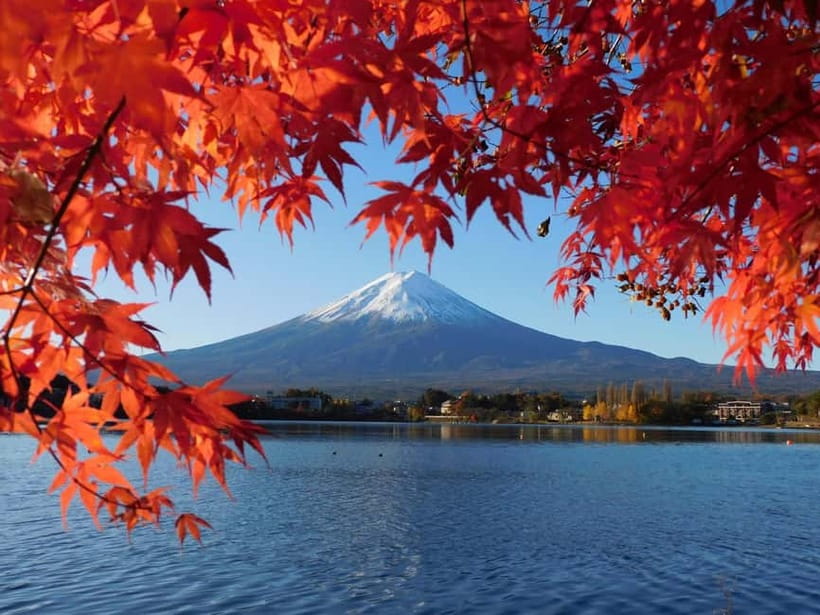
Lake Kawaguchi is the heart of the day. The northern shore gives you open views toward Mt. Fuji, and the lakeside setting lets you slow down after the morning climb. The schedule allows about two hours in the Lake Kawaguchi area, including time for food and sightseeing.
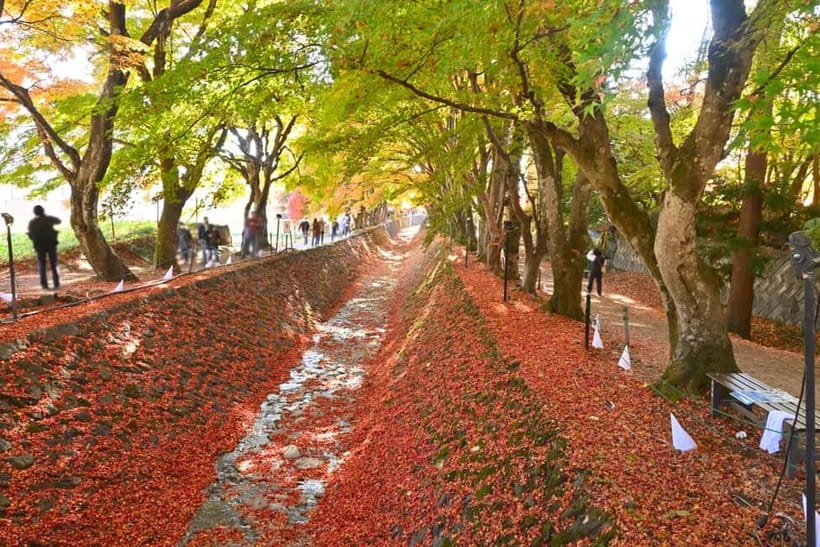
A short walk from Kawaguchiko Craft Park reaches the lake. On a calm day, Fuji may reflect on the water. In spring, cherry trees line sections of the lakeside paths. In autumn, the nearby Maple Corridor becomes a popular place for red and gold leaves.
Kawaguchiko Craft Park combines restaurants, hands-on craft activities, and souvenir shopping. You can eat indoors or in open-air seating, then browse local specialties and limited items. The stop is practical as well as scenic, giving you a chance to buy gifts without adding another shop-only stop to the day.
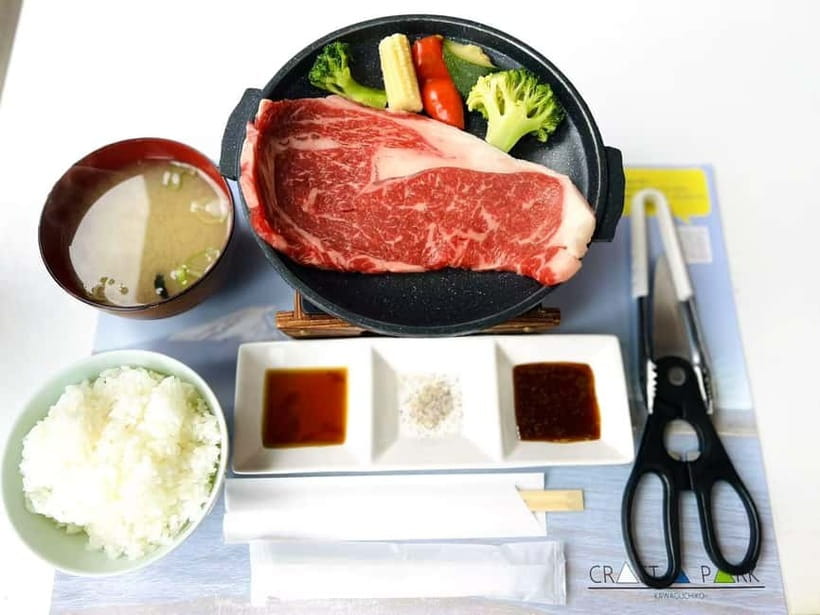
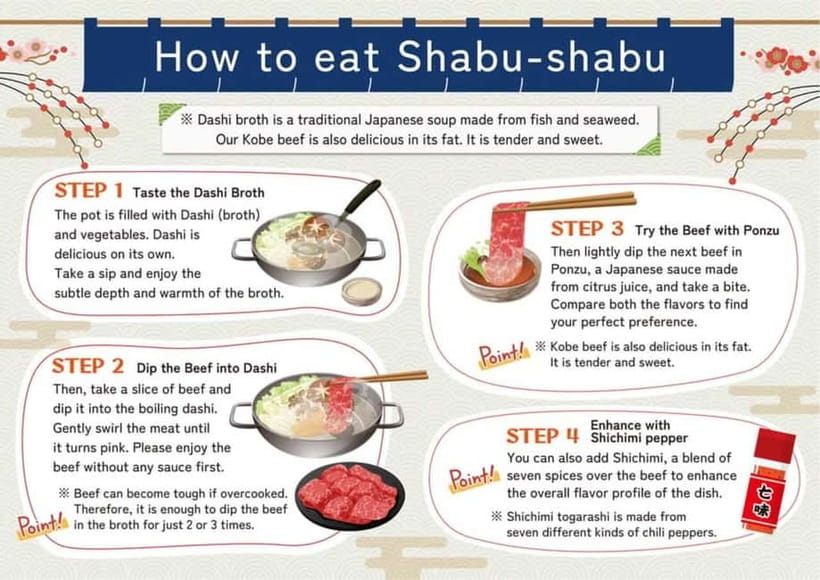
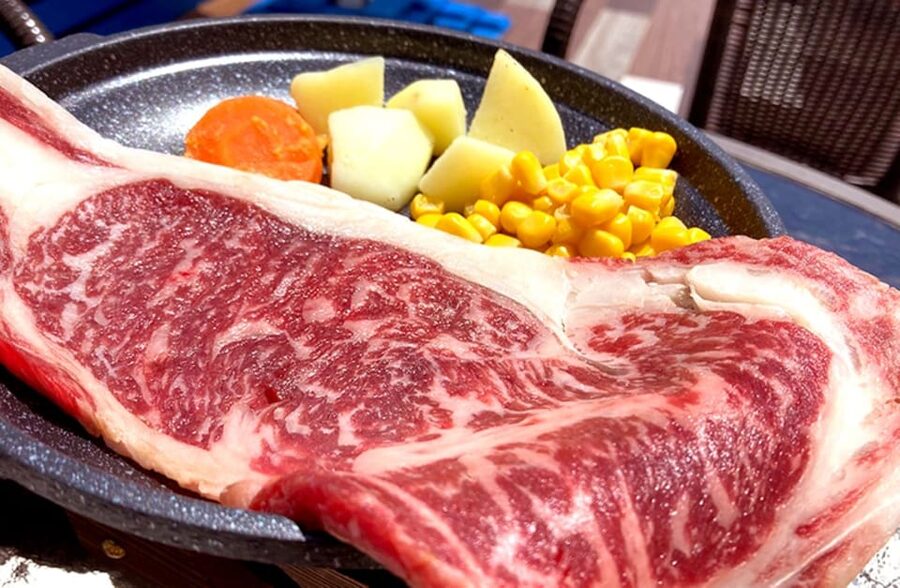
The lunch choice matters. Houtou noodles are a Yamanashi specialty, with wide noodles cooked in miso broth with vegetables and chicken. It is hearty, local, and a sensible choice on a cool day. Other options include A5-grade Japanese black Wagyu shabu-shabu and Koshu wine beef steak, made with Yamanashi-raised Wagyu. A vegan lunch option has also been available on some departures, but confirm dietary needs before booking because one customer had difficulty getting a clear answer from the office about gluten-free food.
Food is optional, so check the option you select. You can also buy food at stops, but the group schedule means you should not count on a long, leisurely meal if you skip the arranged lunch.
A few more Tokyo bookings worth comparing
- 1-Day Tokyo Bus Tour
★ 5.0 · 14,250 reviews - Tokyo: TOKYO SKYTREE® Admission ticket
★ 4.5 · 11,192 reviews - Tokyo: teamLab Planets TOKYO Digital Art Museum Entry Ticket
★ 4.6 · 9,779 reviews - Tokyo: Sumo Show Experience with Chicken Hot Pot and a Photo
★ 4.8 · 6,678 reviews
Oishi Park and the 350-meter Flower Road
Oishi Park is one of the day’s best broad views. The park stretches along Lake Kawaguchi, with Mt. Fuji rising across the water. Its 350-meter Flower Road changes with the season, so the same stop can feel quite different depending on your date.
Spring brings tulips. Summer is the time for lavender, especially during the Kawaguchiko Herb Festival from late June to mid-July. Autumn brings kochia, also called broom grass, with its warm seasonal color.
The stop lasts about 30 minutes, which is enough for photographs and a short walk but not a full park visit. If you want a quiet lakeside stroll, this may feel brief. Use the time well by walking toward the most open lake view rather than spending the whole stop in the shop area.
Oishi Park is also a good backup when the pagoda viewpoint is crowded. The composition is wider and less dependent on climbing, with water, flowers, and mountain sharing the frame.
Saiko Iyashi-no-Sato Nenba and old Japan in the Fuji region
Saiko Iyashi-no-Sato Nenba is the most culturally distinctive stop. Set beside Lake Saiko, this restored village has about 20 thatched-roof houses modeled on the traditional style associated with Shirakawa-go.
The houses now hold craft studios, small shops, and places to eat. You can walk between them, browse local goods, and take photographs against the Fuji area. Kimono and ninja outfits are available for dressing up and photographs, an activity that suits families and anyone who wants something more playful than another mountain lookout.
The village changes with the seasons. Spring brings cherry blossoms and carp streamers. Summer offers green surroundings. Autumn brings colored leaves, while winter can create a snowy scene around the roofs.
Entry to Saiko Iyashi-no-Sato is included, which adds real value to the low tour price. The scheduled visit lasts about 50 minutes. That is enough to get a feel for the village, but it is not enough to examine every house or spend much time on a craft activity. If the village interests you most, you may wish the schedule gave it longer.
This stop also helps balance the day. Much of the route is built around Fuji photographs, while Saiko offers architecture, craft, clothing, and a glimpse of rural traditions.
Guides, buses, and the pace of the day
The bus is air-conditioned, and customers have described it as comfortable, with numbered seats and clear speaker volume. That matters because the ride back to Tokyo can be long, especially in traffic.
The guide is a key part of the experience. Omar has been praised for humor and a warm manner. Koji is noted for clear directions, careful timing, and an easygoing style. George has helped explain the stops and answer food questions, while Eric has been appreciated for his explanations during both the rides and visits. Guide assignments change, so you should not book expecting a particular person.
English and Chinese guiding are offered. On some days, people who booked different language options may share one vehicle, so announcements can be given in more than one language. The group format is practical, but it will not feel like a private tour.
The pace is brisk. You have free time at the sights, but you must return to the bus on schedule. Traffic can force the company to shorten stop times, and late arrivals can affect everyone. Arrive at the meeting point ten minutes early and keep your phone, meeting instructions, and bus location easy to access.
Starting points can vary by booking option, including a location near the Robert Indiana LOVE sculpture and the Kokuyo Tokyo Shinagawa office. The tour finishes at Shinjuku Station. Check your selected meeting point carefully rather than assuming the departure is from Shinjuku.
Weather, seasons, and what you should pack
For Fuji views, weather is the deciding factor. Several departures have had rain or cloud that hid the mountain, while clear days produced views from all four major scenic areas. No tour can guarantee that Fuji will appear.
Winter and early spring often offer the best chance of seeing a snow-capped summit, but the cherry blossom period is especially appealing at Arakurayama. Late June to mid-July is the season for lavender at Oishi Park. Autumn is strong for both Maple Corridor and the trees around Chureito Pagoda.
Wear comfortable shoes. The 398 steps are the obvious challenge, but the whole day includes walks at parks, shrines, the lakeside, and the village. Bring water and a snack, especially if you choose not to include lunch. Sun protection is wise in summer, and a light rain layer can help when the forecast is uncertain.
Who should book this tour
I would choose this tour if you have one open day in Tokyo and want to see several Fuji-area highlights without handling regional transport yourself. It suits first-time visitors, solo travelers who want an organized day, families who value simple logistics, and photographers who want several chances at a clear view.
It is also a good fit if you want more than a single mountain photo. The shrine, town street, lake, flowers, local noodles, craft park, and thatched village create a fuller picture of Yamanashi.
I would hesitate if you dislike long bus rides, fixed departure times, or busy scenic places. The first lookout can be crowded, the schedule can feel tight, and traffic on the return to Tokyo is a real possibility. People with limited stamina should plan for the steps and walking, even with the slope option.
With a 4.4 rating from 2,682 bookings, the experience has a strong record overall. The praise centers on friendly guides, clear organization, tasty lunch, comfortable transport, and good value. The repeated caution is also clear: you may want more time at the main viewpoints, and weather may hide Fuji.
Should you book it?
Book this day trip if you want an efficient, low-cost introduction to Mt. Fuji and prefer someone else to manage the driving. The best reason to go is the variety: four scenic angles, a shrine and pagoda, a lake, seasonal flowers, local food, and a traditional village.
Go with realistic expectations. You are buying access to the region, not a private photographer’s schedule. If you arrive early, follow the timing, prepare for stairs, and accept that clouds may win, this is a very solid use of one day from Tokyo.
FAQ
How long is the Mt. Fuji day trip from Tokyo?
The tour lasts 10 hours and finishes at Shinjuku Station.
What languages are available for the live guide?
Live guiding is available in English and Chinese. People who selected different language options may sometimes share the same vehicle.
What is included in the price?
Air-conditioned vehicle transport, a tour guide, and entry to Saiko Iyashi-no-Sato Nenba are included. Lunch is included only when you select a lunch option.
Is lunch included automatically?
No. Lunch depends on the option you book. Choices include Houtou noodles, Kobe beef shabu-shabu, and Koshu wine beef steak. A vegan option has also been available on some departures.
How many steps lead to the Chureito Pagoda viewpoint?
The route from the park entrance to the observation deck includes 398 stone steps. A slope option is available for people who prefer not to use the stairs.
Can I see Mt. Fuji in every season?
You can visit in every season, but clear views are not guaranteed. Spring offers cherry blossoms and tulips, summer brings lavender, autumn brings colored leaves and kochia, and winter may offer snowy scenery.
Where does the tour start and end?
The meeting point depends on the option booked. Possible starting points include the Robert Indiana LOVE sculpture and the Kokuyo Tokyo Shinagawa office. The tour ends at Shinjuku Station.
New on our Tokyo list
- Tokyo Spectacular View Day-Cruise in 90 Minutes★ 5.0 · 25 reviews
- From Tokyo: Mount Fuji & Hakone Full Day Private Tour★ 4.9 · 25 reviews
- Real Tokyo Runner Club : Daikoku Car Meet Night Tour with JDM Car★ 5.0 · 25 reviews
- 2.5 Hour-Guided Cycle Tour in the Central Tokyo★ 5.0 · 25 reviews
- Ramen Making from Scratch +Akihabara Tour –Cooking Class★ 5.0 · 25 reviews
- [Self-Drive] Tokyo & Daikoku Custom Car Driving Tour★ 4.9 · 25 reviews
- Tokyo: 2-Hour Night Bike Tour of the City’s Hidden Gems★ 4.9 · 25 reviews
- Samurai themed Entertainment show in Shinjuku★ 4.5 · 25 reviews
Mt Fuji Area Tours, compared.
Mt Fuji and Hakone 1-Day Bus Tour Return by Bullet Train
Read our review →
Mt Fuji & Hakone Cruise, Drum Show Bullet Train 1 Day from Tokyo
Read our review →
Tokyo Mt Fuji 5th St & Hakone Cruise Bus Tour w/Bullet Train
Read our review →
Mt. Fuji Tour, Hakone Ropeway, Owakudani, Lake Ashi
Read our review →
Mt. Fuji 5th Station & Hakone Cruise 1-Day Bus Tour
Read our review →
Mt Fuji Top 5 Spots Day Tour: Arakurayama Park,Oshino Hakkai
Read our review →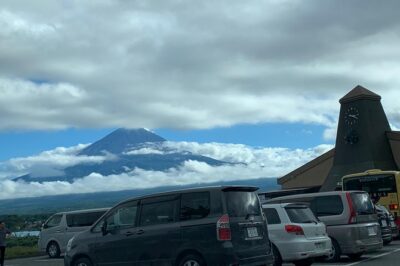
Private Tour to Mt. Fuji and Hakone (Fully Licenced Operator)
Read our review →Browse the lists this tour appears in