
Reviewed · MT FUJI AREA TOURS
Exploring Mt Fuji Ice Cave and Sea of Trees Forest
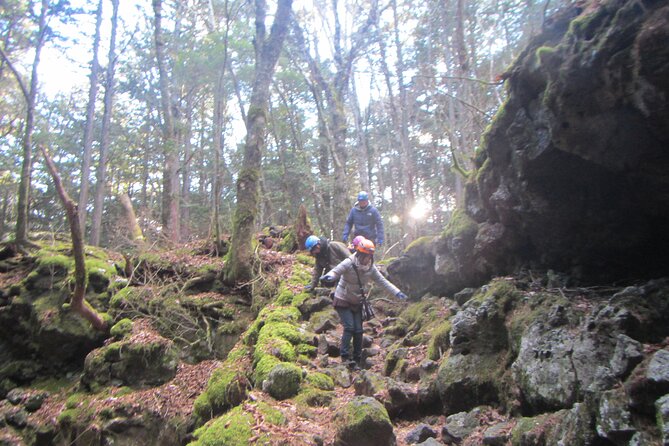
Mt Fuji’s Sea of Trees is not just a wall of green. It grows over old lava, where roots twist around black rock and moss carpets the ground. This three-hour outing pairs a gentle forest walk with an earthy, cold cave exploration, giving you two very different views of Mt Fuji’s power.
I like the personal scale of the tour and the guide’s close attention to small details, from fungi and lichens to bird calls and unusual tree shapes. I also like the chance to leave the crowds around Lake Kawaguchi for a quiet patch of nature. The cave is the one caution: slippery rocks, darkness, a steep approach, and the need for decent balance make it more active than a simple sightseeing stop.
In This Review
- Key points before you book
- Why this Mt Fuji forest tour feels different
- Walking through the Sea of Trees
- Entering the year-round ice cave
- The guide makes the difference
- Three hours, small groups, and transport
- Is $56.82 a fair price?
- What to wear and how to prepare
- Who should book this experience?
- Should you book the Mt Fuji Ice Cave and Sea of Trees tour?
- FAQ
- Where does the tour start?
- Does the tour offer pickup?
- How long does the experience last?
- Is the tour offered in English?
- What equipment is provided?
- Are food and drinks included?
- Can children join the tour?
- How many people can join?
- What happens if bad weather cancels the tour?
Key points before you book
- Aokigahara grows on Mt Fuji’s ancient lava: Expect moss, twisted trees, lichens, fungi, and unusual rock formations rather than a standard woodland walk.
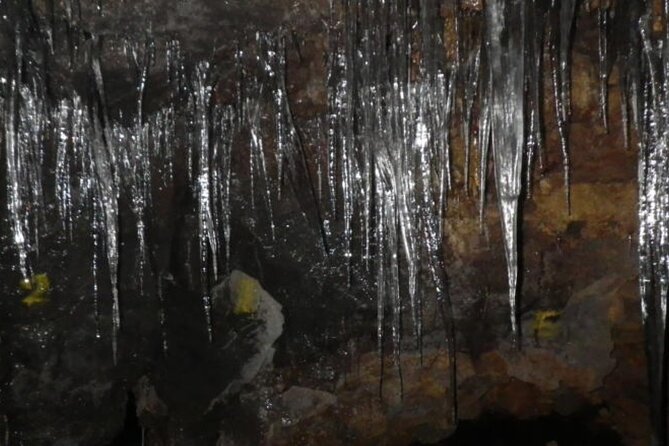
- The ice cave stays cold year-round: Ice formations can remain inside even outside winter, with snow and icicles adding more drama in colder months.
- Guide Toshi brings the forest to life: He explains plants, animals, Japanese culture, local history, and the stories tied to Aokigahara in English or Japanese.
- The cave requires careful footing: Wear sturdy hiking shoes, long pants, and clothes you can move in. Helmets and gloves are supplied.
- Pickup helps with the Kawaguchiko area: Shuttle service is offered around Kawaguchiko Station, while the stated meeting point is Roadside Station Narusawa.
- The tour suits many ages, with limits: Children from 6 to 11 need a parent or guardian, and the group can reach 20 people.
Why this Mt Fuji forest tour feels different
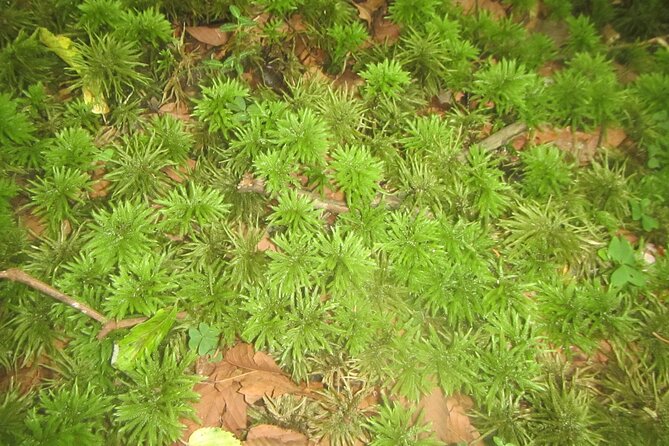
Many Mt Fuji day outings are built around viewpoints, photo stops, and busy roads. This experience asks you to slow down and look down. The first striking sight in Aokigahara is often not the trees but the thick moss spread across the ground, softening the rough lava beneath it.
The forest covers about 30 square kilometers. That size matters, even on a short guided walk. You are seeing only a small portion, but the guide can help you notice how the forest formed and why its plants look different from those in an ordinary Japanese wood.
The forest is part of a World Heritage Site and national park area. It also carries a heavy public image because of its connection to stories, books, films, and documentaries. The tour handles Aokigahara as a living natural place, focusing on its geology, plants, animals, and cultural background rather than treating it as a spooky attraction.
That approach is a major strength. You get the eerie quiet and unusual scenery, but the experience is grounded in nature observation. Guide Toshi is especially well suited to that role. He has been based around Kawaguchiko for more than ten years and has a strong interest in mushrooms and botany. He also uses pictures and other visual aids, which helps when a plant or natural feature is small and easy to miss.
More Mt Fuji days from Mt Fuji Area:
- Mt Fuji and Hakone 1-Day Bus Tour Return by Bullet Train
★ 5.0 · 26,383 reviews - Mt Fuji & Hakone Cruise, Drum Show Bullet Train 1 Day from Tokyo
★ 4.0 · 7,413 reviews - Tokyo Mt Fuji 5th St & Hakone Cruise Bus Tour w/Bullet Train
★ 4.4 · 5,024 reviews
Walking through the Sea of Trees
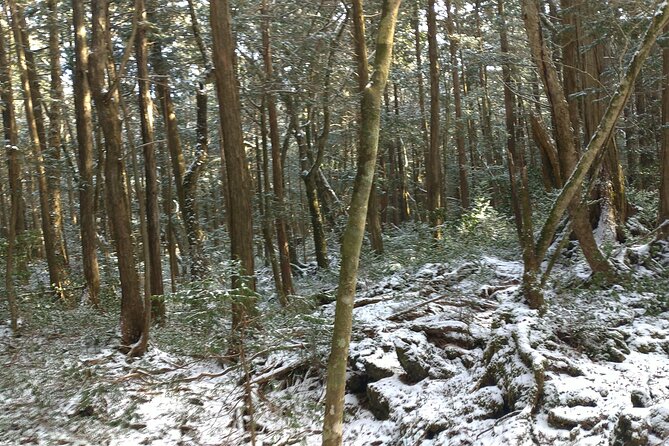
The forest portion begins with fresh air and an easy-paced hike over Mt Fuji’s plateau lava. The ground is not a flat park path. Tree roots, stones, and black volcanic rock give the walk its character, and the odd shapes of the trees make the setting feel far removed from the streets around the lake.
You may hear woodpeckers, Japanese tits, and other birds before you see them. Japanese squirrels and deer are also present in the forest, though wildlife sightings are not promised. The value here is in learning how to read the setting, not in ticking animals off a list.
The plant life changes with the seasons. Depending on when you go, you might find mushrooms, rare orchids, evergreen plants, moss, lichens, and algae. Autumn brings changing leaves and abundant fungi. Winter can cover the forest in snow and create a quieter, more spare mood. The forest is not a one-season attraction, and repeat visits can feel different.
I would pay close attention to the ground. Moss is not filler here. It is one of the defining features of Aokigahara, growing over lava and around rocks with a soft, almost cushion-like look. A guide can point out details you would probably walk past on your own, especially if you are not familiar with Japanese plants or fungi.
The forest can feel peaceful and eerie at the same time. That combination is part of its appeal, but it also means the tour may not suit someone looking for constant scenery or dramatic Mt Fuji views. The beauty is quiet and close-up. Your reward is a better understanding of the place, not a parade of postcard moments.
Entering the year-round ice cave
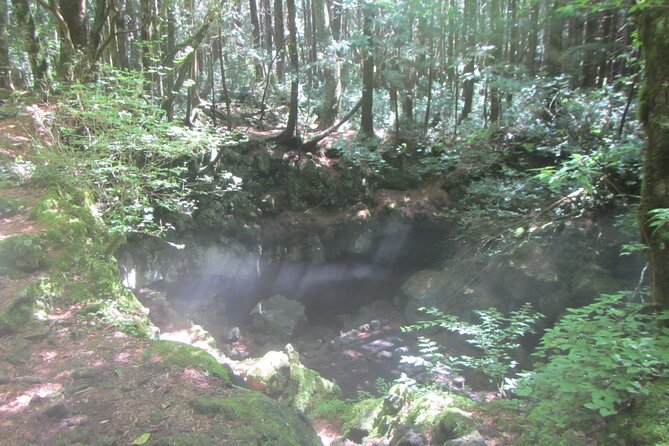
The cave section changes the mood quickly. After the open forest, you move into a dark volcanic space where the temperature is low and ice can remain throughout the year. The cave is formed by Mt Fuji’s lava activity, making it a natural companion to the forest above.
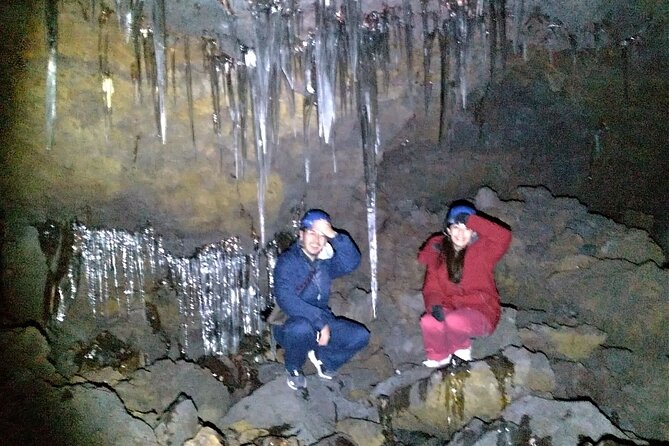
Inside, you may see icicles and ice stalagmites. In winter, snow and cold can turn the cave into a gallery of changing ice shapes. These formations are made by nature, and their appearance can shift from day to day as water freezes and melts.
You will receive a helmet and gloves, but your footwear matters just as much. The rocks can be slippery, and the route requires average footing and balance. One person described the descent as demanding flexibility and leg strength, with soreness afterward. That is useful advice: you do not need to be an athlete, but you should be comfortable stepping carefully over uneven rock.
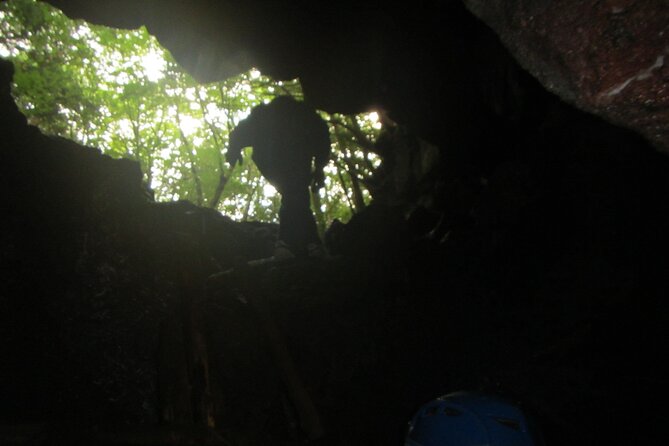
The cave is also dark and enclosed. If heights or darkness bother you, consider that before booking. The approach and descent are the main physical concern, not the three-hour duration itself. Move at your own pace, listen to the guide, and keep both hands available when needed.
Families have taken children on the tour, including a seven-year-old who found the cold and rain difficult but still completed the experience with support. Children aged 6 to 11 must be accompanied by a parent or guardian. The activity is open to children and adults, but the cave should not be treated like a simple indoor attraction.
The guide makes the difference
A nature walk is only as good as the person leading it. Here, Toshi is repeatedly singled out for his friendly manner, humor, clear English, and strong grasp of the area. He explains the forest without turning every stop into a lecture, and he welcomes questions.
That matters in Aokigahara because the details are easy to miss. A mushroom may look like a small patch of color. A bird may be heard but not seen. A tree may appear oddly shaped until you learn how lava and soil affected its growth.
Toshi also seems to adapt well to different groups. He has guided couples, families, school-age children, groups of adults, and people with varied fitness levels. He has taken photos for participants, helped coordinate pickup, offered restaurant suggestions, and even assisted with a nearby restaurant booking when language was a problem.
Those extras are not the main reason to book, but they add real value in the Kawaguchiko area. A good guide can save you time after the tour and make the day feel less complicated, especially if you are traveling without Japanese language skills.
The tour is offered in Japanese or English. If you want detailed explanations about nature, history, and folklore, confirm your preferred language when booking. Confirmation is subject to availability and is stated to arrive within 48 hours.
Same corner of Mt Fuji Area, a completely different plan:
- From Tokyo: Mount Fuji Full-Day Sightseeing Trip
★ 4.5 · 4,970 reviews - Tokyo: Mt. Fuji Tour, Hakone Ropeway, Owakudani, Lake Ashi
★ 4.7 · 4,002 reviews - Tokyo:Mt.Fuji,Kawaguchiko Oishi Park,Arakurayama Sengen Park
★ 4.4 · 2,682 reviews - Tokyo: Mt. Fuji 5th Station & Hakone Cruise 1-Day Bus Tour
★ 4.2 · 2,381 reviews
Three hours, small groups, and transport
The advertised duration is about three hours, with the activity ending back at the meeting point. The stated start is Roadside Station Narusawa, in Narusawa, Yamanashi Prefecture. Shuttle service is offered around Kawaguchiko Station, which can make the outing easier if you are staying near the lake or arriving by train and bus.
The tour can hold up to 20 people, though some departures have been much smaller. A private-feeling outing with only two people allows more questions and a slower pace, while a larger group may feel less personal. Even so, the maximum is modest compared with the large school and commercial groups that sometimes use popular nature sites.
One logistical detail deserves attention: individual participants may need a special entry permit from the town’s Tourism Association. The operator handles the tour within the local system, but you should make sure your booking is confirmed before setting out independently for the forest or cave.
There are no meals or drinks included. Bring water and anything you need before the activity begins, since the tour itself is focused on walking and cave exploration rather than a meal stop.
Is $56.82 a fair price?
At $56.82 per person, the price is reasonable if you value interpretation and transport rather than simply entering a cave. The fee includes taxes, the shuttle service around Kawaguchiko Station, a professional guide, a helmet, gloves, and admission.
You are paying for three things at once: access to a special natural area, safety and direction in terrain that can be confusing, and explanations that turn a short walk into a more meaningful visit. That is stronger value than trying to find the cave alone, especially if you want to understand the forest’s plants, geology, and cultural setting.
The value is highest for first-time visitors to the Mt Fuji area, families that want a structured activity, and people who enjoy nature but do not want to plan a forest route themselves. It is less compelling if you only want a broad Mt Fuji panorama or a quick photo stop.
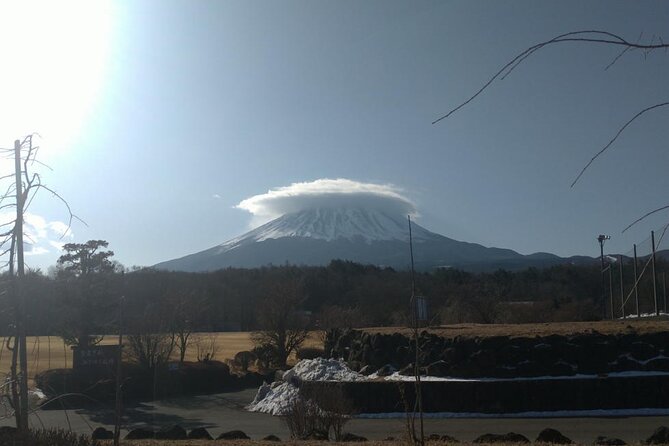
Mt Fuji views can appear as an extra reward, but they should not be the sole reason you book. The core experience is the forest and cave. Weather is important, and if poor conditions cancel the tour, you are offered another date or a full refund.
What to wear and how to prepare
Take the cave seriously without overthinking it. Good hiking shoes are the most important item, and long pants are a smart choice. The route includes slippery rocks, darkness, and uneven ground, so sandals, smooth-soled shoes, and restrictive clothing are poor choices.
You receive a helmet and gloves. You should still dress for changing conditions, since the forest and cave are very different environments. Winter can bring snow to the forest and stronger ice formations inside the cave. Rain may make the approach more difficult and can be unpleasant for children.
I would also leave room in your schedule after the tour. The stated length is three hours, but you may want time for lunch or a relaxed stop around Narusawa or Kawaguchiko. Toshi has helped people choose restaurants, which is useful if you want to continue the day locally.
Cancellation is free up to 24 hours before the start time for a full refund. Changes or cancellations inside 24 hours are not accepted and are not refunded. Since the experience depends on good weather, a weather cancellation brings the choice of a new date or a full refund.
Who should book this experience?
I would recommend it to you if you enjoy forests, geology, unusual plant life, and small natural details. It is particularly good for couples looking for a quieter break from city sightseeing, families with older children, and anyone who wants a different side of the Mt Fuji region.
It also suits people who like asking questions. Toshi’s interest in fungi and botany adds depth if you are curious about mushrooms, moss, lichens, and seasonal changes. The tour can be relaxing, but it is not passive.
I would hesitate if you have serious trouble with balance, uneven ground, darkness, or steep descents. The activity is accessible to most participants according to the supplied details, but that does not mean the cave is effortless. If your knees or legs are sensitive, consider the physical demands carefully.
The group limit of 20 keeps it manageable, though the exact feel depends on the departure size. If you strongly prefer a private tour, ask about group size before confirming.
Should you book the Mt Fuji Ice Cave and Sea of Trees tour?
Book it if you want Mt Fuji through the senses: cold air, moss underfoot, volcanic rock, bird calls, and ice in a dark cave. The guide-led format gives you safety and context, while the three-hour length fits neatly into a Kawaguchiko stay.
Skip it if your priority is a guaranteed summit view, a gentle paved walk, or a completely dry and easy outing. For everyone else, this is a fairly priced, unusual nature experience with a strong guide at its center. Wear proper shoes, expect a little scrambling, and you will get a memorable look at the volcanic world beneath Mt Fuji.
FAQ
Where does the tour start?
The stated meeting point is Roadside Station Narusawa in Narusawa, Yamanashi Prefecture, postal code 401-0320.
Does the tour offer pickup?
Yes. Shuttle service is offered around Kawaguchiko Station.
How long does the experience last?
The tour lasts approximately three hours and ends back at the meeting point.
Is the tour offered in English?
Yes. Professional guiding is available in English or Japanese.
What equipment is provided?
A helmet and gloves are included.
Are food and drinks included?
No. Drinks and meals are not included.
Can children join the tour?
Yes. Children aged 6 to 11 must be accompanied by a parent or guardian.
How many people can join?
The maximum group size is 20 people.
What happens if bad weather cancels the tour?
You will be offered a different date or a full refund if the activity is canceled because of poor weather.
New on our Mt Fuji Area list
- From Tokyo: Mount Fuji & Hakone Full Day Private Tour★ 4.9 · 25 reviews
- Tokyo: Mt. Fuji, Owakudani, Hakone Shrine, & Open-Air Museum★ 4.7 · 25 reviews
- Tokyo Fuji Art Museum Admission Ticket + Special Exhibition (when being held)★ 4.5 · 25 reviews
- From Tokyo: Mount Fuji Full-Day Customized Private Tour★ 5.0 · 26 reviews
- Tokyo: Mt. Fuji & Lake Kawaguchi Private Tour with Transfer★ 4.3 · 26 reviews
- Tokyo: Instagram-Worthy Mt Fuji & Lake Kawaguchiko Day Trip★ 4.0 · 26 reviews
- Tokyo:Mt Fuji & Hakone Day Tour with English Speaking Driver★ 5.0 · 26 reviews
- Tokyo: Mt. Fuji, Oshino Hakkai and Gotemba Outlets 1-Day Bus Tour★ 4.0 · 27 reviews
Mt Fuji Area Tours, compared.
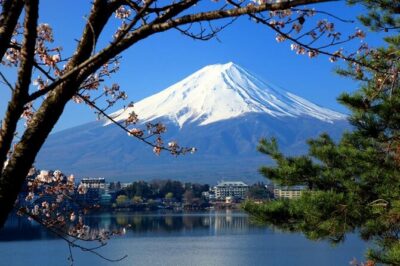
Mt Fuji and Hakone 1-Day Bus Tour Return by Bullet Train
Read our review →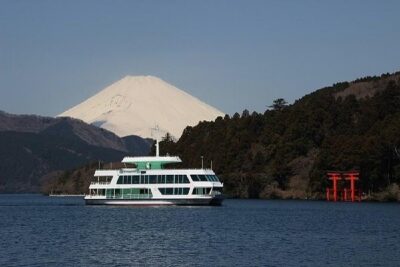
Mt Fuji & Hakone Cruise, Drum Show Bullet Train 1 Day from Tokyo
Read our review →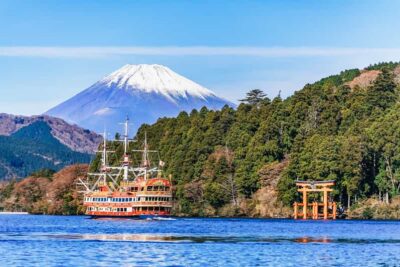
Tokyo Mt Fuji 5th St & Hakone Cruise Bus Tour w/Bullet Train
Read our review →
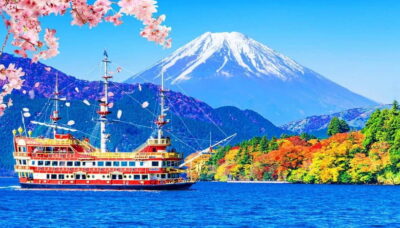
Mt. Fuji Tour, Hakone Ropeway, Owakudani, Lake Ashi
Read our review →
Mt.Fuji,Kawaguchiko Oishi Park,Arakurayama Sengen Park
Read our review →
Mt. Fuji 5th Station & Hakone Cruise 1-Day Bus Tour
Read our review →
Mt Fuji Top 5 Spots Day Tour: Arakurayama Park,Oshino Hakkai
Read our review →Browse the lists this tour appears in