Reviewed · MT FUJI AREA TOURS
Mt Fuji Exploration Tour with Free Japanese Kusa Mochi from Tokyo
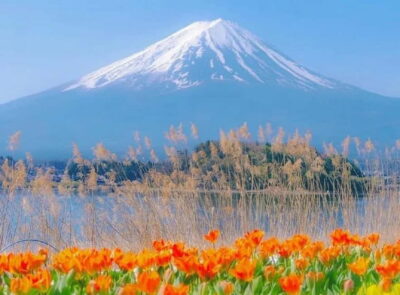
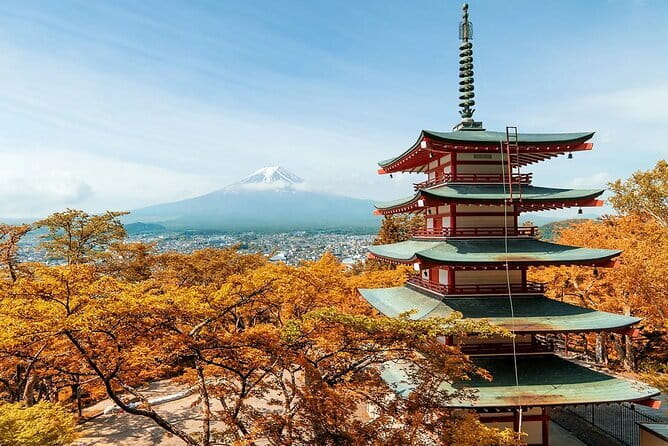
Mount Fuji is the star here, but the real appeal is the variety of viewpoints in one long day. You move from the famous pagoda view at Arakurayama Sengen Park to clear spring pools, a lakeside park, and an old-style thatched village.
I like the strong photography focus and the chance to see four very different corners of the Fuji area without sorting out several train and bus connections. I also like the included Japanese kusa mochi, a small local sweet that gives the outing a pleasant cultural touch. The main trade-off is time: a roughly two-hour bus ride each way and a possible group of up to 48 people can make the day feel busy.
In This Review
- Key points at a glance
- Why this Mount Fuji day trip works
- Arakurayama Sengen Park and the classic Fuji photograph
- Oshino Hakkai and Mount Fuji’s spring water
- Oishi Park beside Lake Kawaguchi
- Saiko Iyashi-no-Sato Nenba’s thatched houses
- What the guide adds to a long day
- The bus ride, group size, and pace
- Food, personal costs, and what the $82 covers
- Weather can make or break the Fuji views
- Who should book this Fuji excursion
- Should you book the Mount Fuji Exploration Tour?
- FAQ
- How long does the Mount Fuji tour last?
- What places does the tour visit?
- Is admission included?
- Is the kusa mochi included?
- What languages are spoken by the guide?
- Can the itinerary change by season?
- What happens if the weather is poor?
- What is the cancellation policy?
Key points at a glance
- Four distinct Fuji-area stops: Combine Arakurayama Sengen Park, Oshino Hakkai, Oishi Park, and Saiko Iyashi-no-Sato Nenba in one day.
- Best for photographs: The route includes the classic pagoda and Fuji composition, spring pools, Lake Kawaguchi, and rural village scenery.
- A full day from Tokyo: Expect about 8 to 9 hours in total, including transportation.
- Guide support: English, Chinese, and Japanese-speaking guides provide explanations along the route. Sia is one guide specifically praised for kindness and clear commentary.
- Seasonal changes: The plan may include Oishi Park in the off-season, the Maple Corridor from October 20 to November 23, or the Cherry Blossom Festival from April 5 to April 14.
- Weather matters: Poor conditions can lead to a new date or a full refund, since Fuji views depend heavily on the sky.
Why this Mount Fuji day trip works
Seeing Mount Fuji from Tokyo takes planning. The mountain is not close enough for a casual side trip, and the best viewpoint changes with the weather, season, and your starting point. This tour solves the transport problem by linking four places around the Fuji Five Lakes area in one outing.
At $82 per person, the value depends on how much you want handled for you. You are paying for round-trip transport, a guide, and a full day of sightseeing rather than admission to a major attraction. Since the listed stops are free, the price is mainly for convenience and route planning.
I would consider that a fair price for a first visit, especially if you have limited time in Japan. The catch is that the day is not leisurely. You are covering a large area, and the vehicle cannot be used for more than 10 hours under Japanese law. The guide may shorten the plan if traffic or other delays threaten that limit.
More Mt Fuji days from Tokyo:
- Mt Fuji and Hakone 1-Day Bus Tour Return by Bullet Train
★ 5.0 · 26,383 reviews - Mt Fuji & Hakone Cruise, Drum Show Bullet Train 1 Day from Tokyo
★ 4.0 · 7,413 reviews - Tokyo Mt Fuji 5th St & Hakone Cruise Bus Tour w/Bullet Train
★ 4.4 · 5,024 reviews
Arakurayama Sengen Park and the classic Fuji photograph
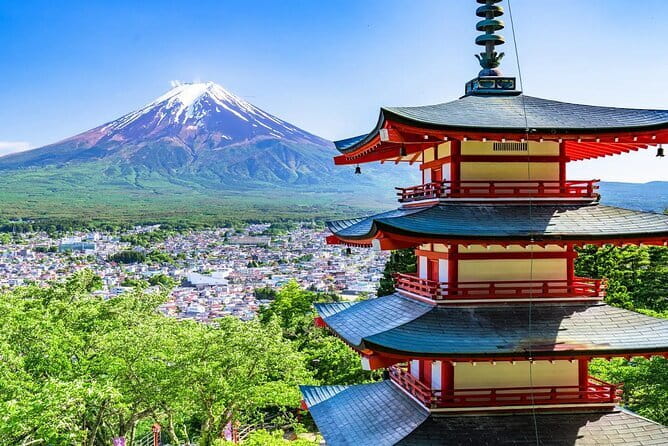
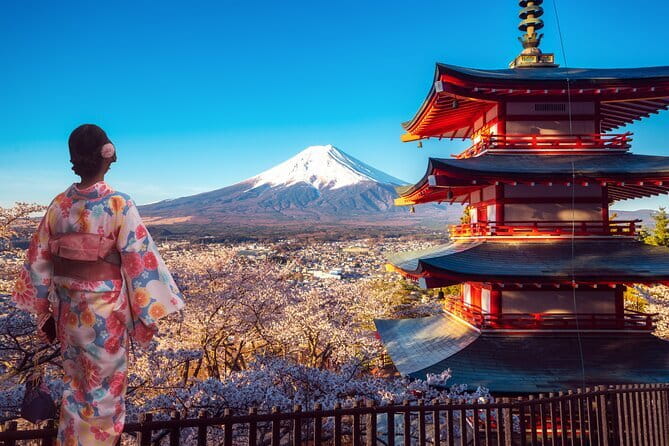
The first stop, Arakurayama Sengen Park, gives you the image many people have in mind when they picture Japan: Mount Fuji behind a red pagoda, with the city and surrounding hills below. The park admission is free, but reaching the famous viewing area involves a scenic walk and stairs.
You have about 1 hour and 20 minutes here. That sounds generous, but it can pass quickly if you want photographs, a careful look at the view, and time to walk back without rushing. Wear shoes that are comfortable on steps and uneven paths.
This is the stop most likely to reward an early, clear day, though the tour schedule and conditions control when you arrive. Fuji often hides behind clouds, so keep your expectations flexible. Even with a partial view, the pagoda, hillside, and town create a strong composition.
For photographers, this stop is a major reason to book. You can take the standard wide shot, then look for smaller details around the park. If the mountain is covered, the pagoda and autumn or spring surroundings still give you something to work with, but the famous view is weather-dependent.
Oshino Hakkai and Mount Fuji’s spring water
Oshino Hakkai changes the pace. Here, you explore eight clear spring pools formed by melted snow from Mount Fuji. The pools are the main attraction, with reflections, visible underwater life, and quiet paths through the village setting.
You have another 1 hour and 20 minutes. That gives you time to walk between the pools, take pictures, and enjoy the setting without treating the stop as a quick roadside photo break. The water is the focus, so this is a good place to slow down after the first viewpoint.
The appeal is different from Arakurayama. At the park, Fuji is the subject. At Oshino Hakkai, the mountain is part of the story behind the water. The spring pools connect the scenery to the natural forces that shape the region, making the stop feel more specific than simply finding another overlook.
Keep in mind that Oshino Hakkai is a popular sightseeing area. Your experience may feel less quiet than the word spring suggests, especially during a busy period. Still, the pools provide a useful contrast to the broader views earlier in the day.
The free kusa mochi is a nice match for this part of the journey. Kusa mochi is a Japanese rice cake flavored with mugwort, and the included sweet is a modest gift rather than a full food experience. It should not be confused with lunch or a substitute for carrying money for personal expenses.
Oishi Park beside Lake Kawaguchi
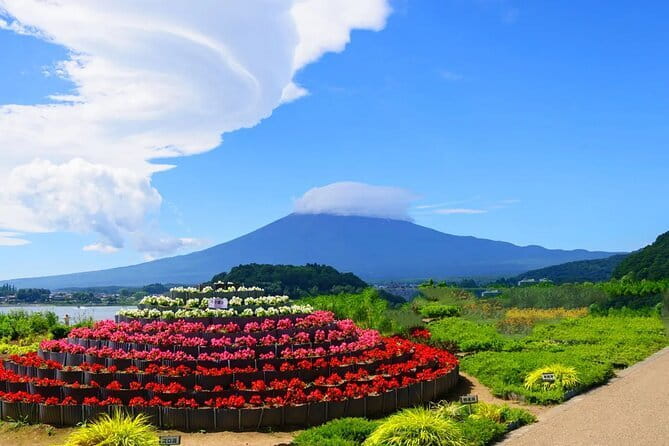
Oishi Park offers views across Lake Kawaguchi toward Mount Fuji. You have about 40 minutes here, so think of it as a focused photo and scenery stop rather than a long lakeside visit.
The park is especially useful when you want a broad, open view. Lake Kawaguchi adds a horizontal foreground, while Fuji rises beyond it. On a clear day, this may be the most relaxed-looking scene of the day, though cloud cover can again change the picture.
The schedule here shifts with the season. During the off-season, the tour visits Oishi Park. From October 20 to November 23, the plan may switch to the Kawaguchiko Maple Corridor. From April 5 to April 14, it may include the Kawaguchiko Cherry Blossom Festival.
That seasonal approach is a smart feature, since the region looks very different across the year. It also means you should check which version applies to your date. The shorter 40-minute slot may feel tight during a festival period, when you may want more time to browse and take photos.
A few more Tokyo bookings worth comparing
- 1-Day Tokyo Bus Tour
★ 5.0 · 14,250 reviews - Tokyo: TOKYO SKYTREE® Admission ticket
★ 4.5 · 11,192 reviews - Tokyo: teamLab Planets TOKYO Digital Art Museum Entry Ticket
★ 4.6 · 9,779 reviews - Tokyo: Sumo Show Experience with Chicken Hot Pot and a Photo
★ 4.8 · 6,678 reviews
Saiko Iyashi-no-Sato Nenba’s thatched houses
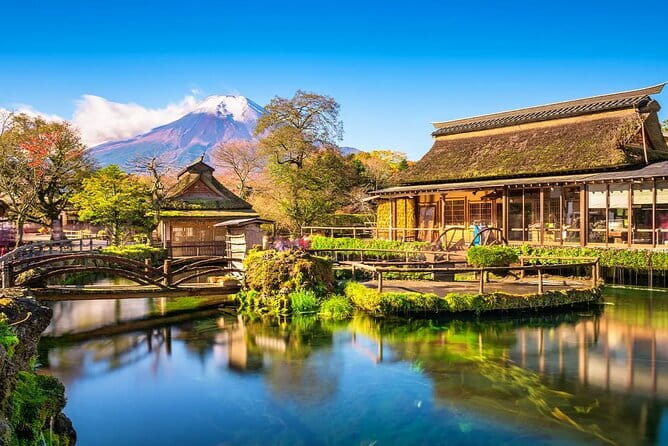
Saiko Iyashi-no-Sato Nenba brings a cultural element to a day otherwise centered on natural views. This traditional Japanese village near Lake Saiko features thatched-roof houses and rural scenery, giving you a chance to see a more old-fashioned side of the Fuji area.
The visit lasts about one hour. That is enough time to walk through the village and take in the architecture, but it may not allow an unhurried visit to every corner. The stop is included with admission, described in the tour details as West Lake Healing Reagan Field, an awkward translation for this location.
This is a useful final stop because it breaks up the repeated pattern of mountain, lake, and photograph. The houses give the guide more room to explain local life and traditional buildings. If you prefer cultural sights to a string of viewpoints, this stop adds balance to the route.
You should still see it as a compact introduction rather than a full museum visit. The tour is designed to show several highlights in one day, not to spend half a day at one village.
What the guide adds to a long day
The tour includes English, Chinese, and Japanese-speaking guides. That matters most during the bus ride, when a good explanation can turn passing scenery into part of the experience.
One guide named Sia received especially strong praise for being kind and explaining each location. That matches what I would want from this type of trip: clear instructions at each stop, useful advice about where to look for Fuji, and enough context to make the places feel connected.
The commentary may not be constant. One piece of feedback specifically wished for more verbal explanation on the way to Mount Fuji. If you want a nonstop lecture during every minute of the drive, this may feel light. If you prefer a balance of guided stops and quiet time, that may suit you better.
The guide also has to manage a complicated day. Traffic, weather, group size, and the 10-hour vehicle rule can all affect the order or length of stops. The itinerary may be cut to fit the actual conditions, so treat the schedule as a plan rather than a guarantee.
The bus ride, group size, and pace
The total outing lasts about 8 to 9 hours, including transportation. A review of the experience described the bus ride to Mount Fuji as roughly two hours, which gives you a practical sense of the day. The ride is not a minor detail. It is a large part of the experience.
You should be ready for a long day on the road followed by walks, stairs, and repeated stops. The upside is that you avoid arranging separate transport to four places. The downside is less control over how long you stay and when you eat.
The tour can have as many as 48 people. That is a sizeable group. You may need to keep track of meeting times and stay alert when the guide gives instructions. Large groups can also make boarding and regrouping slower, which matters when the schedule is already tight.
The activity is near public transportation, and most people can participate. Still, the Arakurayama stop includes a walk up to the viewpoint, and the day involves several changes of place. If you have mobility concerns, ask the provider for current route details before booking, since the supplied information does not describe specific accessibility arrangements.
Food, personal costs, and what the $82 covers
The listed price is $82 per person. It includes the guide, transportation connected with the tour, admission to Saiko Iyashi-no-Sato Nenba, and the kusa mochi gift. The other sightseeing stops do not charge an admission fee according to the tour details.
Personal expenses are not included. You should plan for your own food, drinks, shopping, and any other purchases. One account of the day described a lunch buffet as good but not exceptional, so if a buffet is offered on your departure, treat it as practical fuel rather than a central reason to book.
That point is important when comparing prices. The tour is not an all-inclusive food experience. Its value comes from covering a wide route from Tokyo with a guide and a set schedule. For someone who would otherwise need to coordinate regional trains, buses, and local connections, $82 can be sensible.
For a visitor who already knows the Fuji area and wants a slow, independent day, the same price may feel less attractive. You are paying for structure, not flexibility.
Weather can make or break the Fuji views
Mount Fuji is famous for its shape, but it is also famous for disappearing behind clouds. This tour requires good weather, and poor conditions can lead to a different date or a full refund.
That policy is reassuring, but it does not guarantee clear skies on an otherwise acceptable day. You may still visit the sites with limited views if the operator runs the tour. I would book this outing with realistic expectations: the springs, village, lake, and pagoda remain worthwhile, but the mountain is never promised as a visible backdrop.
If Fuji photography is your top goal, keep your schedule flexible around the tour date when possible. The clearest view may appear for only part of the day, so bring a camera or phone that is ready to use rather than assuming you will have a long, perfect viewing window.
Who should book this Fuji excursion
I would recommend this tour to you if:
- You have one free day in Tokyo and want a broad introduction to the Mount Fuji area.
- You care about photographs and want several different settings.
- You prefer organized transport over a complicated independent route.
- You enjoy a mix of nature, village scenery, and light cultural commentary.
- You are comfortable with a long bus ride and a full schedule.
I would be more cautious if you want a quiet, slow-paced day, dislike large groups, or need guaranteed time at one particular location. The 48-person maximum and vehicle time limit mean the schedule has practical boundaries.
The tour also suits first-time visitors better than repeat visitors. You get the famous pagoda view, the spring pools, Lake Kawaguchi, and the traditional village in one sweep. If you already know exactly which Fuji viewpoint you want, a smaller or private outing may give you more time there.
Should you book the Mount Fuji Exploration Tour?
Book it if convenience matters and you want four strong Fuji-area sights in a single day for $82. The combination of Arakurayama Sengen Park, Oshino Hakkai, Oishi Park or a seasonal substitute, and Saiko Iyashi-no-Sato Nenba gives you more variety than a simple mountain photo stop.
Go in knowing that this is a busy sightseeing day. The bus ride is long, lunch arrangements may be basic, commentary can vary, and the weather may hide the main attraction. Yet the route is well chosen, the guide support is useful, Sia has been praised for kind explanations, and the free kusa mochi is a thoughtful extra.
For a first Fuji visit from Tokyo, I would make the booking, especially if your time in Japan is limited. Cancel at least 24 hours before the start time for a full refund, and remember that late arrivals and no-shows are not refundable.
FAQ
How long does the Mount Fuji tour last?
The tour lasts approximately 8 to 9 hours, including transportation time.
What places does the tour visit?
The planned stops are Arakurayama Sengen Park, Oshino Hakkai, Oishi Park, and Saiko Iyashi-no-Sato Nenba.
Is admission included?
Admission is included for Saiko Iyashi-no-Sato Nenba, described in the tour details as West Lake Healing Reagan Field. The other listed stops have no admission charge.
Is the kusa mochi included?
Yes. The tour includes a special gift of Japanese kusa mochi.
What languages are spoken by the guide?
The tour includes Chinese, English, and Japanese-speaking guides.
Can the itinerary change by season?
Yes. Oishi Park is used during the off-season period. The itinerary may include the Kawaguchiko Maple Corridor from October 20 to November 23, or the Kawaguchiko Cherry Blossom Festival from April 5 to April 14.
What happens if the weather is poor?
Because the activity requires good weather, the operator may cancel it and offer another date or a full refund.
What is the cancellation policy?
You can cancel at least 24 hours before the start time for a full refund. Cancellations or changes made less than 24 hours before the start time are not accepted, and late arrivals or no-shows cannot be refunded.
New on our Tokyo list
- Sumi-e Experience in a relaxing green tea shop in Tokyo★ 5.0 · 3 reviews
- Tokyo : Kamikaze Street Drift Ride★ 5.0 · 3 reviews
- Private Zen Meditation in English in Shinjuku, Tokyo★ 5.0 · 3 reviews
- Onsen Spa in Tokyo and Asakusa Bar Hopping with Local Guide★ 5.0 · 3 reviews
- Easy for everyone! Now you can play handmade mini shamisen and show off to everyone! Musical instruments, sweets and live music★ 5.0 · 3 reviews
- Tokyo: Private Tsukiji Street Food & Sake with Local Guide★ 5.0 · 3 reviews
- Tokyo Tsukiji Fish Market Walking and Exploring Hidden Gems Tour★ 5.0 · 3 reviews
- 1-Day trip: Kamakura City (Enoshima/Shonan/Beach)★ 4.7 · 3 reviews
Mt Fuji Area Tours, compared.
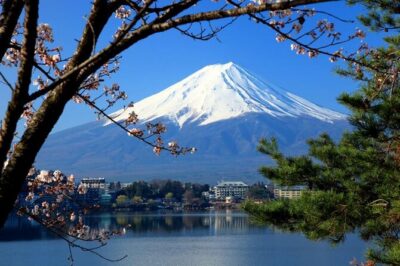
Mt Fuji and Hakone 1-Day Bus Tour Return by Bullet Train
Read our review →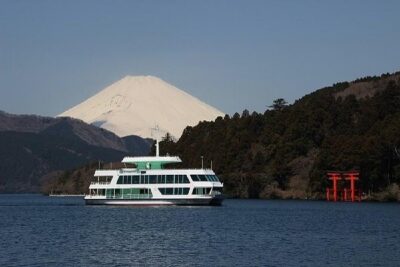
Mt Fuji & Hakone Cruise, Drum Show Bullet Train 1 Day from Tokyo
Read our review →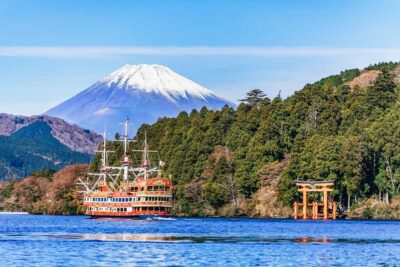
Tokyo Mt Fuji 5th St & Hakone Cruise Bus Tour w/Bullet Train
Read our review →
Mt. Fuji Tour, Hakone Ropeway, Owakudani, Lake Ashi
Read our review →
Mt.Fuji,Kawaguchiko Oishi Park,Arakurayama Sengen Park
Read our review →
Mt. Fuji 5th Station & Hakone Cruise 1-Day Bus Tour
Read our review →