Reviewed · TOURS
Kyoto Early Bird Tour Tokyo Round or One Way Shinkansen
Kyoto’s biggest challenge is fitting its far-flung sights into one day. This tour tackles that problem with an early Shinkansen from Tokyo, then takes you to Arashiyama, Kinkaku-ji, and Fushimi Inari with a guide handling the Kyoto transport and route. You get a fast look at three headline sights without having to build the plan yourself.
I like the maximum group size of eight, which should make it easier to hear your guide and ask questions. I also like the choice between a return ticket to Tokyo and a one-way trip, since you can continue your Japan trip from Kyoto instead of backtracking.
The tradeoff is simple: this is a long, demanding day. You will change between trains and buses, walk about 4.5 miles according to one account, and spend much of the time outdoors. Summer heat, direct sun, and the distance between sights can make the schedule tiring.
In This Review
- Key points to know before booking
- Why this Tokyo to Kyoto day trip works
- Meeting at KITTE before the Shinkansen
- Arashiyama Bamboo Grove: a quick first look
- Kinkaku-ji and the famous Golden Pavilion
- Fushimi Inari and its red torii gates
- A guide makes the complicated parts easier
- The physical cost of seeing Kyoto in one day
- One-way or round-trip: choosing the right value
- Who should book this Kyoto experience
- Should you book the Kyoto Early Bird Tour?
- FAQ
- How long does the Kyoto Early Bird Tour take?
- Where does the tour begin?
- Can I stay in Kyoto instead of returning to Tokyo?
- Is the Shinkansen ticket included?
- What sights are included in Kyoto?
- Are food and drinks included?
- How large is the group?
Key points to know before booking
- Three major Kyoto sights in one day: Arashiyama, Kinkaku-ji, and Fushimi Inari cover bamboo, temple architecture, and Shinto tradition.
- Shinkansen travel from Tokyo: The experience includes a one-way or round-trip bullet train ticket, depending on the option you choose.
- Small groups of up to eight: This keeps the outing more personal than a large coach tour.
- Several named guides lead the experience: Rin, Kai, Aya, Rina Tanaka, and Genki Fukushima have been praised for clear explanations and helpful service.
- Return to Tokyo or stay in Kyoto: Check the selected fare carefully, since the price changes with the travel direction.
- A walking-heavy schedule: Wear comfortable shoes and prepare for sun, heat, stairs, and multiple local connections.
Why this Tokyo to Kyoto day trip works
At $423.49 per person, this is not a cheap sightseeing day. The price pays for the Shinkansen ticket, a guide, admission to Kinkaku-ji, and transportation within Kyoto. Food and drinks are extra, and the cost changes depending on whether you choose one-way or round-trip rail travel.
I see the value mainly in the time saved. A first visit to Kyoto can turn into a puzzle of railway lines, buses, walking routes, and ticket choices. Here, your guide meets you at the beginning, explains the sights, and helps you move between them. If you have only one open day and want Kyoto’s most recognizable places, that convenience may justify the cost.
You should also keep the limits in view. This is a highlights tour, not a slow exploration of Kyoto. You will not have a full day at any one site, and the pace leaves little room for wandering down side streets or stopping whenever a view catches your eye.
The experience is booked, on average, 41 days ahead. That does not guarantee that every date sells out, but it is a useful sign that you should not leave this decision until the last minute, especially if your Japan schedule is fixed.
A few more Tokyo bookings worth comparing
- Mt Fuji and Hakone 1-Day Bus Tour Return by Bullet Train
★ 5.0 · 26,383 reviews - 1-Day Tokyo Bus Tour
★ 5.0 · 14,250 reviews - Tokyo: TOKYO SKYTREE® Admission ticket
★ 4.5 · 11,192 reviews
Meeting at KITTE before the Shinkansen
The starting point is Tully’s Coffee & Tea KITTE Marunouchi, on the first floor of the JP Tower KITTE building near Tokyo Station. This is a practical meeting area, but you need to allow time to find the correct building and arrive ready for an early start.
The early departure is a major part of the plan. It gives you more usable time in Kyoto, but it also means you should be organized before meeting the guide. Have your mobile ticket available, keep your essentials close, and avoid arriving at the station without knowing where the meeting point is.
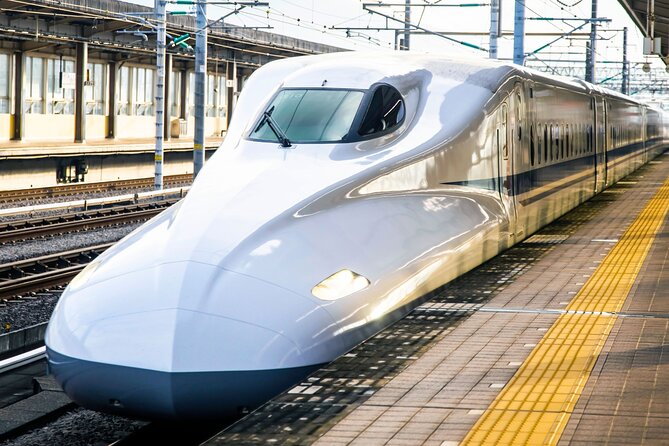
The Shinkansen ride is one of the pleasures of the day. One of the strongest details from the experience is the chance to see Mount Fuji on a clear day. That view is not guaranteed, but it can be a memorable bonus during the journey south.
Your ticket may be one-way or round-trip, depending on the option you select. Read that choice closely before paying. If you plan to spend several nights in Kyoto, the one-way version may fit your route better. If Tokyo remains your base, the round-trip option avoids arranging your own return.
Arashiyama Bamboo Grove: a quick first look
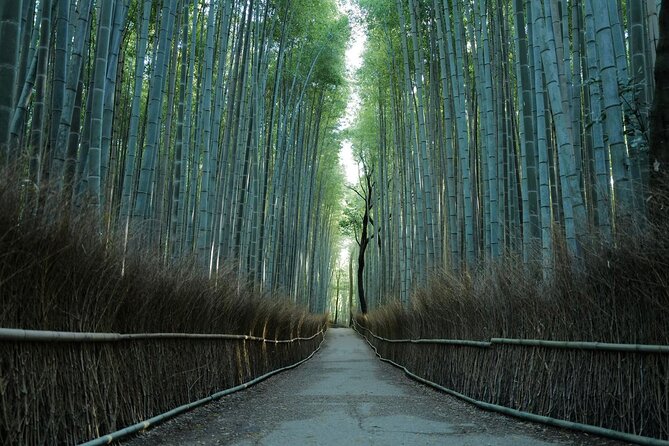
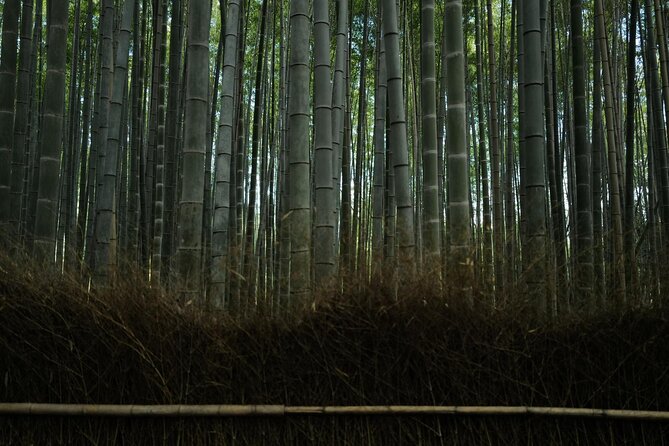
Arashiyama opens the sightseeing portion with its famous bamboo grove. Tall green stalks rise on both sides of the path, creating a cool-looking corridor even when the day itself is warm. The grove is one of Kyoto’s most photographed places, and you will understand why within a few steps.
The listed visit lasts about one hour, with admission included at no extra charge. That gives you time to walk through the bamboo and take photographs, but it is not enough for a broad visit to all of Arashiyama. Think of this stop as a focused introduction rather than a full neighborhood tour.
The main drawback is that the bamboo grove can feel crowded and the path is not a quiet woodland trail. The experience depends on the timing and the number of people present. Still, having a guide help with the route means you can focus on the setting rather than wondering where to go next.
Arashiyama also sets the physical tone for the rest of the day. You will be on your feet, walking outdoors, and moving onward once the scheduled time ends. Comfortable shoes are more important here than stylish ones.
Kinkaku-ji and the famous Golden Pavilion
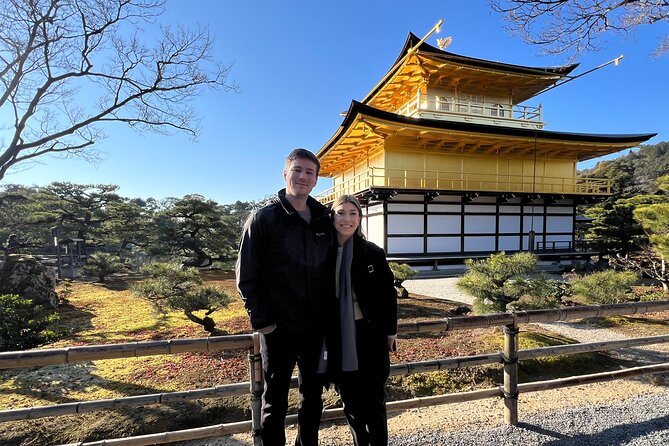
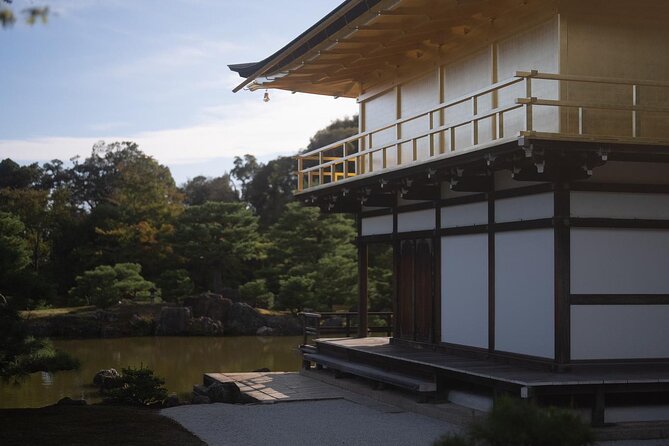
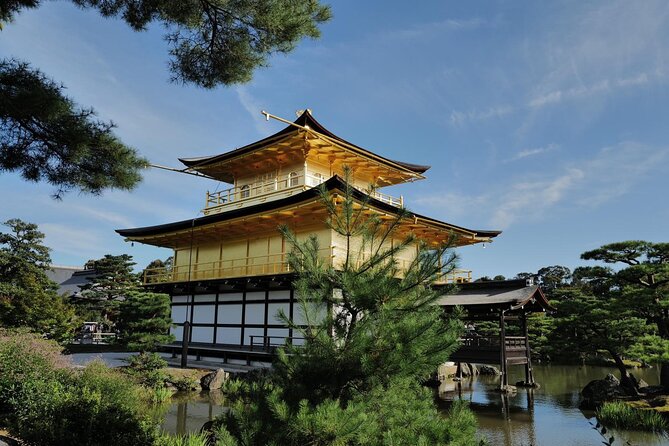
Kinkaku-ji, often called the Golden Temple, is the visual centerpiece of the day. Its gold-covered exterior reflects over the pond, creating the polished image most people associate with this temple. The setting is carefully arranged, so even a short visit can feel rewarding.
The stop lasts about 90 minutes, and admission is included. That is more time than at Arashiyama, giving you a better chance to pause, take photographs, and listen to your guide explain the site.
Your guide adds real value here. Guides including Kai and Genki Fukushima have been praised for explaining Japanese history and culture clearly, while also answering questions. That kind of commentary can turn a famous photo stop into a place you understand better.
You should not expect a private or quiet temple visit. Kinkaku-ji is one of Kyoto’s best-known sights, and the route is designed for a large audience. The appeal is the strong visual reward and the chance to hear context without arranging a separate guide.
The temple stop can also feel short if you want to explore every path or linger by the pond. The schedule has to protect time for the other two major sights, so you will need to keep moving.
Same corner of Tokyo, a completely different plan:
- Tokyo: teamLab Planets TOKYO Digital Art Museum Entry Ticket
★ 4.6 · 9,779 reviews - Mt Fuji & Hakone Cruise, Drum Show Bullet Train 1 Day from Tokyo
★ 4.0 · 7,413 reviews - Tokyo: Sumo Show Experience with Chicken Hot Pot and a Photo
★ 4.8 · 6,678 reviews - Tokyo: Shinjuku Food Tour (13 Dishes at 4 Local Eateries)
★ 5.0 · 6,603 reviews
Fushimi Inari and its red torii gates
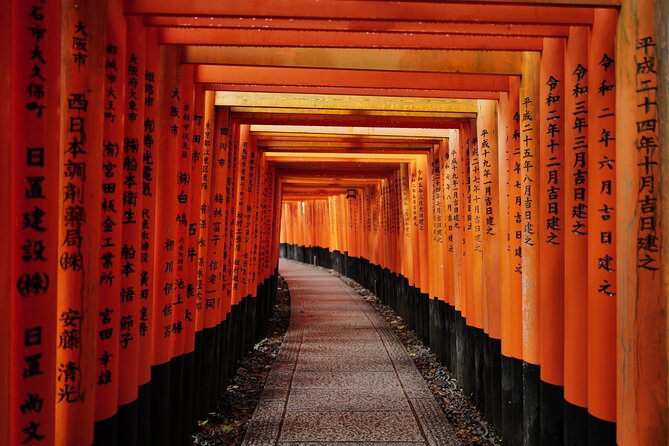
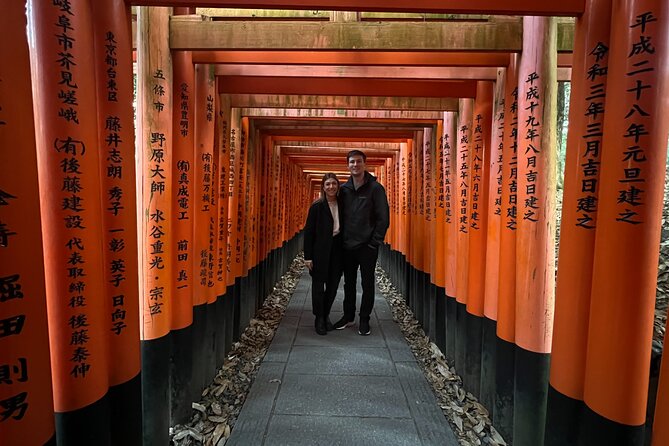
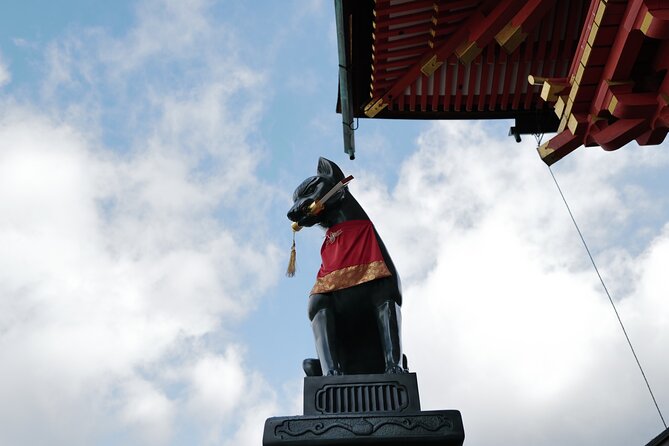
Fushimi Inari-taisha brings a different mood and design. Instead of the bright gold of Kinkaku-ji, you walk beneath rows of red torii gates. The gates form long passages up the hillside and are dedicated through donations, creating one of Japan’s most recognizable scenes.
The planned visit lasts about 90 minutes. You can walk through part of the gate route and take in the atmosphere, but you are unlikely to cover every section in that time. The full shrine area extends well beyond the first photogenic stretch.
This is another stop where sturdy shoes help. The route includes walking and can involve slopes and steps. The day’s schedule, combined with the other sites, makes Fushimi Inari a place to sample rather than conquer from bottom to top.
The shrine is free to enter, which keeps the included admissions simple: the tour covers Kinkaku-ji, while Arashiyama and Fushimi Inari do not require an admission charge. Food is not included, so ask your guide about the best chance to buy something during the day. The supplied details do not promise a dedicated meal stop, and the tight schedule may limit your choices.
A guide makes the complicated parts easier
The guide is the main reason to choose this experience over doing the same route alone. Kyoto’s sights are not arranged in a neat line, and the day uses different trains and buses. A good guide can keep the group moving while adding context at each stop.
Several guides are named in the feedback connected with this experience. Rin was praised for making the day more enjoyable, Kai for explaining history and culture and answering questions, Aya for her kindness and help with the return journey, Rina Tanaka for making the day feel special, and Genki Fukushima for his professionalism and people skills.
That range of names is useful, but you may not be able to choose your guide. The guide assigned to your date could be someone else. The consistent point is that the role involves more than pointing at landmarks: you need someone who can explain what you are seeing, manage connections, and help you avoid getting lost.
The small group matters. With no more than eight people, you can usually stay close to the guide and speak up when you need clarification. It also reduces the risk of a large crowd delaying every train or bus connection.
The physical cost of seeing Kyoto in one day
The advertised duration is about seven to eight hours, but the day feels full because it combines the Shinkansen with three major stops and local transport. One account estimated roughly 4.5 miles of walking. That figure will vary, but it gives you a useful idea of the effort involved.
Expect several kinds of movement:
- Walking between platforms, stations, stops, and sights
- Train and bus connections within Kyoto
- Outdoor paths at all three locations
- Possible heat and direct sun, especially in July
- A schedule that does not leave much spare time
The activity asks for moderate physical fitness. That wording matters. You do not need to be an athlete, but this is not a sit-down sightseeing tour. If long walks, heat, or repeated transport changes are difficult for you, a slower Kyoto plan may be more comfortable.
Bring water, sun protection, and shoes you can wear all day. Since meals and drinks are not included, carry enough money and plan to buy refreshments when the schedule allows. The details provided do not specify a restaurant or fixed lunch break, so do not assume a long meal stop.
One-way or round-trip: choosing the right value
The ticket choice affects both price and your wider Japan route. A round trip makes sense if you are staying in Tokyo and want Kyoto as a very long day out. It gives you a direct way back to Tokyo Station after sightseeing.
The one-way option is more interesting for a multi-city trip. You can see Kyoto, stay there, and continue your journey without paying for a return to Tokyo that you do not need. The activity ends in a different location from the starting point, so check the exact end arrangements attached to your selected option.
At this price, I would not book the tour simply to ride the Shinkansen. The railway is enjoyable, and Mount Fuji may appear on a clear day, but the real value comes from combining the train with a guide and a carefully planned Kyoto route.
I would also compare the total cost with your own transport plans. If you already have rail arrangements, prefer a slow day, or want to choose your own restaurants and temples, independent travel may suit you better. If you would otherwise spend hours working out Kyoto connections, the package can be a fair purchase despite the high upfront price.
Who should book this Kyoto experience
I would recommend this tour to you if you have a short Japan itinerary and want to see Kyoto’s most famous sights without spending several days there. It is also a good match if you like cultural explanation, prefer a small group, and want help with the train and local transport.
It suits first-time Kyoto visitors who want a broad introduction. Arashiyama gives you bamboo, Kinkaku-ji gives you classic temple scenery, and Fushimi Inari gives you the red torii gates and Shinto setting. Together, they cover three very different images of Kyoto.
I would hesitate to recommend it to you if you want quiet temple time, a relaxed lunch, or freedom to change the plan. The route is ambitious, the walking is substantial, and the three sights are spread across the city.
The experience also suits someone who wants to end in Kyoto. That one-way flexibility can make the tour more useful than a standard Tokyo return excursion. Just select the correct ticket option and confirm the end details before booking.
Should you book the Kyoto Early Bird Tour?
Book it if time matters more than pace. You will see three major Kyoto sights, ride the Shinkansen, and have an English-speaking guide in a group capped at eight. Guides such as Rin, Kai, Aya, Rina Tanaka, and Genki Fukushima have made the experience especially strong for many bookings.
Skip it if you want a gentle Kyoto day or if $423.49 feels too steep for a highlights visit. The tour is excellent at solving the logistics problem, but it cannot remove the distance, heat, walking, or early start.
For the right person, this is a practical way to add Kyoto to a Tokyo stay. Choose the one-way fare if Kyoto is your next base, choose round trip if Tokyo remains your base, and prepare for a brisk day rather than a leisurely tour.
FAQ
How long does the Kyoto Early Bird Tour take?
The experience lasts approximately seven to eight hours.
Where does the tour begin?
It begins at Tully’s Coffee & Tea KITTE Marunouchi on the first floor of the JP Tower KITTE building in Marunouchi, Tokyo.
Can I stay in Kyoto instead of returning to Tokyo?
Yes. You can choose to stay in Kyoto or return to Tokyo Station, but the price differs between the one-way and round-trip options.
Is the Shinkansen ticket included?
Yes. The Shinkansen ticket fee is included, with one-way or round-trip options available.
What sights are included in Kyoto?
The tour visits Arashiyama Bamboo Grove, Kinkaku-ji, and Fushimi Inari-taisha Shrine.
Are food and drinks included?
No. Food and drinks are not included in the tour price.
How large is the group?
The group has a maximum of eight participants.
New on our Tokyo list
- Hakone Hachiri: Old Tokaido Highway Hiking Half-day tour★ 5.0 · 3 reviews
- Tokyo:Calligraphy & Zen Mindful Journey+Take Home Memory★ 5.0 · 3 reviews
- Private Samurai Sword Experience★ 5.0 · 3 reviews
- Tokyo:Cherry Blossom Mt Fuji & Shibazakura Festival Day Trip★ 4.4 · 3 reviews
- Private Tokyo’s Famed Tsukiji Fish Market Tour★ 5.0 · 3 reviews
- Dive into Tsukiji Fish Market Walking Friendly Food Tour★ 5.0 · 3 reviews
- Tokyo Harajuku Walking Tour Meiji Jingu Yoyogi Park and More★ 5.0 · 3 reviews
- Tokyo Private Transfer for Yokohama Cruise Port★ 5.0 · 3 reviews
Tours, compared.
Mt Fuji and Hakone 1-Day Bus Tour Return by Bullet Train
Read our review →
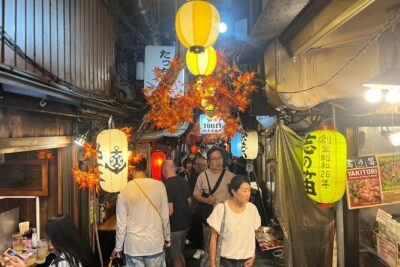
Shinjuku Food Tour (13 Dishes at 4 Local Eateries)
Read our review →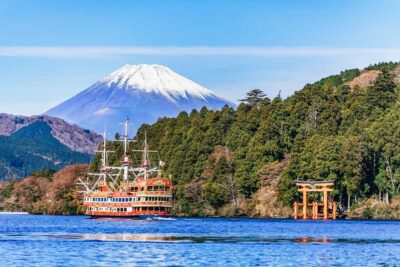
Tokyo Mt Fuji 5th St & Hakone Cruise Bus Tour w/Bullet Train
Read our review →
Flagship 2-Hours Official Street Go-Kart Tour – Tokyo Bay Shop
Read our review →
Mt. Fuji Tour, Hakone Ropeway, Owakudani, Lake Ashi
Read our review →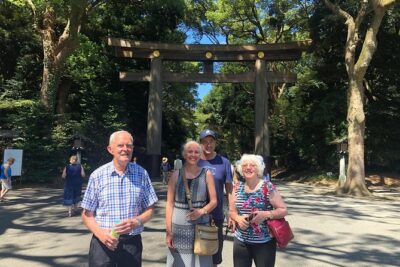
Tokyo 6hr Private Tour with Government-Licensed Guide
Read our review →