
Reviewed · SUMO EXPERIENCES
Tokyo: Sumo Show Experience with Chicken Hot Pot and a Photo
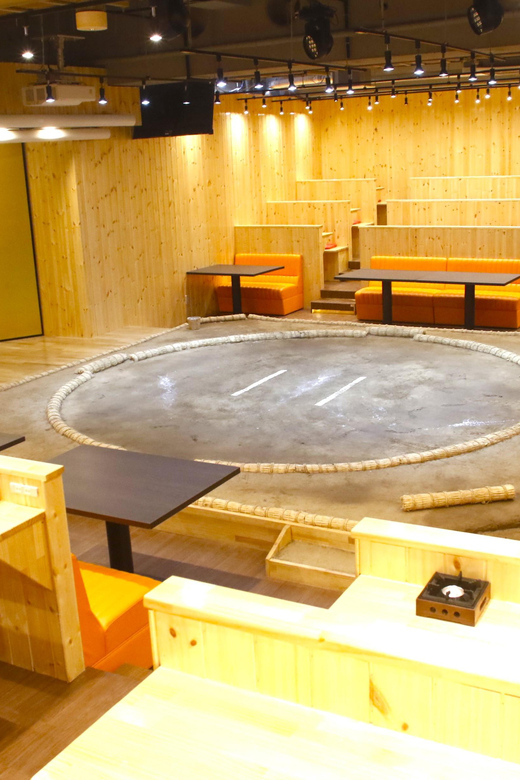
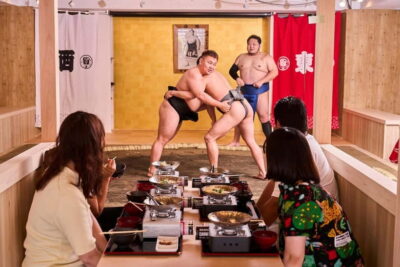
Tokyo’s Asakusa Sumo Club puts a real dohyo, or sumo ring, in the middle of the dining room, then builds a lively two-hour show around it. You’ll see warm-up exercises, learn the basic rules and rituals, watch retired professional wrestlers compete, and perhaps enter the ring yourself.
I like the mix of food and culture, especially the all-you-can-eat chicken hot pot and Japanese dishes. I also like the family-friendly humor, clear bilingual explanations, and the geisha dance before the matches. The main consideration is simple: this is entertainment featuring retired wrestlers, not an active stable visit or a serious tournament bout.
In This Review
- Key points to know before booking
- What the two-hour Asakusa Sumo Club experience is really like
- Start with geisha dance and a look at sumo customs
- Chicken chanko-nabe keeps the show grounded
- Watch retired wrestlers turn instruction into comedy
- The sumo challenge is the evening’s big gamble
- Seating makes a real difference
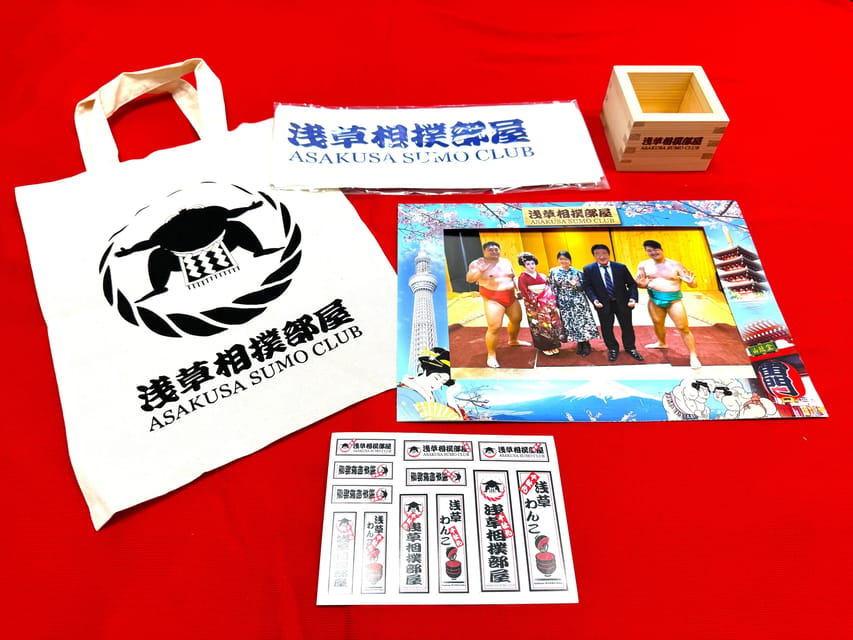
- The photo and souvenir set are useful extras
- Who will enjoy this show most
- Is $103 a fair price?
- Practical tips for a smoother visit
- Should you book the Asakusa Sumo Club show?
- FAQ
- How long does the Tokyo sumo show last?
- Is this a serious professional sumo match?
- Is the meal included?
- Can I challenge a sumo wrestler?
- Are vegetarian or vegan meals available?
- Is the experience wheelchair accessible?
Key points to know before booking
- A real dohyo anchors the room, so every seat has a direct view of the action.
- Host Lala explains the sport in English and Japanese, with rules, rituals, and classic techniques.
- The show is playful rather than competitive, with retired professional wrestlers performing a best-of-three match.
- You may challenge a wrestler, but places are limited and chosen by lottery when demand is high.
- Chicken chanko-nabe and Japanese dishes are all-you-can-eat, with one complimentary drink included.
- A printed photo and souvenir set are included, making this a useful family keepsake.
What the two-hour Asakusa Sumo Club experience is really like
This is a compact cultural dinner show built for visitors who want to understand sumo without committing to a tournament day. The action takes place at Asakusa Sumo Club, with the ring set at the center and dining tables arranged around it.
The format keeps moving. You are not sitting through a long lecture, and you are not expected to know anything about sumo in advance. The presenter explains what you are seeing as it happens, switching between English and Japanese. That makes the show easy to follow for families and mixed-language groups.
The performers use humor and audience participation to keep the room lively. You might see adults cheering alongside children, and the tone stays welcoming rather than stern. The experience works best if you want a fun introduction to sumo, not a formal lesson in Japanese sports history.
The schedule lasts about two hours. That is long enough for a full meal, explanations, demonstrations, matches, and photographs, but short enough to fit neatly into an afternoon or evening in Asakusa.
More sumo mornings:
- Tokyo: Sumo Show and Dining Experience
★ 4.8 · 2,742 reviews - the SUMO show
★ 5.0 · 1,960 reviews - Tokyo Shinjuku Sumo Show & Experience with Photo
★ 5.0 · 1,750 reviews
Start with geisha dance and a look at sumo customs
The show opens with a traditional Japanese dance by geisha in elegant kimono. It gives the evening a more ceremonial beginning before the louder, funnier sumo portion takes over.
After that, the focus turns to the sport itself. You’ll learn about sumo’s age, its rituals, and the basic behavior expected around the ring. The presenter covers essential do’s and don’ts, so the show gives you useful cultural context instead of treating the wrestlers as simple stage props.
The explanations include classic sumo techniques and the movements used before a bout. You’ll also see demonstrations of morning exercises. These sections matter because sumo can look mysterious if you only watch the final push at the edge of the ring. The warm-ups, postures, and ritual gestures show that balance, timing, and discipline matter as much as size.
The English and Japanese commentary is a major help. Host Lala is named by the venue as one of the presenters, and the show’s comic timing is part of its appeal. The tone is informal, but the explanations give you enough background to recognize what happens later in the matches.
Chicken chanko-nabe keeps the show grounded
Food is served during the performance, rather than treated as a separate restaurant visit. The main dish is chicken chanko-nabe, the hot pot associated with sumo wrestlers. It is accompanied by Japanese dishes that can include edamame, inari sushi, and sweet rolls.
The hot pot arrives at the table, and you can request more food through a QR code. That is useful if you arrive hungry, especially after a full day of sightseeing. One drink is included, while additional drinks can be purchased.
The meal receives strong praise for its flavor and filling portions, though you should set your expectations correctly. This is a sumo show with dinner, not a high-end kaiseki meal. One attendee found the food selection limited, while others specifically enjoyed the chicken and soup. I would book it for the combination of food and performance, not for an elaborate tasting menu.
Some tables use paper bowls over an open flame for the hot pot. That setup may make you cautious, particularly with young children, so keep an eye on the table during service. The meal is part of the fun, but it requires ordinary care around heat.
Vegetarian and vegan meals are available if requested at least two days ahead. Gluten-free and halal meals cannot be provided. You may bring your own food for those dietary needs, but you should arrange special meals early rather than hoping to solve the issue at the door.
Watch retired wrestlers turn instruction into comedy
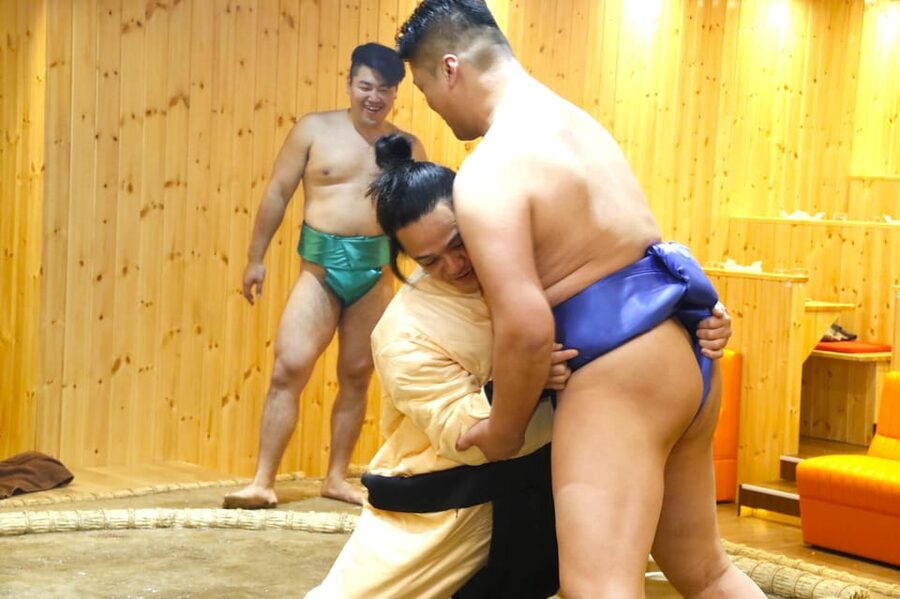
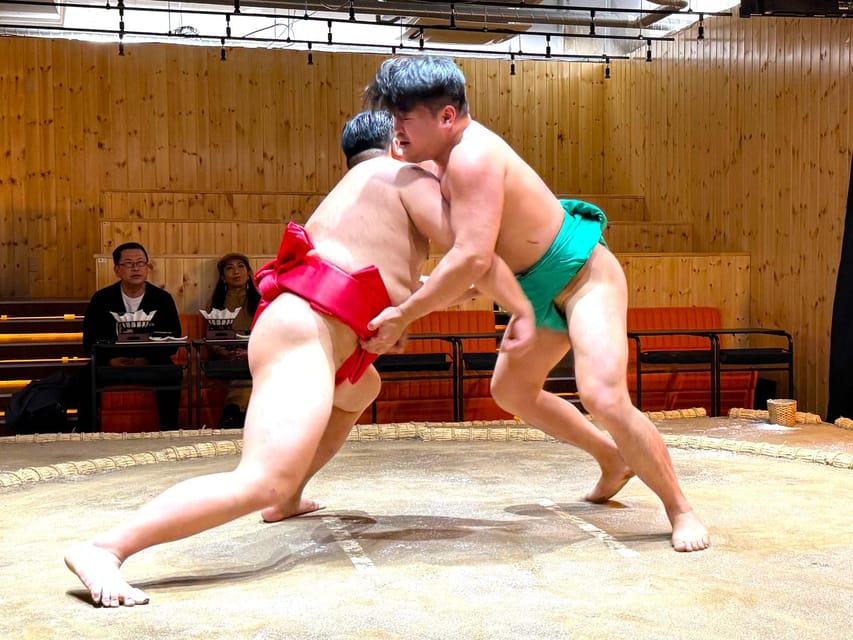
The main match is a best-of-three contest between retired professional sumo wrestlers. You’ll see real sumo techniques and the basic structure of a bout, but the mood is clearly staged for entertainment.
That distinction is important. If you are looking for the seriousness of a professional tournament, the ritual quiet of a morning practice, or access to an active stable, this is not that experience. The performers are retired, and the show uses comedy, commentary, and audience interaction to keep the evening accessible.
For many people, that is exactly the attraction. The wrestlers are strong, expressive, and comfortable playing to the room. The presenter explains what is happening, while the performers exaggerate the drama enough for children to follow it. Adults still get the pleasure of seeing sumo movement at close range.
I especially like the way the show makes the sport less intimidating. Sumo has rules and customs that can seem remote, but a good explanation followed by a demonstration gives you a practical handle on both. You leave knowing more than you did when you sat down, even if you came mainly for laughs and dinner.
A few more Tokyo bookings worth comparing
- Mt Fuji & Hakone Cruise, Drum Show Bullet Train 1 Day from Tokyo
★ 4.0 · 7,413 reviews - Mt Fuji & Hakone Cruise, Drum Show Bus 1 Day from Tokyo
★ 4.0 · 1,287 reviews - Tokyo: Sumo Show and Experience in Shinjuku
★ 4.8 · 1,001 reviews - Tokyo:Luxury Sumo Show Experience & Japanese cuisine & Drink
★ 4.7 · 577 reviews
The sumo challenge is the evening’s big gamble
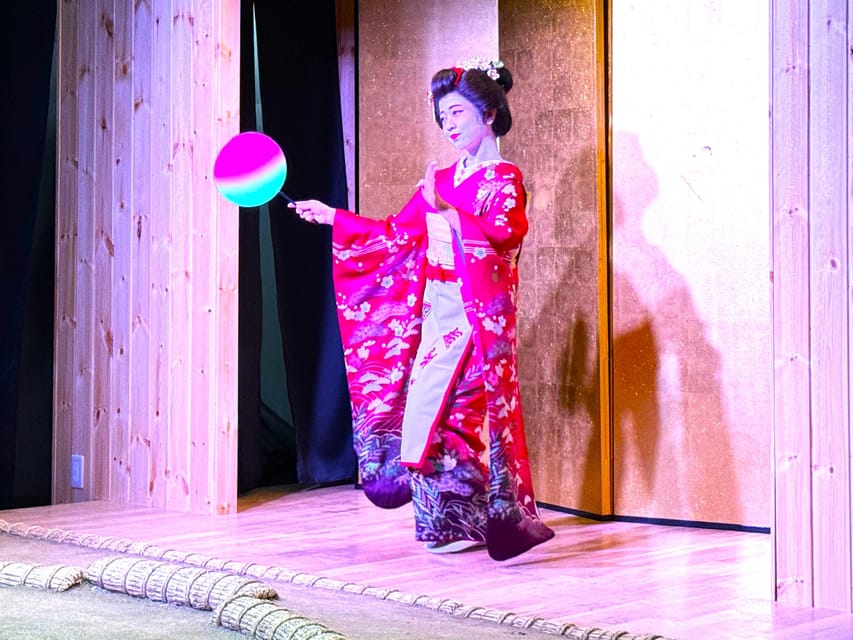
At one point, selected audience members can step into the dohyo and challenge a wrestler. This is the most memorable part for many families, but you should not book the experience assuming you will participate.
Only a few challenger spots are available at each show. If too many people apply, the participants are selected by lottery. Children and adults can both find the idea exciting, but the chance to enter the ring depends on demand and selection.
If you are chosen, expect a playful demonstration rather than a dangerous contest. The wrestlers control the pace and keep the mood light. Still, the activity is physical, so anyone with mobility concerns should decide carefully before volunteering.
Even if you remain in your seat, the challenge works well as a finale. The audience gets to cheer for ordinary people taking on a professional sumo wrestler, and the room becomes much louder and more personal. It is one reason this show feels different from simply watching a cultural performance from a distance.
Seating makes a real difference
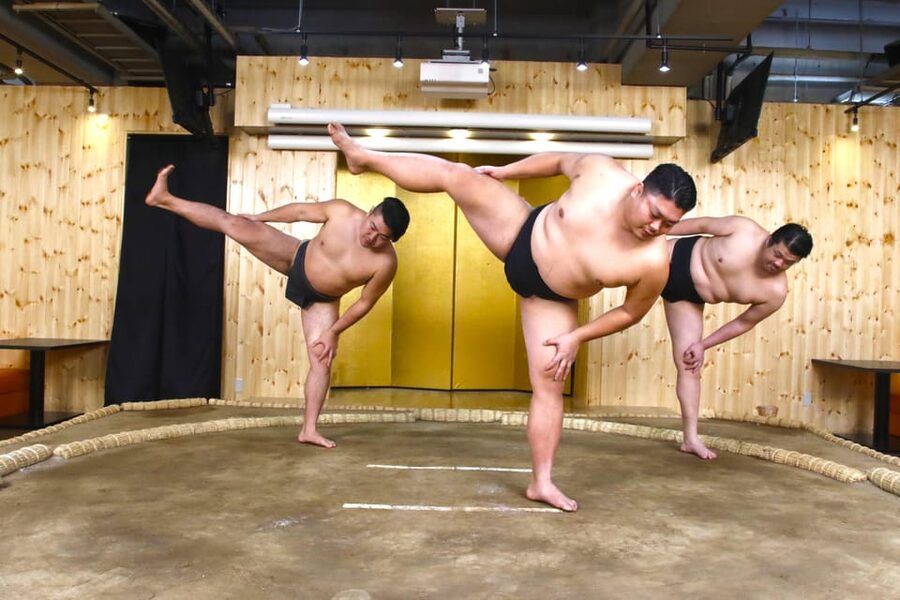
All seating offers a view of the central ring, but the distance from the dohyo changes how close the experience feels. Three options are available:
- Standard: Comfortable seating with a clear view.
- VIP: Front-row seating for a closer look at the wrestlers.
- VVIP: Premium central seats with the most direct and unobstructed view.
If you mainly want the explanations, meal, and general atmosphere, Standard should meet your needs. The room is designed so the ring remains visible, and the show is not dependent on a distant stage.
VIP makes more sense if you want to watch foot placement, hand positions, and facial expressions up close. The front row also gives you a stronger sense of the wrestlers’ size and movement.
VVIP is aimed at people who want the most central view. The exact upgrade price is not provided here, so compare the available options when booking. I would consider the upgrade for a special occasion, a serious sumo fan, or a family that wants photographs and close interaction to be central to the evening.
You may be seated with other parties. That is normal for this kind of shared dinner show and can add to the cheering, but it means you should not expect a private table or a quiet meal.
The photo and souvenir set are useful extras
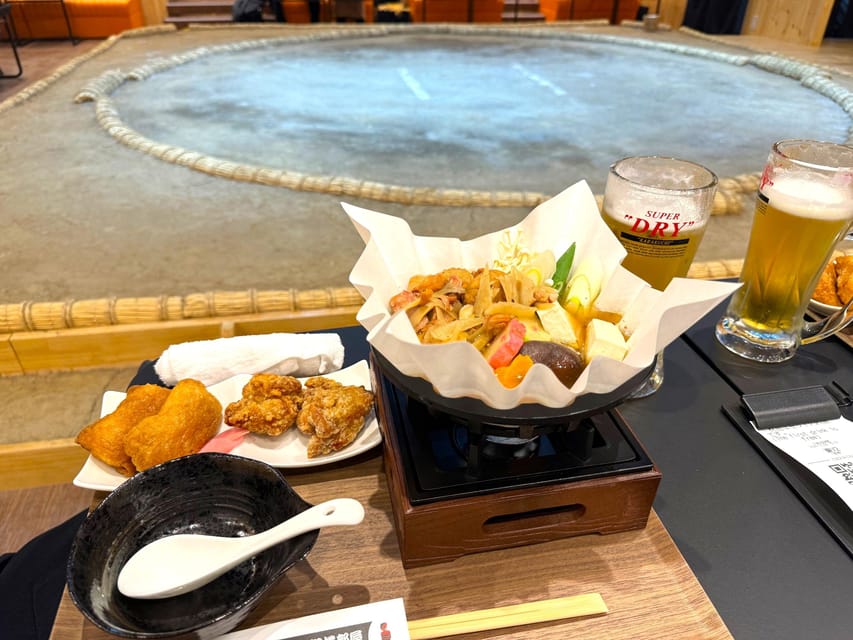
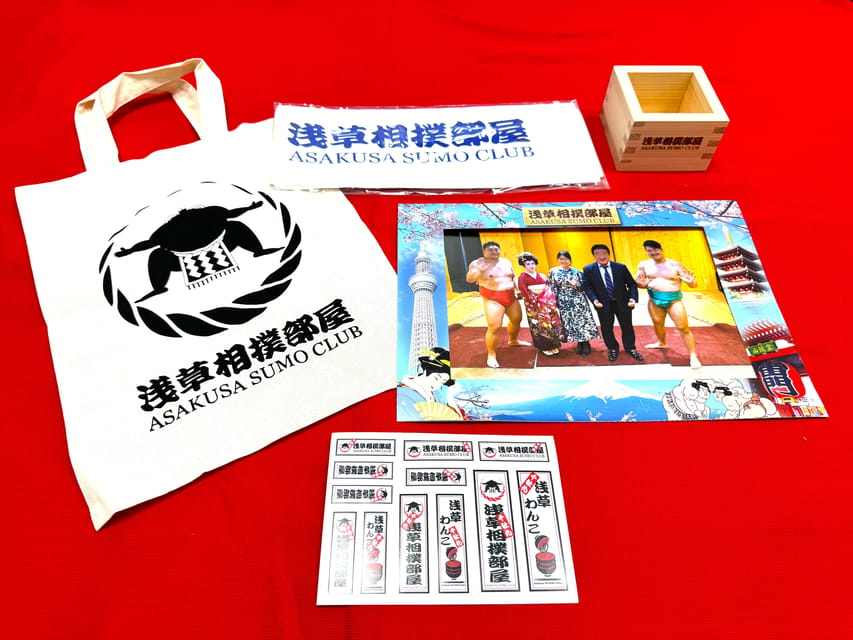
After the performance, you receive a printed photo with the sumo wrestlers and geisha, along with a souvenir set. The contents of the set can change by season.
This is more than a minor freebie if you are visiting Tokyo with children or marking a family trip. The photo gives you a physical reminder of the evening, and it is taken after you have already seen the performers in action. It also helps the experience feel complete rather than ending abruptly after the final bout.
The photo opportunity is not the same as spending private time with the wrestlers. It is a planned part of the show, so expect an efficient group photo process rather than a long personal meeting.
Who will enjoy this show most
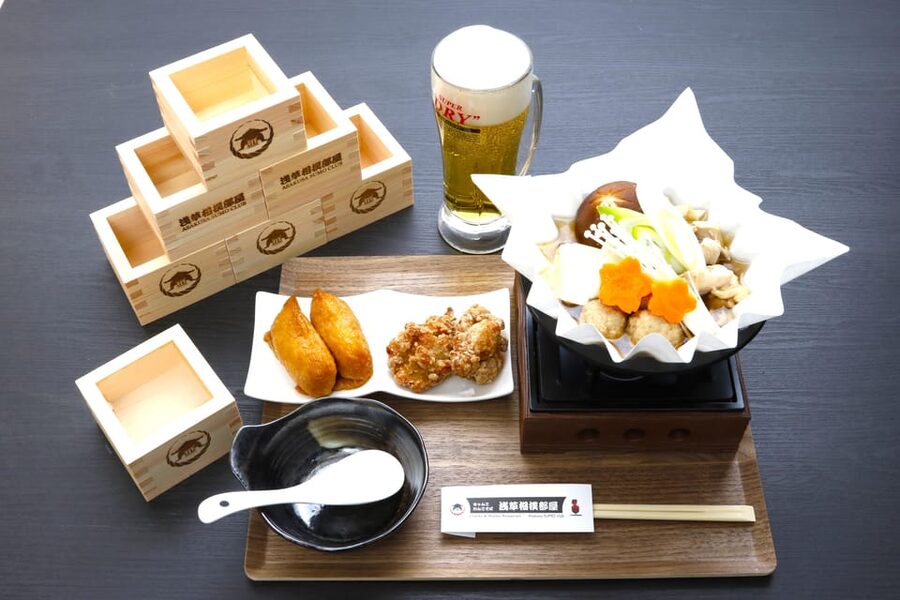
I would recommend this experience to several types of visitors:
- Families with children who want an activity that is educational but not stiff.
- First-time visitors to Japan who want a simple introduction to sumo.
- Adults who enjoy interactive dinner shows and do not need a serious sporting event.
- Multigenerational groups, since the show can be enjoyed by children, adults, and older family members together.
- Visitors staying in or sightseeing around Asakusa who want a two-hour indoor activity.
It is also a good choice if someone in your group has never watched sumo before. The commentary removes much of the guesswork, and the humor keeps the explanations from feeling heavy.
I would choose something else if your main goal is to observe an active sumo stable. The venue itself makes this clear: this is a staged show by retired wrestlers. Tokyo offers other experiences for behind-the-scenes access to current training, and those will suit serious sumo followers better.
Is $103 a fair price?
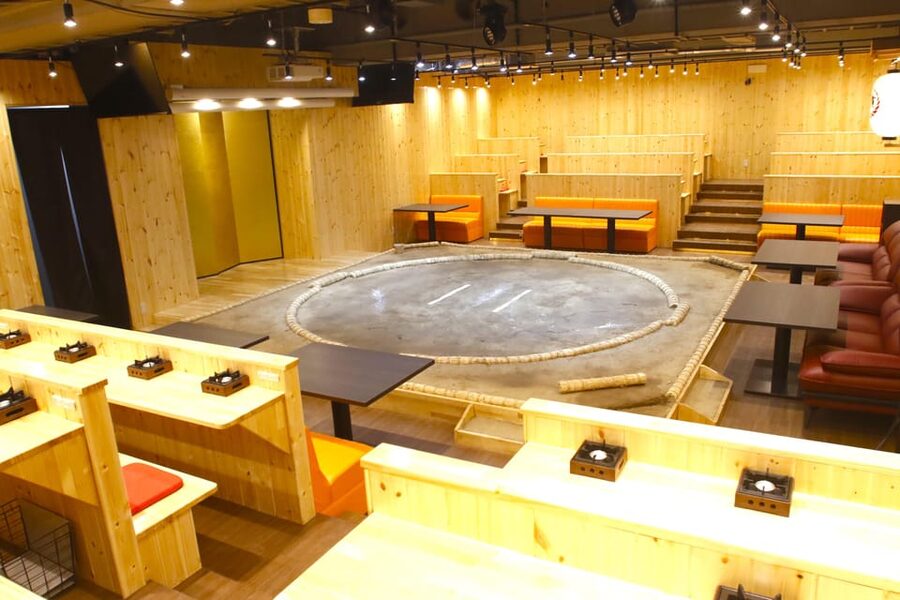
At $103 per person, the price is not cheap, but it covers a substantial package: two hours of entertainment, bilingual commentary, a traditional dance, a meal with all-you-can-eat chicken hot pot and Japanese dishes, one drink, a photo, and a souvenir set.
The value improves if you plan to eat a full meal and would otherwise pay separately for dinner and a cultural performance. Families also get a lot from the interactive format, since children are not simply sitting through a show aimed at adults.
The value is weaker if you want premium food, a private dining setting, or a serious sumo match. The meal is described as tasty and plentiful, but not every dish will suit every appetite, and one account found the food selection limited.
The seating option matters too. Standard may be enough for most people, while VIP or VVIP adds a closer view. Since the price depends on the option you book, check the final seating and inclusions before paying.
Free cancellation is available up to 24 hours in advance, and you can reserve now and pay later. Wheelchair access is available, but accessible seating is limited, so mention your needs when booking. Infants under one year are not suitable for the activity, and meals, seating, and souvenirs are not included for infants.
Practical tips for a smoother visit
Reserve vegetarian or vegan food at least two days in advance. The venue cannot provide gluten-free or halal meals, so bring suitable food if necessary.
If you want the best possible view, compare VIP and VVIP before settling for Standard. If you are visiting with children, tell them that the sumo challenge is limited and may be decided by lottery. That avoids disappointment while still letting them hope for a turn.
Arrive ready to join in. You do not have to volunteer, but cheering, clapping, and answering the presenter’s prompts are part of the experience. A quiet, formal theater attitude will make the show feel less natural.
Think of the event as a cultural performance with a meal, not as an official sumo match. That single expectation will help you enjoy the jokes, audience challenges, and theatrical timing.
Should you book the Asakusa Sumo Club show?
Book it if you want a friendly, interactive introduction to sumo with dinner and a keepsake included. The combination of geisha dance, bilingual explanation, retired wrestlers, audience participation, and chicken hot pot gives you a lot to do in two hours.
Skip it if you want active-stable access, a tournament-level contest, or a refined Japanese meal. For everyone else, especially families and first-time visitors, the format makes sumo easy to understand and fun to remember. Choose VIP or VVIP for the closest view, request special food early, and treat the ring challenge as a lucky bonus rather than a promise.
FAQ
How long does the Tokyo sumo show last?
The experience lasts two hours. The program includes the geisha dance, sumo explanations and demonstrations, a best-of-three match, the audience challenge, dinner, and photographs.
Is this a serious professional sumo match?
No. The show is performed by retired professional sumo wrestlers and is designed as family-friendly entertainment. It is different from a serious morning practice or an official tournament.
Is the meal included?
Yes. The booking includes all-you-can-eat chicken chanko-nabe and Japanese dishes, plus one complimentary drink. Additional drinks can be purchased.
Can I challenge a sumo wrestler?
You can apply to enter the ring, but challenger places are limited. If there are more applicants than spaces, participants are selected by lottery.
Are vegetarian or vegan meals available?
Yes, but you must request a vegetarian or vegan meal at least two days in advance. Gluten-free and halal meals are not available, though you may bring your own food for those dietary needs.
Is the experience wheelchair accessible?
Yes, wheelchair-accessible seating is available, but places are limited. Inform the provider when booking if you require accessible seating.
New on our Tokyo list
- From Tokyo: Mount Fuji & Hakone Full Day Private Tour★ 4.9 · 25 reviews
- Tokyo Spectacular View Day-Cruise in 90 Minutes★ 5.0 · 25 reviews
- Real Tokyo Runner Club : Daikoku Car Meet Night Tour with JDM Car★ 5.0 · 25 reviews
- 2.5 Hour-Guided Cycle Tour in the Central Tokyo★ 5.0 · 25 reviews
- Ramen Making from Scratch +Akihabara Tour –Cooking Class★ 5.0 · 25 reviews
- [Self-Drive] Tokyo & Daikoku Custom Car Driving Tour★ 4.9 · 25 reviews
- Tokyo: 2-Hour Night Bike Tour of the City’s Hidden Gems★ 4.9 · 25 reviews
- Samurai themed Entertainment show in Shinjuku★ 4.5 · 25 reviews
Sumo Experiences, compared.
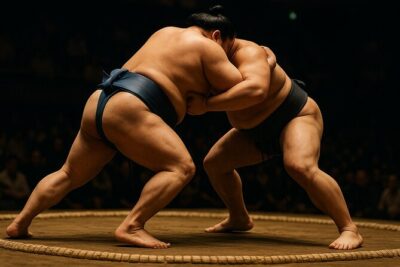
Tokyo Shinjuku Sumo Show & Experience with Photo
Read our review →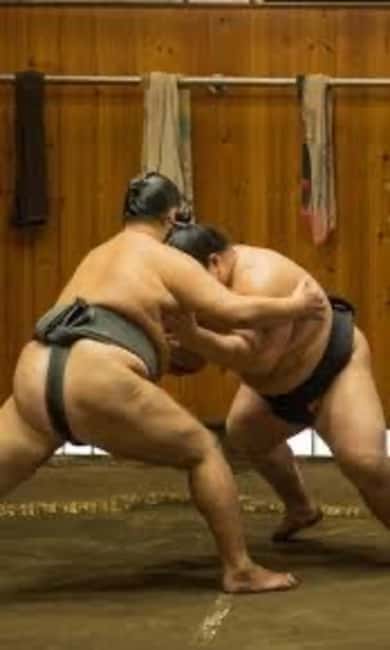

Authentic Sumo Experience in Tokyo: Enter the Sanctuary
Read our review →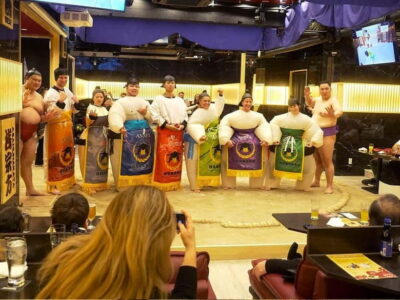
Luxury Sumo Show Experience & Japanese cuisine & Drink
Read our review →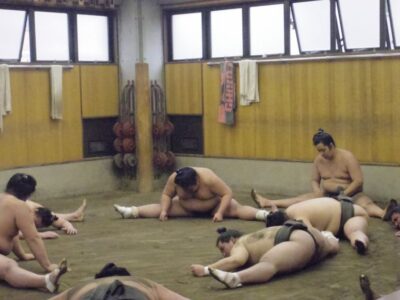
Tokyo Sumo Experience: Chanko & Mochi with a Former Pro
Read our review →Browse the lists this tour appears in