
Reviewed · MUSEUMS
Tokyo: teamLab Planets TOKYO Digital Art Museum Entry Ticket
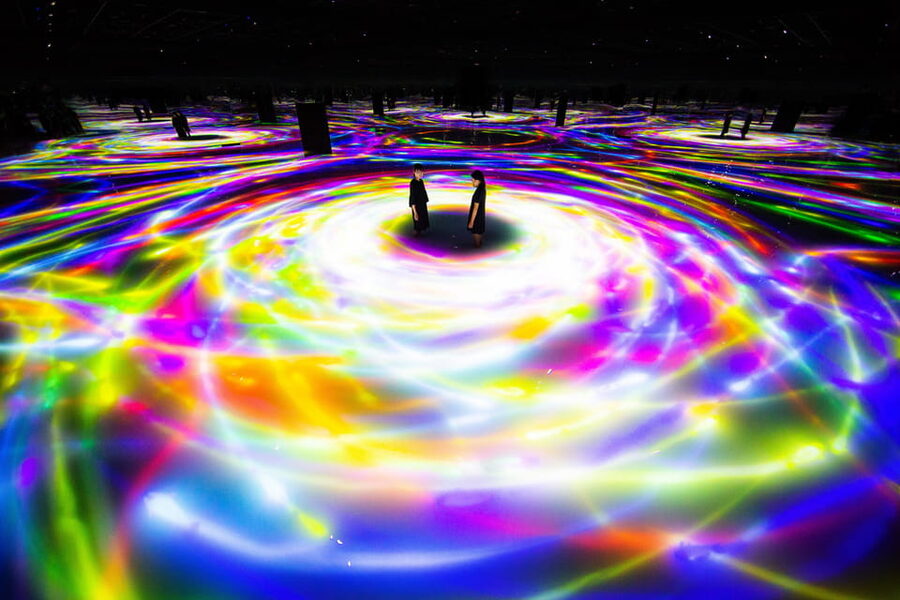
The most striking thing about teamLab Planets TOKYO is that you do not simply look at the art. You walk through it barefoot, stand in water, lie beneath falling digital flowers, and watch projected images change around your body. Your movement becomes part of the artwork.
I like the mix of strong visual effects and physical sensations, especially the water rooms and the flower installations. I also like that the experience works for families, teenagers, couples, and adults who do not usually visit art museums. The main drawback is practical: timed entry is strict, and some rooms can feel awkward if you arrive in unsuitable clothing or dislike darkness, flashing light, or close contact with other people.
In This Review
- Key points to know before you go
- What teamLab Planets TOKYO actually feels like
- Starting barefoot and getting ready for the water
- The Water Gallery and digital fish
- Flower rooms, falling petals, and the garden
- Light, sound, and the five-sense format
- How long to stay and when to visit
- Price, queues, and overall value
- Who will enjoy it most
- Practical tips for a smoother visit
- Should you book teamLab Planets TOKYO?
- FAQ
- How much does the teamLab Planets TOKYO ticket cost?
- How long is the ticket valid?
- Can I buy admission on the same day?
- What should I bring to teamLab Planets TOKYO?
- What should I wear?
- Are children allowed?
- Is the experience suitable for wheelchair users or people with epilepsy?
Key points to know before you go
- Bare feet are required: You will remove your shoes before entering, and lockers are available for small items.
- Expect knee-deep water: Wear trousers that roll above the knee, or be prepared to use short pants if available.
- The Water Gallery is a highlight: Digital fish, flowing water, reflections, and changing projections make this one of the most memorable rooms.
- Allow at least two hours: The ticket is valid for one day, but the visit itself is best treated as a substantial part of your Tokyo schedule.
- Entry times matter: You can enter only during the first 30 minutes after your selected time, with no refund for arriving late.
- Check the venue carefully: Tokyo has two teamLab locations, so confirm that your ticket says teamLab Planets TOKYO.
What teamLab Planets TOKYO actually feels like
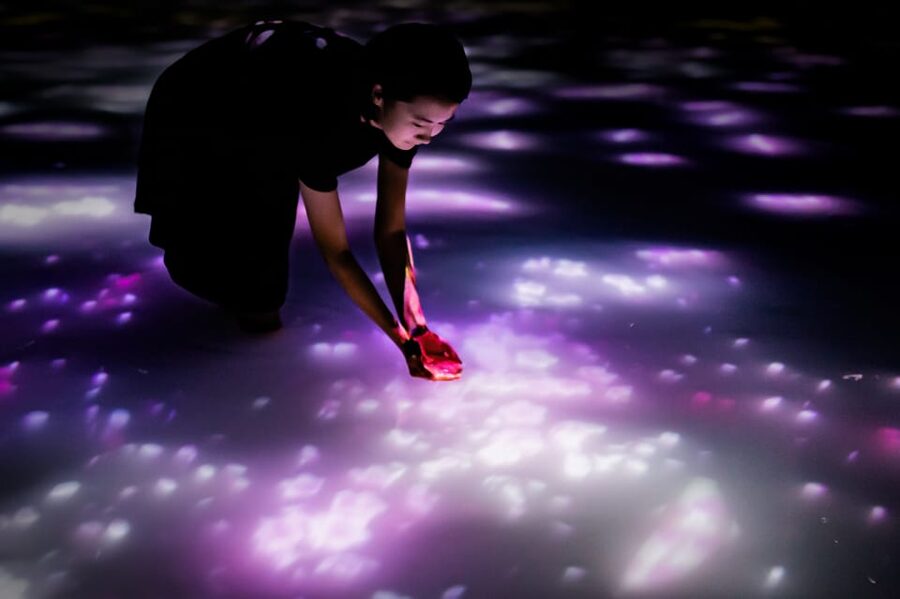
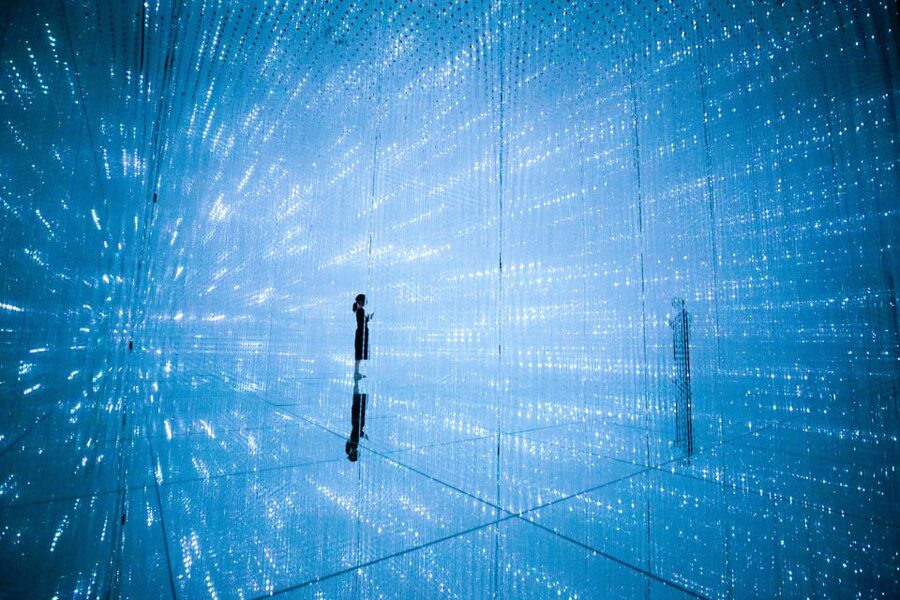
teamLab Planets is less like a museum with framed works and more like a series of connected sensory rooms. You move from one installation to another, often without a traditional explanation of what you are seeing. The effect comes from light, sound, projection, water, mirrors, flowers, and your own movement through the space.
I would not plan this as a quick photo stop. The rooms are designed to slow you down. In one space, you may simply watch flowers fall toward you. In another, you may walk through water while digital images shift around your legs. The best moments come when you stop trying to record everything and give each room a few quiet minutes.
The exhibition covers more than 10,000 square meters, so there is a real sense of moving through a large installation rather than visiting one digital display. The route includes several different areas, each with its own light, sound, and material feel.
The experience is suitable for many ages. Families with teenagers have found plenty to do, and adults who expected a children’s attraction have also been surprised by its more reflective side. Still, this is interactive art, not a silent gallery. Some visitors may move quickly, take photos, or make noise, which can affect the calmer rooms.
More museums worth an hour:
- Tokyo: Samurai Ninja Museum Guided tour and Experience
★ 4.6 · 1,010 reviews - Ninja Experience (Family Friendly) at Samurai Ninja Museum TOKYO
★ 5.0 · 441 reviews - Tokyo Studio Ghibli Museum and Ghibli Film Appreciation Tour
★ 4.5 · 421 reviews
Starting barefoot and getting ready for the water
The visit begins with shoes off. Small lockers are available, so keep your belongings compact and avoid bringing more than you need. Because parts of the floor use mirrors, you may also want clothing that gives you confidence when viewed from below.
The most important clothing advice is simple: wear trousers that can roll above your knees. Water in some areas can rise to knee height, and you should expect your feet and lower legs to get wet. A long skirt or stiff trousers could make the visit uncomfortable.
Short pants may be available in some situations, but I would not rely on that as your main plan. Dress for the water before you arrive. You will also be barefoot on wet or reflective surfaces, so take care when walking and follow staff instructions.
The water is not a minor detail added for effect. It changes the way you move through the exhibition. You are paying attention to your balance, the temperature, reflections, and the images moving around you. That physical change helps the art feel personal rather than distant.
The Water Gallery and digital fish
The water installations receive the strongest praise, and it is easy to understand why. This is where the exhibition’s promise comes together most clearly: you are inside a digital scene, and your body affects the way you experience it.
The Water Gallery uses flowing water, light, projections, and reflections. Digital koi fish appear in the water, and the imagery can change as you walk through it. The effect is not simply a video playing on a wall. The floor, your legs, the water, and the projected images all become part of the scene.
You may find yourself walking slowly, stopping to watch a fish pass, or looking down as the surface changes. It is a playful room, but it can also be surprisingly calm. If you have children with you, this is likely to be one of the easiest areas to enjoy together. If you are visiting alone, it still works well, though you may feel a little self-conscious at first while moving through water among other people.
Expect staff to manage the flow through popular areas. That helps prevent the rooms from becoming completely jammed, but it also means you may not linger forever in one place. The attraction can feel orderly inside even when the entrance area is busy.
Flower rooms, falling petals, and the garden
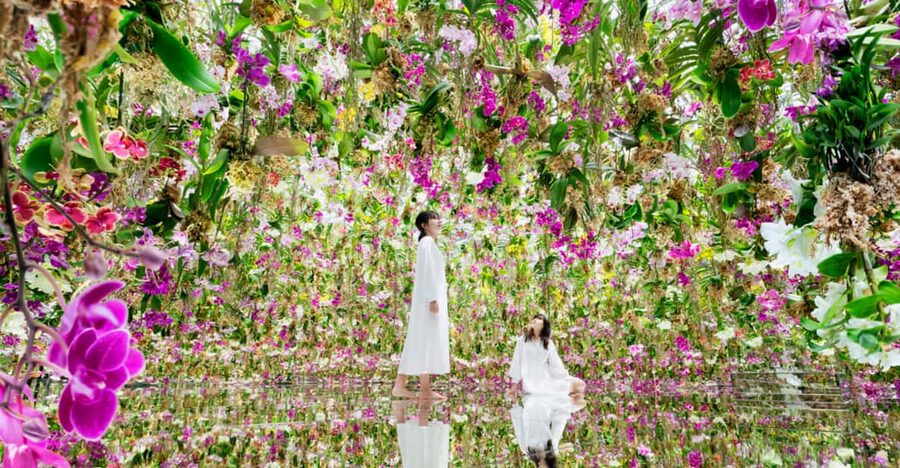
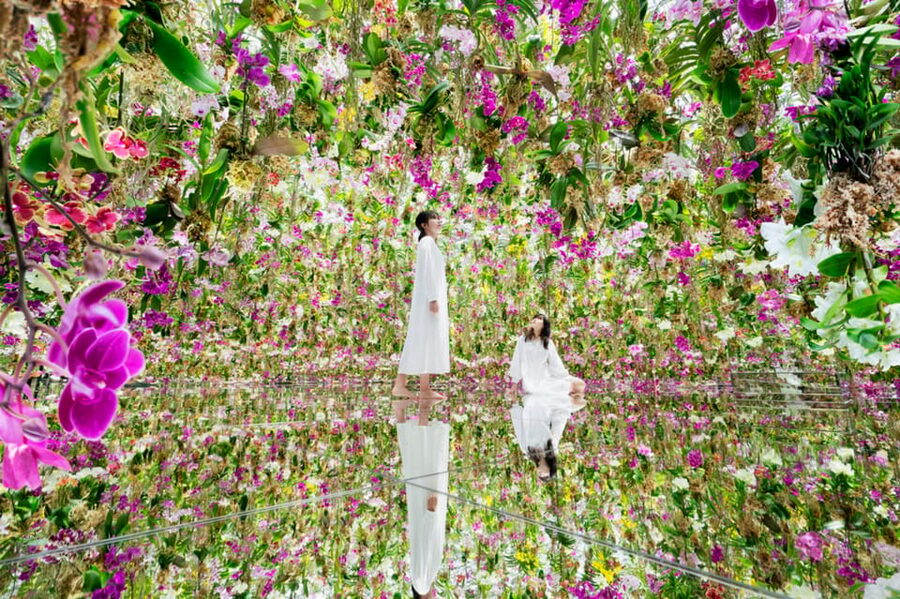
The flower installations provide the softer side of teamLab Planets. One room creates the impression of flowers falling toward your face, while another uses flower images and petal-like surfaces to surround you. You may also encounter orchids and a garden area that uses light, plants, and digital projections to create a slower, more contemplative mood.
The falling-flower room is especially effective if you lie down or sit and look upward. The images seem to move toward you, and the room encourages you to stop thinking about the mechanics behind the display. You can simply watch the flowers appear, descend, and change.
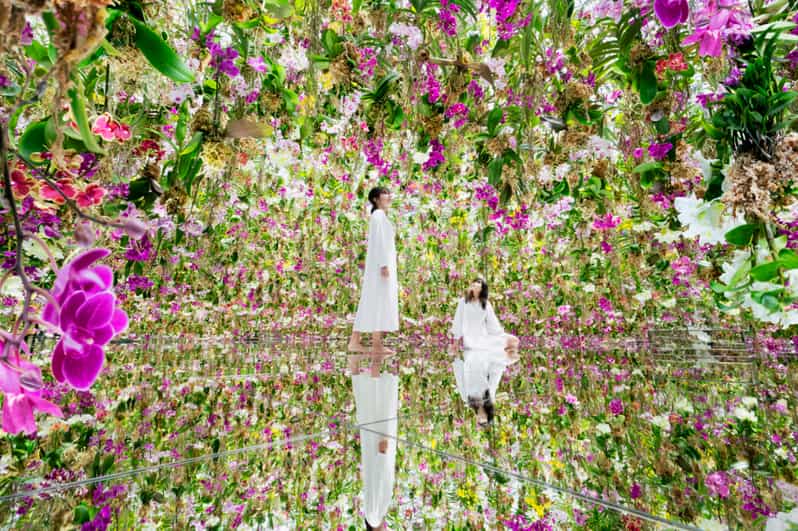
The orchid room is another favorite for good reason. Flowers appear to float in space, and the arrangement changes your sense of scale. You are not looking at a botanical display in the usual way. Instead, the flowers become light, motion, and space.
The garden gives the exhibition a welcome change of pace. After the water and brighter projections, it can feel more open and dreamlike. I would not rush through it. The visual effects are easy to photograph, but they are better appreciated when you stand still and let the room change around you.
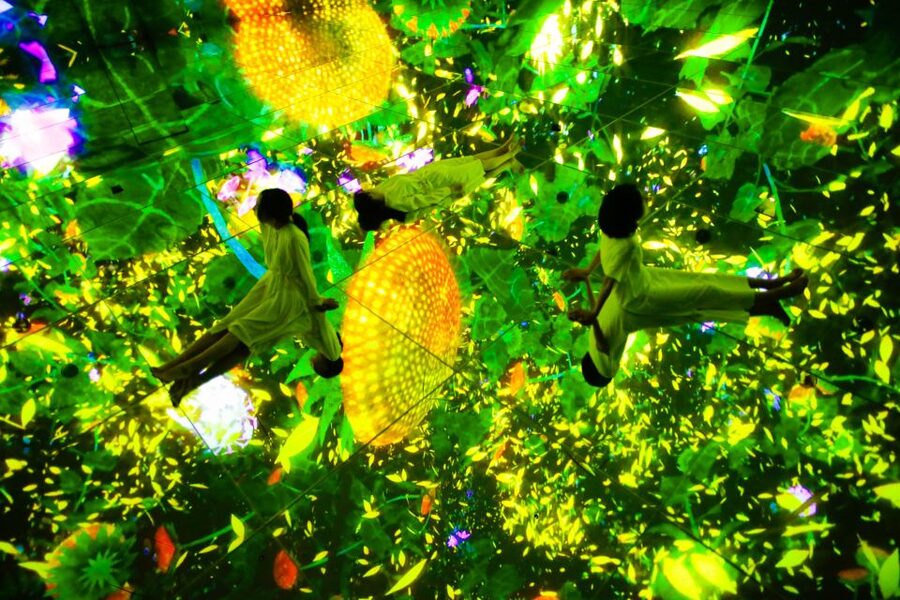
Some of the rooms involve mirrored surfaces or reflective floors. These can produce wonderful images, but they may also feel exposed if you are wearing clothing that does not work well with mirrors. This is another reason to dress thoughtfully rather than treating the visit like a standard indoor museum trip.
A few more Tokyo bookings worth comparing
- Mt Fuji and Hakone 1-Day Bus Tour Return by Bullet Train
★ 5.0 · 26,383 reviews - 1-Day Tokyo Bus Tour
★ 5.0 · 14,250 reviews - Tokyo: TOKYO SKYTREE® Admission ticket
★ 4.5 · 11,192 reviews - Mt Fuji & Hakone Cruise, Drum Show Bullet Train 1 Day from Tokyo
★ 4.0 · 7,413 reviews
Light, sound, and the five-sense format
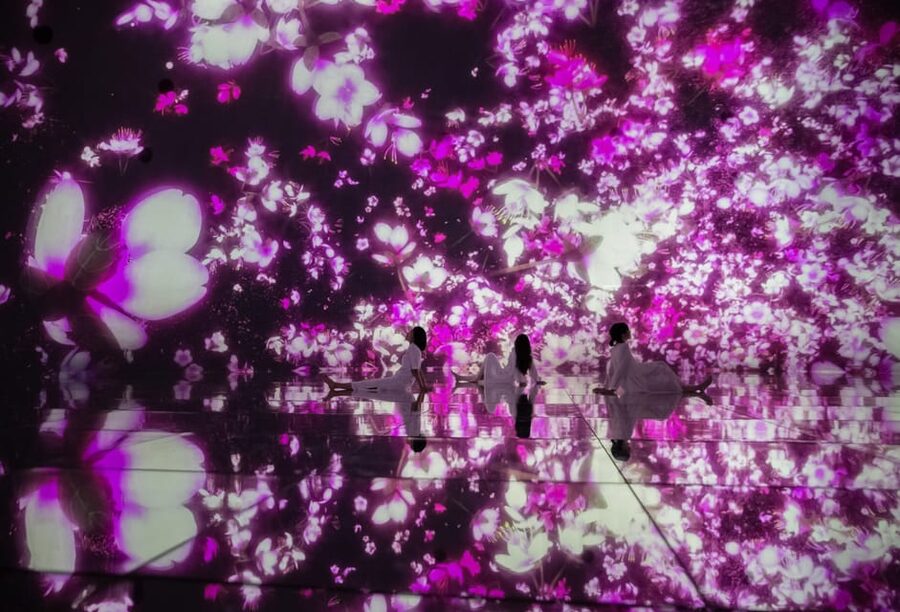
teamLab Planets uses more than pictures. Sound helps set the mood, surfaces affect how you move, water changes the physical experience, and light alters your sense of distance and time. The result is a full-body art visit, not just a collection of large screens.
This is valuable if you find conventional museums too passive. You do not need to know art theory to enjoy these rooms. You can respond to color, motion, sound, and texture in your own way.
At the same time, the sensory intensity is not right for everyone. The experience is not recommended for people with light sensitivity or epilepsy, and it is not suitable for people with heart problems. Some areas are not accessible by wheelchair, and the attraction is listed as unsuitable for wheelchair users.
Noise can also change the mood. The quieter flower and garden areas work best when people speak softly, but you may encounter loud groups. If a peaceful atmosphere matters to you, choose a less busy entry time when availability allows.
How long to stay and when to visit
The ticket is valid for one day, but that does not mean you can enter and leave freely throughout the day. You select an entry time and must arrive during the first 30 minutes after it. Late arrivals are not refunded, so build in time for transport and finding the entrance.
Inside, allow at least two hours. Some people expect to finish in an hour, then find themselves spending much longer in the flower rooms, water areas, or garden. Others move faster. Your pace will depend on how much time you spend taking photos, waiting for a room to clear, or sitting with the installations.
An early time slot can help you get your visit finished before the day becomes crowded. Evening visits can suit a rainy day or a schedule built around Tokyo sightseeing, but remember that the entrance waiting area may be outside or semi-outdoor. Dress for the season rather than assuming the entire experience will feel like a warm indoor museum.
Do not buy your ticket on the same day. Same-day admission purchases are not possible, and the activity is non-refundable. Your official voucher is sent by email and must be shown for entry, so keep it easy to access on your phone and bring your passport or another accepted ID.
Price, queues, and overall value
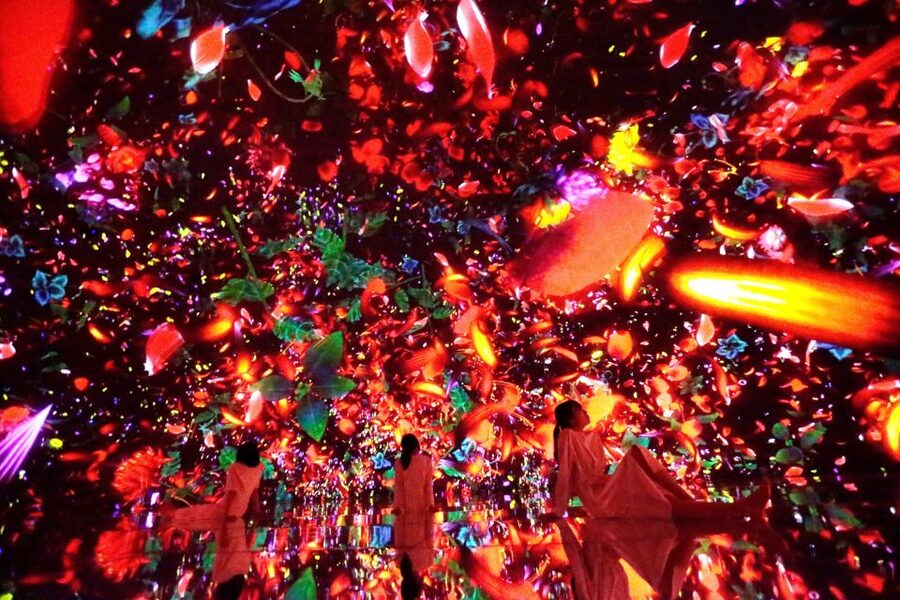
At about $25 per person, this is not a bargain-basement Tokyo attraction, but it offers more substance than a short digital projection show. You are getting a large-scale visit with several distinct rooms, water, sound, changing light, and enough material to fill a couple of hours.
The value is strongest if you take your time. Rushing from room to room turns the ticket into an expensive photo session. Slowing down lets you appreciate the changing details and the way the installations respond to your body.
Timed admission helps control the number of people inside. The entrance process can still be frustrating if you arrive too early and are made to wait outside until your assigned time. Some ticket options may help you move past a general ticket line, but you should not assume every booking includes the same queue arrangement. Check the exact option you buy.
Transportation is not included. The meeting point can also vary by booking option, so read your voucher carefully and confirm that you are heading to Planets rather than another teamLab venue in Tokyo. That small check can save a costly mistake.
The on-site café is not a major reason to visit. If you arrive early, you may want to find a nearby place for coffee before going to the entrance, since access to the café before admission may not be convenient.
Who will enjoy it most
I would recommend teamLab Planets to:
- Families with children and teenagers who prefer active attractions to traditional museums
- Couples looking for a memorable shared experience
- Solo visitors who enjoy photography, light, and experimental art
- Adults curious about new ways to experience exhibitions
- Anyone planning a rainy-day activity with a strong visual component
You should think twice if you dislike being barefoot, do not want to walk through water, or find flashing light and dark rooms uncomfortable. The attraction may also be frustrating if you want a quiet, slow museum visit with detailed written explanations.
Children younger than 13 must be accompanied by an adult, and unaccompanied minors are not allowed. Visitors may be asked to show ID to confirm age or school affiliation. Intoxicated visitors cannot enter.
Practical tips for a smoother visit
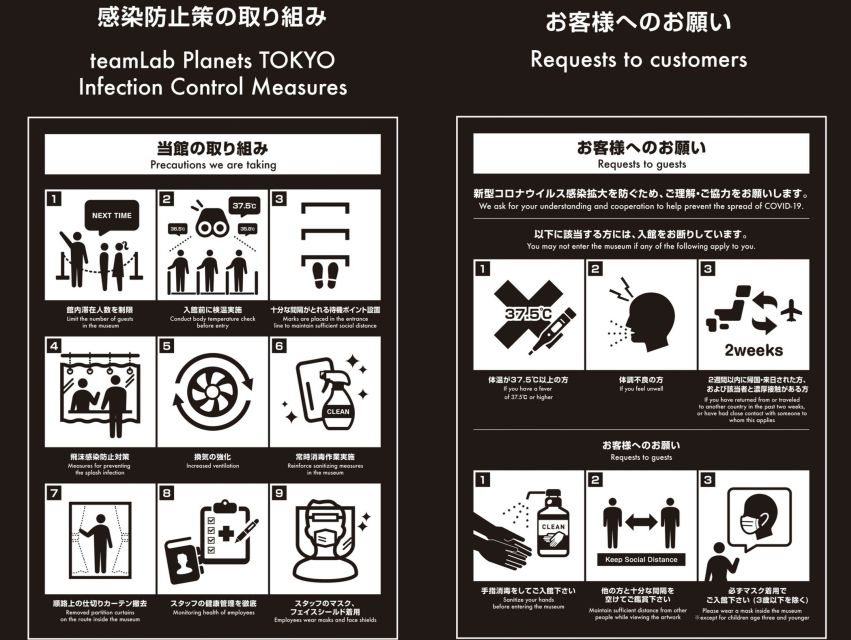
Bring your passport or ID card, even if you do not expect to need it. Keep your official voucher ready, and check the date, time, location, and ticket type before leaving for the attraction.
Wear trousers that roll well above the knee. Avoid bringing bulky belongings, since lockers are intended for small items. Eating, drinking, and smoking are prohibited inside.
Download the teamLab app before your visit if you want an easier experience with the attraction’s digital features. Also charge your phone, but do not let photography take over. A useful approach is to take a few photos in each room, then put the phone away for a while.
Give yourself extra time to arrive. You cannot simply turn up whenever you like, and there are no refunds for a late arrival. If your schedule is tight, book this as the main activity in that time block rather than squeezing it between two distant Tokyo sights.
Should you book teamLab Planets TOKYO?
Book it if you want an art experience that asks you to walk, feel, watch, and take part rather than stand in front of paintings. The water rooms, falling flowers, orchids, and garden provide enough variety to keep the visit interesting, and the $25 price is reasonable when you stay for two hours or more.
I would skip it if you have serious light sensitivity, epilepsy, heart problems, mobility limitations, or a strong dislike of water and bare feet. For everyone else, it is one of Tokyo’s more unusual indoor experiences, especially for families and adults who think art museums are not their thing.
Choose your time carefully, dress for the water, confirm the Planets location, and arrive early enough to handle the entrance process without panic. Do that, and teamLab Planets TOKYO can become a memorable pause from Tokyo’s streets, with art that changes as you move through it.
FAQ
How much does the teamLab Planets TOKYO ticket cost?
The listed price is $25 per person. Transportation is not included.
How long is the ticket valid?
The ticket is valid for one day. You must enter during the first 30 minutes after your selected entry time.
Can I buy admission on the same day?
No. Same-day ticket purchases are not possible for this activity.
What should I bring to teamLab Planets TOKYO?
Bring your passport or ID card and the official voucher emailed to you. The voucher is required for entry.
What should I wear?
Wear trousers that can be rolled above your knees. You must enter barefoot, and water in some rooms can reach knee height.
Are children allowed?
Children younger than 13 must be accompanied by an adult. Unaccompanied minors are not allowed.
Is the experience suitable for wheelchair users or people with epilepsy?
No. Some areas are not accessible by wheelchair, and the experience is not suitable for wheelchair users or people with epilepsy. It is also not recommended for people with light sensitivity or heart problems.
New on our Tokyo list
- Tokyo Spectacular View Day-Cruise in 90 Minutes★ 5.0 · 25 reviews
- From Tokyo: Mount Fuji & Hakone Full Day Private Tour★ 4.9 · 25 reviews
- Real Tokyo Runner Club : Daikoku Car Meet Night Tour with JDM Car★ 5.0 · 25 reviews
- 2.5 Hour-Guided Cycle Tour in the Central Tokyo★ 5.0 · 25 reviews
- Ramen Making from Scratch +Akihabara Tour –Cooking Class★ 5.0 · 25 reviews
- [Self-Drive] Tokyo & Daikoku Custom Car Driving Tour★ 4.9 · 25 reviews
- Tokyo: 2-Hour Night Bike Tour of the City’s Hidden Gems★ 4.9 · 25 reviews
- Samurai themed Entertainment show in Shinjuku★ 4.5 · 25 reviews
Museums, compared.

Samurai Ninja Museum Guided tour and Experience
Read our review →
Ninja Experience (Family Friendly) at Samurai Ninja Museum TOKYO
Read our review →
Tokyo Studio Ghibli Museum and Ghibli Film Appreciation Tour
Read our review →
Tokyo Sword Experience – includes Museum Ticket/Ninja Experience
Read our review →
Samurai Ninja Museum Asakusa: Samurai Sword Lesson & Tour
Read our review →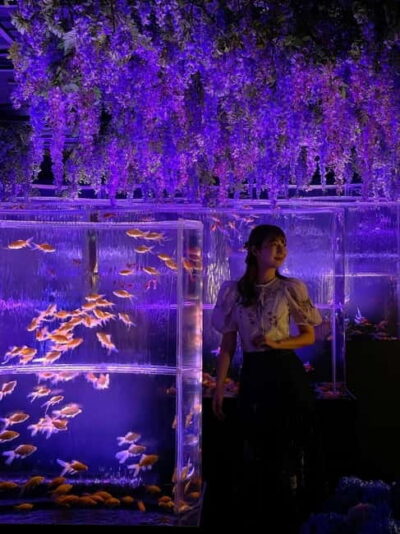

Samurai Sword Experience (Family Friendly)at SAMURAI MUSEUM TOKYO
Read our review →
Samurai Ninja Museum Asakusa: Kid-Friendly Ninja Training
Read our review →Browse the lists this tour appears in