
Reviewed · TEMPLE & SHRINE TOURS
Tokyo Harajuku Walking Tour Meiji Jingu Yoyogi Park and More
Harajuku gives you several very different views of Tokyo in one compact walk: a forest shrine, an open city park, youth fashion, and polished design. I like that this small-group tour keeps the group to nine people, and I like the clear change of mood from quiet Meiji Jingu to the playful shops of Takeshita Street. The main drawback is the fixed three-hour route, which leaves limited time for shopping, eating, or a slow shrine visit.
I also like the 1 p.m. start, since it fits neatly into an afternoon of sightseeing. If your guide is Aska, you may get useful hands-on help with things such as capsule toy shops and Harajuku crepes. Just remember that this is a walking tour, not a food tour or a private shopping session.
In This Review
- Key points at a glance
- Why this Harajuku route works so well
- Starting near Harajuku Station at 1 p.m.
- Meiji Jingu, Tokyo’s quiet opening scene
- Yoyogi Park and a short breath of open space
- Takeshita Street, where Harajuku turns playful
- Omotesando, a polished finish to the walk
- What $42 really gets you
- Who should book this walk
- A practical way to plan your afternoon
- Should you book the Harajuku walking tour?
- FAQ
- How long is the Tokyo Harajuku walking tour?
- What time does the tour start?
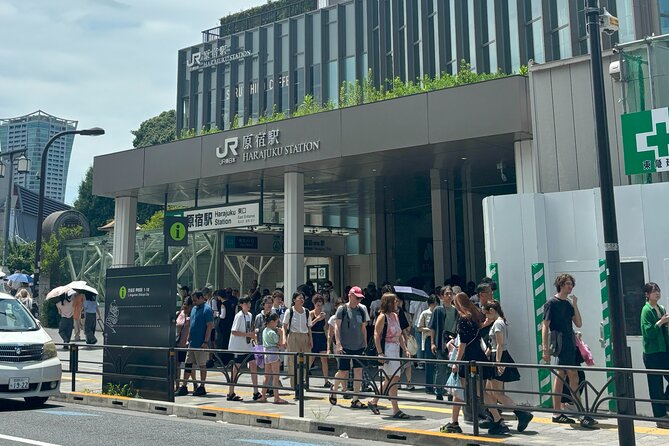
- Where does the tour begin?
- Where does the tour end?
- What places are included?
- Is admission included?
- Is hotel pickup provided?
- How many people can join the tour?
- Can I cancel for a refund?
Key points at a glance
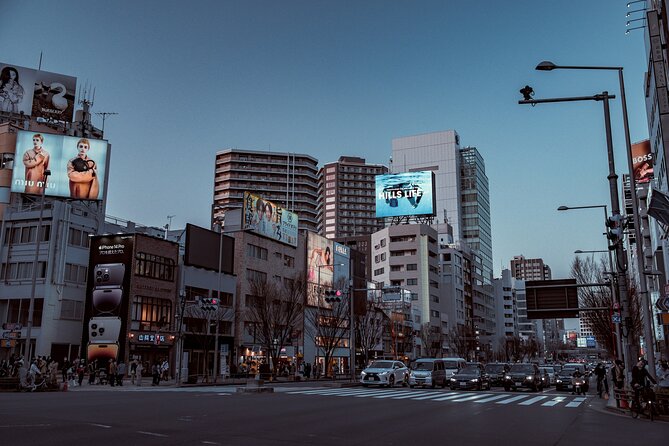
- Four contrasting Tokyo stops: Meiji Jingu, Yoyogi Park, Takeshita Street, and Omotesando show how quickly Harajuku changes character.
- A group capped at nine: The smaller size should make it easier to hear the guide and ask questions.
- A calm start at Meiji Jingu: You begin among trees at one of Tokyo’s best-known Shinto shrines.
- Local help with Harajuku treats: Guide Aska has assisted with capsule toys and pointed visitors toward Sweet Box crepes.
- A practical three-hour format: The tour begins at 1 p.m. near Harajuku Station and finishes on Omotesando Avenue.
- Good value for a first visit: At $42 per person, the tour is priced for orientation, context, and company rather than included food or admission.
Why this Harajuku route works so well
I like Harajuku because it refuses to stay in one category. In a short distance, you can move from a broad shrine approach shaded by trees to a street filled with fashion, sweets, and novelty shops. Then the tone shifts again on Omotesando, where modern buildings and high-end stores replace the youthful energy of Takeshita Street.
That contrast gives this tour a useful shape. You are not simply walking from one attraction to another. You are watching Tokyo change from spiritual retreat to public park, from youth culture to polished shopping district.
The experience lasts about three hours and costs $42 per person. That is fair if you want a guide to explain what you are seeing and keep the route moving. It is less compelling if you are already comfortable finding your way around Harajuku and would rather spend the afternoon shopping at your own pace.
The maximum group size of nine matters here. Harajuku can be crowded, and a large group would be awkward on narrow sidewalks and busy shopping streets. A smaller group also gives you a better chance to ask about shrine customs, local shopping, or what to eat.
More temples and shrines near Tokyo:
- Tokyo: Meiji Shrine, Asakusa, Skytree Bus Tour and Cruise
★ 4.7 · 1,986 reviews - Tokyo: Asakusa Walking Tour with Sensoji Temple Visit
★ 4.8 · 1,583 reviews - Nikko: Kegon Falls, Lake Chuzenji & Toshogu Temple
★ 4.6 · 1,577 reviews
Starting near Harajuku Station at 1 p.m.
The meeting point is Harajuku Station at 1-chōme-18 Jingūmae, in Shibuya. The tour starts at 1 p.m., so you should plan to arrive with enough time to find the meeting spot without rushing. Hotel pickup is not included, and you make your own way to the station.
The afternoon timing has both strengths and limits. It is handy if you spend the morning elsewhere in Tokyo, and it puts you in Harajuku when the shops and snack counters are active. On the other hand, the area may feel busier at this hour, especially along Takeshita Street.
You receive an English-speaking guide for the full three-hour walk. The guide’s role is important because the tour covers four places that you could visit independently, but the meaning and connections are easier to understand with local explanation. You are paying less for admission, since the listed stops are free, and more for structure, context, and help navigating the district.
Meiji Jingu, Tokyo’s quiet opening scene
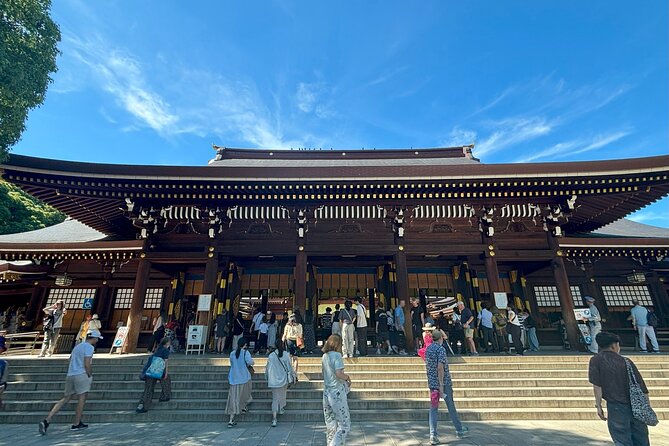
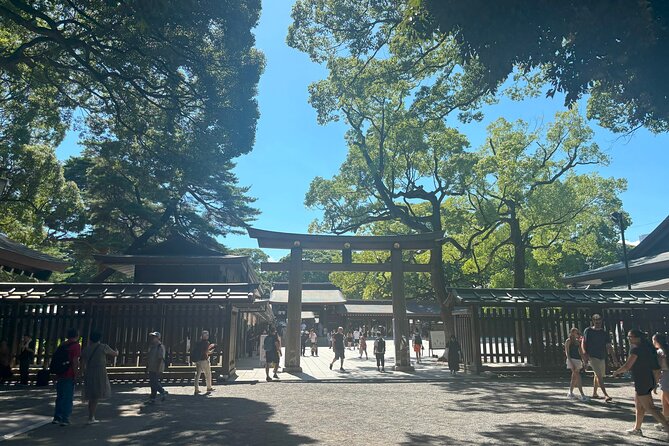
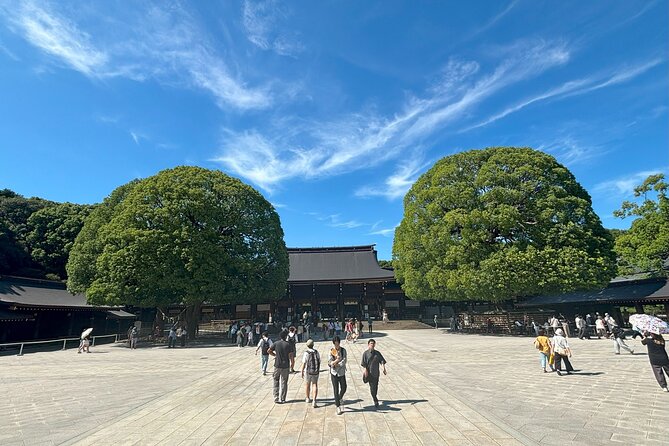
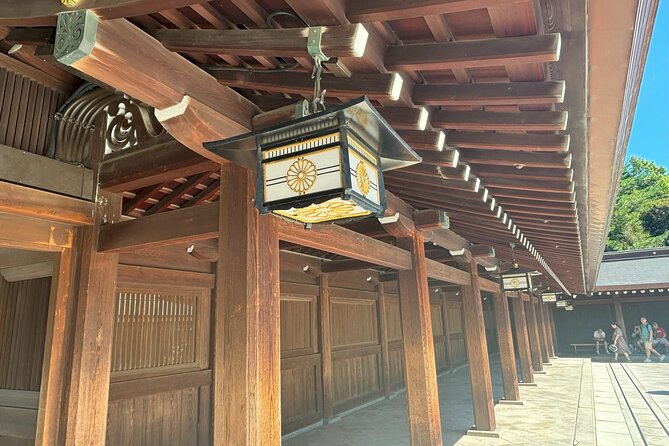
The first stop is Meiji Jingu, one of Tokyo’s best-known Shinto shrines. The setting is the star here. After the station area, you enter a forested space that feels far removed from central Tokyo traffic.
The visit lasts about 45 minutes. That is enough time for an introduction to the shrine’s traditions, purpose, and role as a spiritual place in the city. I appreciate beginning here because it gives you a calmer frame for the rest of the afternoon.
Your guide can explain how to behave respectfully at a Shinto shrine and point out details that are easy to miss when you are walking alone. You can expect the focus to be cultural rather than theatrical. This is a place for observation, quiet, and basic understanding, not a show staged for visitors.
The free admission keeps the cost reasonable, but the shrine visit still has practical demands. You will be walking through a large green setting, and the tour schedule may not allow a long personal pause at every point. If you want extensive time for photographs, private reflection, or a very slow look at shrine details, three hours across four stops may feel brisk.
Still, Meiji Jingu is an excellent first stop. It shows you that Tokyo’s urban identity is not only about shops, screens, and crowds. The city also protects spaces where people come for prayer and ceremony.
Yoyogi Park and a short breath of open space
From Meiji Jingu, the route continues to Yoyogi Park. The planned visit is about 20 minutes, so think of this as a short walk and orientation rather than a full park outing.
Yoyogi Park gives you a chance to notice everyday city life. You can expect trees, open paths, seasonal scenery, and a more relaxed public setting after the formal atmosphere of the shrine. The contrast is useful: Meiji Jingu is a religious site, while Yoyogi Park is a place for ordinary recreation and local activity.
The limited time is the biggest consideration. Twenty minutes is enough to stretch your legs and take in the setting, but not enough to explore the park in depth. If parks are your main interest, you may want to return on your own after the tour.
For most people, though, this short stop works as a reset before Takeshita Street. It prevents the tour from becoming one continuous run of shops and gives the route some breathing room.
More Harajuku wanders:
- Tokyo Go-Kart Tour Shibuya-Harajuku-Shinjuku (*IDP Required)
★ 5.0 · 217 reviews - Tokyo: Guided Go Kart Tour from Harajuku to Shibuya Crossing
★ 4.5 · 166 reviews - Shibuya & Harajuku: Hidden Gems & Highlights Private Tour
★ 4.7 · 139 reviews - Harajuku Kawaii Fashion and Pop-Culture Tour
★ 5.0 · 94 reviews
Takeshita Street, where Harajuku turns playful
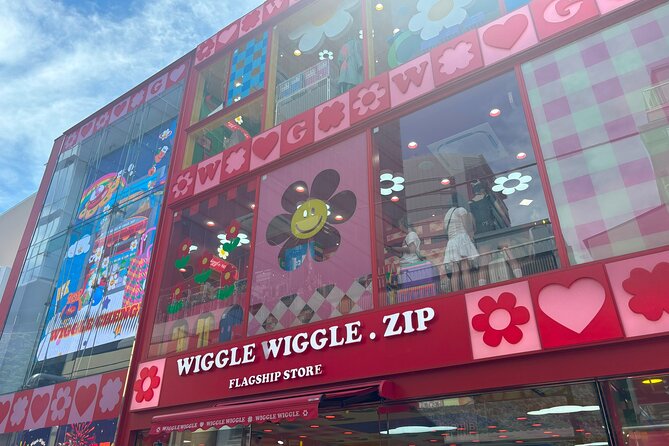
Takeshita Street is the liveliest part of the walk. This narrow shopping street is linked with youth fashion, quirky stores, colorful displays, and casual snacks. The scheduled visit lasts about 30 minutes.
I would treat this stop as a first look, not a serious shopping period. Thirty minutes can help you understand the area and identify places to return to, but it disappears quickly if you stop to browse, take photos, or stand in line for food.
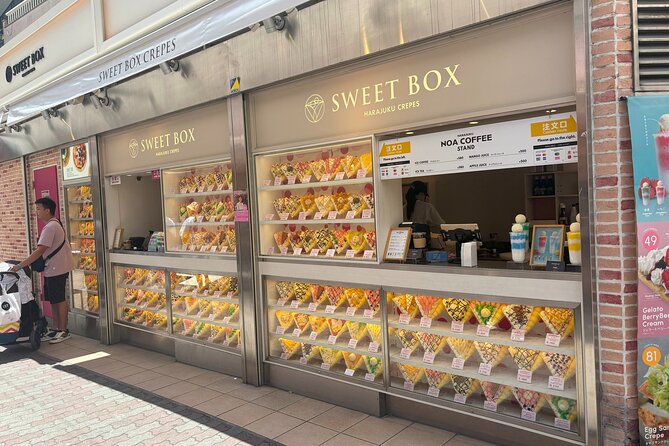
The street is a good place to ask your guide for practical suggestions. Aska, one guide named in the tour material, has helped with capsule toy purchases and recommended crepes from Sweet Box. That kind of assistance can make the stop more useful, especially if you are unsure how the shops work or want to try a classic Harajuku snack without wasting time.
Food and shopping are not included in the $42 price. You should bring money for personal purchases, meals, and drinks. That is not a flaw, but it is worth knowing before you arrive. The tour introduces you to the area, while you pay separately for anything you choose to buy.
Takeshita Street may also be the most demanding section for anyone who dislikes crowds. The energy is part of the appeal, but the sidewalks and shopfronts can feel tight. Keep your group in sight and listen for meeting instructions. The nine-person limit helps, but it does not make a popular shopping street quiet.
Omotesando, a polished finish to the walk
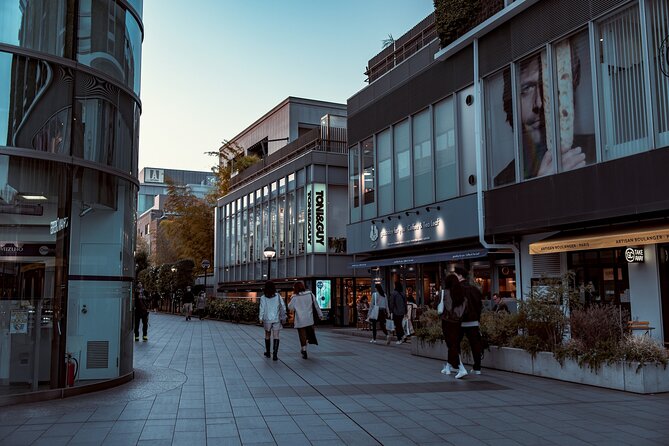
The final stop is Omotesando, a broad avenue known for stylish shopping, modern architecture, boutiques, and cafés. The planned time is about 30 minutes, and the tour ends here.
This is a smart ending because Omotesando gives you choices. You can continue shopping, sit down for a drink, look at the buildings, or make your own way to another part of Tokyo. Unlike a tour that returns you to its starting point, this route leaves you in an area with plenty of ways to continue your afternoon.
The mood differs sharply from Takeshita Street. Here you find a more polished and restrained style, with stores and architecture aimed at design-conscious shoppers. You do not need to buy anything to enjoy the walk. Simply comparing the two streets shows how broad Harajuku’s appeal is.
The tour ends at Omote-Sando Avenue near 4-chōme-12 Jingūmae. Since there is no hotel drop-off, you should plan your next move before the walk finishes. The end point is useful for independent exploring, but it also means you are responsible for arranging your onward transport.
What $42 really gets you
At $42, this is not a bargain-priced sightseeing stroll, since the shrine, park, street, and avenue do not charge admission. The value comes from having an English-speaking guide connect the stops and manage the pace in a small group.
I think the price is reasonable for a first visit to Tokyo, particularly if you want cultural background but do not want a long formal tour. The route is compact, the group is limited to nine, and the mix of locations gives you a useful introduction to Harajuku.
The value drops if you mainly want free time. You will have about 45 minutes at Meiji Jingu, 20 minutes in Yoyogi Park, and 30 minutes at each shopping district, with walking time between them. That schedule is designed for coverage, not detailed exploration.
You should also budget for your own food and purchases. A crepe, capsule toy, café stop, or boutique item costs extra. The guide may point you in a good direction, but this is not an all-inclusive experience.
Who should book this walk
I would recommend the tour to first-time visitors who want an easy introduction to Harajuku without spending hours planning the route. It suits couples, solo visitors, and small family groups who enjoy a mix of culture, nature, shopping, and snacks.
It is also a good fit if you like asking questions. A group of no more than nine should feel more personal than a large coach tour, and a local guide can help explain customs or suggest what to try along the way.
The tour may work well for people with only one afternoon in the area. You see the major themes in a clear order, then finish where you can continue independently.
I would be more cautious if you have limited walking ability, since the experience is a walking tour and the schedule covers several outdoor areas and busy streets. The tour states that most people can participate, and service animals are allowed, but it does not promise a fully step-free route or special mobility arrangements.
Weather is another consideration. The experience requires good weather. If poor conditions cancel it, you can choose another date or receive a full refund. You can also cancel for a full refund if you do so at least 24 hours before the start time. Changes or cancellations within 24 hours are not refunded.
A practical way to plan your afternoon
Arrive at Harajuku Station before 1 p.m. and wear comfortable shoes. You are not covering a huge distance, but the route includes shrine paths, park walking, shopping streets, and time on your feet.
Keep some flexibility after the tour. Takeshita Street receives only about 30 minutes, so you may want to return there for snacks or shopping. Omotesando is the natural place to finish with a café, more browsing, or your next Tokyo stop.
Bring money for personal expenses. Meals, drinks, and shopping are not included, and the guide may introduce you to places worth trying. If you are interested in capsule toys or crepes, ask early enough that the short Takeshita Street stop does not disappear before you get started.
The tour is confirmed at booking, and mobile tickets are available. Group discounts may help if you are booking with several people, although the key benefit remains the small maximum group size.
Should you book the Harajuku walking tour?
Book it if you want a well-shaped first look at Harajuku, with a local guide, a small group, and a good balance of shrine culture, greenery, youth fashion, and modern shopping. The route is easy to understand, and the finish on Omotesando gives you room to continue on your own.
Skip it if you already know the district or want to spend most of the afternoon shopping. The 30-minute Takeshita Street and Omotesando visits are introductions, not leisurely retail sessions.
For many first-time visitors, $42 is a fair price for saving planning time and getting useful local help. The chance to visit Meiji Jingu, Yoyogi Park, Takeshita Street, and Omotesando in one afternoon makes this a practical choice, as long as you accept the brisk pace and extra costs for food and purchases.
FAQ
How long is the Tokyo Harajuku walking tour?
The tour lasts approximately three hours.
What time does the tour start?
The tour starts at 1 p.m. local time.
Where does the tour begin?
It begins at Harajuku Station, at 1-chōme-18 Jingūmae, Shibuya, Tokyo 150-0001, Japan.
Where does the tour end?
The tour ends on Omote-Sando Avenue near 4-chōme-12 Jingūmae, Shibuya, Tokyo. You are free to continue exploring Omotesando afterward.
What places are included?
The route includes Meiji Jingu Shrine, Yoyogi Park, Takeshita Street, and Omotesando.
Is admission included?
The listed stops have no admission charge. Personal expenses, meals, and beverages are not included.
Is hotel pickup provided?
No. Hotel pickup is not included, so you need to reach the Harajuku Station meeting point yourself.
How many people can join the tour?
The group has a maximum of nine participants.
Can I cancel for a refund?
Yes. You can cancel up to 24 hours before the start time for a full refund. Cancellations or changes made less than 24 hours before the start time are not refunded. If poor weather cancels the experience, you can choose another date or receive a full refund.
More Walking Tours in Tokyo
- Tokyo Tsukiji Fish Market Food and Culture Walking Tour
★ 5.0 · 3,184 reviews - Tokyo: Imperial Palace and Shogun Historical Walking Tour
★ 5.0 · 2,251 reviews - Tokyo: Shinjuku Local Bar and Izakaya Guided Walking Tour
★ 4.9 · 1,794 reviews - Tokyo: Tsukiji Fish Market Food and Walking tour
★ 5.0 · 1,724 reviews
New on our Tokyo list
- Hakone Hachiri: Old Tokaido Highway Hiking Half-day tour★ 5.0 · 3 reviews
- Tokyo:Calligraphy & Zen Mindful Journey+Take Home Memory★ 5.0 · 3 reviews
- Private Samurai Sword Experience★ 5.0 · 3 reviews
- Tokyo:Cherry Blossom Mt Fuji & Shibazakura Festival Day Trip★ 4.4 · 3 reviews
- Private Tokyo’s Famed Tsukiji Fish Market Tour★ 5.0 · 3 reviews
- Dive into Tsukiji Fish Market Walking Friendly Food Tour★ 5.0 · 3 reviews
- Tokyo Private Transfer for Yokohama Cruise Port★ 5.0 · 3 reviews
- Tokyo Bay: Scenic Skyline Go-Kart Tour (120 Minutes)★ 5.0 · 3 reviews
Temple & Shrine Tours, compared.
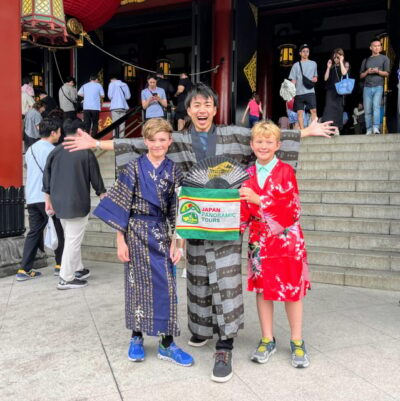
Meiji Shrine, Asakusa, Skytree Bus Tour and Cruise
Read our review →
Asakusa Walking Tour with Sensoji Temple Visit
Read our review →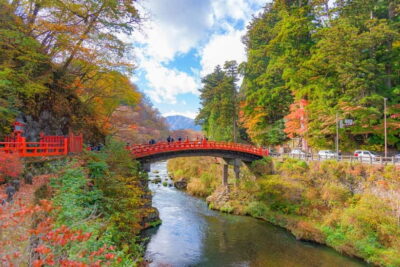
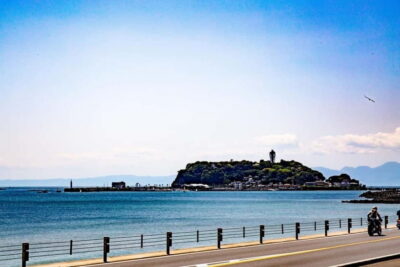
Kamakura & Enoshima Day Trip including Temple Tickets
Read our review →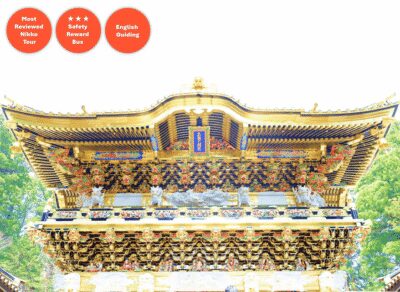
Nikko Toshogu Shrine and Kegon Waterfall Tour
Read our review →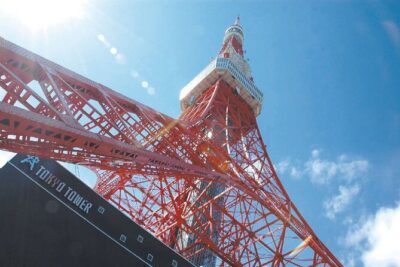
Tokyo Panoramic 1 Day: Meiji Shrine, Asakusa, Odaiba and SKYTREE®
Read our review →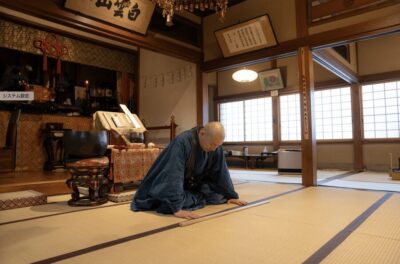
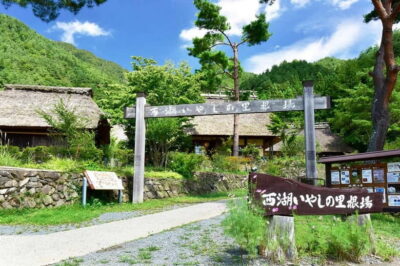
Mt. Fuji Heritage Tour: Traditional Villages, Lakes & Shrine
Read our review →Browse the lists this tour appears in