
Reviewed · HIKING & TREKKING
Shizuoka : Mt Fuji Secret Canyon River Trekking
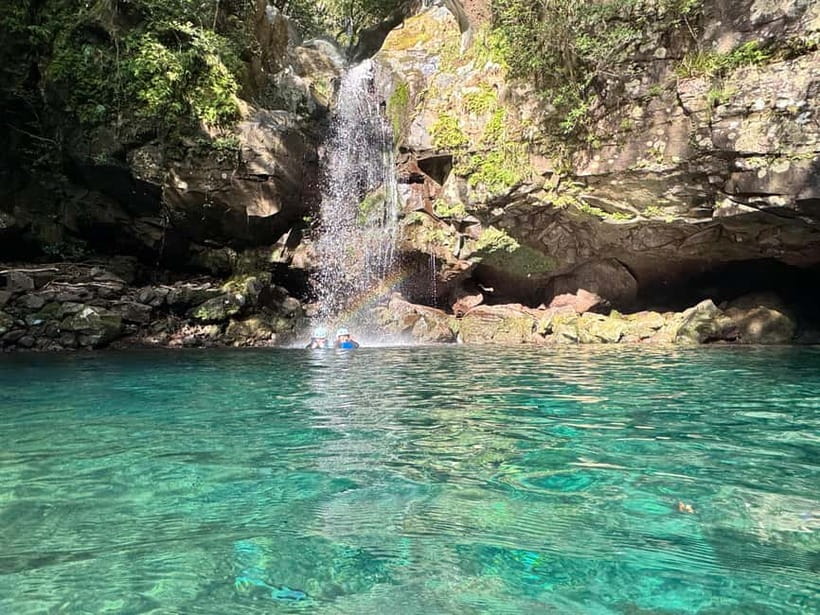
The best part of this Mt. Fuji outing is not a viewpoint or a crowded sightseeing stop. It is the chance to follow clear headwater streams through a mysterious lava canyon, then reach a waterfall that is accessible only by walking, swimming, and scrambling over rock. You get a hands-on nature experience rather than another quick photo stop.
I like two things right away: the included spa visit makes the wet adventure easier to manage, and the guide takes photos while you leave your phone safely behind. The main caution is water level and weather. Heavy rain can make the river unsafe, and the tour closes during Japan’s winter months.
In This Review
- Key points at a glance
- Following Mt. Fuji’s water into the canyon
- What the four-hour route feels like
- The lava canyon is the main event
- Tetsuya’s role makes the day easier
- The spa changes the value calculation
- Who should book this Mt. Fuji adventure
- Timing, seasons, and weather decisions
- What to bring and what to leave behind
- Is the secret canyon trek worth $119?
- FAQ
- Where does the tour meet?
- What time does the tour meet?
- How long does the experience last?
- What age can join the river trek?
- What activities are included in the canyon?
- What should I bring?
- Are equipment and photos included?
- Can I store valuables and change clothes?
- What happens if bad weather makes the tour unsafe?
Key points at a glance
- A 1.6-kilometer river route: Walk, swim, and climb through a lava canyon beneath Mt. Fuji.
- Optional canyoning thrills: Depending on water conditions, you can jump from rocks 1 to 4 meters high and use natural water slides.
- Ages nine and up: The route is designed for families, with alternatives offered for different comfort levels.
- Tetsuya as your guide: He meets you at Shin-Fuji Station, handles the equipment, and communicates in English.
- Photos and spa access included: Download tour photos, use a locker, change clothes, and bathe afterward.
- Weather matters: Tours run seasonally and may be canceled or changed after heavy rain, storms, or other bad weather.
Following Mt. Fuji’s water into the canyon
The tour begins at Shin-Fuji Station, the practical gateway on the Shinkansen line. Meet in front of the ticket gate exit at 9:00 a.m. There is only one exit, which removes the usual station puzzle of wondering which way to go.
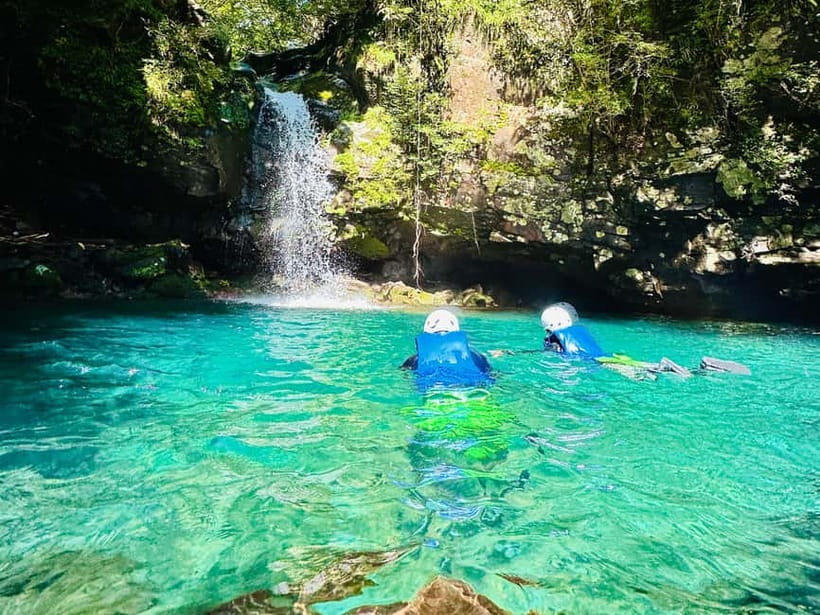
From there, guide Tetsuya takes charge of the day. His role is more than pointing toward the river. He collects the group, helps with the change of clothes, supplies clean river suits, helmets, and life jackets, and adjusts the activity to suit different abilities. Several people who joined his tours appreciated his warm manner and the care he took with photos and small comforts, including local green tea.
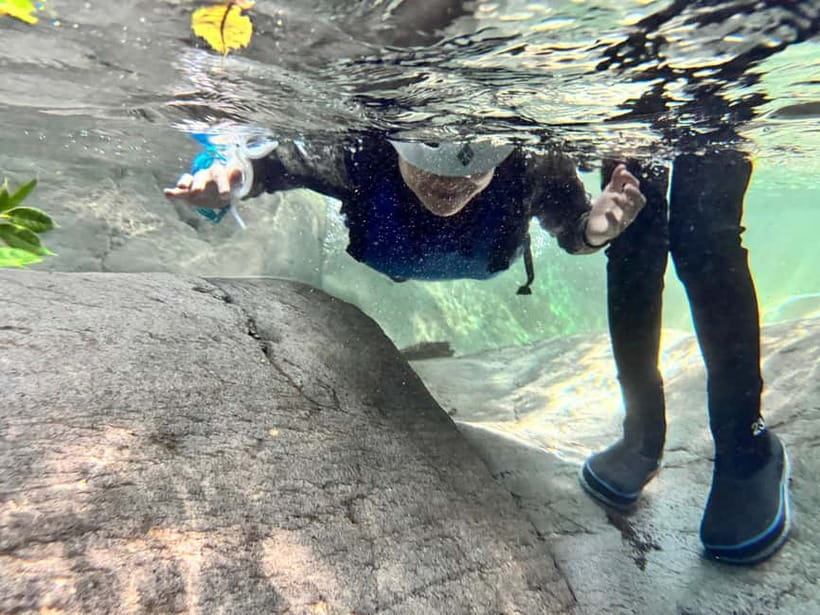
The canyon itself is shaped by volcanic water and lava from the Mt. Fuji area. You are not simply walking beside a stream. The route asks you to enter the water, cross natural pools, climb sections of rock, and make your way along a 1.6-kilometer round trip.
That distance sounds modest, and it is. The challenge comes from the surface, not the mileage. Wet rock, cold water, and uneven footing make the outing feel active without requiring advanced technical skill. The supplied description calls it a natural outdoor athletic activity, but the basic movements are simple: swimming, walking, and climbing.
More Mt Fuji days from Fujinomiya:
- Tokyo: Mt. Fuji 5th Station & Hakone Cruise 1-Day Bus Tour
★ 4.2 · 2,381 reviews - Tokyo: Mount Fuji 5th Station & Onsen Day Trip
★ 4.3 · 75 reviews - Mt. Fuji Drive Tour (Includes Visit to Local Speedway)
★ 5.0 · 19 reviews
What the four-hour route feels like
Plan on roughly four hours from meeting up to finishing at the affiliated facilities. The exact rhythm depends on the group, the river, and the water level. The route may include calm stretches where you can appreciate the canyon walls, followed by short sections that require more effort.
You will wear the provided river equipment and carry on through the stream. Since phones are not brought into the canyon, you can concentrate on footing, water, and the people around you. That also means the guide’s camera matters. Photos are taken during the outing and made available for free download afterward.
The route leads toward a secluded waterfall. Reaching it is part of the reward. This is not a roadside waterfall with a railing and a sign. You get there by taking the river route, which makes the stop feel earned.
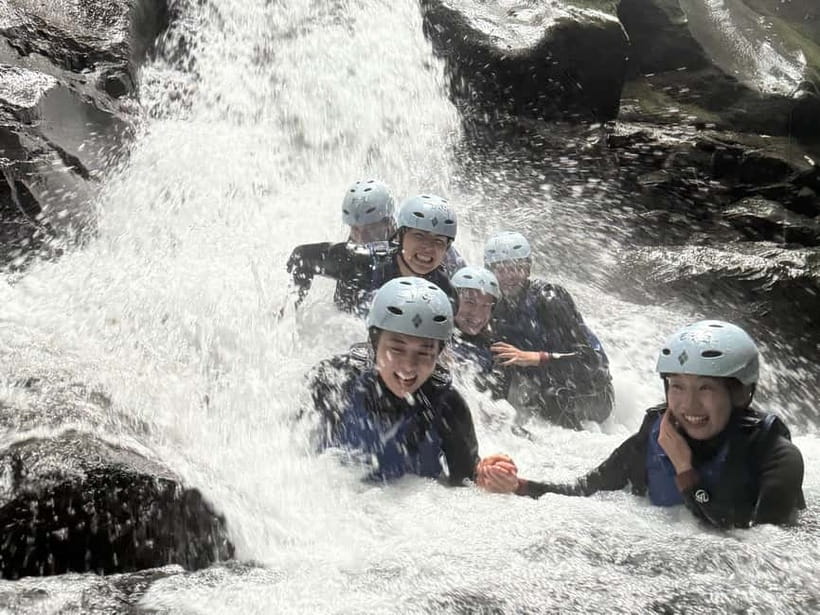
Depending on conditions and the group’s comfort, the canyoning elements can include rock jumps from 1 to 4 meters and water slides. These are not guaranteed in exactly the same form on every departure. Water level affects what is safe and possible, so you should view them as optional features rather than promises of a fixed obstacle course.
That flexibility is a real plus for a family group or mixed-ability party. One person may want the higher jump, while another may choose a lower route or skip it. Tetsuya has been described as offering alternatives at different points, which helps keep the outing fun instead of turning it into a test of nerve.
The lava canyon is the main event
The canyon’s appeal comes from its combination of geology and activity. Mt. Fuji is often seen from a distance, framed by lakes, fields, or city streets. Here, you experience the mountain through its water and volcanic rock.
The headwater streams are clean and cold, and the natural pools provide places to swim. The lava gives the route its unusual shape and texture. You may find yourself moving through a narrow rock passage one moment and floating or wading through an open pool the next.
I like this kind of outing because it changes your sense of scale. A famous mountain can become a postcard image, but a small canyon makes you pay attention to the details right in front of you: the flow of the water, the grip of your shoes, the next handhold, and the sound of the waterfall.
Still, this is not a gentle nature walk. If you dislike cold water, slippery rock, or getting fully wet, you may find the central part of the tour tiring. The activity is family-friendly from age nine, but that does not mean it is effortless. You need to be comfortable with basic swimming and scrambling in an outdoor setting.
Tetsuya’s role makes the day easier
The guide can make or break an active tour, and Tetsuya appears to be a major strength here. He meets you at the station, organizes the transfer to the activity area, provides equipment, explains the route, and stays attentive during the canyon portion.
English is offered, and Tetsuya has communicated in English with international participants. The available information does not promise a particular group size, so ask if that detail matters to you before booking. A smaller group can feel more relaxed in the canyon, while a larger one may mean more waiting at jumps or narrow sections.
The photos are especially useful. You cannot safely carry a phone through the river, so the guide becomes the day’s photographer as well as its safety lead. The photos can preserve the moments that are hardest to describe later: a jump, a swim, or a group making its way through the rocks.
Tetsuya has also shown flexibility when the river could not be used. After a wet week made the trek unsafe, he took one group to two waterfalls, a cave beneath Mt. Fuji, a local restaurant for yakisoba, and a tea field where they picked tea and ate it tempura-style. A tea master prepared several kinds of tea. That alternative is not the standard route, but it shows that a weather cancellation may become a different local day rather than a simple disappointment.
More trails within reach of Fujinomiya:
- Full Day Hiking Tour at Mt.Takao including Hot Spring
★ 5.0 · 52 reviews - Hike Hakone Hachiri
★ 5.0 · 48 reviews - Hike Japan Heritage Hakone Hachiri with certified mountain guide
★ 5.0 · 46 reviews - Traverse Outer Rim of Hakone Caldera and Enjoy Onsen Hiking Tour
★ 5.0 · 30 reviews
The spa changes the value calculation
At $119 per person, this is not a cheap station-side activity. Yet the price includes several items that would otherwise add cost and hassle: a local guide, river equipment, insurance, photos, access to changing facilities, a valuables locker, and a spa ticket.
The spa is more than a decorative extra. After spending time in cold water, you can change clothes, bathe, and eat at the affiliated facilities. Food and drinks are not included, so budget separately for anything you want to order there.
You can leave valuables in the lockers, and luggage such as spare clothes is kept in a locked changing area. That lets you travel to the meeting point without worrying about carrying a camera, passport, or extra bags through the canyon.
One particularly useful detail is that the spa is tattoo-friendly, according to the experience information from the day. That can remove a common source of uncertainty for visitors who want to use a Japanese bathing facility. You should still follow the facility’s own rules, but this is a helpful feature to confirm before you go.
Taken together, the spa and photo package make the price easier to justify. You are paying for a guided outdoor activity, not only access to a river. The value is strongest if you want a full half-day plan and would otherwise need to arrange changing space, equipment, photography, and a bath yourself.
Who should book this Mt. Fuji adventure
This tour suits you if you want to get active, enjoy natural settings, and do something different from the usual Mt. Fuji lookout. It works especially well for families with children aged nine or older, couples who like outdoor activities, and small groups that want a shared challenge.
You do not need special canyoning skills. The core activities are swimming, walking, and climbing, and the more dramatic jumps and slides depend on conditions and personal choice. That makes the outing approachable for people with little experience in organized outdoor sports.
You should think twice if you have a heart condition, epilepsy, are pregnant, or are over 70. The activity is also not suitable for anyone taller than 200 centimeters or heavier than 100 kilograms, according to the stated limits. Children under nine cannot join.
The canyon can also be a poor match if you want a dry, quiet sightseeing trip. The water is central to the experience. Bring swimwear and a towel, and expect to change into supplied river gear before entering the route.
Timing, seasons, and weather decisions
The standard meeting time is 9:00 a.m. at Shin-Fuji Station. If that is difficult, contact the provider in advance rather than assuming a later arrival will work. Missing the meeting or failing to show up is non-refundable.
The tour closes from November through April during Japan’s winter months. If you are visiting during that period, an E-bike cycling tour is suggested as an alternative. The river outing is therefore best planned for the warmer operating season, when getting wet is part of the fun rather than a serious discomfort.
Rain deserves special attention. Heavy rain and storms can raise the river and make the canyon dangerous. The provider can cancel for bad weather, with a full refund, or offer a different program if the original activity cannot run.
This policy is reassuring, but it also means you should keep some flexibility in your Mt. Fuji plans. Do not schedule a tight connection or an important evening reservation immediately afterward. The tour is four hours in duration, and weather-related changes can affect the shape of the day.
You can cancel for a full refund up to 24 hours in advance, and the reserve-now, pay-later option helps if your Japanese plans are still taking shape. Those policies are useful, but they do not protect a no-show, so set a clear reminder for the meeting time.
What to bring and what to leave behind
Bring only the practical basics:
- Swimwear
- A towel
- Spare clothes, if you want a fresh outfit after the river
You can use the affiliated facility’s changing area and locker for valuables. Since phones are not carried into the canyon, you do not need to worry about waterproof cases or taking your own action camera.
Do not bring alcohol or drugs. The activity involves water, rock, and physical movement, so arriving rested and clear-headed is essential.
Wear the supplied equipment as instructed. Clean suits, helmets, and life jackets have been provided for participants, and the guide handles the preparation. The equipment reduces the need to purchase or pack specialist gear, one reason this is easier to add to a Japan trip than a fully self-arranged canyon excursion.
Is the secret canyon trek worth $119?
I would book this if you want a memorable Mt. Fuji activity that combines nature, light adventure, and a comfortable finish. The free photos and included spa access are meaningful extras, especially when you cannot use your own phone in the canyon.
I would not book it if your priority is a guaranteed waterfall visit under fixed conditions, a dry walk, or a completely predictable schedule. The river changes with the weather, and the jumps and slides depend on water level.
For most suitable participants, the strongest case is the complete package. Tetsuya meets you at an easy station location, supplies the gear, guides you through a volcanic canyon, records the day with photos, and sends you to a bath afterward. If rain cancels the trek, the alternative program can still include waterfalls, a cave, local food, and tea culture.
Book this when you want to feel Mt. Fuji through water and rock rather than only admire it from a distance. Just check the season, respect the physical limits, bring a towel, and leave room in your schedule for the river to make the final call.
FAQ
Where does the tour meet?
Meet in front of the ticket gate exit at Shin-Fuji Station, the Shinkansen station. It has only one exit.
What time does the tour meet?
The stated meeting time is 9:00 a.m. If that time is difficult, contact the provider in advance.
How long does the experience last?
The tour lasts four hours.
What age can join the river trek?
Children aged nine and older can join. Children under nine are not permitted.
What activities are included in the canyon?
The route includes walking, swimming in natural pools, and climbing over lava rock. Depending on water levels, it may also include rock jumps from 1 to 4 meters and water slides.
What should I bring?
Bring swimwear and a towel. Spare clothes are also useful for changing after the river activity.
Are equipment and photos included?
Yes. The guide provides the necessary river equipment, and photos taken during the tour are available for free download.
Can I store valuables and change clothes?
Yes. You can use lockers for valuables and change clothes at the affiliated facilities.
What happens if bad weather makes the tour unsafe?
The provider may cancel because of heavy rain, storms, or other bad weather. A canceled tour receives a full refund, and it may be possible to change to another program.
New on our Fujinomiya list
- Fun Canyoning Activity at the bottom of Mt. Fuji★ 5.0 · 3 reviews
- Mount Fuji Pvt. Full Day Trip with English-Speaking Driver★ 5.0 · 3 reviews
- From Tokyo: Mt. Fuji, Hakone, Owakudani & Lake Ashi Bus Tour★ 5.0 · 4 reviews
- Shizuoka : Private Adventure E-bike Tour around Mt Fuji★ 5.0 · 4 reviews
- Samurai Swordsmanship and Sound Meditation in nature★ 5.0 · 5 reviews
- From Tokyo: Mount Fuji or Hakone+Gotemba Outlet Day Tour 10H★ 5.0 · 5 reviews
- Mount Fuji E-Bike Tour: Explore Nature and History★ 5.0 · 7 reviews
- Private Fuji Full-day Car Tour with Hotel Pickup -Local Guide★ 5.0 · 12 reviews
Hiking & Trekking, compared.
Full Day Hiking Tour at Mt.Takao including Hot Spring
Read our review →

Hike Japan Heritage Hakone Hachiri with certified mountain guide
Read our review →
Traverse Outer Rim of Hakone Caldera and Enjoy Onsen Hiking Tour
Read our review →
Hakone Hachiri: Old Tokaido Highway Hiking Tour
Read our review →
Private Local Hiking to enjoy the nature and culture of Mt.Fuji
Read our review →
Browse the lists this tour appears in