Reviewed · MT FUJI AREA TOURS
Fun Canyoning Activity at the bottom of Mt. Fuji
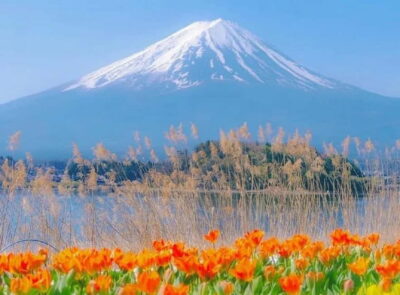
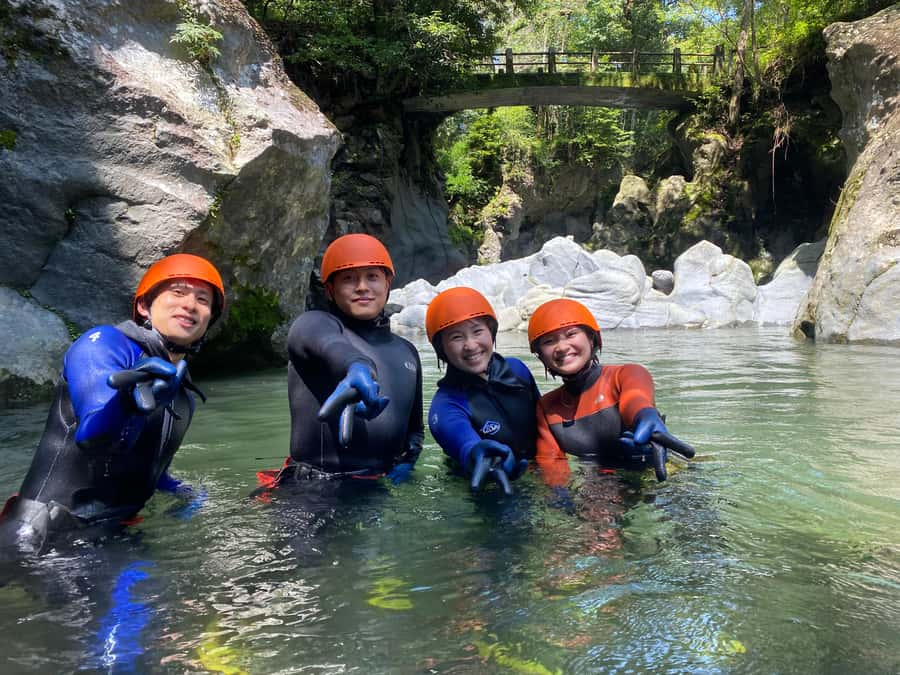
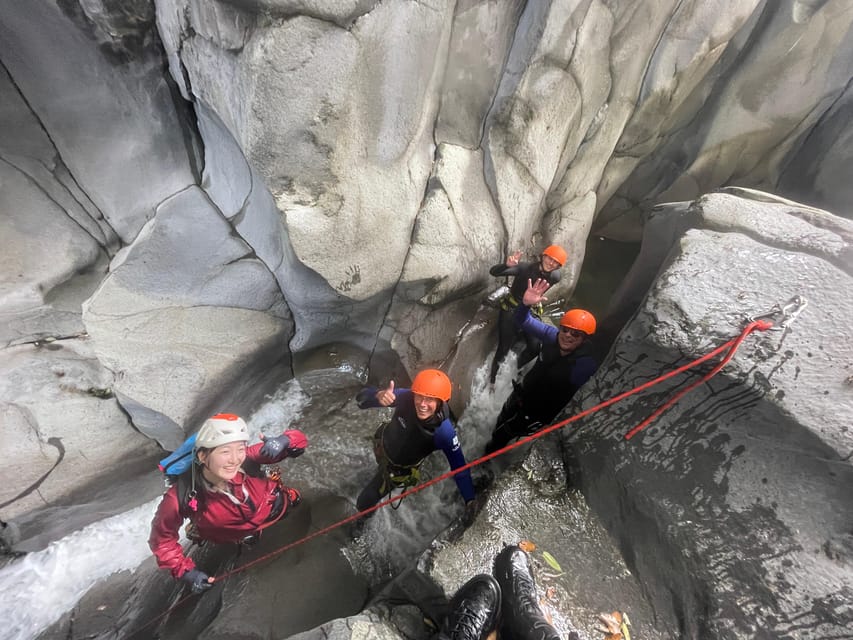
Mt. Fuji supplies the backdrop, but the real attraction is under your feet: a natural lava gorge shaped into pools, slides, jumps, and rope sections. You spend about three hours moving through cold water and dark volcanic rock, with two trained guides teaching each technique as you go.
I like the beginner-friendly pace and the fact that the price includes a full set of gear plus an onsen bath afterward. I also like the personal feel of a small group, with guides such as Yuki and Sami praised for calm, careful instruction. The main catch is simple: canyoning is an outdoor sport, and strong rain can make water levels unsafe. You need to feel comfortable in water, have reasonable fitness, and accept a little height and cold.
In This Review
- Key points before you book
- What canyoning near Mt. Fuji actually involves
- A three-hour route built around small challenges
- Why the volcanic setting makes this different
- A good first canyoning trip, with real limits
- How the guides shape the day
- Is $130 a fair price?
- Practical planning for your Fuji day
- Who should book it?
- FAQ
- How long does the canyoning activity last?
- Where does the activity meet?
- Is canyoning suitable for first-timers?
- Do I need to be a strong swimmer?
- What equipment is included?
- Can children or pregnant women join?
Key points before you book
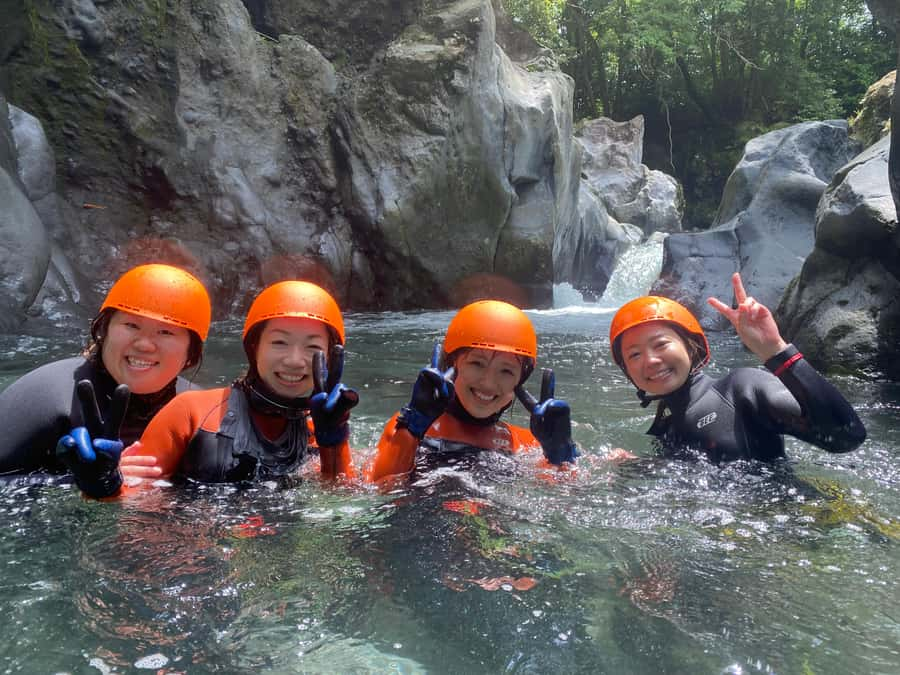
- Three hours in a Fuji lava gorge: Expect natural pools, water chutes, jumps, and a rappel section rather than a simple riverside walk.
- Designed for first-timers: You receive a technique lesson before entering the gorge, and no advanced canyoning background is required.
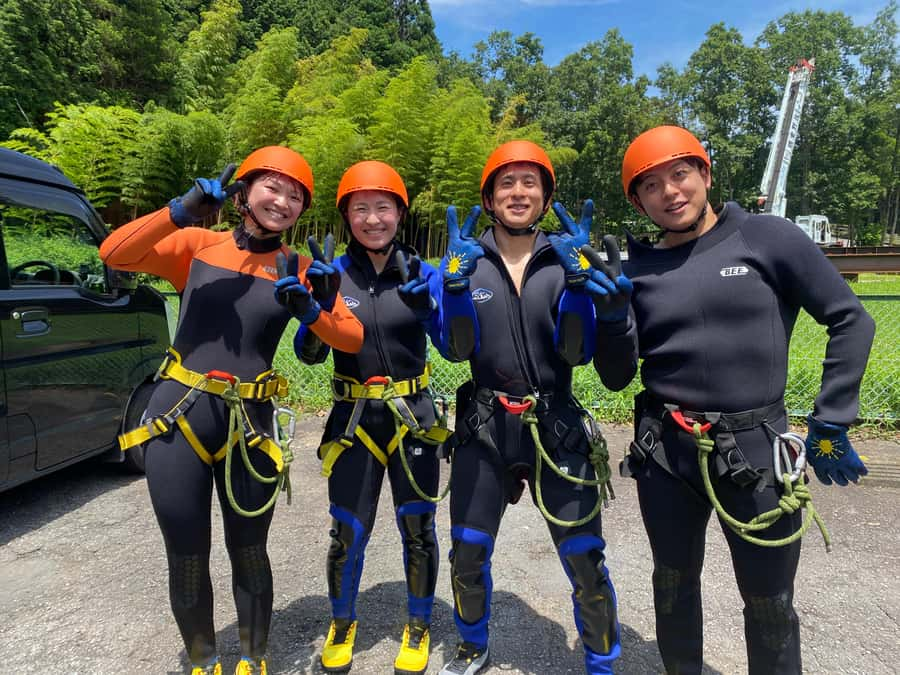
- All major safety gear is supplied: Wetsuit, socks, shoes, gloves, helmet, harness, carabiners, and ropes are included.
- A useful onsen finish: Your booking includes a free ticket for an onsen spa bath, a welcome reward after time in cold water.
- Seasonal access: Tours run from April through the end of November, with cancellations possible after prolonged heavy rain.
- Easy meeting options: Pickup is available from JR Iwanami Station and Misyukushimo Bus Stop, or you can meet by car at Keigashima parking lot.
What canyoning near Mt. Fuji actually involves
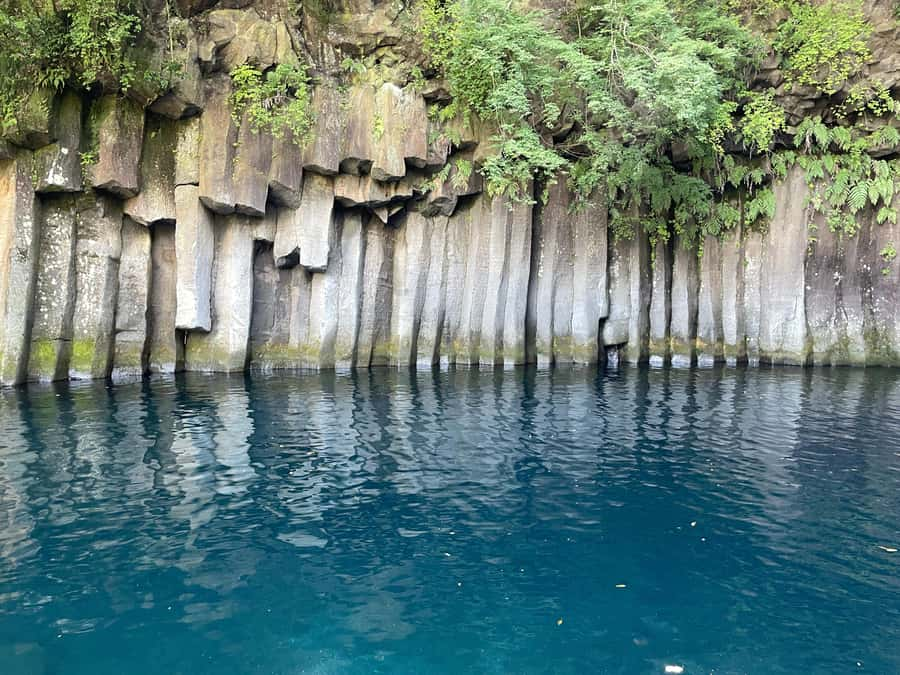
Canyoning is not sightseeing from a dry path. You enter the gorge and use the river itself as your route, moving through water, over rock, and down natural formations. Here, the volcanic setting gives the outing its character. Mt. Fuji’s old lava flows created hard, dark channels that water has shaped into a series of playful obstacles.
You might jump into a natural pool, slide down a smooth water chute, or lower yourself by rope into a deeper section. The route also includes short sections where you move through the gorge on foot. The supplied details do not promise a fixed number of jumps or a specific height, so you should think of this as a guided sequence of challenges rather than a timed thrill ride.
That distinction matters. You are not simply paying for an adrenaline hit. You are paying for access to a natural place that would be difficult to visit safely on your own, plus instruction, equipment, and supervision. The guides decide how to handle each feature based on water conditions and the group’s ability.
The scenery is quiet and elemental: lava rock, flowing water, and a narrow gorge close to Mt. Fuji. It offers a very different way to see the Fuji area. You may not have a clear view of the mountain during every part of the activity, since the gorge itself is the focus, but the volcanic setting connects the outing to the region in a direct way.
More Mt Fuji days from Fujinomiya:
- Tokyo: Mt. Fuji 5th Station & Hakone Cruise 1-Day Bus Tour
★ 4.2 · 2,381 reviews - Tokyo: Mount Fuji 5th Station & Onsen Day Trip
★ 4.3 · 75 reviews - Mt. Fuji Drive Tour (Includes Visit to Local Speedway)
★ 5.0 · 19 reviews
A three-hour route built around small challenges
The outing begins at the designated meeting point. Plan to arrive five minutes before the start time, not at the exact minute. By car, you can park at Keigashima parking lot. By public transport, pickup is available from JR Iwanami Station or Misyukushimo Bus Stop.
At the start, you change into the provided equipment. You need to bring your own swimwear, towel, and beachwear. Changing tents are available, and dry clothes can remain in a basket on the tour vehicle. Valuables should be handed to the guide for safekeeping rather than carried into the gorge.
The equipment list is generous. You receive a wetsuit and socks, shoes, gloves, helmet, harness, carabiners, and ropes. One detail worth noting is that gloves appear twice in the supplied equipment information, but the practical point is clear: you are not expected to arrive with specialist canyoning kit.
Before entering the water, the guides give a short lesson covering basic technique and general rules. This is one of the most important parts of the morning. Beginners often worry about the first jump or the rope section, but a clear demonstration lets you see how to position your body and follow instructions before the real route begins.
Once inside the gorge, the pace is active but not presented as a race. You progress from one feature to the next, with the guides helping you decide how to approach the pools, slides, jumps, and rappel. If a section feels too high or awkward, speak up early. The activity is intended for first-timers, but that does not mean every feature will feel effortless.
The rope work is especially useful for understanding what canyoning adds beyond ordinary river play. You use a harness and rope device to lower yourself into a pool, with the guides managing the technical side. You still need to listen and follow directions, but you do not need to arrive knowing how to rappel.
Why the volcanic setting makes this different
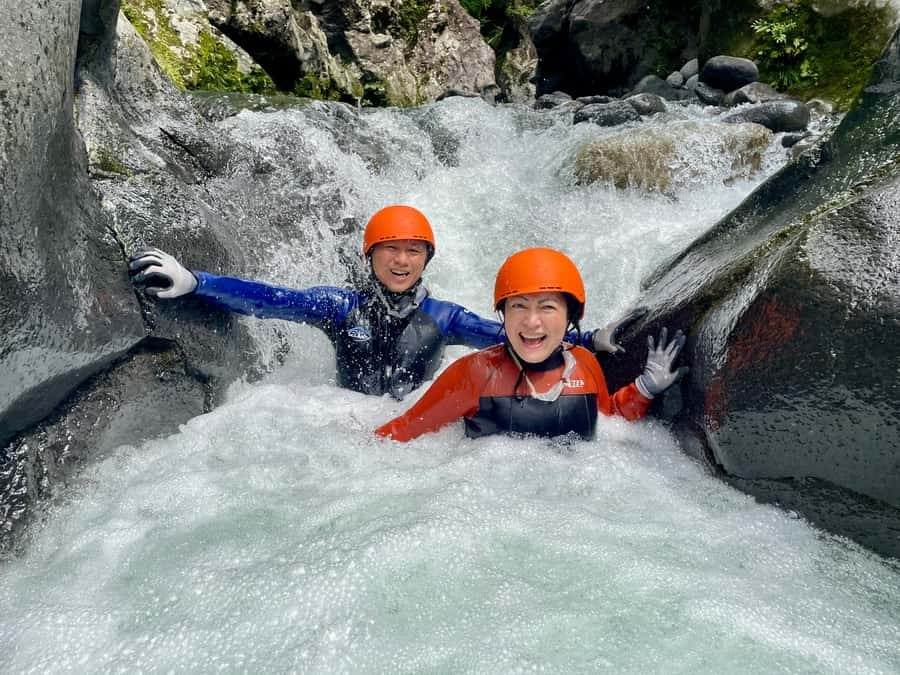
Many outdoor water activities could include a jump or a slide. The Fuji area adds a stronger sense of place. You are moving through a gorge formed by volcanic rock, close to one of Japan’s most recognizable mountains. The scenery is not decorative background. It shapes the route and gives the activity a physical connection to Mt. Fuji.
I like this kind of outing because it makes you notice the ground beneath a famous destination. At a shrine or lookout, you admire Fuji from a distance. In this gorge, you encounter the effects of the mountain’s volcanic past at close range, through rock walls and water-worn channels.
The natural setting also means conditions can change. Rain does not automatically stop the tour, since you will get wet anyway. But after a long period of strong rain, water levels may rise to a dangerous point and the outing is suspended. That policy is sensible, though it means you should keep a little flexibility in your Fuji-area plans.
The activity runs from April through the end of November. That gives you a long seasonal window, but the water can still feel cold, which is why the wetsuit matters. The included onsen ticket is more than a minor extra. After three hours in mountain water, a hot bath can turn the end of the outing into a comfortable one rather than a scramble to warm up.
A good first canyoning trip, with real limits
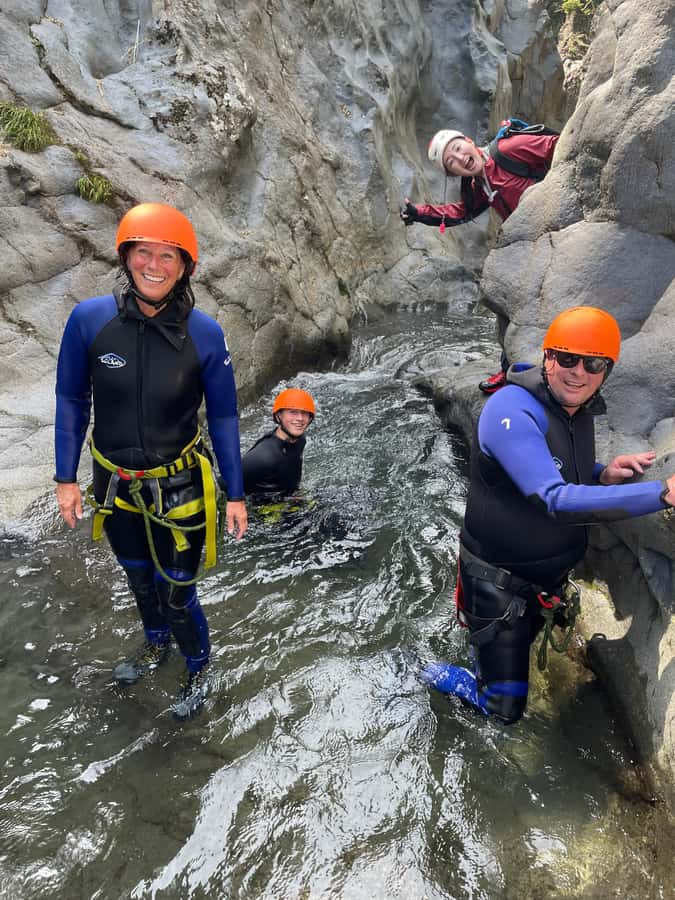
You do not need perfect swimming skills. You do need to feel confident in water. The tour states that there are no long distances to swim, so the challenge is more about staying calm, following directions, and handling short water sections than swimming a course.
You also need a reasonable level of fitness. Canyoning involves moving through uneven natural terrain, wearing equipment, and repeating physical actions for several hours. The activity is open to families, couples, and friends, but it is not suitable for children under 10 or pregnant women.
A good head for heights helps, especially around jumps and the rappel. You can be a complete beginner and still take part, but you should not treat the beginner label as a promise that you will never feel nervous. The guides can teach technique. They cannot remove your personal reaction to cold water, heights, or uncertain footing.
The safety information is refreshingly direct: nature is not completely safe. Two highly trained professional guides accompany the group, but no outdoor activity can remove every risk. You should listen closely during the briefing, tell the guides about concerns, and judge your own comfort honestly.
For a first canyoning outing, I would choose this over an advanced route. The beginner course is designed to let you learn the basics without needing prior experience. If you already canyon regularly or want a more technical challenge, an advanced Fuji canyoning tour is recommended instead.
Same corner of Fujinomiya, a completely different plan:
- Halfway Up Mt,Fuji, Oshino Hakkai, Kawaguchiko from Tokyo
★ 3.6 · 13 reviews - Private Fuji Full-day Car Tour with Hotel Pickup -Local Guide
★ 5.0 · 12 reviews - Mount Fuji E-Bike Tour: Explore Nature and History
★ 5.0 · 7 reviews - Shizuoka : Mt Fuji Secret Canyon River Trekking
★ 5.0 · 6 reviews
How the guides shape the day
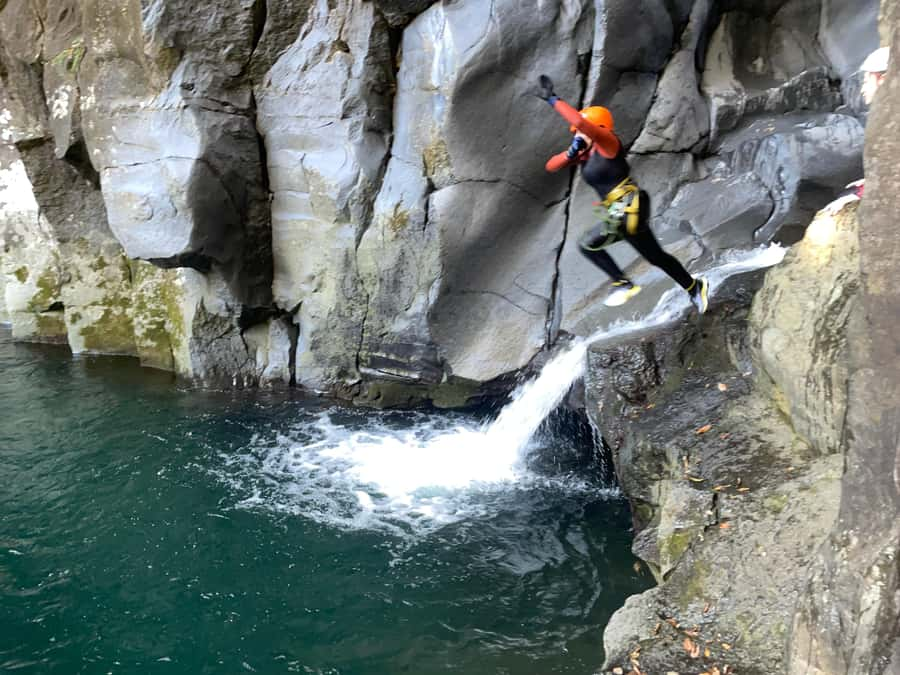
Good guiding matters more here than it does on a standard walking tour. You are dealing with water, ropes, slippery rock, and changing conditions, so clear communication is part of the experience itself.
Yuki and Sami are named among the guides associated with the outing. The strongest feedback about them focuses on being calm, well prepared, polite, thoughtful, and attentive. Those are exactly the traits I would want in a canyoning guide. A loud or hurried instructor might make a simple jump feel needlessly stressful.
The guides also adjust the activity to a beginner’s ability. That does not mean the route becomes passive. You still get the jumps, pools, slides, and rope work, but the instruction and pace are adapted to the people in the group.
Photos and videos are taken during the activity with a GoPro and a waterproof iPhone Pro. If you use an iPhone, the files can be sent by AirDrop immediately after the tour. Android users receive a Google Drive link after the evening of the tour, and GoPro videos are also sent through Google Drive.
That photo service is useful because you cannot safely carry your own phone through the gorge. It also lets you focus on the activity instead of trying to record every jump. Just remember that the supplied information does not promise a particular number of photos or videos.
Is $130 a fair price?
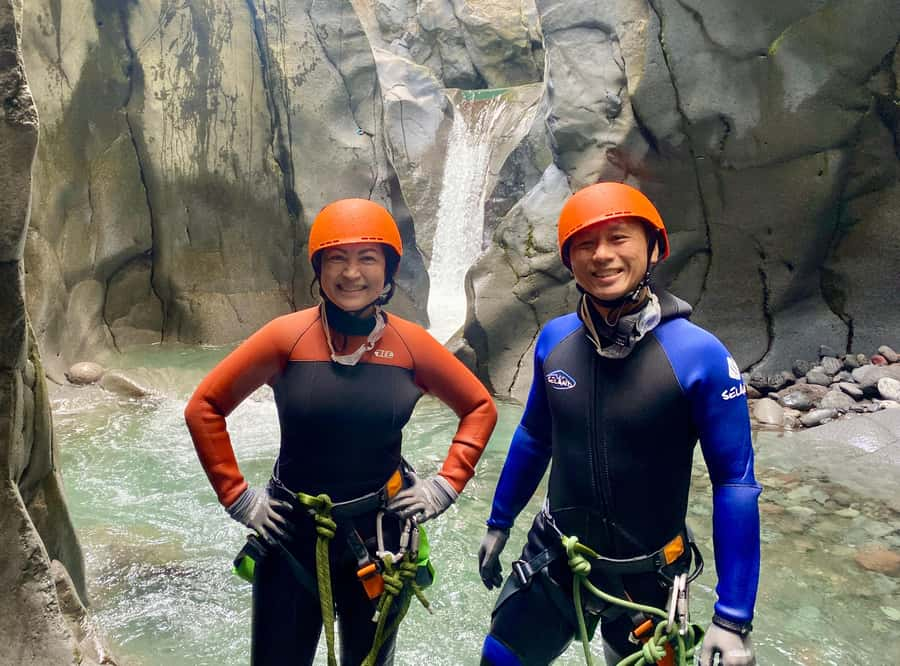
At $130 per person, this is not a cheap add-on, but it includes more than access to a river. The price covers a three-hour guided activity, specialist equipment, instruction, photos and videos, transport pickup from listed public transport points, and a free onsen spa bathing ticket.
The value is strongest if you are arriving without outdoor equipment. Buying or renting a wetsuit, helmet, harness, ropes, canyoning shoes, and other items separately would be inconvenient for a single holiday activity. You also gain local route knowledge and professional supervision in a place that is not suited to casual self-guided exploration.
The price is less compelling if you are looking only for a quick Fuji photo stop or a gentle nature walk. Canyoning takes preparation, changing time, and physical effort. You will spend part of the three-hour window getting dressed, learning the rules, and moving between features, not simply sliding continuously.
Small groups and private options can also make the cost easier to justify. A private outing gives you more control over the pace and group dynamic, though the supplied information does not specify the private-group surcharge. If only one person books, an additional fee of 16,500 JPY applies.
The reserve-now, pay-later option is practical when you are building a trip around weather-sensitive plans. You can reserve a place without paying immediately, and cancellation is free up to 24 hours before the activity for a full refund. Rain itself does not automatically cancel the tour, but dangerous water levels can.
Practical planning for your Fuji day
I would schedule this activity on a day when you can stay nearby afterward. The onsen ticket gives you an obvious next step, and you will likely appreciate having a warm, unhurried finish instead of rushing straight to another appointment.
Wear swimwear under your clothes and bring a towel and beachwear. The activity supplies the technical kit, but not food or drinks, so arrange those separately. Keep valuables to a minimum and hand anything important to the guide before entering the gorge.
English and Japanese instruction are available. Pickup points by train and bus make the tour workable without a car, while the Keigashima parking lot covers those driving around the Fuji area. Staff wear T-shirts with the Fujiyama Canyoning Japan trademark, which should help you identify them at the meeting point.
The activity is offered from April to late November, but weather remains part of the decision. If your schedule is tight, do not place the canyoning tour on the same day as a nonrefundable attraction at a distant location. Strong rain can force a suspension, even though ordinary rain may not.
Who should book it?
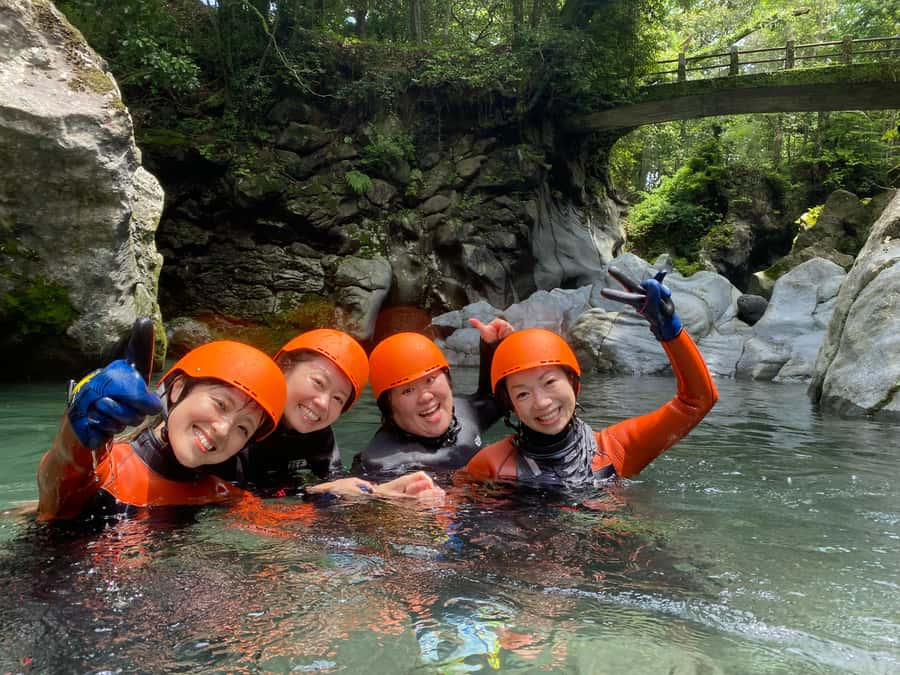
I would recommend this for an active couple, a group of friends, or a family with children aged 10 and over who want more than a lookout or a museum. It is also a strong first canyoning choice because the equipment and basic lesson are included, and no advanced skills are expected.
You should book only if you are comfortable entering natural water and accepting some height, cold, and physical effort. You do not need to be an expert swimmer, but you should not be frightened by the idea of jumping or lowering yourself into a pool with a rope.
I would skip it if you want a dry, predictable outing, have a very tight schedule, or dislike changing into specialist gear. I would also choose the advanced tour if you already have canyoning experience.
For the right person, the appeal is clear: three hours of active time in a volcanic gorge, professional guidance, useful equipment, and a hot onsen finish. That is a memorable way to experience the Fuji area, provided you come ready to get properly wet.
FAQ
How long does the canyoning activity last?
The activity lasts three hours. Starting times vary, so check availability when booking.
Where does the activity meet?
You can meet at Keigashima parking lot if you arrive by car. Pickup is available from JR Iwanami Station by train or Misyukushimo Bus Stop by bus.
Is canyoning suitable for first-timers?
Yes. The guides provide an introductory lesson covering canyoning techniques and general rules before you enter the gorge. No previous canyoning experience is required.
Do I need to be a strong swimmer?
No. You do not need perfect swimming skills or long-distance swimming ability, but you must feel comfortable in water.
What equipment is included?
The tour provides a wetsuit, socks, shoes, gloves, helmet, harness, carabiners, and ropes. Bring your own swimwear, towel, and beachwear.
Can children or pregnant women join?
Children under 10 and pregnant women cannot take part. The activity is suitable for families with children aged 10 or older, provided participants meet the fitness and water-confidence requirements.
New on our Fujinomiya list
- Mount Fuji Pvt. Full Day Trip with English-Speaking Driver★ 5.0 · 3 reviews
- From Tokyo: Mt. Fuji, Hakone, Owakudani & Lake Ashi Bus Tour★ 5.0 · 4 reviews
- Shizuoka : Private Adventure E-bike Tour around Mt Fuji★ 5.0 · 4 reviews
- Samurai Swordsmanship and Sound Meditation in nature★ 5.0 · 5 reviews
- From Tokyo: Mount Fuji or Hakone+Gotemba Outlet Day Tour 10H★ 5.0 · 5 reviews
- Shizuoka : Mt Fuji Secret Canyon River Trekking★ 5.0 · 6 reviews
- Mount Fuji E-Bike Tour: Explore Nature and History★ 5.0 · 7 reviews
- Private Fuji Full-day Car Tour with Hotel Pickup -Local Guide★ 5.0 · 12 reviews
Mt Fuji Area Tours, compared.
Mt Fuji and Hakone 1-Day Bus Tour Return by Bullet Train
Read our review →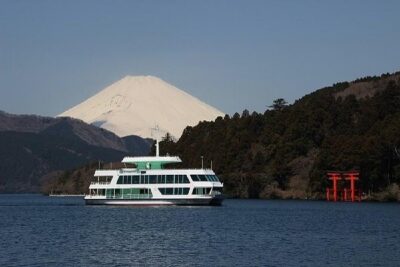
Mt Fuji & Hakone Cruise, Drum Show Bullet Train 1 Day from Tokyo
Read our review →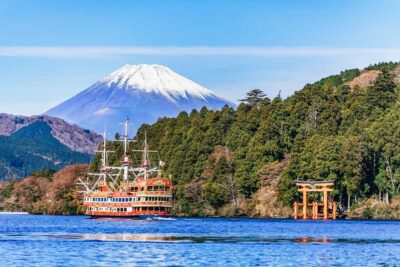
Tokyo Mt Fuji 5th St & Hakone Cruise Bus Tour w/Bullet Train
Read our review →
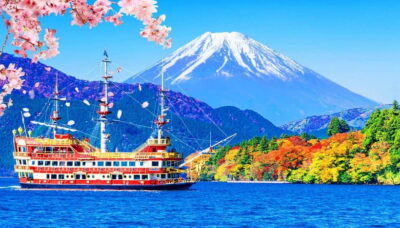
Mt. Fuji Tour, Hakone Ropeway, Owakudani, Lake Ashi
Read our review →
Mt.Fuji,Kawaguchiko Oishi Park,Arakurayama Sengen Park
Read our review →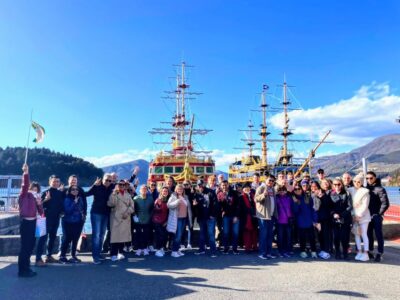
Mt. Fuji 5th Station & Hakone Cruise 1-Day Bus Tour
Read our review →