
Reviewed · SAMURAI & NINJA EXPERIENCES
Samurai Swordsmanship and Sound Meditation in nature
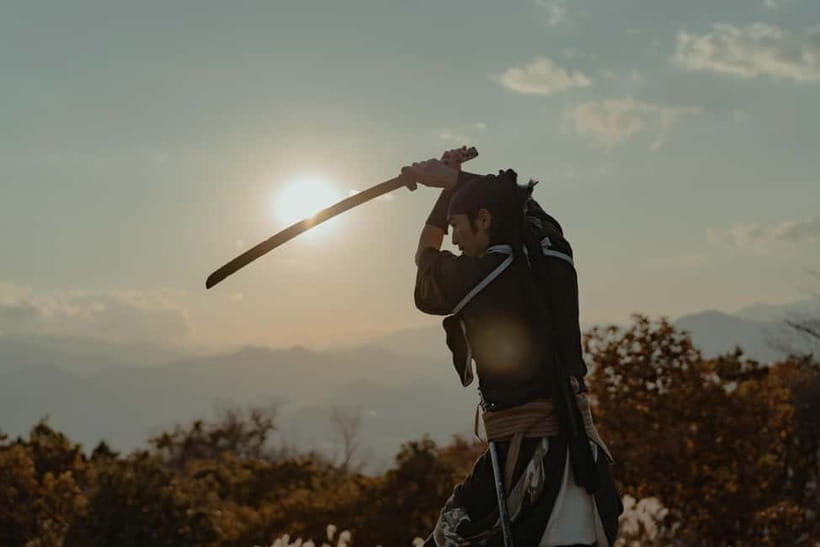
A sword master in a kimono, a private river, flute music, and a real samurai performance make this far more than a costume photo stop. Near Uenohara, an hour west of Shinjuku by train, Yusuke leads you through sword etiquette, basic movements, meditation, and a live performance in a wooded setting.
I like the mix of hands-on sword practice and quiet time beside clear running water. I also like the warm human touch from Yusuke and his wife, Yoshino, who serve tea and perform music together. The main drawback is the travel time from central Tokyo, plus a steep path down to the river and a level of physical effort that will not suit everyone.
In This Review
- Key Points at a Glance
- Why This Is More Than a Samurai Photo
- Getting to Uenohara From Tokyo
- Changing Into Kimono and Hakama
- Purification Beside the Private River
- Standing Meditation and Live Sound
- Learning the Sword, Step by Step
- The Samurai Performance and Sword Dance
- What the $64 Price Includes
- Weather, Clothing, and Physical Effort
- Who Will Enjoy This Most
- Should You Book This Samurai Experience?
- FAQ
- Where does the experience meet?
- How long does the experience last?
- How do I get to Uenohara Station?
- Is the experience available in English?
- What should I bring and wear?
- Who cannot take part?
Key Points at a Glance
- A real sword champion leads the session: Yusuke won the All Japan Swordsmanship Tournament and comes from a family with samurai ancestry.
- The river setting shapes the whole experience: You use the sound of flowing water for purification, standing meditation, and quiet reflection.
- You wear a kimono and hakama: Comfortable clothes underneath make changing and moving much easier.
- The music is performed live: Flute, drums, singing, sound bowls, and koshi chimes form part of the meditation and dance.
- The group is limited to 10 people: That keeps the instruction personal and gives you space to practice.
- The outing takes about 210 minutes: Pickup from Uenohara Station is included, but transport from Tokyo is not.
Why This Is More Than a Samurai Photo
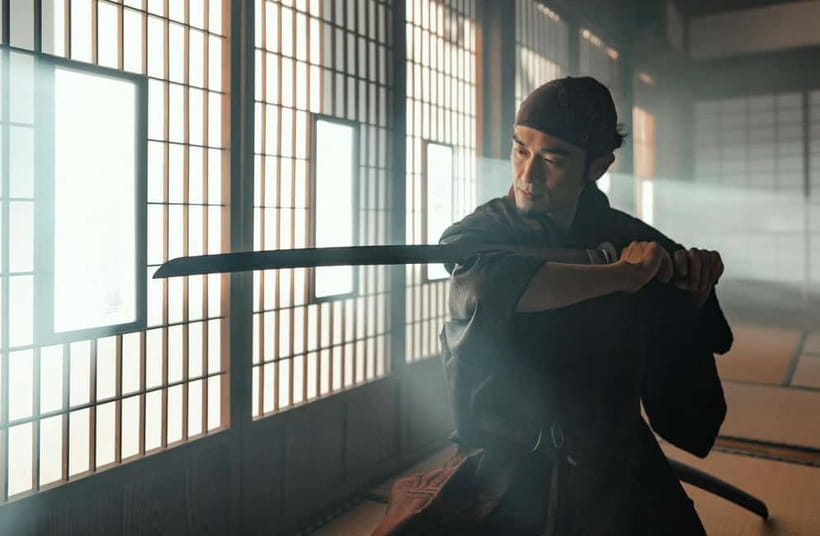
Many samurai activities in Japan focus on clothing and a quick demonstration. This one takes a slower, more ceremonial path. You change into traditional clothing, take part in a purification ritual, listen to live music, learn sword movements, and watch Yusuke perform.
That order matters. The sword is not presented as a toy or a stage prop. You are taught to treat it with respect, prepare the space, and pay attention to posture and movement. The meditation gives the sword lesson a quieter frame, helping you understand that Japanese sword arts involve discipline and concentration as much as force.
Yusuke is the central figure. He is described as an All Japan Swordsmanship Tournament champion, a Japanese sword master, and a performer who has represented Japan in films, television, and the official Olympic channel. His connection to a family that preserves samurai lineage adds context, though you should think of this as a cultural and performance experience rather than a formal martial arts course.
The session is also shaped by Yoshino, Yusuke’s wife. She serves tea and contributes singing and traditional music. That partnership gives the afternoon a personal quality that a large commercial show cannot easily copy.
More samurai and ninja sessions:
- Tokyo: Samurai Ninja Museum Guided tour and Experience
★ 4.6 · 1,010 reviews - Tokyo: Samurai Sword & Archery Class from Samurai Descendant
★ 5.0 · 603 reviews - Best Samurai Experience in Tokyo
★ 5.0 · 458 reviews
Getting to Uenohara From Tokyo
You meet at the rotary on the first floor of the south exit of Uenohara Station. Look for a white car. The south exit is the larger side, with a supermarket in front of it. Do not wander to the north exit and hope the meeting point will be obvious.
From Shinjuku, Uenohara takes about one hour by train. By car, the journey is listed as about 50 minutes from Shinjuku, though road conditions can affect that estimate. From Narita Airport, allow about two and a half hours by train or two hours by car.
This is not a quick add-on to a morning in central Tokyo. You need to set aside most of a day, including the trip to and from the station. Still, the train ride gives you a change of pace from the city. The move from Tokyo streets to Uenohara’s wooded surroundings is part of the appeal.
The host collects you at the station and takes you to the activity site. Transportation between the station and the venue is included, but your journey to Uenohara is not. Check the starting time carefully before booking trains, especially if you are connecting from another part of Tokyo.
Changing Into Kimono and Hakama
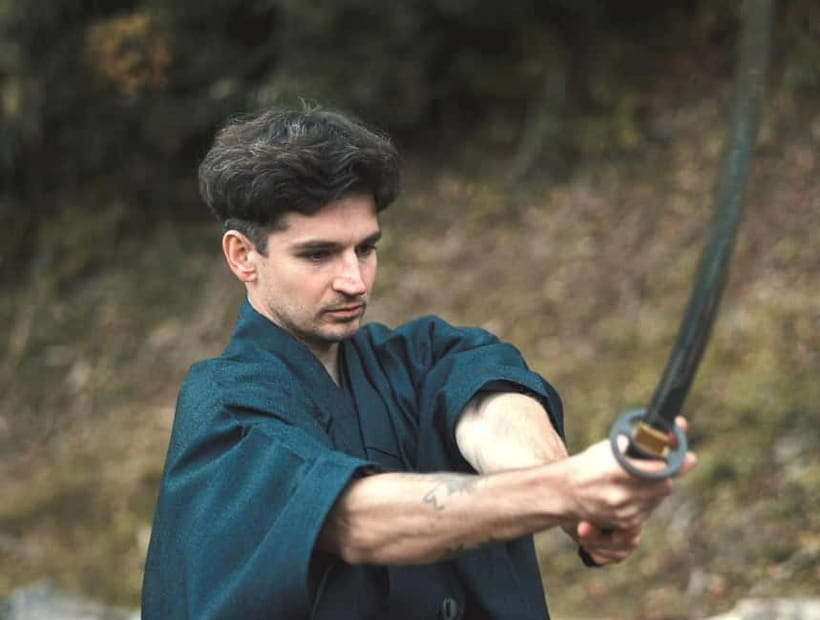
The experience begins with a change into kimono and hakama, the traditional pleated trousers associated with samurai clothing. Rental is included in the $64 price, so you do not need to arrange a costume separately.
Wear comfortable clothing underneath. You will need to move, stand, and practice sword actions, and bulky clothes can make the costume uncomfortable. This is not the place for tight jeans, complicated layers, or shoes you cannot remove easily.
The clothing helps shift the mood from ordinary sightseeing to a more focused activity. It also makes the photographs more meaningful because you are dressed for the practice and performance, not simply posing beside a sword.
The costume will not turn you into a historical samurai, of course. It does give you a visual connection to the lesson and makes the etiquette of handling the sword feel more natural.
Purification Beside the Private River
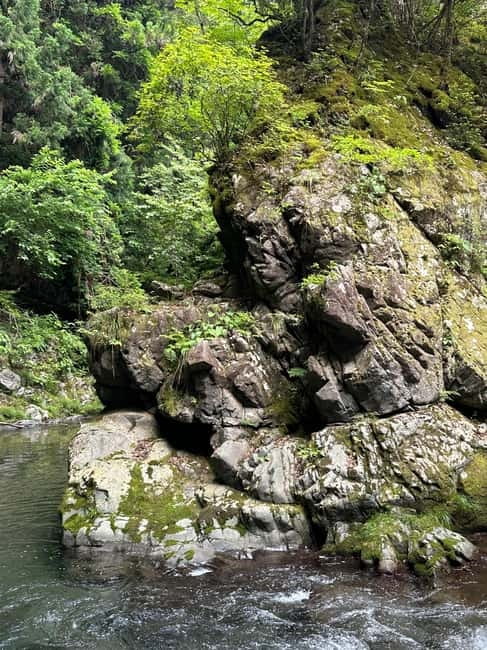
One of the most distinctive parts takes place beside a private river reached by a steep incline from the host’s home. The water and rocks create a quiet setting, and the sound of the river becomes part of the session.
You take part in a purification ritual using the river’s pure water, followed by a prayer to the eight million gods. That phrase reflects the broad presence of spirits in Shinto thought, where the natural world can carry spiritual meaning. You do not need specialist religious knowledge to take part, but you should approach the ritual with respect.
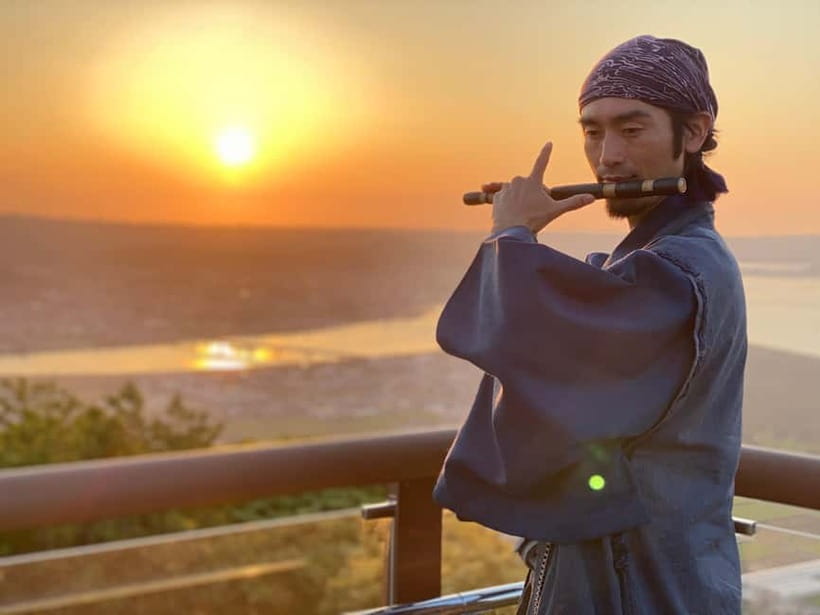
Dragon flute music accompanies the river cleansing. This is a fine example of how the session joins several elements together. The water offers a physical reset, the music slows your attention, and the setting takes you away from the noise of Tokyo.
The steep path is an important practical detail. You need enough fitness to walk down and back up safely, and the area may be difficult for anyone with back problems or limited mobility. The activity is also not suitable for pregnant women or children under 12.
More Mt Fuji days from Fujinomiya:
- Tokyo: Mt. Fuji 5th Station & Hakone Cruise 1-Day Bus Tour
★ 4.2 · 2,381 reviews - Tokyo: Mount Fuji 5th Station & Onsen Day Trip
★ 4.3 · 75 reviews - Mt. Fuji Drive Tour (Includes Visit to Local Speedway)
★ 5.0 · 19 reviews - Halfway Up Mt,Fuji, Oshino Hakkai, Kawaguchiko from Tokyo
★ 3.6 · 13 reviews
Standing Meditation and Live Sound
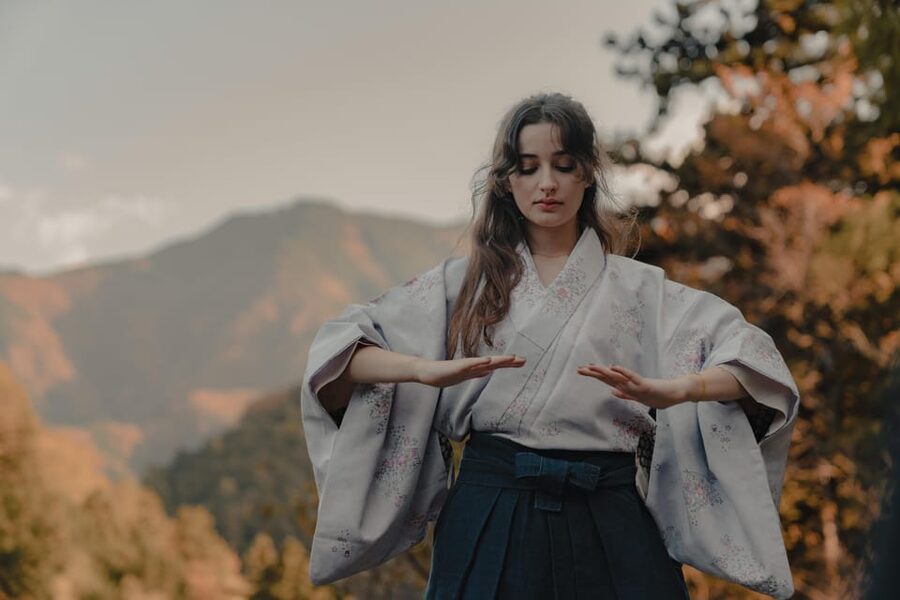
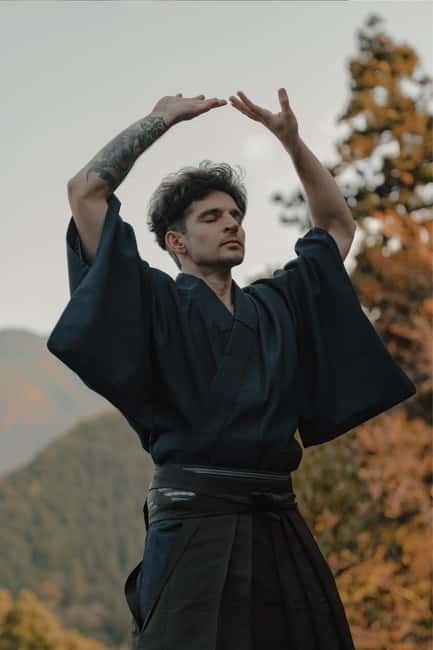
After the river purification, the program turns toward meditation. You practice standing Zen meditation while feeling the surrounding nature. This is not a long academic lesson about Zen. It is a guided attempt to bring your attention to posture, breathing, sound, and the place around you.
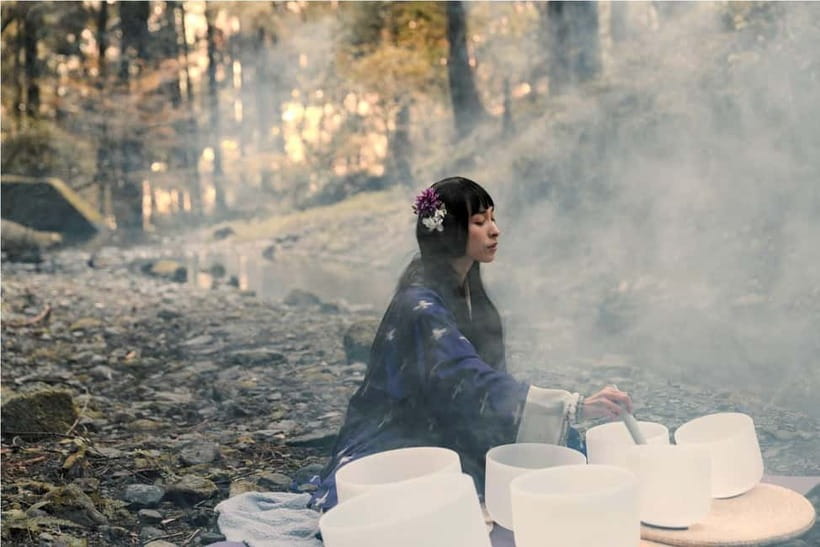
The sound session uses several traditional and atmospheric instruments. Depending on the performance, you may hear Japanese flute, drums, sound bowls, koshi chimes, and singing from Yoshino. The music is performed live, and Yusuke can improvise parts of the sound and meditation to suit the moment.
That live quality is one of the strongest reasons to choose this activity. A recorded soundtrack could provide background atmosphere, but live instruments respond to the river, the space, and the people present. The result is less like a standard class and more like a small private performance with a meditative purpose.
You should still keep your expectations sensible. Sound meditation affects people differently. Some find it calming, some find it moving, and some simply enjoy hearing traditional instruments in a natural setting. You do not need to be experienced in meditation, but you should be willing to sit or stand quietly and take part without treating the session as a joke.
Tea is served during the experience, adding another gentle pause before the final photography and performance.
Learning the Sword, Step by Step
The sword lesson begins with respect and preparation. Yusuke explains how to treat the sword and how to purify the practice area. You then learn six basic initial movements and practice with an unsharpened sword.
The lesson is designed for beginners, not trained martial artists. You will learn how to hold the sword, position your body, and make controlled movements. The focus is on form and attention rather than speed.
A small group of no more than 10 people helps here. You have enough room to practice, and the instructor can keep an eye on safety and posture. Even so, physical fitness is required. You should be comfortable standing for periods of time and moving your arms and body in a controlled way.
The activity also lists a real sword cutting experience among the inclusions. Because sword handling involves safety limits, listen closely to Yusuke’s instructions and follow the exact sequence he gives you. This is not an invitation to swing freely or test your strength.
The appeal lies in the discipline. Basic movements may look simple, but they demand balance, control, and concentration. You begin to see why traditional swordsmanship is as much about the mind and body working together as it is about the blade.
The Samurai Performance and Sword Dance
Once you have practiced, you watch Yusuke perform. The demonstration shows the difference between an introductory lesson and expert sword work. His performance combines precision, speed, posture, and theatrical presence.
The program also includes an authentic sword dance and sacred dance, accompanied by improvised music. Yoshino’s voice and instruments add another layer to the presentation. Rather than separating the martial and musical parts, the performance brings them together.
This is likely to be the emotional high point for many people. The sword movements have a visual force, while the music and natural setting create a more reflective mood. It is a short performance, not a full theater production, but the private setting gives it a directness that a large stage show would lack.
Photography follows the practice and performance. Your kimono and hakama, the river, the trees, and the sword work provide plenty of visual variety. Bring a camera or phone, but keep it out of the way during instruction and meditation.
What the $64 Price Includes
At $64 per person, this is good value if you want several connected activities rather than one short demonstration. The price includes:
- Kimono and hakama rental
- Swordsmanship practice with an unsharpened sword
- The listed real sword cutting experience
- Standing Zen meditation in nature
- Sound meditation
- Samurai art and sacred dance performances
- Photography opportunities
- Pickup and drop-off between Uenohara Station and the venue
Meals are not included, and you pay for your own transportation to Uenohara. That makes the final cost higher than the headline price if you are coming from Tokyo, but the session itself lasts about 210 minutes and combines instruction, clothing, music, meditation, nature, and performance.
I would compare it with the cost of a short cultural class in Tokyo. If you only want to hold a sword and take a photograph, cheaper options may exist. If you want a small-group session led by a competition champion in a private natural setting, $64 is a fair price.
The current rating is 5.0 from five published ratings, and the experience has welcomed about 5,000 people over eight years with a stated 4.99 rating. It was also selected as the number three most popular experience in the world by American Express. Those figures suggest strong demand, but they do not remove the need to decide if the physical and spiritual format suits you.
Weather, Clothing, and Physical Effort
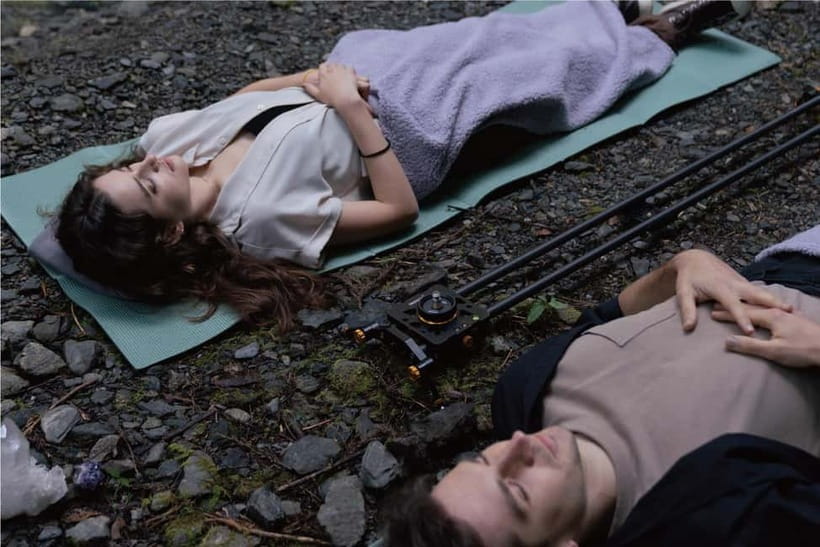
The activity can move indoors if the weather requires it. That is useful, but it may change the character of the day. The river, trees, and outdoor sound are central to the experience, so an indoor version will feel different even if the sword, music, and meditation remain available.
Bring water and a camera. Wear comfortable clothing beneath the rented garments. You should also prepare for an outdoor setting and a steep incline to the river.
This experience is not suitable for children under 12, pregnant women, or people with back problems. The organizers also state that physical fitness is required for the sword practice. Smoking, alcohol, and drugs are not allowed.
The group size is limited to 10, which is small enough to keep the session personal but not necessarily private. If you are hoping for a one-on-one lesson, this is not advertised that way.
Who Will Enjoy This Most
I would choose this for someone who wants a thoughtful cultural activity outside Tokyo’s main sightseeing areas. It suits you if you like traditional clothing, live music, meditation, Japanese spirituality, and practical instruction in one outing.
It is also a good fit for couples and friends. Yusuke and Yoshino host together, and tea, music, and photographs give the day a social rhythm. You can take part actively without needing previous sword or meditation experience.
This may not suit you if you want a fast, high-energy attraction. The program includes quiet pauses and ceremonial moments. You need to stand still, listen, follow instructions, and show respect during the rituals.
It is also a poor choice if you have only a short stay in Tokyo and do not want to spend several hours traveling. Uenohara is part of the experience, but reaching it takes planning.
Should You Book This Samurai Experience?
Book it if you want to meet a real sword practitioner, wear traditional clothing, practice basic movements, hear live Japanese instruments, and spend time beside a river in nature. The combination is unusual, and the participation goes well beyond a staged photo opportunity.
Skip it if your priority is convenience, a central Tokyo location, or a full martial arts course. The long journey, steep river path, and physical requirements deserve serious thought.
For the right person, this is a memorable way to connect swordsmanship with music, ritual, and nature. Plan your train journey, wear practical clothes, keep your schedule open for the full four hours, and arrive ready to listen as much as you move.
FAQ
Where does the experience meet?
Meet at the rotary on the first floor of the south exit of Uenohara Station. The host will be waiting in a white car. The south exit is the larger exit, with a supermarket in front of it.
How long does the experience last?
The listed duration is 210 minutes. Allow about four hours in total, including pickup and drop-off between Uenohara Station and the activity venue.
How do I get to Uenohara Station?
Uenohara is about one hour by train from Shinjuku. By car, it is listed as about 50 minutes from Shinjuku. From Narita Airport, the journey is about two and a half hours by train or two hours by car.
Is the experience available in English?
Yes. The experience is offered in English and Japanese.
What should I bring and wear?
Bring water and a camera. Wear comfortable clothing under the kimono and hakama, since you will need to stand and practice sword movements.
Who cannot take part?
The experience is not suitable for children under 12, pregnant women, or people with back problems. Physical fitness is required for swordsmanship practice.
New on our Fujinomiya list
- Fun Canyoning Activity at the bottom of Mt. Fuji★ 5.0 · 3 reviews
- Mount Fuji Pvt. Full Day Trip with English-Speaking Driver★ 5.0 · 3 reviews
- From Tokyo: Mt. Fuji, Hakone, Owakudani & Lake Ashi Bus Tour★ 5.0 · 4 reviews
- Shizuoka : Private Adventure E-bike Tour around Mt Fuji★ 5.0 · 4 reviews
- From Tokyo: Mount Fuji or Hakone+Gotemba Outlet Day Tour 10H★ 5.0 · 5 reviews
- Shizuoka : Mt Fuji Secret Canyon River Trekking★ 5.0 · 6 reviews
- Mount Fuji E-Bike Tour: Explore Nature and History★ 5.0 · 7 reviews
- Private Fuji Full-day Car Tour with Hotel Pickup -Local Guide★ 5.0 · 12 reviews
Samurai & Ninja Experiences, compared.
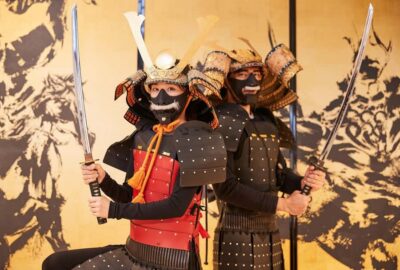
Samurai Ninja Museum Guided tour and Experience
Read our review →
Samurai Sword & Archery Class from Samurai Descendant
Read our review →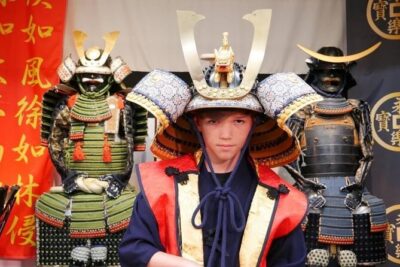
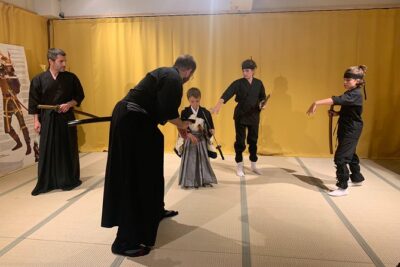
Ninja Experience (Family Friendly) at Samurai Ninja Museum TOKYO
Read our review →
Samurai Entertainment Night Show in Kanda Shrine
Read our review →
Tokyo Sword Experience – includes Museum Ticket/Ninja Experience
Read our review →
Samurai Ninja Museum Asakusa: Samurai Sword Lesson & Tour
Read our review →
Ninja Samurai 2-hour hands-on lesson by Japanese master in Tokyo
Read our review →Browse the lists this tour appears in