Reviewed · TOURS
Tokyo, Edo Castle & East Garden of the Imperial Palace Tour
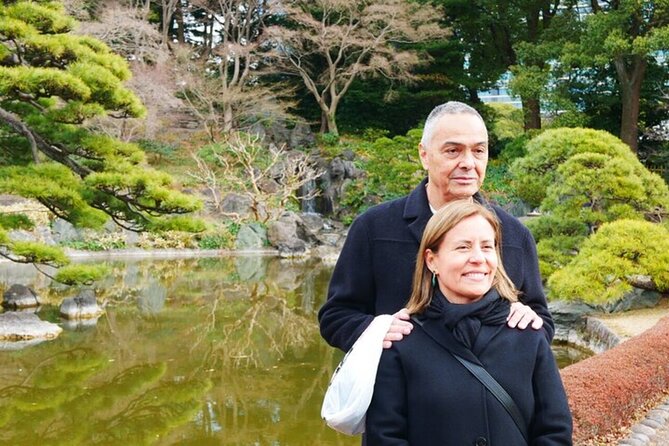
Tokyo’s Imperial Palace East Garden gives you a rare pause from central Tokyo’s traffic and towers. Inside these grounds, you’ll find old bridges, formal gardens, historic buildings, and reminders of Edo Castle, all within a short guided walk.
I like the quiet change of pace and the way a guide can explain details that signs may skip. I also like the focus on the imperial family and Japan’s past, especially when led by guides such as Masahito. The main drawback is that you cannot enter the Inner Palace, and the tour does not operate on Mondays or Fridays.
In This Review
- Key Points to Know Before Booking
- Why the East Garden Makes a Good Tokyo Break
- Meeting at Wadakura Fountain National Park
- Entering the Imperial Palace East Garden
- Seeing Edo Castle Through Gardens and Bridges
- What the Guide Adds to the Walk
- Is Two Hours Enough?
- Who Gets the Most Value for $43.11
- Choosing the Right Day and Planning Your Visit
- How This Tour Fits Into a Tokyo Itinerary
- Should You Book the Imperial Palace East Garden Tour?
- FAQ
- How long is the Imperial Palace East Garden tour?
- Can I enter the Inner Palace?
- Where does the tour start and finish?
- Is the East Garden open every day?
- Is admission included?
- What should I know about bags and purchases?
Key Points to Know Before Booking
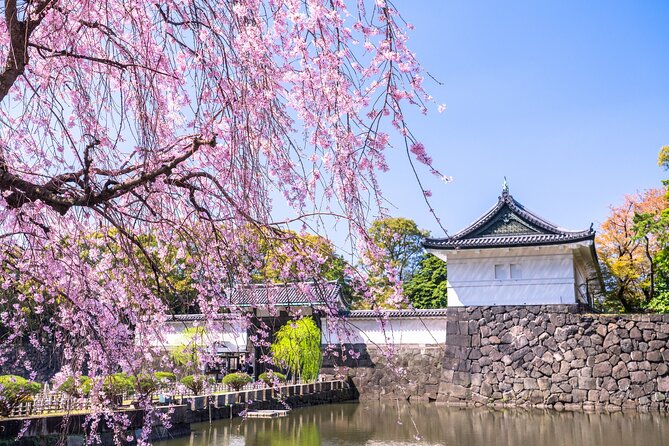
- Edo Castle history: Walk through grounds linked to the former castle and successive emperors.
- Two-hour walking tour: A short, manageable introduction to the Imperial Palace East Garden.
- Guide-led context: Guides explain Japanese history, culture, royal traditions, and site details.
- No Inner Palace access: The tour stays in the East Garden and surrounding palace grounds.
- Wadakura Fountain meeting point: Start and finish at Wadakura Fountain National Park.
- Bag inspection required: Do not bring knives or similar items onto the palace grounds.
Why the East Garden Makes a Good Tokyo Break
Tokyo can be tiring in the best possible way. You can spend hours crossing major streets, riding packed trains, and moving between shops, shrines, museums, and restaurants. The Imperial Palace East Garden offers a calmer setting without taking you far from the city center.
The appeal is not just greenery. This is a place where gardens, bridges, palace walls, and old castle remains help explain how Tokyo developed. You are not walking through a preserved medieval town, but you are seeing pieces of the former Edo Castle area alongside the modern capital.
I like this tour for that reason. It gives you an easy two-hour introduction to an important part of Tokyo without asking you to commit to a full-day historical tour. You can learn about the imperial family, follow the path of successive emperors, and still have most of the day left for another neighborhood.
The tour costs $43.11 per person, with group discounts available. Since admission to the garden is free and the price mainly covers the guide, the value depends on how much historical explanation you want. If you would simply stroll through the garden and read signs, you may find the price harder to justify. If you want the setting to make sense, a guide adds real value.
A few more Tokyo bookings worth comparing
- Mt Fuji and Hakone 1-Day Bus Tour Return by Bullet Train
★ 5.0 · 26,383 reviews - 1-Day Tokyo Bus Tour
★ 5.0 · 14,250 reviews - Tokyo: TOKYO SKYTREE® Admission ticket
★ 4.5 · 11,192 reviews
Meeting at Wadakura Fountain National Park
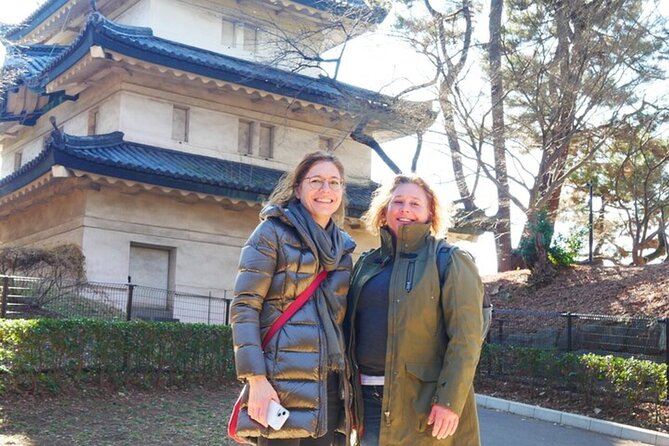
The tour begins at Wadakura Fountain National Park, at 3-1 Kōkyogaien in Chiyoda City. You also return to this same meeting point at the end, which makes the outing easier to plan than a tour that leaves you across town.
This matters in Tokyo. A clear starting and ending point helps you fit the walk around lunch, a museum visit, or another activity. The meeting area is near public transportation, but you should still allow enough time to find the exact spot and arrive ready for a walk.
The tour is offered with a mobile ticket, and confirmation is provided when you book. The group can include as many as 50 people. That maximum is worth keeping in mind. A smaller group may feel more personal, while a larger group can make it harder to hear every explanation or ask many questions.
The provided information does not promise a fixed guide for every departure. Masahito is one guide associated with especially detailed explanations of the palace and imperial family, and two guides led one particularly strong experience. Still, the quality of English and historical explanation may vary from one departure to another. One detailed account raised concerns about a guide’s English and palace knowledge, so I would treat the guide as an important part of the value rather than an automatic guarantee.
Entering the Imperial Palace East Garden
Before entering the grounds, expect a baggage inspection. This is a useful detail to know before you set out, especially if the palace visit is part of a longer shopping day.
Do not bring Japanese knives or other objects that could be treated as weapons. If you have purchased knives at Tsukiji, Asakusa, or elsewhere, leave them in a coin locker or another secure place before meeting the group. This is a small planning point, but it can prevent a frustrating refusal at the entrance.
The tour does not take you inside the Imperial Palace itself. The Inner Palace is not open as part of this experience. Instead, the walk focuses on the East Garden and the visible historic areas around it.
That distinction should shape your expectations. You are not getting a palace interior tour or a look inside royal living quarters. You are getting a guided walk through an important outdoor section of the Imperial Palace grounds, with history explained along the way.
Seeing Edo Castle Through Gardens and Bridges
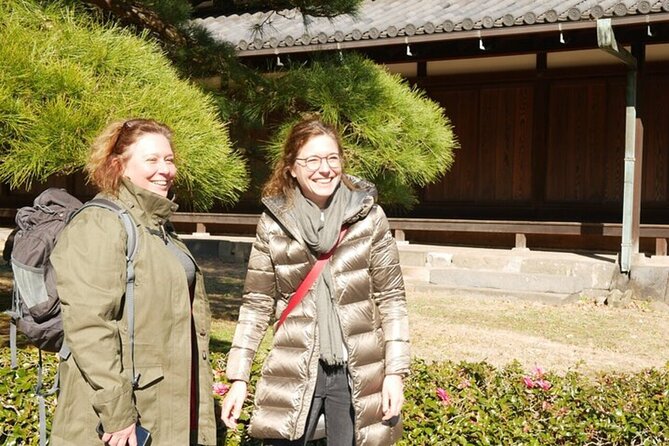
The central stop is the walk around the Imperial Palace East Garden. The setting combines Japanese garden design with old castle-related structures and palace history.
You can expect to see a Japanese garden, an old bridge, beautiful natural surroundings, and historic buildings or heritage features. The garden gives the tour its gentler mood, while the castle and imperial connections give it substance.
A guide is especially useful here because the physical remains may not explain themselves. Without context, you might see a wall, bridge, or open garden and move on. With historical explanation, those same features become clues to the role the area played in Edo and imperial Tokyo.
The exact route and depth of discussion can depend on the guide and the pace of the group. The stated duration is about two hours, so this is not a long, detailed archaeological tour. It is better understood as a focused introduction that connects what you see with the history of Japan’s rulers.
You may also have opportunities to ask questions about Japanese culture and the imperial family. One particularly strong guide, Masahito, was praised for explaining the palace and royal family from their origins to the present day. That kind of broad timeline can help first-time visitors place the East Garden within Japan’s larger story.
Same corner of Tokyo, a completely different plan:
- Tokyo: teamLab Planets TOKYO Digital Art Museum Entry Ticket
★ 4.6 · 9,779 reviews - Mt Fuji & Hakone Cruise, Drum Show Bullet Train 1 Day from Tokyo
★ 4.0 · 7,413 reviews - Tokyo: Sumo Show Experience with Chicken Hot Pot and a Photo
★ 4.8 · 6,678 reviews - Tokyo: Shinjuku Food Tour (13 Dishes at 4 Local Eateries)
★ 5.0 · 6,603 reviews
What the Guide Adds to the Walk
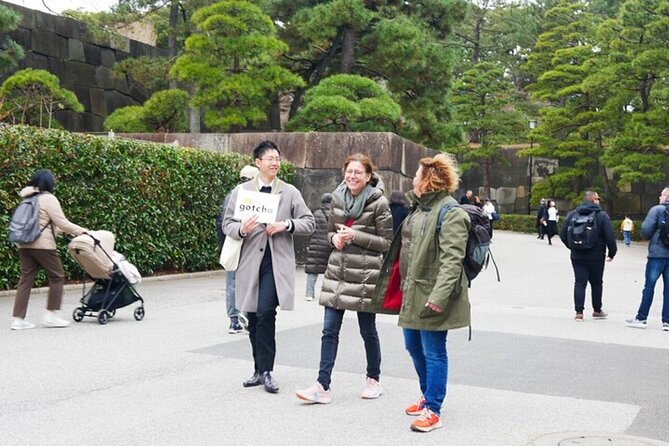
The best reason to book this experience is the human explanation. The garden itself is free, but the guide can turn a pleasant walk into a more meaningful one.
The strongest guide feedback points to three useful qualities: clear historical storytelling, a kind manner, and the ability to explain more than the posted signs. Good guides also answered questions about culture and history, and two guides helped take photographs at different sites.
That last detail is practical. You can ask a guide to take a picture at a garden feature or historic point, rather than trying to balance your phone or rely on a rushed stranger. It is not a formal photography tour, but a little help with pictures can make the outing easier for couples and families.
The tour is conducted for an international audience, and English ability is an important consideration. Several experiences included clear English explanations, but one account described difficulty following the guide. If detailed spoken history is essential to you, keep the group size and guide assignment in mind. You may want to contact the operator before booking if you have specific language needs.
Is Two Hours Enough?
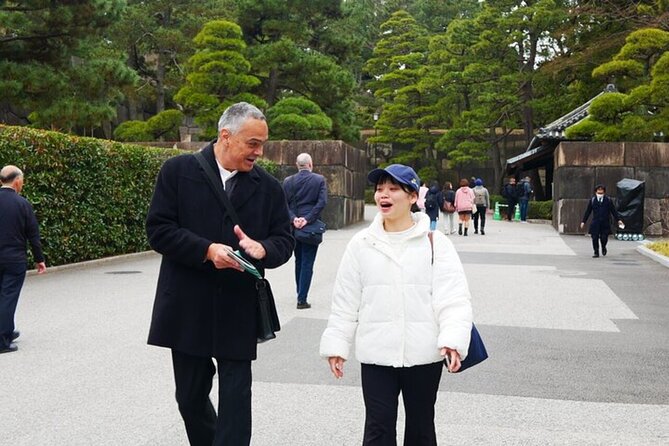
Two hours is a sensible length for this experience. It gives you time to walk through the main garden areas, stop at historic features, hear the story behind the site, and return to the starting point without turning the visit into an all-day commitment.
I like the shorter format for a first Tokyo visit. You can schedule it between other plans and still have time for neighborhoods such as Asakusa or for a museum in Chiyoda. It also suits anyone who wants a slower morning or afternoon after several busy days.
The tradeoff is depth. You will not see every corner of the palace grounds, and you will not receive a long study of Edo Castle architecture or imperial ceremony. The tour works best as a well-paced overview.
Wear comfortable shoes and plan for outdoor walking. The supplied details do not specify the exact amount of walking or weather arrangements, so you should be prepared for the tour to take place outside in the garden setting.
Who Gets the Most Value for $43.11
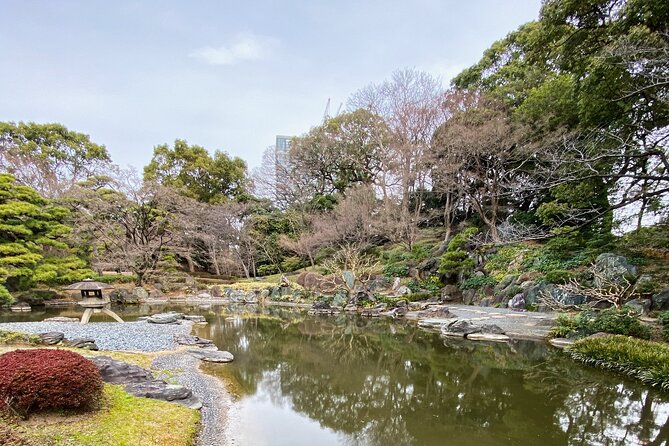
At $43.11, this is not the cheapest way to visit the East Garden, since admission is free. The price pays for organization and interpretation rather than entry.
I think it offers fair value for first-time visitors who want historical context but do not want to study the site alone. A guide can point out the relationship between the gardens, old bridge, castle remains, and imperial history in a short period. That can save you from wandering through a major site without knowing what you are seeing.
The tour may also suit:
- Couples looking for a quieter break from Tokyo’s busy streets
- Families who benefit from a guide’s explanations and help with photos
- Visitors interested in Japanese royal history
- People with only two hours available
- Anyone who prefers a guided introduction before exploring more of Tokyo independently
It may not suit you if you want palace interiors, a private tour, or a very specialized study of Edo Castle. A group of up to 50 people can also feel less intimate than a small-group or private walk.
The 4.7 rating from 12 reviews and 92 percent recommendation indicate a strong overall response, but the small number of ratings means I would not treat those figures as a guarantee. The clearest pattern is that guide quality matters greatly. When the guide explains the history well, the tour offers much more than a free garden stroll.
Choosing the Right Day and Planning Your Visit
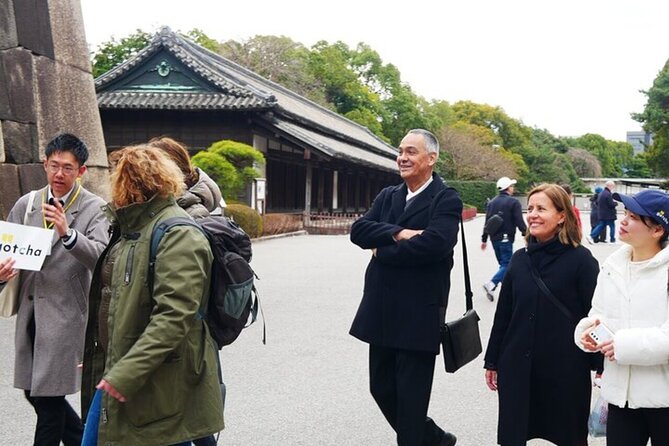
The East Garden is closed on Mondays and Fridays. Check your schedule carefully before selecting a date, since this is not a minor seasonal change. If your Tokyo stay is short, book around the closure days first.
The palace grounds require a baggage inspection. Leave knives and similar items behind, even if you bought them earlier in the day. A coin locker is suggested for such purchases, but you should arrange this before arriving at the meeting point.
The tour starts and ends at Wadakura Fountain National Park, and it is near public transportation. Most people can participate, and service animals are allowed. The operator also offers group discounts, which may improve the price for families or larger parties.
Free cancellation is available if you cancel at least 24 hours before the start time. Changes or cancellations inside that window are not refunded or accepted. The activity also requires a minimum number of participants, so if it is canceled for that reason, you will be offered another date or experience, or a full refund.
How This Tour Fits Into a Tokyo Itinerary
The Imperial Palace East Garden works well early in a Tokyo visit because it gives you basic context for the city’s political and royal past. Afterward, other historic areas can feel easier to place.
It also works well as a reset between more demanding activities. The garden setting provides a slower pace than shopping streets and major transport hubs. If you have spent the morning in crowded commercial districts, two hours here can bring a welcome change of rhythm.
I would avoid booking it on a day when you already expect to rush between several distant areas. The tour returns to its starting point, so you should build your plans around Chiyoda rather than treating it as a quick stop on an unrelated route.
Because the East Garden is free to enter, you can also visit independently on another day if you want more time. The guided walk is most useful when you want a concise explanation and a planned route, not when you want unlimited time for sketching, photography, or sitting in the garden.
Should You Book the Imperial Palace East Garden Tour?
Book it if you want a calm, guide-led introduction to Tokyo’s imperial and Edo-era past. The two-hour length is manageable, the setting offers gardens and historic features, and the best guides provide useful context about the palace and royal family.
I would book with realistic expectations. You will not enter the Inner Palace, see royal interiors, or receive a guaranteed private experience. The group may be large, and guide quality can vary. The price is reasonable for clear historical interpretation, but not for admission alone.
For a first visit to Tokyo, this is a good choice when you want history without a long commitment. If you are already comfortable exploring Japanese gardens and reading site signs on your own, you may prefer to visit independently and save the $43.11. If you want someone to connect the old bridges, gardens, and castle grounds to Japan’s imperial story, the guided walk is worth considering.
FAQ
How long is the Imperial Palace East Garden tour?
The tour lasts approximately two hours.
Can I enter the Inner Palace?
No. The tour does not go inside the Inner Palace or the Imperial Palace interior.
Where does the tour start and finish?
It starts at Wadakura Fountain National Park, 3-1 Kōkyogaien, Chiyoda City, Tokyo. The activity ends back at the same meeting point.
Is the East Garden open every day?
No. The East Garden is closed on Mondays and Fridays.
Is admission included?
The tour includes a guide, and the stated admission ticket is free. The experience does not include entry to the Inner Palace.
What should I know about bags and purchases?
Visitors are subject to a baggage inspection. If you have Japanese knives or other items that could be used as weapons, leave them in a coin locker or similar place before the meeting.
New on our Tokyo list
- Hakone Hachiri: Old Tokaido Highway Hiking Half-day tour★ 5.0 · 3 reviews
- Tokyo:Calligraphy & Zen Mindful Journey+Take Home Memory★ 5.0 · 3 reviews
- Private Samurai Sword Experience★ 5.0 · 3 reviews
- Tokyo:Cherry Blossom Mt Fuji & Shibazakura Festival Day Trip★ 4.4 · 3 reviews
- Private Tokyo’s Famed Tsukiji Fish Market Tour★ 5.0 · 3 reviews
- Dive into Tsukiji Fish Market Walking Friendly Food Tour★ 5.0 · 3 reviews
- Tokyo Harajuku Walking Tour Meiji Jingu Yoyogi Park and More★ 5.0 · 3 reviews
- Tokyo Private Transfer for Yokohama Cruise Port★ 5.0 · 3 reviews
Tours, compared.
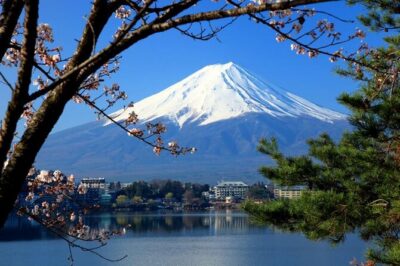
Mt Fuji and Hakone 1-Day Bus Tour Return by Bullet Train
Read our review →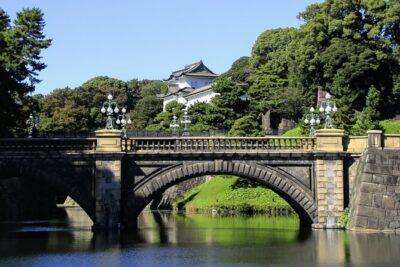
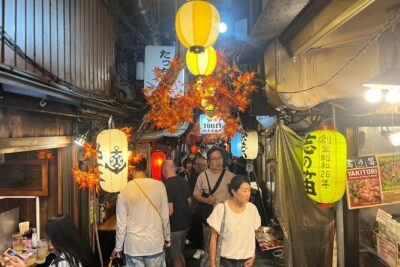
Shinjuku Food Tour (13 Dishes at 4 Local Eateries)
Read our review →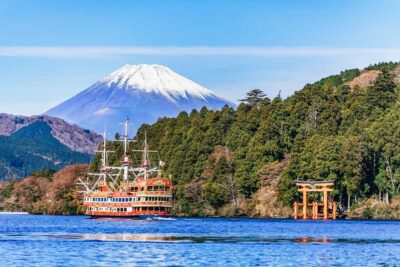
Tokyo Mt Fuji 5th St & Hakone Cruise Bus Tour w/Bullet Train
Read our review →
Flagship 2-Hours Official Street Go-Kart Tour – Tokyo Bay Shop
Read our review →
Mt. Fuji Tour, Hakone Ropeway, Owakudani, Lake Ashi
Read our review →
Tokyo 6hr Private Tour with Government-Licensed Guide
Read our review →