Reviewed · TOURS
Tokyo Full Course Tour: Explore 15 Must-See Sights & Hidden Gems
Tokyo is a city that rewards orientation. This 10-hour small-group tour gives you a fast, useful introduction, moving from Meiji Jingu and Harajuku to Shibuya, Tsukiji, Akihabara, Ueno, and Asakusa. You get the big sights, plus local corners that are easy to miss when you are on your own.
I like two things right away: the group is limited to five people, and the day uses Tokyo’s trains and your own feet rather than a sightseeing bus. I also like the human touch. Guides including Yasuko, Michiko, and Takashi are praised for their warmth, clear explanations, and willingness to adjust when possible.
The tradeoff is simple: this is a brisk day. You will cover a lot of ground, but most stops are short, and the $104.34 price does not include metro fares, sushi, drinks, or other food. Bring a charged phone, cash, and a SUICA or PASMO card.
In This Review
- Five things to know before you book
- One day, many faces of Tokyo
- Meiji Jingu and Harajuku: quiet woods to youth style
- Hachiko and Shibuya Crossing: Tokyo’s public theater
- Tsukiji Hongwanji and a sushi lunch
- The Imperial Palace, Marunouchi, and Tokyo Station
- Akihabara: electronics and pop culture
- Ueno Park and Ameyoko Street
- Asakusa’s temples and the finish at the station
- Why the small group matters
- Walking, trains, and the real cost
- Who should choose this Tokyo tour?
- Should you book the Tokyo Full Course Tour?
- FAQ
- How long does the tour last?
- Where does the tour start?
- Where does the tour end?
- How many people can join the tour?
- Is transportation included in the price?
- Is food included?
- Are admission tickets included?
- Can children join?
- What physical condition is required?
- What happens if the tour is canceled?
Five things to know before you book
- A full Tokyo sampler: Visit major districts, temples, markets, and city landmarks in one long day.
- A maximum of five people: A small group makes it easier to ask questions and stay close to the guide.
- Local transport is part of the day: You pay your own train fares and follow the guide through Tokyo’s stations.
- Food is separate: Sushi at Tsukiji and a possible drink or appetizer stop are not included in the tour price.
- A strong first or second day: The route helps you get your bearings before returning to favorite neighborhoods on your own.
One day, many faces of Tokyo
The route is ambitious. It connects quiet Shinto grounds, youth fashion, giant pedestrian crossings, a fish market, the Imperial Palace area, electronics shops, a park, an old market street, and Asakusa’s temple district.
That variety is the main reason to book. Tokyo is not one city in the usual sightseeing sense. It is a collection of districts with different rhythms and moods. Seeing them together helps you understand the place quickly.
The pace also explains why this works best early in your visit. You can mark places for a later, slower return. If you only have two days in Tokyo, this day makes a practical first pass. If you have a week, it can still save you from spending your first days figuring out the train map.
The tour begins at Yoyogi Station and finishes around Asakusa Station. The schedule names 14 main stops, although the experience is promoted as covering up to 15 sights. The extra sight may depend on the guide and the day, so do not treat the number as a promise of 15 long visits.
A few more Tokyo bookings worth comparing
- Mt Fuji and Hakone 1-Day Bus Tour Return by Bullet Train
★ 5.0 · 26,383 reviews - 1-Day Tokyo Bus Tour
★ 5.0 · 14,250 reviews - Tokyo: TOKYO SKYTREE® Admission ticket
★ 4.5 · 11,192 reviews
Meiji Jingu and Harajuku: quiet woods to youth style
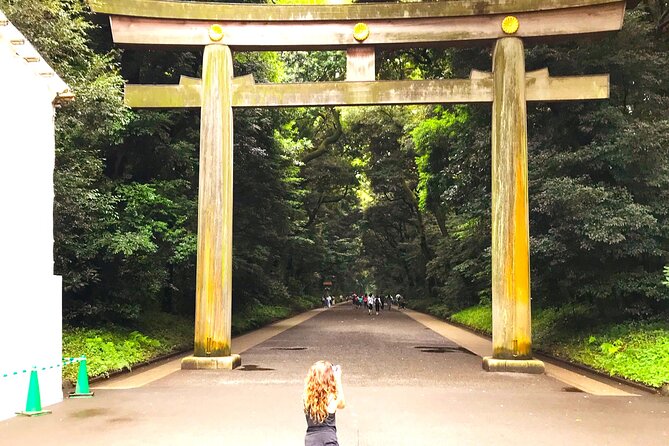
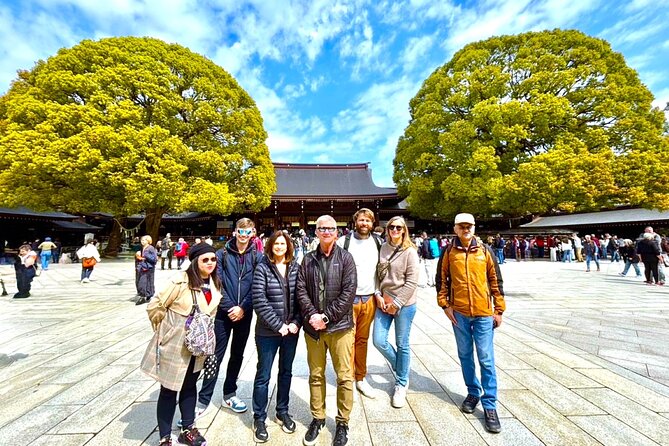
Your first stop is Meiji Jingu, one of Tokyo’s best places to see a calm side of the city. The visit lasts about 30 minutes and admission is free.
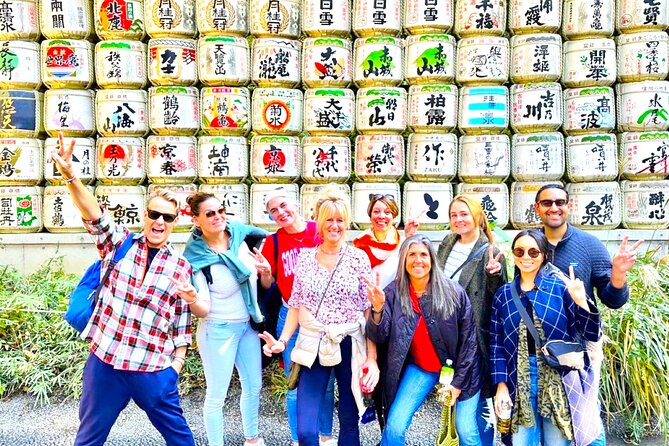
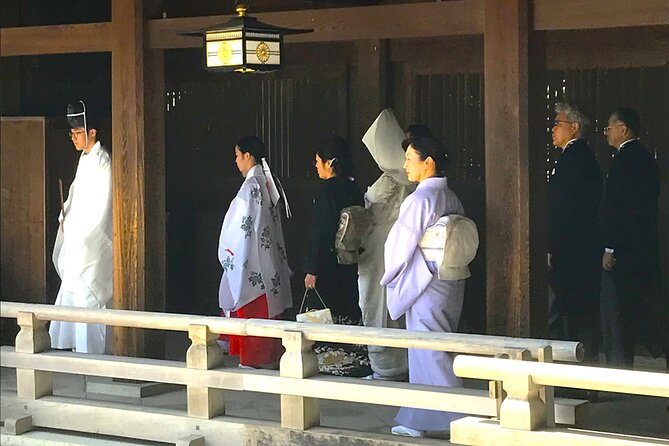
The contrast matters. You begin with shrine gates, traditional customs, and a slower walking pace before heading toward Harajuku. Your guide can give context about Japanese culture and history as you move through the grounds. This is more useful than simply snapping a photo and leaving, especially if this is your first shrine visit in Japan.
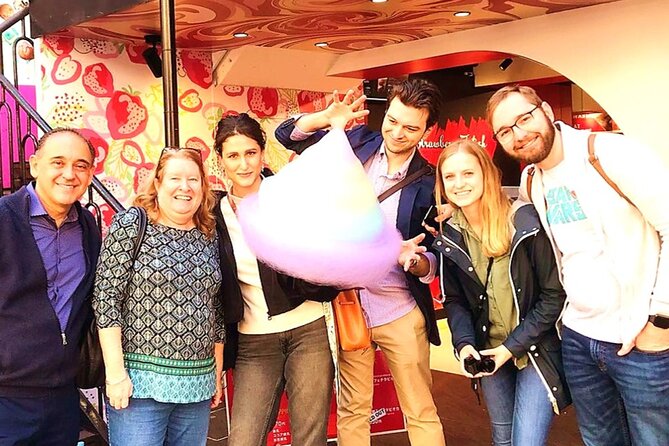
Afterward, Harajuku brings a sharp change of tone. The stop also lasts about 30 minutes and focuses on the district’s fashion street. You will have time to see the area, but not enough for a serious shopping session or a long café break.
That is typical of this itinerary. You are sampling the character of a neighborhood, not spending half a day there. I would save detailed shopping for another visit.
Hachiko and Shibuya Crossing: Tokyo’s public theater
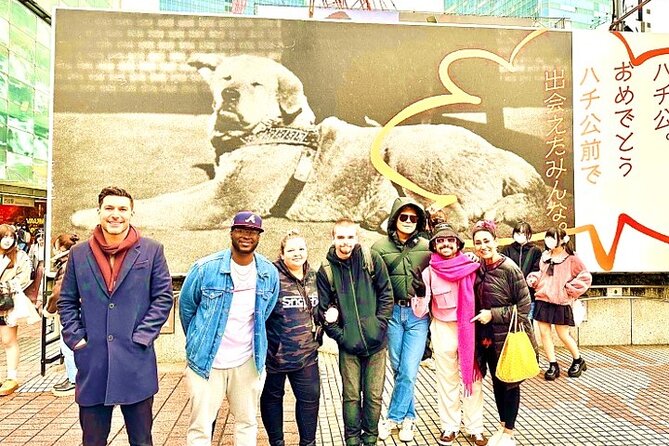
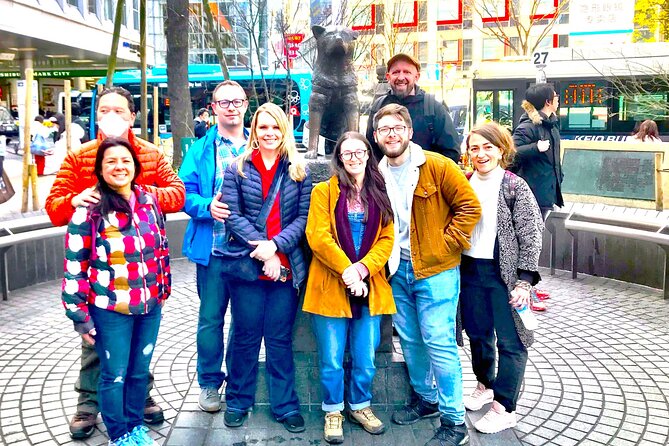
The tour then heads to Shibuya for two brief but important stops. You spend about 10 minutes at Hachiko, the statue of the loyal dog, followed by about 10 minutes at Shibuya Crossing.
These stops are short because the sights are concentrated. Hachiko is a quick photo and meeting point near the station. The crossing is best understood by watching the crowds move in every direction when the signals change. It is a small slice of Tokyo’s everyday city life, not a museum visit.
Do not expect a long look from a special rooftop unless your guide arranges something not listed here. The schedule promises the crossing itself. The value comes from seeing the famous place in context, with someone explaining why it matters in Tokyo’s public life.
With only five people, you also have a better chance of hearing the guide near the station. Stay close. The instructions are strict: if you separate from the host, the host cannot search for you.
Tsukiji Hongwanji and a sushi lunch
Tsukiji Hongwanji Temple receives about 30 minutes. It is a useful stop before the market because it broadens the day beyond food. You get another look at religious life and architecture, with your guide explaining Japanese traditions along the way.
Then comes Tsukiji Fish Market, the longest scheduled stop at about 90 minutes. This includes time for sushi lunch at a Japanese restaurant, but the meal is not included in the $104.34 fee.
That separate payment is worth planning for. The tour price covers the guide and consumption tax, but you pay for food and drinks yourself. Have cash ready, as requested in the tour information, and ask the guide about the lunch cost before ordering if you need to keep close track of spending.
The market is one of the day’s most practical stops. You can see the traditional market area, eat sushi, and ask questions that are hard to answer from a guidebook. The schedule does not promise a cooking lesson or a private tasting, so think of lunch as part of the neighborhood experience rather than a formal food tour.
The 90-minute block should give you a more relaxed break than the 10-minute city landmarks. Still, market food and restaurant timing can affect the pace, so do not expect an unhurried meal with lots of free shopping.
Same corner of Tokyo, a completely different plan:
- Tokyo: teamLab Planets TOKYO Digital Art Museum Entry Ticket
★ 4.6 · 9,779 reviews - Mt Fuji & Hakone Cruise, Drum Show Bullet Train 1 Day from Tokyo
★ 4.0 · 7,413 reviews - Tokyo: Sumo Show Experience with Chicken Hot Pot and a Photo
★ 4.8 · 6,678 reviews - Tokyo: Shinjuku Food Tour (13 Dishes at 4 Local Eateries)
★ 5.0 · 6,603 reviews
The Imperial Palace, Marunouchi, and Tokyo Station
The Imperial Palace visit is an outside walk lasting about 15 minutes. You will not enter the palace buildings on this tour.
That limitation is clear, and it keeps the day moving. The stop is about seeing the palace area and understanding its place in modern Tokyo. If palace interiors or extensive gardens are a top priority, you will need a separate visit.
Next comes Marunouchi, with about 15 minutes on its streets. This district shows the polished business side of the capital. The route then reaches Tokyo Station’s Marunouchi Ekimae Hiroba for another 15 minutes.
Tokyo Station is a useful visual bridge between old and new Tokyo. The schedule lists no included admission, and the tour does not promise entry into paid attractions. You are seeing the station area from outside and moving on.
These three stops are compact, so they work best as orientation points. I like their place in the route because they prevent the day from becoming only temples and markets. You see government, business, transport, and daily city movement in one sequence.
Akihabara: electronics and pop culture
Akihabara gets about 30 minutes. The stop is listed as a street visit, so it is best for seeing the district’s famous storefronts and atmosphere rather than planning a major shopping trip.
Your guide can help explain why Akihabara is more than a row of electronics shops. The experience description promises lessons in Japanese society and culture, and this district gives the day a chance to address modern hobbies, technology, and popular entertainment.
Thirty minutes is enough for a first look. It is not enough to compare products in detail or visit several large stores. If you want a particular item, write down the shop or area and return later. The guide’s role here is to help you read the neighborhood, not to provide a shopping concierge service.
Ueno Park and Ameyoko Street
Ueno Park receives about 30 minutes, followed by 15 minutes at Ameyoko Shopping Street.
The park adds breathing room after the dense commercial districts. Your visit is short, but the stop gives you a taste of one of Tokyo’s best-known public spaces. The itinerary does not include museum admissions, so do not plan on entering a museum during this group tour.
Ameyoko is a different kind of stop. Its market street offers a look at shopping and street life, with a quicker 15-minute visit. This is enough to walk through and get a sense of the area, but not enough to browse every stall or make careful purchases.
I find this part of the route valuable because it shows Tokyo’s everyday side. Not every stop is a postcard landmark. Some are places where people shop, commute, eat, and spend time. That is the sort of context a city overview should provide.
Asakusa’s temples and the finish at the station
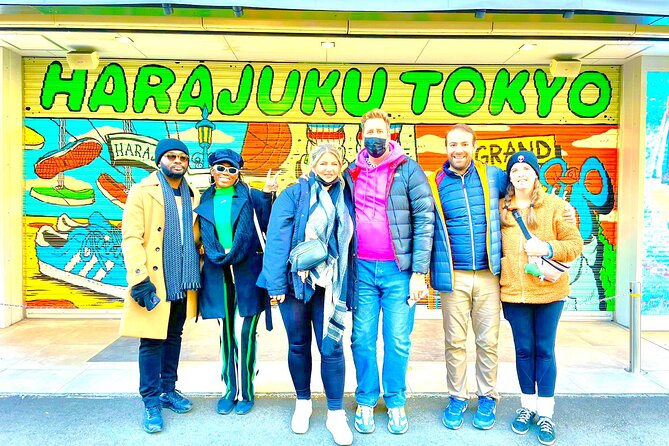
The final district is Asakusa, where the tour visits Asakusa Higashi Hongan-ji Temple, identified in the schedule alongside Sensoji, for about 30 minutes. It then includes Asakusa Shrine for about 10 minutes.
This is a strong finish. Asakusa offers a more traditional face of Tokyo, and the temples give the guide room to explain religious customs, local history, and the way these places function today. The stop is not just a quick photograph at a gate. You can ask questions and compare what you have seen here with Meiji Jingu earlier in the day.
The tour ends around Asakusa Station, at 1-chome-1-3 Asakusa. That is convenient if you want to continue exploring the district afterward, although the scheduled tour itself ends near the station.
Asakusa is also a good place to return on your own. The tour gives you an initial route and basic context. Later, you can come back at a slower pace, browse, eat, or spend more time at the sights that caught your attention.
Why the small group matters
A maximum of five people changes the feel of a city tour. You are not trying to hear a guide over a large crowd, and the host can respond to individual questions more easily.
That personal element is a major strength. Yasuko is repeatedly singled out for her explanations, patience, and care. Michiko is praised for making the history and culture of each stop easy to follow, while Takashi is noted for adjusting the route for one participant who wanted to visit the zoo for pandas.
The last example should not be read as a guaranteed option. It does show that some flexibility may be possible, but changes depend on the guide, timing, and group. Ask early rather than assuming the standard route can be redesigned.
The small group also makes the safety instructions more important. You must follow the host closely through stations and streets. If you break away for any reason, the host is not responsible for finding you, and no refund is offered.
Walking, trains, and the real cost
The tour lasts about 10 hours and requires moderate physical fitness. You will walk through several districts and use public transportation between them. Tokyo’s stations can involve long corridors, stairs, and busy platforms, so comfortable shoes are essential.
Transportation is not included. Prepare a SUICA or PASMO card in advance, or another transportation IC card, and keep enough balance for the day. The exact total depends on the route used and your starting point, so the listed tour price is not your final cost.
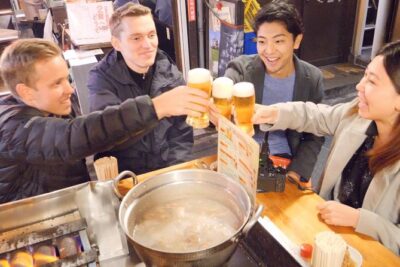
Food and drinks are also separate. The day includes a sushi lunch opportunity at Tsukiji, and the experience description mentions enjoying a drink at an izakaya bar. The detailed stop schedule does not give a fixed bar time or price, so confirm with your guide whether that stop is part of your specific departure.
At $104.34 per person, I see fair value if you want a guide-led overview and would otherwise spend hours planning connections between distant districts. The price is less attractive if you prefer long visits, included meals, or free time. Add transport, lunch, and any drink before comparing it with other Tokyo tours.
Who should choose this Tokyo tour?
I would choose this for a first or second day in Tokyo, especially if you have only two days in the city. It gives you a working map of several major areas and lets you decide where to return.
It also suits solo visitors and couples who want company without joining a huge group. Families with older teenagers may appreciate the variety, but anyone under 18 must have a guardian. If you include anyone under 13, you must request a private tour.
This is not the best fit if you dislike early starts, strict meeting times, or quick stops. The program begins exactly on time. Late arrivals are not admitted and do not receive a refund.
Anyone who is unwell or under the influence of alcohol will not be permitted to join. That rule is firm, with no refund, so treat this as a full-day commitment rather than a flexible drop-in activity.
The experience requires good weather. If poor weather forces cancellation, you are offered another date or a full refund. If the minimum number of participants is not reached, you receive the choice of another date or experience, or a full refund. Otherwise, the booking is non-refundable and cannot be changed.
Should you book the Tokyo Full Course Tour?
Book it if you want to see a lot quickly, learn how Tokyo’s districts fit together, and let a local guide handle the day’s flow. The strongest reasons are the five-person limit, the range of neighborhoods, and guides such as Yasuko and Michiko, who bring patience and useful cultural explanation to a packed schedule.
Skip it if you want slow museum visits, included meals, or a carefully planned food experience with all costs covered. You will pay separately for trains, sushi, drinks, and other food, and the 10-hour route moves at a steady pace.
For a first visit, I think the tour’s best use is as a city primer. Take notes, mark your favorite areas, and return to Asakusa, Tsukiji, Harajuku, or Akihabara when you have time to look around properly.
FAQ
How long does the tour last?
The tour lasts approximately 10 hours.
Where does the tour start?
It starts at Yoyogi Station, 1 Chome-34 Yoyogi, Shibuya, Tokyo 151-0053, Japan.
Where does the tour end?
It ends around Asakusa Station at 1-chome-1-3 Asakusa, Taito City, Tokyo 111-0032, Japan.
How many people can join the tour?
The group has a maximum of five participants.
Is transportation included in the price?
No. You pay your own transportation expenses. A SUICA, PASMO, or another transportation IC card is recommended.
Is food included?
No. Food and beverages are not included. The route includes a sushi lunch opportunity at Tsukiji, but you pay for the meal yourself.
Are admission tickets included?
The listed stops are free except for Tokyo Station, where no admission is included. The Imperial Palace visit is an exterior walk.
Can children join?
Anyone under 18 must be accompanied by a guardian. If you include a child under 13, you must request a private tour.
What physical condition is required?
A moderate level of physical fitness is required because the day combines walking with public transportation.
What happens if the tour is canceled?
If poor weather causes cancellation, you are offered another date or a full refund. If the minimum number of participants is not reached, you are offered another date or experience, or a full refund. Otherwise, the experience is non-refundable.
New on our Tokyo list
- Hakone Hachiri: Old Tokaido Highway Hiking Half-day tour★ 5.0 · 3 reviews
- Tokyo:Calligraphy & Zen Mindful Journey+Take Home Memory★ 5.0 · 3 reviews
- Private Samurai Sword Experience★ 5.0 · 3 reviews
- Tokyo:Cherry Blossom Mt Fuji & Shibazakura Festival Day Trip★ 4.4 · 3 reviews
- Private Tokyo’s Famed Tsukiji Fish Market Tour★ 5.0 · 3 reviews
- Dive into Tsukiji Fish Market Walking Friendly Food Tour★ 5.0 · 3 reviews
- Tokyo Harajuku Walking Tour Meiji Jingu Yoyogi Park and More★ 5.0 · 3 reviews
- Tokyo Private Transfer for Yokohama Cruise Port★ 5.0 · 3 reviews
Tours, compared.
Mt Fuji and Hakone 1-Day Bus Tour Return by Bullet Train
Read our review →
Shinjuku Food Tour (13 Dishes at 4 Local Eateries)
Read our review →
Tokyo Mt Fuji 5th St & Hakone Cruise Bus Tour w/Bullet Train
Read our review →
Flagship 2-Hours Official Street Go-Kart Tour – Tokyo Bay Shop
Read our review →
Mt. Fuji Tour, Hakone Ropeway, Owakudani, Lake Ashi
Read our review →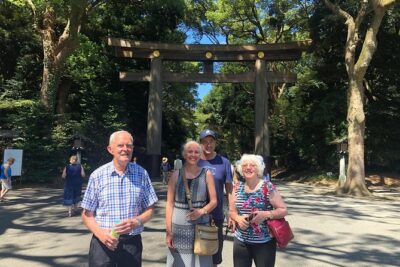
Tokyo 6hr Private Tour with Government-Licensed Guide
Read our review →