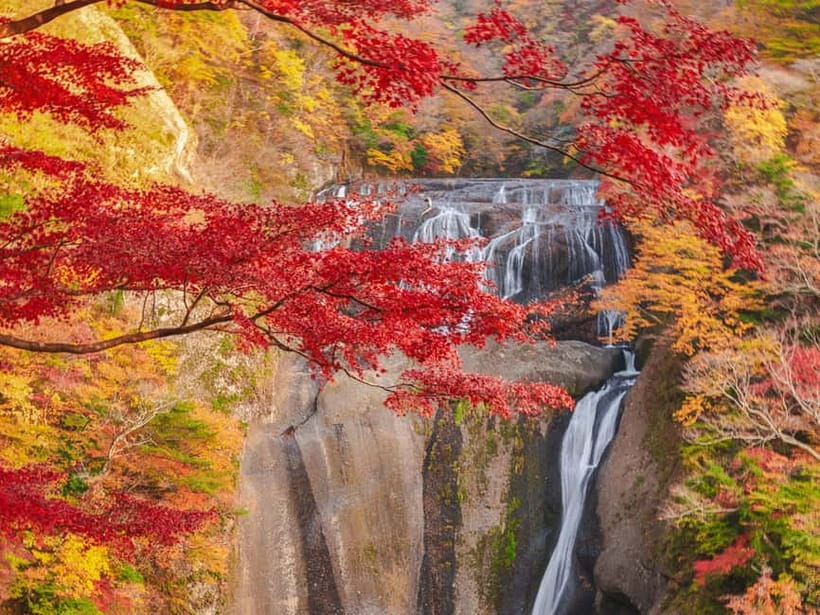
Reviewed · TOURS
Tokyo: Spring Hitachi Seaside & Ashikaga Flower Park Tour
The great trick of this spring flower tour is that it pairs two very different shows in one long day. At Hitachi Seaside Park, about 5.3 million blue nemophila cover Miharashi Hill, then Ashikaga Flower Park brings you huge purple wisteria and an 80-meter white wisteria tunnel.
I like the contrast between blue flowers, sky, and distant sea at Hitachi, and the chance to see Ashikaga’s famous Great Wisteria without arranging trains and park tickets yourself. I also like the helpful bus support from guides such as Gilbert, Miss Park, and Miss Kim. The catch is time: at about 11.5 to 12.5 hours, this is a full day, and several people wanted longer at the flower parks.
In This Review
- Key points to know before booking
- Why the blue hill at Hitachi is the morning highlight
- A practical lunch break at Road Station Mibu
- Ashikaga Flower Park and its famous purple curtains
- What the coach day feels like
- Guides, meeting points, and group support
- What the $98 price really covers
- Who will enjoy this flower tour most
- Small details that make the day easier
- Should you book the Hitachi and Ashikaga day trip?
- FAQ
- Where does the tour depart from?
- Where does the tour finish?
- How long does the tour last?
- What languages does the guide speak?
- Is transportation included?
- Are admission tickets included?
- Is lunch included?
- How much time is spent at Hitachi Seaside Park?
- How much time is spent at Ashikaga Flower Park?
- Can I cancel for a full refund?
- Is payment required at booking?
- Can I bring an infant?
- Can I bring a stroller or wheelchair?
- Can traffic delay the return to Tokyo?
Key points to know before booking
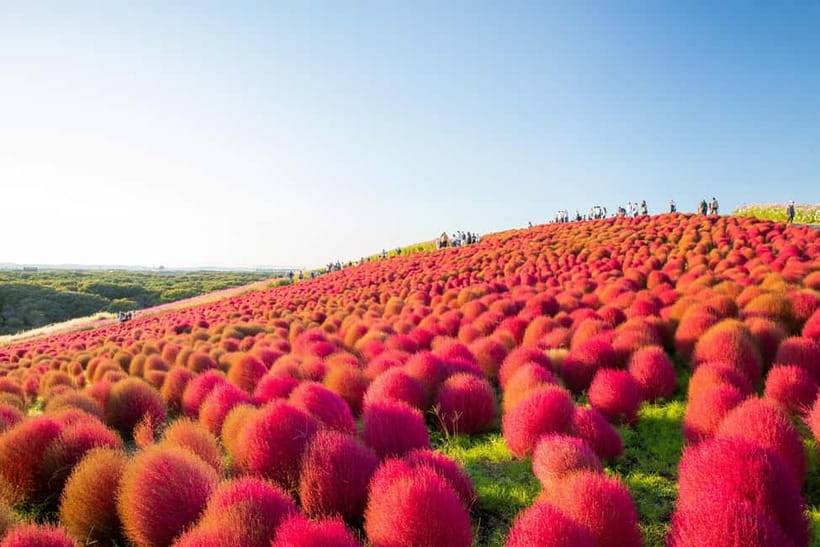
- 5.3 million nemophila at Hitachi: Walk Miharashi Hill for one of Japan’s most recognizable spring views.
- Great Wisteria at Ashikaga: Purple flowers hang from overhead trellises, while an 80-meter white wisteria tunnel gives you a second grand display.
- One long coach day: The schedule includes roughly five hours of road time, so comfortable shoes and patience matter.
- Mibu food stop: You get about 40 minutes to choose lunch, snacks, and dessert at a large roadside stop, with Bandai character displays to add some fun.
- English and Korean support: Guides can help with timing and meeting points, and guide Gilbert received special praise for keeping the group moving during Golden Week traffic.
- Good value at $98: Transport, guide service, and admission are included, but meals and personal purchases are extra.
Why the blue hill at Hitachi is the morning highlight
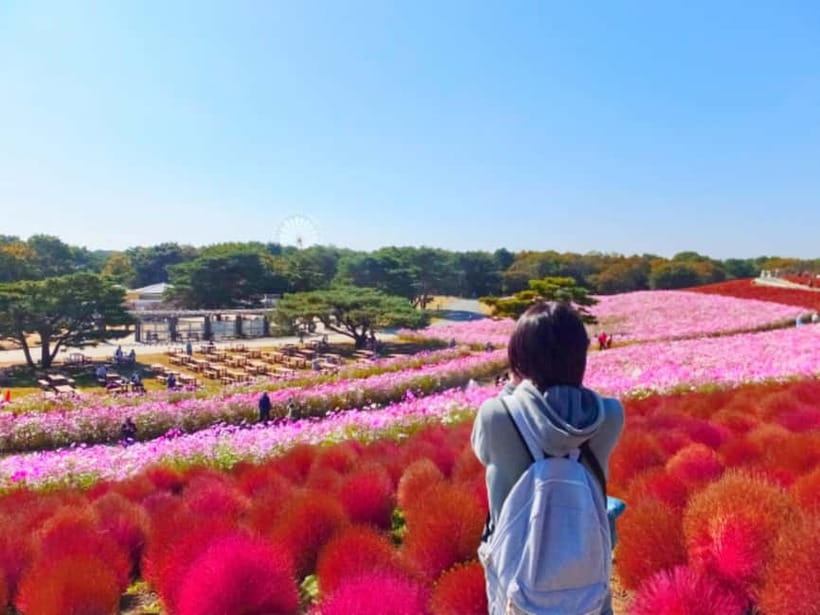
Hitachi Seaside Park is the reason many people book this outing. In spring, Miharashi Hill turns blue with roughly 5.3 million nemophila flowers. The view works because the color does not stop at the flowers. Blue blooms meet open sky, with the distant ocean helping complete the picture.
You’ll have about two hours here for a visit, photos, and independent walking. That sounds generous until you reach the hill, take pictures, and begin noticing that the park is bigger than one viewpoint. If you enjoy gardens, you may want every minute.
I like this stop because it is more than a quick roadside photo pause. You get time to walk and look at the flowers from different angles. The broad view is the main event, but the pleasure comes from slowing down enough to notice how the slope changes as you move.
The timing of the visit matters. Nemophila is a seasonal display, and the exact condition of the flowers depends on the date, weather, and the season’s progress. A May visit may catch the last of the blue flowers rather than their fullest display, as happened for one May group. If your main goal is the nemophila, check the expected bloom period before you reserve.
This is also where the group schedule can feel tight. One person who enjoyed the park still wished for more time to walk around the gardens. I would plan to photograph the main hill first, then explore only if time remains. Do not spend the first half hour wandering without checking where and when the bus reconvenes.
A few more Tokyo bookings worth comparing
- Mt Fuji and Hakone 1-Day Bus Tour Return by Bullet Train
★ 5.0 · 26,383 reviews - 1-Day Tokyo Bus Tour
★ 5.0 · 14,250 reviews - Tokyo: TOKYO SKYTREE® Admission ticket
★ 4.5 · 11,192 reviews
A practical lunch break at Road Station Mibu
After Hitachi, the coach travels for about an hour to Road Station Mibu. You have around 40 minutes here for a stop, food, and a bit of sightseeing. It is not a long sit-down meal, so think of it as a flexible food break rather than a planned culinary experience.
The useful part is choice. You can select from different dishes and desserts instead of being tied to one set menu. Meals are not included in the $98 price, so keep money available for lunch, drinks, snacks, or sweets.
Mibu also has various well-known Bandai characters, which gives the stop a playful Japanese pop-culture angle. For families and anyone who enjoys character goods, this is more than a plain service station. For everyone else, it is a chance to stretch your legs and pick up food before the afternoon park.
I would keep your lunch decision simple. With only 40 minutes, long queues or an indecisive search can eat into the break. If you need a substantial meal, choose promptly. If you prefer to spend more time at Ashikaga, a quick purchase here may be the sensible choice.
The schedule also lists a local restaurant lunch stop, but meals remain excluded from the tour price. Treat the food arrangements as your own responsibility and ask the guide if you are unsure where the group is expected to eat.
Ashikaga Flower Park and its famous purple curtains
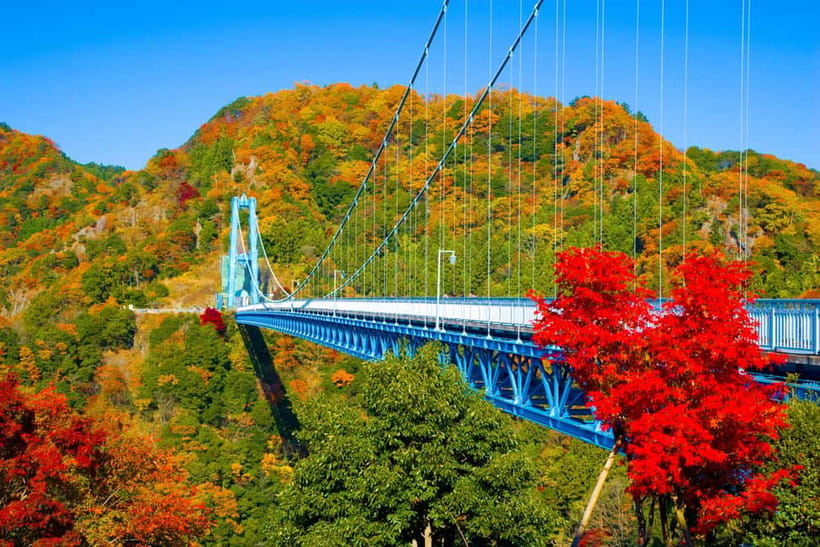
Ashikaga Flower Park is the afternoon prize. You get about 110 minutes to see one of the Kanto region’s best-known wisteria displays, including the Great Wisteria that helped put the park on international must-see lists.
The huge purple blooms hang down from overhead supports like curtains. The effect is different from Hitachi’s open hill. At Ashikaga, you walk under the flowers, with the blossoms forming a roof and walls around parts of the path. The scale is the thing to watch for. The Great Wisteria trees are large enough to make ordinary garden flowers look modest.
The white wisteria tunnel is another memorable feature. It stretches for about 80 meters and gives you a long, enclosed walk beneath pale hanging blooms. The color change from purple to white makes the visit feel varied, even though wisteria remains the main subject.
I would put Ashikaga first on your personal priority list if you have limited time in the park. The 110-minute visit is enough to see the main sights, but it is not enough for a relaxed, all-day garden visit. One person who loved the park would have skipped other stops to spend longer there. That is useful advice if you are deciding between a broad day trip and a slower garden visit.
Wisteria timing is just as important as nemophila timing. The tour is built around spring flowers, but bloom condition can shift with weather and the calendar. Ask about the expected display when booking, especially if your dates are fixed and one park matters much more to you than the other.
What the coach day feels like
The tour lasts between 690 and 750 minutes, depending on the departure option and schedule. The listed driving sections add up to roughly five hours: about 2.5 hours to Hitachi, one hour to Mibu, one hour to Ashikaga, and about 110 minutes back to Tokyo.
That road time is the price of seeing two major parks in one outing. You avoid planning separate rail connections, local buses, and admission purchases, but you give up some freedom. Traffic can affect the schedule, especially during peak spring periods and national holidays.
Golden Week traffic was handled well on one outing, with the group leaving on time and getting through the day efficiently. That does not guarantee a perfectly timed return. Japanese law limits vehicles to 10 hours of operation, and the guide may adjust the plan when traffic, weather, or on-site conditions require it.
You should expect possible delays returning to Tokyo. The advertised duration is already long, so do not book an important evening reservation too close to the planned drop-off. The tour returns to either the Shinjuku or Tokyo area, but the exact arrangement depends on the option you book.
The bus is the main comfort feature. After walking at two parks, having a coach carry you between stops is much easier than handling several transfers on your own. Still, it is not a relaxed countryside retreat. Bring water, a phone charger, and something to occupy you during the longer rides.
Same corner of Tokyo, a completely different plan:
- Tokyo: teamLab Planets TOKYO Digital Art Museum Entry Ticket
★ 4.6 · 9,779 reviews - Mt Fuji & Hakone Cruise, Drum Show Bullet Train 1 Day from Tokyo
★ 4.0 · 7,413 reviews - Tokyo: Sumo Show Experience with Chicken Hot Pot and a Photo
★ 4.8 · 6,678 reviews - Tokyo: Shinjuku Food Tour (13 Dishes at 4 Local Eateries)
★ 5.0 · 6,603 reviews
Guides, meeting points, and group support
You can start from Starbucks Coffee at Shinjuku L Tower or from Tokyo Station, with the exact meeting point depending on the selected option. Read the booking details carefully, since choosing the wrong starting location could create a rushed morning.
The tour includes an English and Korean-speaking guide. Guide Gilbert received especially strong praise for clear support, keeping the group on time, and managing a difficult Golden Week travel day. Miss Park and Miss Kim were also singled out for making the day easy and enjoyable.
The guide’s practical job matters here. The parks are large, the schedule has fixed coach departures, and traffic can change the plan. A good guide helps you understand where to go, when to return, and what changes are being made.
A reminder email is sent one day before departure between 3:00 PM and 5:00 PM. It includes a group-chat link for direct contact with the tour staff. Check your spam folder if you do not see it, since this message contains useful departure information.
Infants can join free of charge, but no separate seat is provided. If you plan to bring a stroller or wheelchair, tell the operator in advance. The supplied information does not promise special vehicle space or a fully accessible route, so you should ask before booking if mobility support is important.
What the $98 price really covers
At $98 per person, this tour is priced as a convenience day trip rather than a cheap local excursion. Your transport, English or Korean guide, and admission tickets are included. That removes three common planning tasks and gives you access to two popular seasonal parks in one day.
Meals are not included. Add money for lunch at Mibu, drinks, dessert, and any personal purchases. The roadside stop has many food choices, which is useful, but choice also means the final cost depends on what you buy.
The value is strongest if you want both parks and do not want to build the route yourself. Separate transport planning could take time, and spring weekends can make popular attractions harder to manage. The value is weaker if you dislike fixed schedules or want to spend half a day at one garden.
I see this as a good price for a first visit to the region. You pay for access and ease, not for a private experience. The tour does not give you unlimited time, but it makes an ambitious day possible from Tokyo.
Who will enjoy this flower tour most
I would recommend it to you if you want major spring scenery and prefer an organized day. It suits first-time visitors who have a short Tokyo stay and want to see more of Honshu without changing hotels.
It is also a good choice for photographers who want two very different subjects: a wide blue hill at Hitachi and close overhead blooms at Ashikaga. Bring a camera or phone with plenty of storage. The two parks offer many repeated views, so you may take more pictures than expected.
Families may like the clear structure, coach transport, dessert choices, and Bandai characters at Mibu. The long day can still be tiring for young children, especially since the infant price does not include a seat.
You may want another plan if you are a serious garden enthusiast. Two hours at Hitachi and 110 minutes at Ashikaga allow a strong first look, but not a slow study of every garden area. Several people wanted extra time, particularly at Ashikaga.
This is also not the right outing if you need a guaranteed return time. Traffic and weather can alter the schedule, and peak-season drop-offs may run late. Keep your evening open.
Small details that make the day easier
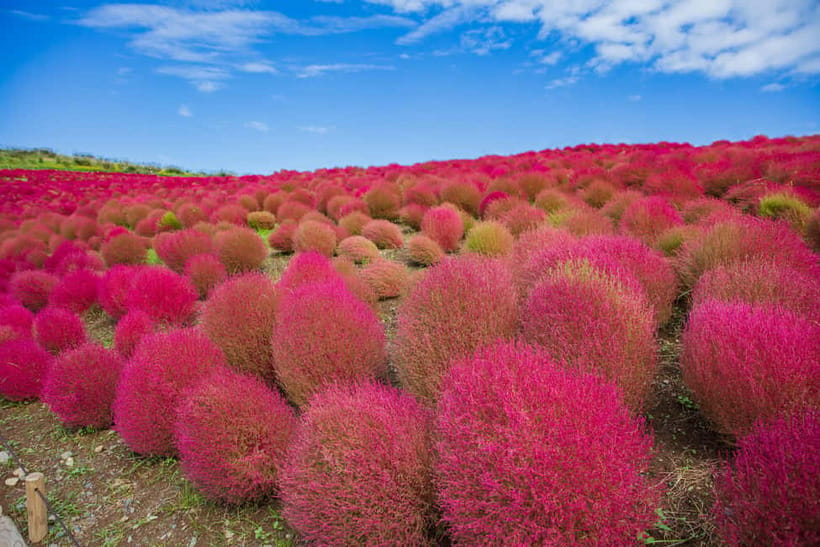
Wear shoes that are comfortable for extended walking. Both parks require more than stepping off the bus for a single view, and the best flower scenes come from walking the paths.
Bring a light layer and rain protection. The tour runs outdoors at both main stops, and the condition of the flowers and comfort of the walk depend on the weather.
At each park, note the bus departure time as soon as you arrive. Use the first few minutes to orient yourself, then go straight to the feature you most want to see. At Hitachi, that means Miharashi Hill. At Ashikaga, it means the Great Wisteria and white tunnel.
Keep lunch flexible at Mibu. Forty minutes passes quickly, so choose your food early rather than treating the stop like a leisurely restaurant visit.
Finally, remember that the strongest flower displays are seasonal. A tour date can be excellent for one bloom and later for another. If you have a choice, ask which flowers are expected to be at their best on your date.
Should you book the Hitachi and Ashikaga day trip?
Book it if you want a simple way to see two famous spring flower parks from Tokyo, value included admission and coach transport, and can handle a long, scheduled day. The blue nemophila at Hitachi and the Great Wisteria at Ashikaga give you two memorable scenes for one price.
Skip it if you want hours of quiet garden time, dislike long bus rides, or must return to Tokyo at a precise hour. The schedule is efficient, not leisurely.
For most first-time visitors with limited time, I think the $98 cost is fair. Just set your expectations correctly: this is a broad sampler of two spectacular parks, with useful guide support and a practical lunch stop, not an unhurried botanical day.
FAQ
Where does the tour depart from?
You can choose between Starbucks Coffee at Shinjuku L Tower and Tokyo Station. The exact meeting point depends on the option you book.
Where does the tour finish?
The listed drop-off areas are Starbucks Coffee at Shinjuku L Tower and Tokyo Station. Your exact drop-off arrangement depends on the selected option.
How long does the tour last?
The duration is between 690 and 750 minutes, or about 11.5 to 12.5 hours.
What languages does the guide speak?
Live guide support is available in English and Korean.
Is transportation included?
Yes. Transportation by coach is included in the tour price.
Are admission tickets included?
Yes. Admission tickets for Hitachi Seaside Park and Ashikaga Flower Park are included.
Is lunch included?
No. Meals are not included. You can buy food and dessert at Road Station Mibu, which has different dishes and snacks.
How much time is spent at Hitachi Seaside Park?
The scheduled visit is about two hours, including sightseeing, photos, and free time.
How much time is spent at Ashikaga Flower Park?
The scheduled visit is about 110 minutes. This allows time for the Great Wisteria and the white wisteria tunnel, but you may find the visit short if you want to see the whole park slowly.
Can I cancel for a full refund?
You can cancel up to 24 hours before departure for a full refund.
Is payment required at booking?
The reserve-now, pay-later option lets you hold your place without paying immediately.
Can I bring an infant?
Infants are free, but no seat is available for the infant.
Can I bring a stroller or wheelchair?
You should inform the operator in advance if you plan to bring a stroller or wheelchair. The supplied information does not specify the level of access at each site.
Can traffic delay the return to Tokyo?
Yes. Traffic and weather can change the itinerary, and drop-off may be delayed during peak periods. Japanese law also limits vehicle operation to 10 hours, so the guide may adjust the schedule.
New on our Tokyo list
- Hakone Hachiri: Old Tokaido Highway Hiking Half-day tour★ 5.0 · 3 reviews
- Tokyo:Calligraphy & Zen Mindful Journey+Take Home Memory★ 5.0 · 3 reviews
- Private Samurai Sword Experience★ 5.0 · 3 reviews
- Tokyo:Cherry Blossom Mt Fuji & Shibazakura Festival Day Trip★ 4.4 · 3 reviews
- Private Tokyo’s Famed Tsukiji Fish Market Tour★ 5.0 · 3 reviews
- Dive into Tsukiji Fish Market Walking Friendly Food Tour★ 5.0 · 3 reviews
- Tokyo Harajuku Walking Tour Meiji Jingu Yoyogi Park and More★ 5.0 · 3 reviews
- Tokyo Private Transfer for Yokohama Cruise Port★ 5.0 · 3 reviews
Tours, compared.
Mt Fuji and Hakone 1-Day Bus Tour Return by Bullet Train
Read our review →
Shinjuku Food Tour (13 Dishes at 4 Local Eateries)
Read our review →
Tokyo Mt Fuji 5th St & Hakone Cruise Bus Tour w/Bullet Train
Read our review →
Flagship 2-Hours Official Street Go-Kart Tour – Tokyo Bay Shop
Read our review →
Mt. Fuji Tour, Hakone Ropeway, Owakudani, Lake Ashi
Read our review →
Tokyo 6hr Private Tour with Government-Licensed Guide
Read our review →