
Reviewed · SPA & HOT SPRINGS
Mt. Fuji Tours to Lake Kawaguchi and Yamanaka Onsen English Guide
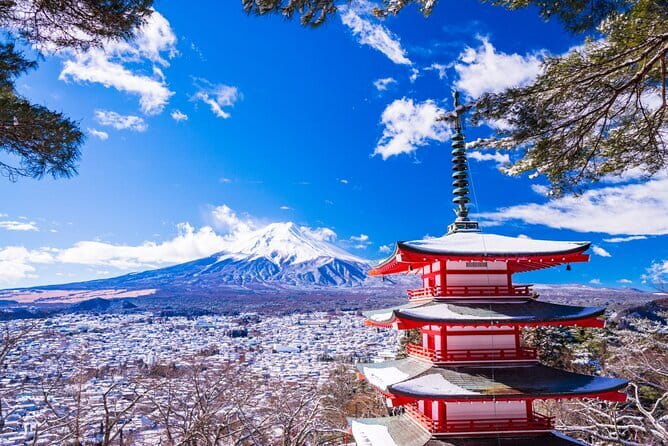
Mount Fuji is the star here, but the best part is seeing it from several angles in one day. You’ll have time at Lake Kawaguchi, a possible soak beside Lake Yamanaka, and a seasonal final stop: Arakurayama Sengen Park in the cooler months or the 5th Station in summer.
I like the strong mix of views and the low price, $61.06, which includes transport, tolls, fuel, a driver, and a certified guide. I also like the four-season plan at Lake Kawaguchi, which changes the day with flowers, autumn leaves, a music museum, or Oishi Park. The trade-off is a fixed carpool schedule, with up to 45 people, and the hot spring fee is extra.
In This Review
- Key points to know before booking
- Why this Mount Fuji day trip works from Tokyo
- Lake Kawaguchi gives you the first clear look
- Lake Yamanaka adds a useful hot spring break
- Winter and spring bring Arakurayama Sengen Park
- Summer goes higher at the Mount Fuji 5th Station
- How the timing affects your day
- What is included, and what will cost extra
- Who should choose this tour
- Should you book it?
- FAQ
- How long does the Mount Fuji tour last?
- What is the price of the tour?
- Is the tour available every day?
- Which seasonal attractions are included at Lake Kawaguchi?
- Does the tour visit both Arakurayama Sengen Park and the Mount Fuji 5th Station?
- Is the hot spring fee included?
- Can I bring luggage?
- What happens if I need to cancel?
Key points to know before booking
- Seasonal stops change the shape of the day: Oishi Park, the Fuji Shibazakura Festival, the Lake Kawaguchi Music Museum, and the Maple Leaf Corridor are assigned by date.
- Arakurayama Sengen Park is not a year-round stop: It replaces the 5th Station from October 1 through April 25.
- The Mount Fuji 5th Station is a summer option: It replaces Arakurayama from April 26 through September 30.
- Lake Yamanaka offers a real hot spring choice: Red Fuji no Yu charges 1,120 yen for an adult bath and towel, though bathing is optional.
- Guides can be a major strength: Christy, Sandy, Damon, and Mario are named guides associated with this departure, with several noted for speaking three languages.
- You are buying convenience, not a private tour: The vehicle follows a set route, and traffic can slow the return on weekends and public holidays.
Why this Mount Fuji day trip works from Tokyo
A Mount Fuji outing from Tokyo can be awkward by public transport. The mountain is not beside the city, and the most photogenic spots are spread around the Fuji Five Lakes area. This tour handles the driving, highway fees, and route planning for $61.06 per person.
That price is especially fair if you want a full day outside Tokyo without paying for a private car. You get roughly eight hours away from the city, an English-speaking guide, and several major viewpoints. Food, drinks, and optional activities remain your responsibility, but the core transport costs are covered.
The main thing to understand is that this is a fixed group tour, not a flexible custom outing. You must keep to the allotted time at each stop. If you want to linger at a lake, skip the hot spring, or add another shrine, this is not the right format. If you want an efficient first look at the Mount Fuji area, it makes good sense.
Guide quality can shape the day. Christy is described as friendly, helpful, and able to speak English, Chinese, and Japanese. Sandy is also noted for being friendly and communicative, while Damon and Mario are both described as fluent in three languages. One practical weakness came from a bus microphone that cut in and out, though the guide still kept the tour moving.
More Mt Fuji days from Tokyo:
- Mt Fuji and Hakone 1-Day Bus Tour Return by Bullet Train
★ 5.0 · 26,383 reviews - Mt Fuji & Hakone Cruise, Drum Show Bullet Train 1 Day from Tokyo
★ 4.0 · 7,413 reviews - Tokyo Mt Fuji 5th St & Hakone Cruise Bus Tour w/Bullet Train
★ 4.4 · 5,024 reviews
Lake Kawaguchi gives you the first clear look
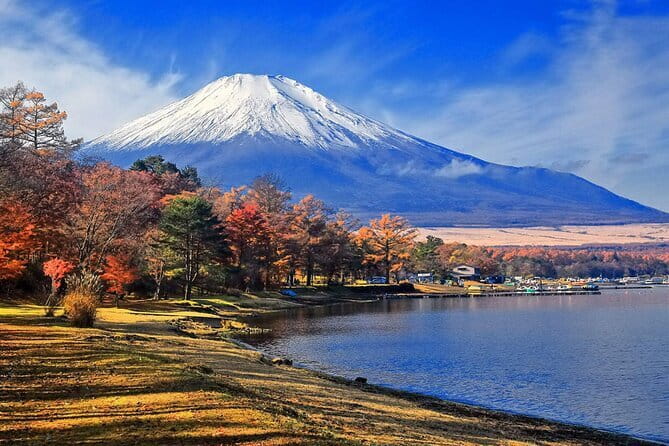
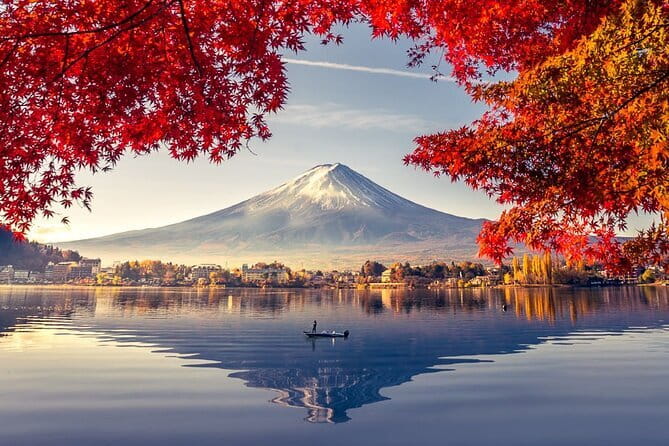
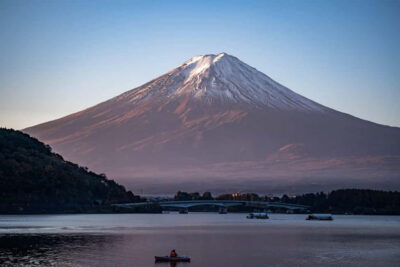
Lake Kawaguchi is your opening base for Mount Fuji views. You receive about 30 minutes of free time to look toward the mountain and take photographs, followed by a roughly one-hour seasonal stop. The lake is one of the best places to see how Mount Fuji changes with the calendar.
The free time is useful, but short. If clouds are moving across the summit, you may need to take your photos quickly. The schedule does not leave room for a long lakeside walk, so think of this stop as a focused view rather than a relaxed afternoon by the water.
The second Lake Kawaguchi stop depends on your date:
- From November 24 to April 14, you visit Oishi Park for about 60 minutes.
- From April 15 to May 28, the stop is the Lake Motosu Fuji Shibazakura Festival, also for about 60 minutes.
- From May 29 to July 10, the tour returns to Oishi Park.
- From July 11 to October 19, you visit the Lake Kawaguchi Music Museum.
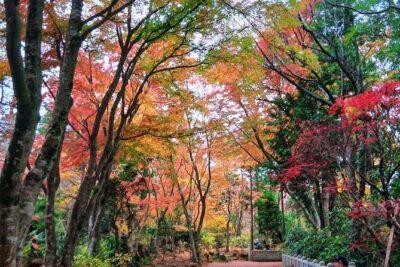
- From October 20 to November 23, the stop is the Kawaguchiko Maple Leaf Corridor.
This calendar is one of the more interesting features of the trip. You are not seeing precisely the same day in every season. Spring brings the possibility of moss phlox at the Fuji Shibazakura Festival, while autumn turns the Maple Leaf Corridor into the natural highlight. Oishi Park is the broader all-purpose stop, with views across the lake toward Mount Fuji.
Lunch is handled during the Lake Kawaguchi portion, but it is not included. You can use this time for a free meal at your own expense. Since the itinerary is shared, you should not count on a long, unhurried restaurant stop. Keep an eye on the meeting time.
Lake Yamanaka adds a useful hot spring break
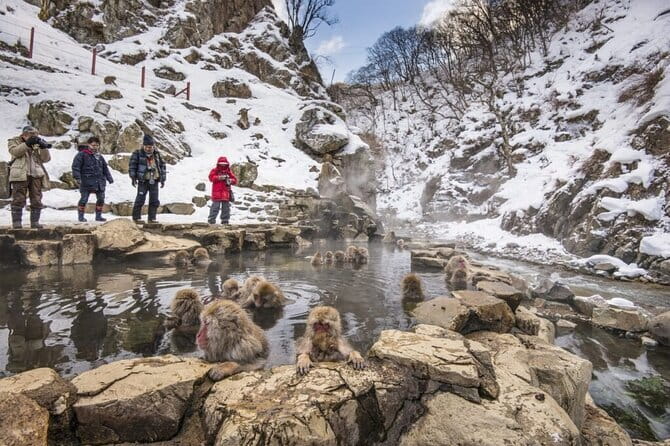
The second main area is Lake Yamanaka, where you have about 70 minutes. It is the only one of the Fuji Five Lakes with a natural river outlet, a small geographic detail that gives the lake a different character from its neighbors.
The advertised choice here is simple: look at Mount Fuji from the area, or pay to use a hot spring. At Yamanakako Hot Spring Red Fuji no Yu, you can bathe while looking toward Mount Fuji. The adult bathing and towel cost is 1,120 yen. Middle and high school students pay 920 yen, and elementary school students pay 570 yen.
You do not have to enter the bath. The tour provides pick-up and drop-off in the same vehicle if you choose to bathe, but the bathing charge is not part of the tour price. With only 70 minutes, you should decide fairly quickly. Changing clothes, bathing, drying off, and returning to the vehicle all take part of that window.
Red Fuji no Yu is closed every Tuesday. On that day, the suggested alternative is Mount Fuji Hot Spring, where you can see Mount Fuji from the lounge. The weekday bath price is listed as 1,600 yen. Because the tour information does not promise the same bathing arrangement at the alternative, check the day’s instructions before you rely on a full soak.
The hot spring is a pleasant idea, but it is also the part most likely to create disappointment if expectations are unclear. You may not have enough time for a leisurely spa visit, and cloud cover can hide Mount Fuji from both facilities. Still, it gives the day a welcome change of pace after several photo stops.
Winter and spring bring Arakurayama Sengen Park
From October 1 through April 25, the tour visits Arakurayama Sengen Park instead of the Mount Fuji 5th Station. You have about one hour here.
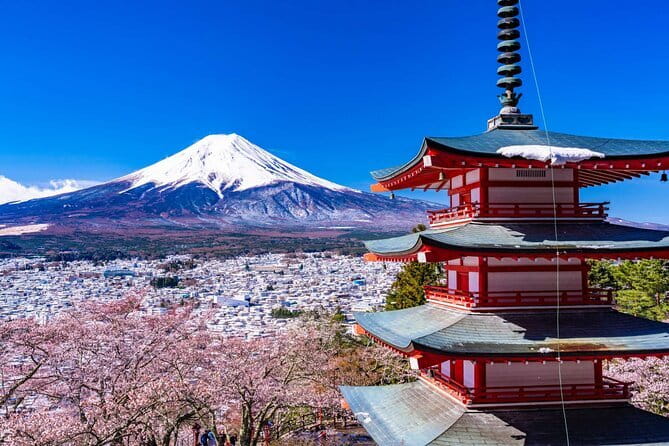
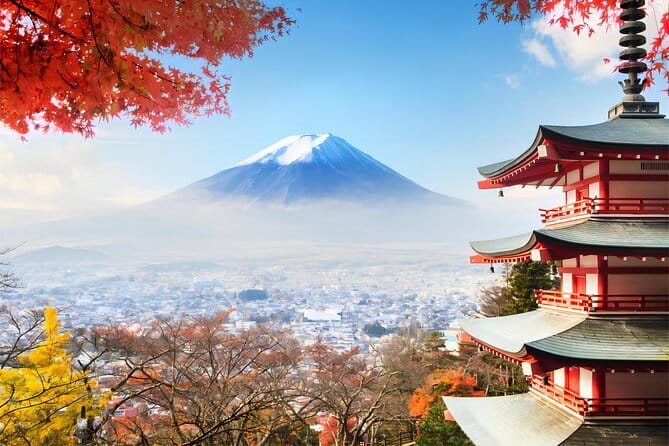
This is the classic picture-postcard stop: a five-story pagoda, Mount Fuji, and Fujiyoshida below in one frame. Reaching the main viewpoint requires climbing 397 steps near the shrine. The climb is not a minor detail, especially in winter or after a long morning, but the view explains why this stop is so popular.
The setting changes sharply through the year. Cherry blossoms add color in spring, fresh greenery appears in summer, autumn brings red leaves, and snow can frame the pagoda in winter. The tour only uses this stop during the colder part of its seasonal schedule, so spring blossoms or winter snow are possible but never guaranteed.
You should wear shoes suitable for stairs and leave room in your schedule for the climb. There is no admission charge listed for the park, but the time is fixed. If you spend too long at the lower shrine area, you will have less time at the main overlook.
Arakurayama is best for the famous full composition. Mount Fuji is not merely a distant cone here. It shares the frame with the pagoda and town below, giving you a strong sense of the region’s religious and cultural setting. The viewpoint can be crowded, so your one-hour visit is better used with a clear plan: climb, photograph, take in the view, and return on time.
A few more Tokyo bookings worth comparing
- From Tokyo: Private Tour to Fuji/Hakone – Onsen, Art, Nature
★ 5.0 · 116 reviews - Mt. Fuji, Hakone Private Tour from Tokyo – Onsen, Arts and Nature
★ 5.0 · 79 reviews - Tokyo: Mount Fuji 5th Station & Onsen Day Trip
★ 4.3 · 75 reviews - Tokyo: Mt Takao Tour with Ramen and Tattoo-Okay Hot Spring
★ 5.0 · 69 reviews
Summer goes higher at the Mount Fuji 5th Station
From April 26 through September 30, the tour visits Mount Fuji 5th Station instead of Arakurayama Sengen Park. The stay is about 40 minutes.
The 5th Station sits at an altitude of 2,305 meters, partway up Mount Fuji. This changes the experience from seeing the mountain across a lake to looking up at its upper slopes from close range. On a clear day, you can look over the surrounding area. When clouds gather, the view may shift to a sea of clouds.
Forty minutes is enough for a short walk, photographs, and a look around, but not enough for a serious mountain outing. This is a scenic stop, not a climbing experience. You will not visit the summit, and this itinerary does not include a hike up the mountain.
The 5th Station can also be weather-sensitive. The tour notes that the schedule may change because of weather, road conditions, and other factors. Even if the vehicle reaches the station, cloud can block the wider view. That is normal for Mount Fuji, where conditions can change quickly.
The summer arrangement makes sense for a seasonal tour. It takes you higher when access is available and avoids promising the 5th Station in the colder months. If your dream image is the pagoda with Mount Fuji, choose a date from October through April. If you want to approach the mountain itself, choose the late April through September schedule.
How the timing affects your day
The trip lasts about eight hours, but the listed stops do not account for all of that time. Driving between Tokyo, the Fuji area, and the lakes takes the remaining hours, as does lunch. Traffic can be heavy on weekends and public holidays, so the day may feel longer on busy dates.
The basic stop pattern is:
- Lake Kawaguchi views and a seasonal attraction, about 90 minutes total
- Lake Yamanaka, about 70 minutes
- Arakurayama Sengen Park, about one hour, from October 1 through April 25
- Mount Fuji 5th Station, about 40 minutes, from April 26 through September 30
- Travel time and lunch between stops
This is a lot of ground for one day. I like the variety, but you should not expect long, quiet periods at any one place. The value comes from seeing several distinct sides of the area without arranging separate trains, buses, and tickets.
You should also avoid bringing much luggage. One piece per person is allowed if you note it when booking. An additional 100 yuan per piece can be charged if you fail to declare it or bring more than one item. A foldable stroller can be carried, but you need to tell customer service when booking.
The tour accepts most people and runs with a maximum of 45 participants. That upper limit means the vehicle may feel busy, and every boarding stop can take time. The guide will provide the meeting information, including a phone number and vehicle license plate, by email the night before, so make sure your email and mobile number work during the trip.
What is included, and what will cost extra
The $61.06 price includes the vehicle service listed in the route, fuel, tolls, highway charges, the driver, and a certified tour guide. For a long day from Tokyo, that is a reasonable package.
You pay separately for lunch, drinks, personal purchases, and local activities. The clearest extra cost is the hot spring. Red Fuji no Yu is 1,120 yen for an adult bath and towel, while Mount Fuji Hot Spring lists a 1,600 yen weekday bath price when Red Fuji no Yu is closed.
The tour does not charge an admission fee for the listed park or viewpoint stops. The seasonal festival or museum may have its own conditions, but the supplied information identifies the tour entry for these stops as free. Bring some Japanese yen if you want a bath, food, or small purchases.
The low price does not mean every part of the day is equally relaxed. You are paying for transport and access to a carefully chosen route, not a private guide who can stop whenever you wish. That distinction matters more than the small optional fees.
Who should choose this tour
I would choose this outing if you are staying in Tokyo and want one organized day devoted to Mount Fuji. It suits first-time visitors who want the major viewpoints, families who prefer a vehicle to several train connections, and anyone who likes a mix of photographs, seasonal scenery, and a possible hot spring.
It also works well for solo visitors because the minimum booking is one person and departure is guaranteed for the selected day. The guide support is useful when the group includes English speakers, and some guides also speak Chinese and Japanese.
You may want another option if you dislike fixed schedules, large groups, or long drives. A private charter would give you more control, but it would not match this price. You should also think twice if your only goal is the 5th Station, since it is available only from April 26 through September 30, or if your only goal is Arakurayama, since that stop is limited to October 1 through April 25.
For the best chance of clear views, remember that no tour can control the clouds. The route gives you several chances to see Mount Fuji, which is smart, but every stop remains weather dependent.
Should you book it?
Book this tour if you want a good-value, all-in-one Mount Fuji day from Tokyo and are comfortable sharing a vehicle and following a firm timetable. The combination of Lake Kawaguchi, Lake Yamanaka, and a seasonal final viewpoint gives the day more variety than a single photo stop.
Choose your date based on the feature you want most. Select October through April for Arakurayama’s pagoda and Mount Fuji view. Select late April through September for the 5th Station. Add the hot spring only if you are happy to pay the fee and use much of your 70-minute Lake Yamanaka stop.
The named guides, including Christy, Sandy, Damon, and Mario, add confidence for English-speaking customers, especially when multilingual help is useful. Just keep your expectations practical: this is an efficient group excursion, not a slow country retreat.
FAQ
How long does the Mount Fuji tour last?
The experience lasts about eight hours, including driving between Tokyo and the Fuji area, lunch time, and visits to the listed stops.
What is the price of the tour?
The listed price is $61.06 per person.
Is the tour available every day?
Yes. The tour offers daily departures, requires only one person to book, and guarantees departure on the selected day.
Which seasonal attractions are included at Lake Kawaguchi?
The tour visits Oishi Park from November 24 to April 14 and again from May 29 to July 10. It visits the Lake Motosu Fuji Shibazakura Festival from April 15 to May 28, the Lake Kawaguchi Music Museum from July 11 to October 19, and the Kawaguchiko Maple Leaf Corridor from October 20 to November 23.
Does the tour visit both Arakurayama Sengen Park and the Mount Fuji 5th Station?
No. Arakurayama Sengen Park is visited from October 1 through April 25. The Mount Fuji 5th Station replaces it from April 26 through September 30.
Is the hot spring fee included?
No. The hot spring is optional and must be paid for separately. Red Fuji no Yu lists an adult bath and towel fee of 1,120 yen.
Can I bring luggage?
You may bring one piece of luggage per person if you clearly note it when booking. An extra 100 yuan per piece may be charged for undeclared luggage or additional pieces.
What happens if I need to cancel?
You can receive a full refund if you cancel at least 24 hours before the experience start time. Cancellations or changes made less than 24 hours before the start time are not accepted for a refund.
New on our Tokyo list
- Sumi-e Experience in a relaxing green tea shop in Tokyo★ 5.0 · 3 reviews
- Tokyo : Kamikaze Street Drift Ride★ 5.0 · 3 reviews
- Private Zen Meditation in English in Shinjuku, Tokyo★ 5.0 · 3 reviews
- Onsen Spa in Tokyo and Asakusa Bar Hopping with Local Guide★ 5.0 · 3 reviews
- Easy for everyone! Now you can play handmade mini shamisen and show off to everyone! Musical instruments, sweets and live music★ 5.0 · 3 reviews
- Tokyo: Private Tsukiji Street Food & Sake with Local Guide★ 5.0 · 3 reviews
- Mt Fuji Exploration Tour with Free Japanese Kusa Mochi from Tokyo★ 4.5 · 3 reviews
- Tokyo Tsukiji Fish Market Walking and Exploring Hidden Gems Tour★ 5.0 · 3 reviews
Spa & Hot Springs, compared.
Private Tour to Fuji/Hakone – Onsen, Art, Nature
Read our review →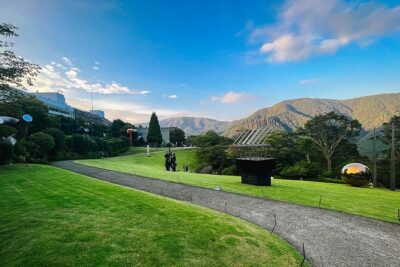
Mt. Fuji, Hakone Private Tour from Tokyo – Onsen, Arts and Nature
Read our review →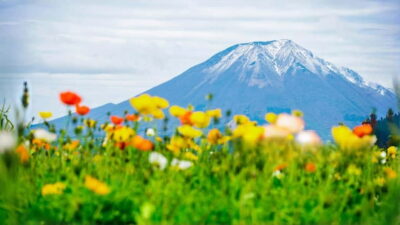
Mt Takao Tour with Ramen and Tattoo-Okay Hot Spring
Read our review →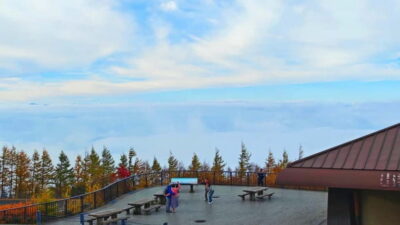
[Seasonal Limited] Mt. Fuji 5th Station &Hot Spring Day Tour
Read our review →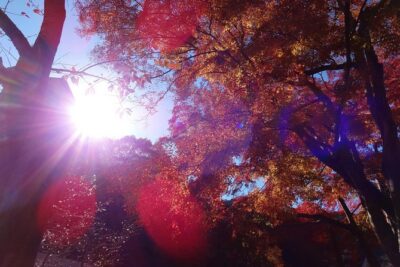
Full Day Hiking Tour at Mt.Takao including Hot Spring
Read our review →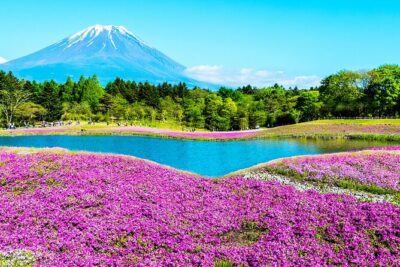
Mt. Fuji 5th, Oshino Hakkai, Onsen Full-Day Trip From Tokyo
Read our review →
Traverse Outer Rim of Hakone Caldera and Enjoy Onsen Hiking Tour
Read our review →Browse the lists this tour appears in