
Reviewed · TSUKIJI & TOYOSU MARKET TOURS
Tokyo Tsukiji Fish Market Walking and Exploring Hidden Gems Tour
Tsukiji is best understood on foot, with a snack in one hand and a local guide pointing out the places you would likely miss alone. This two-hour walk links market food, temple customs, and neighborhood history, ending high above the former fish-market area.
I like the small maximum of 10 people, which should make it easier to ask questions and move through tight market lanes. I also like that two or three food samples are included, while lunch remains your choice rather than an expensive add-on.
The main consideration is pace. Two hours covers several stops, so this is an introduction rather than a full market feast. Lunch costs extra, and the tour starts promptly at 10 a.m., with only a short late-arrival wait.
In This Review
- Key points to know before booking
- Why this short Tsukiji walk works
- Starting at Tsukiji Hongwanji Temple
- Eating your way through the outside market
- The optional lunch stop
- Meeting Tsukiji’s local shrine
- Finishing at Caretta Shiodome
- Group size, guide style, and pace
- What the $26.16 price really includes
- Who should book this experience
- Practical booking advice
- Should you book the Tsukiji market walk?
- FAQ
- How long does the Tsukiji tour last?
- What time does the tour start?
- Where does the tour begin?
- Where does the tour finish?
- Is lunch included?
- Are food samples included?
- How large is the group?
- What happens if I arrive late?
Key points to know before booking
- Food samples are included: Expect two or three market tastings, with lunch available at your own expense.
- The group is capped at 10 people: This is a more personal format than a large bus or flag-following walk.
- The route begins at a temple: You’ll learn basic Japanese temple manners before reaching the food stalls.
- A local restaurant is part of the plan: Your guide can take you to a lesser-known market restaurant, but the meal is not included.
- The finish is above the city: Caretta Shiodome provides a sky view and a look toward the former Tsukiji fish-market area.
- The tour runs about two hours: It is easy to fit into a Tokyo morning, but the schedule leaves little room for lingering.
Why this short Tsukiji walk works
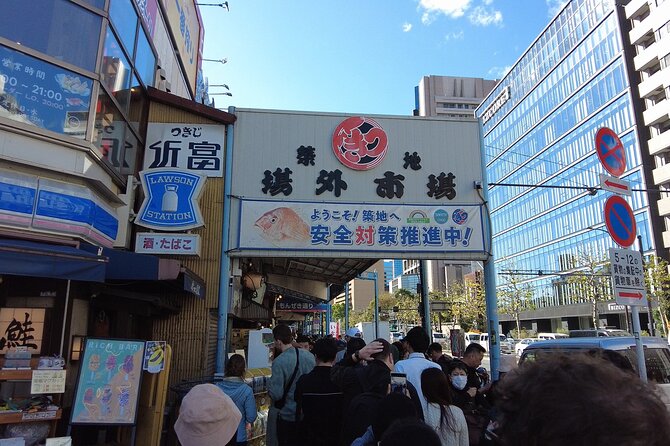
Tsukiji is no longer Tokyo’s main wholesale fish market. The wholesale operation moved to Toyosu, but Tsukiji’s outside market remains a useful place to see food shops, street snacks, restaurants, and businesses serving the local trade.
That distinction matters. If you expect the massive tuna auctions associated with old Tsukiji, this is not that experience. Instead, you’ll explore the public market area and nearby streets, where the focus is eating, shopping, and seeing how the neighborhood still functions.
I like the way this tour adds cultural context before the food stops. You do not simply arrive, buy something, and move on. You begin at Tsukiji Hongwanji Temple, then visit a local shrine, see wholesale shops along the route, and finish with a city view.
At $26.16 per person, the price is reasonable if you value guidance and tastings. You are paying for a local escort, two or three samples, tour photos, and help with language barriers. It is less attractive if you only want to browse the market independently, since the walk is short and lunch is not included.
More market mornings in Tokyo:
- Tokyo Tsukiji Fish Market Food and Culture Walking Tour
★ 5.0 · 3,184 reviews - Tokyo: Tsukiji Fish Market Food and Walking tour
★ 5.0 · 1,724 reviews - Tokyo: Tsukiji Fish Market Guided Walking Tour
★ 4.9 · 1,397 reviews
Starting at Tsukiji Hongwanji Temple
Meet at Tsukiji Hongwanji Temple at 10 a.m. The temple is at 3-chōme-15-1 Tsukiji, near public transportation, and it gives the tour a calm starting point before the market’s food stalls take over.
The first 20 minutes focus on temple etiquette. You’ll learn the traditional ritual used before visiting Japanese temples, including how to offer incense and how to pray in the Jodo Shinshu style.
That lesson is useful because Japanese religious sites have their own customs, and small gestures matter. A guide can show you what to do instead of leaving you to copy the nearest person. You’ll also have time to look at the temple’s traditional design.
This stop may feel slow if food is your only goal. Still, I see it as a good choice for a first morning in Tokyo. The temple gives you a cultural frame for the neighborhood, and the visit is brief enough not to dominate the tour.
Admission is free, so there is no extra ticket to manage. You should arrive early enough to find the meeting point without rushing. The late-arrival policy is strict: the guide waits up to 10 minutes after the start, until 10:10 a.m., then begins the walk. The supplied details also mention a 10:40 a.m. cutoff, but the practical advice is simple: arrive before 10.
Eating your way through the outside market
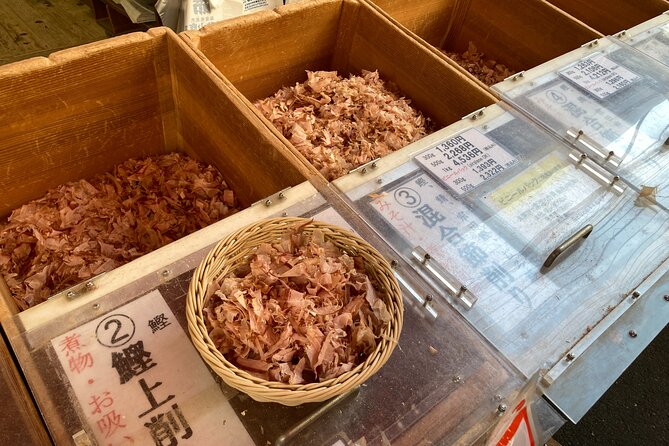
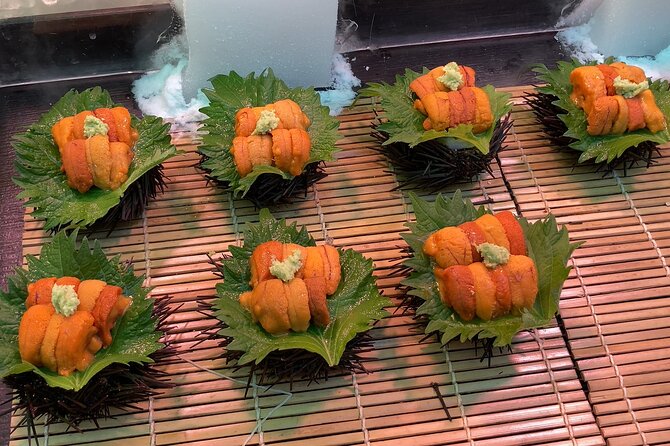
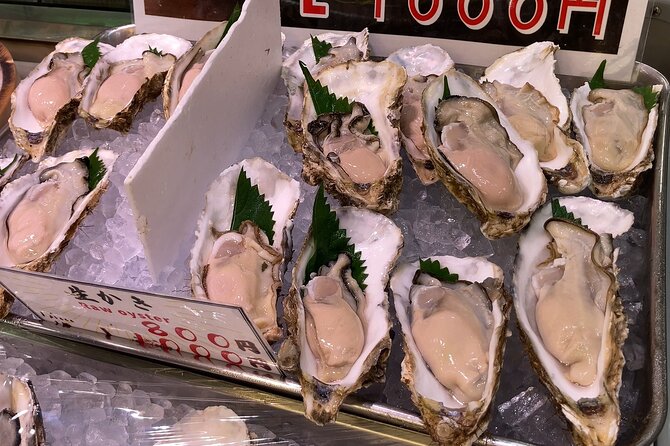
The main market portion lasts about one hour. Your guide leads you through Tsukiji’s outside market, where you can stop for street food and see shops connected to the area’s seafood trade.
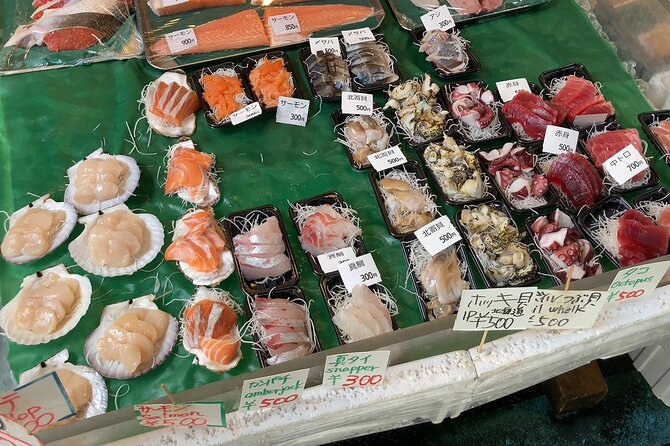
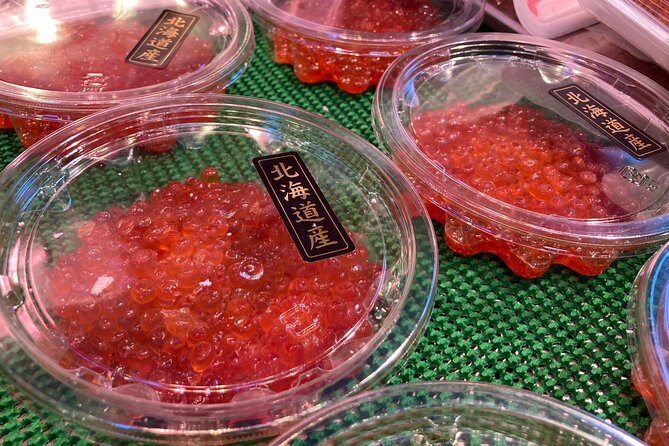
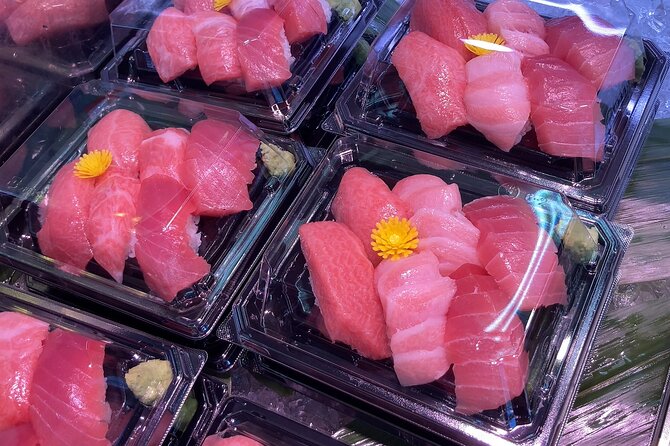
The included samples are one of the tour’s strongest values. You receive two or three food samples, giving you a chance to try market fare without committing to a full meal at every stall. The exact foods are not fixed in the information provided, so you should treat the tasting as a small selection rather than an all-you-can-eat stop.
One food-focused review singled out tuna, wagyu, and ice cream, and named Inok as the guide who knew the best places for each. That gives you a useful sense of the tour’s appeal: the goal is not just to point at stalls, but to help you choose what is worth trying.
I would still keep expectations measured. A two-hour walking tour cannot cover every market lane or turn you into a Tsukiji expert. It can, however, save you from spending your morning guessing which snack to buy and how to order it.
The guide also helps with language barriers. That is especially useful when menus are brief, signs are mostly in Japanese, or a small counter restaurant has an unfamiliar ordering process. A small group of no more than 10 makes this kind of help more practical than it would be with a large crowd.
The optional lunch stop
The guide will take the group to a local restaurant in the market for lunch. The restaurant is described as a lesser-known local place, which may appeal to you if you want something beyond the most obvious tourist stops.
Lunch is not included. Neither are soft drinks, so plan to pay separately for both the meal and any soda or pop. The tour price covers snacks, not a full restaurant bill.
That arrangement is fair, but you need to budget for it. The wording suggests that the group can have lunch together, so you should not book this expecting to finish all eating within the $26.16 tour fee.
There is also a timing issue. Lunch is mentioned during the one-hour market visit, while the entire experience lasts around two hours. Ask your guide about the meal timing if you have a later reservation, train departure, or afternoon ticket. The tour does not provide a detailed lunch duration, and the schedule continues to the shrine and skyline stop.
For me, the optional meal is most useful for people who want local direction but do not need a formal food tour with every bite prepaid. You retain control over how much you order and what you spend.
A few more Tokyo bookings worth comparing
- Tsukiji Fish Market Guided Tour and Sushi Making with Pro Chef
★ 5.0 · 775 reviews - Tokyo: Tsukiji Fish Market Food and Culture Walking Tour
★ 4.7 · 757 reviews - Tsukiji Fish Market: Street Food & Culture Walking Tour
★ 5.0 · 669 reviews - Tsukiji Fish Market Small-Group Food Walking Tour
★ 5.0 · 621 reviews
Meeting Tsukiji’s local shrine
Namiyoke Inari Shrine is the next stop, with about 20 minutes allotted. This is the shrine connected with the local Tsukiji area, and the guide explains what Shinto is and how the shrine fits into the neighborhood.
This stop adds a different layer to the market visit. At the temple, you learn about Jodo Shinshu Buddhist practice. At Namiyoke Inari Shrine, you learn about Shinto. Seeing both in one morning helps you notice that Tokyo’s religious life is not limited to one tradition.
The route to the shrine also matters. You pass wholesale shops known mainly to people working in the area, rather than sticking only to the most photographed food lanes. That gives you a look at the working side of Tsukiji.
Do not expect a long historical lecture. The shrine visit lasts about 20 minutes, and the tour still needs to reach its final stop. But that short pause can be more memorable than another snack, especially if you want to understand why a local market neighborhood has its own religious landmarks.
As with the temple, the shrine does not require an admission ticket. You’ll want comfortable shoes, since the tour is entirely on foot and includes market streets between stops.
Finishing at Caretta Shiodome
The tour ends at Caretta Shiodome, a skyscraper complex at 1-chōme-8-2 Higashishimbashi. The final 20 minutes are spent viewing the area from its sky deck.
This ending changes the scale of the morning. You begin with temple rituals, move through food stalls and wholesale shops, visit a neighborhood shrine, then look across Tokyo from above. The guide also points out remnants and reminders of the former Tsukiji fish-market area.
The sky deck is a practical finish because you do not need to return to the starting point. Once the tour ends, you can continue exploring Shiodome or make your own way elsewhere in Tokyo.
The view is an added benefit, not the central reason to book. If you are seeking a dedicated observation-deck experience, this short stop may feel limited. If you enjoy connecting street-level details with a wider view of the city, it is a smart conclusion.
The endpoint also makes the tour useful for planning your day. You finish in a major Tokyo district rather than at the market, so you can arrange your next activity from there. The supplied details do not promise a particular view or weather backup, so treat the sky deck as weather-dependent in practical terms.
Group size, guide style, and pace
The maximum group size is 10 people. That is small enough for direct conversation and useful when the guide is explaining temple behavior, translating food choices, or helping people order.
A local guide leads the walk, and the description emphasizes seeing Tsukiji through local eyes. Inok is the guide specifically named in the supplied feedback, with praise for knowing where to find tuna, wagyu, and ice cream. Guide assignments can vary, so you should not assume Inok will lead every departure.
The pace should suit most people who can participate in a normal walking tour. The route has four stops and market streets between them, but the description does not give a total walking distance or accessibility details. If you have mobility concerns, contact Fantasy Travel before booking rather than guessing.
Children must be accompanied by an adult. Confirmation arrives when you book, and the mobile ticket makes the experience easy to carry on your phone.
The strict start time deserves attention. The guide waits only briefly for late arrivals, and missed departures are not refundable. Tokyo public transportation is excellent, but stations can be larger and more confusing than expected. Give yourself extra time to reach Tsukiji Hongwanji Temple.
What the $26.16 price really includes
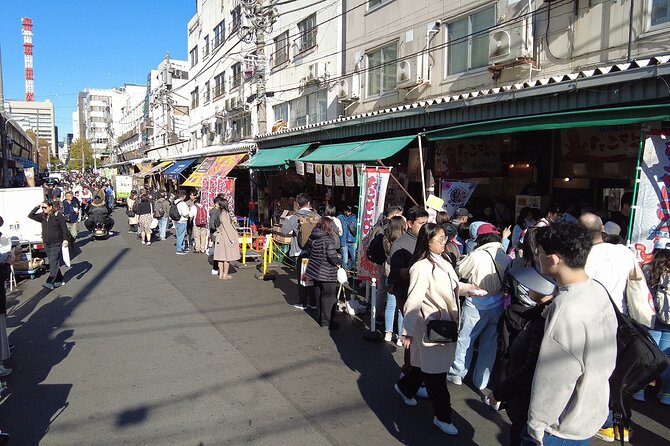
The tour costs $26.16 per person. For Tokyo, that is a modest price for a two-hour guided walk, especially with food samples included.
Your fee covers:
- Two hours with a local guide
- Two or three food samples in Tsukiji
- Tour photos
- Help handling language barriers
- Visits to four locations without admission charges
It does not cover lunch or soda. That keeps the basic price low, but your total spending depends on what you order at the optional restaurant and market stalls.
I would book it for the local guidance and tasting access, not for the promise of a large meal. A private exploration could cost more, while an unguided visit costs less but gives you no help choosing food or understanding the religious stops.
The value is strongest on a first Tokyo visit, when you want a clear introduction to Tsukiji without spending half a day planning a route. Repeat visitors who already know the market may prefer to wander alone and spend their money directly on food.
Who should book this experience
This tour suits food-focused visitors who also want culture. You get market snacks, a temple, a shrine, neighborhood shops, and a skyline view in one compact route.
It is also a good fit if you feel unsure about ordering in Japanese. The guide can bridge the language gap and direct you toward particular foods. The specific praise for tuna, wagyu, and ice cream suggests that food selection is a major part of the experience.
I would recommend it for:
- First-time visitors to Tsukiji
- Couples and families wanting a short morning activity
- Food lovers who prefer several small tastings
- People interested in both Buddhism and Shinto
- Anyone who prefers a group capped at 10
- Visitors with another Tokyo plan later in the day
I would be more cautious if you want the old wholesale-market atmosphere, a tuna auction, or a full restaurant meal included in the price. This tour explores the outside market, not the former wholesale operation, and lunch is separate.
Practical booking advice
Book at least a little ahead if your Tokyo dates are fixed. The experience is booked an average of 86 days in advance, which suggests that popular dates may fill before your trip.
Wear shoes suitable for walking and market surfaces. Keep your phone charged for the mobile ticket, and arrive at Tsukiji Hongwanji Temple before 10 a.m.
The tour offers free cancellation if you cancel at least 24 hours before the local start time. Cancellations or changes made less than 24 hours before departure are not refunded or accepted.
Because the route ends at Caretta Shiodome, do not plan around returning to Tsukiji immediately afterward. Check your next destination before the tour so you can make good use of the endpoint.
Should you book the Tsukiji market walk?
Book this tour if you want a short, affordable introduction to Tsukiji with food samples, local explanations, and a small group. The mix of temple, market, shrine, and sky deck gives you more than a simple snack crawl.
Skip it if your main goal is a long meal, a wholesale fish auction, or unlimited tastings. For everyone else, $26.16 buys useful local direction and a well-shaped morning route, with enough free time afterward to continue exploring Tokyo on your own.
FAQ
How long does the Tsukiji tour last?
The experience lasts approximately two hours.
What time does the tour start?
The tour starts at 10 a.m.
Where does the tour begin?
The meeting point is Tsukiji Hongwanji Temple at 3-chōme-15-1 Tsukiji, Chuo City, Tokyo 104-8435, Japan.
Where does the tour finish?
The tour ends at Caretta Shiodome at 1-chōme-8-2 Higashishimbashi, Minato City, Tokyo 105-7090, Japan, where you’ll see the city from the sky deck.
Is lunch included?
No. Lunch at the local restaurant is paid for separately.
Are food samples included?
Yes. The tour includes two or three food samples in Tsukiji Fish Market.
How large is the group?
The activity has a maximum of 10 participants.
What happens if I arrive late?
The guide waits up to 10 minutes after the scheduled start time. After the guide begins the tour, late arrivals cannot receive a refund.
More Walking Tours in Tokyo
- Tokyo: Imperial Palace and Shogun Historical Walking Tour
★ 5.0 · 2,251 reviews - Tokyo: Shinjuku Local Bar and Izakaya Guided Walking Tour
★ 4.9 · 1,794 reviews - Tokyo: Asakusa Walking Tour with Sensoji Temple Visit
★ 4.8 · 1,583 reviews - Tokyo Castle & Imperial PalaceーShogun Walking Tour
★ 4.7 · 1,068 reviews
More Shopping Tours in Tokyo
- Tokyo: Tsukiji Fish Market Sushi Making Class with Pro Chef
★ 4.9 · 506 reviews - Tokyo Food Tour Taste Fresh Delights at Tsukiji Market
★ 5.0 · 429 reviews - Tokyo Tsukiji Fish Market Tour and Sushi Making Lesson
★ 5.0 · 390 reviews - Tsukiji Fish Market: Street Food & Culture Walking Tour
★ 4.8 · 259 reviews
New on our Tokyo list
- Sumi-e Experience in a relaxing green tea shop in Tokyo★ 5.0 · 3 reviews
- Tokyo : Kamikaze Street Drift Ride★ 5.0 · 3 reviews
- Private Zen Meditation in English in Shinjuku, Tokyo★ 5.0 · 3 reviews
- Onsen Spa in Tokyo and Asakusa Bar Hopping with Local Guide★ 5.0 · 3 reviews
- Easy for everyone! Now you can play handmade mini shamisen and show off to everyone! Musical instruments, sweets and live music★ 5.0 · 3 reviews
- Tokyo: Private Tsukiji Street Food & Sake with Local Guide★ 5.0 · 3 reviews
- Mt Fuji Exploration Tour with Free Japanese Kusa Mochi from Tokyo★ 4.5 · 3 reviews
- 1-Day trip: Kamakura City (Enoshima/Shonan/Beach)★ 4.7 · 3 reviews
Tsukiji & Toyosu Market Tours, compared.
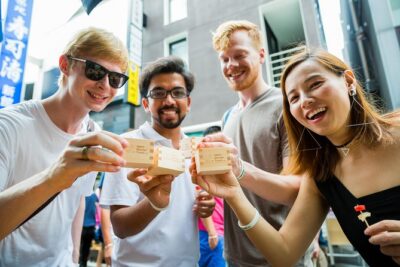
Tokyo Tsukiji Fish Market Food and Culture Walking Tour
Read our review →
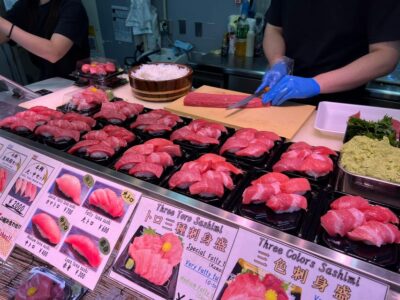
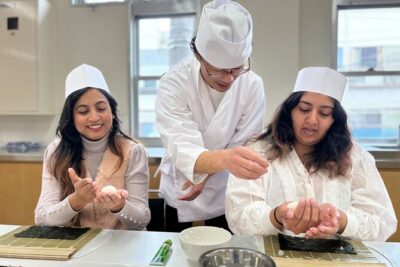
Tokyo Sushi Making Class in Tsukiji with Professional Chef
Read our review →
Tsukiji Fish Market Guided Tour and Sushi Making with Pro Chef
Read our review →Tsukiji Fish Market Food and Culture Walking Tour
Read our review →
Tsukiji Fish Market: Street Food & Culture Walking Tour
Read our review →
Tsukiji Fish Market Small-Group Food Walking Tour
Read our review →Browse the lists this tour appears in