
Reviewed · JAPANESE CULTURE WORKSHOPS
Easy for everyone! Now you can play handmade mini shamisen and show off to everyone! Musical instruments, sweets and live music
The unusual payoff here is that you do not just watch a shamisen performance. You build a playable mini shamisen, learn a few notes, and leave with the instrument in your hands. The two-hour session takes place in a Japanese-style room in Saitama, with tea, sweets, and a live performance folded into the lesson.
I like the friendly entry point for beginners, especially the numbered finger positions and the short assembly time. I also like the small maximum of four people, which should give the instructor room to help each person. The main drawback is the price, $182.09 per person, so this makes the most sense if you value a take-home instrument and a personal workshop more than a quick cultural demonstration.
In This Review
- Key points at a glance
- Why this mini shamisen workshop is different
- Starting at Tokorozawa Station at 1:00 pm
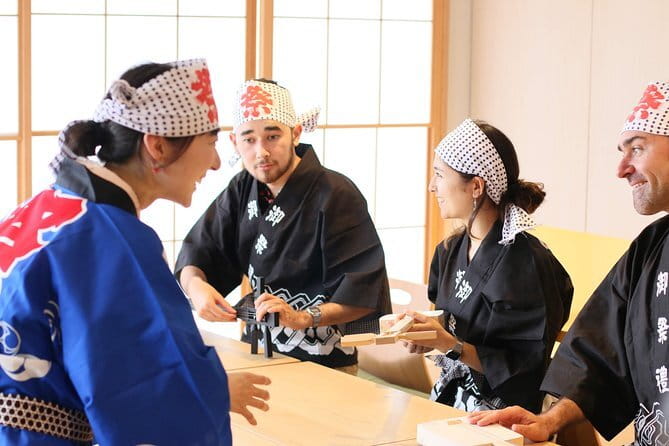
- Putting on the happi coat
- A short introduction to the shamisen
- Assembling the mini shamisen in about 20 minutes
- Learning your first notes with numbered positions
- Practicing a song as a small group
- Tea, sweets, and a live shamisen performance
- Taking the instrument home
- Who will get the most from this Saitama activity
- Practical details before you book
- Should you book the mini shamisen experience?
- FAQ
- Where does the experience begin?
- What time does the workshop start?
- How long does the workshop last?
- How many people can join?
- What is included in the workshop?
- Can children participate?
- Is pickup available?
- Is the activity close to public transportation?
- Can I cancel for a refund?
Key points at a glance
- Make your own instrument: Assemble a mini shamisen kit in about 20 minutes, then take it home.
- Designed for first-timers: Simple scores and numbered positions make the first songs approachable.
- Small group setting: The workshop accepts no more than four people.
- Tea and live music included: Pause your lesson for sweets, tea, and a shamisen performance.
- Meet near Tokorozawa Station: The activity begins at 1:00 pm and is close to public transportation.
- Suitable for children from elementary school age: Most people can participate, though the session is still best for anyone ready to follow hands-on instructions.
Why this mini shamisen workshop is different
A standard cultural show gives you a seat and a short look at an unfamiliar instrument. TOKYO SHAMI EXPERIENCE gives you a role. You wear a happi coat, assemble your own small shamisen, learn how it works, and try to make music with it before the afternoon is over.
That shift matters. The shamisen can seem like a high-level instrument reserved for trained performers. Here, the first goal is not mastery. It is to remove the fear of picking one up. You see the parts, understand the basic idea, and learn that a first tune is within reach.
The workshop was created as a more casual way to encounter traditional Japanese music. It suits you if you have been curious about the shamisen but have never known where to begin. It also suits families, couples, and small groups looking for something more active than a museum visit.
The setting adds to the mood. The session takes place in a relaxed Japanese-style room at a tea teacher’s house, according to the activity details. That gives the afternoon a personal feel rather than the pace of a large commercial attraction.
More craft workshops in Tokyo:
- Tokyo Shinjuku Chopsticks Making Class
★ 5.0 · 1,763 reviews - Kintsugi Experience: Art of Golden Joinery in Tokyo
★ 5.0 · 467 reviews - Authentic Pure Gold Kintsugi Workshop with Master Taku in Tokyo
★ 5.0 · 217 reviews
Starting at Tokorozawa Station at 1:00 pm
Your meeting point is Tokorozawa Station in Saitama Prefecture, with a 1:00 pm start. The location is near public transportation, and pickup is offered, though the available pickup details are not specified, so check the exact arrangement when booking.
Tokorozawa is outside central Tokyo, which is both a benefit and a consideration. The setting can feel less like a rushed city sightseeing stop, but you should allow enough time to reach the station. If your day is built around central Tokyo attractions, this workshop will require a separate trip to Saitama.
The fixed afternoon timing also shapes your plans. You will need to keep the early afternoon free for the full two hours, rather than trying to squeeze the activity between short sightseeing stops. Since the group is capped at four people, arriving prepared and on time is especially sensible.
Putting on the happi coat
The session begins with a happi coat. It is a small touch, but it changes your posture and signals that you are moving from spectator to participant.
The coat also gives you an immediate visual connection to Japanese festival and performance culture. You are not being asked to perform at a professional level, but the clothing helps set the tone for the lesson and makes the activity feel distinct from a standard craft class.
This opening should work well for children, too. Elementary school students and older can participate, and the activity offers a clear sequence of tasks. Still, younger participants will need to stay focused during the assembly and playing portions.
A short introduction to the shamisen
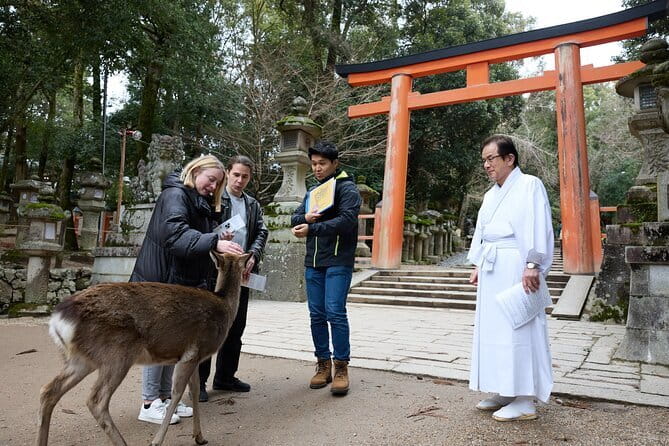
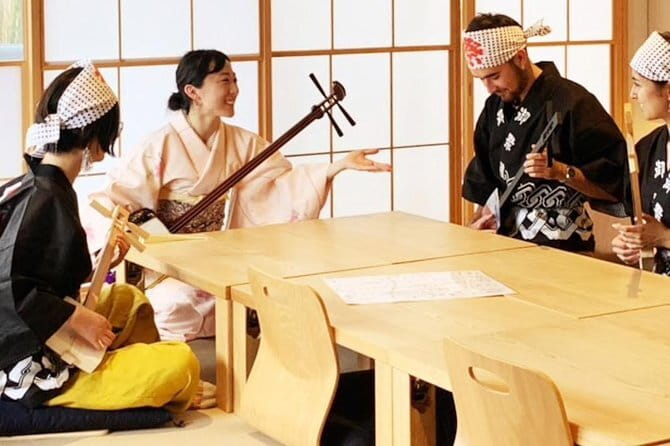
Before you build anything, the instructor explains the shamisen’s history, features, and basic sound. This portion is brief, which is a good choice for a two-hour class. You get enough context to understand what you are holding without spending the whole session in a lecture.
The shamisen is a traditional Japanese stringed instrument with a strong, distinctive tone. The workshop connects that cultural background to the hands-on work that follows. You learn not only that the instrument is important, but also how its parts come together and how its sound is produced.
The level of explanation will appeal to beginners. If you already play shamisen or another stringed instrument, you may find the introduction basic. For someone starting from zero, it gives the lesson a useful frame.
A few more Tokyo bookings worth comparing
- Matcha Making Class in Tokyo with Authentic Japanese Sweets Set
★ 5.0 · 744 reviews - Tokyo: Matcha Making Experience with Mochi Sweets in Asakusa
★ 4.9 · 388 reviews - Make Traditional Nerikiri Sweets & Matcha experience in Shibuya
★ 5.0 · 130 reviews - Private Mochi Sweets Making class near Shibuya area
★ 5.0 · 93 reviews
Assembling the mini shamisen in about 20 minutes
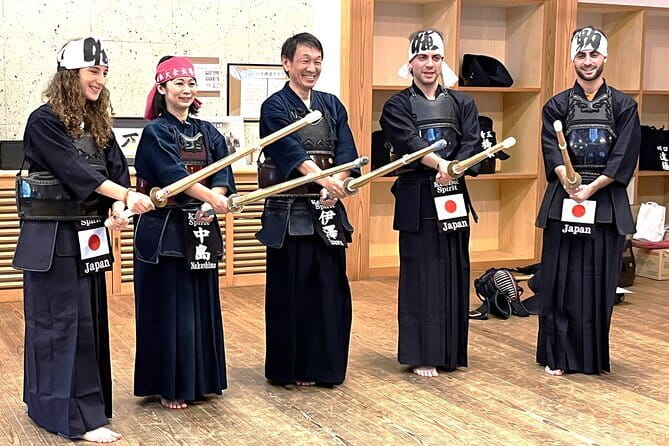
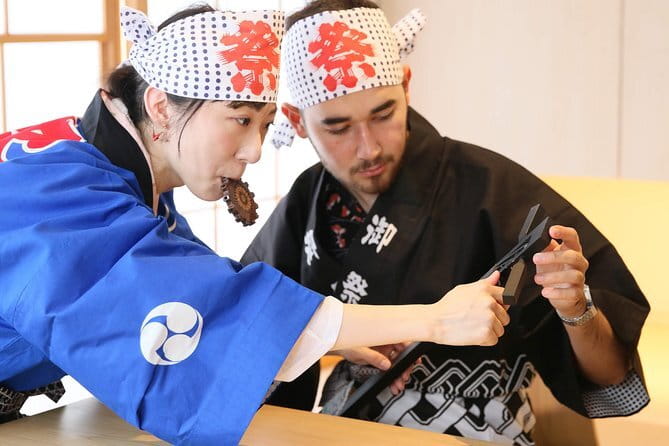
The central craft task uses an introductory mini shamisen kit. The instructor first shows the parts, including the strings, and then you assemble your own instrument. The stated assembly time is about 20 minutes, and the activity notes that elementary school students have built the kit before.
That does not mean you should treat it as a race. The value is in seeing how a musical object becomes usable through a series of simple steps. You get a better sense of the instrument because you have handled its pieces instead of receiving a finished prop.
The build is also the strongest practical feature of the workshop. You take the mini shamisen home at the end, along with the sheet music used during the session. That turns a pleasant afternoon into something you can revisit.
The tradeoff is that this is a mini instrument, not a full professional shamisen. You should book it as an introduction and a keepsake, not as a substitute for formal instrument study. The small size makes it approachable and portable, but it also defines the level of music you will play.
Learning your first notes with numbered positions
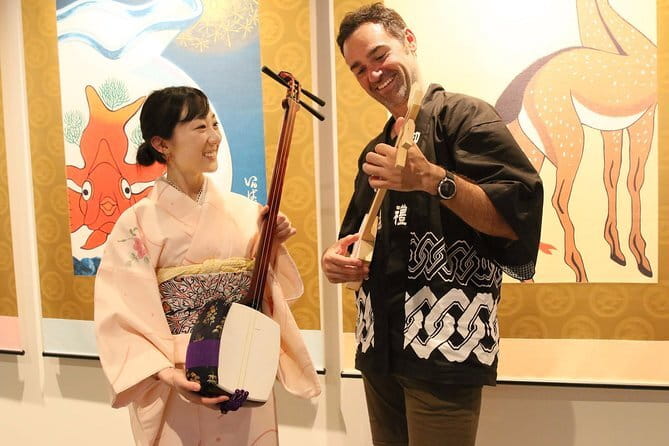
Once the instrument is assembled, you make a sound right away. The lesson then introduces simple music reading and shows you where to place your fingers.
The mini shamisen has numbers on it, so you can identify the correct holding position by looking at the instrument. The score is also described as simple. This is exactly the kind of support a first-time player needs: fewer symbols to decode, less time spent guessing, and more time making an actual sound.
You should still expect an introductory lesson, not a polished concert performance from yourself. Your first notes may be uneven. That is part of the point. The instructor’s job is to help you move past the awkward first minutes and into a tune you can recognize.
This section is likely the most rewarding for people who want to try a musical instrument but feel intimidated. You do not need to arrive with music-reading skills. The structure lets you follow along step by step.
Practicing a song as a small group
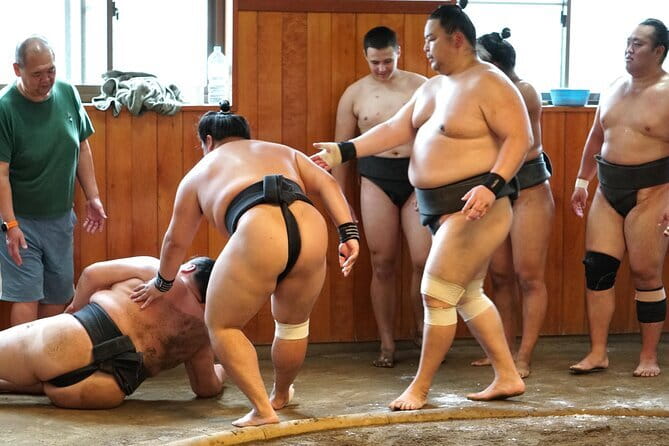
After learning the basic positions, everyone practices a song together. A four-person maximum is important here. It keeps the group from becoming a noisy room full of beginners competing for attention, and it should make it easier to hear the instructor’s guidance.
The group format also removes some pressure. You are not immediately placed alone in front of the class. You play alongside the others, which makes mistakes less conspicuous and gives the session a shared rhythm.
If you are booking with family or friends, this part creates a clear shared memory. Each person leaves with an instrument, but you also have the experience of making a tune together. For solo bookers, the small group may offer a chance for international exchange, since the activity is designed with people from different countries in mind.
The limitation is that the exact song selection is not specified. If you have a particular Japanese melody in mind, do not assume it will be covered. The session focuses on basic playing and a song suitable for beginners.
Tea, sweets, and a live shamisen performance
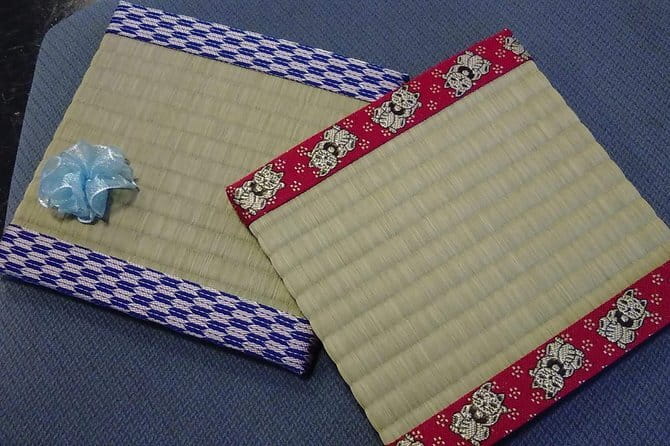
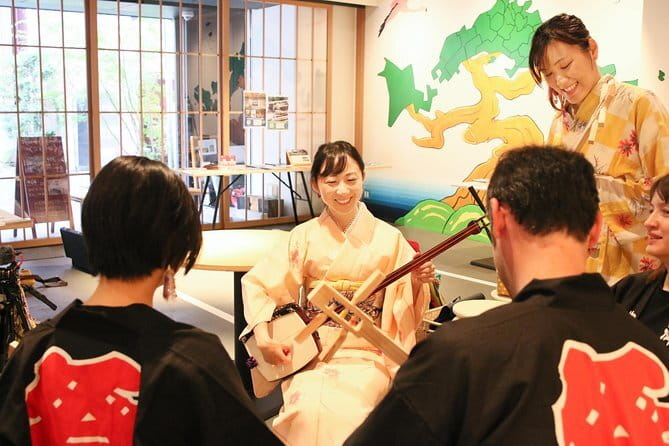
The workshop pauses for tea sweets and a live shamisen performance. This is more than a snack break. It gives you a chance to hear the instrument played with control after you have just struggled through your first notes.
That contrast helps you understand what practice can do. The lesson shows the instrument’s accessible side, while the performance shows its expressive range. You can listen with a better ear because you have already held the shamisen and tried to produce its sound.
The tea and sweets also slow the pace. A two-hour activity could feel crowded if every minute were spent on assembly and instruction. This pause gives the group space to settle down and enjoy the music.
The session is held at a tea teacher’s house, and the tea service fits that environment. You should not expect a full meal or a long formal tea ceremony. Think of it as a small hospitality moment paired with live traditional music.
Taking the instrument home
The handmade mini shamisen is included in the price and goes home with you. You also receive the sheet music practiced during the class, so you can try the song again later.
This is where the price needs a close look. At $182.09 per person, the workshop costs far more than a short performance or a basic museum entry. Part of what you are paying for is the instrument, along with instruction, a small group format, tea sweets, and live music.
I would judge the value by asking what you want to bring home. If you want a souvenir that sits on a shelf, the price may feel high. If you want an object you can show your family and friends, plus the ability to make a few sounds on it, the cost is easier to justify.
The instrument also gives the experience a life beyond your Japan visit. You can practice the song at home and explain how you built it. That continuing use is the main reason this workshop offers more value than a one-time demonstration.
Who will get the most from this Saitama activity
This workshop is a strong fit for:
- First-time musicians who want a low-pressure introduction
- People interested in Japanese instruments and traditional music
- Families with children in elementary school or older
- Couples or friends who prefer a hands-on activity
- Small groups that want a personal lesson
- Visitors who enjoy taking home a useful, locally connected souvenir
It is less suitable if you want a long professional performance, advanced instruction, or a full day of sightseeing. The live concert is one part of the program, while the main focus is making and playing your own mini shamisen.
The activity also has a clear cultural focus. You are not simply making a generic craft with Japanese decoration. The build, lesson, music, tea, and clothing all support the same theme.
Practical details before you book
The listed price is $182.09 per person, and group discounts are offered. The maximum group size is four, which is worth noting if you prefer personal instruction or want to reserve the session for a small party.
Confirmation is provided at booking, and a mobile ticket is available. Most people can participate, and the minimum stated age is elementary school. No special musical background is required.
Free cancellation is available if you cancel at least 24 hours before the start time. Changes or cancellations made less than 24 hours ahead are not accepted for a refund. The experience also requires good weather, and if poor weather causes cancellation, you are offered another date or a full refund.
That weather note is worth checking even though the activity itself is indoors. Your trip to the meeting point may still be affected, and the provider sets the final conditions for operating the session.
Should you book the mini shamisen experience?
Book it if you want an active cultural lesson with something concrete to take home. The combination of a handmade instrument, simple numbered music, tea sweets, and live performance gives you several ways to connect with Japanese music in one afternoon.
I especially recommend it for beginners who feel that traditional instruments are out of reach. The patient, passionate teaching style described by the provider response, signed Kana, is a good match for the workshop’s beginner focus.
Think twice if the $182.09 price is beyond your budget or if you mainly want to watch an expert perform. For everyone else, the small group, take-home instrument, and guided first song make this a memorable choice near Tokorozawa.
FAQ
Where does the experience begin?
The experience begins at Tokorozawa Station in Saitama, Japan.
What time does the workshop start?
The listed start time is 1:00 pm.
How long does the workshop last?
The activity lasts approximately two hours.
How many people can join?
The workshop has a maximum of four participants.
What is included in the workshop?
You assemble and play a handmade mini shamisen, practice a song, receive sheet music, enjoy tea sweets, and listen to a live shamisen performance. You can take the mini shamisen home.
Can children participate?
Elementary school students and older can participate. Most people are able to join the activity.
Is pickup available?
Pickup is offered. The provided details do not specify the pickup locations or arrangements, so confirm those details when booking.
Is the activity close to public transportation?
Yes. The meeting point is near public transportation at Tokorozawa Station.
Can I cancel for a refund?
Yes. You can receive a full refund if you cancel at least 24 hours before the experience start time. Cancellations or changes made less than 24 hours before the start are not accepted, and poor-weather cancellations offer a different date or a full refund.
More Show in Tokyo
- Mt Fuji & Hakone Cruise, Drum Show Bullet Train 1 Day from Tokyo
★ 4.0 · 7,413 reviews - Tokyo: Sumo Show Experience with Chicken Hot Pot and a Photo
★ 4.8 · 6,678 reviews - Tokyo: Sumo Show and Dining Experience
★ 4.8 · 2,742 reviews - the SUMO show
★ 5.0 · 1,960 reviews
New on our Tokyo list
- Sumi-e Experience in a relaxing green tea shop in Tokyo★ 5.0 · 3 reviews
- Tokyo : Kamikaze Street Drift Ride★ 5.0 · 3 reviews
- Private Zen Meditation in English in Shinjuku, Tokyo★ 5.0 · 3 reviews
- Onsen Spa in Tokyo and Asakusa Bar Hopping with Local Guide★ 5.0 · 3 reviews
- Tokyo: Private Tsukiji Street Food & Sake with Local Guide★ 5.0 · 3 reviews
- Mt Fuji Exploration Tour with Free Japanese Kusa Mochi from Tokyo★ 4.5 · 3 reviews
- Tokyo Tsukiji Fish Market Walking and Exploring Hidden Gems Tour★ 5.0 · 3 reviews
- 1-Day trip: Kamakura City (Enoshima/Shonan/Beach)★ 4.7 · 3 reviews
Japanese Culture Workshops, compared.
Kintsugi Experience: Art of Golden Joinery in Tokyo
Read our review →
Authentic Pure Gold Kintsugi Workshop with Master Taku in Tokyo
Read our review →
KABUKI Show at Kabukiza Theatre Admission Ticket
Read our review →
KABUKI, BUNRAKU, etc. presented by National Theatre
Read our review →
Kintsugi Workshop Class in Shibuya, Tokyo with mon cadeau
Read our review →
Browse the lists this tour appears in