
Reviewed · JAPANESE CALLIGRAPHY CLASSES
Sumi-e Experience in a relaxing green tea shop in Tokyo
Japanese ink painting is the heart of this one-hour Tokyo experience. You learn how black ink and water can suggest bamboo, mountains, or another chosen subject, then create a personal work on paper, a lamp shade, or a hanging scroll. The finished piece is your souvenir, not something pulled from a shop shelf.
I like the small group of up to eight and the calm setting with tea included. I also like the clear rhythm: 10 minutes of demonstration, 40 minutes of painting, and 10 minutes of finishing guidance. The main drawback is time. One hour goes quickly, especially if you want a careful, polished design.
In This Review
- Key points
- A quiet hour with ink, water, and tea
- The first 10 minutes: demonstration before you paint
- Forty minutes to make your own sumi-e piece
- Pick the project that fits your suitcase
- Three Washi coasters
- USB-lit lamp shade
- Traditional hanging scroll
- The final 10 minutes: output and instructor guidance
- What $105 means in practical terms
- Who should book this Tokyo activity?
- Booking, cancellation, and small practical details
- Should you book the sumi-e experience?
- FAQ
- How long does the sumi-e experience last?
- What projects can I choose?
- Is tea included?
- Is the instruction available in English?
- What should I wear?
- Can I cancel for free?
Key points
- Choose one of three projects: Three 9-centimeter Washi coasters, a 10-centimeter square USB lamp shade, or a 75 by 32-centimeter hanging scroll.
- Learn from an English-speaking instructor: Master Shigen led one recorded class, and the format includes a demonstration before you pick up your brush.
- Take home original art: Your work is made during the class and cannot be duplicated exactly.
- Tea is included: The green tea shop setting gives the session a quiet Japanese feel without adding a separate tea ceremony.
- Keep your group small: A maximum of eight participants allows more room for direct instruction.
- Dress for ink: Wear clothes you do not mind staining, since sumi-e ink can make a permanent mark.
A quiet hour with ink, water, and tea
Sumi-e is Japanese ink wash painting, an art form built on restraint. Rather than filling a page with many colors, you work mainly with black ink, water, pressure, and the shape of each brushstroke. A dark line can become a tree trunk. A lighter, wetter mark can suggest mist or a distant mountain.
That simplicity is part of the appeal. You are not expected to reproduce a grand painting from a museum. You are learning how a few deliberate strokes can express an idea. The activity connects art with the Zen-influenced appreciation of simplicity, balance, and imperfection, but you do not need prior artistic training to take part.
The setting is a relaxing green tea shop in Tokyo, with the meeting point listed as a fourth-floor building location. Transportation is not included, so you need to make your own way there. Since the exact street address is not provided in the activity details, check your booking information carefully before setting out.
The class is offered in English, which matters when an instructor is showing how to load the brush, control the water, and vary the pressure. The group is limited to eight people. That is small enough to make questions practical, though the amount of individual attention can still depend on how quickly everyone works.
More calligraphy tables:
- Tokyo: Calligraphy on Kanji Fan & Scroll with Drink
★ 5.0 · 210 reviews - Let’s experience calligraphy in YANAKA, Taito-ku, TOKYO !!
★ 5.0 · 127 reviews - Tokyo: Calligraphy Workshop & Original T-Shirt Creation
★ 4.9 · 105 reviews
The first 10 minutes: demonstration before you paint
The session begins with the instructor introducing the art and explaining the flow of the class. You then watch a sumi-e demonstration. This opening is short, but it does important work.
Ink painting can look effortless when someone experienced does it. In reality, the result depends on details such as how much ink is on the brush, how wet the paper is, and whether you press down or lift quickly. Seeing the technique first gives you a visual guide before you make your own marks.
The demonstration also helps set expectations. Sumi-e is not about correcting every line until it looks perfect. The brushstroke is meant to carry energy and character. Once ink touches Washi paper, you generally need to accept what happened and work with it.
An English-speaking instructor leads the class, and Master Shigen was specifically named as the instructor in one class. The available feedback gives particular credit to the teachers and to the pleasant feel of the session. That matches the format: the instructor is not simply handing you materials and leaving you alone. You receive an introduction, a live example, and guidance as you work.
Forty minutes to make your own sumi-e piece
The main painting period lasts 40 minutes. You choose one theme or design to draw, then work on the project connected to your selected course. The information does not provide a fixed list of subjects, so your choice may depend on the designs offered by the instructor on the day.
You might choose a bamboo motif, a mountain scene, or another traditional nature subject. Those themes suit sumi-e because they let you practice the contrast between bold and delicate marks. Ask the instructor for guidance before you begin if you are unsure which design matches your skill level or chosen item.
Forty minutes is enough for a focused introduction, but it is not a long studio workshop. You will need to make decisions fairly quickly. If you tend to spend a long time planning, use the demonstration to watch closely and choose a simple subject. A confident, simple image will usually suit this format better than an ambitious design with many fine details.
The class is also a good place to accept imperfection. Your piece will be handmade, and small variations are part of the result. A slightly uneven mark can give your work more personality than a mechanically perfect print. The instructor’s support matters here, particularly if your first stroke does not go as planned.
Tea is included during the activity. That does not make this a separate tea ceremony, and the supplied details do not promise a formal explanation of tea preparation. Instead, tea adds a quiet pause to a creative class. You can focus on the brush and paper rather than rushing from one sightseeing stop to the next.
Pick the project that fits your suitcase
You select one of three project types. Each creates a different kind of souvenir, so think about how you want to use or carry your finished work.
A few more Tokyo bookings worth comparing
- Mt Fuji and Hakone 1-Day Bus Tour Return by Bullet Train
★ 5.0 · 26,383 reviews - 1-Day Tokyo Bus Tour
★ 5.0 · 14,250 reviews - Tokyo: TOKYO SKYTREE® Admission ticket
★ 4.5 · 11,192 reviews - Tokyo: teamLab Planets TOKYO Digital Art Museum Entry Ticket
★ 4.6 · 9,779 reviews
Three Washi coasters
The coaster option gives you three round Japanese paper coasters, each 9 centimeters in diameter. This is the most compact choice and likely the easiest to pack. It also gives you three surfaces rather than one, so you can repeat a theme or create a small set of related designs.
Washi is traditional Japanese paper, valued for its texture and handmade feel. It is not the same as painting on a standard sheet of printer paper. The surface becomes part of the experience, though it may also make your brushwork less forgiving.
Choose this course if you want a practical souvenir or need to keep your luggage light. Three small pieces are easy to display at home, and the circular shape gives you a defined boundary. The tradeoff is scale. You will not have much room for a large scene or a broad composition.
USB-lit lamp shade
The lamp shade is a 10-centimeter square piece that lights via a USB connection. This option gives your ink work a functional role. When lit, the design can become part of a small decorative object rather than remaining flat on paper.
The USB detail is useful to know before booking. You will need a suitable USB connection to light it, though the supplied information does not specify the power source or included accessories. The compact square shape should be manageable within a one-hour class, but the design may need to be planned with the light in mind.
This is a good choice if you want a souvenir with a practical display purpose. It is less convenient than coasters for packing and using immediately, and you should protect it carefully on the journey home.
Traditional hanging scroll
The hanging scroll, or Kakejiku, is the largest option. It measures 75 by 32 centimeters and is made of Washi paper. Its vertical format gives you far more room for a single composition than the coasters or lamp shade.
A Kakejiku also connects your artwork with a recognizable Japanese display tradition. The long shape suits bamboo, a vertical branch, or a simple mountain arrangement. It can become the most visually striking souvenir of the three, but it is also the least convenient to pack.
The size deserves careful thought. A 75-centimeter piece may need special protection during transport, and you should consider how you will get it home before choosing this course. If you have room and want a substantial keepsake, it offers the broadest canvas.
The final 10 minutes: output and instructor guidance
The last 10 minutes are set aside for output and instruction from the instructor. This is the point when you finish the piece, receive help with any final steps, and prepare your artwork to take home.
Do not treat this period as spare time. It is a useful buffer because ink work can take longer than expected, especially if you are working on the hanging scroll. The instructor can help you decide when the design is complete rather than encouraging you to add too many extra marks.
The phrase output also suggests a practical end to the session, but the supplied details do not specify packaging, drying time, or protection for the artwork. Bring that question to the instructor if you choose a larger or delicate piece. You may also want to keep a little space in your luggage for the finished work.
The most important result is that your souvenir is made by you. You will not see another work exactly like it because your brush pressure, ink density, and choices create the final image. That personal connection gives the activity more value than buying a mass-produced painting.
What $105 means in practical terms
The listed price is $105 per person for one hour. That is not a low-cost craft stop, particularly when transportation is separate and the session is brief. You are paying for more than materials, however: the class includes instruction, painting equipment, tea, and one finished project from a choice of three formats.
The value depends on what you want from a Tokyo activity. If you are looking for a long workshop with time to practice several techniques, this will feel short. If you want a compact cultural activity that teaches one traditional art form and sends you home with a personal object, the price is easier to justify.
The limited group size helps support the cost. With no more than eight participants, the instructor has a reasonable chance to see your work and offer corrections. The recorded rating is 5 from three reviews, and the specific comments praise the teachers, the finished results, and the pleasant tea drinking during class. I would place particular weight on that combination: the session seems to work best as a friendly, guided introduction rather than serious art training.
You also avoid the cost of buying separate art materials. Painting equipment and tea are included. Transportation is not, so build the activity into your day based on its location and allow time to reach the fourth-floor meeting point.
Who should book this Tokyo activity?
I would recommend it to adults, couples, friends, and families with older children who want a hands-on cultural activity. It suits you especially well if you like bringing home something personal from a trip, rather than another standard souvenir.
It is also a smart option for a rainy day or for a break from Tokyo’s busy streets. The one-hour length fits neatly between other plans. You can make something, enjoy tea, and continue your day without committing to a full afternoon class.
The experience may appeal to beginners because the instructor demonstrates the technique first and the group remains small. You do not need to arrive with a finished idea, though choosing a simple theme will help you use the 40-minute painting period well.
Children under five cannot take part. The required attention, wet ink, and need to protect the paper make this more suitable for older children and adults. Anyone who dislikes making things under time limits may prefer a longer art class.
Wear clothes that can get dirty. The instruction specifically warns that you should not wear anything you would mind getting inked. This is not a minor note. Black sumi ink can be difficult to remove, so leave your favorite travel outfit in the suitcase.
The activity is wheelchair accessible according to the provided information. Since the meeting point is in a fourth-floor building, confirm the building access details when you book if you need specific lift or entrance information.
Booking, cancellation, and small practical details
You can reserve now and pay later, which is useful when your Tokyo schedule is still changing. Free cancellation is available until 24 hours before the activity, or by the day before. A same-day cancellation carries the full cancellation charge, so do not leave this booking until the last moment if your plans are uncertain.
The booking information asks for your date of birth. Have that detail ready when you reserve. Starting times vary, so check availability and place the class at a time when you can arrive at the fourth-floor building without rushing.
The provider is H.I.S. Co Ltd, also identified as TIC. The listed language is English, and the group type is small. Those details make this easier to fit into an international visitor’s schedule, but you should still confirm the exact meeting instructions before leaving your hotel.
Should you book the sumi-e experience?
Book it if you want a calm, creative hour in Tokyo and like the idea of making an original Japanese ink painting with guidance. The strongest reasons are the English instruction, small group, tea, and choice of a practical souvenir, especially if you value the story behind an object more than a perfect finish.
Think twice if $105 feels high for a one-hour activity, if you want advanced art instruction, or if you have no way to carry a 75-centimeter hanging scroll. The coaster course is the sensible choice for light luggage, while the lamp shade offers a more unusual display piece.
For most people, I would choose the coaster option unless the hanging scroll has a clear place in your luggage and home. It gives you three chances to work with the brush, remains easy to carry, and still preserves the central appeal: a one-of-a-kind piece made during a quiet Japanese art session.
FAQ
How long does the sumi-e experience last?
The activity lasts one hour. The schedule includes 10 minutes for the instructor’s introduction and demonstration, 40 minutes for painting, and 10 minutes for final output and instruction.
What projects can I choose?
You can choose one of three courses: three 9-centimeter diameter Washi coasters, a 10-centimeter square USB-lit lamp shade, or a 75 by 32-centimeter Washi hanging scroll called a Kakejiku.
Is tea included?
Yes. Tea is included in the activity price, and the class takes place in a relaxing green tea shop.
Is the instruction available in English?
Yes. The listed language is English, and the experience includes an English-speaking instructor.
What should I wear?
Wear clothes that you do not mind getting dirty or stained with ink. The activity specifically advises against wearing clothing you would mind getting inked.
Can I cancel for free?
You can cancel up to 24 hours in advance for a full refund. Same-day cancellations incur the full cancellation fee.
New on our Tokyo list
- Tokyo : Kamikaze Street Drift Ride★ 5.0 · 3 reviews
- Private Zen Meditation in English in Shinjuku, Tokyo★ 5.0 · 3 reviews
- Onsen Spa in Tokyo and Asakusa Bar Hopping with Local Guide★ 5.0 · 3 reviews
- Easy for everyone! Now you can play handmade mini shamisen and show off to everyone! Musical instruments, sweets and live music★ 5.0 · 3 reviews
- Tokyo: Private Tsukiji Street Food & Sake with Local Guide★ 5.0 · 3 reviews
- Mt Fuji Exploration Tour with Free Japanese Kusa Mochi from Tokyo★ 4.5 · 3 reviews
- Tokyo Tsukiji Fish Market Walking and Exploring Hidden Gems Tour★ 5.0 · 3 reviews
- 1-Day trip: Kamakura City (Enoshima/Shonan/Beach)★ 4.7 · 3 reviews
Japanese Calligraphy Classes, compared.
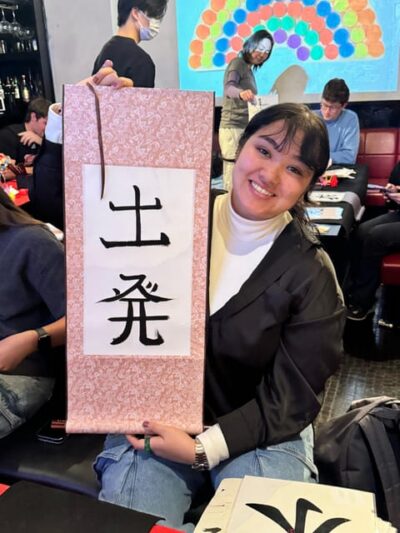
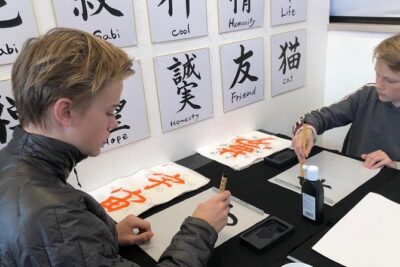
Let’s experience calligraphy in YANAKA, Taito-ku, TOKYO !!
Read our review →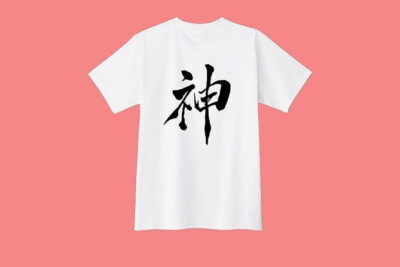
Calligraphy Workshop & Original T-Shirt Creation
Read our review →
Calligraphy Workshop & Original T-Shirt Creation
Read our review →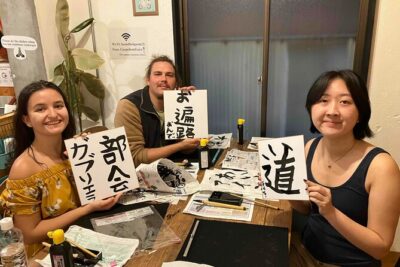
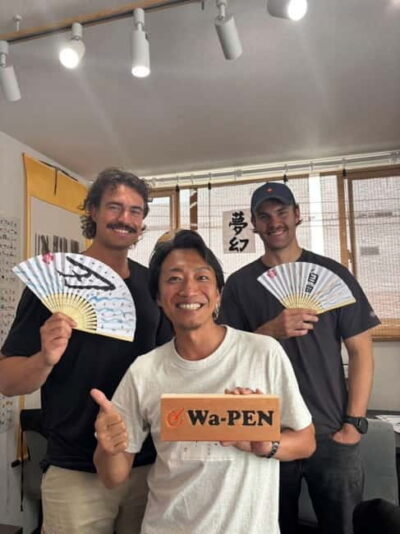
Calligraphy &Make your original folding fan in Asakusa
Read our review →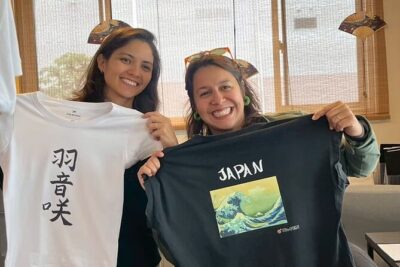
Tokyo Asakusa:Calligraphy & Make T-shirt Activity
Read our review →Browse the lists this tour appears in