
Reviewed · TOKYO BAR HOPPING & NIGHTLIFE
Shibuya: Pachinko Gaming Experience
Pachinko is Japan’s pinball-like arcade game, but the real story is the setting: rows of machines, flashing lights, ringing bells, and a pastime woven into modern Japanese entertainment. This one-hour Shibuya walk takes you from the Hachiko Statue into a pachinko parlor, where you can learn the rules before trying it yourself.
I like the three-person limit, which gives you a better chance to ask questions in a noisy room. I also like the English explanation and the practical help with aiming and launching the balls. The main catch is simple: the $19 price does not include your gaming fee, and one participant had trouble reaching the provider after getting lost, so arrive early and save the meeting details.
In This Review
- Key points
- What Pachinko Is, and Why Shibuya Is a Good Place to Learn
- Meeting at Hachiko, With Little Room for Confusion
- The One-Hour Route Through Shibuya City
- Learning the Rules Before You Touch the Controls
- Inside the Pachinko Parlor
- What the $19 Price Really Buys You
- Who Will Get the Most From This Experience
- Small Group Size and Guide Support
- Timing, Cancellation, and Practical Details
- Should You Book the Shibuya Pachinko Experience?
- FAQ
- Where does the pachinko tour meet?
- How long does the experience last?
- Is the pachinko gaming fee included in the $19 price?
- Is the tour available in English?
- Can visitors under 18 join?
- How many people can join the group?
Key points
- Start beside Hachiko: Meet at the lottery ticket booth on the right side of the Hachiko Memorial Statue.
- Learn before playing: Your guide explains the rules, the machines, the metal balls, and how to launch them.
- Small group setting: No more than three participants makes it easier to get personal help.
- English interpretation included: The tour is designed for English speakers and includes translation and interpretation.
- One hour in Shibuya: The route begins and ends at Hachiko, with the main activity inside a pachinko parlor.
- Budget for extra play: Your $19 covers the guide, not the pachinko balls or gaming costs.
What Pachinko Is, and Why Shibuya Is a Good Place to Learn
Pachinko grew from an early twentieth-century mechanical game influenced by Western pinball. Over time, it became a distinctly Japanese form of entertainment, shifting from a simple ball-and-pin setup to the loud, electronic machines found in parlors today.
You do not need to understand the game before arriving. That is the point of the experience. The guide explains how to purchase your first metal balls and how to use the machine, then helps you get comfortable with the controls.
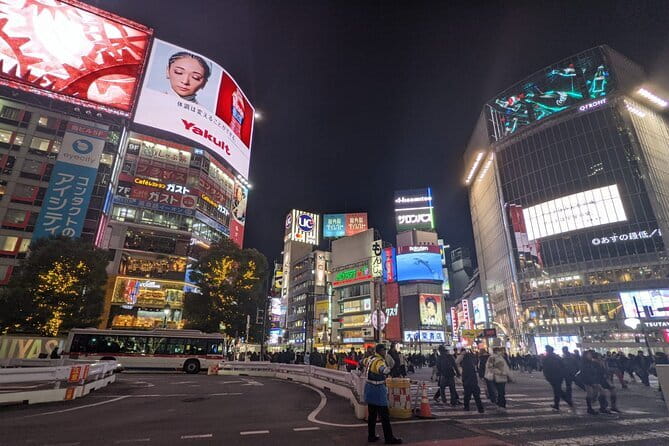
Shibuya adds useful context. The district is famous for giant screens, fashion, nightlife, and the Hachiko crossing, but pachinko offers another side of the area. It is not a museum display or a staged cultural demonstration. You are entering a working amusement space and learning how the game fits into everyday Japanese popular culture.
The machines are designed to catch your eye and ear. Lights flash, balls rattle, and winning sequences can become noisy quickly. If you want a quiet lesson about Japanese history, this is not it. If you want to understand a familiar local pastime by trying it with help, the setting makes sense.
More Tokyo nights out:
- Tokyo Bar Hopping Tour in Shinjuku (All-You-Can-Drink + Dinner)
★ 5.0 · 3,587 reviews - Best of Shinjuku: Izakaya Food Tour (4 Stops, 14+ Tastings)
★ 5.0 · 1,863 reviews - Tokyo: Shinjuku Local Bar and Izakaya Guided Walking Tour
★ 4.9 · 1,794 reviews
Meeting at Hachiko, With Little Room for Confusion
The meeting point is near the Hachiko Memorial Statue, one of Shibuya’s easiest landmarks to recognize. Find the right side of the statue and look for the lottery ticket booth. Your guide waits in front of that booth while holding a blue tablet.
You are asked to arrive five minutes before the starting time. Take that seriously. Hachiko is a crowded meeting area, and the statue sits in the middle of a large flow of pedestrians. Give yourself time to locate the correct side of the statue rather than arriving at the last second.
The published coordinates are 35.6590579, 139.7006293. Save them before leaving your hotel, along with the provider’s contact details. The meeting instructions say that the guide may treat you as a no-show after 20 minutes, and one poor experience came from a participant who could not reach the provider while lost.
That does not make the meeting point difficult, but it does make preparation worthwhile. Look for the blue tablet and lottery booth, not just a person standing somewhere around Hachiko.
The One-Hour Route Through Shibuya City
The tour begins and ends at Hachiko, so you are not left searching for a different return point. The main portion takes place in Shibuya City and inside a traditional pachinko parlor.
The first part is an introduction to the game. You learn where pachinko came from and how it developed from a mechanical amusement into a high-tech arcade experience. This background matters because the machines can seem random and intimidating at first. Once you know the basic aim, the noise and flashing displays become easier to read.
After the explanation, you enter the parlor. Here you learn the physical steps: purchasing metal balls, placing them in the machine, and launching them with the controls. The guide also offers tips intended to help you aim for a jackpot and make the most of your play.
Keep your expectations sensible. This is an introduction to pachinko, not a promise of winnings. The phrase maximize your winnings may appear in the tour description, but no strategy guarantees a jackpot. Your best result may simply be learning how the machine works without looking lost in front of a row of regular players.
The one-hour length works well for a first look. It is long enough for an explanation and some practice, but short enough to fit around sightseeing in Shibuya. It is not long enough for a full afternoon of play or a detailed study of every machine type.
Learning the Rules Before You Touch the Controls
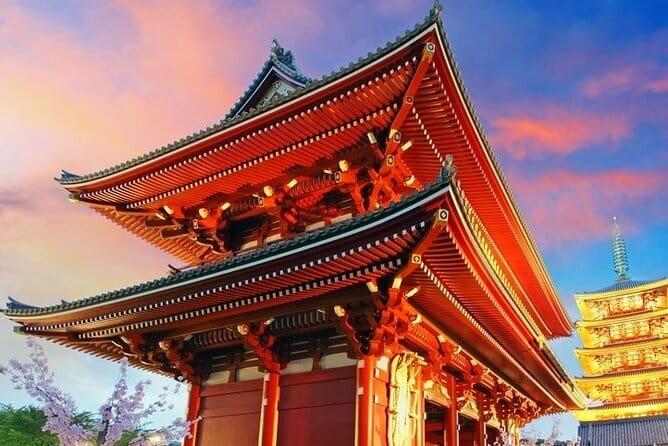
For newcomers, the most valuable part is likely the step-by-step explanation. Pachinko parlors can feel confusing because several things happen at once: balls move through the machine, lights change, sound effects compete for attention, and the controls may not be obvious to someone seeing them for the first time.
Your guide explains the rules and shows you how to launch the balls. That basic instruction saves you from spending your first minutes guessing. It also lets you ask questions in English through the included translation and interpretation.
The small group size matters here. With a maximum of three people, the guide can watch how you handle the machine and correct the parts that need work. A larger group might leave you waiting while someone else takes a turn. This format is better suited to hands-on learning.
The guide named Ing has been praised for explaining the unusual game clearly. Other feedback points to patient help and enough time for questions. You should still remember that guide experiences can vary, but the format is built around personal instruction rather than a quick explanation followed by free time.
More Shibuya plans:
- Official Street Go-Kart in Shibuya
★ 5.0 · 3,435 reviews - Tokyo: Street Kart Experience in Shibuya
★ 4.9 · 1,484 reviews - Shibuya Meltdown Nightlife Tour: All-You-Can-Drink Bar Hopping
★ 5.0 · 1,058 reviews - Shibuya Official Street Go-Kart in Shibuya Annex
★ 5.0 · 972 reviews
Inside the Pachinko Parlor
A pachinko parlor is not a calm cultural center. Expect a strong mix of sound, light, and movement. The machines create the atmosphere, and that atmosphere is part of what you are paying to see.
The guide takes you through the practical process. You obtain metal balls, sit at a machine, and learn how to control the launch. The goal is to send the balls into the play area and hope they land in the right places. The experience description presents jackpot tips, but the game still depends heavily on chance.
This is where the tour can be useful for someone who would otherwise feel self-conscious. You do not have to pretend you understand the machine. You can ask what to press, how much to play, and what the displays mean. The guide’s role is to help you get started without embarrassment.
Your gaming budget is separate from the $19 tour price. The exact fee is not stated, so bring some extra money and be ready for the possibility that your total cost will exceed the advertised tour price. Drinks are also not included.
You may find the parlor loud, especially if you are sensitive to constant electronic noise. The supplied information does not give a specific noise policy or quiet area. For most people, the sound is part of the character of the place, but it is worth considering before booking.
What the $19 Price Really Buys You
At $19 per person, this is a low-cost guided introduction rather than an all-inclusive activity. You are paying for an English-speaking guide, the historical and cultural explanation, the rules, translation, and help with the first steps of playing.
That is reasonable value if your aim is to understand pachinko and try it without going in cold. The guide gives you context you would not get from simply walking into a parlor and sitting at a machine. The small group makes the price more attractive because the instruction should feel more direct than a large group talk.
The value drops if you already know pachinko well or mainly want a long gaming session. One hour is brief, and the actual play costs extra. You are buying access to an explanation and guided first attempt, not a large amount of game time.
I would think of it as a cultural add-on to a Shibuya day. At $19, it can be a good choice for someone curious about Japanese gaming culture, especially if the person wants a guide to remove the guesswork. It is less suitable for someone comparing activities only by minutes of entertainment.
Who Will Get the Most From This Experience
This tour is aimed at adults aged 18 and over. Children under 18 are not suitable for the activity, so it is not a family option for younger visitors.
I would recommend it to:
- First-time pachinko players who want clear instructions
- Adults interested in Japanese subculture and everyday entertainment
- Solo visitors or pairs who value a very small group
- Gamers who enjoy trying unfamiliar machines
- Visitors already planning to spend time around Shibuya
- Anyone worried about looking awkward in a pachinko parlor
The activity is wheelchair accessible, which makes it easier for more people to consider. The supplied details do not explain the exact route inside the parlor, so if you need specific access information, contact the provider before booking.
It may not suit you if you dislike loud arcades, do not want to pay extra for gaming, or expect a long session. It also may not satisfy someone looking for a serious gambling strategy lesson. The emphasis is on understanding the game and trying it with guidance.
Small Group Size and Guide Support
A maximum of three participants is one of the clearest advantages. Pachinko is a hands-on activity, and personal attention is more useful here than it would be on a simple walking tour.
You can ask questions as they come up, and the guide can see if you are holding the controls incorrectly or aiming poorly. That support is especially helpful during the first few minutes, when the machine may seem more complicated than it really is.
The tour is offered in English, with translation and interpretation included. This does not mean every machine display will be translated, but it does mean you have a guide who can explain the rules and help you communicate during the experience.
The published feedback includes strong praise for clear explanations, patience, and enough time for questions. That matches what this format needs. You are not looking for a lecture. You are looking for someone who can explain one step, let you try it, then fix the next problem.
Timing, Cancellation, and Practical Details
The activity lasts one hour, with starting times based on availability. Check the available time before making plans around another Shibuya booking.
Free cancellation is available up to 24 hours before the start time for a full refund. You can also reserve and pay later, which helps if your Japan schedule is still changing.
The guide waits at the Hachiko meeting point, and the instructions give a 20-minute no-show limit. Arrive five minutes early, keep the blue tablet detail in mind, and contact the provider directly if you get lost.
The tour returns to Hachiko, so you finish where you started. Drinks are not included, and the pachinko gaming fee is also separate. Since the amount for play is not specified, treat the $19 as the guiding cost only.
Should You Book the Shibuya Pachinko Experience?
Book it if you want a short, guided introduction to a Japanese pastime that can be confusing on your own. The strongest reasons are the three-person limit, English instruction, help with the controls, and the chance to see a real pachinko parlor rather than only read about one.
Skip it if you want guaranteed winnings, a long gaming session, or a quiet activity. You should also be comfortable paying extra for the balls and play itself.
For most curious adults already visiting Shibuya, the price is fair. Arrive early at the correct side of Hachiko, keep some extra money for gaming, and treat the jackpot as a bonus rather than the purpose of the tour. That approach gives you the best chance of enjoying the machines, the noise, and the odd pleasure of finally knowing what all those flashing buttons do.
FAQ
Where does the pachinko tour meet?
Meet your guide beside the Hachiko Memorial Statue in Shibuya. On the right side of the statue, look for the lottery ticket booth. The guide waits in front of the booth and holds a blue tablet.
How long does the experience last?
The guided pachinko experience lasts one hour and begins and ends at the Hachiko Memorial Statue.
Is the pachinko gaming fee included in the $19 price?
No. The pachinko gaming fee is separate from the $19 tour price. Drinks are also not included.
Is the tour available in English?
Yes. The activity includes a live English-speaking guide, along with translation and interpretation.
Can visitors under 18 join?
No. The activity is not suitable for children under 18.
How many people can join the group?
The group is limited to three participants, allowing for a small-group experience.
New on our Tokyo list
- Sumi-e Experience in a relaxing green tea shop in Tokyo★ 5.0 · 3 reviews
- Tokyo : Kamikaze Street Drift Ride★ 5.0 · 3 reviews
- Private Zen Meditation in English in Shinjuku, Tokyo★ 5.0 · 3 reviews
- Onsen Spa in Tokyo and Asakusa Bar Hopping with Local Guide★ 5.0 · 3 reviews
- Easy for everyone! Now you can play handmade mini shamisen and show off to everyone! Musical instruments, sweets and live music★ 5.0 · 3 reviews
- Tokyo: Private Tsukiji Street Food & Sake with Local Guide★ 5.0 · 3 reviews
- Mt Fuji Exploration Tour with Free Japanese Kusa Mochi from Tokyo★ 4.5 · 3 reviews
- Tokyo Tsukiji Fish Market Walking and Exploring Hidden Gems Tour★ 5.0 · 3 reviews
Tokyo Bar Hopping & Nightlife, compared.
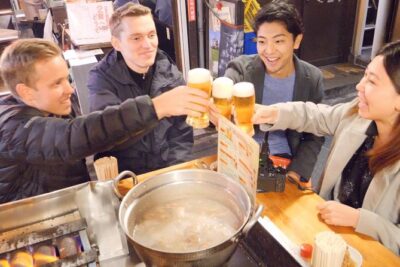
Tokyo Bar Hopping Tour in Shinjuku (All-You-Can-Drink + Dinner)
Read our review →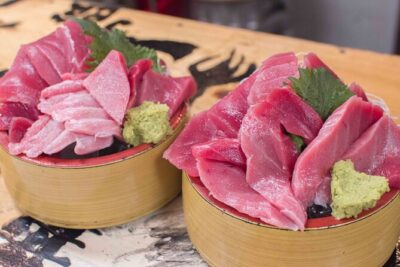
Best of Shinjuku: Izakaya Food Tour (4 Stops, 14+ Tastings)
Read our review →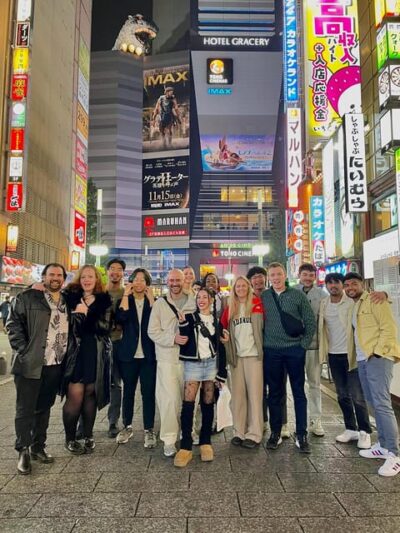
Shinjuku Local Bar and Izakaya Guided Walking Tour
Read our review →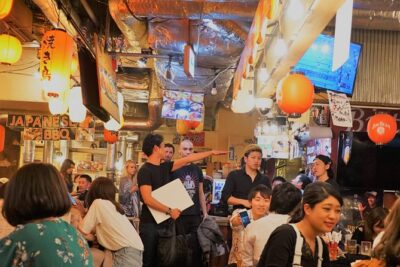
Shibuya Meltdown Nightlife Tour: All-You-Can-Drink Bar Hopping
Read our review →

Shinjuku Bar Hopping with All-You-Can-Drink & Dinner
Read our review →
Browse the lists this tour appears in