
Reviewed · SPA & HOT SPRINGS
Authentic Onsen Experience Tattoo Friendly Hidden Gem in Shinjuku
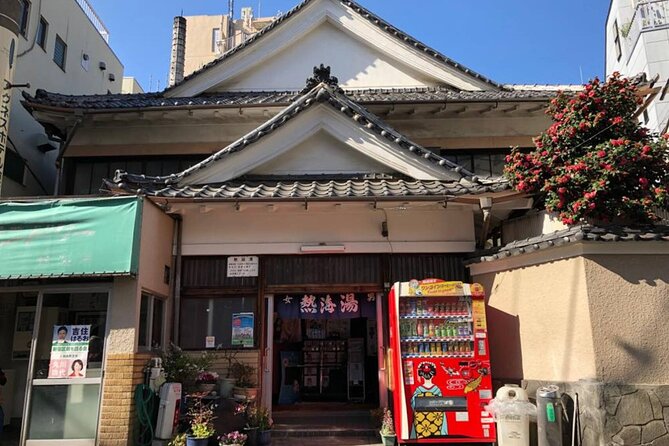
The best thing about this experience is its setting: a working neighborhood sento built in 1954, not a polished spa designed for sightseeing. You meet your bilingual guide at Starbucks in Kagurazaka, walk to the bathhouse, and learn how an everyday Japanese ritual works from the inside.
I like two things here. First, the guide, Kosei, explains the small steps that can make a first sento visit feel awkward, from shoe lockers to washing stations. Second, you get cultural context along with the bath, including the famous Mount Fuji wall paintings, the role of sento after the war, and the custom of drinking bottled milk afterward.
The main consideration is that the guide is male, so women bathe on their own after the introduction. Also, the experience lasts about an hour, which gives you a useful first look rather than a long, slow spa visit.
In This Review
- Key points to know before booking
- Why a 1954 sento makes a better introduction than a modern spa
- Meeting Kosei in Kagurazaka
- Shoe lockers, changing rooms, and the first rules
- The bath itself, with no pressure to participate
- Mount Fuji murals and the meaning of the room
- The bottled milk finish
- What the $35.77 price really buys you
- Who will enjoy this Shinjuku activity most
- Practical ways to make the hour go smoothly
- Should you book this sento experience?
- FAQ
- Where does the experience begin?
- Where does the experience end?
- How long does the experience last?
- Is the activity suitable for first-time sento visitors?
- Is bathing required?
- Is the experience tattoo friendly?
- Are shampoo and body soap included?
- What drink is included after the bath?
- How many people can join the activity?
- Can women receive guidance inside the bath?
- Can I cancel for a full refund?
- What happens if the activity is canceled?
Key points to know before booking
- A 1954 local bathhouse: You visit a real neighborhood sento in Shinjuku, with retro character and local use.
- Kosei provides the orientation: The bilingual guide explains lockers, changing rooms, washing areas, pools, and basic etiquette.
- Tattoo-friendly experience: The activity is presented as tattoo friendly, a useful point for visitors who may face restrictions elsewhere.
- Bathing is optional: You can soak, inspect the building and entrance murals, or relax in the lobby with a drink.
- Classic post-bath refreshment: Your included drink is milk, milk coffee, fruit milk, or another soft drink, depending on the available choice.
- Small-group format: The maximum group size is six, making it easier to ask questions and get help with unfamiliar customs.
Why a 1954 sento makes a better introduction than a modern spa
Tokyo has no shortage of sleek wellness centers, hotel baths, and large public bathing facilities. Those places can be comfortable, but they do not always show you how a sento fits into ordinary neighborhood life.
This bathhouse dates to 1954, a period when public baths mattered greatly to Japanese communities. Many homes did not yet have private bathing facilities, so the sento served as a practical place to wash and a social center for the neighborhood. That background changes the way you see the room. The pools are not simply features in a spa package. They are part of a long-running local routine.
I especially like that this experience does not treat the bathhouse as a stage set. You are visiting a place still used by local people, and that means you should approach it with the same care you would bring to any shared community space. Keep your voice low, follow the guide’s instructions, and remember that the regular bathers are there for their own routine.
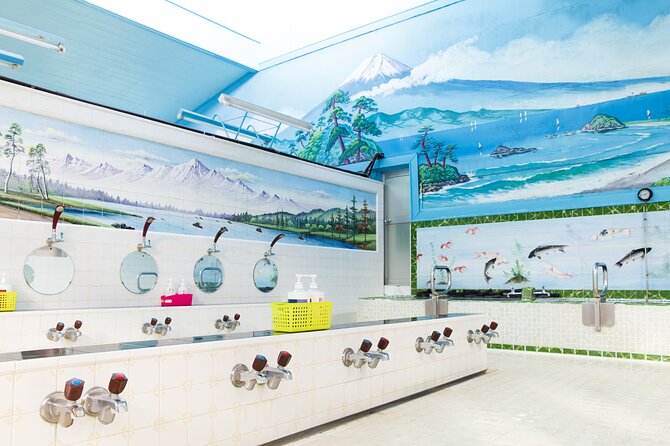
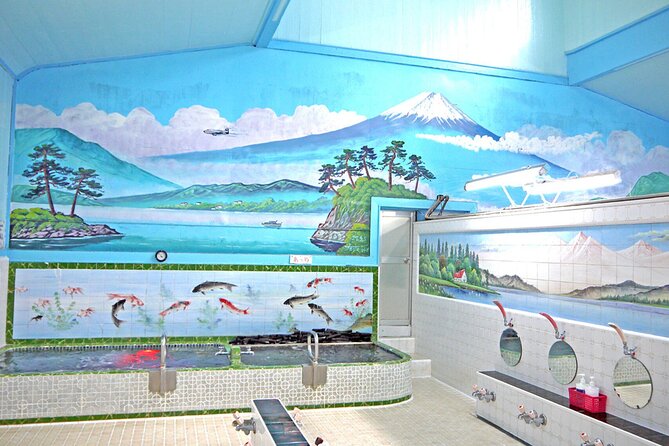
The retro design is part of the appeal. You can look for the traditional Mount Fuji murals, an image closely linked with sento culture. The murals are not just decoration for visitors. They reflect a familiar visual tradition that helped create a sense of openness and escape in a small urban bathhouse.
More Shinjuku nights and walks:
- Tokyo: Shinjuku Food Tour (13 Dishes at 4 Local Eateries)
★ 5.0 · 6,603 reviews - Tokyo Bar Hopping Tour in Shinjuku (All-You-Can-Drink + Dinner)
★ 5.0 · 3,587 reviews - Tokyo: Shinjuku Food Tour (15 Dishes and 4 Eateries)
★ 4.9 · 2,033 reviews
Meeting Kosei in Kagurazaka
The meeting point is the Starbucks Coffee at Kagurazaka-shita, at 1-chome 92 Kagurazaka, Shinjuku City. This gives you a clear public place to meet before heading to the bathhouse.
Kosei waits there and then walks with you to the sento. That short walk matters. Instead of arriving alone and trying to work out the entrance, you get a calm handoff from the public meeting point to the local bathhouse. One person who took the experience found the surrounding area free of the usual sightseeing crowds and appreciated the genuine neighborhood atmosphere.
The guide’s role is not limited to translating signs. He explains the order of the visit and prepares you for the parts that first-time bathers often find confusing. You will learn how to use the shoe lockers, where to change, how the washing area works, and how to approach the bathing pools.
The maximum group size is six. That is a sensible limit for a place where everyone needs clear instructions and personal space. It also gives you a better chance to ask a question without holding up a large group.
The total experience lasts about one hour. Since the meeting point and ending point are the same, you return to the Starbucks area after the visit. Plan your schedule with care if you have a timed dinner, train connection, or another booked activity immediately afterward.
Shoe lockers, changing rooms, and the first rules
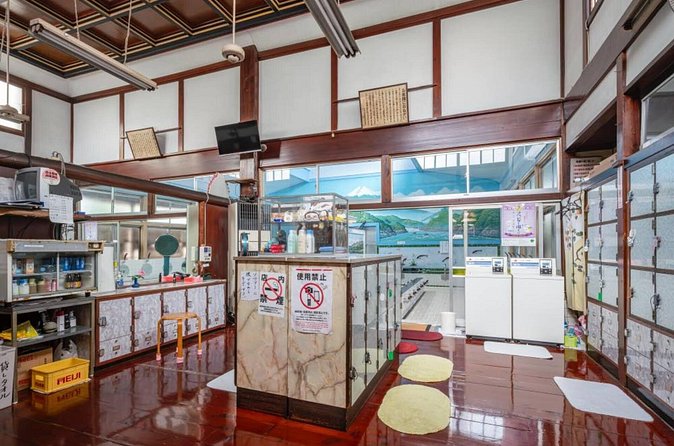
The shoe locker is one of the first small hurdles. In Japan, outdoor shoes generally stay at the entrance, while you move through the bathhouse in socks or bare feet. Kosei explains how to handle this before you go farther inside.
From there, you learn the layout of the changing room and bathing area. The sequence is simple once someone explains it, but it can feel unclear when you are standing in an unfamiliar place with signs you cannot read. That is where this experience earns much of its price.
You change before entering the bathing area, then wash yourself carefully before using the pools. The washing area is not an optional quick rinse. It is a key part of sento etiquette because the shared bathwater is for soaking, not for washing away soap and dirt.
Shampoo and body soap are provided for use. You do not need to bring those basics, which makes the activity easier to fit into a day of sightseeing. Still, you should be ready for a public bathing routine rather than a private hotel bathroom. The point is to follow the local order of things, not rush through it.
Kosei’s explanation also helps with the less obvious social rules. You will want to keep towels out of the shared water and avoid making the bathing pools feel like a swimming area. The supplied information does not spell out every rule, so listen closely during the orientation and copy the calm behavior around you.
The bath itself, with no pressure to participate
After the introduction, you can choose to bathe. For a first visit, this is the part that can feel both exciting and intimidating. You are using a public facility with local customs, and you may not know what to expect from the pools or the room.
The experience is designed to lower that pressure. If you feel shy, you can choose not to soak. You may observe the architecture and entrance murals or relax in the lobby with a drink instead. That option makes this more approachable than an activity that requires every participant to enter the water.
I would still suggest deciding in advance what makes you comfortable. If you want the full sento experience, bring a relaxed attitude and be ready to follow the instructions. If you are unsure about communal bathing, the orientation alone can still give you a useful look at Japanese culture without forcing you into a situation you dislike.
Women should note the guide arrangement. Because the guide is male, female participants enjoy the bath on their own after the explanation. The information provided does not say that a female guide joins them, so women who want hands-on guidance inside the women’s bathing area should take this into account.
The activity is presented as tattoo friendly, which can be important in Japan, where some bathing facilities restrict visible tattoos. Even so, you should treat the experience’s stated policy as the basis for booking and not assume that every bathhouse has the same rule.
A few more Tokyo bookings worth comparing
- From Tokyo: Private Tour to Fuji/Hakone – Onsen, Art, Nature
★ 5.0 · 116 reviews - Mt. Fuji, Hakone Private Tour from Tokyo – Onsen, Arts and Nature
★ 5.0 · 79 reviews - Tokyo: Mount Fuji 5th Station & Onsen Day Trip
★ 4.3 · 75 reviews - Tokyo: Mt Takao Tour with Ramen and Tattoo-Okay Hot Spring
★ 5.0 · 69 reviews
Mount Fuji murals and the meaning of the room
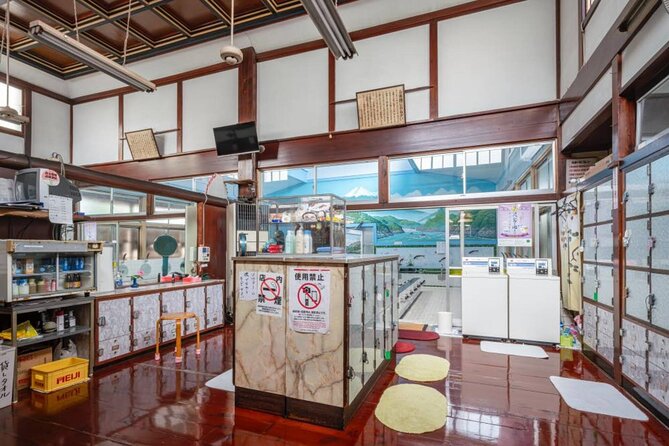
The Mount Fuji mural is one of the most recognizable features associated with Japanese sento. Kosei explains why these paintings became part of the bathhouse tradition and how they helped give bathers a wider visual world while they soaked.
You do not need to be an art specialist to appreciate the mural. Its value is tied to the ordinary setting. You see it where people came to wash, rest, and spend time with neighbors, not in a museum display. That makes the image feel connected to daily life.
The bathhouse also offers a look at the social role of sento in postwar communities. Public baths helped people maintain basic hygiene, but they also gave neighbors a shared place to meet. The activity uses the building and its customs to explain that wider story without turning the visit into a long lecture.
This is the difference between simply buying entry to a bath and taking a guided sento experience. You can enjoy hot water on your own, but you may miss why the murals are there, why the layout follows a certain pattern, and why the post-bath drink has become such a familiar part of the ritual.
The bottled milk finish
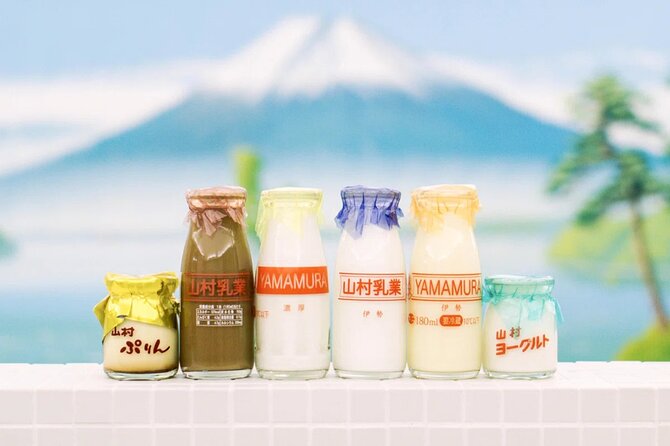
After the bath, you receive one complimentary bottled milk or soft drink. Options include milk coffee and fruit milk, depending on what you choose or what is available.
The drink is a small detail, but it gives the visit a proper ending. Bottled milk became associated with the sento because it was easy to serve cold after a hot soak. You will often see people drinking it in the lobby or changing area, and the tradition remains one of the most charming parts of the routine.
If you do not bathe, the drink still gives you a way to pause and finish the experience. A cold bottle after a warm bath is the classic choice, but a soft drink works for anyone who prefers something else.
Do not expect a meal or a long café stop. The refreshment is a simple included extra, not the main reason to book. Its value is cultural as much as practical.
What the $35.77 price really buys you
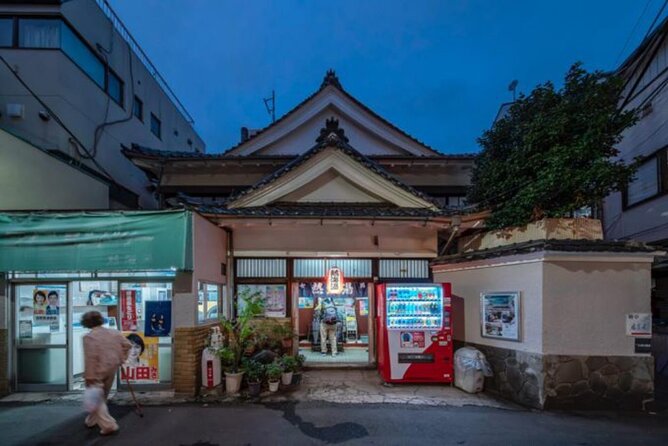
At $35.77 per person, this is not the cheapest way to enter a Tokyo bathhouse. If all you want is a soak, you may prefer to find a sento on your own and pay its normal admission.
The value here is the bridge into an unfamiliar custom. You receive a bilingual orientation, help with the layout, an explanation of etiquette, shampoo and body soap, and a bottled drink. You also get access to a neighborhood setting that can be difficult to appreciate when you arrive alone and are focused on decoding the rules.
For a first-time visitor, that guidance can prevent embarrassing mistakes and remove much of the uncertainty. The cost makes more sense if you value context and want an authentic local activity that fits into one hour.
It is less useful for someone who already knows Japanese bathing customs or speaks enough Japanese to manage the process comfortably. In that case, you may be paying mainly for company and historical explanation.
The advance booking pattern is also worth noting. This experience is booked about 55 days ahead on average, so it is sensible to reserve early if your dates are fixed. The group limit of six can make availability tighter than the one-hour duration might suggest.
Who will enjoy this Shinjuku activity most
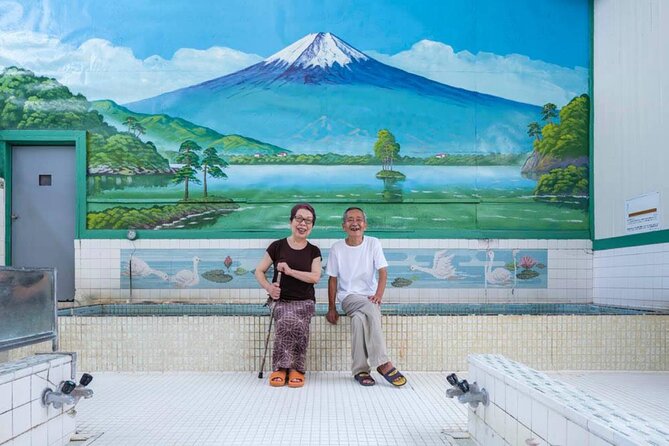
I would recommend this for a first-time visitor who wants something beyond the usual Tokyo checklist. It suits you if you like local customs, small-group activities, and experiences that explain why a place matters instead of simply showing you its surface.
It is also a good fit if you feel curious about public bathing but worry about getting the order wrong. Kosei’s friendly, clear approach has been praised for making first-timers feel comfortable, and one participant described the visit as relaxing and worth repeating.
The activity can work well for solo visitors, couples, and small groups. The small maximum group size keeps the visit personal, while the shared meeting point makes it easy to find the guide.
You should think twice if you dislike communal bathing, have very little time for the walk and return to Kagurazaka, or want a full spa treatment. This is a neighborhood sento introduction, not a luxury wellness package.
The experience also requires good weather and a minimum number of participants. If poor weather or low enrollment causes a cancellation, you are offered another date or a full refund. You can cancel for a full refund up to 24 hours before the start time, but cancellations inside that window are not refunded.
Practical ways to make the hour go smoothly
Meet at Starbucks in Kagurazaka rather than going directly to the bathhouse. The shared meeting point is part of the planned route, and Kosei walks with you from there.
Wear something easy to change out of and keep your schedule flexible around the one-hour duration. The activity includes soap and shampoo, but the supplied information does not list towels or other personal items, so confirm what you need before setting out.
Expect to remove your shoes at the entrance and to wash before entering the pools. Listen carefully to the orientation, especially if you are nervous about etiquette. The guide is there to make the routine clear, and the best way to respect the bathhouse is to use that help.
If you are a woman, remember that the guide is male and that you will bathe without him. If you are unsure about bathing, you can use the observation or lobby option instead.
Should you book this sento experience?
Book it if you want a short, well-explained introduction to Japanese bathing culture in a real Shinjuku neighborhood bathhouse. The 1954 setting, Mount Fuji murals, postwar community story, and bottled milk tradition give the hour more substance than a simple public bath visit.
The $35.77 cost is fair for first-timers who want confidence, translation, and cultural context. It is harder to justify if you already understand sento etiquette or only want inexpensive access to hot water.
My clearest advice is this: choose the experience for the explanation and local setting, then treat the bath as your option rather than your obligation. That flexible approach makes it useful for beginners, including anyone who wants to see an ordinary side of Tokyo without committing to a full bathing session.
FAQ
Where does the experience begin?
It begins at Starbucks Coffee in Kagurazaka-shita, located at 1-chome 92 Kagurazaka, Shinjuku City, Tokyo 162-0825.
Where does the experience end?
The activity ends back at the meeting point in the Kagurazaka area.
How long does the experience last?
The experience lasts approximately one hour.
Is the activity suitable for first-time sento visitors?
Yes. The bilingual guide explains how to use the shoe lockers, changing rooms, washing area, and bathing pools, making it suitable for beginners.
Is bathing required?
No. You may bathe after the orientation, or choose to observe the architecture and murals or relax in the lobby with a drink.
Is the experience tattoo friendly?
Yes. The activity is presented as tattoo friendly.
Are shampoo and body soap included?
Yes. Shampoo and body soap are available for use at the bathhouse.
What drink is included after the bath?
You receive one complimentary bottle of milk, milk coffee, fruit milk, or a soft drink.
How many people can join the activity?
The maximum group size is six people.
Can women receive guidance inside the bath?
The guide is male, so female participants use the bath on their own after the orientation.
Can I cancel for a full refund?
Yes. You can cancel at least 24 hours before the start time for a full refund. Cancellations or changes made less than 24 hours before the start time are not refunded or accepted.
What happens if the activity is canceled?
If poor weather or failure to meet the minimum number of participants causes cancellation, you are offered another date or a full refund.
New on our Tokyo list
- Sumi-e Experience in a relaxing green tea shop in Tokyo★ 5.0 · 3 reviews
- Tokyo : Kamikaze Street Drift Ride★ 5.0 · 3 reviews
- Private Zen Meditation in English in Shinjuku, Tokyo★ 5.0 · 3 reviews
- Onsen Spa in Tokyo and Asakusa Bar Hopping with Local Guide★ 5.0 · 3 reviews
- Easy for everyone! Now you can play handmade mini shamisen and show off to everyone! Musical instruments, sweets and live music★ 5.0 · 3 reviews
- Tokyo: Private Tsukiji Street Food & Sake with Local Guide★ 5.0 · 3 reviews
- Mt Fuji Exploration Tour with Free Japanese Kusa Mochi from Tokyo★ 4.5 · 3 reviews
- Tokyo Tsukiji Fish Market Walking and Exploring Hidden Gems Tour★ 5.0 · 3 reviews
Spa & Hot Springs, compared.
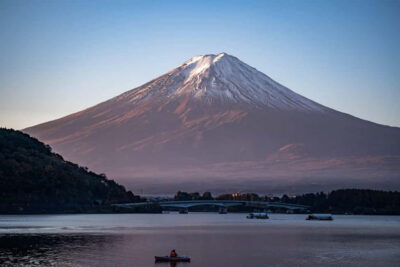
Private Tour to Fuji/Hakone – Onsen, Art, Nature
Read our review →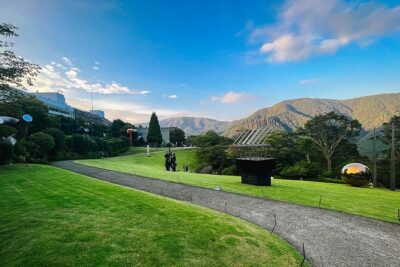
Mt. Fuji, Hakone Private Tour from Tokyo – Onsen, Arts and Nature
Read our review →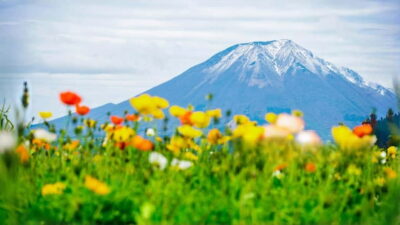
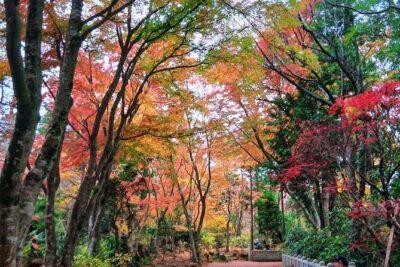
Mt Takao Tour with Ramen and Tattoo-Okay Hot Spring
Read our review →
[Seasonal Limited] Mt. Fuji 5th Station &Hot Spring Day Tour
Read our review →
Full Day Hiking Tour at Mt.Takao including Hot Spring
Read our review →
Mt. Fuji 5th, Oshino Hakkai, Onsen Full-Day Trip From Tokyo
Read our review →
Traverse Outer Rim of Hakone Caldera and Enjoy Onsen Hiking Tour
Read our review →Browse the lists this tour appears in