
Reviewed · TOKYO FOOD TOURS
Tokyo: Shinjuku Food Tour (15 Dishes and 4 Eateries)
Shinjuku is best understood after dark, when its tiny lanes, neon signs, bars, and food counters begin to hum. This three-hour walk gives you a useful first taste of the district, with 13 Japanese dishes at four eateries spread through Golden Gai, Omoide Yokocho, and Kabukicho. You may try sashimi, sake, tonkatsu, yakitori, takoyaki, Okinawan dishes, and a sweet finish such as taiyaki.
I like two things here. First, the food is varied enough to help you find what you actually like, rather than leaving you with one large meal. Second, the guide adds the local context that makes Shinjuku easier to read, from dining customs to the stories behind its narrow streets. The main consideration is that the title refers to 15 dishes, while the detailed description says 13, and the exact menu changes with season and restaurant availability.
In This Review
- Key points to know before booking
- Why this is a smart first evening in Shinjuku
- Starting beside Starbucks at Shinjuku Station
- Golden Gai: tiny lanes and a crash course in Shinjuku nightlife
- Omoide Yokocho: old Tokyo atmosphere with food close at hand
- Kabukicho: neon, entertainment, and the final plates
- What you may eat across the four stops
- The guides shape the evening
- Is $85 a fair price?
- Who should book this Shinjuku food tour?
- Should you book it?
- FAQ
- How long does the Shinjuku food tour last?
- How many dishes are included?
- What types of food might be served?
- Are drinks included?
- What types of places will I visit?
- Is the tour conducted in English?
- Where is the meeting point?
- What should I do about food restrictions?
Key points to know before booking
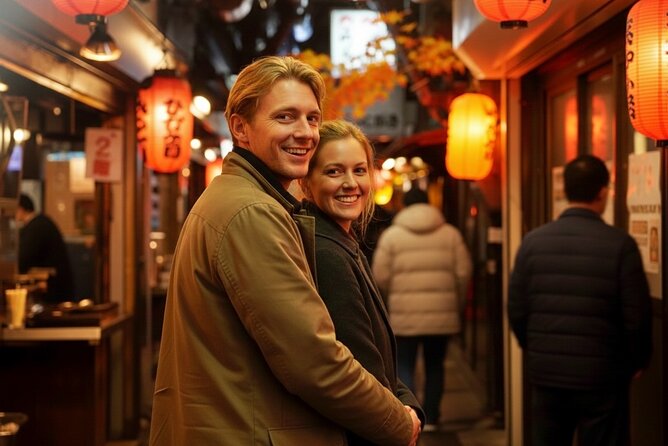
- Four different types of stop: You visit one food stall, one izakaya, one traditional eatery, and one gastrobar, giving the evening a useful range of settings.
- Three famous Shinjuku areas: The route includes Golden Gai, Omoide Yokocho, and Kabukicho, with roughly an hour devoted to each part of the walk.
- A full tasting menu: Expect up to 13 dishes and two complimentary drinks, including alcoholic and non-alcoholic choices.
- Small groups matter here: Shinjuku’s lanes and dining rooms are tight, so a small group is easier to manage than a large procession.
- Guides bring different strengths: Daichi, Fu, Aika, Igor, Hina, Sabina, and others have been praised for food explanations, local stories, humor, and help with ordering.
- Bring the right mindset: You need to walk between stops, try foods you may not recognize, and arrive with a good appetite.
Why this is a smart first evening in Shinjuku
Shinjuku can feel like several cities packed into one railway district. The west side around the station has tall buildings and major department stores. A few minutes later, you are in a lane lined with tiny counters, old-style drinking spots, or nightlife streets lit by hundreds of signs.
That contrast is the real subject of this tour. You are not simply moving from restaurant to restaurant. You are learning how the district changes from one block to the next, and how Japanese dining can mean a quick snack at a stall, a shared meal in an izakaya, or a drink in a tiny bar.
The three-hour format is well judged for a first look. You have enough time to eat several times and ask questions, but not so much time that the route becomes tiring. The stated itinerary gives one hour to Golden Gai, one hour to Omoide Yokocho, and one hour to Kabukicho. In practice, that hour includes walking, explanations, and food stops rather than a full hour seated at every place.
The food is also useful as an introduction because it covers familiar and less familiar territory. Tonkatsu and yakitori are easy starting points. Sashimi, mackerel, Okinawan food, seaweed salad, tempura tuna, and takoyaki widen the picture. You may discover a favorite dish you would never have ordered without help.
More Tokyo food crawls:
- Tokyo: Shinjuku Food Tour (13 Dishes at 4 Local Eateries)
★ 5.0 · 6,603 reviews - Best of Shinjuku: Izakaya Food Tour (4 Stops, 14+ Tastings)
★ 5.0 · 1,863 reviews - Tokyo Night Foodie Tour in Shinjuku – Seasonal Sushi, Wagyu Beef
★ 5.0 · 1,161 reviews
Starting beside Starbucks at Shinjuku Station
The meeting point is outside by the blue AOKI sign, right next to Starbucks Nishiguchi on the west side of Shinjuku Station. This is a practical location, but Shinjuku Station is famously large and confusing, so do not leave the meeting point to chance.
Check the map before you go. If you need help, ask for directions to Yodobashi Camera, which is nearby and widely known. The guide contacts you through WhatsApp, so download it before the tour and watch for the guide’s message.
This is a walking experience, not a bus tour. Wear shoes that are comfortable for several hours on city streets, and avoid arriving after a heavy meal. One participant’s advice was especially sensible: bring sturdy shoes and a large appetite.
You should also tell the operator about food restrictions in advance. The menu changes with availability, and clear information gives the guide a better chance of adjusting the meal where possible. The available information does not promise that every restriction can be accommodated, so ask before booking if your needs are serious or medically important.
Golden Gai: tiny lanes and a crash course in Shinjuku nightlife
Golden Gai is one of Shinjuku’s most distinctive areas. Its narrow lanes are packed with small bars and dining spaces, many of them far too compact for a large group. The guide helps you understand what you are seeing, rather than leaving you to wander past a maze of signs with no idea which doors are open to newcomers.
This is a good place to learn about the social side of Japanese nightlife. A bar may have only a handful of seats. Some places are aimed at regular customers, and the tone can change quickly from one doorway to the next. A local guide can explain the basic etiquette and tell you how to approach these intimate spaces respectfully.
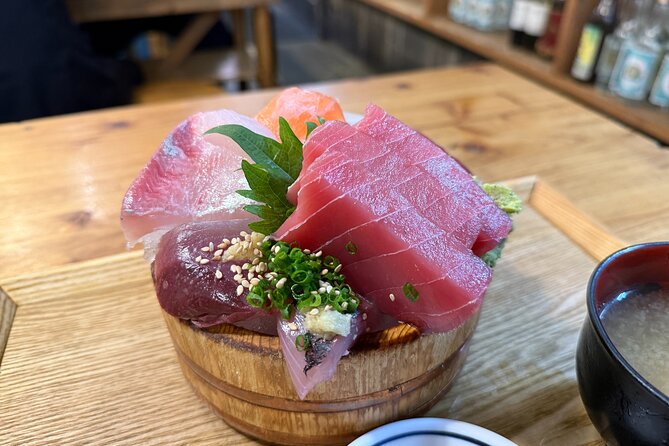
The food stops here and elsewhere are intended to be more than fuel. You may receive small portions from several places, which lets you compare styles without committing to one unfamiliar dish. Sashimi and Japanese sake may appear early in the evening, although the exact dishes depend on the restaurant and its available menu.
One especially popular tasting mentioned by past participants is mackerel at the first restaurant. That detail is useful because it shows the menu is not limited to the standard list of sushi, noodles, and tempura that many first-time visitors expect.
The possible drawback is space. Golden Gai is narrow, and a stop may feel more like a quick tasting than a long, relaxed dinner. That is part of the character of the area, but you should not book this expecting a private table and a slow meal at every stop.
Omoide Yokocho: old Tokyo atmosphere with food close at hand
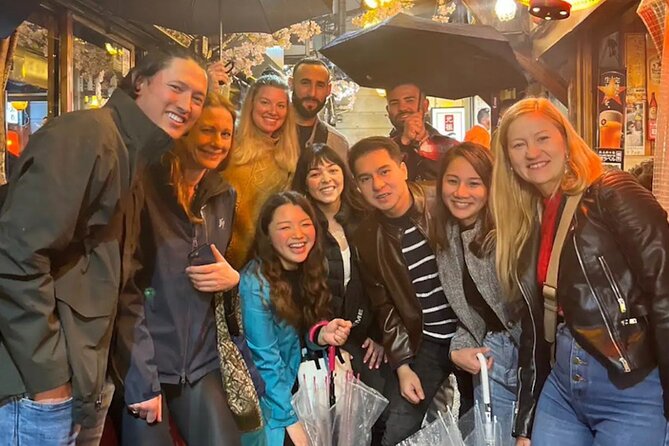
Omoide Yokocho, also known as Memory Lane, offers a different look at Shinjuku. The lane is famous for its tight passageways and small eateries, with an atmosphere that recalls an older Tokyo. You will walk through the area with the guide, hear about its place in Shinjuku, and stop for food according to the evening’s plan.
This is where the tour’s mix of sightseeing and eating makes sense. You get a landmark, a story, and a taste without having to spend an entire evening figuring out where to go. A few people have especially enjoyed seeing the lane and later returned on their own, which makes it worth paying attention to the route even if your group does not eat at every place you pass.
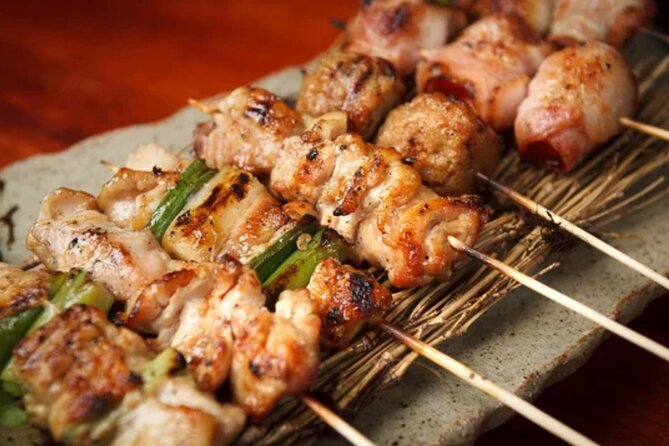
Food here can include casual Japanese comfort dishes. Yakitori, takoyaki, and other small plates fit the setting, but you should treat the published examples as possibilities rather than a guaranteed menu. The operator clearly states that dishes depend on season, stock, and restaurant availability.
There is one practical wrinkle. Some food from two eateries may be eaten on the street rather than inside a restaurant. If you want four full sit-down restaurant visits, this experience may not match your expectations. If you see street eating as part of the local rhythm, it is less of a problem.
More Shinjuku nights and walks:
- Tokyo Bar Hopping Tour in Shinjuku (All-You-Can-Drink + Dinner)
★ 5.0 · 3,587 reviews - Tokyo: Shinjuku Local Bar and Izakaya Guided Walking Tour
★ 4.9 · 1,794 reviews - Tokyo Shinjuku Chopsticks Making Class
★ 5.0 · 1,763 reviews - Tokyo Shinjuku Sumo Show & Experience with Photo
★ 5.0 · 1,750 reviews
Kabukicho: neon, entertainment, and the final plates
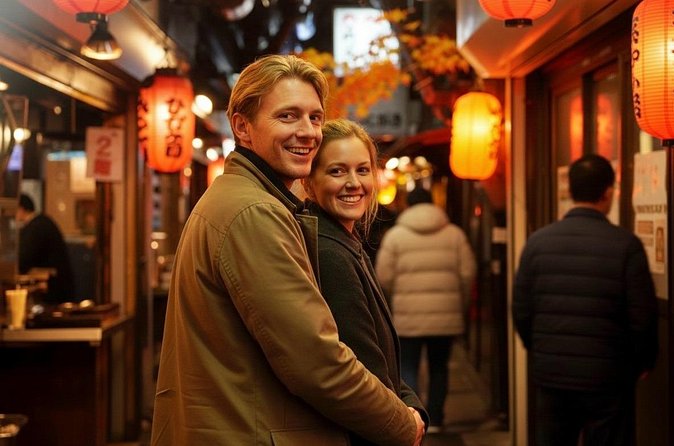
Kabukicho is Shinjuku’s best-known nightlife district, filled with restaurants, bars, entertainment venues, and bright signs. The tour uses this area to finish the evening, giving you a clearer sense of how the district works after dark.
A guide is particularly useful here because Kabukicho can feel overwhelming at first. You can ask about the streets, the food, and local customs without having to stop in the middle of a crowded area to study a map. The guides also offer advice for the rest of your stay, which can be handy if this is your first night in Tokyo.
The final stops may include an izakaya and a gastrobar, two settings that help show how Japanese people eat and drink socially. An izakaya usually means shared plates and a casual drinking atmosphere. A gastrobar suggests a more polished food-and-drink setting, though the exact character depends on the venue selected that evening.
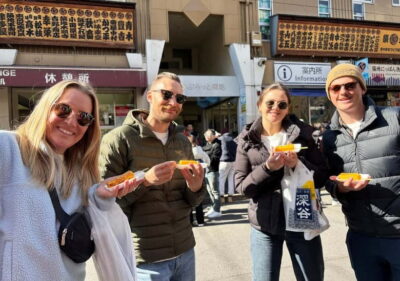
A family group of four found the progression appealing: fresh fish and sake, a long-running tonkatsu restaurant, Okinawan food, and taiyaki for dessert. That particular sequence is not guaranteed, but it shows the range you might encounter. The tonkatsu stop was especially memorable for its pork cutlets, while the Okinawan dishes offered something beyond the usual Tokyo menu.
The tour returns to the α 107 Building after the Kabukicho section. Because the evening ends in central Shinjuku, you are well placed to continue exploring, return to your hotel, or use the station for the next part of your night.
What you may eat across the four stops
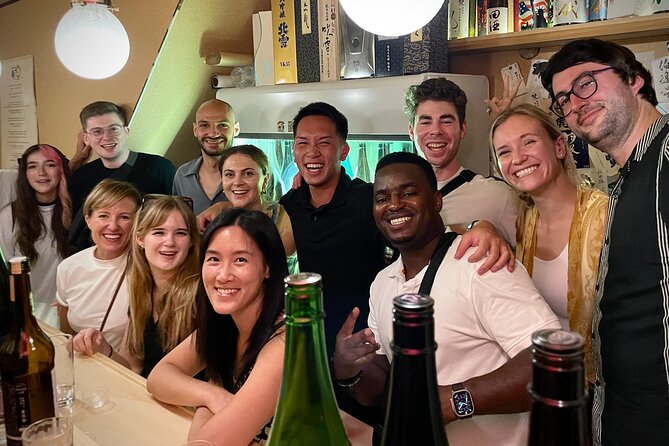
The meal is built around variety rather than one signature dish. The listed examples include:
- Sashimi and Japanese sake
- Tonkatsu, or breaded pork cutlet
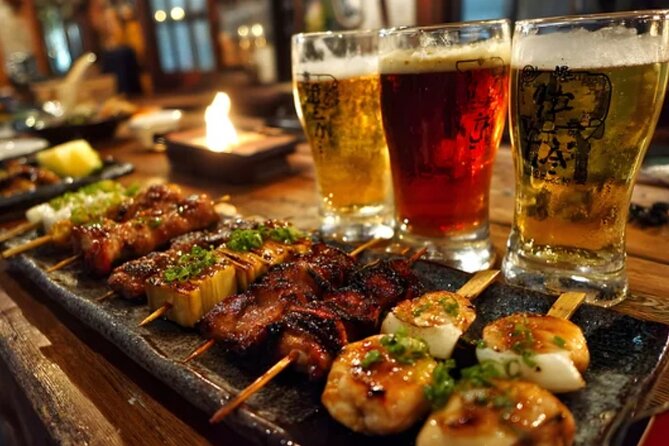
- Yakitori, or chicken skewers
- Takoyaki, the hot octopus-filled snack
- Mackerel
- Seaweed salad
- Tempura tuna
- Okinawan dishes
- Taiyaki, a filled, waffle-like sweet
The operator describes the food as up to 13 dishes, with two complimentary drinks, one alcoholic and one non-alcoholic. The tour title says 15 dishes, so I would confirm the current count before paying if the number is important to you.
The portions appear designed for tasting, but the overall amount can still be substantial. One person was unable to finish everything, while another called the meal very filling. Plan on this replacing dinner, not merely serving as a light snack before dinner.
The biggest benefit of this format is freedom from menu anxiety. If you cannot read Japanese or are unsure what to order, the guide can explain what is in front of you and how it fits into local food culture. You can try something new without ordering a full portion for yourself.
The limitation is control. A fixed tasting route is not the same as choosing each dish yourself. Tell the operator about restrictions early, and let the guide know during the tour if you are becoming full.
The guides shape the evening
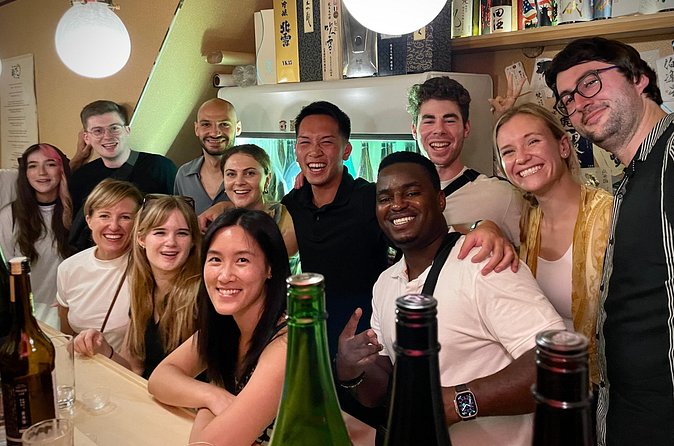
The experience depends heavily on the individual guide, and the supplied guide names include Daichi, Fu, Aika, Igor, Hina, Sabina, Lloyd, Shane, Emma, Kai, Karen, Elena, and others. The strongest guide qualities are clear English, good organization, warmth, and the ability to connect food with place.
Daichi has been praised for being friendly and for selecting complementary dishes. Fu is known for adding history and answering questions. Igor brings relaxed commentary and practical information about the area. Hina has been singled out for her attention to the group and her food selections, including pork katsu, seaweed salad, and tempura tuna.
Sabina, Aika, and Lloyd have also been praised for making the experience welcoming and easy for families. Shane is described as bilingual in Japanese and English, with a talent for handling orders and explaining culture. These names give you a sense of the guide team, but you may not be assigned a particular person when you book.
The guide’s role matters because this is not only a meal. The best parts come when someone explains why a dish is served in a certain way, how to behave in a small eating space, or what you are seeing in the streets between stops.
Is $85 a fair price?
At $85 per person, this is not the cheapest way to eat in Shinjuku. You could buy individual snacks and casual meals for less, especially if you are comfortable ordering on your own.
The value comes from the structure. You receive food at four different venues, up to 13 dishes, two drinks, a three-hour guided walk, explanations in English, and advice for the rest of your visit. You also avoid spending your first evening searching for suitable places in a district where menus and entrances can be hard to judge.
For a couple or small group, the price can be reasonable if you want a planned introduction rather than a self-guided food crawl. It is less compelling for a confident solo eater who already knows Shinjuku and speaks or reads Japanese well.
The small-group format improves the value. Tight lanes and small dining rooms are easier with fewer people, and you have more room to ask questions. One person specifically noted that a small group worked well in crowded Tokyo.
Free cancellation up to 24 hours before the start gives you some flexibility, and you can reserve now and pay later. Check the available start times when booking, since the experience is designed around Shinjuku’s evening mood.
Who should book this Shinjuku food tour?
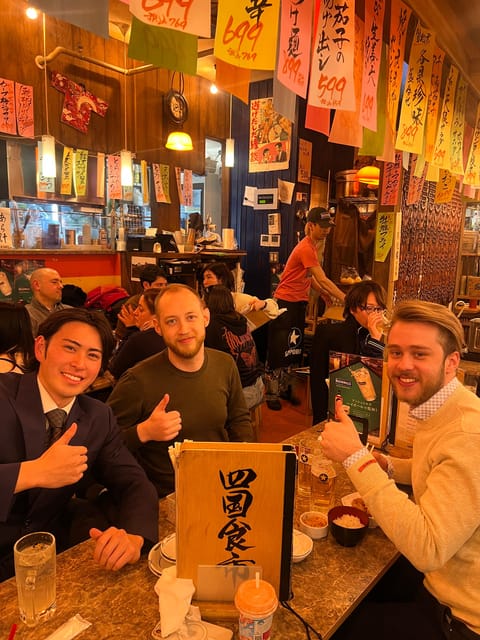
I would choose this tour for a first or second evening in Tokyo, especially if you want your introduction to include food, nightlife, and local background in one outing. It suits couples, families with children who enjoy trying new dishes, and solo visitors who prefer company at unfamiliar restaurants.
It is also a good fit if you are curious but cautious. You can sample foods such as sashimi, Okinawan dishes, or mackerel in small amounts, with the guide there to explain them.
You may want another option if you dislike walking, need complete control over every ingredient, or want a formal multi-course dinner. The street tastings and changing restaurant schedule mean this is a flexible food walk, not a fixed fine-dining event.
Should you book it?
Book it if you want a well-fed orientation to Shinjuku and like the idea of combining famous districts with food you might not find alone. The strongest reasons are the range of dishes, the small-group setting, and the guide’s ability to make Golden Gai, Omoide Yokocho, and Kabukicho feel less confusing.
Before booking, confirm the current dish count, share dietary restrictions, download WhatsApp, and accept that some tastings may happen on the street. Arrive hungry, wear good shoes, and treat the meal as your main dinner. For most first-time visitors, $85 buys a useful evening of eating and getting your bearings in one of Tokyo’s most complicated districts.
FAQ
How long does the Shinjuku food tour last?
The tour lasts three hours. The route covers Golden Gai, Omoide Yokocho, and Kabukicho before returning to the α 107 Building.
How many dishes are included?
The detailed activity information says up to 13 Japanese dishes at four eateries. The experience title refers to 15 dishes, so confirm the current number when booking because availability can change.
What types of food might be served?
Possible dishes include sashimi, mackerel, tonkatsu, yakitori, takoyaki, seaweed salad, tempura tuna, Okinawan food, and taiyaki. The exact menu depends on the season and restaurant availability.
Are drinks included?
Yes. The experience includes two complimentary drinks, with alcoholic and non-alcoholic options.
What types of places will I visit?
The food is served across one stall, one izakaya, one traditional eatery, and one gastrobar.
Is the tour conducted in English?
Yes. The tour has a live English-speaking guide.
Where is the meeting point?
Meet outside by the blue AOKI sign next to Starbucks Nishiguchi on the west side of Shinjuku Station. Yodobashi Camera is nearby and can help you find the area.
What should I do about food restrictions?
Tell the operator about your food restrictions before the tour. The dishes depend on restaurant and ingredient availability, so ask in advance about whether your specific needs can be accommodated.
New on our Tokyo list
- From Tokyo: Mount Fuji & Hakone Full Day Private Tour★ 4.9 · 25 reviews
- Tokyo Spectacular View Day-Cruise in 90 Minutes★ 5.0 · 25 reviews
- Real Tokyo Runner Club : Daikoku Car Meet Night Tour with JDM Car★ 5.0 · 25 reviews
- 2.5 Hour-Guided Cycle Tour in the Central Tokyo★ 5.0 · 25 reviews
- Ramen Making from Scratch +Akihabara Tour –Cooking Class★ 5.0 · 25 reviews
- [Self-Drive] Tokyo & Daikoku Custom Car Driving Tour★ 4.9 · 25 reviews
- Tokyo: 2-Hour Night Bike Tour of the City’s Hidden Gems★ 4.9 · 25 reviews
- Buddha, Bamboo & Zen – Bespoke Kamakura Private Walking Tours★ 5.0 · 25 reviews
Tokyo Food Tours, compared.
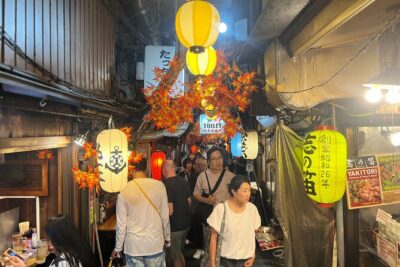
Shinjuku Food Tour (13 Dishes at 4 Local Eateries)
Read our review →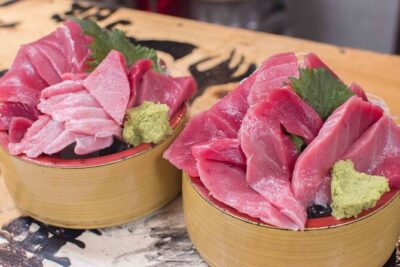
Best of Shinjuku: Izakaya Food Tour (4 Stops, 14+ Tastings)
Read our review →
Tokyo Night Foodie Tour in Shinjuku – Seasonal Sushi, Wagyu Beef
Read our review →
Eat and Drink Like a Local: Tokyo Ueno Food Tour-Taverns&Ramen
Read our review →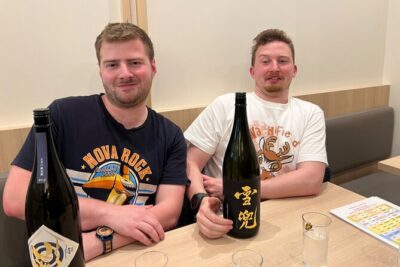
Tsukiji Fish Market: Street Food & Culture Walking Tour
Read our review →Shinjuku Food Tour – 15 Dishes, 3 Drinks, 4 Eateries
Read our review →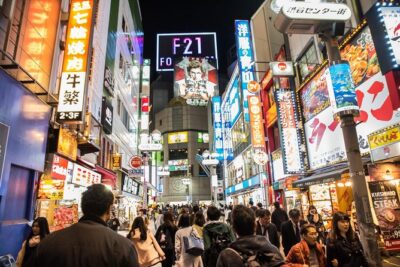
Browse the lists this tour appears in