
Reviewed · JDM & CAR CULTURE TOURS
Best Price Daikoku Parking Tokyo Drift & APIT Car Meet Tour
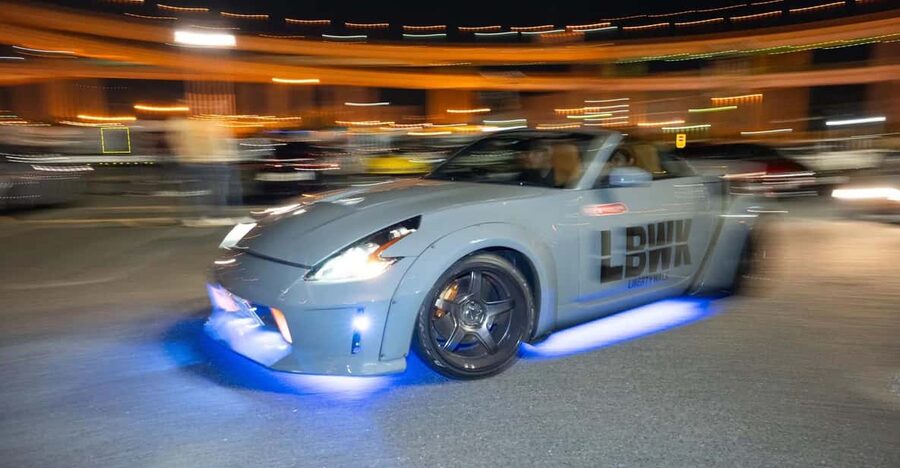
Yokohama’s Daikoku Parking is the real draw here: a famous meeting point for Japanese performance cars, tuned machines, and the local drift crowd. You visit with a Japanese guide who is part of that scene, rather than simply being dropped at a parking area with a camera.
I like the local connection and the ride itself. Takeshi and Toshi have been praised for friendly conversation, punctual pickups, and useful knowledge of the car community. I also like the APIT stop, where you can browse parts, clothing, books, toys, and other car goods before seeing the cars in the wild. The catch is simple: Daikoku is unpredictable, and heavy rain or snow cancels the tour. Even on a fair day, the cars gathered can vary.
In This Review
- Key points at a glance
- Why Daikoku Parking is the main event
- Starting at APIT in search of car culture
- Riding with a guide from the local drift scene
- What the Lexus LS ride adds
- The route back past Rainbow Bridge and Tokyo Tower
- How much time you should allow
- Weather, crowds, and the limits of a car meet
- Who gets the best value from the $133 price
- Booking details worth checking
- Should you book the Daikoku tour?
- FAQ
- Where does the tour visit?
- How long do I spend at Daikoku Parking?
- Is transportation included?
- Can I choose my pickup location?
- Will the tour always be completely private?
- What languages are available?
- What happens in heavy rain or snow?
Key points at a glance
- Daikoku Parking: Spend about one hour at Yokohama’s best-known JDM car meeting point.
- APIT first: Browse a large Japanese auto store filled with parts, apparel, books, toys, and gadgets.
- Local guides: Takeshi, Toshi, and other English-speaking guides come from the drift and tuning community.
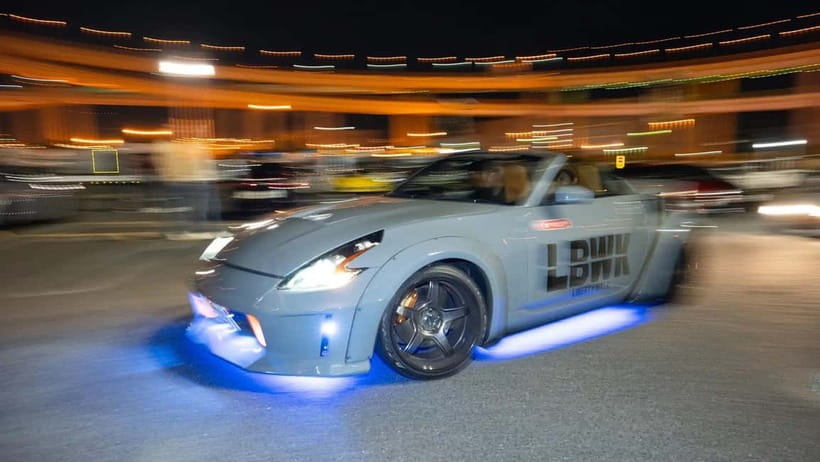
- Comfortable transport: Ride in a modified Lexus LS or a Honda wagon for larger groups.
- Flexible pickup: The guide can collect you at your preferred pickup location.
- Tokyo views: Return past Rainbow Bridge and Tokyo Tower, with the city skyline as a bonus.
Why Daikoku Parking is the main event
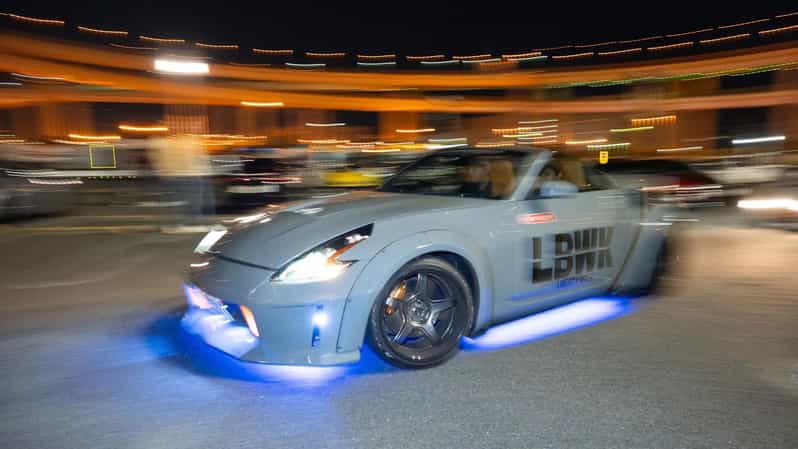
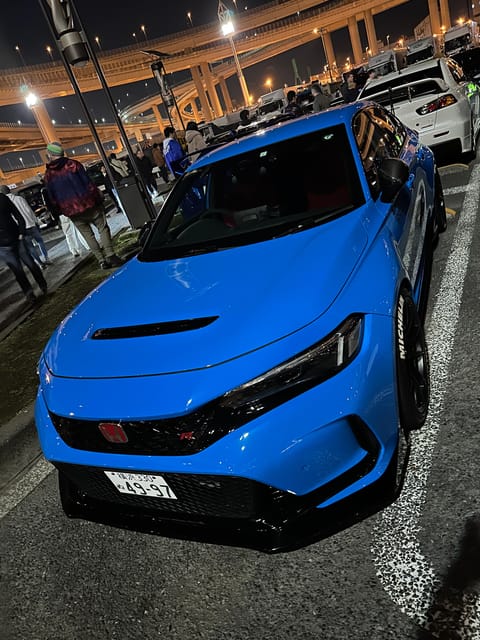
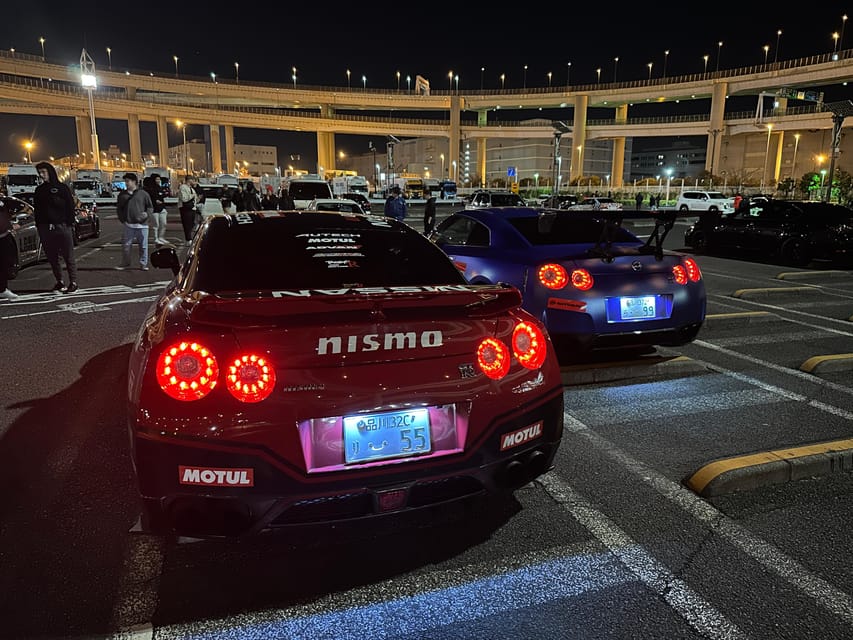
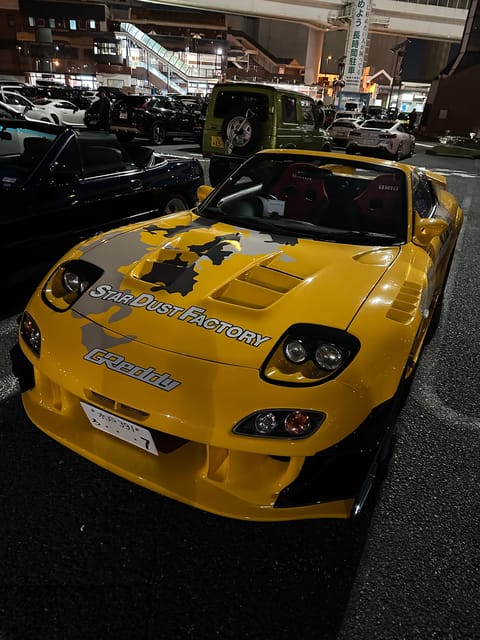
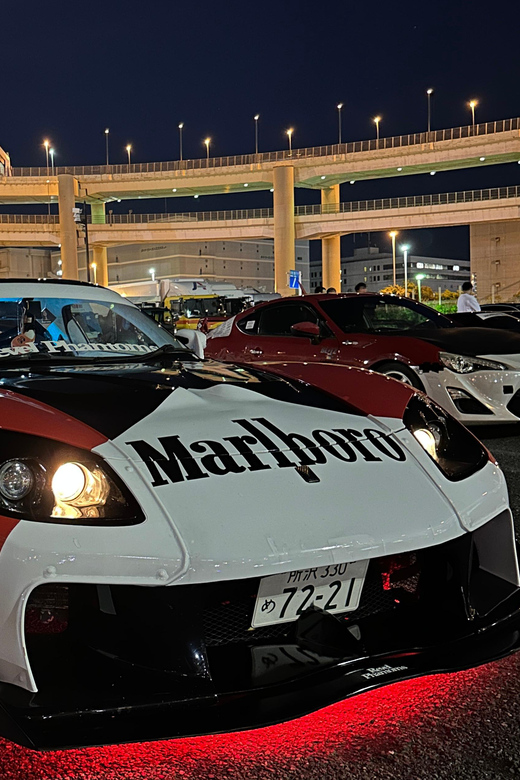
If your idea of Japan includes polished sports cars, unusual JDM builds, tuned exhausts, and the possibility of seeing a machine you know only from magazines, Daikoku Parking is the place to aim for. It is a roadside parking area in Yokohama, but that plain description misses the point. The appeal comes from the cars and the people who bring them there.
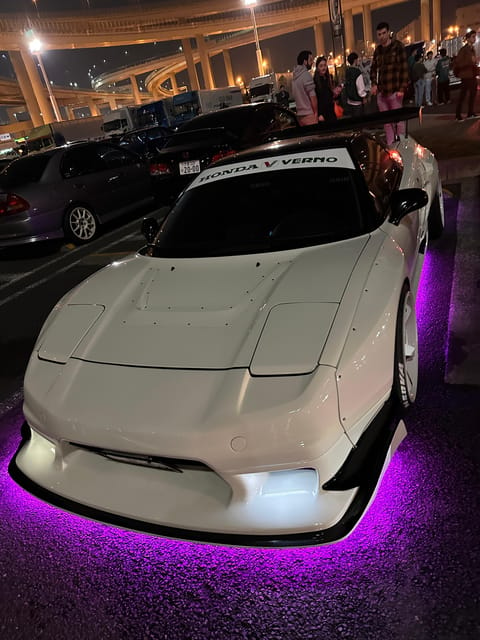
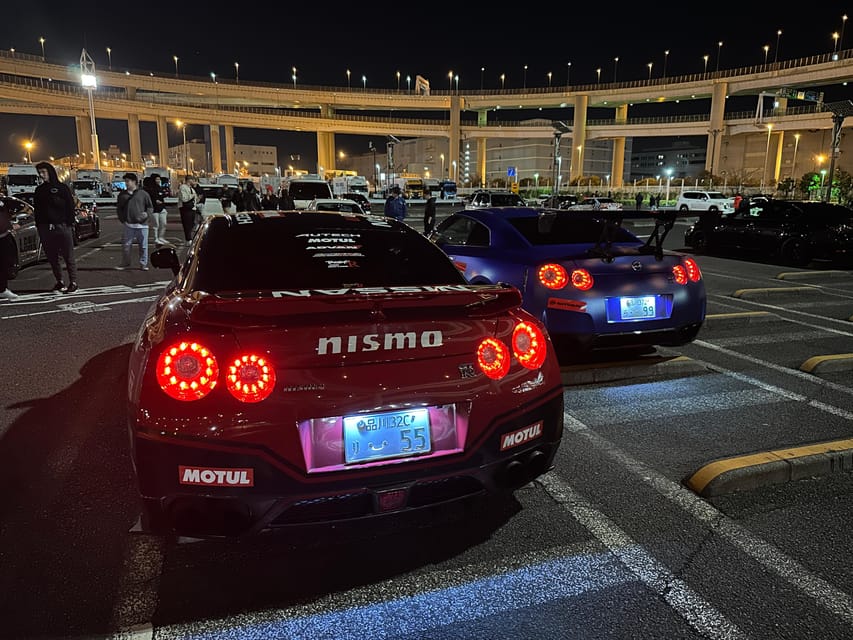
Daikoku has become a meeting point for the Greater Tokyo car community. Some visitors arrive in highly modified cars, while others simply come to look, talk, and compare notes. That mix gives the place a relaxed feel. You are not attending a formal motor show with barriers and printed displays. You are watching a part of Japanese car culture in its natural setting.
That also means you need realistic expectations. No tour can promise a certain model, a set number of cars, or a dramatic late-night scene. The selection changes from day to day. You might find a strong gathering of JDM cars, or a quieter visit with a smaller mix of vehicles. The provider’s connection to the local community improves your chances of seeing the place in the right spirit, but it cannot control who turns up.
You spend about one hour at Daikoku, which is enough time to walk around, take photographs, look closely at the cars, and chat with your guide. It is not an all-night car-spotting expedition. For most first-time visitors, that limit is useful. You get a focused look at the meeting point without giving up an entire evening in Tokyo.
More car-culture meets:
- GT-R35 800hp Club Membership – secret underground car meet
★ 4.8 · 998 reviews - Tokyo: Fast & Furious Tokyo Drift 3 Experience (Kaila Yu SP)
★ 4.8 · 947 reviews - Tokyo: Daikoku JDM Car Meet & Night Car Culture Tour
★ 4.8 · 626 reviews
Starting at APIT in search of car culture
The tour begins with APIT, a large auto store in the Tokyo area. This is more than a practical shopping stop. It gives you a look at the consumer side of Japan’s car scene before you see the finished products gathered at Daikoku.
Inside, you can find car parts, apparel, books, toys, gadgets, and other JDM-related goods. Even if you are not planning to buy anything, the range helps explain how broad the car hobby is in Japan. It is not only about engines and racing. Clothing, model cars, printed material, accessories, and small upgrades all have a place.
I would give yourself time to browse rather than treating APIT as a quick restroom stop. You might spot something useful for a car enthusiast at home, or find a small souvenir that feels more personal than a standard Tokyo gift. The store also gives you a chance to ask the guide questions about Japanese brands, tuning, and the difference between a showroom display and a privately owned car.
The APIT visit is especially valuable if you have a mixed group. A serious gearhead can inspect parts and accessories, while a friend or family member who is less focused on engines can look at clothing, toys, and books. It keeps the experience from becoming six hours of standing beside parked cars.
One detail to keep in mind is that APIT is a retail stop, not a workshop visit. You are browsing what the store sells. The information provided does not promise mechanic demonstrations, a factory tour, or a chance to buy a specific part. If you are shopping, bring your own list and check fitment carefully.
Riding with a guide from the local drift scene
The strongest reason to choose this tour over a basic car transfer is the guide. Matenro Drift Racing describes its team as local Japanese members of the Daikoku and JDM drift community. Guides speak English and Japanese, and names that have come up from the team include Takeshi and Toshi.
Toshi has been described as sociable and kind, with a friendly approach from hotel pickup through the car meet. Takeshi has earned praise for punctual driving, helpful conversation, and his connection to the tuning scene. You should not assume that you will receive one particular guide unless the provider confirms it, but the local perspective is central to the experience.
That matters at Daikoku because a row of cars only tells part of the story. Your guide can help explain what you are seeing, point out details that might escape a casual visitor, and give context about the local community. The guide can also make the ride between stops more useful. Instead of a silent transfer, you have a chance to talk about drifting, tuning, Japanese cars, and places to eat or visit.
Past guests have also received practical suggestions unrelated to cars, including food tips and an onsen recommendation in Hakuba. That does not mean every tour includes a full Tokyo planning session, but it shows the kind of informal local help you can ask for.
The tour is described as private, though multiple bookings may sometimes share a ride. That distinction matters. If you want a fully private vehicle and conversation, confirm the arrangement before booking. A shared ride may be perfectly pleasant, especially when other people are there for the same reason, but it gives you less control over the pace and atmosphere.
What the Lexus LS ride adds
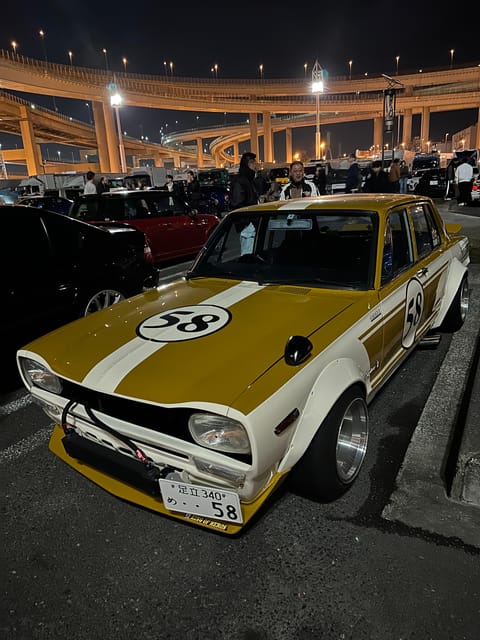
Pickup and drop-off are included, and the main vehicle is a modified Lexus LS or a similar vehicle. Larger groups use a Honda wagon. The car is part of the fun, not just a way to reach Yokohama.
The Lexus gives the outing a more polished feel than a standard shuttle. It also fits the subject. You are going to look at Japanese cars, and you begin by riding in one. For a car enthusiast, that small detail helps set the mood before APIT and Daikoku.
You can request pickup at your preferred location. The exact meeting point still needs to be arranged with the provider, so do not treat this as an unlimited door-to-door promise anywhere in Japan. The useful point is that you are not restricted to one fixed departure point in the published details.
Transportation fees are included in the $133 price. That makes the cost easier to judge. You are paying for transport across the Tokyo and Yokohama area, an English-speaking local guide, a customized car-focused outing, and return drop-off. A taxi or private car across this distance could become expensive on its own, especially when you add the time and trouble of finding Daikoku independently.
For a solo visitor, $133 is not a bargain-basement outing. It is a premium price for a specialized experience. For two or more people who split the value of the guide and vehicle, it becomes easier to justify. I would book it for the access and local context, not merely for a ride to a parking lot.
A few more Tokyo bookings worth comparing
- Mt Fuji and Hakone 1-Day Bus Tour Return by Bullet Train
★ 5.0 · 26,383 reviews - 1-Day Tokyo Bus Tour
★ 5.0 · 14,250 reviews - Tokyo: TOKYO SKYTREE® Admission ticket
★ 4.5 · 11,192 reviews - Tokyo: teamLab Planets TOKYO Digital Art Museum Entry Ticket
★ 4.6 · 9,779 reviews
The route back past Rainbow Bridge and Tokyo Tower
After Daikoku, the return route passes Rainbow Bridge and Tokyo Tower. This is a pleasant closing act, particularly if you have not yet seen Tokyo from this angle. The skyline gives the ride back a little sightseeing value instead of making it feel like the experience ended when you left the parking area.
Rainbow Bridge is especially effective from a moving car because it connects the industrial waterfront with the city views. Tokyo Tower adds a familiar landmark to the route. The information does not promise a dedicated photo stop, so think of this as a scenic drive rather than a formal viewpoint visit.
That distinction is worth knowing when planning your evening. You may be able to take photographs from the vehicle, but you should not build your schedule around getting out at both landmarks. The route is a bonus, and the main purpose remains the car scene.
I like this ending because it gives the tour a broader Tokyo shape. You begin with retail car culture at APIT, move to the community gathering at Daikoku, then return through some of the city’s best-known sights. It is a compact way to connect several parts of the region.
How much time you should allow
Only the Daikoku stop is given a specific duration, about one hour. The full tour length is not stated, so you should ask the provider for the expected start and finish times before booking flights, dinner reservations, or another timed activity.
The route includes pickup, APIT, the drive to Daikoku, about an hour at the parking area, and the return past Rainbow Bridge and Tokyo Tower. Traffic can affect the day, and the Tokyo to Yokohama area is not a place where I would schedule a tight connection afterward.
If you want a quick, focused introduction to JDM culture, the format works well. You see a major store, visit the famous meeting point, and get a scenic drive back. If you want hours of drifting action, track time, or instruction behind the wheel, this is not that product. Matenro Drift Racing offers separate drift riding experiences and drift lessons, so ask about those instead.
The provider also says tours can be customized. Tell the team what you want to do after booking. Customization is a useful feature, but it should not be read as a guarantee that every request can be added. Confirm the plan, timing, and any extra cost directly.
Weather, crowds, and the limits of a car meet
Heavy rain or snow cancels the tour. That rule makes sense because Daikoku is an outdoor parking area, and poor weather would make the visit less comfortable and less rewarding.
Light rain can still affect the experience, even if it does not lead to cancellation. Wet pavement, fewer cars, and less time spent outside may change the mood. If the car meet is the single reason you came to Tokyo, keep some flexibility in your schedule and avoid placing this tour on the only possible day.
Crowds and car numbers also change. A car meet is not a museum collection. The guide can bring you to Daikoku and explain the culture, but the actual vehicles depend on the people who arrive. I would choose this tour if I enjoy the excitement of not knowing exactly what will appear. If you need to see a particular model, ask whether the provider can offer any realistic guidance, but do not expect a firm guarantee.
The relaxed tone is another plus. The setting welcomes serious enthusiasts and casual observers, so you do not need to know every engine code before joining. Ask questions, take in the details, and let the guide explain what catches your eye.
Who gets the best value from the $133 price
This tour suits you best if you fall into one of these groups:
- You want an English-speaking local guide rather than an independent visit.
- You are interested in Japanese drift and tuning culture, not only famous landmarks.
- You prefer pickup and drop-off to arranging a long taxi ride or public transport route.
- You are traveling with a partner or small group that can share the cost.
- You want a flexible outing that can include conversation and local tips.
- You would like a car-related activity that also includes a Tokyo skyline drive.
Families and mixed-interest groups may appreciate APIT because it offers more than performance parts. Car fans will get the most from the guide’s local connection and the chance to compare the cars at Daikoku.
I would hesitate if your budget is tight, you dislike uncertain schedules, or you want a guaranteed lineup of famous cars. The experience depends on weather and who attends the meet. It also gives you only about one hour at Daikoku, so hardcore enthusiasts may want to ask about the separate drift rides or lessons.
The perfect timing of a meet can never be promised, but the guide and transport reduce the main hassles. You do not have to work out how to reach a restricted-feeling parking area on your own, and you have someone to explain what you are seeing.
Booking details worth checking
The tour costs $133 per person, with transportation fees included. You can reserve now and pay later, which helps if your Tokyo schedule is still shifting. Cancellation is allowed up to 24 hours before the tour for a full refund.
English and Japanese are available. Ask in advance about your pickup location, the likely vehicle, whether your booking will be shared, and the expected total duration. Those details matter more here than they would on a standard bus tour because the experience is built around a particular car, a particular guide, and a weather-sensitive outdoor stop.
Also tell the provider what you want after booking if you are interested in a customized plan. You may want more time around car-related stops, food advice, or information about drift riding and lessons. Clear questions before the day will help set fair expectations.
Should you book the Daikoku tour?
Book this tour if you want access with context. Daikoku is easy to romanticize after seeing car films, but the real pleasure is quieter: browsing APIT, riding with a guide who knows the local scene, seeing which cars turn up, and talking about Japanese car culture along the way.
The price is fair for a specialized private-style outing with pickup, transport, an English-speaking guide, and a scenic return route. It is less convincing if you only want a quick photograph of a few sports cars or if you expect a staged Tokyo Drift set.
I would choose it for a first visit to Daikoku, especially with another car fan. Go with an open mind, keep your schedule flexible, and remember that the meeting point supplies the surprise. For a more active experience, ask Matenro Drift Racing about drift riding or lessons instead.
FAQ
Where does the tour visit?
The tour goes first to APIT, a large auto store in the Tokyo area, and then to Daikoku Parking in Yokohama. The return route passes Rainbow Bridge and Tokyo Tower.
How long do I spend at Daikoku Parking?
The planned visit to Daikoku Parking lasts about one hour.
Is transportation included?
Yes. Pickup and drop-off transportation is included in the price. The vehicle is a modified Lexus LS or similar car, or a Honda wagon for a larger group.
Can I choose my pickup location?
The provider can pick you up at your preferred pickup location. You should confirm the exact location and meeting arrangements after booking.
Will the tour always be completely private?
The experience is described as private, but multiple bookings may sometimes share a ride with other people. Confirm the vehicle arrangement if a private ride is important to you.
What languages are available?
The tour is available in English and Japanese, with a fluent English-speaking local guide.
What happens in heavy rain or snow?
The tour is cancelled if heavy rain or snow makes the outdoor visit unsuitable. You can cancel up to 24 hours in advance for a full refund, and you can reserve now and pay later.
New on our Tokyo list
- From Tokyo: Mount Fuji & Hakone Full Day Private Tour★ 4.9 · 25 reviews
- Tokyo Spectacular View Day-Cruise in 90 Minutes★ 5.0 · 25 reviews
- Real Tokyo Runner Club : Daikoku Car Meet Night Tour with JDM Car★ 5.0 · 25 reviews
- 2.5 Hour-Guided Cycle Tour in the Central Tokyo★ 5.0 · 25 reviews
- Ramen Making from Scratch +Akihabara Tour –Cooking Class★ 5.0 · 25 reviews
- [Self-Drive] Tokyo & Daikoku Custom Car Driving Tour★ 4.9 · 25 reviews
- Tokyo: 2-Hour Night Bike Tour of the City’s Hidden Gems★ 4.9 · 25 reviews
- Samurai themed Entertainment show in Shinjuku★ 4.5 · 25 reviews
JDM & Car Culture Tours, compared.
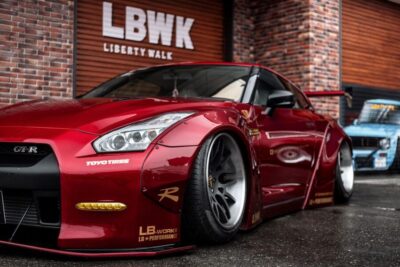
GT-R35 800hp Club Membership – secret underground car meet
Read our review →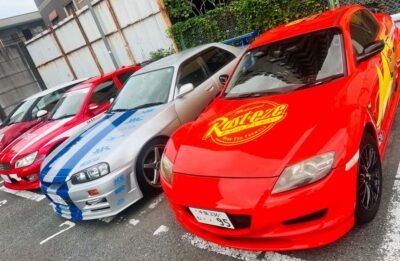
Fast & Furious Tokyo Drift 3 Experience (Kaila Yu SP)
Read our review →

Secret Car Meet: R34 Skyline Car Club Membership
Read our review →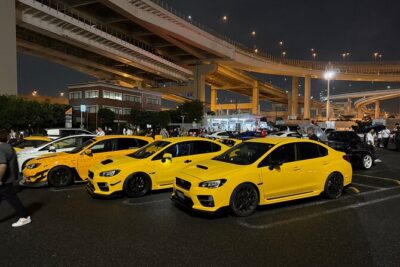
EVO, WRX, Skyline – JDM Night Run to Daikoku Car Meet
Read our review →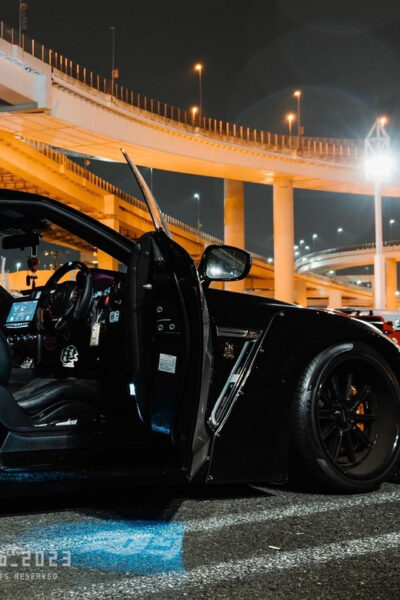
Tokyo Drift: Daikoku PA Supreme Car Experience 大黒PA
Read our review →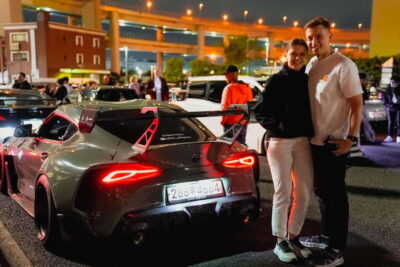
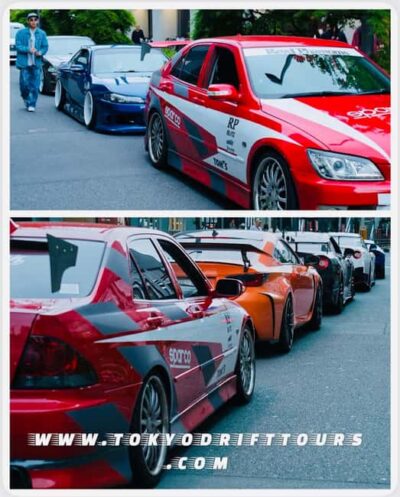
Go Daikoku PA Fast & Furious 3 Sports Car Meetup
Read our review →Browse the lists this tour appears in