
Reviewed · TOKYO BAR HOPPING & NIGHTLIFE
Discover the Secrets of Pachinko, Japan’s Traditional Game
Pachinko makes more sense once you are sitting at a real machine, and this Tokyo experience gets you inside a parlor near Nippori Station without leaving you to guess what all those buttons, balls, and flashing lights mean. The hands-on lesson covers the basic flow, from buying credits with an IC card to flicking the handle and adjusting your aim.
I like two things here: you learn the local rules and parlor manners before playing, and the instructor can help you try different machines rather than simply watch from the sidelines. One possible drawback is the extra 4,000 JPY ball or token fee, which is not part of the $70.73 tour price, and winning is never promised.
In This Review
- Key Points at a Glance
- Why Pachinko Is Best Learned at a Real Parlor
- The Nippori Meeting Point and Walk Into BB Station
- The 5 to 10 Minute Lesson That Gets You Started
- Playing the Machines With a Trainer Nearby
- What Winning Means, and What It Does Not Mean
- Is the $70.73 Price Good Value?
- Who Will Get the Most From This Activity?
- Timing, Group Size, and Booking Details
- What to Know Before You Go
- Should You Book the Pachinko Experience?
- FAQ
- Where does the pachinko experience begin?
- Where does the activity end?
- How long does the experience last?
- Which pachinko parlor do you visit?
- Is there an introduction before playing?
- Will I learn how to use the pachinko machine?
- Is the ball or token fee included?
- Is bottled water included?
- How many people can join the activity?
- Can I cancel for a full refund?
Key Points at a Glance
- Real pachinko inside BB Station: Play in a working parlor near Nippori Station rather than using a demonstration machine.
- A short, useful orientation: Spend about 5 to 10 minutes learning the rules and manners before touching the machines.
- Practical aiming help: Learn how the handle position affects ball movement and how to aim toward the center pocket.
- Small-group setting: The group limit is 10 people, giving the instructor room to help with the machines.
- A chance to keep playing: If a machine is doing well near the end, the guide may stay beyond the planned hour when possible.
- Budget for the play itself: The experience costs $70.73 per person, plus 4,000 JPY for rental balls or tokens.
Why Pachinko Is Best Learned at a Real Parlor
Pachinko is often described as Japan’s traditional arcade game, but that description only gets you so far. The machines look like walls of color, lights, sounds, and small metal balls. Until someone explains the process, it is easy to miss what you are supposed to buy, where the balls go, and how much control you really have.
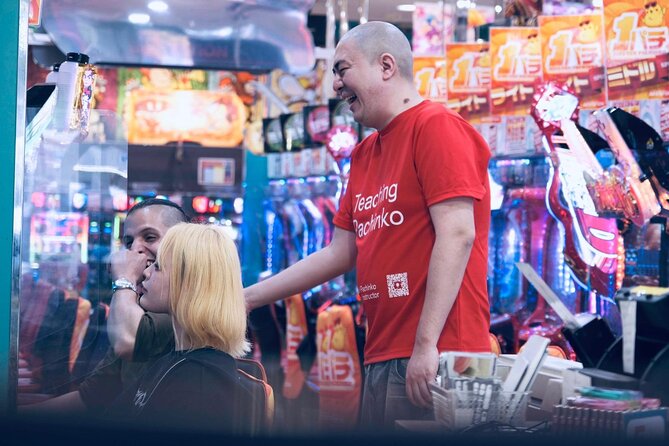
This experience puts you in a real pachinko parlor near Nippori Station called BB Station. That matters because you are not learning from a quiet classroom setup. You are learning in the same kind of place Japanese players use, with the noise and visual rush that make pachinko feel like a part of modern city life.
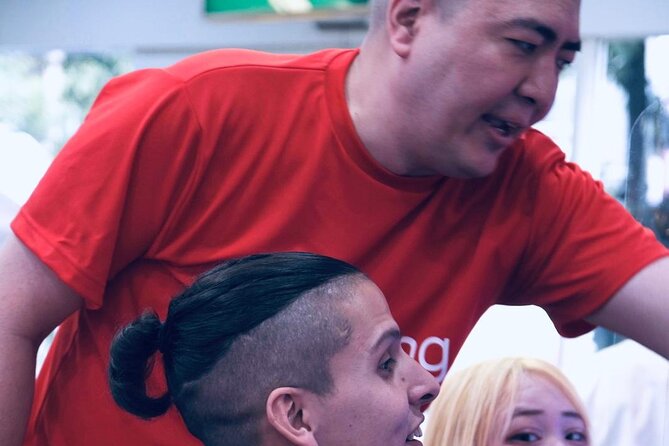
The instructor begins with a 5 to 10 minute explanation of rules and manners. That short briefing is important. It gives you a basic map before the machines start demanding your attention. You learn the game flow, how to purchase credits with an IC card, and how to launch balls by flicking the handle.
For a first attempt, that order makes good sense. You learn enough to take part, then get the explanation again at the machine where it becomes easier to understand.
More Tokyo nights out:
- Tokyo Bar Hopping Tour in Shinjuku (All-You-Can-Drink + Dinner)
★ 5.0 · 3,587 reviews - Best of Shinjuku: Izakaya Food Tour (4 Stops, 14+ Tastings)
★ 5.0 · 1,863 reviews - Tokyo: Shinjuku Local Bar and Izakaya Guided Walking Tour
★ 4.9 · 1,794 reviews
The Nippori Meeting Point and Walk Into BB Station
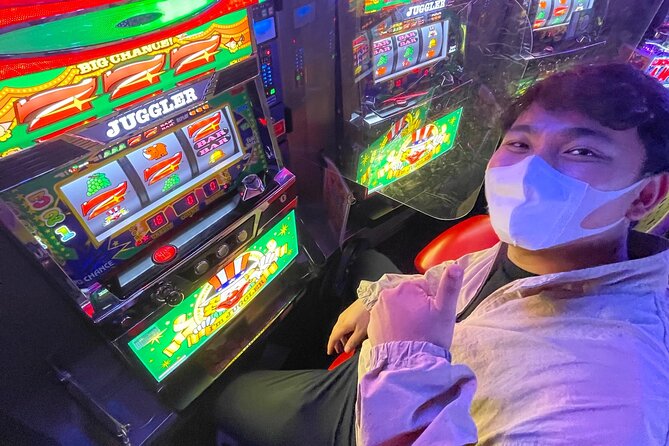
You meet at Nippori Station, at 2 Chome-19 Nishinippori, Arakawa City, Tokyo 116-0013. The activity ends back at the meeting point, so you do not need to arrange a separate return transfer.
The location is practical for a short activity. Nippori is served by public transportation, and the meeting point keeps the outing tied to a familiar station rather than sending you deep into an unfamiliar neighborhood. Still, allow enough time to find the exact meeting spot. The information gives the station address, but it does not name a particular exit or describe a large landmark.
From there, you go to BB Station, the nearby pachinko parlor. The short move from station to parlor keeps the focus on the game. You are not spending a large part of a 75 minute activity in transit.
A station meeting also makes this easy to add before or after another Tokyo plan. You can treat it as a compact Nippori-area activity instead of committing half a day to a distant attraction.
The 5 to 10 Minute Lesson That Gets You Started
The first lesson covers rules and manners inside the parlor. Do not brush this off as a formality. Pachinko has its own rhythm, and the machines are not self-explanatory to a first-time player.
You learn how credits work with an IC card, then how those credits connect to the balls used in play. The instructor explains the basic sequence so you know what to do before you begin: purchase credits, launch balls, watch their movement, and adjust the handle.
The handle is the key physical skill. The guide shows you how a small change in its position affects the balls. You are also shown how to aim for the center pocket with more care. That does not turn pachinko into a game of perfect skill, but it gives you a sense of control and helps prevent the common beginner mistake of simply holding the handle and hoping.
The pace is likely to suit people who want a taste rather than a technical seminar. The lesson is brief, then you move directly into play with help available.
Playing the Machines With a Trainer Nearby
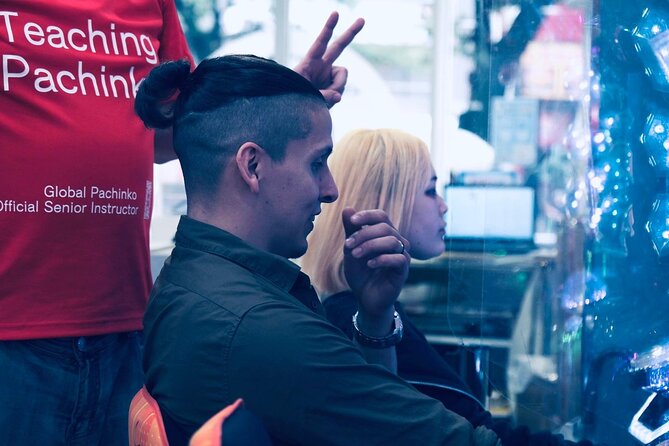
Once the explanation is over, you choose a machine and begin the real pachinko session. This is the part that makes the experience more useful than simply watching someone else play.
You handle the IC card process, launch the balls, and adjust the handle yourself. The instructor can point out what is happening as you play, including how to change the handle position and work toward the center pocket. If you are unsure where to look or what to do next, you have someone beside you who understands the machine.
That help is especially valuable in the first few minutes. Pachinko parlors can be loud and visually busy, and a beginner can lose track of the basic steps. A trainer lets you focus on the feel of the game instead of trying to decode every feature at once.
The group limit is 10 people. That is not a private lesson, but it is small enough to make direct assistance possible. Your exact amount of one-on-one time will depend on the group and how many people need help.
One useful detail comes from the way the session can unfold: if one of the first machines is producing an interesting run near the planned finish, the instructor may stay after the hour to give you more time with it and let you try other games. This is not a guaranteed extension, so you should plan around the advertised duration, but it shows that the activity can be flexible when the timing works.
A few more Tokyo bookings worth comparing
- Mt Fuji and Hakone 1-Day Bus Tour Return by Bullet Train
★ 5.0 · 26,383 reviews - 1-Day Tokyo Bus Tour
★ 5.0 · 14,250 reviews - Tokyo: TOKYO SKYTREE® Admission ticket
★ 4.5 · 11,192 reviews - Tokyo: teamLab Planets TOKYO Digital Art Museum Entry Ticket
★ 4.6 · 9,779 reviews
What Winning Means, and What It Does Not Mean
Pachinko has a gambling-like pull, and part of the fun is seeing whether your machine produces a good run. You may win money or continue playing for a while, but the activity does not promise a result.
One person managed to win during the experience and praised the clear instruction. Another had a good enough run to keep playing and try different games, while still admitting that pachinko remained partly confusing. That is a fair expectation for a 75 minute introduction. You should expect to learn the basic process, not master every machine or walk away with guaranteed winnings.
The instructor’s guidance can improve your choices and your confidence, but it cannot control the outcome. The balls still move through a maze of pins, pockets, and mechanisms. Think of any payout as a bonus, not as a way to recover the cost of the activity.
The most useful win is knowing how to enter a parlor, buy play credits, hold the handle, and understand what is happening on the machine. If you leave with that, the session has done its job even if your machine is quiet.
Is the $70.73 Price Good Value?
At $70.73 per person, this is not a cheap arcade stop. You also pay 4,000 JPY per person for the balls or tokens used during play. Gratuities are included, while bottled water is not.
The price makes more sense if you value the instruction and cultural context. You are paying for access to a real pachinko parlor, a guide who explains the rules and manners, and help with the parts that are confusing at first. You are also paying for a structured way to try the game without having to figure out the system alone.
If you already know pachinko or simply want to play independently, the cost may feel high. You could prefer to visit a parlor on your own and accept the learning curve. But for a first visit, the guide reduces the chance that you will spend your whole session wondering which machine to use or how to begin.
The extra 4,000 JPY is the main budget point to remember. It is not a surprise if you read the details carefully, but it changes the total cost. Bring that amount in addition to the tour price, and do not count on winning it back.
Who Will Get the Most From This Activity?
I would choose this for someone curious about Japanese entertainment, someone who enjoys trying local pastimes, or anyone who has walked past pachinko parlors and wondered what goes on inside. You do not need prior knowledge, and most people can participate.
It suits solo visitors and small groups particularly well because the session is short and the group maximum is 10. Friends can compare machines and results, while a solo participant still has a defined activity and an instructor to guide the process.
It is also a good fit for people who want a practical activity rather than a long historical talk. The emphasis is on doing: learning the flow, handling the machine, adjusting the aim, and playing.
I would think twice if you dislike loud gaming spaces, do not want to pay an additional ball fee, or expect a guaranteed financial return. The activity is built around learning and trying your luck. It is not a promise of profit.
Timing, Group Size, and Booking Details
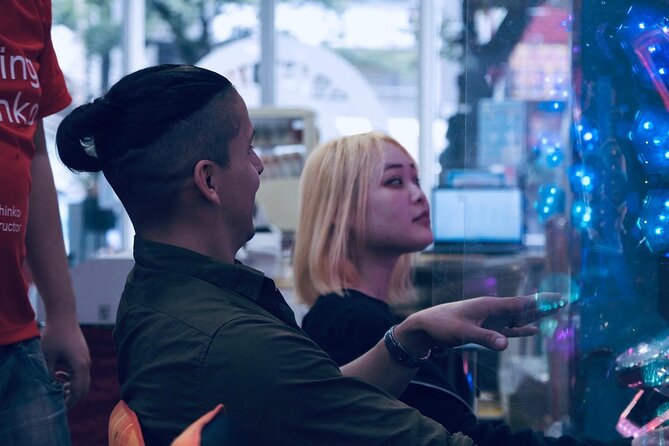
The total duration is about 1 hour and 15 minutes. That includes the walk into BB Station, the 5 to 10 minute introduction, and the playing time.
The activity is booked an average of 25 days in advance, so last-minute availability may be limited. Confirmation arrives when you book, and a mobile ticket is available, which keeps the entry process simple.
The maximum group size is 10. Group discounts are offered, so this may be worth checking if you are booking with several people. Since the activity begins and ends at Nippori Station, it is easy to fit into a Tokyo day without arranging a complicated route.
Free cancellation is available if you cancel at least 24 hours before the start time. Canceling or changing the booking less than 24 hours before the start time does not qualify for a refund. The cut-off follows Tokyo local time.
What to Know Before You Go
Arrive ready to listen for the opening explanation. The rules and manners lesson is short, and you will get more from the playing time if you pay attention to the IC card and handle instructions before choosing a machine.
Set aside the 4,000 JPY ball or token fee. Bottled water is not included, so bring your own if you want one during the outing.
Keep your expectations realistic. A strong run can make the session more exciting, and the instructor may be willing to let you continue if timing allows. Still, the main result you can count on is an introduction to pachinko, not a winning ticket.
You should also remember that a group experience has limits. The instructor can help, but the amount of personal attention depends on how many people attend. With no more than 10 participants, the group remains manageable, though it is not the same as booking a private guide.
Should You Book the Pachinko Experience?
Book it if you want to understand pachinko by playing it, not just by looking at a parlor from the street. The strongest parts are the real BB Station setting, the clear opening lesson, and practical help with the handle and center pocket. The small group and possible extra playing time are useful bonuses.
Skip it if you are focused mainly on saving money or winning money. The $70.73 price does not include the 4,000 JPY play fee, and no result is guaranteed.
For most first-timers with a genuine interest in Japanese popular culture, this is a focused and approachable introduction. You leave with a better sense of how the machines work, why the game attracts regular players, and how to take part without feeling completely lost.
FAQ
Where does the pachinko experience begin?
It begins at Nippori Station, at 2 Chome-19 Nishinippori, Arakawa City, Tokyo 116-0013, Japan.
Where does the activity end?
The activity ends back at the meeting point near Nippori Station.
How long does the experience last?
The activity lasts about 1 hour and 15 minutes.
Which pachinko parlor do you visit?
You visit BB Station, a pachinko parlor near Nippori Station.
Is there an introduction before playing?
Yes. The instructor gives a 5 to 10 minute explanation of the rules and manners inside the parlor before you begin.
Will I learn how to use the pachinko machine?
Yes. The instruction covers purchasing credits with an IC card, launching balls with the handle, adjusting the handle position, and aiming toward the center pocket.
Is the ball or token fee included?
No. Renting balls or tokens costs 4,000 JPY per person and is not included in the tour price.
Is bottled water included?
No. Bottled water is not included.
How many people can join the activity?
The maximum group size is 10 people.
Can I cancel for a full refund?
Yes, if you cancel at least 24 hours before the experience start time. Cancellations or changes made less than 24 hours before the start time are not refunded.
New on our Tokyo list
- Tokyo : Kamikaze Street Drift Ride★ 5.0 · 3 reviews
- Private Zen Meditation in English in Shinjuku, Tokyo★ 5.0 · 3 reviews
- Sumi-e Experience in a relaxing green tea shop in Tokyo★ 5.0 · 3 reviews
- Onsen Spa in Tokyo and Asakusa Bar Hopping with Local Guide★ 5.0 · 3 reviews
- Easy for everyone! Now you can play handmade mini shamisen and show off to everyone! Musical instruments, sweets and live music★ 5.0 · 3 reviews
- Tokyo: Private Tsukiji Street Food & Sake with Local Guide★ 5.0 · 3 reviews
- Mt Fuji Exploration Tour with Free Japanese Kusa Mochi from Tokyo★ 4.5 · 3 reviews
- Tokyo Tsukiji Fish Market Walking and Exploring Hidden Gems Tour★ 5.0 · 3 reviews
Tokyo Bar Hopping & Nightlife, compared.
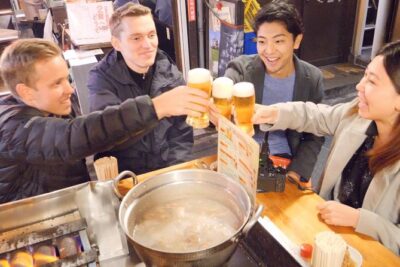
Tokyo Bar Hopping Tour in Shinjuku (All-You-Can-Drink + Dinner)
Read our review →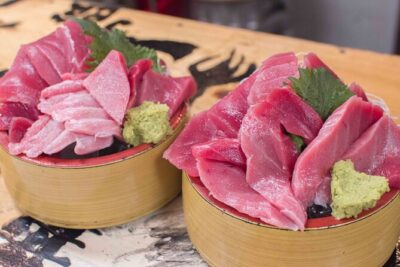
Best of Shinjuku: Izakaya Food Tour (4 Stops, 14+ Tastings)
Read our review →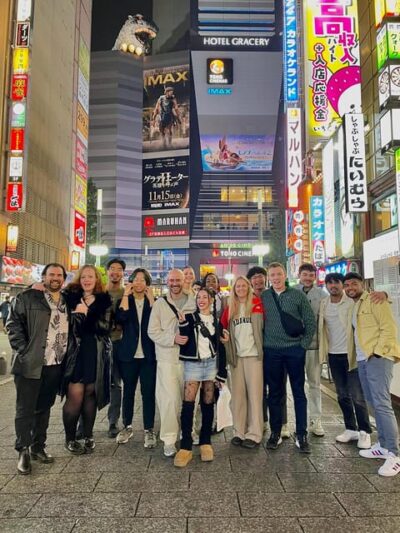
Shinjuku Local Bar and Izakaya Guided Walking Tour
Read our review →
Shibuya Meltdown Nightlife Tour: All-You-Can-Drink Bar Hopping
Read our review →

Shinjuku Bar Hopping with All-You-Can-Drink & Dinner
Read our review →
Browse the lists this tour appears in