
Reviewed · TRAIN EXPERIENCES
From Tokyo: Hiroshima and Miyajima Day Trip by Bullet Train
Hiroshima and Miyajima give you two very different sides of Japan in one ambitious day. One is a place for quiet reflection at the Peace Memorial Park. The other offers sea views, shrine buildings, friendly deer, oysters, and the famous torii gate rising from the water.
I like the way this trip combines high-speed rail and ferries, so the journey itself becomes part of the experience. I also like having a guide explain the Atomic Bomb Dome and Itsukushima Shrine, rather than trying to piece together their meaning from signs. The main drawback is simple: from Tokyo, this is a very long day, with about four hours on the train each way and only limited time in Miyajima.
In This Review
- Key points to know before booking
- Why this day trip works
- Four hours on the Shinkansen from Tokyo
- Bus and ferry connections to Miyajima
- Itsukushima Shrine and the floating torii gate
- One hundred minutes to sample Miyajima
- Hiroshima Peace Memorial Park calls for a slower pace
- Returning to Tokyo after a full day
- What the guide adds
- Is $104 good value?
- Who should book this experience?
- Should you book this Hiroshima and Miyajima day trip?
- FAQ
- Where does the tour start?
- How long does the full experience take?
- Is bullet train travel included?
- What languages does the guide speak?
- Is the ferry to Miyajima included?
- How much time do I get on Miyajima?
- Is admission to Itsukushima Shrine included?
- Are meals included?
- Is hotel pickup available?
- Is the tour suitable for wheelchair users?
Key points to know before booking
- Tokyo to Hiroshima by Shinkansen: The selected option includes round-trip bullet train travel, making this practical for visitors based in Tokyo who do not want to arrange the rail trip alone.
- Two powerful contrasts: You move from Hiroshima’s memorial sites to Miyajima’s shrine, sea, mountain, food, and deer in the same outing.
- Guide Alex leads the day: Alex speaks English and Spanish and has been praised for explaining the tour clearly while moving between both languages.
- Miyajima time is brief: You get a guided visit to Itsukushima Shrine and about 100 minutes of free time, enough for a taste of the island but not an unhurried exploration.
- Walking is part of the deal: Comfortable shoes, water, sun protection, and rain gear are sensible. The tour is not suitable for wheelchair users.
- The price can be fair for convenience: At $104 per person, the value depends on the selected rail option and how much you value having transport, ferry rides, shrine admission, and a guide handled together.
Why this day trip works
The appeal is not just that Hiroshima and Miyajima are famous. It is that they offer sharply different experiences.
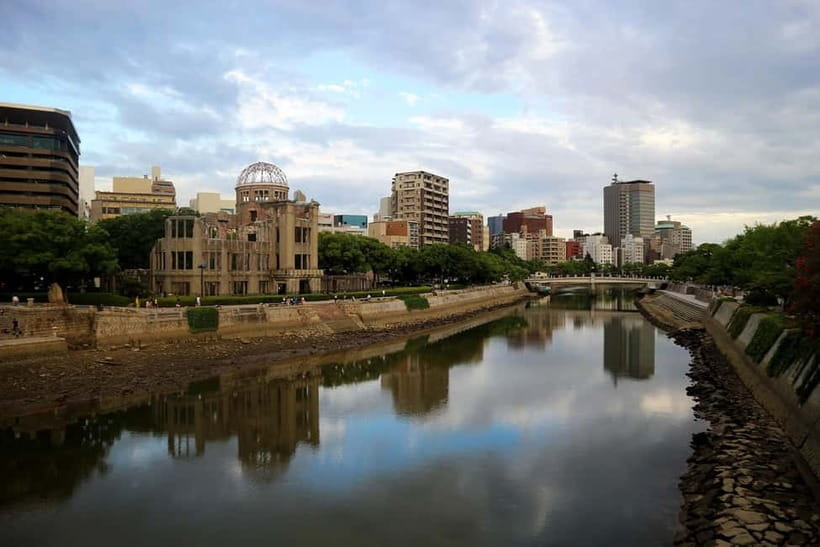
At Hiroshima Peace Memorial Park, you confront the human cost of the atomic bombing of August 6, 1945. The Atomic Bomb Dome is especially striking because its damaged structure remains beside the river, preserved as a reminder of destruction and a call for peace.
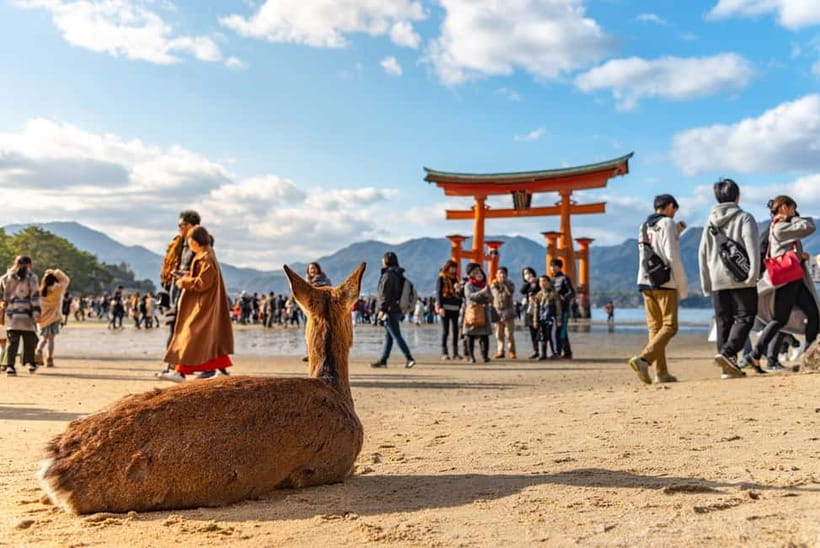
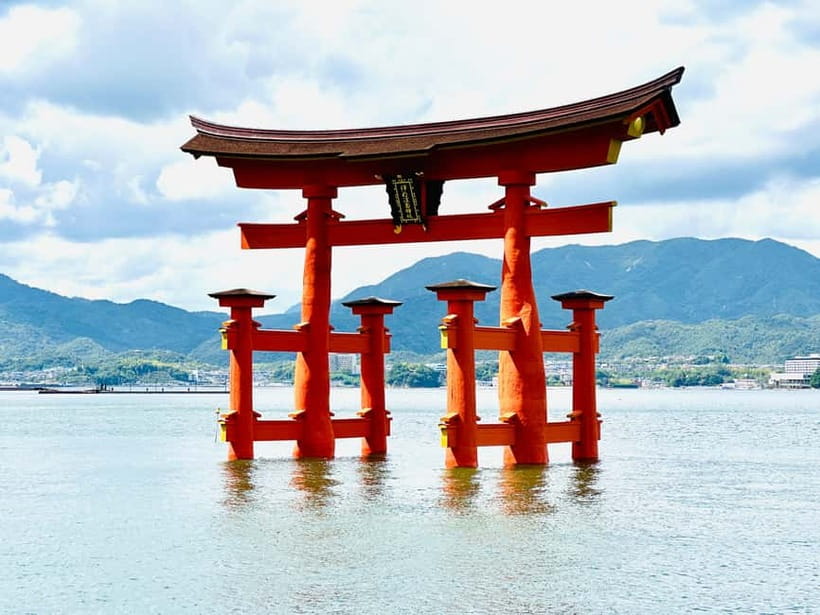
At Miyajima, the mood changes. You take a ferry across the water, pass through streets lined with food stalls and small shops, and see deer wandering around the island. Itsukushima Shrine and its large torii gate create one of Japan’s most recognizable views.
I like this pairing because neither place feels like a filler stop. Hiroshima asks for attention and quiet. Miyajima gives you space to walk, eat, take pictures, and enjoy the setting. The catch is that the schedule gives you a strong introduction, not a leisurely visit to either destination.
More day trips out of Tokyo:
- Mt Fuji and Hakone 1-Day Bus Tour Return by Bullet Train
★ 5.0 · 26,383 reviews - 1-Day Tokyo Bus Tour
★ 5.0 · 14,250 reviews - Mt Fuji & Hakone Cruise, Drum Show Bullet Train 1 Day from Tokyo
★ 4.0 · 7,413 reviews
Four hours on the Shinkansen from Tokyo
If you book the Tokyo option, the day begins at Shinagawa Station. The train journey to Hiroshima takes about four hours. That is a serious distance for a day trip, but the Shinkansen makes the trip far easier than a slower rail connection or a flight with airport transfers.
Use the train time well. Bring water and a small snack because meals are not included. You may also want to keep your camera and phone charged, since the route is long and the day continues directly into sightseeing.
The rail ride is part of the price only if you select the option that includes round-trip bullet train travel. Read the booking choice carefully. The information also gives Hiroshima Station as a possible starting or drop-off point, so the exact meeting arrangement depends on the option you select.
For visitors staying in Tokyo, the train is the biggest reason to consider this tour. You avoid planning separate tickets, finding the right connection, and working out how to reach Miyajima once you arrive. You pay for that convenience with an early start and a late finish.
Bus and ferry connections to Miyajima
After reaching Hiroshima, the group uses a bus for about 50 minutes before taking a ferry toward Miyajima. The ferry ride itself takes about 30 minutes on this part of the route.
The change from train to bus to boat makes the day feel varied, but it also means you should stay alert and follow the guide’s instructions. The schedule is built around several fixed movements, so wandering off on your own can make the next departure stressful.
Weather matters here. Ferry times can change in poor conditions, so bring an umbrella or raincoat and be ready for adjustments. Comfortable shoes are especially important because the day includes transport connections, shrine grounds, streets, and the Peace Memorial Park.
Itsukushima Shrine and the floating torii gate
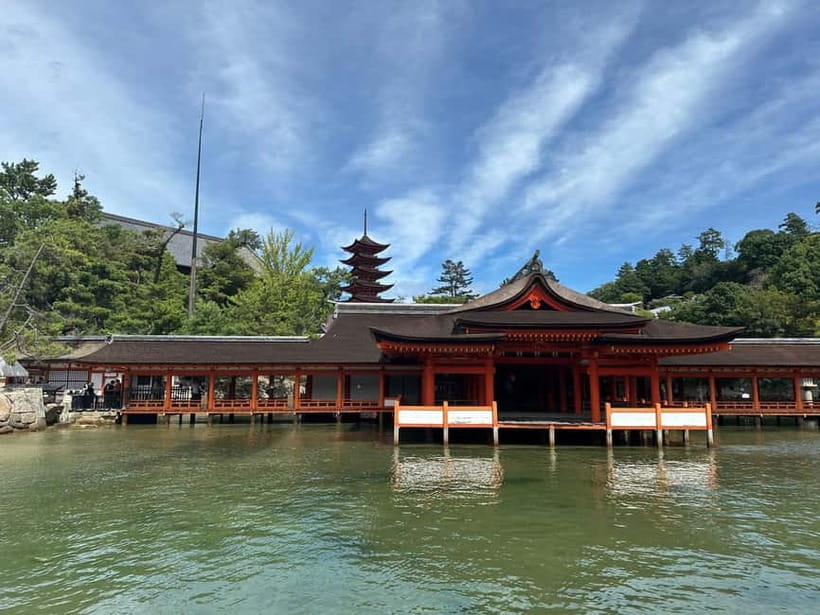
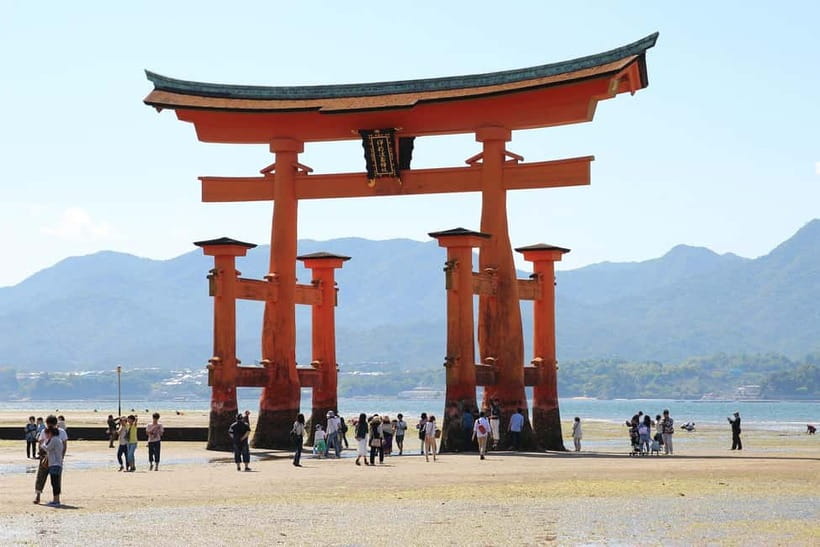
The first main stop on Miyajima is Itsukushima Shrine, with about 30 minutes set aside for a guided visit. The shrine is a UNESCO World Heritage Site, and its setting over the water is the reason it has become one of Japan’s best-known sights.
The large torii gate is the visual centerpiece. Depending on the tide and weather, it may appear to float offshore. That famous view is not guaranteed in exactly the same form at every moment, so do not treat one photograph as the whole point of the visit. The shrine buildings, walkways, and relationship with the water are worth your attention too.
A guide adds useful context here. Without explanation, it is easy to see the torii only as a photo stop. With some background, you can better appreciate how the shrine, shoreline, and sea work together as a sacred setting.
The 30-minute guided portion is short. You should expect an efficient orientation rather than a slow examination of every corner. If you want photographs, keep your camera ready and listen for instructions at the same time.
A few more Tokyo bookings worth comparing
- Tokyo Mt Fuji 5th St & Hakone Cruise Bus Tour w/Bullet Train
★ 4.4 · 5,024 reviews - From Tokyo: Mt. Fuji & Hakone Tour w/ Return by Bullet Train
★ 4.2 · 1,278 reviews - From Tokyo 1-Day Kyoto English-guided Tour by Bullet Train
★ 4.0 · 376 reviews - Mt. Fuji and Hakone Day Trip From Tokyo with Bullet Train Option
★ 4.0 · 368 reviews
One hundred minutes to sample Miyajima
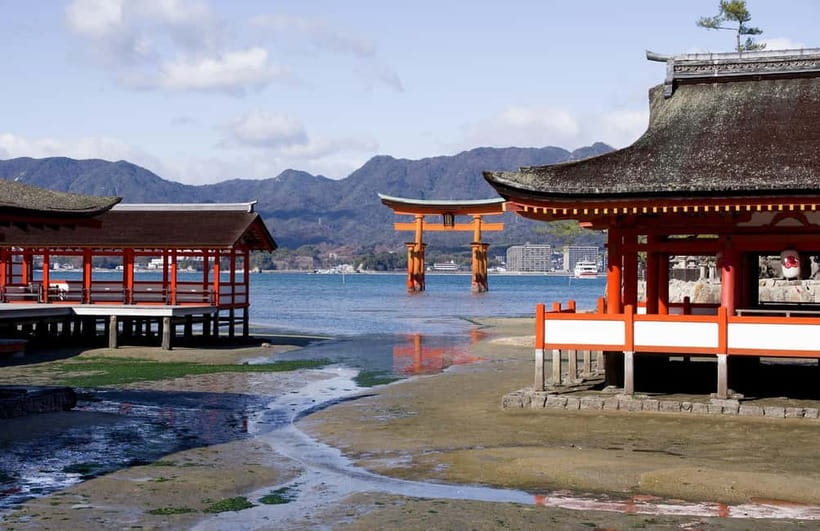
After the shrine, you have about 100 minutes of free time on Miyajima. That is enough to walk through the main streets, stop for a snack, browse small shops, and spend time near the water. It is not enough to see every part of the island at a relaxed pace.
Miyajima is known for oysters, so this is a good place to try them if you enjoy seafood. Another local favorite is momiji manju, a maple-leaf-shaped pastry. These foods give you a quick taste of the island without requiring a long restaurant stop.
Deer roam freely around the island and add to its character. Enjoy seeing them, but keep your attention on your belongings and food. The supplied information specifically highlights the deer as part of the experience, but it does not promise any special animal encounter.
You may also find temples and other historic sites while walking, but the schedule favors a compact visit. If you have a personal priority, such as the torii gate, oysters, or souvenir shopping, decide ahead of time so you do not spend the whole break choosing.
The island can be especially photogenic, but photography should not crowd out the place itself. You are visiting a religious and culturally important site, not just collecting a background for social media.
Hiroshima Peace Memorial Park calls for a slower pace
After the return ferry, the group takes a bus for about an hour to Hiroshima Peace Memorial Park. This is the emotional center of the trip.
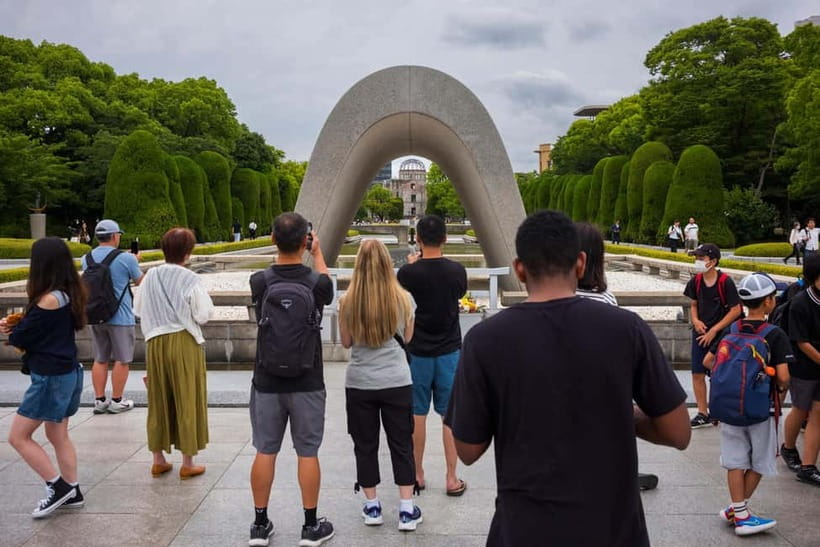
The park contains the Peace Memorial, the Atomic Bomb Dome, and other monuments dedicated to the people who died in the 1945 bombing. Your guide leads you through the area and provides historical context, followed by free time to look around and reflect.
The Atomic Bomb Dome is a UNESCO World Heritage Site. Its preserved remains make the scale of the event easier to grasp than a date or statistic can. The damaged building is not presented as a spectacle. It is a physical reminder of what happened and why the city places such weight on peace.
Allow yourself to change pace here. Miyajima encourages movement and food stops. The Peace Memorial Park deserves quieter attention. Photography is allowed, but act with care around memorials and other people who may be paying respects.
The scheduled two hours give this part of the visit more breathing room than the shrine stop. Still, the exact balance between guided time and free time can vary with traffic and ferry conditions. Listen closely to the guide’s meeting instructions.
Returning to Tokyo after a full day
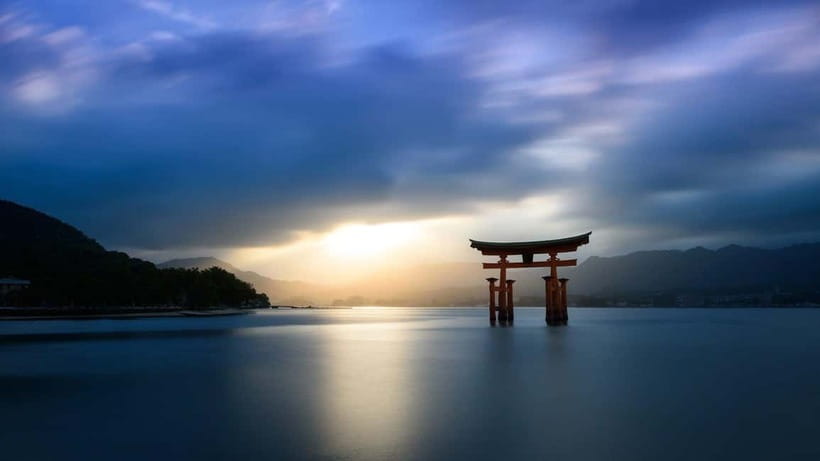
From the Peace Memorial Park, the group takes another bus ride of about 40 minutes before returning to the train. The Shinkansen trip back to Tokyo takes about four hours and ends at Shinagawa Station for the Tokyo option.
This is where the tour’s limits become clear. You will have experienced two major destinations, but you will also have spent roughly eight hours on the train. Add the buses, ferry crossings, transfers, and walking, and the total day can stretch from eight to 16 hours depending on the option and schedule.
That does not make the trip poor value. It makes it a specialist choice. If Hiroshima is high on your Japan list and you have no spare night for an overnight stay, the tour lets you see it from Tokyo. If you dislike rushed sightseeing or long transport days, spending a night in Hiroshima would likely give you a better pace.
The return train is also useful downtime. You can rest, sort your photographs, and think over the day. Do not plan an important evening reservation in Tokyo unless you leave plenty of room for delays.
What the guide adds
Guide Alex is specifically associated with this experience and speaks both English and Spanish. His ability to move between the two languages was praised as a major strength, especially for groups with mixed language needs.
That matters most at the Peace Memorial Park and Itsukushima Shrine. These places have layers of meaning that are easy to miss if you only follow a map. A guide can point out what you are seeing, explain why it matters, and keep the group moving through a tight schedule.
The driver, OE, was also praised for being respectful and pleasant. That is useful on a day with several road transfers, especially the bus rides connecting Hiroshima, the ferry terminal, and the memorial park.
The tour offers live guiding in English and Spanish. If you need another language, this experience is not presented as offering it.
Is $104 good value?
At $104 per person, the tour offers a practical package for someone who wants Tokyo-based access to Hiroshima and Miyajima. The included elements are round-trip high-speed train travel when that option is selected, the ferry to Miyajima, and admission to Itsukushima Shrine.
Meals are not included, and there is no hotel pickup or drop-off. You should budget for food on the train or island, plus any snacks or souvenirs you choose.
The strongest value is time saved in planning. You do not have to arrange the Tokyo to Hiroshima rail tickets, ferry connections, bus transfers, or shrine entry separately. You also get a guide for the two main cultural stops.
The weaker value is time spent at each destination. A low-cost day trip is not automatically a good deal if you leave feeling that you only saw the train station and two famous photographs. Here, the schedule gives you a genuine look at both places, but the Miyajima portion is compact and the return journey is long.
I would consider $104 reasonable for a first look, particularly if you are staying in Tokyo and cannot add an overnight stay. I would think twice if you already plan to visit Hiroshima independently, since an extra night would let you slow down and see more.
Who should book this experience?
This trip suits you best if:
- You are based in Tokyo and want to see Hiroshima without organizing rail and ferry connections yourself.
- You have only one day available for the Chugoku Region.
- You want a guide to explain the Peace Memorial Park and Itsukushima Shrine.
- You are comfortable with a full day of transport and walking.
- You speak English or Spanish and prefer live guidance.
- You want a first taste of Miyajima’s food, streets, deer, and shrine.
It is less suitable if you use a wheelchair, dislike long train rides, need a slow pace, or want extensive time on Miyajima. The experience includes a moderate amount of walking and is not suitable for wheelchair users.
Bring comfortable shoes, a hat, sunscreen, water, and a camera. Add rain gear because ferry conditions and weather can affect the schedule. Smoking is not allowed.
Should you book this Hiroshima and Miyajima day trip?
Book it if your Japan plans are centered on Tokyo but Hiroshima is a priority. The tour gives you the two essential experiences: a respectful visit to the Peace Memorial Park and a scenic introduction to Miyajima, linked by Japan’s excellent rail and ferry system.
Do not book it expecting a relaxed island holiday. You will spend about four hours each way on the train, and the day may run as long as 16 hours. The best reason to choose this tour is access and simplicity, not leisure.
For a one-day introduction, I find the combination compelling. Alex’s bilingual guiding, the clear transport plan, and the contrast between memorial sites and island scenery add real value. If you can spare an overnight stay, take it. If you cannot, this is a sensible way to make Hiroshima and Miyajima fit into a Tokyo itinerary.
FAQ
Where does the tour start?
The Tokyo option starts at Shinagawa Station. Hiroshima Station is also listed as a possible starting point, depending on the option booked.
How long does the full experience take?
The duration can range from 8 to 16 hours. The Tokyo route includes about four hours by train in each direction, along with bus rides, ferries, guided visits, and free time.
Is bullet train travel included?
Round-trip high-speed bullet train travel from Tokyo is included if you select the option that includes it. Check the exact option before booking.
What languages does the guide speak?
Live guiding is available in English and Spanish. Guide Alex is specifically associated with the experience and can move between both languages.
Is the ferry to Miyajima included?
Yes. The ferry ride to Miyajima is included. Ferry schedules may change because of weather conditions.
How much time do I get on Miyajima?
You have a guided visit to Itsukushima Shrine for about 30 minutes, followed by about 100 minutes of free time on Miyajima.
Is admission to Itsukushima Shrine included?
Yes. Admission to Itsukushima Shrine is included.
Are meals included?
No. Meals are not included, so plan to buy food during the day. Miyajima is known for oysters and momiji manju pastries.
Is hotel pickup available?
No. Hotel pickup and drop-off are not included. Your meeting point depends on the option you book.
Is the tour suitable for wheelchair users?
No. The experience is not suitable for wheelchair users. It also involves a moderate amount of walking, so comfortable shoes are important.
New on our Tokyo list
- Tokyo : Kamikaze Street Drift Ride★ 5.0 · 3 reviews
- Private Zen Meditation in English in Shinjuku, Tokyo★ 5.0 · 3 reviews
- Sumi-e Experience in a relaxing green tea shop in Tokyo★ 5.0 · 3 reviews
- Onsen Spa in Tokyo and Asakusa Bar Hopping with Local Guide★ 5.0 · 3 reviews
- Easy for everyone! Now you can play handmade mini shamisen and show off to everyone! Musical instruments, sweets and live music★ 5.0 · 3 reviews
- Tokyo: Private Tsukiji Street Food & Sake with Local Guide★ 5.0 · 3 reviews
- Mt Fuji Exploration Tour with Free Japanese Kusa Mochi from Tokyo★ 4.5 · 3 reviews
- Tokyo Tsukiji Fish Market Walking and Exploring Hidden Gems Tour★ 5.0 · 3 reviews
Train Experiences, compared.
Mt Fuji and Hakone 1-Day Bus Tour Return by Bullet Train
Read our review →
Mt Fuji & Hakone Cruise, Drum Show Bullet Train 1 Day from Tokyo
Read our review →
Tokyo Mt Fuji 5th St & Hakone Cruise Bus Tour w/Bullet Train
Read our review →
Mt. Fuji & Hakone Tour w/ Return by Bullet Train
Read our review →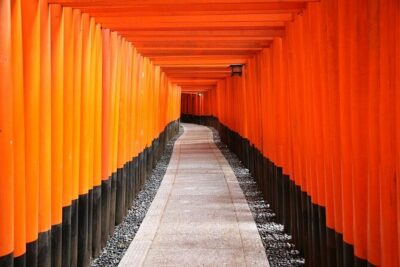
From Tokyo 1-Day Kyoto English-guided Tour by Bullet Train
Read our review →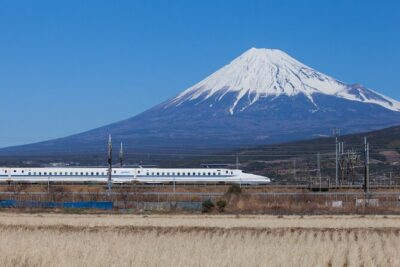
Mt. Fuji and Hakone Day Trip From Tokyo with Bullet Train Option
Read our review →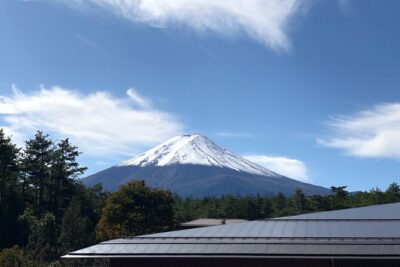
Mt. Fuji & Hakone Bus Tour Bullet Train Return & 28-Hotel Pick-up
Read our review →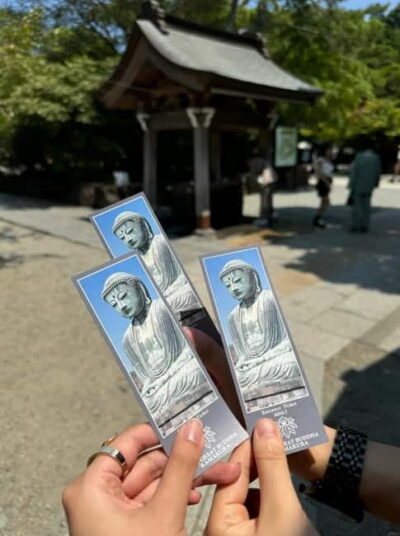
Kamakura & Enoshima Day Tour with Pickup & Train Ride
Read our review →Browse the lists this tour appears in