
Reviewed · TRAIN EXPERIENCES
Mt. Fuji & Hakone Bus Tour Bullet Train Return & 28-Hotel Pick-up
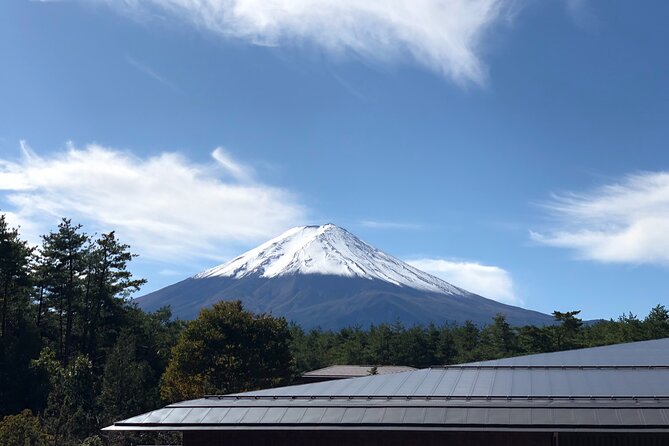
Mt. Fuji and Hakone in one day is a big serving of Japan. You ride from Tokyo into the mountains, reach Mt. Fuji’s 5th Station when conditions allow, then continue to volcanic Owakudani, Lake Ashi, Hakone Shrine, and Odawara. It is a practical way to cover a lot without changing hotels.
I like the wide mix of sights, from a mountain lookout to sulfur vents and a lake cruise. I also like the bullet train return, which cuts the ride from Odawara to Tokyo to about 35 minutes. Guides including Izumi, Yuki, Yoshi, and Spring have earned especially warm praise for their cultural explanations, humor, and help with onward trains.
The catch is simple: this is a long, tightly timed day. Traffic can consume hours, and you may get only about 30 minutes at Mt. Fuji’s 5th Station. Clouds, snow, wind, or road closures can also replace the main Fuji stop or Hakone activities.
In This Review
- Key points at a glance
- What this $145.35 day trip really buys you
- The long ride from Tokyo to Mt. Fuji
- Mt. Fuji 5th Station: the first major stop
- Gotemba lunch and the choice to add a meal
- Hakone Ropeway and Owakudani’s volcanic air
- Lake Ashi’s pirate ship and Hakone Shrine
- Odawara Station and the bullet train choice
- The guide can make or break the day
- What the schedule feels like in real life
- Who should book it?
- Final verdict: a strong one-day sampler with real compromises
- FAQ
- How long does the Mt. Fuji and Hakone tour last?
- What time does the tour start?
- Is hotel pickup included?
- Does the tour include lunch?
- Can I return to Tokyo by bullet train?
- Where does the tour end?
- Will the tour visit Mt. Fuji’s 5th Station?
- Is Mt. Fuji guaranteed to be visible?
- Are the Hakone Ropeway and Lake Ashi cruise guaranteed?
- Is the tour suitable for children?
Key points at a glance
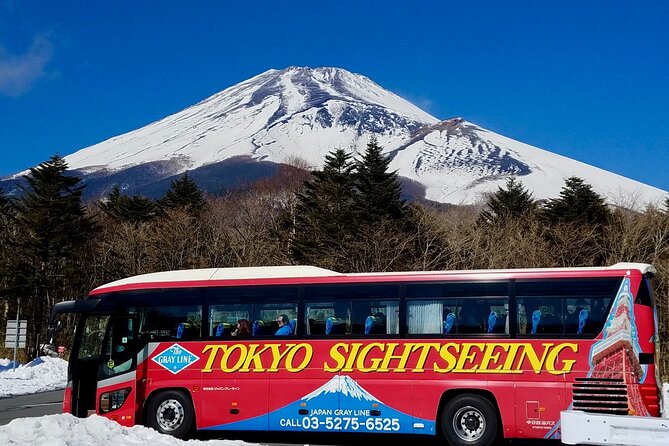
- Mt. Fuji’s 5th Station: Reach the highest usual bus-accessible point on the mountain, normally from late spring through late fall.
- Seven major stops: The route combines Fuji views, a Japanese lunch option, a ropeway, volcanic Owakudani, Lake Ashi, Hakone Shrine, and Odawara Station.
- Optional Shinkansen return: Select the bullet train option for a fast ride from Odawara to Tokyo Station.
- Strong guiding: Guides such as Izumi, Yuki, Yoshi, and Spring are praised for clear English, cultural stories, and practical help.
- Weather matters: Mt. Fuji may disappear behind clouds, and the ropeway, valley, or cruise can be changed for safety or operational reasons.
- Best for short stays: You can see several famous sights in one day, but you give up free time and a relaxed pace.
What this $145.35 day trip really buys you
At $145.35 per person, this is not the cheapest way to see Mt. Fuji. You are paying for a full day of transport, hotel pickup at designated Tokyo hotels, a certified English-speaking guide, the Hakone gondola, and the Lake Ashi cruise. Lunch and the bullet train return depend on the option you select, so check the exact package before booking.
The value is strongest if you have only a few days in Tokyo. One guest with a four-day visit found it useful to fit Fuji and Hakone into a single day, then return by Shinkansen rather than spend another two or more hours on the highway. That is the central bargain here: less independence, but far less planning.
You also avoid piecing together several trains, buses, ropeways, and boat tickets. The guide organizes the connections, keeps the group moving, and often explains how to continue through Tokyo after the tour. Yoshi, for example, has been praised for helping people find their connecting transport at Tokyo Station.
The price is harder to justify if you dislike group tours or want long stretches for photography. The maximum group size is 45 people, and the day includes pickup from up to 28 hotels. Those pickups can delay the start and add to the time spent on the road.
More Mt Fuji days from Tokyo:
- Mt Fuji and Hakone 1-Day Bus Tour Return by Bullet Train
★ 5.0 · 26,383 reviews - Mt Fuji & Hakone Cruise, Drum Show Bullet Train 1 Day from Tokyo
★ 4.0 · 7,413 reviews - Tokyo Mt Fuji 5th St & Hakone Cruise Bus Tour w/Bullet Train
★ 4.4 · 5,024 reviews
The long ride from Tokyo to Mt. Fuji
The scheduled start is 8:30 a.m., but your actual hotel meeting time can vary. Some pickup details have caused confusion, so read the final message carefully and arrive early at the stated hotel. A taxi may handle the first pickup, and a guide may not accompany that short transfer.
From Tokyo, the bus heads toward the Fuji area. The road time can be substantial. On a busy day, the trip to Mt. Fuji has taken around two and a half to three hours once pickups and traffic are counted. That matters because the tour lasts about 10 hours, yet only part of that time is spent at the sights.
The payoff is the changing view outside the window, especially in autumn when the countryside can show bright fall color. Your guide also uses the ride for information about Japanese culture, language, and the places ahead. The guides are one of the most consistently praised parts of the day, with Izumi, Yuki, Spring, and Yoshi each singled out for warmth, humor, and clear explanations.
Bring a warm layer and rain gear. Mt. Fuji’s upper areas can feel much colder than Tokyo, and wind or rain can change the day quickly.
Mt. Fuji 5th Station: the first major stop
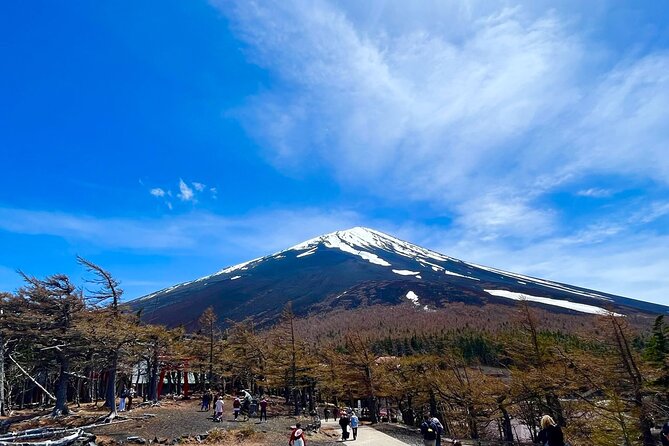
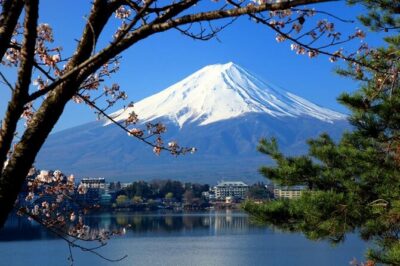
Mt. Fuji’s 5th Station is the usual first destination from late spring to late fall. It is the highest point the bus normally reaches, and the stop gives you a chance to look across the mountain area from high above the lower foothills.
You get about 30 minutes here. That is enough for a quick view, photographs, and a short look around, but not enough for a leisurely visit. If you want souvenirs, postcards, or time in a shop, move quickly. One person found the stop too short to browse and still take photographs.
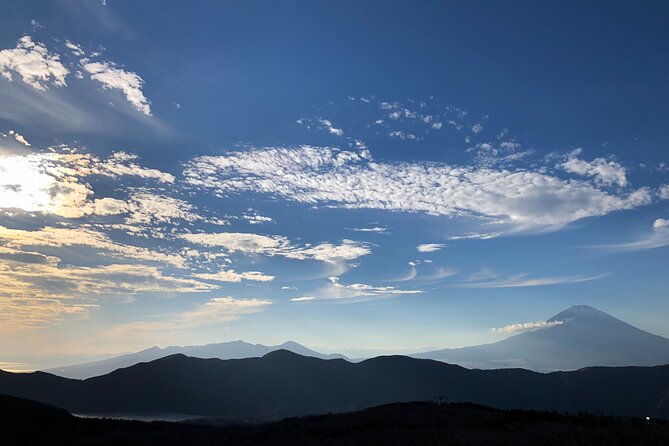
The view is never guaranteed. Fuji is often wrapped in cloud, even when the weather looks decent in Tokyo. On a clear day, the mountain can be the highlight of the entire trip. On a cloudy day, you may see only part of the peak or nothing at all.
Snow, heavy traffic, or operational problems can close the road to the 5th Station. In that case, the bus goes to the highest accessible point or uses another sightseeing stop. The tour does not automatically cancel, and the fare is not refunded simply because the usual station cannot be reached.
That policy is important. Book this outing for a chance to see Mt. Fuji, not a promise of a clear mountain portrait.
Gotemba lunch and the choice to add a meal
The next stop is in Gotemba City, where you can have a Japanese-style lunch if you choose the package with lunch. A vegetarian option is available, but special meals for allergies or other dietary restrictions cannot be provided. If you need a specific diet, select the option without lunch and make your own arrangements.
The meal has received praise for generous portions, pleasant surroundings, and good flavor. One commonly selected dish is a hotpot-style Japanese meal. It is a useful pause after the morning drive and gives you a chance to sit down before the Hakone portion begins.
Allow about 40 minutes. This is not a long restaurant visit, so the meal is designed for efficiency rather than a slow regional food tour. If you choose the no-lunch option, confirm how the schedule handles that choice and plan for limited time to buy food during the day.
Children up to age five can join without a charge, but that does not include a bus seat or lunch. If you need either for a child, the child fare applies.
More Hakone trips and passes:
- Tokyo: Mt. Fuji Tour, Hakone Ropeway, Owakudani, Lake Ashi
★ 4.7 · 4,002 reviews - Tokyo: Mt. Fuji 5th Station & Hakone Cruise 1-Day Bus Tour
★ 4.2 · 2,381 reviews - Private Tour to Mt. Fuji and Hakone (Fully Licenced Operator)
★ 5.0 · 1,910 reviews - Mt Fuji & Hakone Cruise, Drum Show Bus 1 Day from Tokyo
★ 4.0 · 1,287 reviews
Hakone Ropeway and Owakudani’s volcanic air
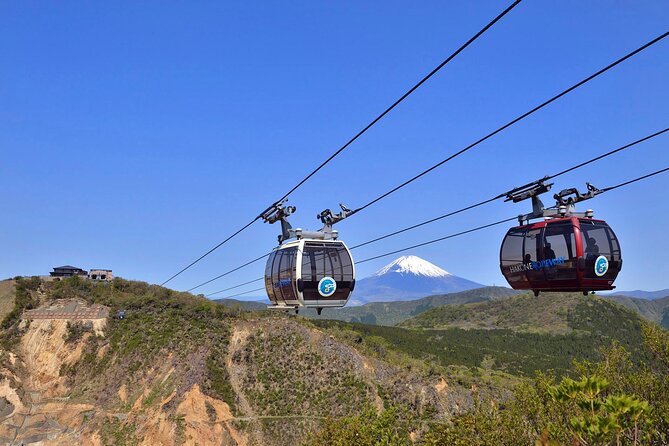
After lunch, the tour enters Hakone, one of Japan’s best-known hot spring areas. The first activity is a one-way ride on the Hakone Ropeway toward Owakudani Valley. The gondola gives you an overhead view of the volcanic area and surrounding mountains.
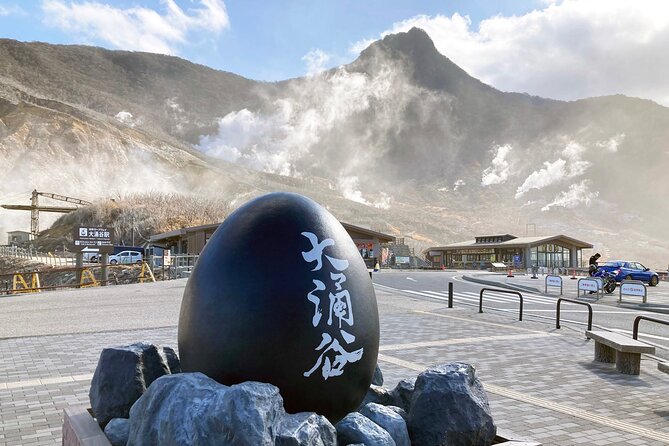
The ride itself is short, listed at about 15 minutes. Owakudani means Great Boiling Valley, and the area is known for sulfur vents, steaming ground, and eggs cooked in hot spring water until their shells turn black. The famous black eggs are a fun local specialty, though the sulfur smell is strong.
You have about 20 minutes at Owakudani Kurotamago Kan. That is enough to see the volcanic sights and consider trying a black egg, but it is not enough for a long walk through the valley. People with allergic asthma, bronchial or respiratory problems, heart complaints, or pacemakers should avoid outdoor activities at Owakudani.
Weather and access can close the ropeway or valley. The operator may substitute places such as the Hakone Geo Museum, Hakone Komagatake Ropeway, Mt. Komagatake, or another approved attraction. These changes can protect the schedule, but they also mean you should treat the listed route as a plan rather than a guarantee.
Lake Ashi’s pirate ship and Hakone Shrine
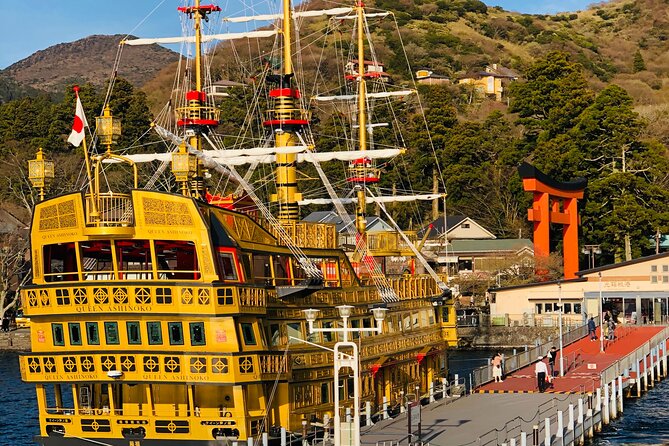
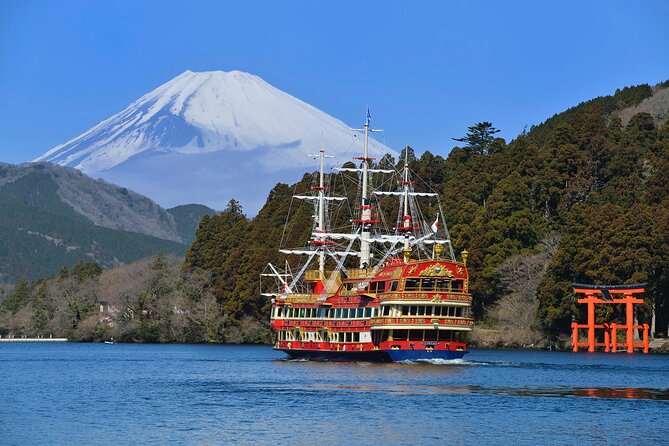
The Lake Ashi cruise lasts about 30 minutes and uses a pirate-themed sightseeing boat. The design is playful and somewhat theme-park-like, not an old sailing vessel, but the ride offers a pleasant break from the bus.
From the water, you may see the surrounding mountains, the red torii gate of Hakone Shrine, and Mt. Fuji if the air is clear. The boat can become crowded, and you may need to stand outside or take turns finding a good photo position. Still, the cruise provides a different angle on the area and helps break up the road travel.
The tour then allows about 30 minutes at Hakone Shrine. This is one of the region’s most important Shinto sites, with its famous red torii standing beside the lake. The short visit is enough to see the key area and take photographs, though stairs and outdoor walking make comfortable shoes useful.
The shrine may serve as an alternative if the gondola, Owakudani, or cruise is unavailable. Other possible substitutions include Peace Park in Gotemba, the Narukawa Museum, a Lake Kawaguchi cruise, or the Mt. Fuji Panoramic Ropeway.
Odawara Station and the bullet train choice
Odawara Station is the final organized stop. If you return to Tokyo by bus, you get about a 10-minute break before the road journey. Hotel drop-off is not included, so you finish at the stated Tokyo return point rather than being taken back to your room.
The bullet train option is the smart add-on for many people. The Shinkansen from Odawara to Tokyo Station takes about 35 minutes, with arrival generally between 6:30 and 7 p.m. This avoids the long highway ride and gives you a faster, more predictable finish.
Passengers using a Japan Rail Pass can board the bullet train according to the tour instructions. If you leave the group at Odawara and miss your planned train because of traffic or operational delays, the operator does not provide a refund. You are instructed to take non-reserved seats on the next train.
The tour ends at Tokyo Station’s Marunouchi Ekimae Hiroba. Your guide may help you find onward train connections, but you are responsible for getting from Tokyo Station to your accommodation.
The guide can make or break the day
A good guide is especially valuable on a schedule this tight. You need clear directions at every stop, reminders about meeting times, and enough context to make the quick visits meaningful.
Izumi, also called Spring, has been praised for teaching Japanese language and culture while keeping the group entertained. Yuki is noted for answering questions and helping with individual needs. Yoshi has been praised for organizing the day and showing people how to find their next train. Another guide, Ms. Mikami, received praise for careful time management and clear explanations.
The guide also has to manage disappointment. When rain or wind hides Mt. Fuji and closes several Hakone activities, the day depends on how well the guide explains the changes and keeps people informed. This is one area where the provider’s choice of licensed English-speaking guides matters more than a printed schedule.
The guide may also collect payments from people who booked directly, which can take attention away from the group. That issue has been noted as a weakness, though it may vary by departure and guide.
What the schedule feels like in real life
This is a full day with frequent transitions. You get a taste of several famous places, not a long visit at any one of them. The 5th Station and Owakudani are especially brief, and traffic can make the day feel like a bus ride with sightseeing breaks.
I would not choose this tour if your main goal is hiking around Mt. Fuji, spending hours at one viewpoint, or exploring Hakone at your own pace. The schedule does not leave room for extended walks or spontaneous stops.
I would choose it if you want an efficient first look at the region and prefer having transport, tickets, and directions handled for you. The route covers more ground than most independent visitors could comfortably manage in one day, especially if you are unfamiliar with the local bus and ropeway connections.
The group size of up to 45 also affects the pace. Getting everyone off the bus, through a station, onto a boat, and back to the meeting point takes time. Stay alert, remember the guide’s instructions, and do not wander far during short stops.
Who should book it?
Book this tour if you have limited time in Tokyo, want a broad introduction to Mt. Fuji and Hakone, and value a guide’s explanations. The optional bullet train return is particularly useful if you want to be back in central Tokyo without another long bus ride.
It also suits people who prefer an organized day to a complicated independent route. The hotel pickup, included gondola and cruise tickets, and assistance at Tokyo Station remove many small decisions.
Think twice if you have mobility limits, knee problems, or difficulty with stairs and quick walking. The day involves outdoor walking and stairs to the restaurant, and the timing leaves little room to slow down. Owakudani is not suitable for several respiratory and heart conditions.
Also think twice if a clear Mt. Fuji view is essential. Clouds can hide the mountain, and bad weather can replace the 5th Station, ropeway, volcanic valley, or cruise. The tour still runs in many such cases, with no fare refund for weather-related substitutions.
Final verdict: a strong one-day sampler with real compromises
I see this as a useful sightseeing sampler, not a relaxed Fuji retreat. For $145.35, the value is good when you count the long-distance transport, guide, ropeway, cruise, and the number of places covered. Add lunch if you want convenience, and strongly consider the bullet train if you dislike long evening drives.
The best reason to book is efficiency: Mt. Fuji and Hakone in one day with an English-speaking guide. The main reason not to book is pace: hours on the bus and short stops.
If you have only four days in Japan, I would consider it a sensible use of one day. If you have a longer stay and want quiet mountain time, spend a night in Hakone or plan a slower Fuji visit instead.
FAQ
How long does the Mt. Fuji and Hakone tour last?
The tour lasts approximately 10 hours. The schedule includes hotel pickup and travel between the sights.
What time does the tour start?
The listed start time is 8:30 a.m. Exact pickup times can vary by hotel, so check the final pickup information carefully.
Is hotel pickup included?
Pickup is offered from designated hotels in Tokyo. A taxi may be used for part of the pickup process, and a guide may not accompany you during that initial transfer.
Does the tour include lunch?
Lunch is included only with the package that specifically includes lunch. A vegetarian option is available, but special meals for food allergies or other dietary restrictions cannot be provided.
Can I return to Tokyo by bullet train?
Yes. The bullet train return is included only when you choose that option. The ride from Odawara Station to Tokyo Station takes about 35 minutes.
Where does the tour end?
The bullet train option ends at Tokyo Station Marunouchi Ekimae Hiroba. Hotel drop-off is not included.
Will the tour visit Mt. Fuji’s 5th Station?
The tour normally visits the 5th Station from late spring to late fall. Snow, traffic, weather, or road closures may require a visit to the highest accessible point or another sightseeing stop.
Is Mt. Fuji guaranteed to be visible?
No. Clouds and poor weather can hide Mt. Fuji. The tour may continue with other activities or substitute stops when conditions affect the route.
Are the Hakone Ropeway and Lake Ashi cruise guaranteed?
No. The ropeway, Owakudani Valley, and Lake Ashi cruise may be excluded or replaced because of weather, heavy traffic, restricted entry, or other operating conditions.
Is the tour suitable for children?
Children up to age five can join free, but a free place does not include a bus seat or lunch. If either is required, the child fare applies.
More Train Experiences in Tokyo
- From Tokyo: Mt. Fuji & Hakone Tour w/ Return by Bullet Train
★ 4.2 · 1,278 reviews - From Tokyo 1-Day Kyoto English-guided Tour by Bullet Train
★ 4.0 · 376 reviews - Mt. Fuji and Hakone Day Trip From Tokyo with Bullet Train Option
★ 4.0 · 368 reviews - Tokyo: Kamakura & Enoshima Day Tour with Pickup & Train Ride
★ 4.1 · 61 reviews
New on our Tokyo list
- From Tokyo: Mount Fuji & Hakone Full Day Private Tour★ 4.9 · 25 reviews
- Tokyo Spectacular View Day-Cruise in 90 Minutes★ 5.0 · 25 reviews
- Real Tokyo Runner Club : Daikoku Car Meet Night Tour with JDM Car★ 5.0 · 25 reviews
- 2.5 Hour-Guided Cycle Tour in the Central Tokyo★ 5.0 · 25 reviews
- Ramen Making from Scratch +Akihabara Tour –Cooking Class★ 5.0 · 25 reviews
- [Self-Drive] Tokyo & Daikoku Custom Car Driving Tour★ 4.9 · 25 reviews
- Tokyo: 2-Hour Night Bike Tour of the City’s Hidden Gems★ 4.9 · 25 reviews
- Samurai themed Entertainment show in Shinjuku★ 4.5 · 25 reviews
Train Experiences, compared.
Mt Fuji and Hakone 1-Day Bus Tour Return by Bullet Train
Read our review →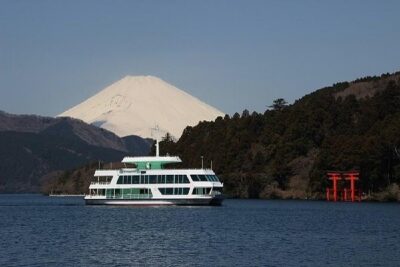
Mt Fuji & Hakone Cruise, Drum Show Bullet Train 1 Day from Tokyo
Read our review →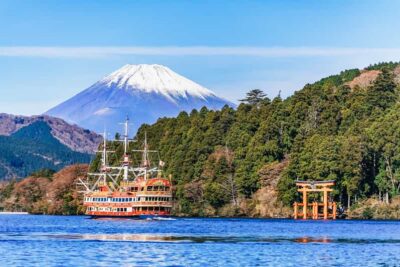
Tokyo Mt Fuji 5th St & Hakone Cruise Bus Tour w/Bullet Train
Read our review →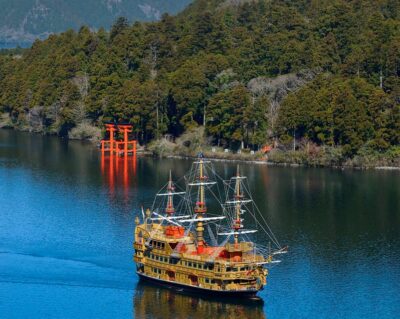
Mt. Fuji & Hakone Tour w/ Return by Bullet Train
Read our review →
From Tokyo 1-Day Kyoto English-guided Tour by Bullet Train
Read our review →
Mt. Fuji and Hakone Day Trip From Tokyo with Bullet Train Option
Read our review →
Kamakura & Enoshima Day Tour with Pickup & Train Ride
Read our review →
Snow Monkey Park and Miso Production Tour Bullet Train from Tokyo
Read our review →Browse the lists this tour appears in