
Reviewed · JDM & CAR CULTURE TOURS
JDM Itasha trip to famous car meet up spot Daikoku Parking
Tokyo looks different from the passenger seat of a tuned sports car. This private night ride leaves Shinjuku, threads through the city on raised highways, crosses Rainbow Bridge, and ends at Daikoku Parking Area, Japan’s famous gathering place for car fans. You get views that trains, buses, and taxis simply cannot provide.
I especially like the small group limit of three, which keeps the ride personal and gives you room to ask about cars, Tokyo, and life in Japan. I also like the arrival at Daikoku itself: coming in by an Itasha, Toyota 86, or GTR makes the parking area part of the show, not just a place you reach by car.
The main drawback is that Daikoku is an active meeting spot, not a scheduled performance. The cars depend on the night, weather, and luck. The sports cars can also be tight for taller riders, and the listed vehicle may vary, so ask ahead if the exact car matters to you.
In This Review
- Key points to know before you book
- A Tokyo night ride that is more than transport
- Starting in neon-lit Shinjuku
- Tokyo’s raised highways and skyline views
- Crossing Rainbow Bridge into Odaiba
- Arriving at Daikoku Parking Area
- Why the guide matters at Daikoku
- The car, comfort, and group size
- Is $191.60 good value for up to three?
- Timing, weather, and the return to Shinjuku
- Who will enjoy this most?
- Should you book the Daikoku Itasha trip?
- FAQ
- Where does the Daikoku car tour start?
- Where does the experience end?
- How long does the tour last?
- How many people can join one booking?
- What cars are used for the ride?
- Will I definitely see rare Japanese cars at Daikoku?
- Does the price include admission to Daikoku Parking Area?
- Can I cancel for a refund?
- What happens if bad weather cancels the tour?
Key points to know before you book
- Daikoku is the main event: You get about 90 minutes at the parking area, with time to see Japanese, European, and American performance cars.
- The ride is part of the tour: Expect neon Shinjuku, Tokyo’s high-rises, Tokyo Tower, Skytree views, Rainbow Bridge, and Odaiba after dark.
- Your group stays private: The experience is limited to your own party, with a maximum of three people.
- The car may vary: The tour centers on an iconic 86 racecar, while confirmed experiences have also used Nissan GTRs and other enthusiast cars.
- Guides add real value: Jeremy, Graham, Alistair, Hawk, and nanakommm are among the named drivers associated with the experience.
- Weather affects the evening: You can receive a full refund or choose another date if poor weather cancels the tour.
A Tokyo night ride that is more than transport
This experience works because it joins two separate pleasures: a fast-looking night tour of Tokyo and a visit to a car gathering that is hard to reach on your own.
Daikoku Parking Area sits in the Yokohama area, away from the usual sightseeing circuit. A train does not take you directly there, and a taxi is not a simple or especially meaningful way to visit a place built around highway culture. The private driver handles the route while you watch Tokyo slide past the windows.
The ride lasts about two to three hours in total, with roughly 90 minutes at Daikoku. That gives you enough time for the drive to feel like part of the evening rather than a short transfer. You will not spend the whole night at the parking area, though, so set your expectations accordingly.
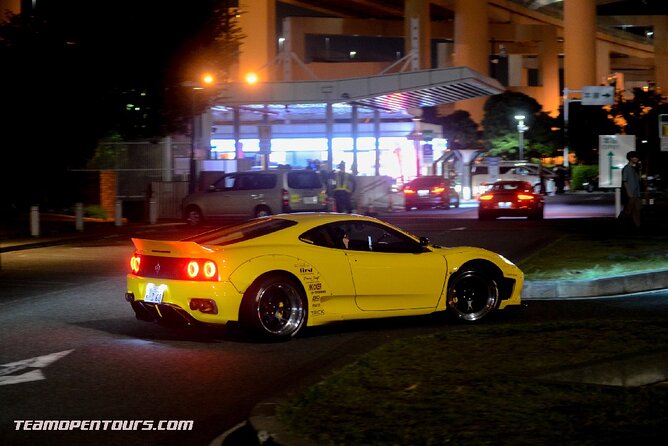
This is not a track session. You are riding with a trained, responsible driver on public roads. The appeal comes from the car, the route, the skyline, and the feeling of moving through Tokyo’s night traffic in a machine that belongs to the enthusiast scene.
More car-culture meets:
- GT-R35 800hp Club Membership – secret underground car meet
★ 4.8 · 998 reviews - Tokyo: Fast & Furious Tokyo Drift 3 Experience (Kaila Yu SP)
★ 4.8 · 947 reviews - Tokyo: Daikoku JDM Car Meet & Night Car Culture Tour
★ 4.8 · 626 reviews
Starting in neon-lit Shinjuku
The meeting point is at 5-8 Funamachi in Shinjuku City, and the tour begins in the wider Shinjuku area. Shinjuku is a fitting launch point. Its giant screens, signs, and high-rise streets provide an immediate change of mood from an ordinary city tour.
You first get the visual rush of central Tokyo, then leave the crowded streets for the raised highway system. That change is one of the experience’s strongest features. From the road, towers appear at different heights and angles, and the city feels less like a collection of train stops and more like one large, illuminated machine.
The exact route can shift with traffic and the driver’s plans, but the experience is designed to pass areas associated with Shinjuku and Shibuya. You may also see Tokyo Tower, Tokyo Skytree, and other high-rises along the way.
This part matters even if you are not a serious car fan. The car gives you a low, close view of the road and the buildings, while the driver can point out sights as they appear. Guides such as Jeremy and Graham have been praised for explaining both the cars and everyday life in Japan, which adds useful context to the scenery.
Tokyo’s raised highways and skyline views
The highway ride is the bridge between the city tour and the car meet. You zigzag through Tokyo above street level, passing between high-rises and catching glimpses of landmarks that are easy to miss from a train window.
You might see Tokyo Tower or Skytree framed between buildings. You also get a sense of Tokyo’s scale. On a normal sightseeing route, the city can feel divided into neighborhoods. From the highway, the districts connect in a long stream of lights, concrete, bridges, and towers.
The driver is doing the navigating, so you can focus on the view and the car itself. That is a real advantage for a small private group. You can ask questions without trying to keep up with a guide in a large van or walking group.
Still, the word racecar should be understood in context. The supplied description uses an iconic 86 racecar, but experiences have also used Nissan GTRs and other cars. One rider described a Toyota 86 as part of the fun, while others rode in GTRs, including a Nissan GTR 35. If the specific vehicle is central to your booking, confirm it with Team Open Tours rather than treating one model as guaranteed.
Crossing Rainbow Bridge into Odaiba
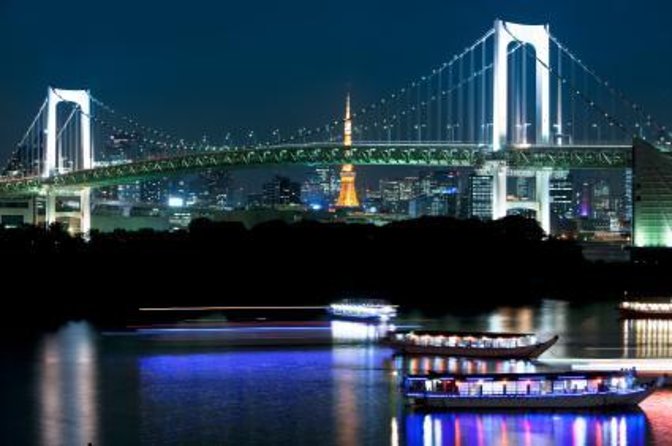
Rainbow Bridge is the visual high point of the route. The tour crosses the bridge toward Odaiba, the futuristic waterfront district, as night settles over Tokyo.
From the car, you get a broad view of the city lights and the bridge itself. Reflections and the open sweep of the crossing make this feel very different from the enclosed view you get on a train. It is also one of the best moments for photographs, though you should keep your phone secure and be ready for the view to pass quickly.
Odaiba gives the route a change of character. The beginning is neon streets and dense towers. The middle is highway movement and skyline views. Rainbow Bridge then opens the scene out over the water before the tour turns toward Daikoku.
That variety helps the evening feel like a proper Tokyo outing. You are not simply being driven from one car park to another. You are seeing several sides of the city in one continuous ride.
A few more Tokyo bookings worth comparing
- Mt Fuji and Hakone 1-Day Bus Tour Return by Bullet Train
★ 5.0 · 26,383 reviews - 1-Day Tokyo Bus Tour
★ 5.0 · 14,250 reviews - Tokyo: TOKYO SKYTREE® Admission ticket
★ 4.5 · 11,192 reviews - Tokyo: teamLab Planets TOKYO Digital Art Museum Entry Ticket
★ 4.6 · 9,779 reviews
Arriving at Daikoku Parking Area
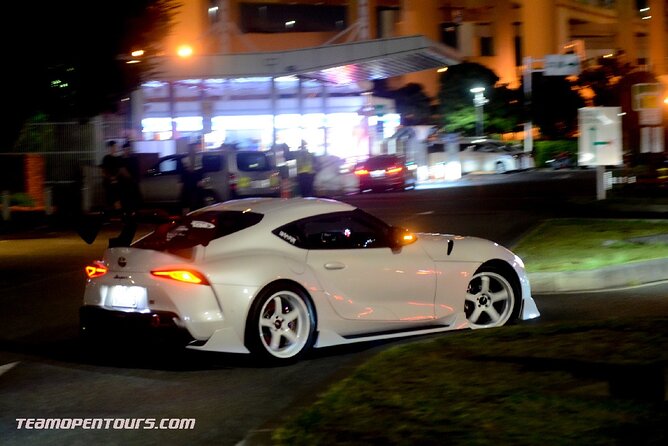
Daikoku is a service area on the highway system, but car fans know it as one of Japan’s best-known meeting points. The atmosphere changes from sightseeing to car culture as soon as you arrive.
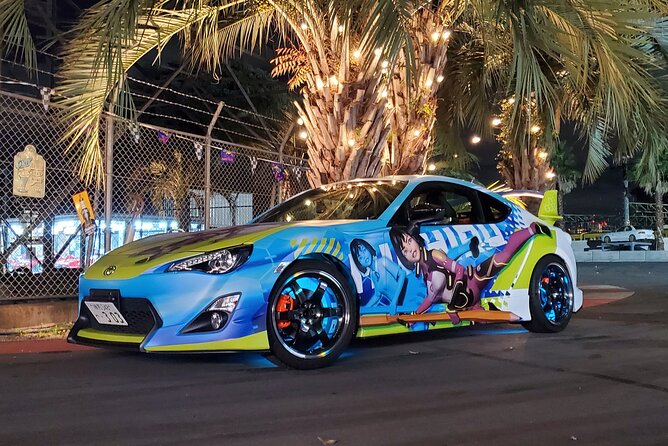
Your guide may drive into the area in a car that attracts attention, particularly if you arrive in an Itasha or a striking sports car. Itasha cars are decorated with anime-style graphics, and their bright colors and character designs give the arrival a theatrical edge. You are not merely looking at the cars parked around you. Your own ride becomes part of the scene.
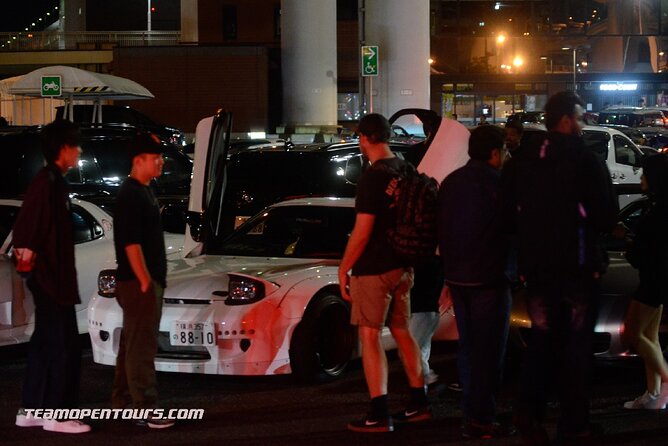
The mix can change from night to night. You might find tuned Japanese cars, older JDM models, Nissan Skylines, RX-7s, Subarus, Silvias, Italian sports cars, McLarens, Ferraris, or even rare exotics such as a Koenigsegg. There is no fixed display and no promise that a particular model will appear.
That uncertainty is both the charm and the weakness. On one night, the area may be packed with hundreds of cars. On another, the selection may be modest, especially in poor weather or on a quieter weekday. One account described more than 300 cars on a busy evening, while another had a much quieter visit. You should book for the experience of seeing a live meeting point, not for one guaranteed car.
The guide usually helps you understand what is there before you walk around. A driver may point out the cars in the area, explain tuning details, and tell you about the local scene. After that, you have time to explore independently. The parking area also has shops, vending machines, and toilets, useful details during a late-night outing.
Why the guide matters at Daikoku
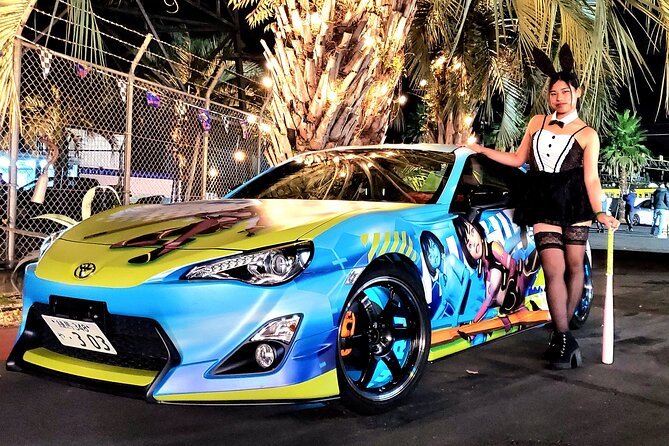
A car meet can be confusing if you do not know what you are seeing. The difference between a stock model and a heavily modified one may be obvious to a specialist but invisible to a first-time visitor.
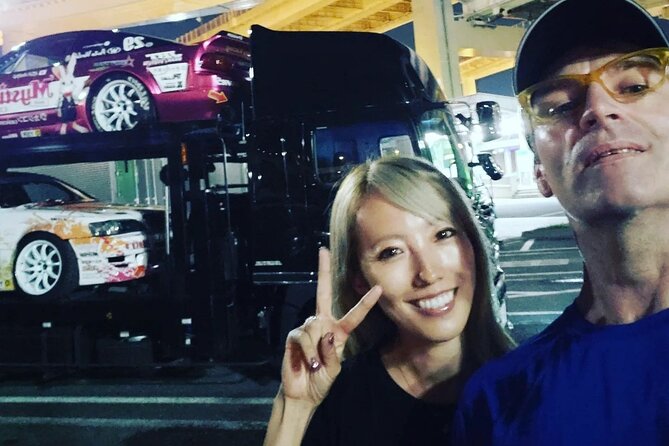
This is where the private format pays off. Jeremy is often praised for discussing cars, Tokyo, and daily life in Japan in the same conversation. Graham has also been described as a strong source of information during the drive and at the meet. Other named hosts include Alistair, Hawk, and nanakommm.
Guide assignments are not fixed in the information provided, so do not assume you will receive a particular person. The important point is that the experience is designed around a driver who understands the local car scene, not just someone following a navigation app.
You can also ask questions that make the visit more personal. Ask why certain Japanese models matter, what makes a car suitable for tuning, or how the Daikoku scene fits into modern Japanese motoring. If your children or partner are curious but not already car experts, this explanation can make the evening much easier to enjoy.
The car, comfort, and group size
The maximum group size is three people, and only your party takes part. That is a strong setup for couples, a parent with two children, or a small group of friends.
The tradeoff is space. Sports cars are built for style and performance, not for generous rear-seat comfort. One party specifically found the car tight for riders around 5 feet 10 inches and 6 feet 4 inches. If you are tall, ask about seating before you pay, particularly if three people plan to ride.
The vehicle is part of the product, so it is worth checking what you are likely to receive. The main description focuses on an iconic 86 racecar and Itasha styling. Confirmed experiences have included a Toyota GT86 and Nissan GTRs, with one rider able to choose from available cars. That does not mean every booking includes a choice or a GTR.
The best approach is to ask Team Open Tours about the current car lineup, passenger seating, and whether your date has a specific vehicle available. This small check can prevent a mismatch between what you imagine and what you receive.
Is $191.60 good value for up to three?
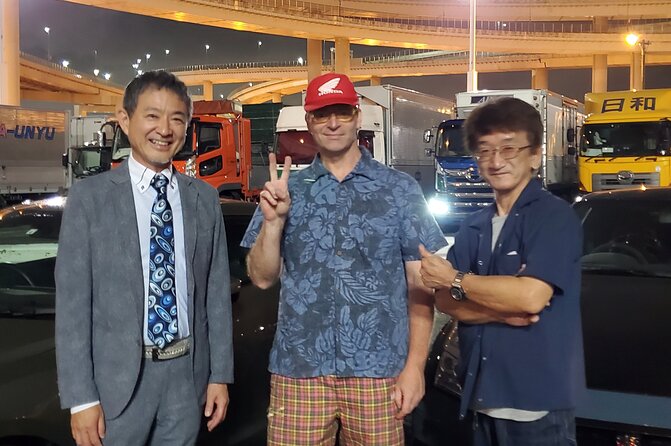
The listed price is $191.60 per group of up to three, not per person. For three people, that works out to about $64 per person. For two, it is about $96 per person, and a solo booking carries the full group cost.
That price includes a private driver, the night drive through Tokyo, the Rainbow Bridge route, and time at Daikoku. There is no separate admission charge for the parking area. The value is strongest when three people share the booking, especially if you would otherwise struggle to reach Daikoku without paying for a private taxi or arranging complicated transport.
You are also paying for access and interpretation. Daikoku is not a conventional attraction with a timetable, ticket booth, or guaranteed program. The guide gets you there, explains what you are seeing, and handles the return to the meeting point.
The value is weaker if you only want a guaranteed collection of rare cars. Since the meet changes each night, you could have a quieter visit than hoped. It is also less suitable if you want a long, leisurely Tokyo sightseeing tour, since the focus stays on the drive and car culture.
Timing, weather, and the return to Shinjuku
The activity takes about two to three hours and ends back at the meeting point. The route is built for nighttime, with Shinjuku neon, lit buildings, Rainbow Bridge, and Odaiba forming the visual rhythm of the trip.
The precise length can vary with traffic and time at Daikoku. Some experiences have included late-night pickup and drop-off arrangements, but the stated meeting point and return point are in Shinjuku. Confirm any special timing directly before booking.
Weather matters more here than on a museum visit. Rain or poor conditions can reduce the skyline views and affect the car meet. If the operator cancels because of bad weather, you can choose another date or receive a full refund.
You can cancel for a full refund up to 24 hours before the start time. Cancellations or changes inside that 24-hour window are not accepted for a refund. The cut-off uses Tokyo local time, so check the clock carefully if you are booking from abroad.
Who will enjoy this most?
This is an easy choice for a committed Japanese car fan, especially someone excited by Skylines, RX-7s, Subarus, Silvias, GTRs, or anime-decorated Itasha cars.
It also works surprisingly well for families with older children and teenagers. Several bookings have centered on sons and daughters in their teens or twenties, and the private car makes the night feel like a special event rather than another standard tour.
You do not need to know every engine code to enjoy it. The night drive, city views, bridge crossing, and chance to see an informal Japanese car gathering give non-specialists plenty to watch. But the experience will not suit you if you dislike confined sports-car seating, want a fixed schedule, or need certainty about which cars will appear.
The 93 percent recommendation rate and 4.7 rating from 175 reviews suggest a strong overall experience, but the lower scores point to the key issue: Daikoku depends on weather and the night’s turnout. Go with flexible expectations and the evening is more likely to deliver.
Should you book the Daikoku Itasha trip?
Book it if you want the journey and the destination. The raised highways, Tokyo skyline, Rainbow Bridge, and Odaiba views give you a memorable night ride, while Daikoku supplies the unpredictable car-meet atmosphere.
I would especially recommend it for three people sharing the $191.60 group price, families with car-mad teenagers, and visitors who want a side of Tokyo beyond temples, shopping streets, and train stations.
Before booking, ask about the available car and seating if you are tall or have your heart set on an 86 or GTR. Also pick a date when you can accept some uncertainty. You may see a packed lot of rare JDM cars and exotics, or a quieter meeting. That is the nature of Daikoku, and it is also what makes the evening feel like a real slice of Japanese car culture rather than a staged showroom visit.
FAQ
Where does the Daikoku car tour start?
The meeting point is 5-8 Funamachi, Shinjuku City, Tokyo 160-0006, Japan.
Where does the experience end?
The activity ends back at the meeting point in Shinjuku.
How long does the tour last?
The experience takes approximately two to three hours. Time at Daikoku Parking Area is listed as about one hour and 30 minutes.
How many people can join one booking?
This is a private activity for a maximum of three people.
What cars are used for the ride?
The experience centers on an iconic 86 racecar and Itasha cars. Experiences have also used Nissan GTRs and other enthusiast vehicles, so the exact car can vary.
Will I definitely see rare Japanese cars at Daikoku?
No. The car meet changes by night and depends on conditions. You might see JDM cars, Skylines, RX-7s, Subarus, Silvias, European sports cars, and other exotics, but no particular model is guaranteed.
Does the price include admission to Daikoku Parking Area?
The Daikoku stop has no separate admission ticket listed. The price is $191.60 per group of up to three.
Can I cancel for a refund?
Yes. You can cancel at least 24 hours before the start time for a full refund. Cancellations or changes made less than 24 hours before the start time are not refundable.
What happens if bad weather cancels the tour?
Because the experience requires good weather, a cancellation caused by poor weather gives you the option of a different date or a full refund.
New on our Tokyo list
- From Tokyo: Mount Fuji & Hakone Full Day Private Tour★ 4.9 · 25 reviews
- Tokyo Spectacular View Day-Cruise in 90 Minutes★ 5.0 · 25 reviews
- Real Tokyo Runner Club : Daikoku Car Meet Night Tour with JDM Car★ 5.0 · 25 reviews
- 2.5 Hour-Guided Cycle Tour in the Central Tokyo★ 5.0 · 25 reviews
- Ramen Making from Scratch +Akihabara Tour –Cooking Class★ 5.0 · 25 reviews
- [Self-Drive] Tokyo & Daikoku Custom Car Driving Tour★ 4.9 · 25 reviews
- Tokyo: 2-Hour Night Bike Tour of the City’s Hidden Gems★ 4.9 · 25 reviews
- Tokyo: Mt. Fuji, Owakudani, Hakone Shrine, & Open-Air Museum★ 4.7 · 25 reviews
JDM & Car Culture Tours, compared.
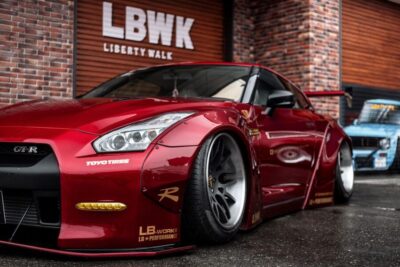
GT-R35 800hp Club Membership – secret underground car meet
Read our review →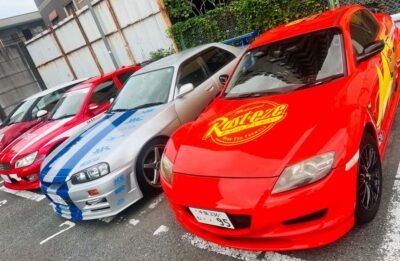
Fast & Furious Tokyo Drift 3 Experience (Kaila Yu SP)
Read our review →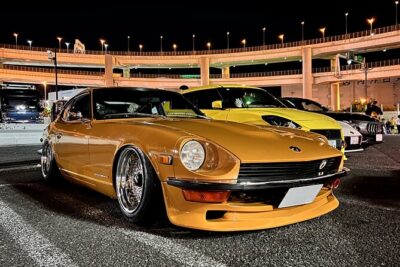
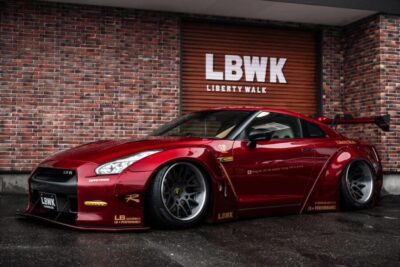
Secret Car Meet: R34 Skyline Car Club Membership
Read our review →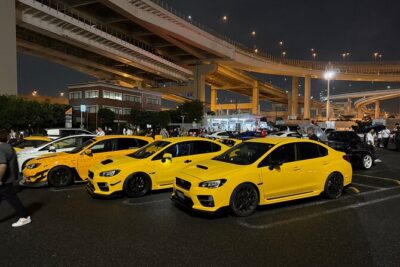
EVO, WRX, Skyline – JDM Night Run to Daikoku Car Meet
Read our review →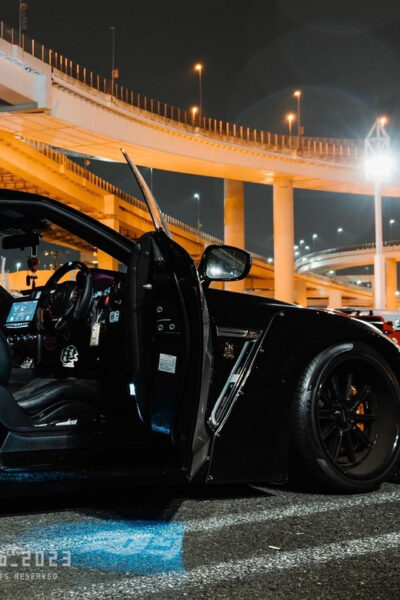
Tokyo Drift: Daikoku PA Supreme Car Experience 大黒PA
Read our review →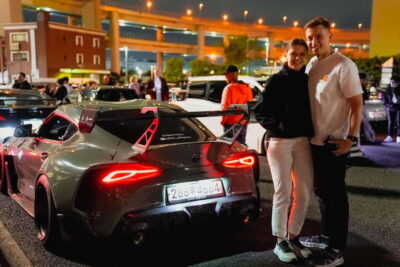
Go Daikoku PA Fast & Furious 3 Sports Car Meetup
Read our review →Browse the lists this tour appears in