
Reviewed · TOKYO PHOTOSHOOTS
Mt Fuji, Takayama, Nagano Private Tour w Local guide/photographer
The headline here is the chance to combine Mt Fuji, Takayama, and Nagano in one private vehicle, with Kye acting as both local guide and photographer. You get room to shape the day around photos, food, temples, wildlife, or winter sports rather than follow a fixed group schedule. I especially like the personal angle: Kye is from Takayama, and his dry humor and photography background should make the long drives more relaxed.
I also like the small private format and the included WiFi. A Toyota Land Cruiser Prado is the standard vehicle, with a Japanese luxury van available if you want more room. The main concern is the published route: several listed stops are far apart or appear to be optional ideas, not a practical three-day drive. Confirm the exact plan, vehicle, price, fuel, tolls, and admissions before paying.
In This Review
- Key points to know before booking
- What this private Japan trip is trying to do
- Day 1: Mt Fuji, then a route that needs clarification
- Day 2: Takayama, Osaka, and another geographic mismatch
- Day 3: Snow monkeys in Jigokudani
- Chausuyama Zoo and the Nagano temple visit
- Hakuba and Shiga Kogen are seasonal choices
- Soba, sake, and Matsumoto Castle
- What the private vehicle changes
- Price, extra costs, and real value
- Who should book this experience
- FAQ
- Where does the tour start?
- Where does the tour end?
- How long does the tour last?
- How many people can join?
- Who is the guide?
- What vehicle is normally used?
- Is transportation included?
- Are meals included?
- Are attraction admission fees included?
- Can the tour be canceled for a refund?
- Should you book this private Japan tour?
Key points to know before booking
- Kye is from Takayama, giving the countryside portion a genuinely local connection.
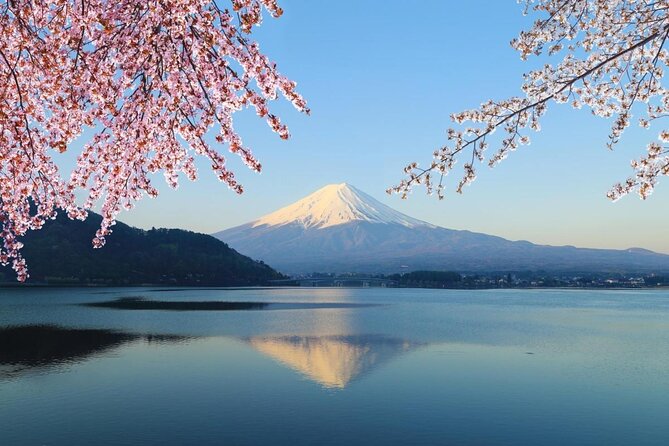
- Photography is part of the appeal, with several Mt Fuji photo locations and a guide who is a semi-professional photographer.
- The route includes famous Nagano highlights, especially Jigokudani snow monkeys, Zenko-ji Temple, and possible visits to Matsumoto Castle or Hakuba.
- A private vehicle gives you control, useful for families, photographers, and groups of up to four.
- Fuel, tolls, meals, and several admissions cost extra, so the advertised price is not the full trip budget.
- The listed price is unusually high, at $39,021.51 per group, so get a written quote and a precise route before booking.
What this private Japan trip is trying to do
This experience aims to connect three very different sides of Japan. Mt Fuji gives you the iconic view. Takayama offers a slower mountain-town setting. Nagano adds temples, snow monkeys, ski areas, food traditions, sake, and castles.
That mix is appealing because it moves beyond Tokyo’s bright streets and crowded headline sights. You can see Japan as a country of rural roads, old towns, mountain resorts, spiritual sites, and regional food.
The guide is Kye, a Japan-born, half-Australian photographer who presents the experience with a light sense of humor. That matters on a three-day private drive. You are not simply hiring a driver to move from one pin to another. You are choosing a companion who can help with photo timing, local context, and the practical confusion that often comes with moving around Japan.
The tour is for up to four people. That is a comfortable size for a private vehicle, though the amount of luggage and personal space will depend on which vehicle you choose. The standard car is a 2023 Toyota Land Cruiser Prado. A Japanese luxury van can be arranged as an option if you want extra room.
More Private Tours in the Mt Fuji Area
- Private Tour to Mt. Fuji and Hakone (Fully Licenced Operator)
★ 5.0 · 1,910 reviews - Mount Fuji Full-Day Private Tour from Tokyo (Customizable)
★ 4.9 · 1,470 reviews - Mt Fuji Private Tour with English Speaking Driver
★ 5.0 · 861 reviews
Day 1: Mt Fuji, then a route that needs clarification
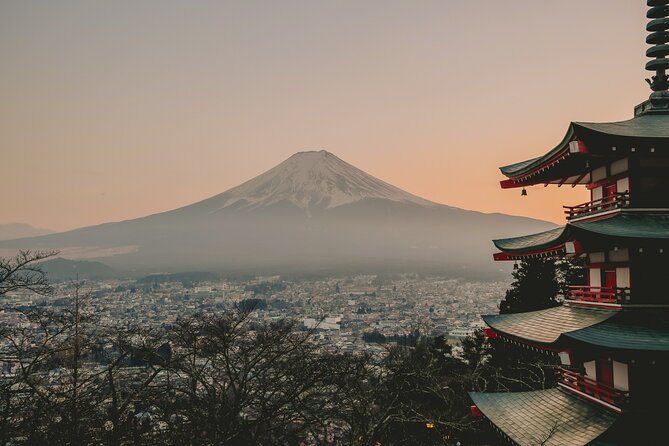
The first confirmed highlight is Mt Fuji. The plan allows about an hour for several photo spots, with no admission fee listed. That sounds short, but a private guide can make an hour useful if the weather is clear and the chosen viewpoints are close together.
Mt Fuji is not a simple one-stop attraction. Visibility changes quickly, and the best viewpoint depends on the day, season, clouds, and road conditions. A photographer-guide is useful here because you can spend your limited time taking pictures rather than working out where to stand.
The unusual part of Day 1 is the next pair of entries: Kyoto Prefecture and Sapporo. Kyoto is far from Mt Fuji, while Sapporo is on Hokkaido, Japan’s northern island. Those places cannot sensibly be treated as one-hour roadside stops during the same private road day from Tokyo.
You should ask Kye to explain these entries before booking. They may be mistaken labels, sample destinations, or optional additions shown in the schedule. Do not assume that Kyoto and Sapporo are included in the three-day driving plan simply because they appear on the page.
This is one of the most important practical points about the experience. The schedule also says that remaining hours are used for transportation, but the written route does not give enough detail to tell you how many hours you will actually spend in the vehicle.
Day 2: Takayama, Osaka, and another geographic mismatch
Takayama is the strongest personal element in the trip. Kye calls it his hometown, and the town is presented as a smaller, less crowded alternative to Japan’s major historic cities. The plan gives it about an hour, but I would want more time here if old streets, local crafts, regional food, and rural scenery are central reasons for choosing the tour.
An hour can work for a quick introduction. It is not much time for a town that is meant to be one of the three main destinations. Ask if the Takayama visit can be expanded, especially if you are interested in photography or local places rather than simply checking off a stop.
The Osaka entry allows seven hours for Japan’s most thrilling theme park. The name of the park is not provided, so you should confirm exactly where you would go and whether admission is part of the plan. The description emphasizes record-breaking rides and family appeal, but the admission cost is not included in the tour price.
Osaka and Takayama are not close neighbors, and Okinawa is far to the south. As with Day 1, the listed schedule cannot be read as a literal road itinerary without further explanation. A private tour can be customized, but no vehicle can erase the distances between these regions.
If your real priority is Takayama, Mt Fuji, and Nagano, a cleaner route would likely be more enjoyable than trying to add Osaka and Okinawa. That is not a criticism of the destinations. It is a warning about time. Three days disappears quickly when long transfers are involved.
Day 3: Snow monkeys in Jigokudani
Jigokudani Yaen-Koen is the clearest centerpiece of the Nagano portion. The park is known for Japanese red-faced snow monkeys, and the name Jigokudani means hell valley, a reference to the sulfurous setting.
The planned visit lasts about two hours. Admission is not included, so set aside extra money for the ticket. You should also expect a visit that involves walking, although the supplied details do not state the exact walking distance or path conditions.
The monkeys are the reason many people choose Nagano, but the experience is tied to season and conditions. The description specifically calls attention to winter, when the animals are associated with snowy mountain scenery. If seeing snow monkeys is your top goal, confirm the likely conditions and the exact timing with Kye.
This is also a good place to ask about photography expectations. Kye’s camera experience may help you prepare for the visit, but the tour details do not promise professional photographs, edited images, or a dedicated photo session. Treat the photography service as local guidance and help with viewpoints unless a separate agreement says otherwise.
More Tokyo photo sessions:
- Tokyo Ryogoku Sumo Morning Practice + Photo Shoot with Wrestlers
★ 4.5 · 277 reviews - Tokyo by Night Photography Tour (Private Option Available)
★ 5.0 · 151 reviews - Tokyo Sumo Morning Practice Tour w/ Ring-Side Seat + Photo Shoot
★ 5.0 · 93 reviews - Tour with Pro Tokyo Photographer and take Edgy Unique Portraits
★ 5.0 · 80 reviews
Chausuyama Zoo and the Nagano temple visit
Chausuyama Zoo is offered as a one-hour stop to see red pandas. Admission is not included. This is a pleasant extra for families and animal lovers, though it may feel less important if your time is limited and the snow monkeys are the main reason you came to Nagano.
Zenko-ji Temple receives about an hour, followed by another hour at a traditional path leading to the temple. The schedule appears to list Zenko-ji twice, once as the temple and once as Zenkōji temple, so ask whether these are two separate stops or one attraction described in two ways.
The temple is presented as a quieter, more spiritual alternative to heavily visited sights in Tokyo. That makes it a worthwhile counterpoint to theme parks and busy city areas. You can expect traditional architecture and a more reflective stop, but the supplied details do not specify which temple buildings, rituals, or admission areas are included.
The approach to the temple deserves attention too. A traditional path can be as interesting as the main building, especially if you want photographs and a slower walk. Still, one hour goes quickly, so tell Kye in advance if temples matter more to you than the zoo or ski resorts.
Hakuba and Shiga Kogen are seasonal choices
Hakuba Goryu Ski Resort and Alpine Botanical Garden is listed as a two-hour stop. The description focuses on powder snow and off-piste skiing, so this is mainly a winter option. Admission and activity costs are not included.
Shiga Kogen receives about an hour and is also described as a winter ski destination. It is close to the snow monkey area, which makes geographic sense within the Nagano section, but fitting both ski areas, Jigokudani, the zoo, and Zenko-ji into one day would be ambitious.
You should think of Hakuba and Shiga Kogen as choices, not automatic additions. If you ski, ask which resort best matches your ability and available time. If you do not ski, the scenery may still appeal, but the schedule does not explain what a non-skier would do during the stop.
Winter also changes the practical side of the drive. Snow, mountain roads, ski equipment, and bulky clothing all increase the need for vehicle space. The luxury van option may be worth considering for a group of four carrying winter gear.
Soba, sake, and Matsumoto Castle
The Togakushi Soba Museum Tonkururin is listed as a two-hour activity where you can learn to make traditional Japanese soba from scratch. This is one of the more distinctive choices on the schedule because it is hands-on rather than a quick photo stop.
Admission is not included. Meals are also excluded, so clarify whether a finished soba meal is part of the museum activity or an additional purchase. If you enjoy regional food, this may be more memorable than another short sightseeing stop.
Endo Sake Brewery offers tastings at one of the area’s breweries. The visit is planned for about an hour, and tasting fees are not included. Since alcohol is involved, this stop is best suited to adults and should be balanced with the day’s driving plan.
Matsumoto Castle is another major possible stop. The main tower is described as a five-tiered, six-story structure dating from the late sixteenth century, and you can go inside. That interior access is important because the experience is not limited to an outside photograph.
Admission is extra, and one hour may provide only a brisk visit. If the castle is high on your list, ask whether the schedule allows enough time for the grounds, entrance queue, interior stairs, and a proper look at the structure.
What the private vehicle changes
The biggest practical benefit is control. You can discuss priorities with Kye instead of trying to satisfy a bus full of people with different interests. A family might choose the zoo and temple. A photographer might favor Mt Fuji, Takayama, and the castle. A winter sports group might focus on Hakuba or Shiga Kogen.
WiFi is included, which helps during long transfers. The vehicle is air-conditioned, and pickup is offered from Tokyo. The activity ends back at the meeting point, though the exact pickup and return address should be confirmed.
The private format also means you need to communicate clearly. The advertised plan contains far more possibilities than three days can comfortably hold, especially when it includes places as distant as Sapporo, Okinawa, Osaka, Kyoto, and Nagano.
I would send Kye a short priority list before booking:
- Must-see destinations
- Preferred amount of driving
- Interest in food, temples, skiing, animals, or photography
- Number of bags and winter equipment
- Desired vehicle
- Exact pickup and return points
That conversation may turn a confusing schedule into a useful custom trip.
Price, extra costs, and real value
The stated price is $39,021.51 per group of up to four. That works out to about $9,755 per person if four people share the cost. It is an exceptionally high figure for a three-day private tour, so you should verify the currency, decimal placement, inclusions, and final quote directly with the provider before making any non-refundable payment.
Fuel and tolls are not included. Meals are not included. Admissions for Jigokudani Yaen-Koen, Chausuyama Zoo, Hakuba Goryu, Shiga Kogen, Togakushi Soba Museum Tonkururin, Endo Sake Brewery, and Matsumoto Castle are also not included.
A private car, local guide, photographer, WiFi, and a custom route can justify paying more than a standard group excursion. The value depends on how much time Kye gives you, how clear the final route is, and whether the price covers services beyond transportation and guiding.
The cancellation terms are strict. The booking is non-refundable and cannot be changed for any reason. That makes it even more important to settle the route and cost in writing before payment.
One group began with a proposed two-day trip and later arranged a two-week private journey for six friends, including cherry blossoms and visits with local artisans. That suggests the provider may be open to larger custom plans, but the advertised experience itself is for up to four people, so do not assume the same arrangement applies automatically.
Who should book this experience
I would consider this trip if you want a private guide, have a strong interest in photography, and prefer rural Japan to a standard city tour. It could suit a family or group of friends who want to choose between temples, animals, food, skiing, and castles.
Kye’s connection to Takayama is a real reason to consider the experience. The private vehicle and local guide also make sense if you find Japan’s transport system confusing or want help adjusting plans during a short visit.
I would not book it without clarification if you want a tightly scheduled, geographically logical route. The published destinations include too many distant regions for a straightforward three-day drive. I would also hesitate if your budget is fixed, since the listed price is very high and several major costs remain outside it.
FAQ
Where does the tour start?
The tour starts in Tokyo, Japan, with pickup offered.
Where does the tour end?
The activity ends back at the meeting point.
How long does the tour last?
The tour lasts approximately three days.
How many people can join?
The private tour is for one group of up to four people.
Who is the guide?
The guide is Kye, a Japan-born, half-Australian semi-professional photographer who is from Takayama.
What vehicle is normally used?
The standard vehicle is a 2023 Toyota Land Cruiser Prado. A Japanese luxury van is available as an option for extra space.
Is transportation included?
An air-conditioned vehicle and WiFi on board are included. Fuel and tolls are not included.
Are meals included?
No. Meals are not included in the tour price.
Are attraction admission fees included?
Some listed stops have free admission, but fees for several attractions are not included. These include Jigokudani Yaen-Koen, Chausuyama Zoo, Hakuba Goryu, Shiga Kogen, Togakushi Soba Museum Tonkururin, Endo Sake Brewery, and Matsumoto Castle.
Can the tour be canceled for a refund?
No. The experience is non-refundable and cannot be changed for any reason after booking.
Should you book this private Japan tour?
Book it only after you receive a clear, written three-day route. The best version of this experience is a focused private journey built around Mt Fuji, Takayama, and Nagano, with Kye’s local connection and photography skills adding personal value.
The current schedule raises too many questions about distant destinations and extra charges. If the price and route are confirmed to your satisfaction, this could be a comfortable and personal way to see mountain Japan. If not, choose a shorter, more tightly planned tour with a transparent price.
New on our Tokyo list
- Sumi-e Experience in a relaxing green tea shop in Tokyo★ 5.0 · 3 reviews
- Tokyo : Kamikaze Street Drift Ride★ 5.0 · 3 reviews
- Private Zen Meditation in English in Shinjuku, Tokyo★ 5.0 · 3 reviews
- Onsen Spa in Tokyo and Asakusa Bar Hopping with Local Guide★ 5.0 · 3 reviews
- Easy for everyone! Now you can play handmade mini shamisen and show off to everyone! Musical instruments, sweets and live music★ 5.0 · 3 reviews
- Tokyo: Private Tsukiji Street Food & Sake with Local Guide★ 5.0 · 3 reviews
- Mt Fuji Exploration Tour with Free Japanese Kusa Mochi from Tokyo★ 4.5 · 3 reviews
- Tokyo Tsukiji Fish Market Walking and Exploring Hidden Gems Tour★ 5.0 · 3 reviews
Tokyo Photoshoots, compared.
Tokyo Ryogoku Sumo Morning Practice + Photo Shoot with Wrestlers
Read our review →
Tokyo by Night Photography Tour (Private Option Available)
Read our review →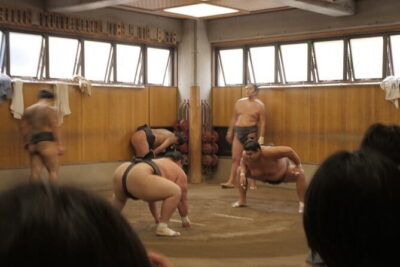
Tokyo Sumo Morning Practice Tour w/ Ring-Side Seat + Photo Shoot
Read our review →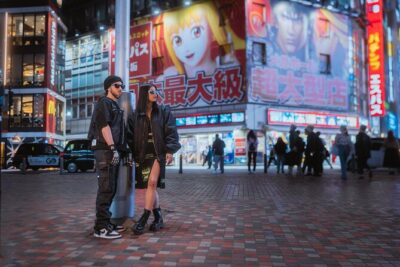
Tour with Pro Tokyo Photographer and take Edgy Unique Portraits
Read our review →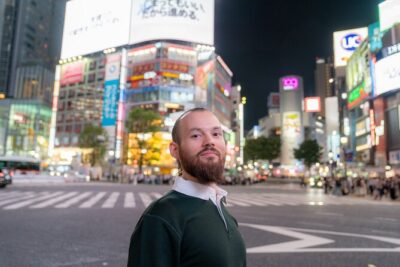
Tokyo Portrait Tour with a Professional Photographer
Read our review →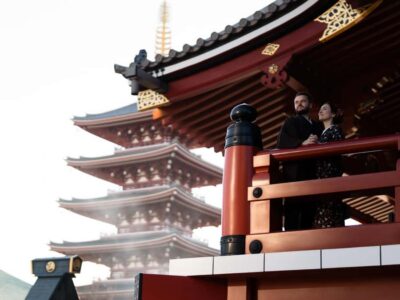
Tokyo Asakusa: Miu Kimono Rental and Optional Photoshoot
Read our review →
Tokyo Authentic Kimono Rental in Asakusa with Photography Option
Read our review →Browse the lists this tour appears in