
Reviewed · SUMO EXPERIENCES
Tokyo Ryogoku Sumo Morning Practice + Photo Shoot with Wrestlers
Sumo practice is not a polished show. It is a quiet, forceful morning workout, with wrestlers stretching, drilling, and facing one another just a few feet away. That close view of the discipline, hierarchy, and physical strain is the real reason to book this experience.
I like the unstaged setting and the small maximum group of seven. I also like having a guide explain what you are seeing, since the rituals and training routines can be hard to read on your own. Guides including Mayu, Masao, Ayaka, and Yumiko have been singled out for clear, friendly explanations.
The main catch is simple: you may sit on the floor for well over an hour, remain silent during practice, and lose the chance for photos if the stable says no. Arrive early, too. More than 15 minutes late means no entry, refund, or rescheduling.
In This Review
- Key points to know before you book
- What makes morning practice different from a sumo match
- Meeting at JR Ryogoku Station at 8:00 am
- Walking through Ryogoku to the assigned stable
- Inside the stable, where etiquette comes first
- Watching the wrestlers train at close range
- Photos with wrestlers are a privilege, not a promise
- The short Ryogoku walk after practice
- Is the $98.16 price fair?
- Who will enjoy this morning most?
- My recommendation for this Ryogoku experience
- FAQ
- Where does the sumo morning practice tour meet?
- Which Ryogoku station should I use?
- What time does the activity start?
- How long does the tour last?
- Can children join the experience?
- Will I be able to take photos with the wrestlers?
- Do I need to sit on the floor?
- What happens if the stable cancels the practice?
Key points to know before you book
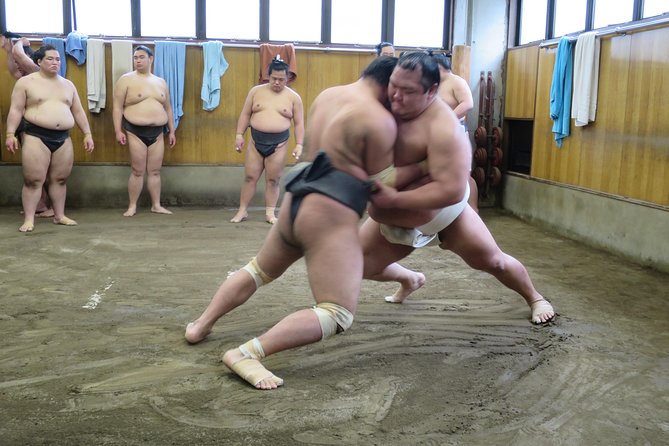
- Training, not a performance: You watch real morning practice, including warm-ups, exercises, and sometimes full bouts between wrestlers.
- The stable can change: The provider is assigned an available stable, and its location may be a 5 to 30 minute walk from the station.
- Floor seating is normal: Most stables use tatami flooring and do not provide chairs.
- Photography is not guaranteed: The stable decides if you may photograph practice or pose with wrestlers afterward.
- Ryogoku adds useful context: The short walk includes local commentary and may include a look at Ryogoku Kokugikan or another nearby cultural site.
- Age and timing rules are firm: This tour is for people aged 12 and over, and the 8:00 am start requires punctuality.
What makes morning practice different from a sumo match
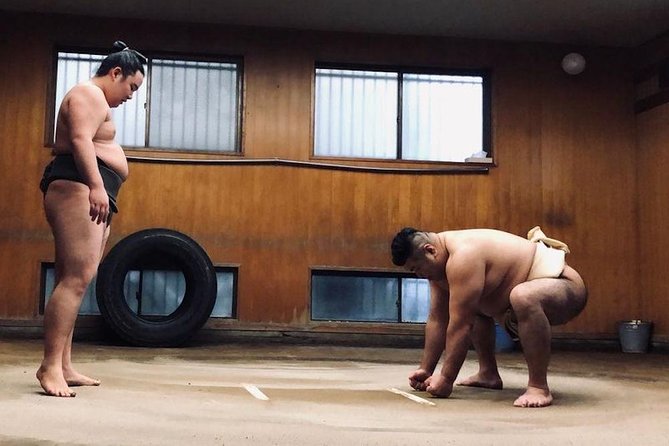
A tournament gives you the noise, ceremony, banners, judges, and drama of competition. Morning practice gives you something quieter and more revealing: the daily work behind the public spectacle.
You might see wrestlers begin with basic movements and stretching before moving into more demanding drills. Practice can include repeated clashes, technique work, and actual bouts. The routine is not arranged for the group, so the pace and length can change. One session may last about an hour, while another can continue for two hours.
That uncertainty is part of the appeal, but it also shapes your expectations. You are not buying a guaranteed sequence of highlights. You are paying for access to a working stable, where the wrestlers’ needs come first.
The most striking detail is the silence. You may be asked to sit quietly and avoid speaking while practice is underway. This can feel restrictive if you expect a guided presentation, but it makes sense. The wrestlers are training, not performing for an audience.
I find this more valuable than a staged demonstration because you see the concentration and repetition for yourself. You also notice details that are easy to miss at a tournament, such as how wrestlers prepare their bodies, how senior and junior members interact, and how much of sumo depends on discipline before the bout even begins.
More sumo mornings:
- Tokyo: Sumo Show Experience with Chicken Hot Pot and a Photo
★ 4.8 · 6,678 reviews - Tokyo: Sumo Show and Dining Experience
★ 4.8 · 2,742 reviews - the SUMO show
★ 5.0 · 1,960 reviews
Meeting at JR Ryogoku Station at 8:00 am
The meeting point is beneath the JR Ryogoku Station East Exit, near Re.Ra.Ku Ryogoku Ekimae. Look for a guide holding a red or orange MagicalTrip board.
Tokyo has two Ryogoku stations, so this detail matters. The meeting point is at the JR station, not Ryogoku Station on the Toei Oedo Line. If you use the wrong station, even a short distance can become a serious problem at this early hour.
The guide meets the group about 10 minutes before the official start. I would treat 7:50 am as the real arrival time, not a suggestion. The provider says that anyone more than 15 minutes late cannot join, and there is no refund or later departure for missed groups. That strict rule protects the quiet atmosphere inside the stable, but it leaves little room for navigation mistakes.
Before walking, your guide should explain the basic plan and some sumo background. The quality of this part depends heavily on the guide. Strong guides such as Mayu, Masao, Ayaka, and Yumiko have been praised for explaining stable ranks, sumo customs, training routines, and the wrestlers’ way of life. Less effective guiding can make the outside briefing feel rushed or unclear, so do not hesitate to ask where the group is going and what will happen after practice.
Walking through Ryogoku to the assigned stable
From the station, you walk with the guide to one of the sumo stables. The walk takes about five to 30 minutes, depending on which stable is available that day.
This variable route is important. You are not guaranteed a particular stable, and the experience can differ based on the stable’s schedule, rules, seating, and willingness to allow photography. If the group is large, it may be split between different stables.
The walk also gives the guide a chance to place sumo in its neighborhood. Ryogoku is Tokyo’s sumo district, and the nearby Ryogoku Kokugikan is the city’s best-known sumo venue. Even if you do not attend an official tournament, being in this part of Tokyo helps connect the sport to its daily setting.
Do not expect a long neighborhood tour. The listed stop at Ryogoku Kokugikan lasts about 10 minutes, and the main purpose of the morning is the stable visit. Still, this brief orientation is useful, especially if you know little about sumo before arriving.
Inside the stable, where etiquette comes first
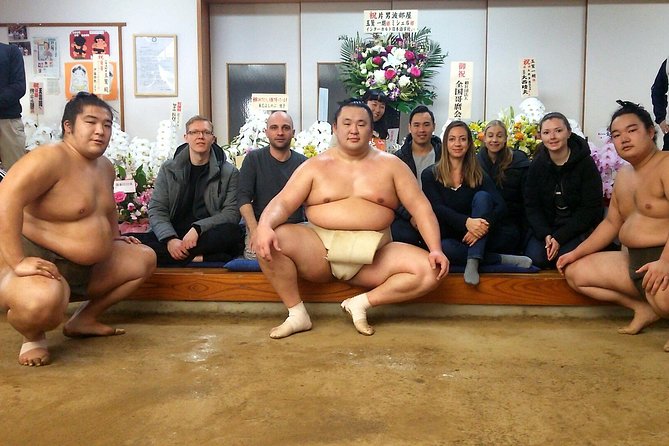
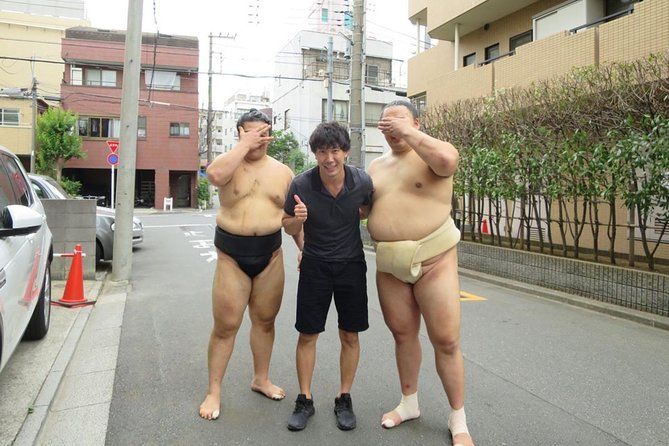
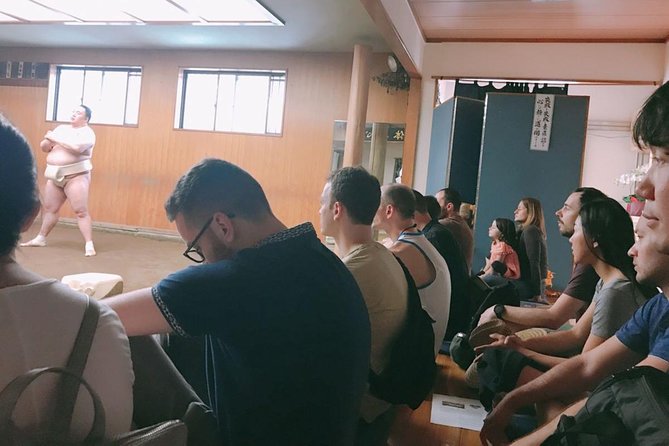
The group enters the stable with the guide and sits in the permitted tatami areas. All other parts of the stable are off-limits.
Most stables do not usually offer chairs. You may sit on the floor for an hour and 20 minutes, 90 minutes, or longer if practice runs late. This is the most practical drawback of the tour. If you have trouble sitting on the floor, think carefully before booking. The description does not promise special seating, and the stable controls the arrangement.
Seating is first come, first served. Arriving late can put you two or three rows behind the front, although even a rear position may still provide a close view. One group reported being placed in the back after arriving last, which shows why arriving at the meeting point early helps.
Inside, the guide’s role changes. During practice, you may receive only quiet explanations or written notes, since conversation is restricted. Some guides have added useful notes during the session, helping the group identify exercises and understand what is happening without disturbing the wrestlers.
You should go to the toilet before the tour starts. The stable may not allow you to leave during practice, and getting up or moving around can disrupt the room. Keep your phone quiet, follow the guide’s instructions, and do not assume that rules given to another group will apply to yours. The stable sets its own conditions.
More Tokyo photo sessions:
- Tokyo by Night Photography Tour (Private Option Available)
★ 5.0 · 151 reviews - Tokyo Sumo Morning Practice Tour w/ Ring-Side Seat + Photo Shoot
★ 5.0 · 93 reviews - Tour with Pro Tokyo Photographer and take Edgy Unique Portraits
★ 5.0 · 80 reviews - Tokyo Portrait Tour with a Professional Photographer
★ 5.0 · 58 reviews
Watching the wrestlers train at close range
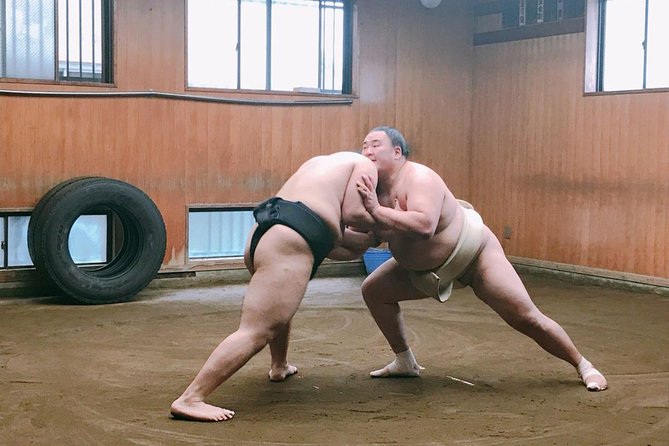
The action can be surprisingly intense. You may see wrestlers warm up, perform general exercises, practice techniques, and engage in bouts with one another. The physical contact is real, and the session may be more demanding than the gentle cultural demonstration some people expect.
This is where the tour earns much of its appeal. You are close enough to notice the force of each collision and the repeated effort behind the sport. You also see that sumo involves more than size. Balance, timing, footwork, grip, and controlled pressure all matter.
The practice can be fascinating even if you are not a sports fan. You can watch the room’s order, the respect between wrestlers, and the way the athletes work within a strict structure. A good guide adds meaning by explaining what the movements show and how wrestlers fit into the stable system.
Still, the guide cannot narrate continuously. You should be comfortable observing without constant commentary. If you need an hour of spoken explanation, a sumo museum or tournament program may suit you better.
The session may also begin partway through an existing practice. Morning training starts early, and the group joins according to the stable’s schedule. You are not promised to see the first warm-up or every phase of the workout. On the other hand, some sessions run longer than expected, giving you more time with the wrestlers but pushing the tour beyond its estimated two hours.
Photos with wrestlers are a privilege, not a promise
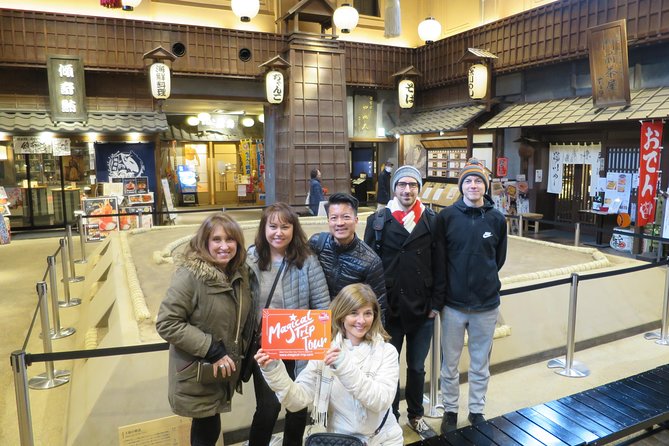
Tour photos are included, but the details depend on the stable. The stable decides if the group may take pictures during practice and if wrestlers may pose with visitors afterward.
In some sessions, photography during practice is allowed. In others, you must keep your phone away until training ends. A posed photo with the wrestlers may also be possible, but it can be refused for any reason by the stable.
That rule is worth taking seriously when comparing this activity with a photo-focused tour. The title includes a photo shoot, but the access is conditional. The stable is a working place, and the wrestlers’ training and comfort take priority.
If photos are permitted, the opportunity can be special. You may stand beside current wrestlers after seeing them train, rather than meeting performers in a staged setting. But book this for the practice first, and treat the photo as a possible extra. That mindset prevents disappointment.
The stable can refuse entry to anyone who breaks its rules, with no refund. This is another reason to listen closely, avoid unauthorized movement, and follow the guide even if you see other people behaving differently.
The short Ryogoku walk after practice
After the stable visit, the guide takes the group through Ryogoku and back toward the station. The listed stop at Ryogoku Kokugikan lasts about 10 minutes and is included as a brief local orientation.
The extra walk is useful because it gives you a moment to ask questions once you are outside the stable. You may want to clarify a training routine, the stable system, or something you noticed during practice. This is also when the guide can explain more freely, since you are no longer expected to remain silent.
One particularly appealing version of the route has included Ekōin, a temple connected with honoring the dead. The exact stop may vary, so do not treat it as guaranteed. The important point is that the morning can offer more than a single room, although the stable remains the central event.
The tour ends back at the original meeting point. There is no lunch included as part of the listed activity. A separate comment described hot pot food at the end, but that should not be assumed for every departure. Plan your own breakfast or later meal, especially since you will be starting early.
Is the $98.16 price fair?
At $98.16 per person, this is not a cheap way to spend two hours in Tokyo. The value depends on what you are paying for: access and interpretation, not a full-day tour or a guaranteed photo session.
For a sumo fan, the price can make sense because stable access is difficult to arrange without local help. You are not simply watching a public event. You are entering a place that normally has its own schedule and rules, with a guide handling the meeting, walk, etiquette, and stable entrance.
For a casual visitor, the value is less automatic. If the practice is short, photography is refused, the group sits far back, and the guide gives little explanation, the price may feel high. The experience is strongest when your guide provides context and the stable allows a long session.
The maximum group size of seven helps. You are not being moved through a large crowd, and a small group gives you a better chance to hear the guide before and after practice. Still, other tour groups or people admitted directly by a stable may be present, and seating remains first come, first served.
My advice is to compare this with the cost and timing of attending an official tournament. If no tournament fits your schedule, morning practice offers a closer look at the work behind sumo. If you mainly want a front-row photo, the price carries more risk because neither front seating nor photos is guaranteed.
Who will enjoy this morning most?
I would recommend it to anyone who wants to see sumo as a daily discipline rather than a stage show. It is especially well suited to sports fans, people interested in Japanese customs, and solo visitors who are comfortable sitting quietly for a long stretch.
It also works well for first-time sumo viewers. You do not need specialist knowledge, and a good guide can explain the basic rules, stable hierarchy, training methods, and way of life surrounding the wrestlers.
You should think twice if you are bringing a child under 12, since younger children cannot enter. You should also reconsider if you dislike floor seating, need frequent toilet access, or want a flexible start time.
Tokyo’s summer heat adds another concern. Bring water and wear a hat for the walk and time outdoors. The activity requires good weather, and if poor weather causes cancellation, you are offered another date or a full refund.
Free cancellation is available up to 24 hours before the start time. Changes or cancellations inside that window are not accepted, so keep your plans firm once the deadline passes.
My recommendation for this Ryogoku experience
I would book this if your priority is authentic access to sumo training and you accept the rules that come with it. The best parts are the close view of real practice, the chance to see the sport’s physical demands, and the local explanation that helps you understand what is happening.
I would not book it solely for a guaranteed photo, front-row seat, or polished lecture. The stable can change its schedule, restrict photography, shorten or extend practice, and place you wherever space allows.
Arrive at JR Ryogoku Station early, wear clothing suitable for sitting on tatami, use the toilet beforehand, and treat silence as part of the experience. If you can do that, this is one of Tokyo’s more unusual ways to see sumo, with far more substance than a quick photo stop.
FAQ
Where does the sumo morning practice tour meet?
Meet at Re.Ra.Ku Ryogoku Ekimae beneath the JR Ryogoku Station East Exit in Sumida City. The guide will hold a red or orange MagicalTrip board.
Which Ryogoku station should I use?
Use JR Ryogoku Station. Tokyo also has Ryogoku Station on the Toei Oedo Line, but that is not the meeting point.
What time does the activity start?
The start time is 8:00 am. You should arrive about 10 minutes early, and anyone more than 15 minutes late cannot join the group.
How long does the tour last?
The estimated duration is about two hours. The sumo practice itself is listed at about 90 minutes, but training can sometimes continue longer and delay the end of the tour.
Can children join the experience?
Only people aged 12 and over can join. Children under 12 are not allowed inside the sumo morning practice and will be denied entry without a refund.
Will I be able to take photos with the wrestlers?
Possibly, but not as a guarantee. The sumo stable decides if photography is allowed during practice and if posed photos with wrestlers can take place afterward.
Do I need to sit on the floor?
Yes, you may need to sit on tatami flooring for the practice. Most stables do not usually provide chairs, and leaving to use the toilet during training may not be allowed.
What happens if the stable cancels the practice?
The stable may change or cancel practice because of its tournament schedule or the wrestlers’ condition. If the provider cancels your booking for that reason, you will receive a full refund.
More Morning in Tokyo
- Tokyo: Sumo Morning Practice Viewing Tour
★ 4.8 · 570 reviews - Tokyo: Sumo Morning Training Visit
★ 4.4 · 370 reviews - Tokyo: Sumo Morning Practice Tour at Sumida City
★ 4.8 · 308 reviews - Tokyo Sumo Morning Practice Tour at Stable
★ 5.0 · 298 reviews
New on our Tokyo list
- From Tokyo: Mount Fuji & Hakone Full Day Private Tour★ 4.9 · 25 reviews
- Tokyo Spectacular View Day-Cruise in 90 Minutes★ 5.0 · 25 reviews
- Real Tokyo Runner Club : Daikoku Car Meet Night Tour with JDM Car★ 5.0 · 25 reviews
- 2.5 Hour-Guided Cycle Tour in the Central Tokyo★ 5.0 · 25 reviews
- Ramen Making from Scratch +Akihabara Tour –Cooking Class★ 5.0 · 25 reviews
- [Self-Drive] Tokyo & Daikoku Custom Car Driving Tour★ 4.9 · 25 reviews
- Tokyo: 2-Hour Night Bike Tour of the City’s Hidden Gems★ 4.9 · 25 reviews
- Samurai themed Entertainment show in Shinjuku★ 4.5 · 25 reviews
Sumo Experiences, compared.
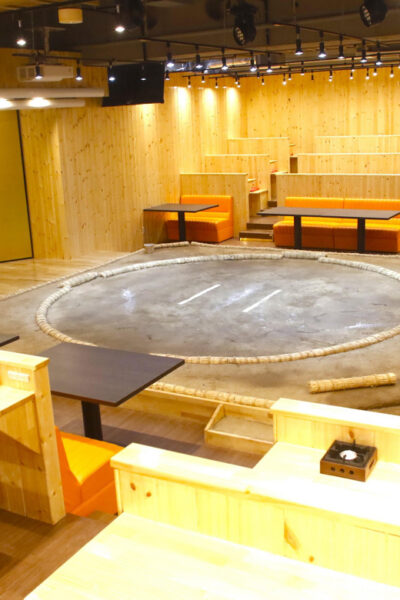
Sumo Show Experience with Chicken Hot Pot and a Photo
Read our review →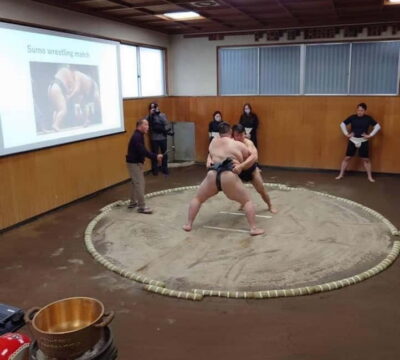
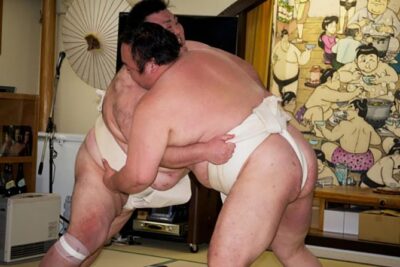
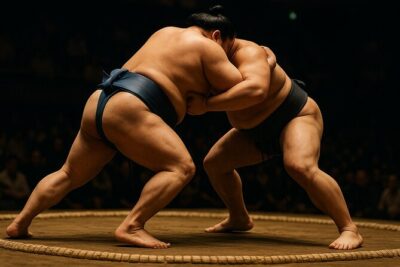
Tokyo Shinjuku Sumo Show & Experience with Photo
Read our review →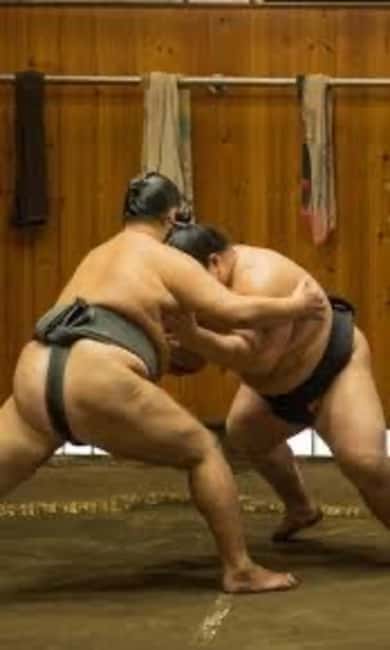
Authentic Sumo Experience in Tokyo: Enter the Sanctuary
Read our review →
Luxury Sumo Show Experience & Japanese cuisine & Drink
Read our review →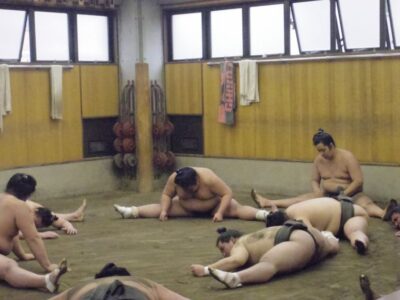
Browse the lists this tour appears in