
Reviewed · TRANSFERS
Shuttle Van Tokyo-Tour, for 4 Hours or 6 Hours+Transfer Time
Tokyo is a huge city, but this private shuttle keeps the day simple: you ride between major sights with a local driver and explore each stop on your own. That makes it especially useful when you have only a few hours between a Yokohama cruise arrival and a Tokyo or Narita departure.
I like the flexible route and the group price of $312, which works out to $62.40 each for five people. I also like that the driver handles Tokyo traffic, parking, and transfers while you focus on seeing the city. The main consideration is language: drivers speak English at a conversation level, but this is transport with practical guidance, not a full, lecture-style guided tour.
In This Review
- Key points at a glance
- Why this shuttle makes sense in Tokyo
- The four-hour route: Tokyo in broad strokes
- Imperial Palace
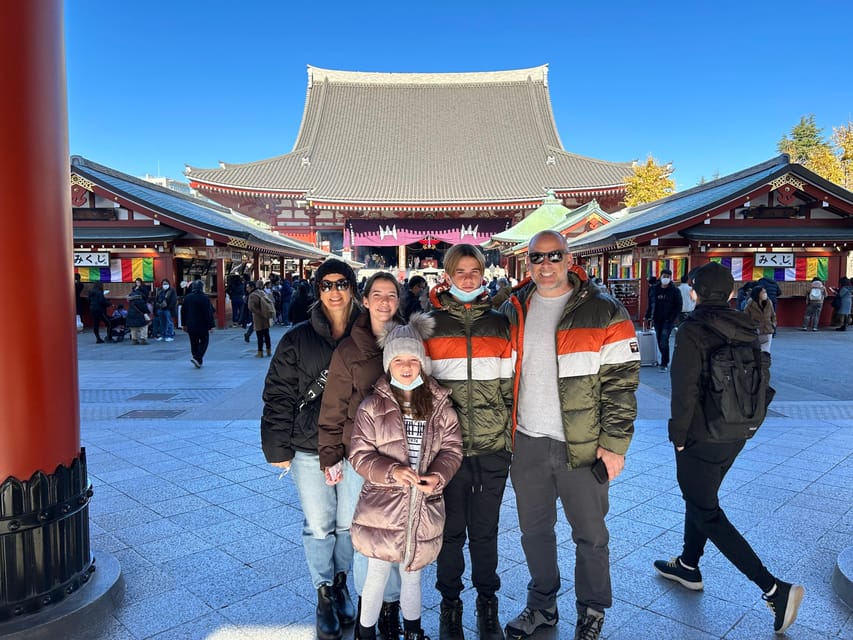
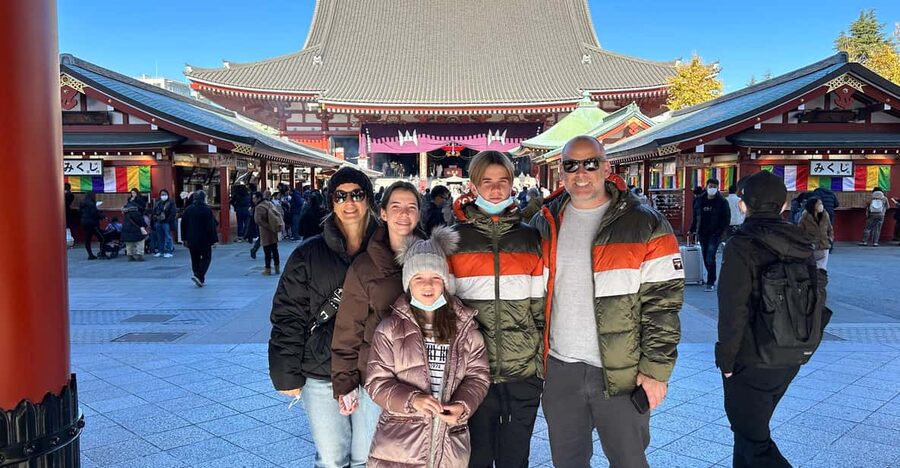
- Asakusa
- Shibuya Scramble
- The longer route: Meiji Jingu and Tsukiji
- Meiji Jingu
- Tsukiji Outer Market
- A flexible plan for repeat visits
- What the driver does, and what the driver does not do
- Transfers from Tokyo, Yokohama, and Narita
- Price, timing, and overall value
- Who will enjoy this most
- Should you book this Tokyo shuttle?
- FAQ
- How much does the private Tokyo shuttle cost?
- How long does the experience last?
- Which destinations are included in the suggested route?
- Can I be picked up in Yokohama and dropped off at Narita?
- How many people and bags can the vehicle hold?
- Is an English-speaking guide included?
- Are meals and attraction tickets included?
Key points at a glance
- A private shuttle, not a traditional guided tour: Your driver takes you between sights, but you generally explore each place independently.
- Useful for cruise and airport connections: Choose among Tokyo and Yokohama pickup and drop-off combinations, including Narita.
- Classic first-time route: Imperial Palace, Asakusa, Shibuya Scramble, and Harajuku fit the shorter itinerary.
- The longer plan adds cultural depth: Meiji Jingu and Tsukiji Outer Market give you a better sense of old and modern Tokyo.
- Flexible planning matters: Tokyo Skytree and teamLab Planets can be added, but advance reservations are needed.
- Best value for a small group: The van takes up to five people without luggage, or four people with up to six pieces of luggage.
Why this shuttle makes sense in Tokyo
Tokyo is not difficult because its sights are poorly marked. It is difficult because the city is spread out, traffic can be slow, and a short visit can disappear while you work out trains, stations, and bags. A private vehicle solves that basic problem.
This experience is designed around that reality. You are not paying for a guide to explain every building. You are paying for a driver who knows the roads, keeps the route moving, and can adjust the plan around your interests.
That distinction matters. If you want detailed explanations at every stop, this may feel light. If you want to see several famous areas without wrestling with Tokyo transport, it can be a good fit.
The service is offered for a private group, so you do not share the van with strangers. The stated price is $312 for up to five people. With five passengers and no luggage, that is a reasonable cost for private transport in one of the world’s largest cities. With only one or two passengers, the price is much less attractive, though the airport or cruise transfer can still make it worthwhile.
More transfers and connections:
- Haneda Airport (HND) Private Transfer to Central Tokyo
★ 4.5 · 636 reviews - Narita Airport (NRT) Private Transfer to Central Tokyo
★ 4.5 · 300 reviews - Private Haneda Airport (HND) to Central Tokyo City Transfer
★ 4.5 · 260 reviews
The four-hour route: Tokyo in broad strokes
The shorter itinerary usually begins in Tokyo or Yokohama and heads to the Imperial Palace. From there, it moves to Asakusa, then toward Shibuya and Harajuku.
The exact driving time between stops depends on traffic. That is why I would treat the route as a sensible framework rather than a promise that every stop receives equal time. Tokyo traffic can turn a short map distance into a slow ride.
Imperial Palace
The Imperial Palace puts you near the symbolic center of Tokyo. It is the residence of the Emperor, and the surrounding area gives you a formal opening to the city.
This is a good first stop because it provides a calm contrast to Tokyo’s crowded shopping districts. You can walk around the accessible areas, take photographs, and get a feel for the city’s central government and imperial setting.
Do not expect a full palace tour included in the price. The listed stops are free, and entrance fees are not included if a site requires one. Your visit here is best understood as an outside look and a short walk, not an extended palace interior visit.
Asakusa
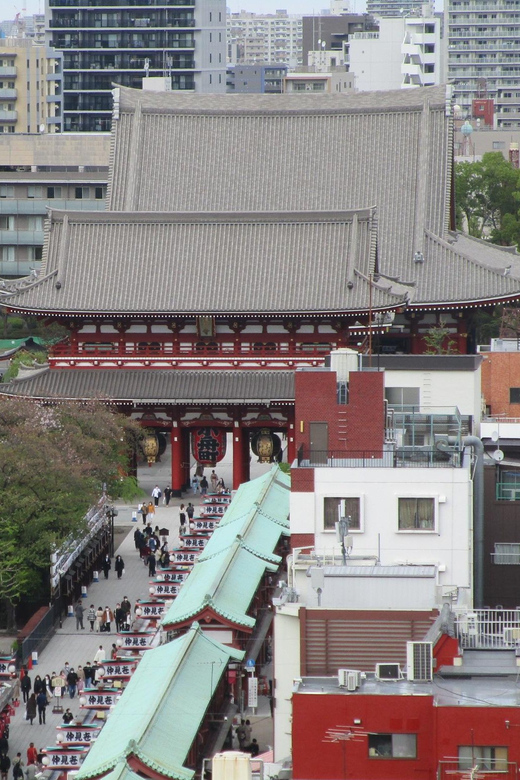
Asakusa supplies the old Tokyo atmosphere that the modern districts cannot. The area is known for its traditional feel and souvenir shops, making it a useful place to browse for small gifts and get a break from glass towers and major road crossings.
I would give Asakusa more time if you care about atmosphere, shopping, or photographs. The drawback is that a quick stop can feel rushed, especially if you want to browse the shops properly.
The driver’s role here is mainly to get you to the area and keep the schedule practical. You should be ready to walk independently once you arrive.
A few more Tokyo bookings worth comparing
- Mt Fuji and Hakone 1-Day Bus Tour Return by Bullet Train
★ 5.0 · 26,383 reviews - 1-Day Tokyo Bus Tour
★ 5.0 · 14,250 reviews - Tokyo: TOKYO SKYTREE® Admission ticket
★ 4.5 · 11,192 reviews - Tokyo: teamLab Planets TOKYO Digital Art Museum Entry Ticket
★ 4.6 · 9,779 reviews
Shibuya Scramble
Shibuya Scramble is Tokyo’s famous crossing, where people move into the center from several directions when the lights change. It is a quick, visual reminder of Tokyo’s scale and energy.
You do not need a long explanation to understand the appeal. The fun is watching the crossing from around the area, taking in the surrounding district, and seeing how smoothly the crowds move.
Shibuya also fits well with Harajuku, the nearby center of youth fashion and pop culture. The two areas give you a sharp contrast with Imperial Palace and Asakusa: one formal, one traditional, and one focused on modern city life.
The weakness is time. Shibuya is easy to recognize but can take longer if you want shopping, food, or a proper walk through Harajuku. On a four-hour route, you may need to choose between a quick look and a deeper visit.
The longer route: Meiji Jingu and Tsukiji
The longer option adds Meiji Jingu and Tsukiji Outer Market to the shorter route. This gives you a more rounded first visit, though the published timing deserves careful checking when you book.
The experience is advertised with durations ranging from 270 to 510 minutes, and the descriptions refer to four-hour and longer options. The booking information also describes five choices with four-hour and five-hour versions. Because the timing and transfer period can vary, confirm the exact duration and pickup plan before paying.
Meiji Jingu
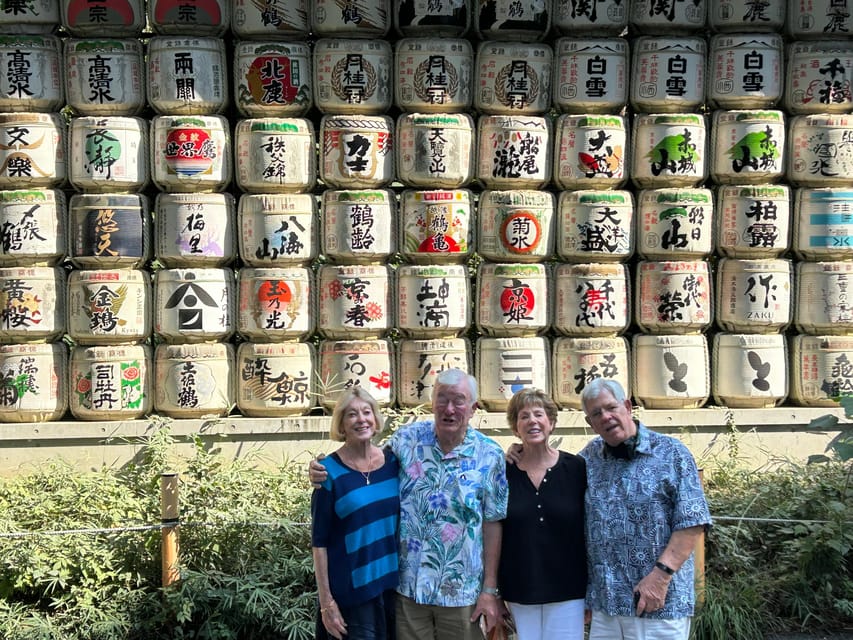
Meiji Jingu is one of Japan’s best-known Shinto shrines. It gives the route a quieter, more reflective stop after the noise of Shibuya and Harajuku.
The shrine is valuable because it shows a different side of Tokyo. You are still close to major shopping districts, yet the visit shifts the focus from traffic and city spectacle to Japanese religious tradition.
Plan on walking. A shrine visit is not just a roadside photo stop, and the time available may depend on traffic and how long you spend at earlier sights. If Meiji Jingu is important to you, tell the driver before the day begins so the schedule protects that stop.
Tsukiji Outer Market
Tsukiji was once the site of Tokyo’s largest fish market. The famous wholesale market has moved, but the outer market remains, with food shops and market stalls.
This is one of the most useful additions to the longer route because it gives you a chance to see a working food district rather than only major landmarks. You can browse, look at ingredients and kitchen goods, and possibly stop for food if the timing works.
Meals and drinks are not included, so budget separately. I would also avoid assuming that every market stall will fit a tight schedule. If you want to eat at Tsukiji, say so early and ask the driver to allow enough time.
A flexible plan for repeat visits
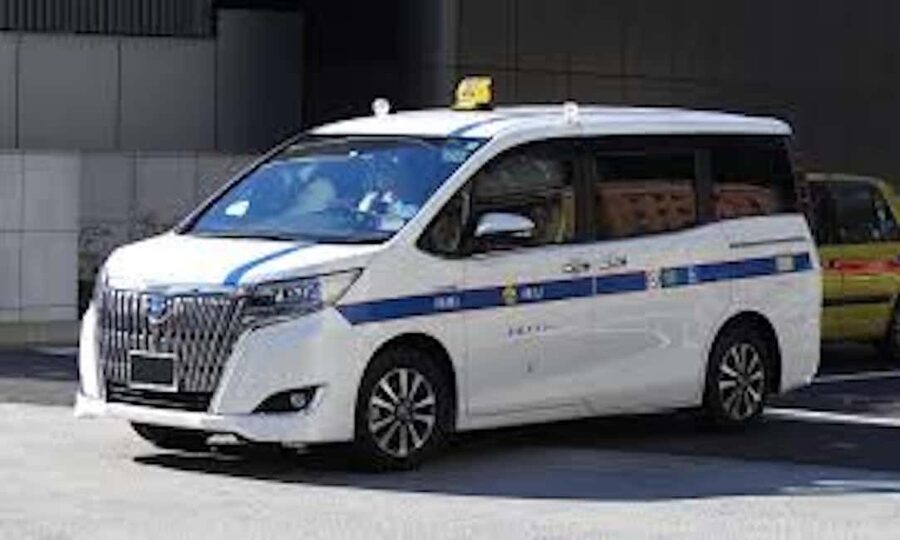
The standard route works well for a first visit, but the driver can arrange a different plan if you have already seen the main sights. You can suggest favorite stops, and the driver will organize the route around them.
Two examples specifically identified for custom planning are Tokyo Skytree and teamLab Planets. Both can take a large part of your day, and reservations are required in advance. Book those tickets yourself before asking the driver to build them into the route.
This is where the private format earns its keep. You are not tied to a fixed group schedule or a guide’s prepared speech. You can replace a familiar stop with something you care about, as long as the driving time and opening arrangements allow it.
Still, flexibility has limits. Tokyo’s major districts are not next door to one another, and traffic may force you to cut a stop. I would choose two or three priorities rather than give the driver a long wish list.
What the driver does, and what the driver does not do
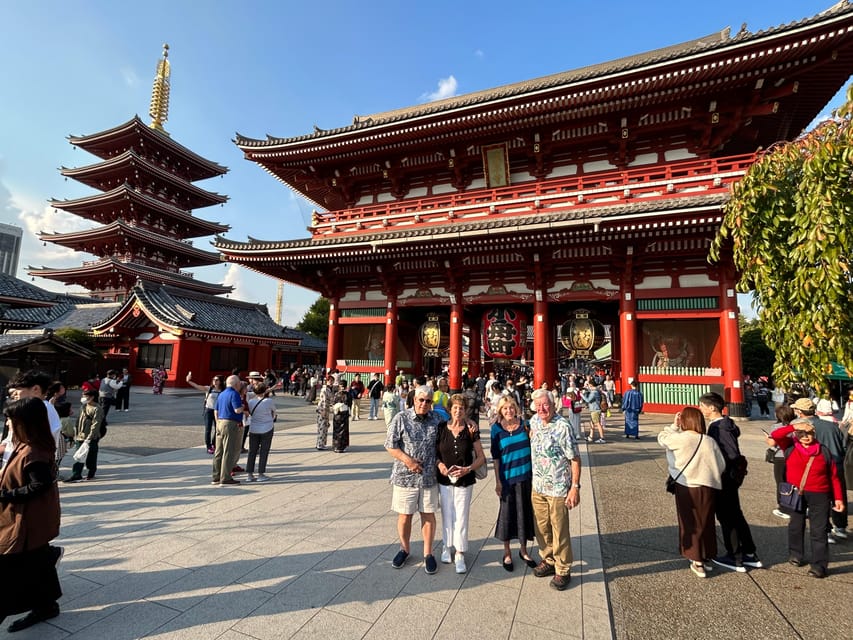
The driver is the practical center of this experience. The service emphasizes driving skill, traffic awareness, and current knowledge of Tokyo’s roads. That can be more valuable than it sounds, especially when your departure time is fixed.
English is described as conversation-level rather than fluent. You should be able to discuss the route, meeting points, and basic needs, but you should not expect long historical explanations or detailed interpretation at each attraction.
That language limit has appeared in the experience itself. Kim received especially positive comments for being accommodating, punctual, helpful, and able to create a good short route. Another assessment praised his effort and flexibility but noted that his English could improve for a service presented as English-speaking.
I would treat the driver as a helpful local chauffeur with useful Tokyo knowledge. Use the ride for route advice and practical questions. For detailed shrine customs, imperial history, or neighborhood interpretation, you may want to read a little before you go.
The service has also handled cruise arrivals well. One passenger was met as they left the ship by a driver holding a sign with the passenger’s name. That is the sort of small practical detail that can reduce stress after disembarkation.
Another outing included Tokyo Skytree, Meiji Temple, a samurai monument, the Imperial Palace, and a local lunch stop with tonkatsu. That shows how much the route can change when you explain your priorities. It also shows that lunch may be possible, but it is not part of the included price.
Transfers from Tokyo, Yokohama, and Narita
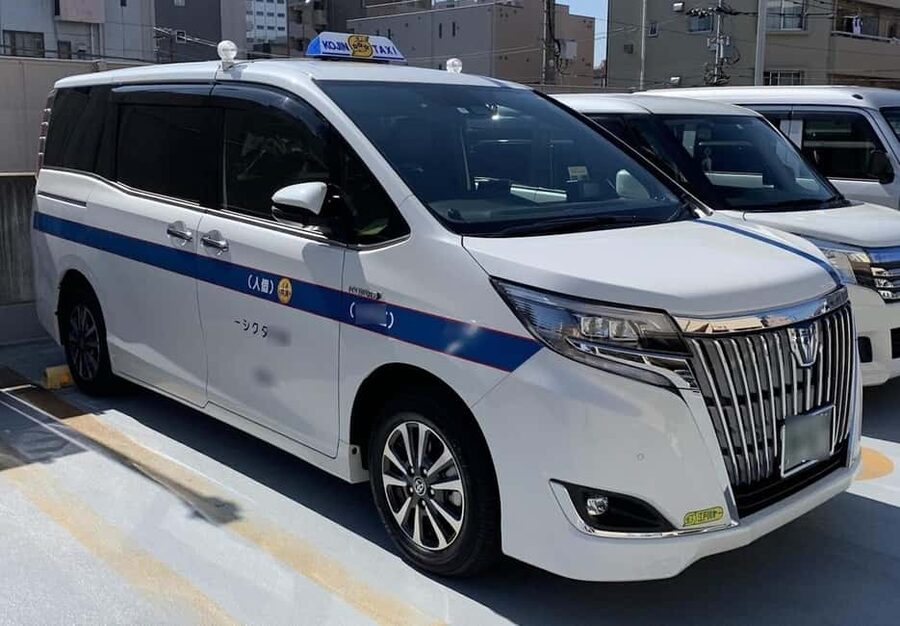
You need to select the correct pickup and drop-off combination. The available choices include:
- Tokyo pickup and Tokyo drop-off
- Tokyo pickup and Narita drop-off
- Yokohama pickup and Yokohama drop-off
- Yokohama pickup and Tokyo drop-off
- Yokohama pickup and Narita drop-off
This is a major reason to consider the service. A sightseeing route that also carries you toward your next base can save both time and the trouble of moving luggage through stations.
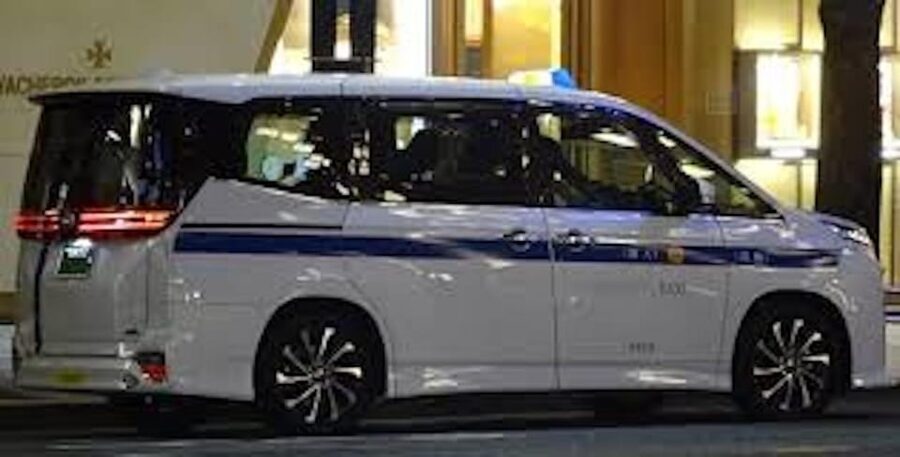
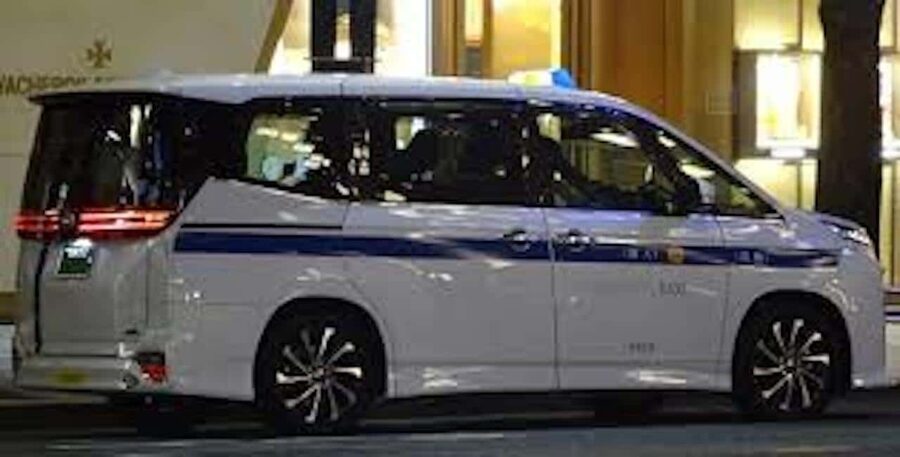
The vehicle accommodates up to five people if you have no luggage. With luggage, the limit is four people and up to six pieces. That is not a small technical detail. A family or group of four with suitcases fits the stated limit, while five cruise passengers with bags do not.
The operator sends the driver’s name and vehicle plate number three days before pickup. The driver waits 10 minutes before the meeting time, and you should show your booking details at the meeting point.
For a cruise pickup, keep your phone available and make sure everyone knows the meeting place. A private transfer works best when your group is ready to leave promptly.
Price, timing, and overall value
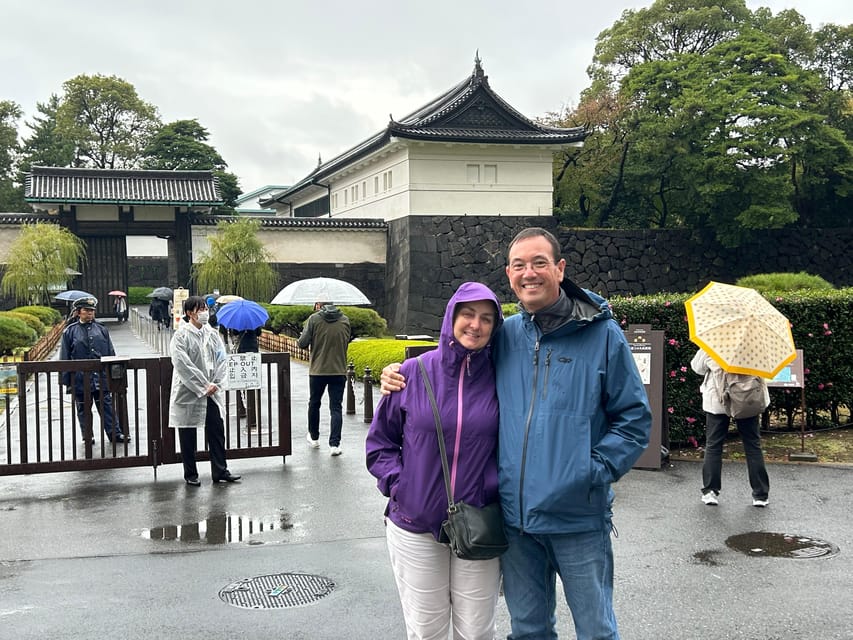
At $312 per group, this is priced for convenience rather than bargain transport. For five people without luggage, the per-person cost is reasonable. For four people with luggage, it still compares favorably with arranging several separate taxis while trying to coordinate a sightseeing route.
The strongest value comes when you combine three needs:
- You want private sightseeing
- You need a transfer between Tokyo, Yokohama, or Narita
- You have limited time
If you only want to visit one neighborhood, trains and taxis may cost less. If you want a full day of detailed guiding, you may find the driver-only format too basic.
The tour duration needs attention. The experience information gives a range of 270 to 510 minutes, while the route descriptions refer to four-hour and longer versions. Since transfer time may be added, read the selected option carefully and confirm how much time is actual sightseeing.
Free cancellation up to 24 hours before departure and the option to reserve now and pay later give you some planning room. Entrance fees, personal costs, food, and drinks remain your responsibility. The suggested stops are free, but custom additions such as Tokyo Skytree or teamLab Planets may require tickets.
Who will enjoy this most
I would recommend this shuttle to:
- First-time visitors with only four to six hours
- Cruise passengers arriving at Yokohama
- Small families or groups who want door-to-door transport
- People with luggage and a same-day airport connection
- Visitors who prefer choosing their own walking pace
- Repeat visitors who want a custom route
I would be more cautious if you want a formal history tour, fluent English commentary, or long visits inside paid attractions. The service is strongest as a private vehicle and flexible sightseeing plan.
Manual wheelchairs are accepted, but electric wheelchairs are discouraged because of vehicle capacity. Alcohol and drugs are not allowed.
Should you book this Tokyo shuttle?
Book it if you value time, privacy, and a flexible route more than detailed guiding. For a group of up to five, the price becomes sensible, especially when the ride includes a Yokohama or Tokyo transfer and luggage is part of the problem.
Choose the standard route for a first look at Tokyo, then protect the stops that matter most to you. If you want Meiji Jingu and Tsukiji, choose the longer option and confirm the exact hours. If you want Skytree or teamLab Planets, reserve tickets before the trip.
I would not book this expecting a fluent guide at every attraction. I would book it as a practical Tokyo chauffeur service, with drivers such as Kim showing a willingness to adjust the day, keep time, and help you see a lot before your next departure.
FAQ
How much does the private Tokyo shuttle cost?
The price is $312 for a private group of up to five people.
How long does the experience last?
The stated duration ranges from 270 to 510 minutes. The available descriptions include shorter four-hour options and longer options with transfer time. Confirm the exact duration when selecting your plan.
Which destinations are included in the suggested route?
The suggested stops include Imperial Palace, Asakusa, Shibuya Scramble, Harajuku, Meiji Jingu, and Tsukiji Outer Market. The exact stops depend on the time selected and the route arranged with the driver.
Can I be picked up in Yokohama and dropped off at Narita?
Yes. One of the listed options is Yokohama pickup with Narita drop-off. Other options connect Tokyo, Yokohama, and Narita in different combinations.
How many people and bags can the vehicle hold?
The maximum is five people without luggage. With luggage, the stated limit is four people and up to six pieces.
Is an English-speaking guide included?
The driver speaks English and Japanese, with English described as conversation-level. This is primarily a private driver service, so you should not expect fluent, detailed commentary at every stop.
Are meals and attraction tickets included?
No. Meals, drinks, personal expenses, and entrance fees are not included. The suggested stops are free, but paid custom attractions require separate tickets.
New on our Tokyo list
- Sumi-e Experience in a relaxing green tea shop in Tokyo★ 5.0 · 3 reviews
- Tokyo : Kamikaze Street Drift Ride★ 5.0 · 3 reviews
- Private Zen Meditation in English in Shinjuku, Tokyo★ 5.0 · 3 reviews
- Onsen Spa in Tokyo and Asakusa Bar Hopping with Local Guide★ 5.0 · 3 reviews
- Easy for everyone! Now you can play handmade mini shamisen and show off to everyone! Musical instruments, sweets and live music★ 5.0 · 3 reviews
- Tokyo: Private Tsukiji Street Food & Sake with Local Guide★ 5.0 · 3 reviews
- Mt Fuji Exploration Tour with Free Japanese Kusa Mochi from Tokyo★ 4.5 · 3 reviews
- Tokyo Tsukiji Fish Market Walking and Exploring Hidden Gems Tour★ 5.0 · 3 reviews
Transfers, compared.
Private departure transfer from Tokyo City to Narita International airport
Read our review →
Browse the lists this tour appears in