
Reviewed · JDM & CAR CULTURE TOURS
Tokyo: Daikoku Car Night & Meet JDM Experience
Tokyo’s car culture comes alive after dark, when the C1 and Wangan highways turn a simple ride into a moving car show. This four-hour outing takes you from your Tokyo hotel to Daikoku and Tatsumi parking areas, with city views, tuned cars, classic machinery, and plenty of time to look around.
I like two things here: the ride gives you access to places that are awkward to reach on your own, and the English-speaking guides bring real enthusiasm to the subject. Guides including Shaon, Michael, Ali, David, and Yoshi have led recent departures, and each brings a slightly different style. The main drawback is that the cars you see depend heavily on the night, weather, and day of the week. A Saturday can be packed, but a quiet night may offer a thinner display.
In This Review
- Key things to know before you book
- Why this Tokyo night drive is more than a car-spotting trip
- Hotel pickup and the start of the evening
- Cruising the C1 and Wangan highways
- Daikoku Parking Area, the main stop
- Tatsumi and the second car culture stop
- The Rainbow Bridge and Tokyo Tower finish
- What the 112 dollar price includes
- Which kind of visitor will enjoy it most
- Timing, weather, and the best night to go
- Should you book this JDM night tour?
- FAQ
- How long does the Tokyo JDM experience last?
- What highways does the tour use?
- Does the tour visit Daikoku Parking Area?
- Does the tour visit Tatsumi Parking Area?
- Is hotel pickup included?
- Can I be picked up outside Tokyo’s 23 wards?
- Does the tour pick up at airports or ports?
- Is the driver English-speaking?
- Are Tokyo Tower tickets included?
- What should I bring?
Key things to know before you book
- Daikoku is the main event: Plan on about 90 minutes at the famous parking area, with time to walk around, take photos, and see cars ranging from old classics to extreme custom builds.
- The drive is part of the tour: You ride along Tokyo’s C1 and Wangan highways, passing the Rainbow Bridge and enjoying nighttime city views.
- The car assignment is random: You may ride in a minivan or another tour vehicle, so you should book for the route and car culture, not a guaranteed supercar.
- Guides add the real value: The tour covers Japanese car-industry history, highway design, driving customs, and comparisons with car culture in your own country.
- Saturday nights may be busiest: Recent outings on Saturdays included many cars and a lively parking-area scene, but no particular make or model is promised.
- Hotel pickup is included within Tokyo’s 23 wards: Pickup outside those wards costs an added 5,000 to 20,000 yen, and airport or port pickup is not available.
Why this Tokyo night drive is more than a car-spotting trip
If you only want to see parked cars, you could spend less money finding a parking-area visit on your own. What you are paying for here is the full evening: hotel pickup, the highway ride, access to Daikoku and Tatsumi, and a guide who can explain what you are seeing.
That matters because Japanese car culture is easy to admire and harder to understand from a photo. A guide can connect the cars to Japan’s auto industry, tuning scene, highway network, and driving culture. You also get a chance to compare Japan’s car scene with what you know from home.
I especially like the social side of the ride. The best accounts of this experience describe long conversations in the car, not just a silent transfer between parking lots. One guide explained Tokyo’s transit system and how the highways are maintained. Another helped a visitor with little Japanese feel comfortable during the evening. If you enjoy talking cars, that exchange may be worth as much as the photo stops.
Still, keep your expectations realistic. This is not a race experience, a driving lesson, or a guaranteed convoy of rare sports cars. You are a passenger. The vehicle assigned to you is random, and the exact car lineup changes from night to night.
More car-culture meets:
- GT-R35 800hp Club Membership – secret underground car meet
★ 4.8 · 998 reviews - Tokyo: Fast & Furious Tokyo Drift 3 Experience (Kaila Yu SP)
★ 4.8 · 947 reviews - Tokyo: Daikoku JDM Car Meet & Night Car Culture Tour
★ 4.8 · 626 reviews
Hotel pickup and the start of the evening
Pickup is available at your hotel or chosen location inside Tokyo’s 23 wards. That covers central areas such as Chiyoda, Chuo, Minato, Shibuya, Shinjuku, Taito, Shinagawa, Meguro, Koto, and several outer wards.
You should wait in the hotel lobby ten minutes before the agreed time. Tokyo traffic can slow the driver, so a delay is possible. The driver may wait up to 60 minutes after the scheduled pickup time, but you should not treat that as extra sightseeing time. Add the local supplier, Trektide Travels, on WhatsApp before the tour so you can communicate smoothly on the day.
Pickup outside the 23 wards costs an extra 5,000 to 20,000 yen, depending on the area. Airports and ports are not served, so plan to begin from a hotel or another eligible location in Tokyo.
The tour lasts four hours, but the evening includes driving between stops. Exact departure times depend on availability. Comfortable shoes are a smart choice because Daikoku includes free time on foot, and a camera is worth bringing.
Cruising the C1 and Wangan highways
The highway portion gives the tour its rhythm. You ride through Tokyo on the C1 and Wangan routes, with the city moving past the windows and the guide explaining the roads, cars, and local driving culture.
The C1 is Tokyo’s inner circular route. The Wangan route takes you through the broad road network around Tokyo Bay. You are not simply being driven from one attraction to another. The roads are part of the subject, and the guide can explain how they fit into daily life and the wider car scene.
This is also where you get some of the best city views. The route includes a pass by Rainbow Bridge, one of Tokyo’s most recognizable nighttime sights. The listed Rainbow Bridge portion is about ten minutes, so think of it as a scenic pass and photo opportunity rather than a long stop.
Several people who have taken the ride enjoyed seeing tuned cars on the highway itself. That can be exciting, but the experience should be understood as a safe passenger ride, not a chance to encourage reckless driving. The driver handles the car while you watch the traffic, lights, bridges, and passing vehicles.
The amount of conversation may depend on your guide. Shaon has been praised for being friendly and easy to talk with, while other guides such as David and Yoshi have focused strongly on JDM culture and its history. One guide was quieter but answered questions well. If you want a running commentary, ask questions early and let the driver know what interests you.
Daikoku Parking Area, the main stop
Daikoku is the reason most car fans book this outing. The tour allows about 90 minutes here, giving you time to walk around, take photographs, and see what has gathered that night.
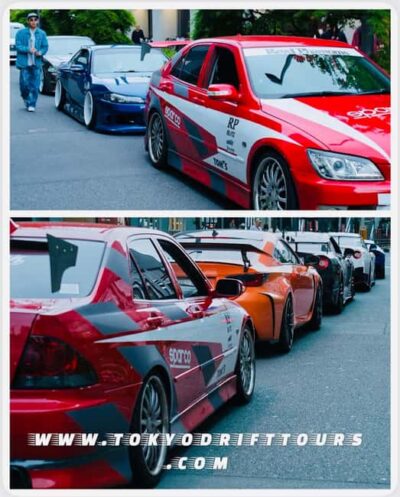
The appeal is variety. You might find classic Japanese cars, modified street cars, performance builds, unusual imports, and machines that look more like rolling design projects than ordinary transport. The lineup is not fixed. Some nights are packed, especially Saturdays. Other nights can be much quieter.
That uncertainty is part of the honest appeal. You are seeing a real meeting place, not a museum display arranged for visitors. You cannot order a particular model in advance, and the tour does not promise a certain number of cars. If your dream is to see one exact Skyline, Supra, or other JDM favorite, treat it as a lucky possibility rather than a guarantee.
The parking area also makes a good place to compare styles. You may see careful restorations beside heavily modified cars, with each owner taking a different view of what makes a car special. The guide can help you place those cars in the wider story of Japan’s auto industry and tuning scene.
You have free time to explore, but remember that this is an active parking area. Follow the guide’s instructions, stay aware of moving vehicles, and do not assume every car is there for a close-up photograph.
A few more Tokyo bookings worth comparing
- Tokyo Night Foodie Tour in Shinjuku – Seasonal Sushi, Wagyu Beef
★ 5.0 · 1,161 reviews - Tokyo After 5: Authentic Japanese Food & Drink Night Tour
★ 4.5 · 560 reviews - EVO, WRX, Skyline – JDM Night Run to Daikoku Car Meet
★ 4.9 · 478 reviews - Tokyo: Samurai Entertainment Night Show in Kanda Shrine
★ 4.6 · 417 reviews
Tatsumi and the second car culture stop
Tatsumi is another important stop on the route and helps prevent the evening from feeling like a one-location visit. The exact amount of time at each parking area can vary with traffic and the night’s schedule, but the point is to see another gathering place and compare its mood with Daikoku.
The wider tour description includes both Daikoku and Tatsumi, while the detailed timing gives the largest block of time to Daikoku. I would therefore think of Daikoku as the main photo stop and Tatsumi as part of the broader circuit, not assume that both receive identical time.
This is useful for anyone who wants more than a single famous location. You get a better sense of how car fans use Tokyo’s highway network and parking areas. The setting, crowd, and cars may differ, and that variety is one of the better reasons to choose a guided route.
The evening is also a chance to talk about car culture in your own country. That sounds minor, but it changes the feel of the ride. You are not just receiving facts from a guide. You can compare Japanese tuning, meet-up habits, highway driving, and vehicle tastes with the scene you know at home.
The Rainbow Bridge and Tokyo Tower finish
After the car stops, the route includes another scenic stretch through Tokyo. Rainbow Bridge provides a short city-view moment, then the outing includes a break and photo stop before ending around Tokyo Tower.
The Tokyo Tower stop lasts about 30 minutes and includes free time, photographs, sightseeing, and views. It is a pleasant change of pace after the parking areas, especially if you want a classic Tokyo picture to balance the car photos.
Tokyo Tower entry tickets are not included. The information provided describes a stop at the tower, not a guaranteed visit to the paid observation decks, so budget separately if you want to go inside and confirm the plan with your guide.
The final stop also makes the tour work for companions who are interested in Tokyo at night but are not serious car fans. The evening begins with highways and modified cars, then finishes with a familiar city landmark. Still, the car scene remains the focus. If Tokyo Tower is your priority, a dedicated city-night tour may give you more time there.
What the 112 dollar price includes
At $112 per person, this is not the cheapest way to spend an evening in Tokyo. The price makes more sense if you value the transport and access as much as the sightseeing.
You receive hotel pickup and drop-off within the 23 wards, an English-speaking driver, the JDM-focused tour, and entry arrangements for Koto and Daikoku parking area. You also avoid figuring out the highway route, locating the parking areas, and arranging a late-night return on your own.
That last point matters. Daikoku and the highway network are not ordinary central Tokyo sights, and independent access can be inconvenient. The guided ride turns several disconnected pieces into one evening.
Food and drinks are not included. You may have a break with time for shopping, but you should not assume meals are supplied. Tokyo Tower entry is also extra.
I consider the price fair for a car enthusiast who wants the complete ride and a guide. It is harder to justify if you only want a quick look at Daikoku, dislike sitting in a vehicle for much of an evening, or expect a guaranteed high-end car.
Which kind of visitor will enjoy it most
You should consider this tour if you:
- Follow JDM cars, Japanese tuning, or the wider auto industry.
- Want to see Tokyo’s highways from inside a car at night.
- Prefer a guided route to working out Daikoku and Tatsumi yourself.
- Enjoy asking questions and swapping stories about cars.
- Want hotel pickup and drop-off within the 23 wards.
- Like a flexible night whose exact car lineup is part of the surprise.
It can also suit a couple or small group with mixed interests, since the route includes Rainbow Bridge and Tokyo Tower. The main question is simple: are you happy for the cars and atmosphere to change from night to night?
The tour is wheelchair accessible, according to the supplied information. Comfortable shoes are still advised for the parking-area stops. It is not suitable for people over 95 years of age.
Timing, weather, and the best night to go
The experience runs for four hours, with starting times based on availability. Traffic can affect the schedule, especially on Tokyo’s highways, so keep the rest of your evening flexible.
Saturday night is a sensible choice if your main goal is to see a busy meet. Several recent Saturday outings had many cars, and one included a convoy-style feel. But Saturday may also mean more road traffic and less predictable timing.
Weather matters. Check conditions before departure and bring your camera in a way that protects it from rain. Poor weather can affect how long you want to spend outside and may change the number of cars that appear.
There is no guaranteed perfect night. That is the trade-off for visiting a live car meeting rather than a fixed exhibit. A quieter evening may give you more room to look closely and talk, while a busy Saturday may deliver more noise, variety, and spectacle.
Should you book this JDM night tour?
I would book it if your idea of a good Tokyo evening includes highway lights, engine sounds, parking-area car culture, and conversation with an English-speaking car specialist. The strongest part is the combination of access and context: you see Daikoku and Tatsumi, but you also learn why these places matter.
I would skip it if you need a guaranteed vehicle, a formal race experience, a full Tokyo sightseeing tour, or a long visit inside Tokyo Tower. The car selection is random, the schedule can shift with traffic, and the exact mood depends on the night.
For the right person, $112 buys more than a ride to a parking lot. It buys an organized look at a side of Tokyo that is difficult to reach and easy to misunderstand from afar. Bring comfortable shoes, ask plenty of questions, and choose a night when you can enjoy the journey as much as the final lineup.
FAQ
How long does the Tokyo JDM experience last?
The experience lasts four hours, including the highway drive, parking-area visits, city views, and return to Tokyo.
What highways does the tour use?
The tour includes drives on Tokyo’s C1 and Wangan highways.
Does the tour visit Daikoku Parking Area?
Yes. Daikoku Parking Area is the main stop, with about 1.5 hours for visiting, sightseeing, photographs, and free time.
Does the tour visit Tatsumi Parking Area?
Yes. Tatsumi is included as one of the Japanese car-culture stops.
Is hotel pickup included?
Yes. Pickup and drop-off are included at a hotel or chosen location within Tokyo’s 23 wards.
Can I be picked up outside Tokyo’s 23 wards?
Yes, but an extra charge applies. The stated amount is between 5,000 and 20,000 yen, depending on the area.
Does the tour pick up at airports or ports?
No. Airport and port pickup is not available.
Is the driver English-speaking?
Yes. The driver speaks English, and the experience is offered in English.
Are Tokyo Tower tickets included?
No. Tokyo Tower entry tickets are not included in the price.
What should I bring?
Wear comfortable shoes, bring a camera, and check the weather before departure. Food and drinks are not included.
New on our Tokyo list
- From Tokyo: Mount Fuji & Hakone Full Day Private Tour★ 4.9 · 25 reviews
- Tokyo Spectacular View Day-Cruise in 90 Minutes★ 5.0 · 25 reviews
- Real Tokyo Runner Club : Daikoku Car Meet Night Tour with JDM Car★ 5.0 · 25 reviews
- 2.5 Hour-Guided Cycle Tour in the Central Tokyo★ 5.0 · 25 reviews
- Ramen Making from Scratch +Akihabara Tour –Cooking Class★ 5.0 · 25 reviews
- [Self-Drive] Tokyo & Daikoku Custom Car Driving Tour★ 4.9 · 25 reviews
- Tokyo: 2-Hour Night Bike Tour of the City’s Hidden Gems★ 4.9 · 25 reviews
- Samurai themed Entertainment show in Shinjuku★ 4.5 · 25 reviews
JDM & Car Culture Tours, compared.
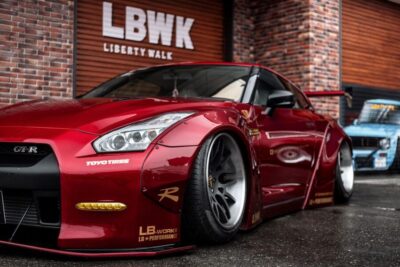
GT-R35 800hp Club Membership – secret underground car meet
Read our review →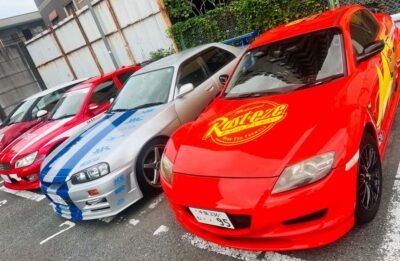
Fast & Furious Tokyo Drift 3 Experience (Kaila Yu SP)
Read our review →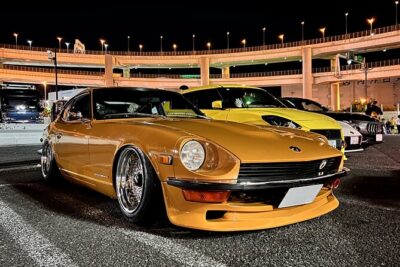
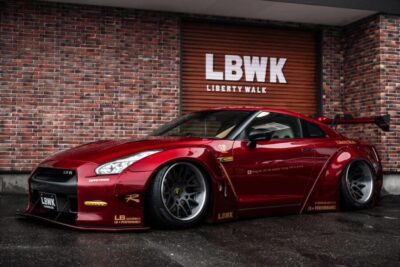
Secret Car Meet: R34 Skyline Car Club Membership
Read our review →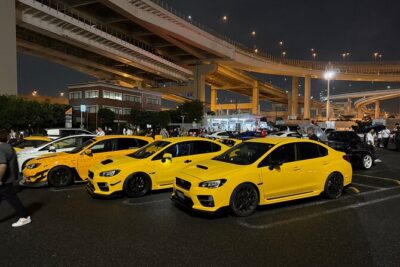
EVO, WRX, Skyline – JDM Night Run to Daikoku Car Meet
Read our review →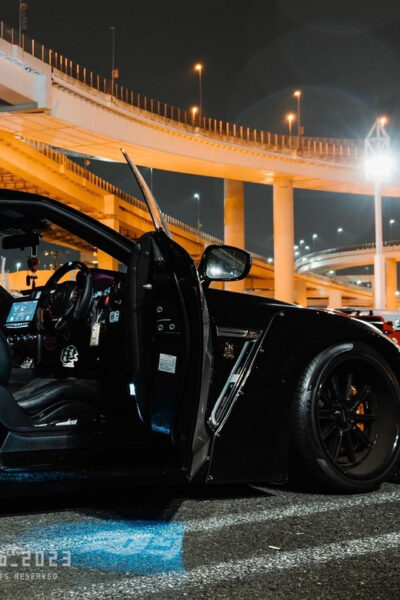
Tokyo Drift: Daikoku PA Supreme Car Experience 大黒PA
Read our review →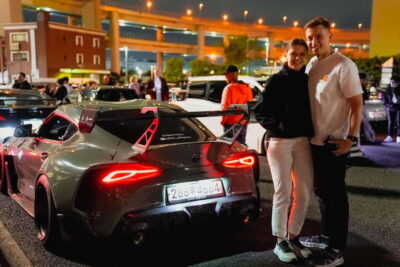
Go Daikoku PA Fast & Furious 3 Sports Car Meetup
Read our review →Browse the lists this tour appears in