
Reviewed · JDM & CAR CULTURE TOURS
Tokyo Night Drive: Daikoku PA Car Culture & Wangan Midnight
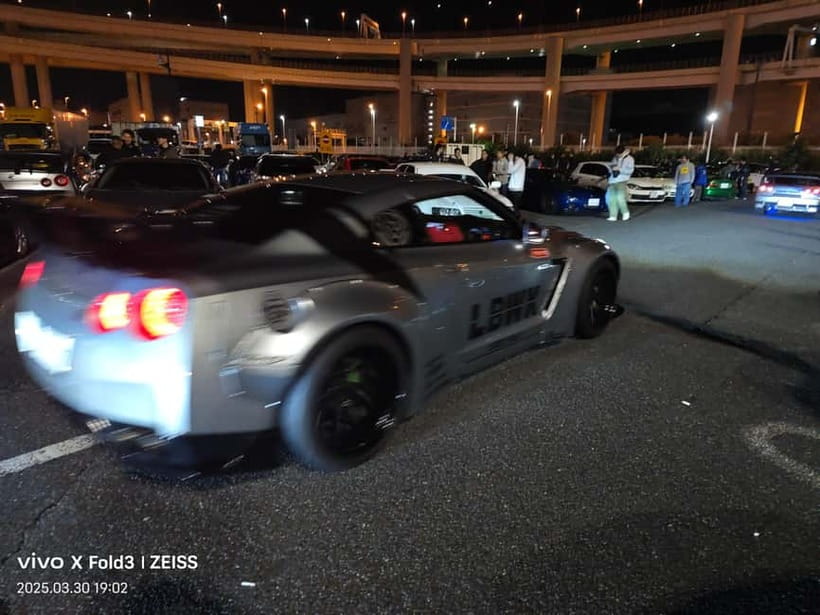
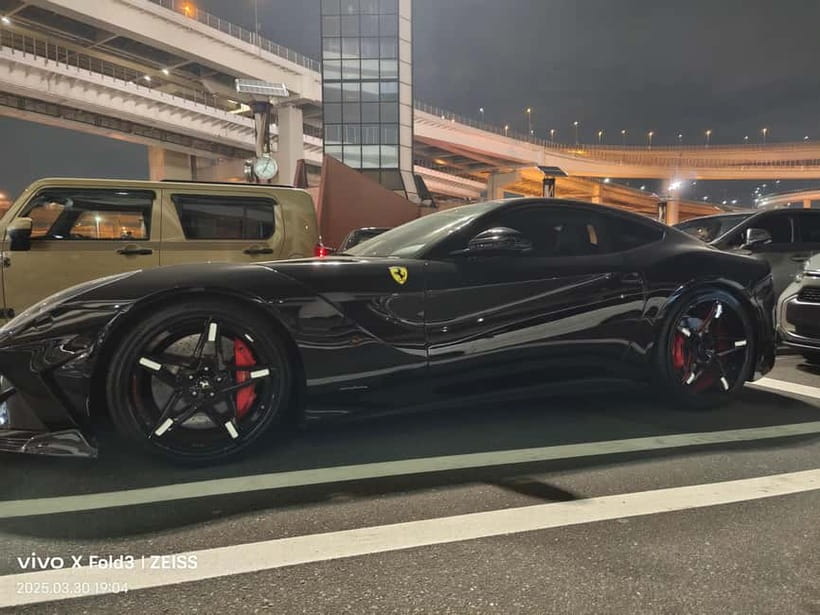
At Daikoku Parking Area, Tokyo’s car culture shifts from screen fantasy to something you can see, hear, and photograph. Rare cars, bold modifications, and the echo of engines beneath the highway loop give the stop its strongest Wangan Midnight feel. You also get night views of Rainbow Bridge, Tokyo Tower, and the bayside skyline.
I like the small group of four, which makes the ride more personal and keeps the stops manageable. I also like the A PIT Autobacs visit, since it adds car parts, gear, and Japanese tuning culture to the outdoor meet. The main drawback is price: at $93 per person, this is good value for committed car fans, but it can feel costly if you mainly want a short transfer to Daikoku.
In This Review
- Key points at a glance
- What the four-hour night drive is really about
- Starting in Akihabara and settling into the ride
- A PIT Autobacs: a useful stop before or after Daikoku
- Rainbow Bridge and the Tokyo bayside at night
- Tokyo Tower gives the night a classic landmark
- Daikoku PA is the main event
- How the price works at $93
- Who will enjoy this most
- Timing, comfort, and the return to central Tokyo
- Should you book the Tokyo Night Drive?
- FAQ
- Where does the tour usually start?
- How long does the experience last?
- How many people are in the group?
- Which languages are available?
- Is transportation included?
- How long do you spend at Daikoku Parking Area?
- Does the tour visit A PIT Autobacs?
- Can I see Tokyo Tower and Rainbow Bridge?
- Where can the tour finish?
- What should I bring?
- Can I cancel the booking?
Key points at a glance
- Daikoku PA for one hour: See modified cars gathered at one of Japan’s best-known car meeting spots.
- A PIT Autobacs in Shinonome: Spend 30 minutes in a famous automotive store filled with tuning parts and car-related goods.
- Tokyo after dark: Drive past Rainbow Bridge, Tokyo Tower, and the futuristic bayside skyline.
- Small-group format: The van or car carries no more than four participants, with transportation and highway fees included.
- Guides Lee and Kaku: These guides have been praised for being friendly, communicative, and easygoing.
- Flexible finish: You may end in Akihabara or Ginza, with the planned finish listed as Marunouchi.
What the four-hour night drive is really about
This is not a standard sightseeing bus tour. It is a compact night drive built around Tokyo’s modified-car scene and the atmosphere of the Wangan route.
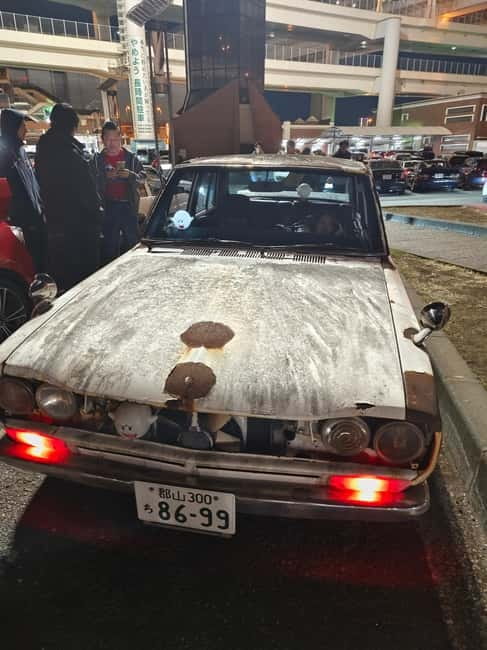
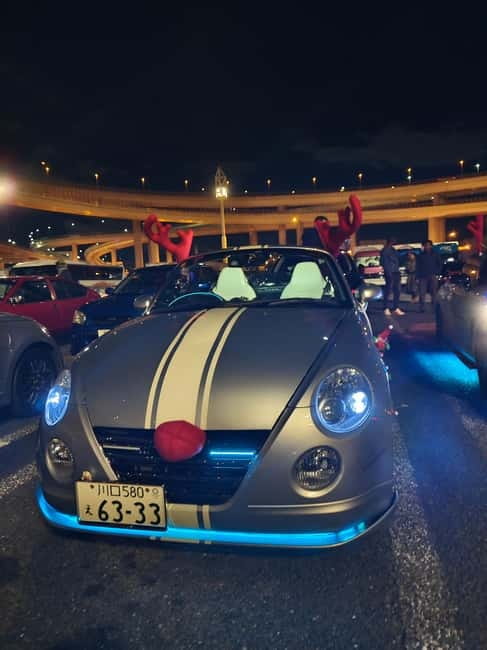
The central moment comes at Daikoku PA, a large highway service area in Yokohama, where car owners gather with tuned, restored, specially painted, and otherwise unusual vehicles. The setting matters. The parking area sits within a ring of elevated expressway, and the enclosed shape gives the place a distinctive echo. Even when the cars are parked, the location feels tied to Tokyo’s late-night driving culture.
The tour also gives you a moving view of the city. You pass through the bayside area, see Rainbow Bridge at night, and drive by Tokyo Tower. These are brief sightseeing moments rather than long photo stops, but they help make the outing feel like a full Tokyo night rather than a simple trip to a parking lot.
More car-culture meets:
- GT-R35 800hp Club Membership – secret underground car meet
★ 4.8 · 998 reviews - Tokyo: Fast & Furious Tokyo Drift 3 Experience (Kaila Yu SP)
★ 4.8 · 947 reviews - Tokyo: Daikoku JDM Car Meet & Night Car Culture Tour
★ 4.8 · 626 reviews
Starting in Akihabara and settling into the ride
The tour usually begins in Akihabara, Tokyo’s electronics and anime district. The exact meeting details are sent through WhatsApp, and the guide contacts you the day before to confirm the arrangements. Pay attention to those messages. In a city with many train exits and crowded streets, a clear meeting point matters.
Transportation, highway costs, and a charger are included. That last item is useful on a night built around photos and video, since a phone battery can disappear quickly when you are filming cars and city lights.
The drive itself is part of the experience. You are not simply being taken from one attraction to another. The route lets you watch Tokyo change from dense central streets to wide expressways and the industrial bayside. For a car enthusiast, the road time helps set the mood. For anyone less focused on cars, it may feel like a long transfer between stops.
With space for only four participants, you should expect a more direct outing than a large coach tour. You can ask questions and keep track of the group more easily. The tradeoff is that the small-group setting does not make the price low. At $93, you are paying for the private feel, the driving route, and access to a hard-to-reach car meet, not for a long list of formal attractions.
A PIT Autobacs: a useful stop before or after Daikoku
The 30-minute stop at A PIT Autobacs in Shinonome gives the tour a different angle on Japanese car culture. Daikoku is about the cars people bring together. A PIT Autobacs is about the products, parts, accessories, clothing, and car-centered lifestyle surrounding them.
You do not need to be a mechanic to enjoy the stop. The store is a practical place to browse Japanese tuning culture and find souvenirs that are more specific than ordinary Tokyo shopping. The short time limit keeps the visit focused, though serious shoppers may wish they had longer.
This stop also helps explain why the tour includes a shop rather than only a parking area. A car meet can be visually exciting, but it may not mean much if you do not already follow Japanese performance cars. A PIT Autobacs gives you context through the equipment and merchandise connected to that scene.
The order can matter to your enjoyment. The listed route places A PIT Autobacs before Rainbow Bridge, Tokyo Tower, and Daikoku PA. That creates a gradual build from car culture as retail experience to car culture as a live gathering. The stop after Daikoku is also described as a satisfying finale by one participant, so the exact running order may vary with the guide and night.
Rainbow Bridge and the Tokyo bayside at night
The Rainbow Bridge stop lasts about 10 minutes. That is enough for a quick look and a few photographs, but not a full waterfront visit.
You will see the bridge lit against Tokyo Bay and the surrounding city. The appeal here is visual contrast: the tour moves from tuned cars and expressway sounds to clean lines, water, lights, and high-rise buildings. It is a short pause, so keep your camera ready and do not expect a long walk or a detailed guided visit.
The bayside drive is one of the reasons this works well for photographers. You get several different moods in one evening: colorful car details at Daikoku, bright retail displays at A PIT Autobacs, and broad city views from the expressway. The quick timing means you need to treat the night as a moving photo session rather than a series of leisurely stops.
A few more Tokyo bookings worth comparing
- Tokyo Night Foodie Tour in Shinjuku – Seasonal Sushi, Wagyu Beef
★ 5.0 · 1,161 reviews - Tokyo After 5: Authentic Japanese Food & Drink Night Tour
★ 4.5 · 560 reviews - EVO, WRX, Skyline – JDM Night Run to Daikoku Car Meet
★ 4.9 · 478 reviews - Tokyo: Samurai Entertainment Night Show in Kanda Shrine
★ 4.6 · 417 reviews
Tokyo Tower gives the night a classic landmark
The 30-minute Tokyo Tower visit provides the clearest traditional sightseeing moment. The tour includes a drive-by view and time at the tower, giving you a chance to photograph one of Tokyo’s most recognizable landmarks after dark.
This is a good counterweight to the specialized car theme. Someone in your group who is less interested in modified cars still gets a familiar Tokyo highlight. At the same time, car fans may appreciate the way the tower appears as part of the night drive instead of as a separate daytime attraction.
Do not book this expecting an extended Tokyo Tower tour. The information provided describes a visit and a drive past the tower, not an observation-deck admission or a detailed interior tour. Your focus remains on seeing the tower from the city and moving on through the night.
Daikoku PA is the main event
Plan on about one hour at Daikoku Parking Area. This is the part that justifies the tour for most people.
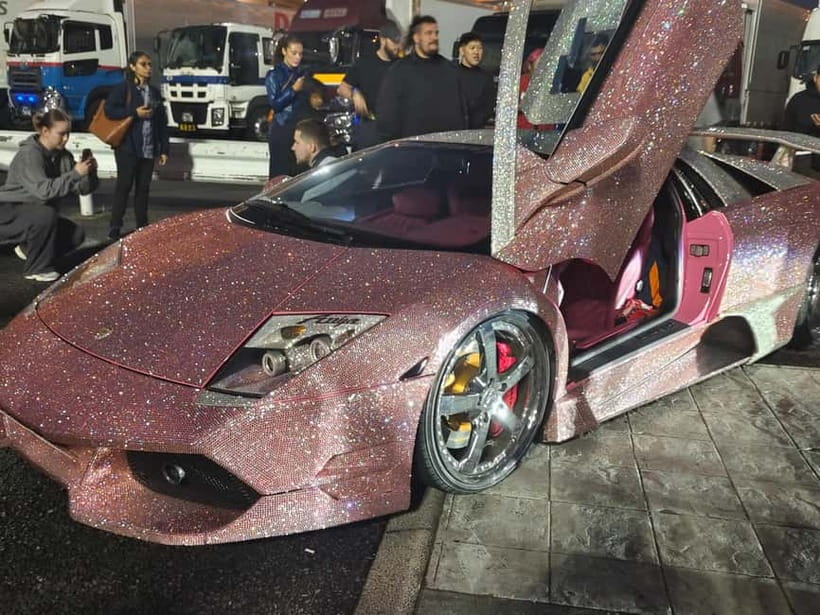
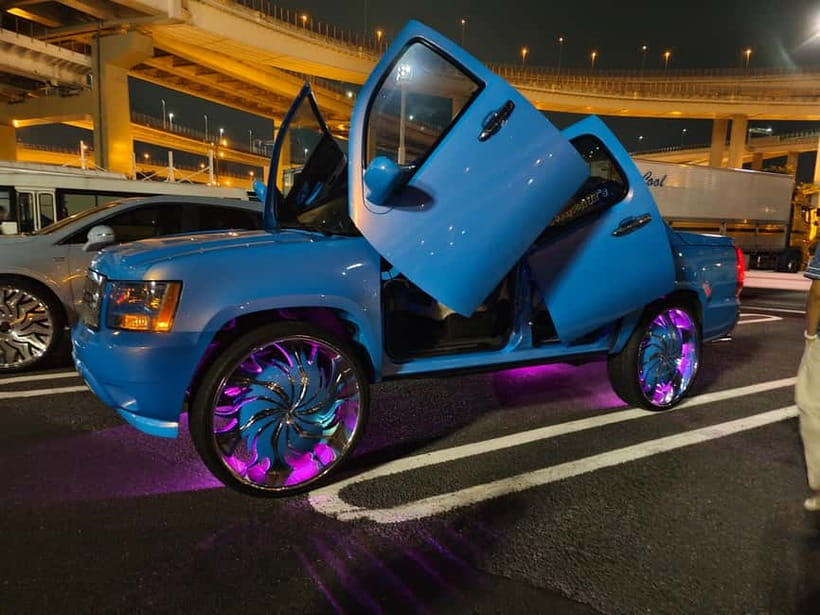
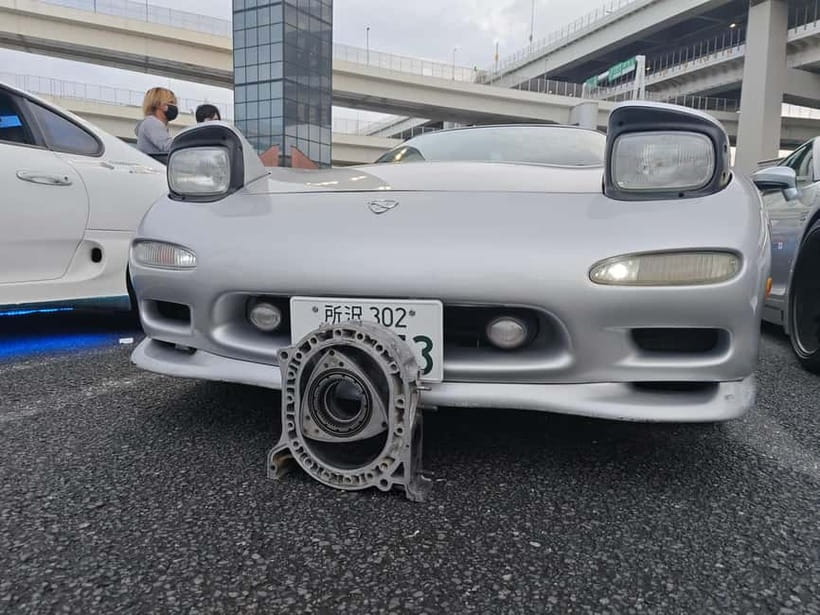
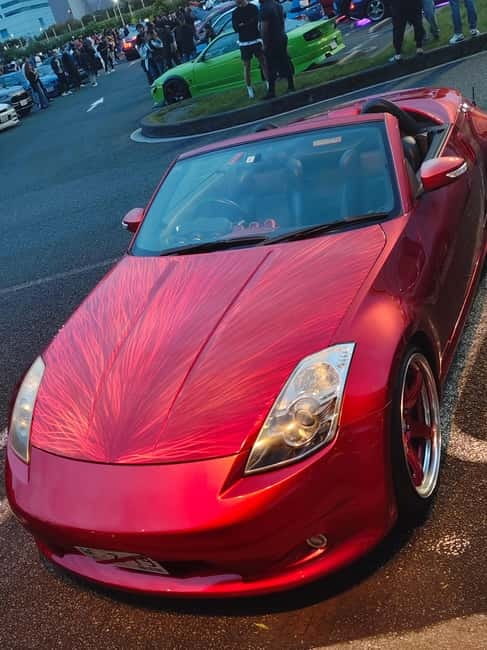
You might find older cars, newer performance models, heavily tuned vehicles, unusual paintwork, and modifications that are difficult to spot in ordinary Tokyo traffic. The gathering can change from night to night, so the exact cars are never guaranteed. That uncertainty is part of the appeal, but it also means you should not book based on one particular model you hope to see.
The setting adds drama. Elevated highway lanes circle the parking area, and the sound carries across the open space. It is a memorable place to look at cars, listen to the atmosphere, and take photographs. One particularly useful detail is that the guide waits while you explore the venue. That gives you freedom to move around rather than keeping you attached to a fixed commentary schedule.
Guides named in participant feedback include Lee and Kaku. Lee has been described as communicative, friendly, relaxed, and willing to wait while the group explored. Kaku was praised for his passion for Japanese car culture and for making the visit feel personal. Your guide may differ, but the experience depends heavily on the person driving and explaining the scene.
Remember that Daikoku is a working highway stop, not a private museum. Conditions can change, and the number or type of cars present will vary. The tour promises the location and the chance to see the meet, not a guaranteed lineup of rare machines.
The Wangan Midnight connection is best understood as atmosphere. You get expressway night driving, Tokyo’s bayside roads, modified cars, and the sense of a car world that exists after dark. You should not expect an organized street race or a chance to drive a tuned car yourself. The thrill comes from the route, the setting, and the cars gathered there.
How the price works at $93
The $93 price needs an honest look. Transportation and highway charges are included, and the group is limited to four people. That is useful in Tokyo, where Daikoku PA is not a simple central-city attraction and public transport does not make this kind of evening straightforward.
The price also covers roughly four hours, including the central Tokyo pickup, highway driving, A PIT Autobacs, three sightseeing elements, and the return toward central Tokyo. If you value convenience and want the whole night arranged, the cost is easier to defend.
But the price will not suit everyone. The actual time spent driving and at Daikoku may feel short compared with the total evening, particularly if you view the stop as simply a parking-area visit and a store visit. One clear criticism of this type of tour is that it can feel expensive for what is essentially transportation plus access to two car-related locations.
I would book it if Daikoku is a major goal and you do not want to work out the route yourself. I would skip it if you are only mildly curious about cars and would rather spend $93 on a longer food, culture, or skyline experience.
Food and drinks are not included. Eat before departure or bring what you need, while following the rules against alcohol and drugs. A passport is required, so carry it with you.
Who will enjoy this most
This outing fits dedicated car enthusiasts, photographers, and people who like Tokyo after dark. It also works for families with older children who already have an interest in performance cars. One teenager reportedly loved the experience, but children under 10 are not accepted.
You may also enjoy it if you have watched or read Wangan Midnight and want to see the locations and style that inspired its appeal. The tour connects the fictional mood to real places without pretending that you are entering a film set.
The experience is less suitable for anyone wanting slow sightseeing, a formal history tour, or guaranteed access to specific vehicles. It is also not suitable for wheelchair users or people over 70, according to the stated restrictions.
Language support is available in English and Japanese. That helps, since the guide can explain what you are seeing and make the evening easier to follow. Still, the tour’s pleasure comes mainly from looking, listening, and riding through the city, not from long lectures.
Timing, comfort, and the return to central Tokyo
The full duration is four hours, though the exact start time depends on availability. Night operations are important here, since Daikoku’s car-meet atmosphere is the reason to choose this experience over a daytime sightseeing route.
The planned finish is 2-chōme-4-1 Marunouchi. You may also choose to end in Akihabara or Ginza. That flexibility is useful if you have dinner plans, a hotel near one of those areas, or another evening activity.
The guide confirms the details the day before by email or another contact method. Keep your phone available and check WhatsApp for the pickup information. Since the meeting point is usually in Akihabara, allow enough time to reach the agreed location without rushing.
You can cancel up to 24 hours before departure for a full refund, and the reserve-now, pay-later option lets you hold a place without paying immediately. Those terms are helpful when your Tokyo schedule is still changing.
Should you book the Tokyo Night Drive?
Book this tour if Daikoku PA is high on your Tokyo wish list, you want the Wangan Midnight mood, and you value a small group with arranged transportation. The combination of Daikoku, A PIT Autobacs, Rainbow Bridge, and Tokyo Tower gives the four hours a good range, especially for a Saturday night.
Be more cautious if you are judging the price by driving time alone. At $93, the tour is not a bargain transfer. It is a specialty outing, and its value depends on how much you care about Japanese car culture.
For the right person, the one-hour Daikoku visit is the payoff. You get a practical route to a difficult-to-reach location, a guide such as Lee or Kaku may add useful local insight, and the night ends with a strong mix of cars and Tokyo lights. For a casual sightseer, the same evening may feel too narrow and too expensive.
FAQ
Where does the tour usually start?
The tour usually starts in Akihabara. The exact meeting details are sent through WhatsApp, and the guide confirms the arrangements the day before.
How long does the experience last?
The tour lasts four hours. Starting times depend on availability.
How many people are in the group?
The group is limited to four participants.
Which languages are available?
The tour is offered with a live guide in English or Japanese.
Is transportation included?
Yes. Transportation and highway costs are included in the tour price.
How long do you spend at Daikoku Parking Area?
The planned visit to Daikoku Parking Area lasts one hour.
Does the tour visit A PIT Autobacs?
Yes. The itinerary includes a 30-minute visit to the Autobacs store in Shinonome.
Can I see Tokyo Tower and Rainbow Bridge?
Yes. The route includes a 10-minute sightseeing stop at Rainbow Bridge and a 30-minute visit to Tokyo Tower.
Where can the tour finish?
The listed finish is 2-chōme-4-1 Marunouchi. You may also choose to end in Akihabara or Ginza.
What should I bring?
Bring your passport. Food and drinks are not included, and alcohol and drugs are not allowed.
Can I cancel the booking?
You can cancel up to 24 hours in advance for a full refund. You can also reserve now and pay later.
New on our Tokyo list
- Sumi-e Experience in a relaxing green tea shop in Tokyo★ 5.0 · 3 reviews
- Tokyo : Kamikaze Street Drift Ride★ 5.0 · 3 reviews
- Private Zen Meditation in English in Shinjuku, Tokyo★ 5.0 · 3 reviews
- Onsen Spa in Tokyo and Asakusa Bar Hopping with Local Guide★ 5.0 · 3 reviews
- Easy for everyone! Now you can play handmade mini shamisen and show off to everyone! Musical instruments, sweets and live music★ 5.0 · 3 reviews
- Tokyo: Private Tsukiji Street Food & Sake with Local Guide★ 5.0 · 3 reviews
- Mt Fuji Exploration Tour with Free Japanese Kusa Mochi from Tokyo★ 4.5 · 3 reviews
- Tokyo Tsukiji Fish Market Walking and Exploring Hidden Gems Tour★ 5.0 · 3 reviews
JDM & Car Culture Tours, compared.
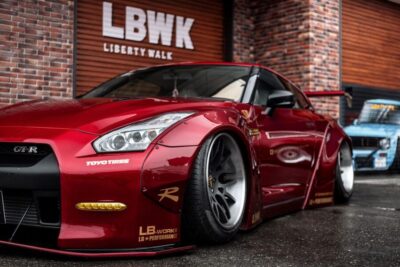
GT-R35 800hp Club Membership – secret underground car meet
Read our review →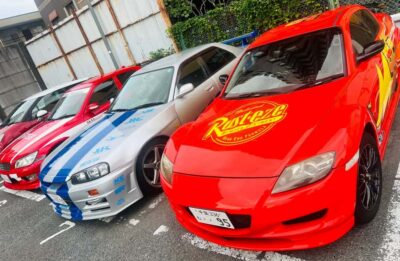
Fast & Furious Tokyo Drift 3 Experience (Kaila Yu SP)
Read our review →
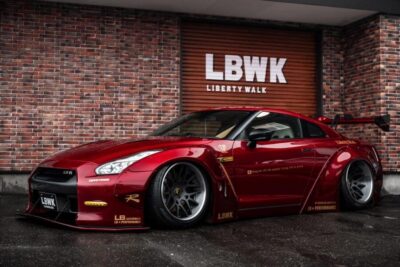
Secret Car Meet: R34 Skyline Car Club Membership
Read our review →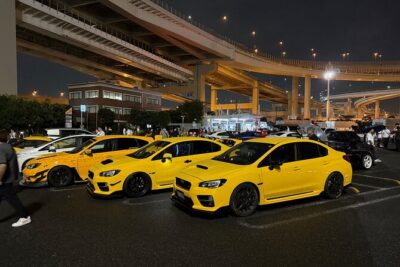
EVO, WRX, Skyline – JDM Night Run to Daikoku Car Meet
Read our review →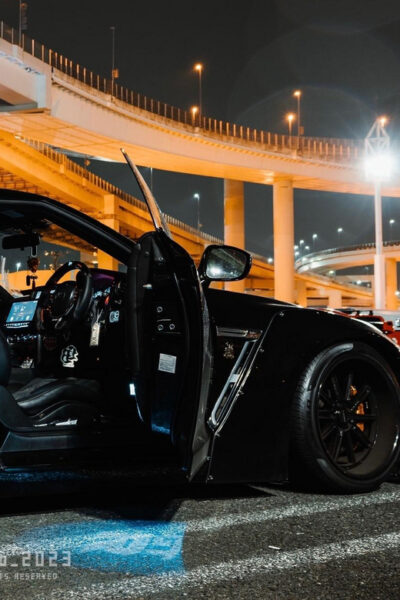
Tokyo Drift: Daikoku PA Supreme Car Experience 大黒PA
Read our review →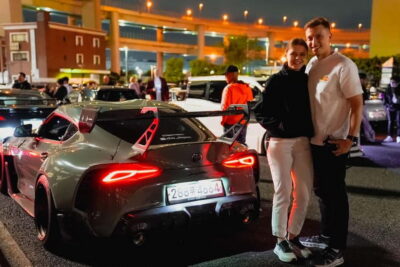
Go Daikoku PA Fast & Furious 3 Sports Car Meetup
Read our review →Browse the lists this tour appears in