
Reviewed · CYCLING TOURS
Winter Special: Clear View Mt. Fuji E-Bike Tour
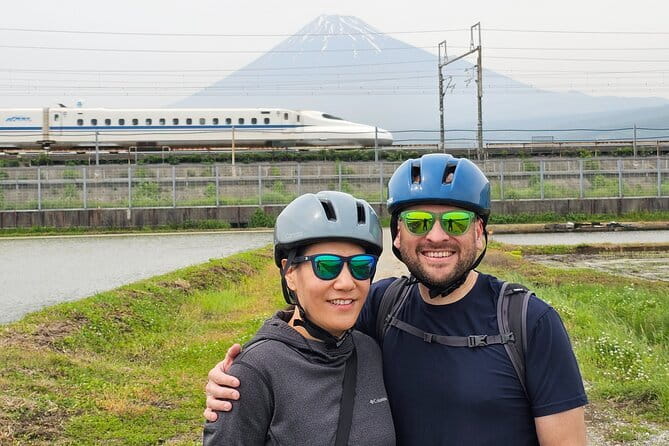
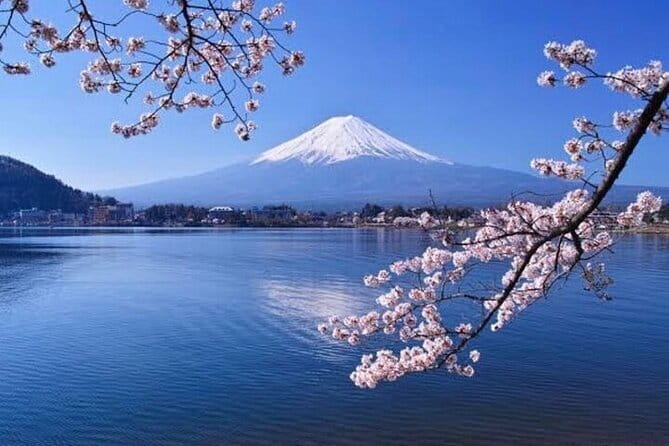
Mt. Fuji is the star here, but the best part is how often you look away from it. This small-group e-bike ride carries you from Shin-Fuji Station through quiet roads, old villages, temple grounds, spring-water spots, and the coast, showing you the everyday side of Fuji City.
I like the relaxed pace and the way electric assistance lets you cover real ground without turning the morning into a fitness test. I also like the chance to see Suruga Bay and Mt. Fuji in one outing, with guide Yasu Hasegawa adding local stories and helping with photographs. The main drawback is simple: weather controls the view, and the tour is canceled or rescheduled in poor conditions.
In This Review
- Key points at a glance
- Why Fuji City makes a better cycling base than you might expect
- Starting at Shin-Fuji Station
- Myoho-ji Temple and the road to Suruga Bay
- Yusui Park and Fuji’s spring water
- Hounji’s fountain and a taste of local life
- Fujisan Yume No Ōhashi Bridge and the big photograph
- What the e-bike changes
- Yasu Hasegawa’s role in the experience
- Is $105.42 a fair price?
- Who should book this ride?
- My verdict on the Winter Special
- FAQ
- Where does the Winter Special Mt. Fuji E-Bike Tour begin?
- Where does the tour end?
- How long does the tour last?
- How many people can join?
- What equipment is included?
- Are winter supplies provided?
- What happens if the weather is poor?
Key points at a glance
- Clear winter air: Cold-season conditions can give you some of the sharpest Mt. Fuji views of the year.
- A maximum of five people: The small group keeps the ride personal and easier to manage.
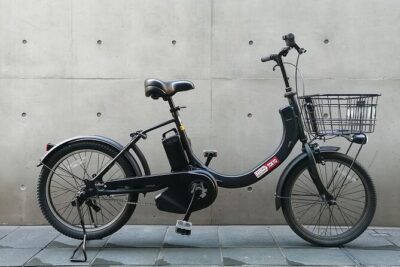
- A Miyata Ridge Runner e-bike: Electric assistance makes rural roads more approachable.
- Fuji City beyond the famous viewpoints: You ride through places most short Fuji excursions skip.
- Sea, temple, and spring water in one route: Suruga Bay and Mount Fuji share the scenery.
- Heat packs included in winter: Free kairo hand warmers are a practical touch on a chilly ride.
Why Fuji City makes a better cycling base than you might expect
Most visitors come to the Fuji area with one goal: find a clear view of Japan’s most famous mountain. That can mean crowded photo spots and a lot of waiting for clouds to move. This tour takes a different approach. You use Mt. Fuji as a recurring backdrop while learning how the city below it works.
Fuji City sits between the mountain and Suruga Bay. That gives the ride more variety than a simple countryside loop. You can see the coast, a temple, traditional neighborhoods, roadside water sources, and city views in a single morning.
I especially like the local scale. You are not being rushed from one major attraction to another. The stops are short, but they create a useful rhythm: ride, pause, look around, take a photograph, then continue. At two and a half hours, the outing is long enough to feel like an activity rather than a quick photo transfer, yet short enough to fit beside other plans.
The group limit matters. With no more than five people, Yasu can keep an eye on the pace, answer questions, and help with photographs. Past outings led by Yasu have also included families and mixed-age groups, with the e-bike making it easier for adults and children to enjoy the same route.
More Mt Fuji days from Mt Fuji Area:
- Mt Fuji and Hakone 1-Day Bus Tour Return by Bullet Train
★ 5.0 · 26,383 reviews - Mt Fuji & Hakone Cruise, Drum Show Bullet Train 1 Day from Tokyo
★ 4.0 · 7,413 reviews - Tokyo Mt Fuji 5th St & Hakone Cruise Bus Tour w/Bullet Train
★ 4.4 · 5,024 reviews
Starting at Shin-Fuji Station
You meet at the south exit of Shin-Fuji Station, in Kawanarijima, Fuji. This is a practical starting point because the tour begins and ends in the same place, so you do not need to arrange a separate return transfer.
The meeting point also makes the experience easy to add to a wider Japan itinerary. You can arrive at the station, join the ride, and finish where you started. The listed tour time includes the full outing from departure through the return, not just the time spent moving between attractions.
Before setting off, you receive a rental helmet and an electric-assisted Miyata Ridge Runner bicycle. Insurance is included, and winter bookings come with free kairo heat packs. Bring your own drink because bottled water is not supplied.
You should still dress for a real outdoor ride. Winter sun can look pleasant while the moving air feels cold, especially near the coast. Gloves and layers are sensible, and the heat packs are useful for keeping hands comfortable during photo stops.
Myoho-ji Temple and the road to Suruga Bay
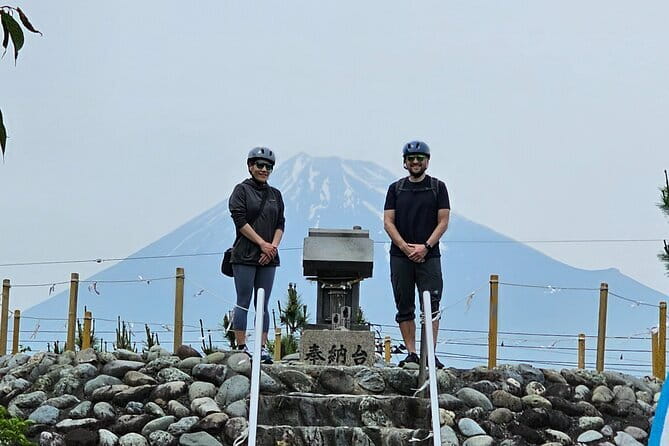
The first substantial stop is Bishamonten Myoho-ji Temple, one of Fuji City’s best-known temples. You have about 10 minutes here, enough to pause, look around, and take in the setting before continuing toward the sea.
The temple adds a cultural note before the route opens into rural roads and coastal scenery. That contrast is one of the tour’s strengths. You are not seeing Fuji as an isolated postcard. You are seeing the religious sites, homes, roads, and water sources that form the town around it.
From the temple, you cycle toward Suruga Bay. The bay is Japan’s deepest, and the route gives you views of both the water and Mt. Fuji. That pairing is especially pleasing because the mountain’s scale becomes easier to judge when you can also see the broad sweep of the bay.
The roads are described as quiet rural routes, but you should still treat this as a cycling activity, not a sightseeing bus ride. You will be outside for the full duration, and the route includes ordinary roads rather than a dedicated attraction path. The e-bike reduces effort, but it does not remove the need to pay attention to the road.
Yusui Park and Fuji’s spring water
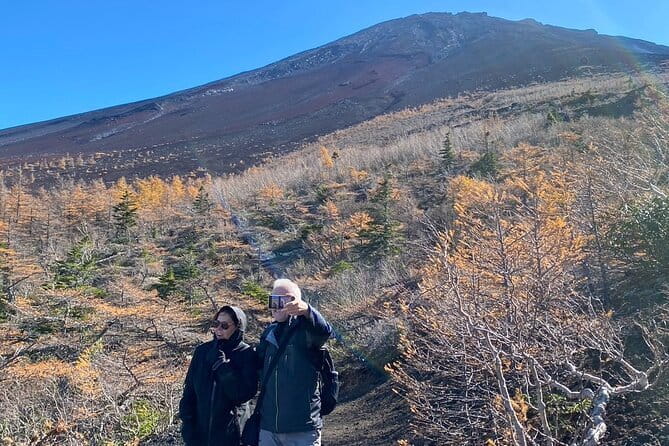
Yusui Park is one of the more distinctive stops. Here, you visit spring-water sites fed by Mount Fuji. The water is part of the mountain’s practical life, not simply something to admire from a distance.
This stop gives the tour a useful bit of physical context. Snow and rain from Mt. Fuji move through the ground and emerge as clear spring water around the city. You get to see one small piece of the connection between the mountain and the communities at its foot.
You have about 10 minutes at Yusui Park. That is enough for a short visit, but not a long nature walk or extended break. If you enjoy small local details more than large monuments, this may be one of the most rewarding parts of the ride.
The spring-water stops also help break up the scenery. A clear mountain view can be spectacular, but it is not guaranteed to last all day. Even if clouds gather later, the water sites and village roads give the outing substance beyond the main photograph.
A few more Mt Fuji Area bookings worth comparing
- Lake Kawaguchi Explorer: E-Bike Guided Tour
★ 5.0 · 15 reviews - Mount Fuji E-Bike Tour: Explore Nature and History
★ 5.0 · 7 reviews - Shizuoka : Private Adventure E-bike Tour around Mt Fuji
★ 5.0 · 4 reviews - Tokyo Guided Small-Group Biking Tour
★ 5.0 · 1,250 reviews
Hounji’s fountain and a taste of local life
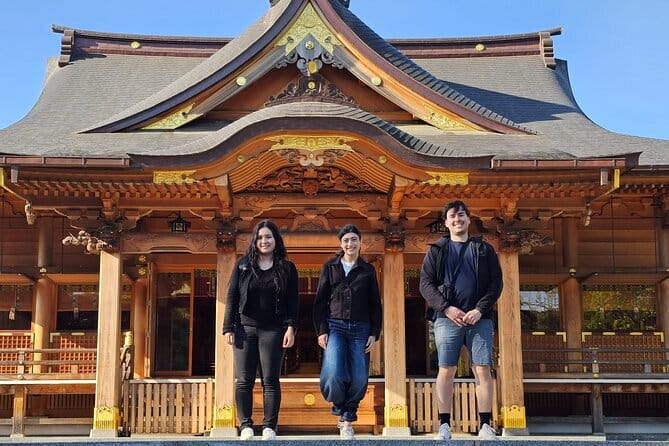
The next stop is Hounji, where a beautiful fountain provides another chance to see and drink Mount Fuji spring water. The stop lasts about five minutes, so expect a quick pause rather than a full temple visit.
That short length is worth noting. This is a sightseeing ride with several brief stops, not a tour built around long indoor visits. You will get an introduction to each place, then return to the bike. If you prefer a slow, detailed examination of one temple, museum, or garden, you may find the timing brisk.
I like how Hounji fits the wider idea of the tour. The route is not only about looking at Mt. Fuji. It shows what the mountain supplies to the city, and how local places connect scenery with daily life. Yasu’s role is important here. His strongest quality, based on the way the outing is presented and past guest experiences, is his pride in Fuji City and his willingness to explain its customs, culture, and industries.
Fujisan Yume No Ōhashi Bridge and the big photograph
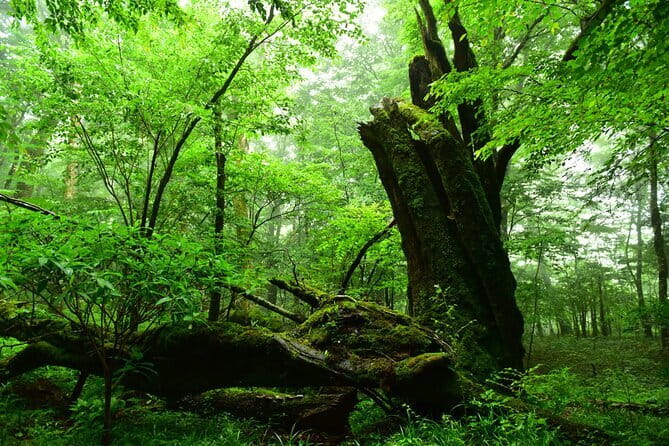
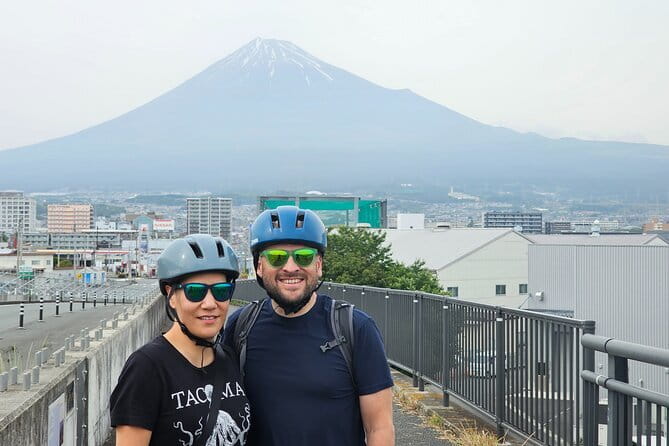
The final major stop is Fujisan Yume No Ōhashi Bridge. This is the grand viewpoint of the ride, with a broad view of Mt. Fuji from the bridge.
The south side has a staircase with 50 steps. That detail matters if you are carrying a camera, managing a child, or simply hoping for the best angle without extra effort. The bike handles the riding, but the bridge still asks you to walk the stairs if you want to use that side.
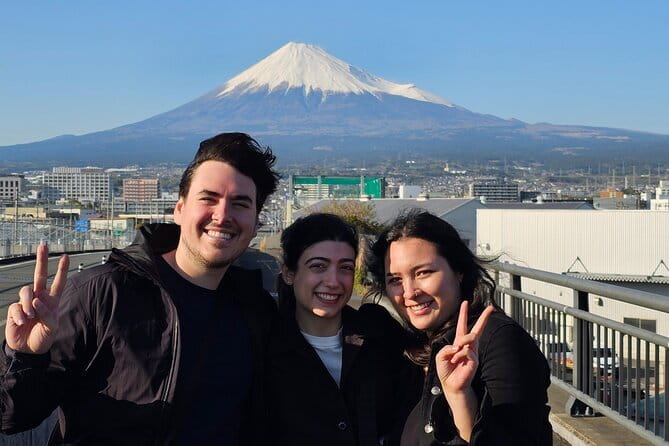
This is likely where you will spend the most time thinking about the tour’s title. Winter air can be crisp and clear, giving Mt. Fuji a sharper outline than you might see in humid summer conditions. Still, no guide can promise a cloud-free mountain. The excursion requires good weather, and if poor conditions force cancellation, you are offered another date or a full refund.
Past rides have included plenty of help with photographs. That is useful at a viewpoint where composition can be tricky. Yasu has also been praised for keeping the experience interesting for both children and adults, which makes the bridge a good shared stop for a family group.
What the e-bike changes
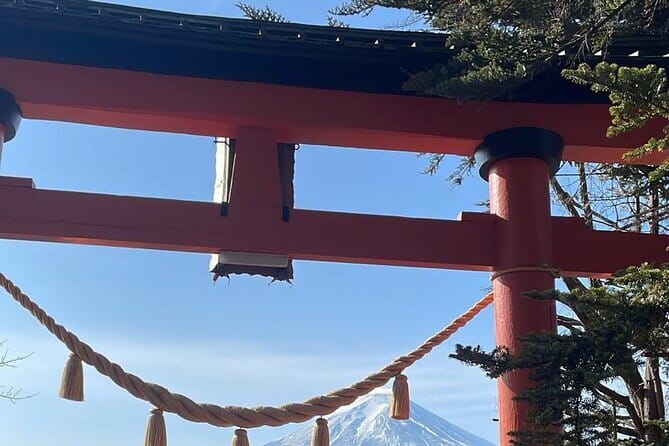
The included Miyata Ridge Runner is not just a nice extra. It changes who can reasonably choose this tour. You can ride farther than you might on foot, reach the coast and bridge, and still have energy to enjoy the stops.
Electric assistance is not the same as sitting back in a vehicle. You still pedal, steer, and share the road. The benefit is that the bike helps smooth out the physical demands, making the ride more relaxed for people who cycle occasionally.
I would choose this tour if you want movement without a hard workout. It suits couples, families, and small groups who want scenery and conversation rather than a race. The maximum of five also means the guide can adapt the pace more easily than on a large group excursion.
You should be comfortable riding a bicycle and spending two and a half hours outdoors. The available information says most people can participate, but it does not provide a detailed accessibility assessment or specific route gradient information. If you have concerns about cycling, stairs, or balance, ask the operator before booking.
Yasu Hasegawa’s role in the experience
A good guide can turn a pleasant bike route into a useful introduction to a place. Yasu Hasegawa is named as the guide associated with these rides, and his approach is a clear part of the experience.
His focus is not limited to pointing out Mt. Fuji. He explains Fuji City’s traditions, culture, and industries, and he takes pride in showing how local people live. That matters because the route itself uses ordinary settings: villages, roads, temples, water sources, and the coast.
Yasu has also handled difficult weather conditions in past outings, including very hot summer rides, by providing air-conditioned vests on those occasions. Those cooling vests are not listed as part of this winter tour, so you should not expect them in cold weather. The winter version instead includes kairo heat packs.
The strongest praise connected to the guide centers on kindness, care, entertainment, and help with photographs. That combination should suit you if you want more than a rental bike and a map. You are paying for local explanation and company as well as the equipment.
Is $105.42 a fair price?
At $105.42 per person, this is not the cheapest way to see Mt. Fuji. You could visit a public viewpoint on your own for much less. The value comes from combining several things in one compact outing: an e-bike, helmet, guide, insurance, a small group, route planning, and stops across different parts of Fuji City.
The price makes more sense if you would otherwise need to arrange bicycle rental, navigation, and transport between the temple, coast, spring-water sites, and bridge. You also avoid spending your limited time working out a route through unfamiliar streets.
The group size strengthens the value. A maximum of five people is much more personal than a large coach excursion, and the guide can help with pictures and questions. I would consider the cost worthwhile for a first visit to Fuji City, especially if clear winter views are high on your list.
It is less compelling if your only goal is one quick Mt. Fuji photograph. In that case, a single viewpoint may be cheaper and faster. This tour earns its price by giving you a broader look at the city and its connection to the mountain.
Who should book this ride?
You should consider it if you want:
- A quiet alternative to the busier Hakone and Kawaguchiko areas.
- A small-group outing with a named local guide.
- A balance of scenery, culture, and gentle activity.
- A chance to see both Suruga Bay and Mt. Fuji.
- A family-friendly format where electric assistance reduces strain.
- A winter morning outdoors, with heat packs supplied.
I would be more cautious if you dislike cold weather, cannot comfortably ride a bicycle, or need a guaranteed view of Mt. Fuji. The weather policy is fair, but a mountain view remains a natural event, not a scheduled performance.
Cancellation is flexible up to 24 hours before the start for a full refund. Inside 24 hours, changes and cancellations are not accepted and the payment is not refunded. If bad weather cancels the experience, you can choose another date or receive a full refund.
My verdict on the Winter Special
I like this tour because it treats Fuji City as a real place, not just a frame for Mt. Fuji. You get the mountain, but you also get spring water, a temple, a deep bay, quiet roads, and a bridge viewpoint, all without spending the day in a crowded sightseeing circuit.
Book it if you want an active and personal way to meet the quieter side of the Fuji area. The best match is someone who values local explanation and varied scenery as much as the perfect photograph. If you need a guaranteed clear view or prefer an indoor cultural tour, choose something less dependent on weather.
FAQ
Where does the Winter Special Mt. Fuji E-Bike Tour begin?
The tour begins at the south exit of Shin-Fuji Station in Kawanarijima, Fuji, Shizuoka.
Where does the tour end?
The activity ends back at Shin-Fuji Station, the same place where it starts.
How long does the tour last?
The tour lasts approximately 2 hours and 30 minutes. This includes the ride, stops, and return to the meeting point.
How many people can join?
The tour has a maximum of five travelers.
What equipment is included?
You receive a Miyata Ridge Runner electric-assisted bicycle and a rental helmet. The operator also covers the insurance fee.
Are winter supplies provided?
Yes. Free kairo heat packs are provided during the winter season.
What happens if the weather is poor?
The tour requires good weather. If the operator cancels because of poor conditions, you can choose a different date or receive a full refund.
More Winter Activities in Mt Fuji Area
- Mt. Fuji Skiing Experience- YETI Ski Resort & Onsen Day Trip
★ 4.2 · 8 reviews - From Tokyo: Private Tour Snow Monkey Park & Zenko-ji Temple
★ 4.7 · 184 reviews - Nagano Snow Monkey 1 Day Tour with Beef Sukiyaki Lunch from Tokyo
★ 4.5 · 123 reviews - Nagano Tokyo: Snow Monkey Private Day Tour Hotel Pick & Drop
★ 4.7 · 84 reviews
More E-Bikes in Mt Fuji Area
- Tokyo Top Highlights 3h Guided E-bike Tour
★ 5.0 · 714 reviews - 3h Tokyo E-Bike Tour: Hidden Gems, and Local Life with guide
★ 5.0 · 670 reviews - Tokyo: 3-Hour Bike or E-Bike City Highlights Tour
★ 4.8 · 435 reviews - Tokyo: 3-hour Guided E-Bike Tour of the City’s Hidden Gems
★ 4.8 · 251 reviews
New on our Mt Fuji Area list
- Mt Fuji Exploration Tour with Free Japanese Kusa Mochi from Tokyo★ 4.5 · 3 reviews
- Mount Fuji – Private Tour with English Speaking Chauffeur★ 3.7 · 3 reviews
- Day Trip To Mount Fuji and Hakone from Tokyo with English Guide★ 4.5 · 3 reviews
- 3-Row Luxury Bus Tour to Mt. Fuji, Lake Kawaguchi from Tokyo★ 4.3 · 3 reviews
- Full Day Private Tour of Mt Fuji★ 5.0 · 3 reviews
- From Tokyo: Mount Fuji One Day Private And Customized Tour★ 4.7 · 3 reviews
- Mt Fuji, Hakone Private Tour by Car Pickup from Tokyo★ 5.0 · 3 reviews
- Mt. Fuji 5th Station Oshino Hakkai & Gotemba, Hot Spring Day Tour★ 5.0 · 3 reviews
Cycling Tours, compared.
3h Tokyo E-Bike Tour: Hidden Gems, and Local Life with guide
Read our review →
3-hour Guided E-Bike Tour of the City’s Hidden Gems
Read our review →
3-Hour Bike/E-Bike Tour of the City’s Highlights
Read our review →Browse the lists this tour appears in