
Reviewed · CYCLING TOURS
Tokyo: 3-Hour Bike/E-Bike Tour of the City’s Highlights
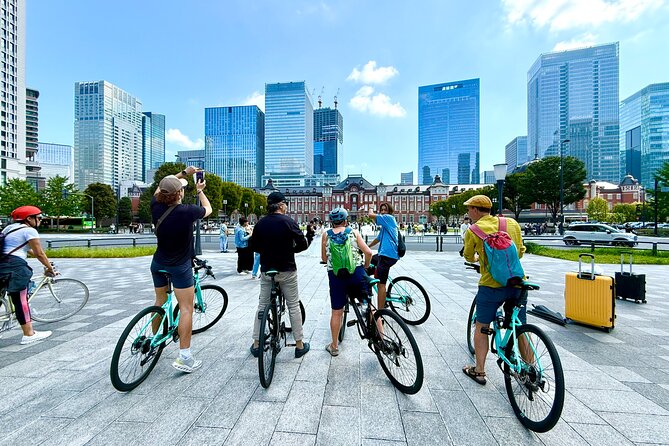
Tokyo’s scale makes sightseeing by bike a smart move. In three hours, you can pedal from the temple grounds of Zojo-ji to Shibuya Crossing, with the Imperial Palace, Tokyo Station, Akasaka Palace, the National Stadium, and Aoyama along the way. It is a quick way to get your bearings in a city that can otherwise take days to understand.
I like two things here: the route gives you a useful first look at several very different parts of Tokyo, and the guides take care of navigation while sharing local stories. Guides including Naoki, Hiroto, Sho, Rinto, Rin, Kei, and Casey have been singled out for friendly, careful leadership. The e-bike option also helps make the distance manageable.
The catch is that you ride through city traffic and sometimes crowded streets. You need a moderate level of fitness and confidence on a bicycle, and the frequent five to 15-minute stops leave limited time for long visits or detailed sightseeing. A helmet is not included and costs ¥1,000 in cash.
In This Review
- Key points to know before you book
- Why a bike is a good match for Tokyo
- Starting beside Zojo-ji and Tokyo Tower
- Seeing the Imperial Palace from the outside
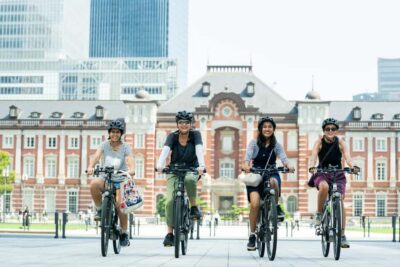
- Tokyo Station and the red-brick Marunouchi side
- Akasaka Palace and the Olympic stadium
- Aoyama streets and the changing face of Tokyo
- Riding through Shibuya Crossing
- Finishing near Yoyogi Park and Harajuku
- E-bikes, helmets, rain, and comfort
- What the ¥63 price buys you
- Choosing your guide and departure time
- Who should book this ride?
- Should you book the Tokyo bike tour?
- FAQ
- How long is the Tokyo bike tour?
- Where does the tour begin?
- Where does the tour end?
- Is the bicycle included?
- Is an e-bike available?
- Is a helmet included?
- Can I request a child seat?
- What happens if it rains?
- Can I cancel for a refund?
Key points to know before you book
- Eight major areas in one ride: The route links old temples, imperial landmarks, Olympic sites, fashion streets, and Shibuya.
- A useful first-day orientation: Finish in Jinnan, within walking distance of Yoyogi Park and Shibuya Station.
- E-bikes reduce the effort: Pedal assist makes the long route easier, especially in hot weather or when your group has mixed fitness levels.
- Traffic is part of the experience: You may ride on roads and through crowded areas, including the famous Shibuya Crossing.
- Short stops favor overview over depth: You will see a lot, but most places are photo and explanation stops rather than extended visits.
- Small extra costs matter: Bike use, raincoats on rainy days, insurance, and a phone pouch are included. Helmets and child seats cost extra.
Why a bike is a good match for Tokyo
Tokyo is not one compact sightseeing district. Its main sights spread across a large area, and the city changes character from one neighborhood to the next. A train gets you across town quickly, but underground travel can hide the connections between places. A bike lets you see the streets between the famous stops.
That is the main value of this tour. You are not simply ticking off one attraction. You are moving from Minato to the Imperial Palace area, then toward Akasaka, Aoyama, Harajuku, and Shibuya. The route gives you a visual map of central Tokyo that is hard to build from subway stations alone.
The guides lead the way and help keep the group together. Several guides have been praised for checking on slower riders and setting a comfortable pace. That matters in Tokyo, where a wrong turn or a missed signal can quickly separate a group.
The ride is not a leisurely park outing from start to finish. You may share roads with traffic, cross busy areas, and ride through the heart of the city. The tour works best if you already ride a bicycle in urban settings and can stay alert while listening for directions.
A few more Tokyo bookings worth comparing
- Tokyo Guided Small-Group Biking Tour
★ 5.0 · 1,250 reviews - Tokyo Great Cycling Tour
★ 5.0 · 811 reviews - Tokyo Top Highlights 3h Guided E-bike Tour
★ 5.0 · 714 reviews
Starting beside Zojo-ji and Tokyo Tower
The meeting point is the Statue of Commodore Perry at 2-chome-2-20 Shibakoen in Minato City. This location is near Zojo-ji, the first major stop, though you should allow time to find the exact statue. One person found the meeting point difficult to identify, so do not rely on a last-minute arrival.
Zojo-ji is an excellent place to begin. This Buddhist temple sits beside Tokyo Tower and connects modern Tokyo with the city’s older religious and political past. The temple is also associated with the Tokugawa shoguns, and its grounds include memorials linked to important figures from Japan’s past.
The scheduled stop is only about five minutes. That is enough for a quick look and a few photographs, but not enough for a full temple visit. I would treat Zojo-ji as an introduction rather than the main event. If you want to explore the temple at length, return on your own after the ride.
From here, the bike route gives you an early taste of the tour’s appeal. Instead of walking long blocks or boarding another train, you continue directly toward the Imperial Palace.
Seeing the Imperial Palace from the outside
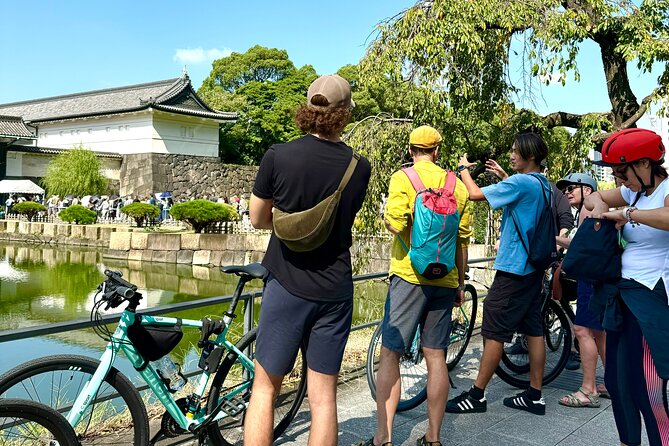
The Imperial Palace is the residence of Japan’s Emperor and one of Tokyo’s central landmarks. The tour includes about 15 minutes here, followed by a stop at the Kokyo Otemon Gate.
You should expect an exterior visit rather than an extended palace tour. The palace grounds are large, and access to certain areas is restricted or controlled. The value of this stop comes from the guide’s explanation and from seeing how the imperial center fits into modern Tokyo.
Kokyo Otemon Gate gives you a more tangible historic feature. This impressive gate is one of the main entrances to the palace area and provides a strong photo backdrop. The ten-minute stop should allow time to look, take photographs, and hear the basic story of the site.
The palace section is one of the places where the guide’s communication matters most. A short explanation can turn a formal stone wall and gate into a meaningful stop. The strongest guides, including Naoki, Rinto, Rin, and Kei, have been praised for making history clear and easy to follow.
Tokyo Station and the red-brick Marunouchi side
Tokyo Station offers a sharp contrast to the palace grounds. Its Marunouchi facade, opened in 1914, is known for red brick and European-inspired design. It is one of the city’s most recognizable buildings and a reminder that Tokyo’s history includes both traditional Japanese forms and imported architectural ideas.
The stop lasts about ten minutes. You may view the station from outside and take photographs, but this is not a station architecture tour. If the building interests you, note its location for a return visit. Tokyo Station is also a useful transport hub for exploring other parts of the city later.
I like this part of the route because it shows Tokyo’s range without requiring a long transfer. In a few minutes, you move from imperial walls to a major railway station surrounded by modern office buildings and shopping streets.
Still, do not expect a long photo session at every landmark. The tour covers a lot of ground, and the schedule depends on keeping the bicycles moving.
Same corner of Tokyo, a completely different plan:
- Mt Fuji and Hakone 1-Day Bus Tour Return by Bullet Train
★ 5.0 · 26,383 reviews - 1-Day Tokyo Bus Tour
★ 5.0 · 14,250 reviews - Tokyo: TOKYO SKYTREE® Admission ticket
★ 4.5 · 11,192 reviews - Tokyo: teamLab Planets TOKYO Digital Art Museum Entry Ticket
★ 4.6 · 9,779 reviews
Akasaka Palace and the Olympic stadium
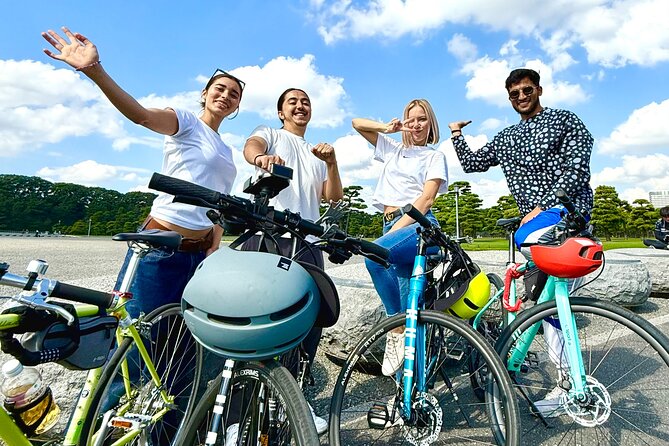
Akasaka Palace, also called the State Guesthouse, was first built as a royal villa and now serves as a state guesthouse. The scheduled visit lasts about five minutes. That makes it a quick exterior look rather than a full visit to the interiors or grounds.
The building adds another layer to the route. Zojo-ji represents religious and shogunal Tokyo, the Imperial Palace represents the current imperial center, and Akasaka Palace reflects the country’s ceremonial and diplomatic role. You get the outline of those connections, even if the stop itself is brief.
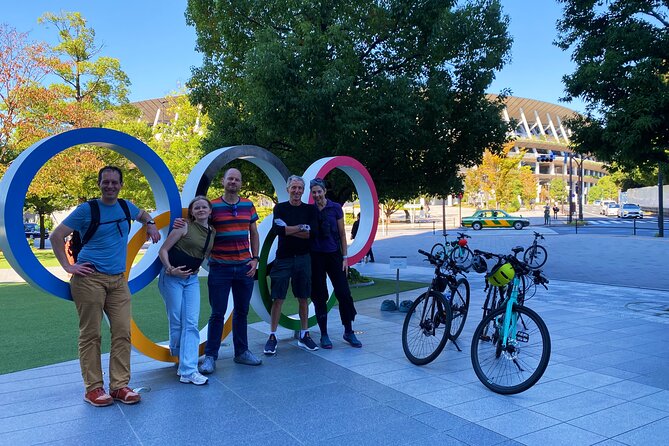
The Japan National Stadium follows with about 15 minutes. This is where the 2020 Tokyo Olympic and Paralympic Games took place. The stadium stop provides a modern counterpoint to the older palace sites and gives the ride a clear connection to recent Japanese history.
This section may appeal most if you like seeing how a city uses different kinds of public buildings. If your priority is entering attractions, though, this tour may feel light. The focus is on the route, the outside views, and the guide’s commentary.
Aoyama streets and the changing face of Tokyo
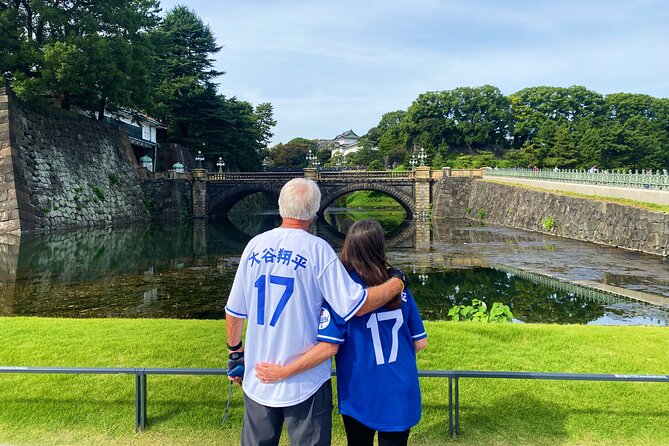
Aoyama brings you into a different Tokyo. The area is associated with high-end fashion brands, polished streets, and distinctive modern architecture. The scheduled stop is only five minutes, but the ride itself lets you see the area rather than simply arriving at one building.
That transition is one of the best reasons to choose a bicycle. You notice the change in storefronts, building styles, and street feel as you move from government and historic sites toward fashion districts. A walking tour could cover the same neighborhood, but it would not reach as many parts of central Tokyo in the same three-hour window.
The route then continues to Shibuya Cat Street. This area is known for current fashion, vintage shops, and a younger street culture. Again, the stop is brief, so think of it as a snapshot. You will not have time to browse several stores unless the guide allows extra time or your group moves quickly.
The tour is most useful if you want a broad first impression and a list of areas to revisit. Aoyama and Cat Street both deserve more time than the schedule allows, but the ride helps you decide where to spend that time later.
Riding through Shibuya Crossing
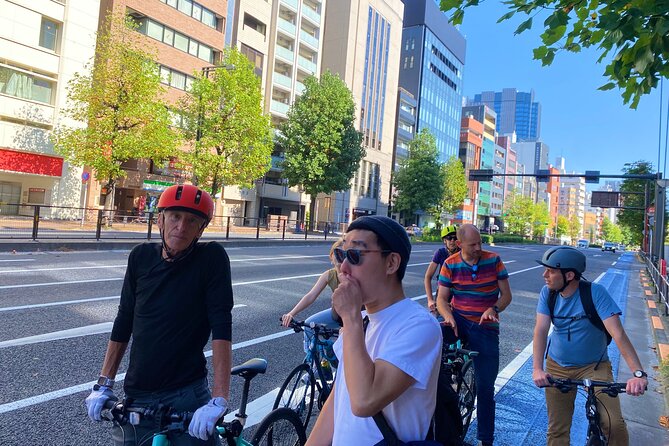
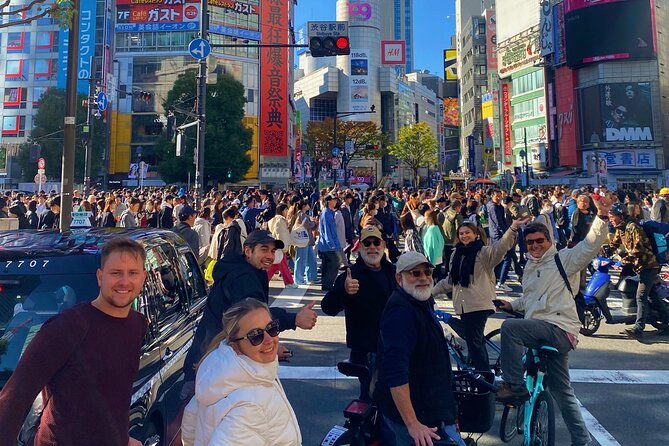
Shibuya Crossing is the grand finale for many people. The crossing is one of Tokyo’s best-known public scenes, with several streams of pedestrians moving through the intersection at once. The tour includes about five minutes here and may take you through the crossing by bike.
That is an unusual way to experience one of Tokyo’s most photographed places. You are not standing safely above the intersection with a camera. You are part of the street movement, following the guide and staying alert to the group.
The experience can feel exciting, but it can also feel stressful. Some riders found city traffic demanding at moments, while others appreciated the guides’ careful handling of the route. You should be comfortable riding around other bicycles, cars, and pedestrians before booking.
The guide’s position makes a difference. The strongest feedback describes guides riding at the front and back of small groups, checking that nobody is left behind. Follow instructions closely, avoid stopping in the middle of the crossing, and keep your attention on the road rather than trying to take photographs while riding.
Finishing near Yoyogi Park and Harajuku
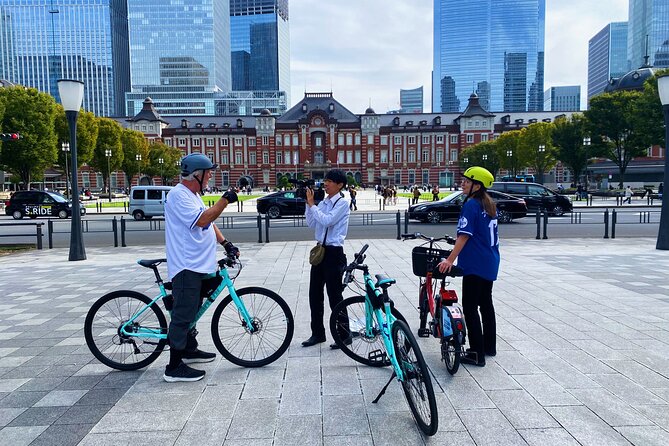
The ride ends at the Bell of Peace in Jinnan, near the shopping and dining area between Yoyogi Park and Shibuya. Yoyogi Park is about a five-minute walk away, and Shibuya Station is about ten minutes on foot. Harajuku Station is also nearby.
This is a convenient finish because you can continue sightseeing without returning to the starting point. You might walk through Yoyogi Park, explore Harajuku, or head toward Shibuya for food and shopping. A guide may also suggest a nearby dinner option, which is useful when you finish in an unfamiliar district.
The ending location is better for continuing your day than for collecting your original transport. Keep that in mind when planning. The tour begins in Minato and ends in Shibuya, so it is a one-way sightseeing route rather than a loop.
One especially appealing feature is the chance to finish near several major areas at once. You can use the ride as your morning or afternoon plan, then continue on foot after the bicycles are returned.
E-bikes, helmets, rain, and comfort
The bicycle is included in the price, and pedal-assist e-bikes are available. The e-bike option is worth serious consideration because the route is long for a three-hour city ride, even if the pace is moderate. It can also help when your group includes people with different fitness levels.
The tour requires moderate physical fitness. You will be seated and pedaling for much of the three hours, with stops between major points. One rider called the experience good exercise, while another noted that you need to be in decent shape and should not expect frequent long breaks.
Weather affects comfort. Raincoats are provided on rainy days, and the ride has gone ahead in wet conditions. Even with rain protection, Tokyo’s summer heat can make a midday ride tiring. An early start is a sensible choice in hot weather. In cooler conditions, remember that the ride ends before sunset on some departures, and wind can make your hands feel cold.
Helmets are not included. You can rent one for ¥1,000, and you need to bring cash. A child seat costs ¥3,000, also in cash, and must be arranged at least two days before the activity. Bike insurance and a small pouch for your phone, wallet, or keys are included.
Food and drinks are not included. Bring water, especially in warm weather, and plan to eat after the tour unless you have a separate arrangement.
What the ¥63 price buys you
At $63.01 per person, this is not the cheapest way to see Tokyo. You can use the rail system for much less, and you can walk through individual districts without paying for a guide. The price becomes more reasonable when you consider that it includes the bicycle, e-bike access, insurance, navigation, and three hours of local guidance.
The value is strongest for a first visit, a short stay, or a long layover. One person used the tour during a 12-hour Tokyo stop and found it a useful way to see the city quickly. If you have only a few hours, the route saves you the work of planning connections between distant districts.
The price is less compelling if you want long visits inside temples, palaces, museums, or shops. You are paying for movement and orientation, not admission tickets or extended time at each sight.
This is also a private activity according to the booking details, with only your group participating. At the same time, the experience can include multiple riders and more than one guide, so confirm the exact group arrangement when booking if that matters to you.
Choosing your guide and departure time
The guides are a major part of the experience. Naoki has been praised for explaining history clearly and handling traffic safely. Hiroto, Sho, Rinto, Rin, Kei, Casey, and K have also been described as friendly, patient, attentive, and good at keeping riders together.
The strongest guide style combines local pride with practical care. You want someone who explains what you are seeing, checks your pace, and gives clear road instructions. The difference is noticeable because the tour includes many stops with only a few minutes for context.
Departure time can change the mood. Afternoon rides may let you see Shibuya later in the day, and one rider especially liked seeing the crossing at night. In hot weather, an early departure is more comfortable. If your main goal is atmosphere around Shibuya, ask which departure will give you the timing you want.
The activity may be canceled because of poor weather. In that case, you are offered another date or a full refund. You can cancel for a full refund up to 24 hours before the start time, but cancellations or changes within 24 hours are not refunded or accepted.
Who should book this ride?
I would recommend it to a first-time Tokyo visitor who wants a fast orientation, a short-stay visitor who needs to cover ground, or anyone who prefers active sightseeing to a bus or long series of train rides. It also suits families with older children who can ride safely in city conditions.
You should be comfortable on a bicycle and prepared for traffic. This is not the right choice if you dislike urban riding, need a slow pace, or want to spend an hour inside each attraction.
If you book it, use the tour early in your Tokyo stay. The route can help you choose which neighborhoods deserve a return visit. Bring cash for the helmet, arrive early at the Commodore Perry statue, carry water, and leave room in your schedule after the finish so you can continue around Harajuku, Yoyogi Park, or Shibuya.
Should you book the Tokyo bike tour?
Book it if you want to see a wide slice of Tokyo quickly and are happy to trade long visits for movement, local explanation, and city views from the saddle. The e-bike, included rental, one-way route, and careful guides make it a practical introduction to the capital.
Skip it if you want a slow cultural tour or feel uneasy riding near traffic. For confident riders with limited time, though, this is a lively and efficient way to get your bearings, connect Tokyo’s major districts, and finish right where an afternoon or evening of exploring can continue.
FAQ
How long is the Tokyo bike tour?
The tour lasts approximately three hours, including travel time between the stops.
Where does the tour begin?
It begins at the Statue of Commodore Perry, located at 2-chome-2-20 Shibakoen, Minato City, Tokyo 105-0011, Japan.
Where does the tour end?
The tour ends at the Bell of Peace in Jinnan, near the shopping and dining area between Yoyogi Park and Shibuya. Yoyogi Park is about a five-minute walk away, and Shibuya Station is about a ten-minute walk away.
Is the bicycle included?
Yes. Bicycle use is included, along with bike insurance and a small pouch attached to the bike for a phone, wallet, or key.
Is an e-bike available?
The experience is offered as a bike or e-bike tour. The pedal-assist option can make the three-hour route easier.
Is a helmet included?
No. A helmet can be rented for ¥1,000. You should bring cash on the activity date.
Can I request a child seat?
Yes. A child seat costs ¥3,000, and you must contact the provider at least two days before the tour. Payment is in cash on the activity date.
What happens if it rains?
Raincoats are provided on rainy days. The experience requires good weather and may be canceled if conditions are poor. You will then be offered another date or a full refund.
Can I cancel for a refund?
You can cancel at least 24 hours before the start time for a full refund. Cancellations or changes made within 24 hours are not refunded or accepted.
More 3-Hour Experiences in Tokyo
- 3h Tokyo E-Bike Tour: Hidden Gems, and Local Life with guide
★ 5.0 · 670 reviews - Tokyo: 3-Hour Bike or E-Bike City Highlights Tour
★ 4.8 · 435 reviews - Tokyo: 3-hour Guided E-Bike Tour of the City’s Hidden Gems
★ 4.8 · 251 reviews - 3-Hour Tokyo Pub Crawl Nightlife Welcome Guided Tour in Shibuya
★ 5.0 · 209 reviews
New on our Tokyo list
- Tokyo Spectacular View Day-Cruise in 90 Minutes★ 5.0 · 25 reviews
- From Tokyo: Mount Fuji & Hakone Full Day Private Tour★ 4.9 · 25 reviews
- Real Tokyo Runner Club : Daikoku Car Meet Night Tour with JDM Car★ 5.0 · 25 reviews
- 2.5 Hour-Guided Cycle Tour in the Central Tokyo★ 5.0 · 25 reviews
- Ramen Making from Scratch +Akihabara Tour –Cooking Class★ 5.0 · 25 reviews
- [Self-Drive] Tokyo & Daikoku Custom Car Driving Tour★ 4.9 · 25 reviews
- Tokyo: 2-Hour Night Bike Tour of the City’s Hidden Gems★ 4.9 · 25 reviews
- Samurai themed Entertainment show in Shinjuku★ 4.5 · 25 reviews
Cycling Tours, compared.
3h Tokyo E-Bike Tour: Hidden Gems, and Local Life with guide
Read our review →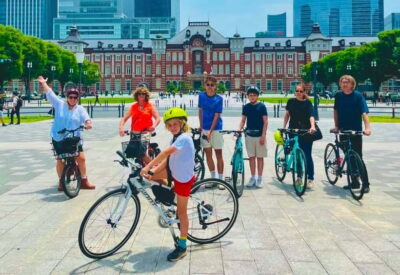
3-hour Guided E-Bike Tour of the City’s Hidden Gems
Read our review →
Browse the lists this tour appears in