
Reviewed · MUSEUMS
Yokohama: Guided Cup Noodles Museum Tour & Make Your Own Cup
Yokohama’s Cup Noodles Museum turns a simple supermarket meal into a story about invention, persistence, and worldwide food culture. You’ll see how Momofuku Ando developed instant ramen, examine a replica of his tiny work shed, and then create a cup that is yours alone. The small group, limited to four people, is a real plus, since your guide can keep the visit conversational.
I especially like the combination of useful background and hands-on fun. Guides such as Nori, Tomo, Tomoko, and Andy have helped visitors understand the exhibits, take photos, and manage the custom-cup activity. The main drawback is the food restriction: all soup options contain pork, so this is not suitable for vegetarians or vegans.
In This Review
- Key points to know before you book
- Why instant ramen makes a good museum subject
- Meeting your guide at the Yokohama museum entrance
- Momofuku Ando’s work shed and the story behind the cup
- How instant ramen is made and why the process matters
- Designing your own cup at My Cup Noodles Factory
- What the $70 price includes
- Who will get the most from this 90-minute tour
- Practical tips for a smoother visit
- What the guide adds to the experience
- Should you book the Cup Noodles Museum tour?
- FAQ
- Where does the tour begin and end?
- How long does the experience last?
- What language is the tour offered in?
- How large is the group?
- What is included in the price?
- Is a separate ramen-making class included?
- Where should I meet the guide?
- Are vegetarian or vegan soup options available?
Key points to know before you book
- Momofuku Ando’s work shed: See a replica of the modest space where instant ramen was created.
- A guide-led museum visit: An English-speaking guide adds context about ramen, food culture, and production.
- Your own cup design: Decorate the package before selecting soup and toppings.
- A compact 90-minute visit: The tour begins and ends at the Cup Noodles Museum Yokohama.
- Small-group attention: The group is limited to four participants.
- Pork in every soup: Vegetarians and vegans should skip this experience.
Why instant ramen makes a good museum subject
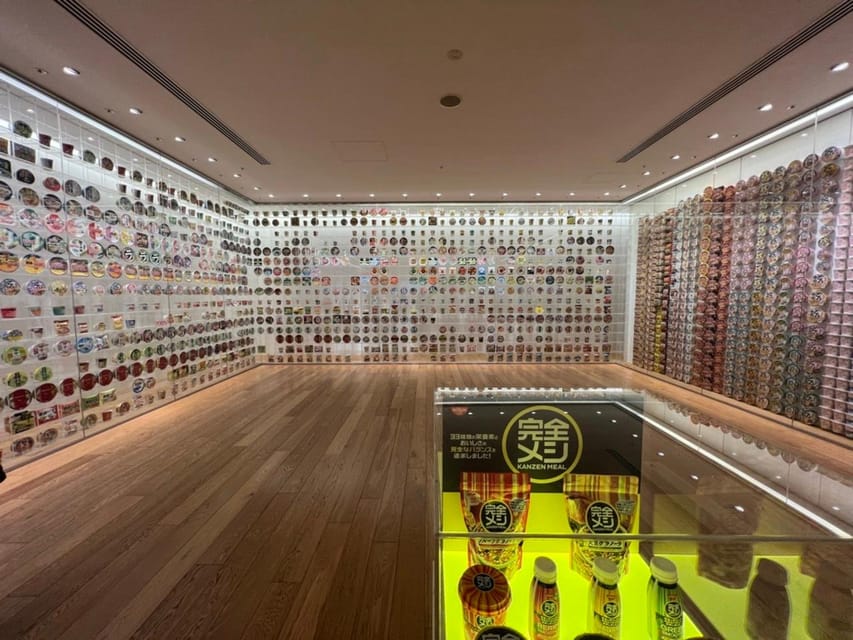
At first glance, instant ramen may seem like an odd reason to visit a museum. It is inexpensive, quick, and found in cupboards around the world. But that everyday quality is exactly what makes the subject work. The museum connects a familiar food with invention, business, design, and changing eating habits.
The tour focuses on Momofuku Ando, the founder of Nissin Foods and the man credited with inventing instant ramen. You learn about his life and work, not just the finished product. That personal angle gives the visit a human scale. Instead of treating ramen as a faceless industrial product, the museum shows how one person worked toward a practical answer to a simple problem: how to make noodles convenient, portable, and easy to prepare.
I like this approach because it gives you something to think about beyond the colorful displays. You are not only looking at packages. You are considering why the food became so popular and how one invention changed eating habits far beyond Japan.
The guided format also lets you discuss noodle dishes from around the world. That can make the museum feel less like a fixed exhibit and more like a conversation about food. Your guide can connect Japanese instant ramen with the noodle dishes you already know, while explaining the production process and the choices behind the product.
More Yokohama outings:
- Authentic Sumo Experience in Tokyo: Enter the Sanctuary
★ 5.0 · 603 reviews - EVO, WRX, Skyline – JDM Night Run to Daikoku Car Meet
★ 4.9 · 478 reviews - Tokyo: Best Price Daikoku Parking Area JDM Car Meet
★ 4.9 · 192 reviews
Meeting your guide at the Yokohama museum entrance
You meet at the main entrance of Cup Noodles Museum Yokohama. Do not go to the museum front desk. Your guide waits in the entrance area holding a sign marked gotcha, which is the detail you need to spot quickly.
This meeting instruction matters because the museum itself has staff and a front desk, but your tour begins with the guide outside that process. Look for the sign rather than asking the general reception desk to locate your booking.
The tour is offered in English, and the group is limited to four participants. That is a much more personal setup than a large museum walk. With only a few people, you can ask questions about the exhibits, talk about noodle dishes, and get help during the cup-making activity without waiting behind a long line of other participants.
The total time is 90 minutes. That makes this easy to fit into a Yokohama day, especially if you want to pair it with other sights in the city. It is also short enough for families or visitors who prefer an activity with a clear beginning and end.
Momofuku Ando’s work shed and the story behind the cup
One of the most memorable parts of the visit is the replica of Momofuku Ando’s work shed. The small working space gives you a concrete picture of the setting where he developed his invention.
A modest shed says more than a grand monument would. It helps you picture experimentation, problem solving, and repeated attempts. The story becomes less about a polished corporate success and more about the work that came first. Your guide explains Ando’s achievements and how his invention moved from a local idea to a product known around the world.
I find this part particularly useful if you are visiting the museum with children. The message is easy to grasp: major changes can begin with one person working on an ordinary problem. Adults may appreciate the business and cultural side, while younger visitors have a physical setting to explore and remember.
The guide also helps place the invention in a wider food context. You can talk about noodles from different countries and compare the role they play in everyday meals. This is where a guide adds real value. Without one, you can still see the displays, but you may miss the links between Ando’s work, Japanese food culture, and the worldwide spread of instant ramen.
Guides named in recent bookings include Nori, Tomo, Tomoko, and Andy. The exact guide depends on the date, but the format is designed around live English explanation rather than a silent walk through the galleries.
How instant ramen is made and why the process matters
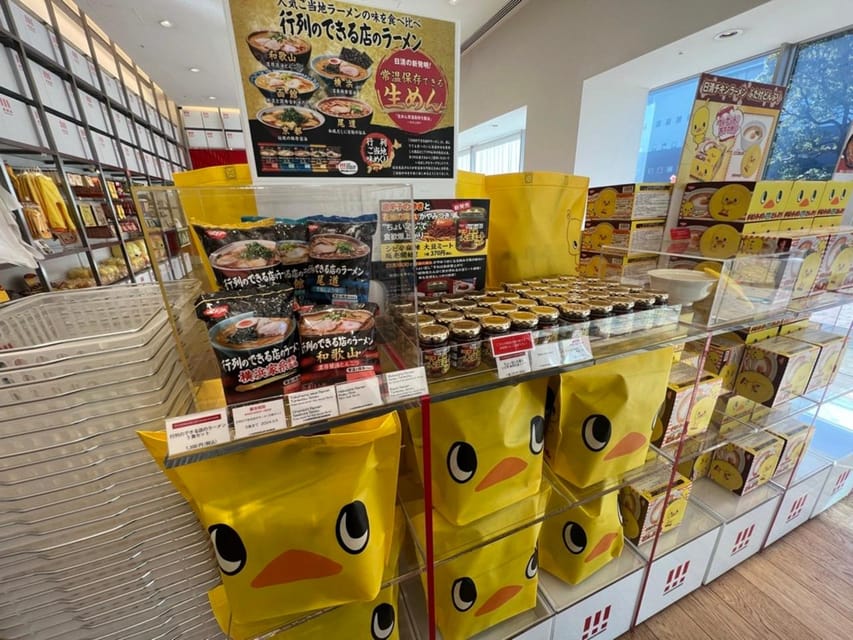
The museum explains the history and production of instant ramen, giving you a look at how the dish became a worldwide food phenomenon. The point is not simply that ramen is popular. You learn about the steps and ideas that made a shelf-stable noodle meal possible.
A guide-led explanation helps turn a production display into a clear story. You can ask about the development of the noodles, the role of soup, and how the product reached people in different parts of the world. The supplied details do not specify every machine or station you will see, so you should expect a broad look at the process rather than a full factory tour.
That distinction is worth keeping in mind. This is a museum experience, not a visit to a working ramen plant. You are learning through exhibits and guided discussion, then applying the idea of product design to your own cup.
The international food discussion is one of the tour’s most appealing extras. Noodles appear in many forms, and talking about them with an English-speaking guide can make the museum feel relevant even if you already know a lot about ramen. You are encouraged to connect what you see in Japan with dishes from home and other parts of the world.
More museums worth an hour:
- Tokyo: teamLab Planets TOKYO Digital Art Museum Entry Ticket
★ 4.6 · 9,779 reviews - Tokyo: Samurai Ninja Museum Guided tour and Experience
★ 4.6 · 1,010 reviews - Ninja Experience (Family Friendly) at Samurai Ninja Museum TOKYO
★ 5.0 · 441 reviews - Tokyo Studio Ghibli Museum and Ghibli Film Appreciation Tour
★ 4.5 · 421 reviews
Designing your own cup at My Cup Noodles Factory
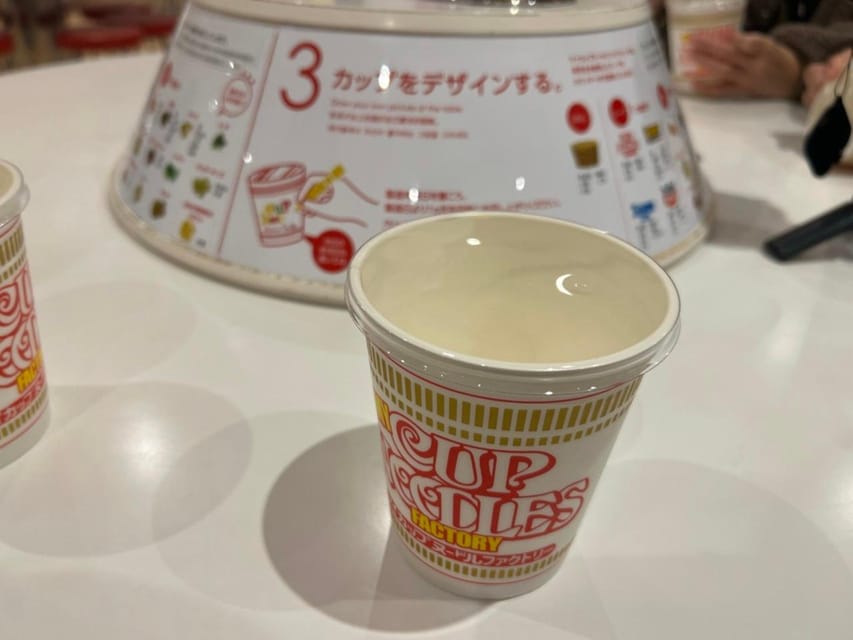
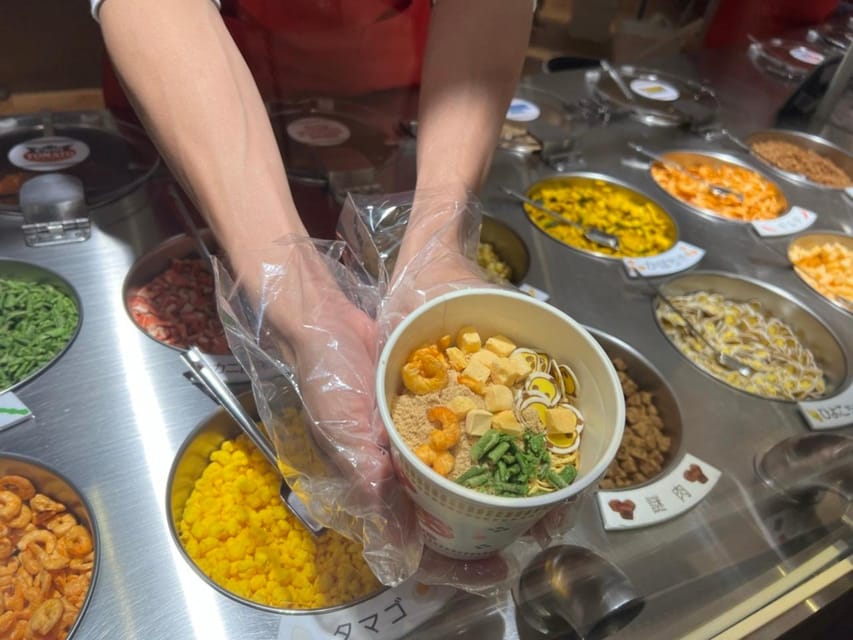
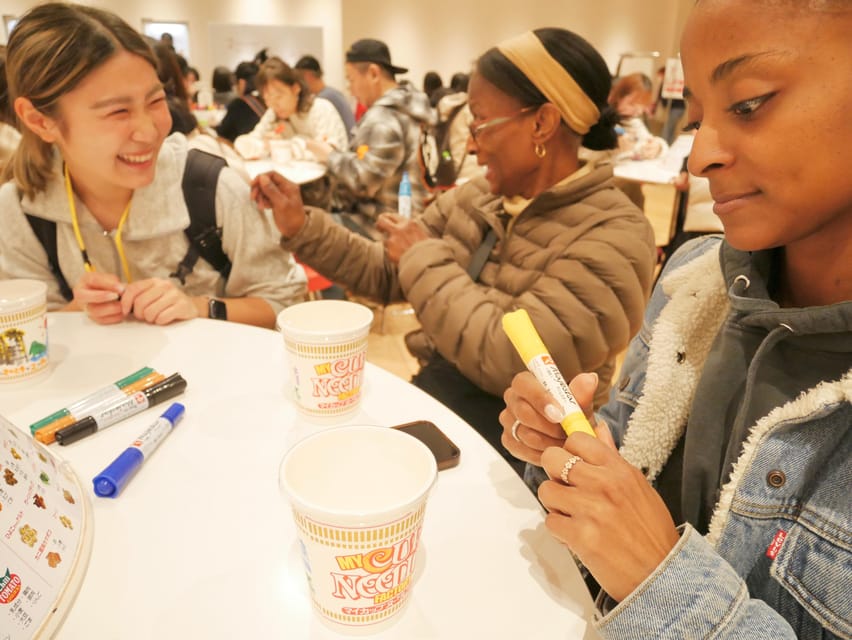
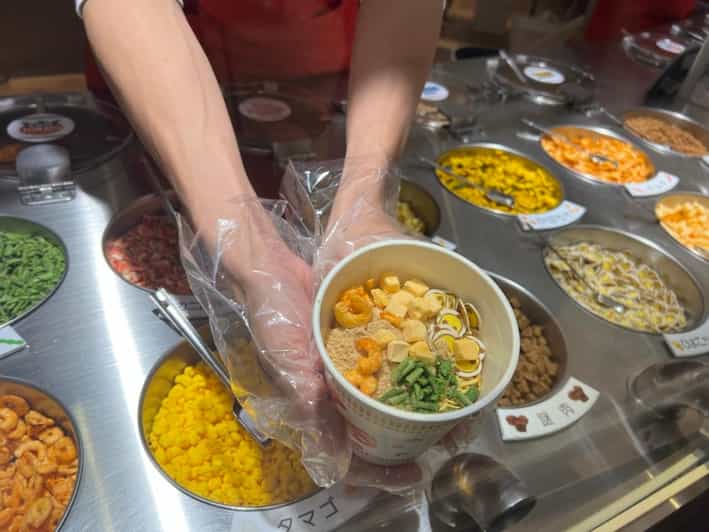
The hands-on portion takes place at the My Cup Noodles Factory. You begin with the cup package, then design it before choosing the contents. This is the part that gives the visit a personal souvenir rather than just a set of museum memories.
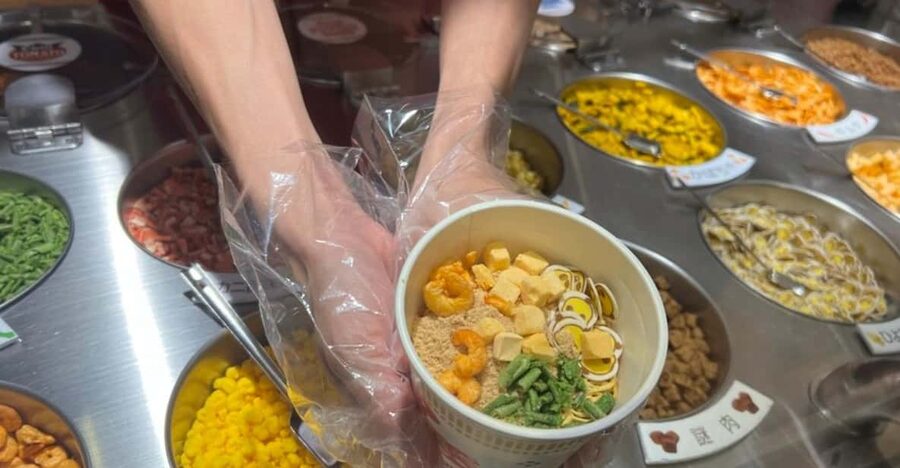
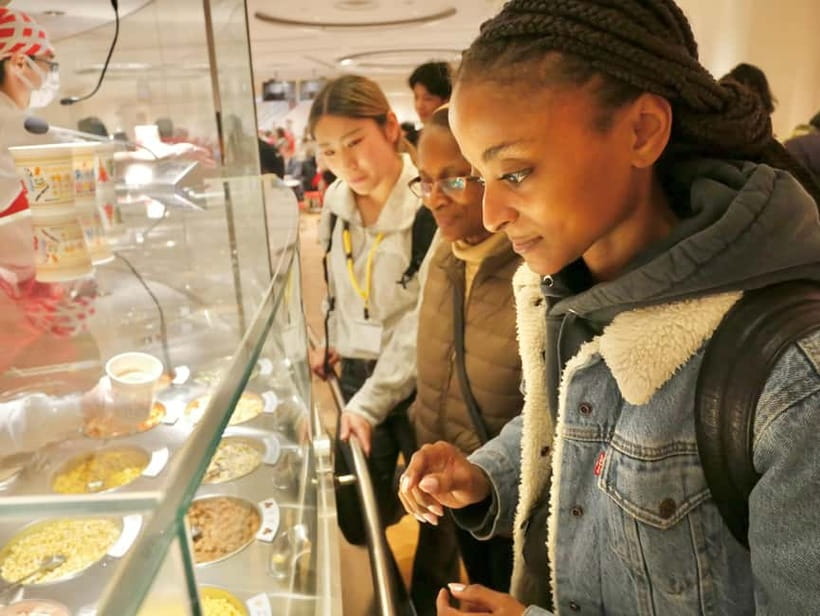
You choose from different soup bases and toppings to create your own combination. The exact choices available can vary, so it is best to think of the activity as a chance to make a custom package from the options offered that day, not as an unlimited recipe workshop.
The cup design is a smart idea. It lets you take part in the product rather than simply receive a standard souvenir from a shop. Your finished package records the date and the choices you made, and the design element adds a bit of creativity to an otherwise familiar meal.
Your guide can help you through the activity. This is where a small group becomes useful again. You can ask what the available options mean, confirm the steps, and get assistance if the process is unfamiliar. Guides have also taken photographs during the museum visit, which is helpful if you want pictures of the experience without handing your camera to a stranger.
Be clear about what this activity is and is not. The included experience is making your own cup. A separate ramen-making experience at the Cup Noodles Museum or another Ramen Museum is not included. If you are looking for a full lesson in preparing fresh ramen, this is the wrong booking. If you want a short, creative activity based on instant noodles, it fits well.
What the $70 price includes
At $70 per person, this is not the cheapest museum visit in Yokohama. The value depends on how much you want from the experience.
Your price covers museum entry, the guide’s fee, and the My Cup Noodles making activity. You are paying for more than admission. The guide provides a planned route, English explanations, discussion about food culture, and help with the custom cup. The group size of four also gives the experience a more private feel.
I see the price as easier to justify for first-time visitors who want context. If you are already planning to visit the museum and feel comfortable reading displays on your own, a guided booking may cost more than you need. But if you prefer clear explanations, want help with the activity, or are visiting with family, the added structure has practical value.
The food restriction should factor into your decision. All soups contain pork. Vegetarians and vegans should not book this if tasting or preparing a suitable soup is important to them. The information provided does not list vegetarian or vegan alternatives, so do not assume that a meat-free option will be available.
Who will get the most from this 90-minute tour
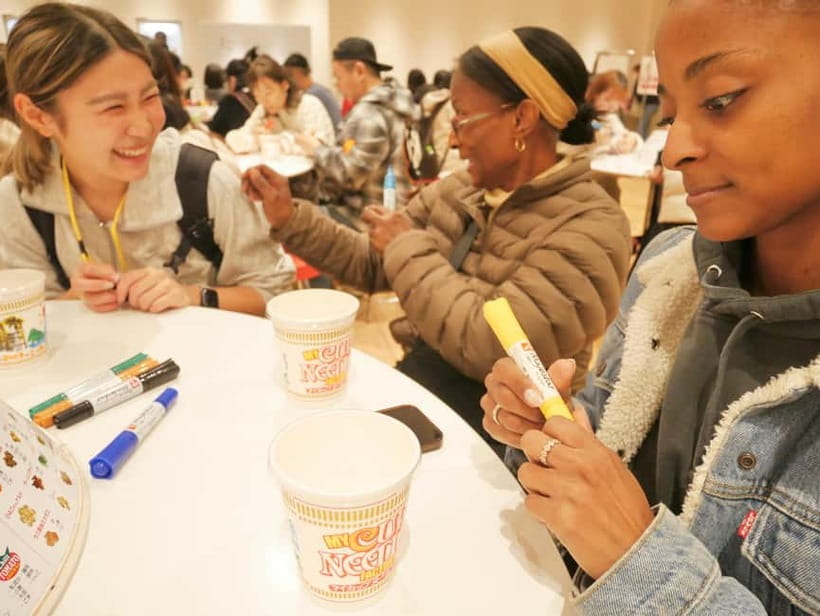
This experience suits visitors who enjoy food stories, interactive museums, and short activities with a finished souvenir. It works particularly well for families, couples, and small groups who want something lighter than a full-day guided tour.
You will probably get the most from it if you:
- Like learning how familiar products were invented
- Want an English-speaking guide rather than a self-guided museum visit
- Enjoy comparing food traditions from different countries
- Prefer a small group with time for questions
- Want to make a custom cup to take with you
- Have only 90 minutes for a Yokohama activity
It may not suit you if you want a serious cooking lesson, a factory visit, or a long technical examination of ramen production. It also is not a good fit for vegetarians or vegans because of the pork-based soups.
The compact schedule is an advantage, but it also sets a limit. You will get the main story, the work shed, the production background, and the cup-making activity within an hour and a half. You should not expect an unhurried museum day with time to study every exhibit in detail.
Practical tips for a smoother visit
Arrive at the museum entrance with enough time to find the guide. Look for the gotcha sign and avoid going to the front desk, since the guide waits in the entrance area.
Keep the meeting point instruction handy on your phone. This is one of those small details that can prevent an awkward start, especially in a large public building.
Think about the food restriction before paying. The tour information says all soups contain pork, so vegetarians and vegans should choose another activity or confirm an alternative directly before booking. The included cup-making session is not the same as the separate ramen-making experiences, so check the wording carefully if you want hands-on noodle preparation.
The tour offers free cancellation up to 24 hours before the start time, with a full refund. You can also reserve now and pay later, which helps if your Yokohama schedule is still changing. Starting times depend on availability.
What the guide adds to the experience
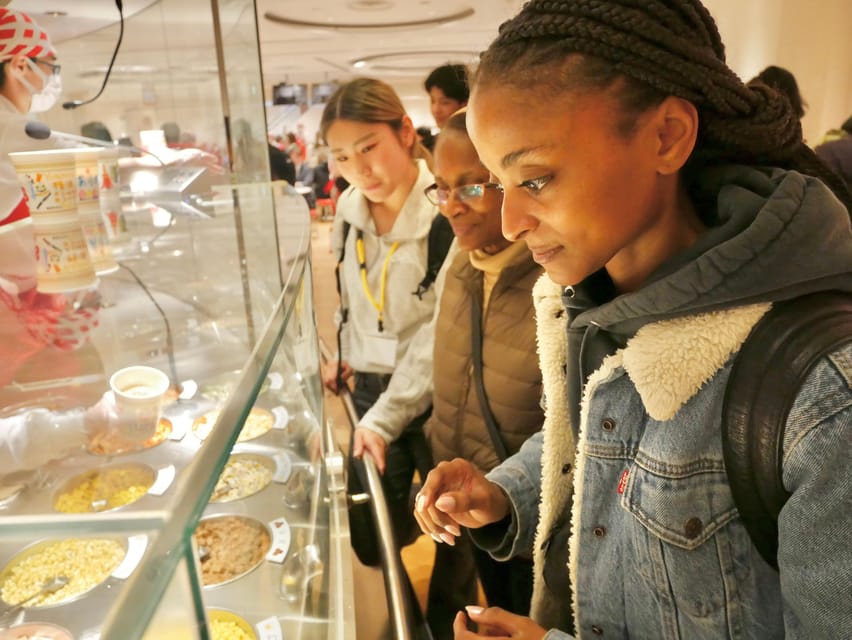
The strongest reason to choose this version of the museum visit is the guide. A guide can turn a series of displays into a connected story, explain the invention in plain English, and help you take part in the custom-cup activity.
Nori has been praised for guiding visitors through the museum stations and taking photographs. Tomo has added a personal touch with handmade origami. Tomoko has been described as punctual, kind, and helpful during the visit. Andy has brought extra background information that made the history easier to follow.
These details point to the main benefit of the format: you are not left to work out the museum on your own. The guide can help with timing and practical steps, while also giving you more context than a quick walk through the exhibits would provide.
The guide will not change the basic nature of the museum. You still spend much of the visit looking at exhibits and taking part in one main workshop. But for a first visit, that combination of explanation and assistance can make the 90 minutes feel more complete.
Should you book the Cup Noodles Museum tour?
Book it if you want a friendly, compact introduction to instant ramen with an English-speaking guide and a hands-on finish. The small group, the story of Momofuku Ando, and the custom cup give the visit more substance than a basic museum entry.
I would especially recommend it to families and first-time visitors who like food culture but do not want a long cooking class. The $70 price is reasonable if you value the guide, museum admission, and activity together. It is less appealing if you only want to see the museum at your own pace or if you are seeking fresh-ramen preparation.
Before booking, remember two things: meet the guide at the main entrance by the gotcha sign, and all soup options contain pork. If those points work for you, this is a short and unusual Yokohama experience that combines a good story with something you can design and take away.
FAQ
Where does the tour begin and end?
The tour begins at the main entrance of Cup Noodles Museum Yokohama and returns to the same museum.
How long does the experience last?
The experience lasts 90 minutes, or one and a half hours.
What language is the tour offered in?
The tour includes a live English-speaking guide.
How large is the group?
The group is limited to four participants.
What is included in the price?
The price includes the museum entry fee, the guide’s fee, and the My Cup Noodles making experience.
Is a separate ramen-making class included?
No. A ramen-making experience at the Cup Noodles Museum or Ramen Museum is not included.
Where should I meet the guide?
Meet the guide in the museum entrance area at the main entrance. Do not go to the museum front desk. The guide will hold a sign marked gotcha.
Are vegetarian or vegan soup options available?
The tour information states that all soups contain pork. Vegetarians and vegans should not assume that a suitable soup option is available.
New on our Yokohama list
- Yokohama and Kamakura 6hr Private Trip Government-Licensed Guide★ 5.0 · 25 reviews
- Tokyo Full Day Tour with Licensed Guide and Vehicle from Yokohama★ 5.0 · 26 reviews
- Daikoku & Tokyo JDM Night Tour in R34 or TopSecret R35 GT-R★ 4.8 · 27 reviews
- Tokyo: Kamakura and Yokohama Private Day Trip with Guide★ 4.6 · 27 reviews
- Private Kamakura plus Yokohama Tour – English Speaking Driver★ 4.5 · 28 reviews
- Japanese Tea Ceremony at Private Home in Yokohama, suburban Tokyo★ 5.0 · 32 reviews
- Yokohama 4hr Private Tour with Government-Licensed Guide★ 5.0 · 34 reviews
- Private Car Tour to see Highlights of Kamakura, Enoshima, Yokohama from Tokyo★ 5.0 · 48 reviews
Museums, compared.
teamLab Planets TOKYO Digital Art Museum Entry Ticket
Read our review →
Samurai Ninja Museum Guided tour and Experience
Read our review →
Ninja Experience (Family Friendly) at Samurai Ninja Museum TOKYO
Read our review →
Tokyo Studio Ghibli Museum and Ghibli Film Appreciation Tour
Read our review →
Tokyo Sword Experience – includes Museum Ticket/Ninja Experience
Read our review →
Samurai Ninja Museum Asakusa: Samurai Sword Lesson & Tour
Read our review →
Samurai Sword Experience (Family Friendly)at SAMURAI MUSEUM TOKYO
Read our review →Browse the lists this tour appears in