
Reviewed · SAMURAI & NINJA EXPERIENCES
Tokyo: Samurai Ninja Museum Guided tour and Experience
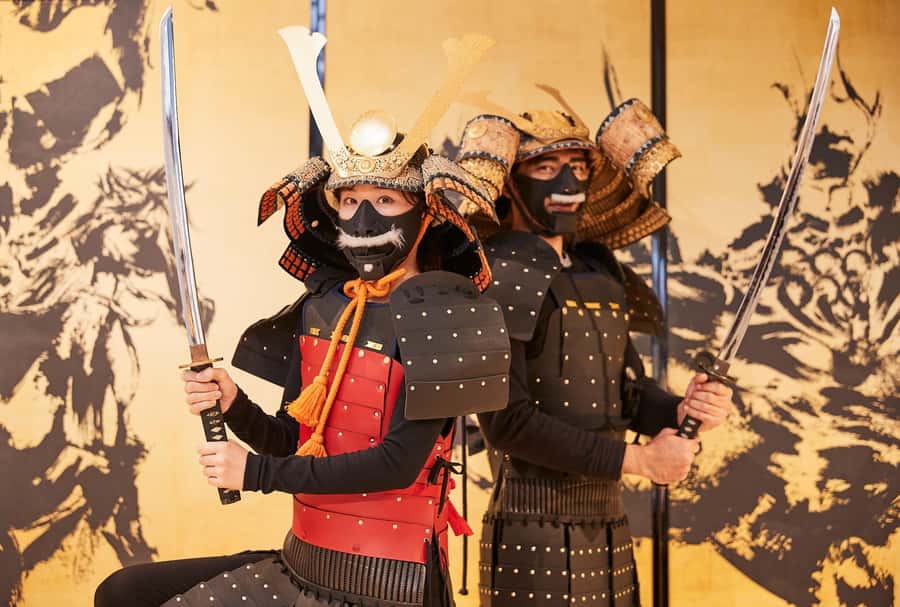
The best part of this Tokyo experience is that Japanese history becomes hands-on. You do not just look at armor behind glass. You hear how samurai and ninja fit into Japan’s past, then try throwing shuriken and pose in samurai gear with a real helmet and metal sword.
I like the lively English-speaking guides, including Nami, Kenny, Shin, Megan, and others praised for clear explanations and humor. I also like the sensible length, about an hour, which gives you real historical context without asking younger children to sit still all afternoon. The main consideration is group size: GetYourGuide reservations are capped at 15 people, but the full experience may include more participants from other booking sites.
In This Review
- Key points to know before you book
- What the Tokyo Samurai Ninja Museum experience is really like
- Entering the museum and meeting the samurai
- How the guided history portion works
- The samurai costume, helmet, and metal sword
- Ninja history and the shuriken activity
- Why families often get the most from it
- Is $27 good value in Tokyo?
- Tips for getting more from the visit
- Who should book this activity?
- Should you book the Samurai Ninja Museum tour?
- FAQ
- How much does the Tokyo Samurai Ninja Museum experience cost?
- How long does the tour last?
- Is the tour conducted in English?
- What is included in the admission?
- Can I dress up as a samurai?
- Can I throw ninja stars?
- Is this suitable for children?
- How large is the group?
- Can I cancel for a refund?
- Can I reserve now and pay later?
Key points to know before you book
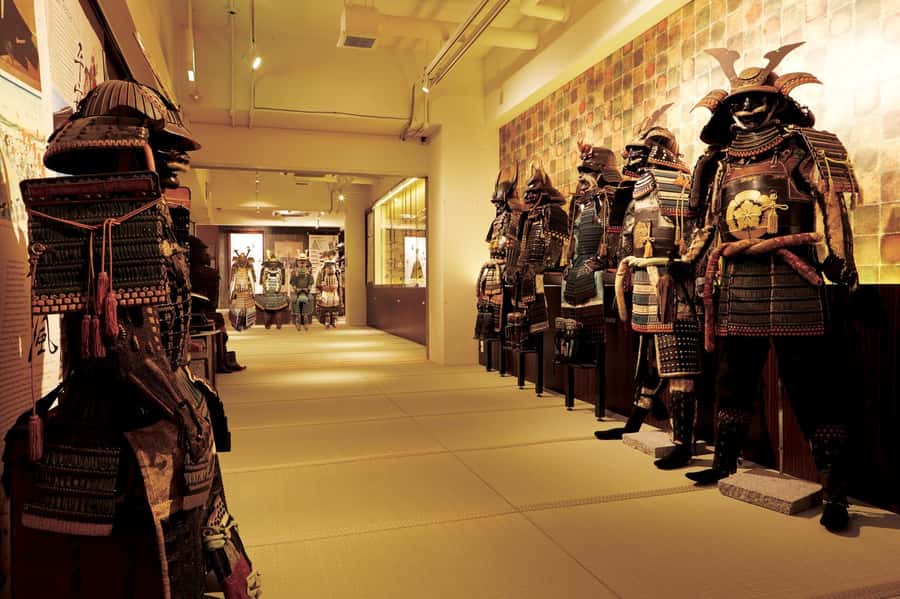
- Real armor, helmets, and swords: The exhibits give you a close look at the equipment used by samurai.
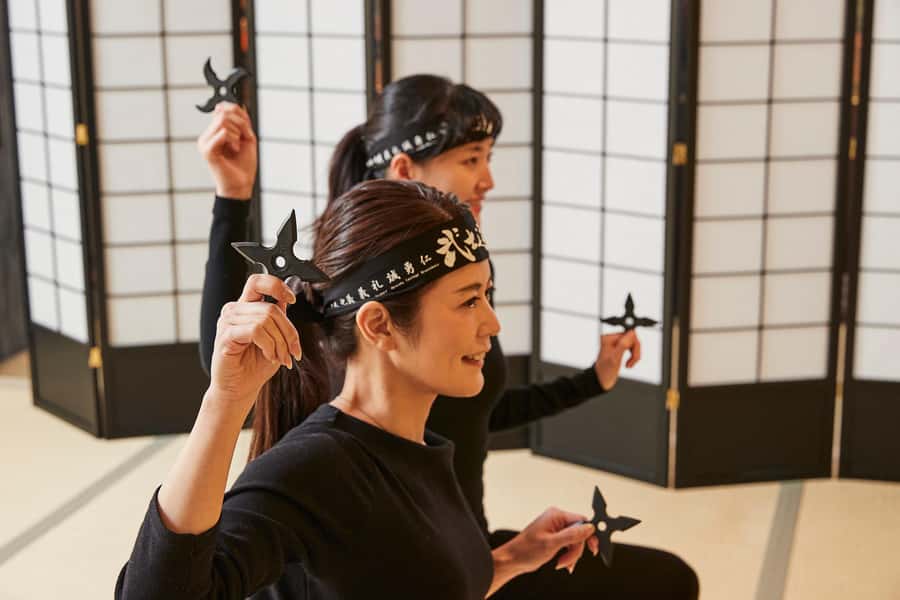
- Shuriken throwing is the hands-on finale: You get practical instruction and a chance to test your aim with ninja stars.
- Samurai dress-up makes the history more memorable: You can wear samurai clothing, a real helmet, and hold a metal sword for photos.
- Guides make the difference: Nami, Kenny, Shin, Megan, Leon, Nao, and other English-speaking guides are praised for humor, clarity, and energy.
- It suits families and teens especially well: Children can take part in games and activities instead of only listening.
- The price is modest for Tokyo: At $27 per person, the guided instruction and activities make this a useful one-hour stop.
What the Tokyo Samurai Ninja Museum experience is really like
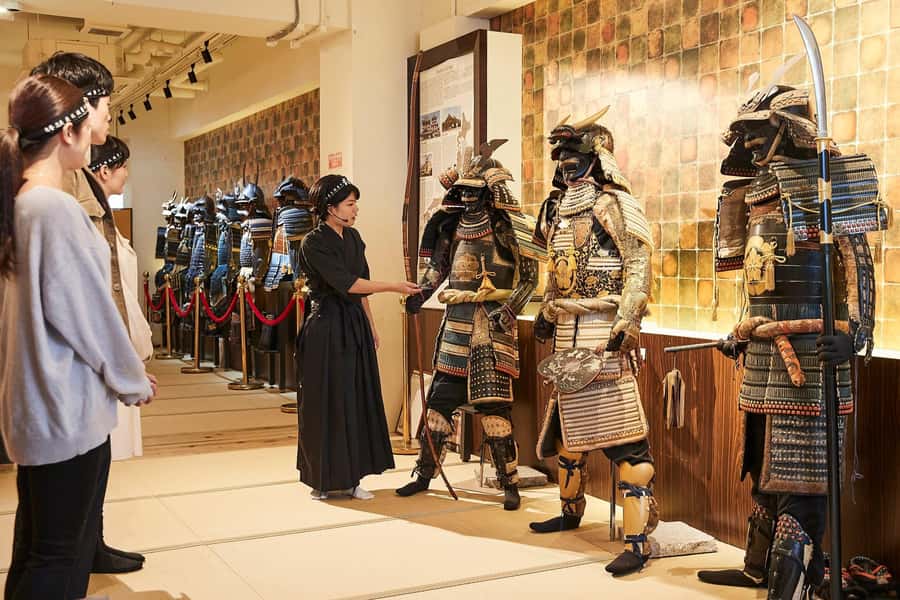
This is a compact museum visit built around explanation and participation. You begin by learning about samurai and ninja through exhibits, then move into the practical activities. The format is simple, but it works because the story comes before the costume and target practice.
I would set aside about an hour. Several people describe the tour as lasting roughly that long, with a pace that feels neither rushed nor drawn out. That matters in Tokyo, where a short indoor activity can fit neatly between sightseeing, shopping, and a meal.
The tour is conducted in English. The strongest part of the experience is the guide’s delivery. Kenny is repeatedly praised for combining facts with comedy, while Nami, Shin, Megan, Leon, and Nao are described as friendly, lively, and easy to understand. Your guide may differ, but the format depends on having someone who can turn a museum display into a story.
More samurai and ninja sessions:
- Tokyo: Samurai Sword & Archery Class from Samurai Descendant
★ 5.0 · 603 reviews - Best Samurai Experience in Tokyo
★ 5.0 · 458 reviews - Ninja Experience (Family Friendly) at Samurai Ninja Museum TOKYO
★ 5.0 · 441 reviews
Entering the museum and meeting the samurai
The museum introduces you to the world of the samurai through displays of armor, helmets, swords, and other equipment. These objects are the visual anchor of the visit. A samurai helmet can look theatrical at first glance, but seeing the construction and decoration alongside an explanation of its use gives the subject more weight.
You will hear about the role samurai played in Japanese society and about the events that shaped their place in the country’s past. The tour also reaches the period after the samurai had disappeared as a social class, which gives the story a useful ending rather than stopping with movie-style sword fights.
That wider timeline is one reason I would choose this over a purely photographic costume activity. You get some background on samurai culture, but also a sense that the samurai were part of changing political and social systems. One guide is specifically praised for correcting myths, a welcome touch for anyone whose first ideas about samurai and ninja came from films or television.
Do not expect a large national museum with room after room of major collections. The value here comes from the guide’s explanation and the chance to interact with the subject. If you already have a serious academic interest in Japanese military history, the displays may feel introductory. For most first-time visitors, that is a strength: you get a clear, approachable starting point without a long lecture.
How the guided history portion works
The English-speaking guide leads you through the exhibits and explains the roles of samurai and ninja in the past. The tone is informal and often funny, but the content is educational. People who normally avoid history activities may find the presentation easier to follow because the guide keeps the information tied to visible objects and practical examples.
The strongest praise goes to guides who involve the group rather than recite facts. Kenny is noted for his personality and comedy. Nami is praised for explaining samurai, ninja, and life in Japan. Shin is described as detailed and informative, while Megan is praised for making the hour both fun and useful.
The guide may also use questions or small games to draw children into the subject. That makes a difference when you are visiting with mixed ages. Younger children can focus on the armor and activities, teenagers get the costume photos and shuriken practice, and adults can pay closer attention to the historical explanation.
The pacing is another plus. The tour gives you enough time to understand the basic story before the interactive portion begins. It does not turn every display into a long stop. I would still encourage you to ask questions if you have them, since the guide is the main source of extra detail.
The samurai costume, helmet, and metal sword
The samurai portion lets you dress up, wear a real samurai helmet, and hold a metal samurai sword. This is the photo-friendly part of the visit, but it also helps you understand how much equipment a warrior carried and wore.
The costume activity is especially effective with children. Several families describe it as a favorite part for their sons, grandsons, or younger children. Adults can join in too, and one visitor specifically enjoyed being allowed to dress as a samurai. If you are shy about costumes, you can still appreciate the gear and watch others take photos.
The metal sword adds a physical sense of weight that a picture cannot provide. It is important to follow the staff’s instructions and treat the equipment as a museum experience, not a toy. The point is not sword fighting. It is the chance to handle an object connected to the image and practice of the samurai.
For many people, this moment turns abstract information into a memory. You may not remember every date or name from the tour, but you will likely remember the feel of the helmet, the look of the armor, and the photo of yourself holding the sword.
More museums worth an hour:
- Tokyo: teamLab Planets TOKYO Digital Art Museum Entry Ticket
★ 4.6 · 9,779 reviews - Tokyo Studio Ghibli Museum and Ghibli Film Appreciation Tour
★ 4.5 · 421 reviews - Tokyo Sword Experience – includes Museum Ticket/Ninja Experience
★ 5.0 · 314 reviews - Samurai Ninja Museum Asakusa: Samurai Sword Lesson & Tour
★ 4.8 · 306 reviews
Ninja history and the shuriken activity
The ninja section explains the mysterious figures often linked with spying, stealth, and unusual weapons. The tour helps separate popular myths from the historical role of ninja. That is useful because modern entertainment tends to present ninja as superhuman fighters, while the museum aims to place them in a more grounded setting.
The hands-on activity is throwing shuriken, often called ninja stars. You receive guidance before testing your accuracy. The activity is brief, but it gives the tour a clear change of pace after the exhibit explanation.
This is the part children and teenagers tend to remember most. Adults usually enjoy it too, particularly when the activity becomes a friendly contest. One description notes that a winner may keep a star, though you should follow the current staff rules rather than assume that prize is always offered.
Do not book this expecting a full ninja training course. The shuriken practice is a short activity, not a martial arts lesson. Its value is that it lets you try one skill connected with the subject and gives the tour a playful finish.
Why families often get the most from it
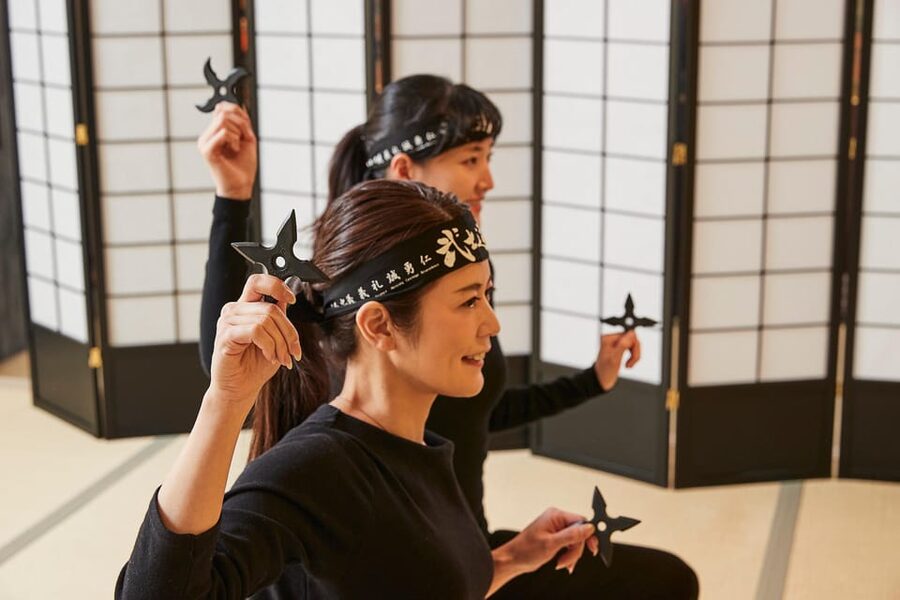
This is one of the safer choices in Tokyo for a family that wants cultural content without a long formal museum visit. The tour offers several ways to stay involved: looking at armor, listening to stories, dressing up, taking photos, and throwing shuriken.
Parents can also use the experience as a simple introduction to Japanese history. The guides explain the subject in accessible English, and children do not need prior knowledge. Several accounts describe younger children, teens, and adults enjoying the same visit for different reasons.
I would especially consider it if your children already like samurai, ninja, anime, or Japanese history. The costume and throwing activity provide an immediate hook, while the guide adds context that a themed attraction alone would miss.
The main family issue is group size. A booking through one site may allow a maximum of 15 people, but the actual experience can include participants from other booking sources. A larger group can make costume photos or shuriken turns feel less personal, although strong guides appear to manage mixed groups well.
Is $27 good value in Tokyo?
At $27 per person, this is reasonably priced for a guided indoor activity that combines admission, an English tour, costume use, and shuriken practice. You are not paying only to enter a room of displays. The fee also covers the guide’s interpretation and the staff-led activities.
The value is highest if you want a short, organized introduction to samurai and ninja. You can learn the basic story, see armor and weapons, and take part in two memorable activities without committing half a day.
It is less compelling if you want a large collection, a long self-guided visit, or an advanced study of Japanese military history. The tour is designed for broad appeal, not specialist research.
The location also helps. It is in a shopping area described as easy to reach by train or taxi, so you can pair it with nearby browsing and food. Since no exact travel time or neighborhood details are provided here, check your booking confirmation for the precise meeting point and allow time to find it.
The option to reserve now and pay later can help if your Tokyo schedule is still changing. Cancellation up to 24 hours in advance for a full refund adds flexibility, but read the booking conditions attached to your reservation before relying on that policy.
Tips for getting more from the visit
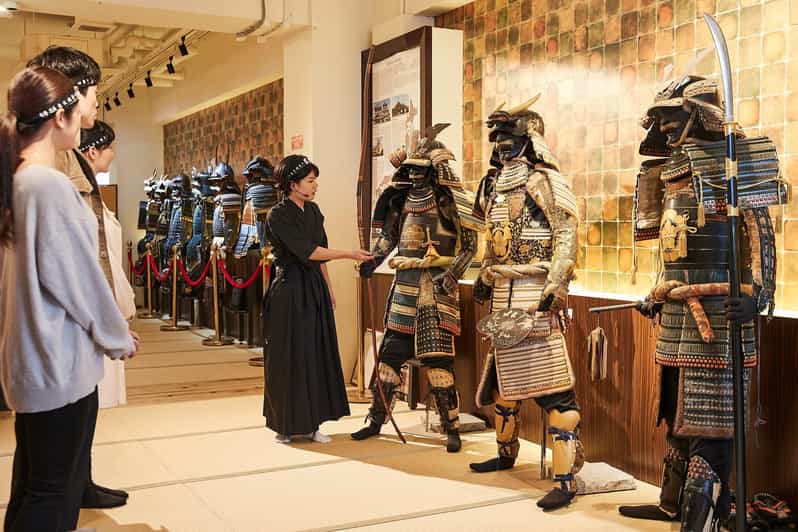
Arrive ready to listen before the costume activity begins. The displays can be tempting to rush past, but the guide’s explanation is what gives the armor and swords meaning.
If you are visiting with children, tell them beforehand that the tour includes a history lesson followed by activities. That small bit of preparation can help them pay attention during the exhibit section so they are ready for the shuriken practice.
Bring a camera or phone for the samurai photos. The costume, helmet, and metal sword are specifically part of the experience, and the photo is a natural souvenir.
If you have a favorite guide listed at a particular time, confirm availability before booking. Names associated with the experience include Nami, Kenny, Shin, Megan, Leon, and Nao, but guides can change by schedule.
Use the guide’s time well. Ask about myths you have seen in films, the difference between samurai and ninja, or how the equipment on display was used. The visit is short, so a good question can make it feel more personal.
Who should book this activity?
I would recommend it for first-time visitors to Tokyo, families, teenagers, and anyone who wants a manageable introduction to Japanese history. It also suits people who enjoy film and popular culture but want a clearer picture of the real people behind those images.
It is a good rainy-day or hot-afternoon choice because the visit is indoors and compact. It can also fill a spare hour without taking over your sightseeing plan.
History fans should enjoy the explanations, though specialists may want a more detailed museum elsewhere. The tone is friendly and accessible rather than scholarly.
Children are not the only audience. Adults who grew up with samurai and ninja films can use the visit to test familiar ideas against historical information. The costume and shuriken activity keep the experience from becoming too serious.
Should you book the Samurai Ninja Museum tour?
Book it if you want a short cultural activity with real participation, not just a themed photo stop. The combination of guided history, armor and sword displays, samurai dress-up, and shuriken throwing offers good value at $27.
I would be more cautious if you dislike group activities or want a quiet, self-guided museum visit. The experience can include more than 15 participants, and the quality of the hour depends heavily on the guide’s energy.
For most visitors, especially families and teens, the balance is right. You learn enough to understand the subject, then finish with activities that make the information stick. That is a useful formula for a busy Tokyo itinerary.
FAQ
How much does the Tokyo Samurai Ninja Museum experience cost?
The listed price is $27 per person.
How long does the tour last?
The experience is described by participants as lasting about one hour.
Is the tour conducted in English?
Yes. Entry includes a guided tour with an English-speaking guide.
What is included in the admission?
The price includes museum entry, the English-speaking guided tour, ninja star throwing, and the samurai experience.
Can I dress up as a samurai?
Yes. The samurai activity includes dressing up, wearing a real samurai helmet, and holding a metal samurai sword.
Can I throw ninja stars?
Yes. The experience includes a shuriken, or ninja star, throwing activity.
Is this suitable for children?
Yes. The activities and short length are suitable for families, and children can take part in the costume activity and shuriken throwing.
How large is the group?
Reservations through GetYourGuide are limited to a maximum of 15 people, but the full experience may include additional participants who booked through other sites.
Can I cancel for a refund?
You can cancel up to 24 hours in advance for a full refund, according to the provided booking terms.
Can I reserve now and pay later?
Yes. The booking option allows you to reserve your place and pay later.
New on our Tokyo list
- From Tokyo: Mount Fuji & Hakone Full Day Private Tour★ 4.9 · 25 reviews
- Tokyo Spectacular View Day-Cruise in 90 Minutes★ 5.0 · 25 reviews
- Real Tokyo Runner Club : Daikoku Car Meet Night Tour with JDM Car★ 5.0 · 25 reviews
- 2.5 Hour-Guided Cycle Tour in the Central Tokyo★ 5.0 · 25 reviews
- Ramen Making from Scratch +Akihabara Tour –Cooking Class★ 5.0 · 25 reviews
- [Self-Drive] Tokyo & Daikoku Custom Car Driving Tour★ 4.9 · 25 reviews
- Tokyo: 2-Hour Night Bike Tour of the City’s Hidden Gems★ 4.9 · 25 reviews
- Tokyo: Mt. Fuji, Owakudani, Hakone Shrine, & Open-Air Museum★ 4.7 · 25 reviews
Samurai & Ninja Experiences, compared.

Samurai Sword & Archery Class from Samurai Descendant
Read our review →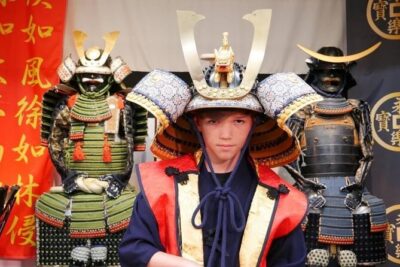
Ninja Experience (Family Friendly) at Samurai Ninja Museum TOKYO
Read our review →
Samurai Entertainment Night Show in Kanda Shrine
Read our review →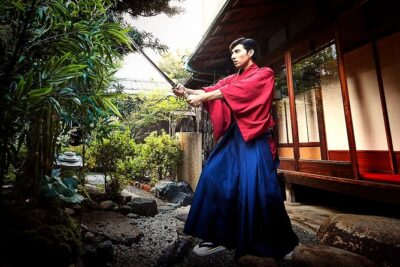
Tokyo Sword Experience – includes Museum Ticket/Ninja Experience
Read our review →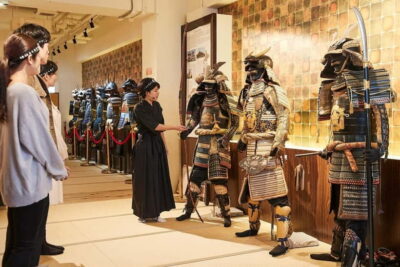
Samurai Ninja Museum Asakusa: Samurai Sword Lesson & Tour
Read our review →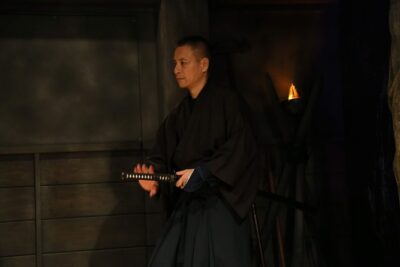
Ninja Samurai 2-hour hands-on lesson by Japanese master in Tokyo
Read our review →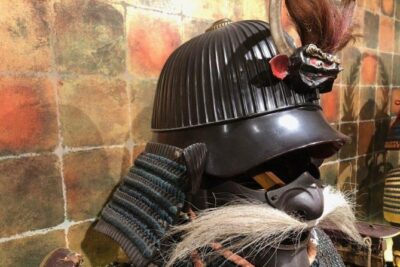
Samurai Sword Experience (Family Friendly)at SAMURAI MUSEUM TOKYO
Read our review →Browse the lists this tour appears in