
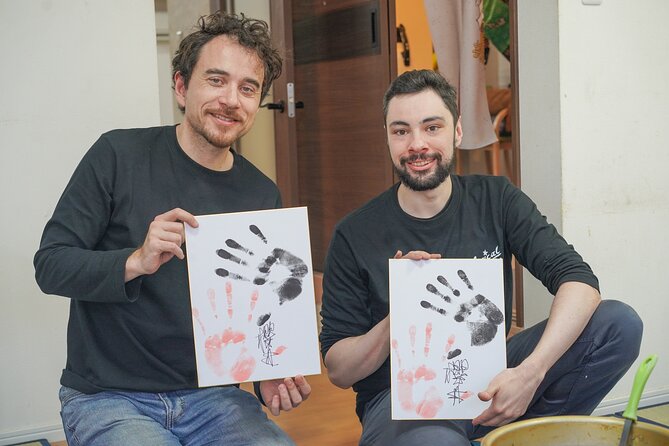
Reviewed · SUMO EXPERIENCES
Authentic Sumo Experience in Tokyo: Enter the Sanctuary
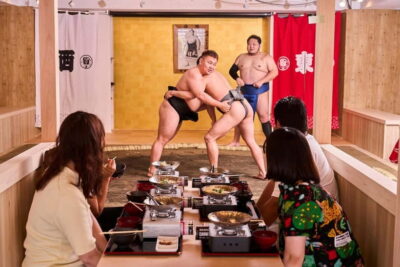
The most unusual part of this sumo experience is that you do not simply watch a match from a seat in a large arena. You enter a former stable, sit close to the practice ring, see where wrestlers ate and bathed, and may step into the ring yourself for a few carefully guided exercises.
I like the direct contact with the wrestlers, who explain the movements with humor and patience. I also like the shared chanko-nabe lunch, prepared with chicken dumplings and served around a table once used in the sumo room. The main drawback is the strict start time: arrive more than five minutes late without contacting the operator and you can lose the tour and your payment.
In This Review
- Key points before you book
- Why this is more than watching sumo
- Meeting near Shin-Kawasaki Station at 9:30 a.m.
- Inside the dining room, bath, and practice area
- Watching a serious morning training session
- Learning from retired wrestlers
- Making chicken dumplings for chanko-nabe
- Is $171.12 a fair price?
- Who will enjoy this Kawasaki outing?
- What you receive and what to prepare
- Cancellations and possible stable changes
- Should you book this sumo experience?
- FAQ
- Where does the sumo experience meet?
- How long does the activity last?
- What is included in the price?
- Can I take part in sumo exercises?
- Can I bring a suitcase?
- What happens if I need to cancel?
Key points before you book
- Former working stable: Visit a sumo facility officially used until 2022, including its dining room, bath, and practice area.
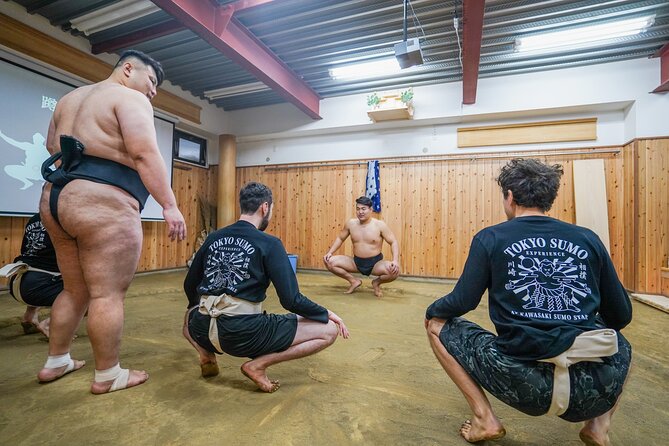
- Close-up morning practice: Sit directly in front of the ring and watch a training session rooted in traditions dating back to the samurai era.
- Hands-on instruction: Learn sumo stances and movements from retired wrestlers, with a chance to test yourself in the ring.
- Lunch with a story: Help make chicken dumplings for chanko-nabe, the hearty hot pot associated with a wrestler’s diet.
- Small-group format: The maximum group size is 15, which gives the session a more personal feel.
- Useful extras: The price includes a certified MagicalTrip guide, tour photos, and an original T-shirt.
Why this is more than watching sumo
A professional sumo tournament can be thrilling, but an arena match gives you only one part of the picture. This four-hour, 10-minute experience explains how wrestlers train, eat, live, and follow the customs of the sumo world.
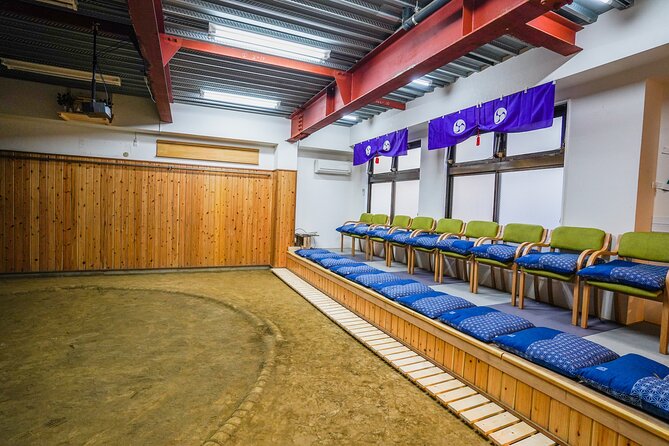
That setting matters. The stable was officially used until 2022, so you are not visiting a stage built only for tourists. You see the practical rooms that shaped daily life for wrestlers, then sit close to the ring where training took place.
I especially like the change in mood during the morning. The session begins with a quiet explanation of sumo culture and a serious demonstration. Then the wrestlers invite people to join the exercises, and the room becomes much livelier. That gradual shift helps shy participants settle in before they are asked to take part.
The experience is also more personal than a standard cultural demonstration. Guides have included Charlie, Jim, Lily, and Fuji, and past sessions have featured two retired wrestlers. The guides explain the sport in English, answer questions, and help keep the activities moving.
More sumo mornings:
- Tokyo: Authentic Sumo Wrestling Experience with Lunch
★ 4.9 · 88 reviews - Tokyo: Sumo Show Experience with Chicken Hot Pot and a Photo
★ 4.8 · 6,678 reviews - Tokyo: Sumo Show and Dining Experience
★ 4.8 · 2,742 reviews
Meeting near Shin-Kawasaki Station at 9:30 a.m.
The stated meeting point is near Shin-Kawasaki Station, with the tour beginning at 9:30 a.m. The provided address is Kiyoken, 1-chome-2-1 Kashimada, Saiwai Ward, Kawasaki, Kanagawa 212-0058. Check your confirmation carefully, since the directions describe meeting the guide at Shin-Kawasaki Station before heading to the stable.
This is in Kawasaki, not central Tokyo. That is a key planning detail. You need to build in enough time to reach the station and find the meeting point before 9:30 a.m. The operator is firm about punctuality. If you are more than five minutes late without contacting the company, the booking is treated as a cancellation, with no refund or rescheduling.
The group then heads to the former stable. A comfortable van or taxi transfer has been used for the ride, and the transfer is part of the practical ease of the visit. Do not arrive with a large suitcase. Suitcases and other large luggage are not allowed.
The early start is tied to the nature of sumo training. Morning practice usually begins around 7 a.m. and can last three to four hours, so a 9:30 meeting gives you a chance to see training already in progress rather than arriving for a staged show at a convenient tourist hour.
Inside the dining room, bath, and practice area
Your guide first explains how sumo wrestlers live and outlines the traditions and history of the sport. This introduction gives you useful context before you enter the rooms.
The dining room helps explain the communal side of stable life. Sumo wrestlers eat together, and food is closely tied to the goal of building a large, powerful body. The bath area offers another clue to the shared daily routine. These are simple details, but they make sumo feel like a demanding way of life rather than just a contest in a ring.
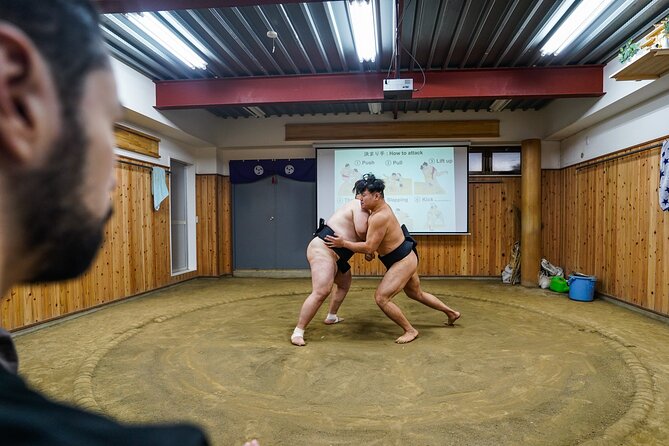
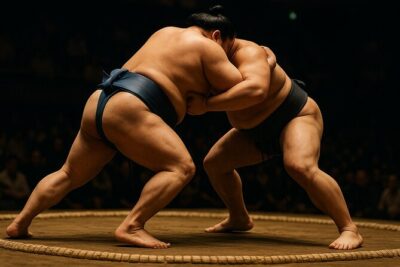
Then you see the practice area. Guests sit right in front of the ring to watch the training session. This close position is one of the strongest reasons to choose this experience over a general sumo talk. You can see the scale of the wrestlers and the force behind each movement from only a short distance away.
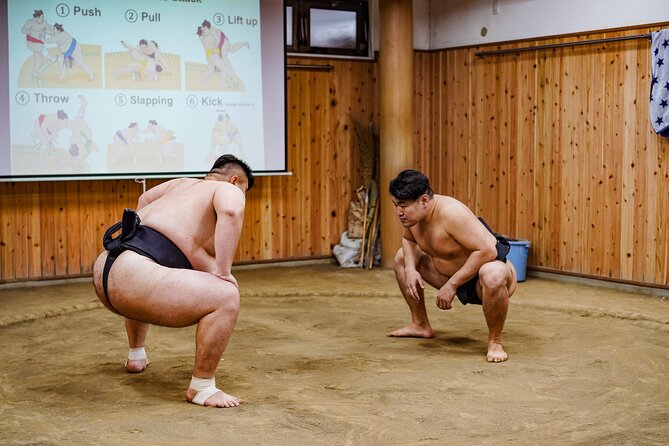
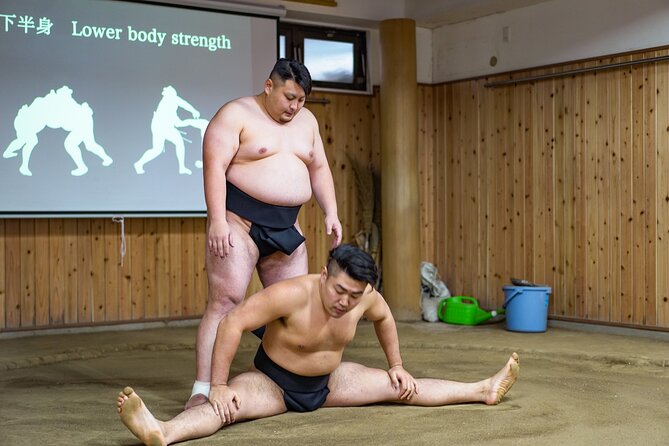
The demonstrations also show that sumo is not just about pushing an opponent. The exercises demand balance, leg strength, posture, timing, and stamina. Even a basic stance can feel difficult when you try it yourself.
Watching a serious morning training session
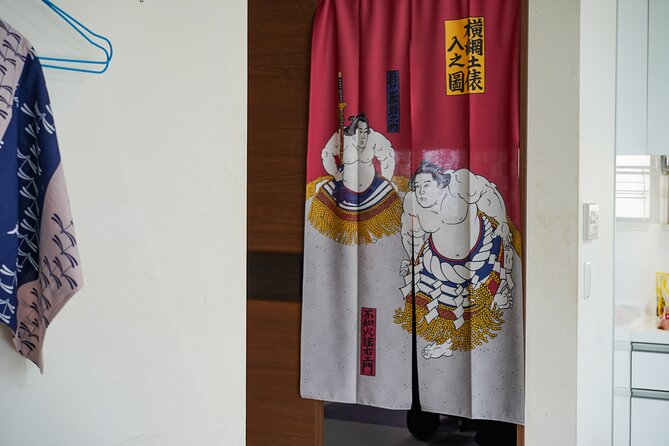
The training has a disciplined feel at first. A demonstration may seem formal and intense, particularly if you are new to sumo. That is useful because it shows the respect built into the sport, but it can make the opening minutes feel quiet.
As the session develops, the retired wrestlers explain the exercises and invite participation. You may practice sumo movements and, depending on the flow of the group, challenge a wrestler in the ring. The hands-on portion is aimed at fun and understanding, not at turning you into a competitor.
I would approach the wrestling with a sense of humor and modest expectations. The physical difference between a visitor and a trained wrestler is part of the joke, and the demonstrations are designed to be friendly. Children and teenagers often get a big thrill from taking part, while adults may enjoy the surprise of discovering how hard the movements are.
The supplied information says most people can participate, but it does not promise that every person must enter the ring. If you prefer to watch, you can still learn from the demonstrations and ask questions over lunch.
More Yokohama outings:
- EVO, WRX, Skyline – JDM Night Run to Daikoku Car Meet
★ 4.9 · 478 reviews - Tokyo: Best Price Daikoku Parking Area JDM Car Meet
★ 4.9 · 192 reviews - Daikoku & Tokyo Private JDM Tour by 700HP R34 GT-R
★ 4.9 · 101 reviews - Tokyo 8hr Private Tour with Licensed Guide from Yokohama
★ 5.0 · 94 reviews
Learning from retired wrestlers
Meeting retired rikishi gives this experience its strongest human element. You are not only hearing a guide describe sumo rules from a presentation. You can watch the wrestlers demonstrate techniques, try the exercises with their help, and ask about their working lives.
The guides add a second layer. Charlie has been praised for meeting people promptly at the station and sharing useful information during the transfer. Jim has used a clear English presentation to explain sumo culture. Lily has been described as warm and enthusiastic about the sport, while Fuji has guided families through the event.
Those details matter because the guide controls the pace. Sumo customs can be unfamiliar, and a good explanation keeps the session from becoming a string of unexplained rituals. The guide also helps with translation and makes sure each person has a chance to follow the demonstrations.
The group limit of 15 is a reasonable compromise. It is small enough for personal instruction, but large enough to create energy when participants take turns. If the group is full, your time in the ring may be brief, so do not book this expecting a private wrestling lesson.
Making chicken dumplings for chanko-nabe
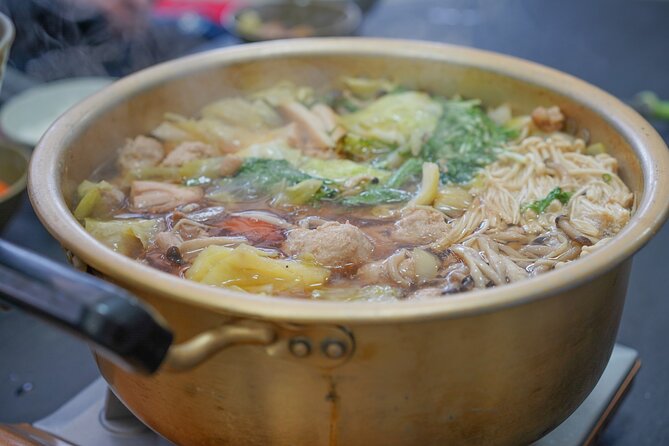
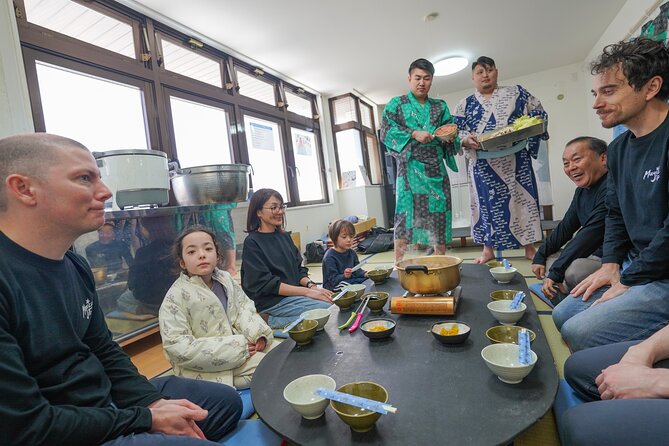
After the training, you help prepare chicken dumplings for chanko-nabe. This is the meal associated with sumo wrestlers, and it is served as a hot pot with a filling combination built to feed people after hard exercise.
The cooking activity is simple but well chosen. You are not just handed a bowl of food and sent on your way. You take part in preparing one of the central dishes, then eat together around a table actually used in the sumo room.
The meal is repeatedly described as one of the highlights. The chicken dumplings are the main hands-on task, and the hot pot has enough substance to count as a proper lunch. One family’s son reportedly ate four bowls, which tells you the portions can satisfy a serious appetite.
Additional food and drinks are not included, so plan on the stated lunch being the main meal provided. If you have allergies or dietary needs, tell the operator at least one day before the tour. The company cannot guarantee an allergy-free meal because the food is prepared in kitchens it does not control, and substitutions may not be possible.
Is $171.12 a fair price?
At $171.12 per person, this is not a cheap morning activity. The value depends on what you want from a sumo visit.
If your goal is simply to see a tournament bout, this is the wrong comparison. You are paying for roughly four hours of access, a guide, transport from the station to the stable, a former working sumo setting, a training demonstration, participation with wrestlers, lunch, photos, and a T-shirt. Buying these parts separately would be difficult, especially the stable visit and wrestler interaction.
I think the price is easier to justify for families, dedicated sumo fans, and anyone who values cultural access over a quick photo stop. The chance to see the practice ring, ask questions, and try the movements gives the visit more substance than a short stage performance.
The value is weaker if you dislike group activities, have no interest in sumo, or want a relaxed late-morning outing. The early meeting, firm punctuality rule, and possible waiting or participation in front of a group all require a bit of commitment.
Who will enjoy this Kawasaki outing?
I would recommend it most strongly to:
- Families with children or teenagers who enjoy trying things rather than only watching them
- First-time visitors who want an understandable introduction to sumo culture
- Long-time sumo fans who want access to a stable and contact with wrestlers
- Couples and friends looking for a shared activity with a meal built in
- Solo visitors who are comfortable joining a small group
The experience is especially good for people who appreciate the human side of sport. You see where wrestlers live, learn why food and training are linked, and hear explanations while standing in the spaces used for daily life.
It is less suitable if you need complete control over timing or food. The tour starts on time, the group stays together, and dietary substitutions cannot be assured. Summer can also be very hot and humid, so bring water and wear a hat to reduce the risk of heat exhaustion.
What you receive and what to prepare
The package includes:
- The sumo experience and morning training session
- A certified MagicalTrip guide
- Sumo wrestler’s lunch
- Tour photos
- An original designed T-shirt
Additional food and drinks cost extra. Wear clothing that lets you move comfortably if you want to join the exercises. You should also arrive ready for a warm, active morning, especially during Japan’s summer.
Keep your luggage light. Large suitcases are not permitted, and the meeting point is near public transportation, so a small day bag is the sensible choice.
The activity ends back at the meeting point. Confirmation is provided when you book. The maximum group size is 15, and most people can participate, though the supplied information does not promise that every activity will suit every physical ability.
Cancellations and possible stable changes
You can cancel for a full refund if you do so at least 24 hours before the local start time. Changes or cancellations inside that 24-hour window are not accepted for a refund.
There is one unusual point to understand before booking. A sumo stable can cancel unexpectedly a few days, or even a couple of days, before the scheduled visit. If the minimum number of participants is not reached, the operator may offer another date or experience, or provide a full refund.
That uncertainty is part of booking access to an active sumo setting. I would avoid placing this tour on the one morning before an important flight or train departure. Give yourself room to adjust if the stable cancels or if your plans change.
Should you book this sumo experience?
Book it if you want to understand sumo from close range, not just take a picture beside a ring. The former stable, early training, retired wrestlers, hands-on exercises, and chanko-nabe lunch form a well-rounded half-day outing.
I would book it for a family, a curious first-time visitor, or a serious sumo fan. I would skip it if you are unwilling to meet early, cannot commit to punctuality, or need guaranteed dietary substitutions.
For the right person, $171.12 buys access to the working world behind the tournament. That is the real appeal: you leave with a better sense of how wrestlers train, eat, and live, along with a few sore muscles and a memorable bowl of hot pot.
FAQ
Where does the sumo experience meet?
The tour meets near Shin-Kawasaki Station at 9:30 a.m. The listed address is Kiyoken, 1-chome-2-1 Kashimada, Saiwai Ward, Kawasaki, Kanagawa 212-0058. Check your booking confirmation for the exact meeting instructions.
How long does the activity last?
The experience lasts approximately four hours and 10 minutes. It ends back at the meeting point.
What is included in the price?
The price includes the sumo experience, a certified MagicalTrip guide, lunch prepared in the sumo style, tour photos, and an original designed T-shirt. Additional food and drinks are not included.
Can I take part in sumo exercises?
Yes. Participants have the opportunity to learn sumo movements and train with the wrestlers. Most people can participate, but you can also watch the demonstrations if you do not wish to enter the ring.
Can I bring a suitcase?
No. Large luggage such as suitcases is not permitted on the tour.
What happens if I need to cancel?
You can receive a full refund if you cancel at least 24 hours before the experience start time. Cancellations, no-shows, and changes made less than 24 hours before the start are not eligible for a refund.
New on our Yokohama list
- Yokohama and Kamakura 6hr Private Trip Government-Licensed Guide★ 5.0 · 25 reviews
- Tokyo Full Day Tour with Licensed Guide and Vehicle from Yokohama★ 5.0 · 26 reviews
- Daikoku & Tokyo JDM Night Tour in R34 or TopSecret R35 GT-R★ 4.8 · 27 reviews
- Yokohama: Guided Cup Noodles Museum Tour & Make Your Own Cup★ 4.9 · 27 reviews
- Tokyo: Kamakura and Yokohama Private Day Trip with Guide★ 4.6 · 27 reviews
- Private Kamakura plus Yokohama Tour – English Speaking Driver★ 4.5 · 28 reviews
- Japanese Tea Ceremony at Private Home in Yokohama, suburban Tokyo★ 5.0 · 32 reviews
- Yokohama 4hr Private Tour with Government-Licensed Guide★ 5.0 · 34 reviews
Sumo Experiences, compared.
Sumo Show Experience with Chicken Hot Pot and a Photo
Read our review →
Tokyo Shinjuku Sumo Show & Experience with Photo
Read our review →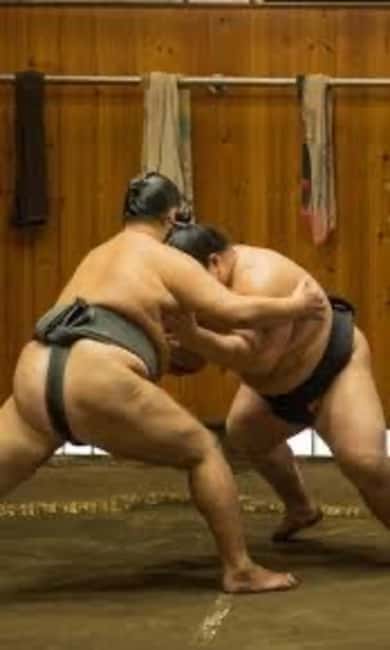
Luxury Sumo Show Experience & Japanese cuisine & Drink
Read our review →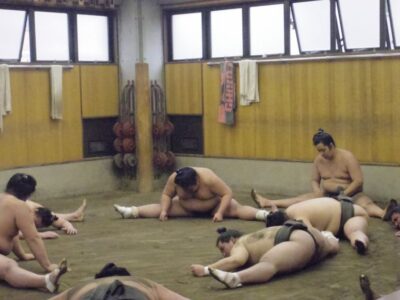
Tokyo Sumo Experience: Chanko & Mochi with a Former Pro
Read our review →Browse the lists this tour appears in