
Reviewed · MUSEUMS
Tokyo: Art Aquarium Museum GINZA Entry Ticket
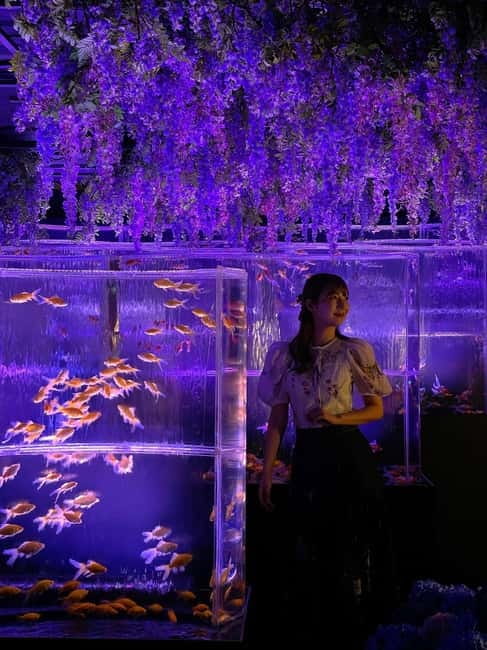
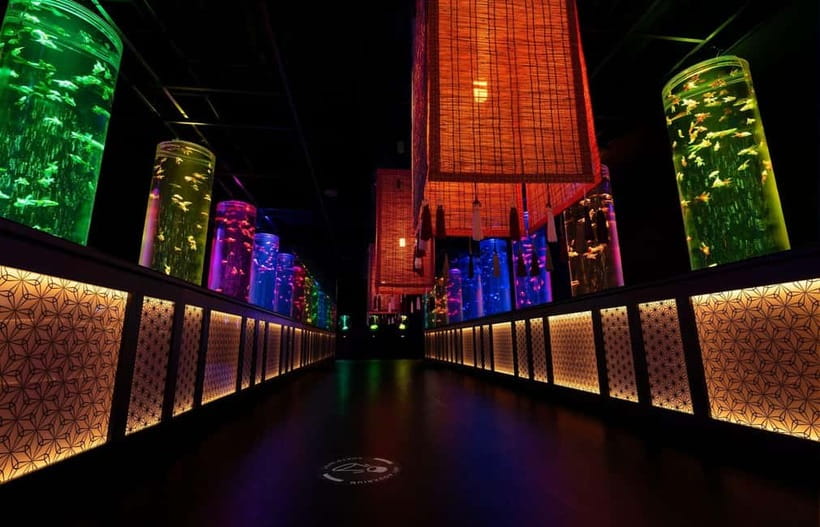
Goldfish become the artwork at Art Aquarium Museum GINZA, where glowing tanks, colored light, music, and scent turn a traditional Japanese pastime into a compact gallery show. The fish move through ornate displays while the room changes around them. It is a very different experience from a standard aquarium.
I like the beautiful lighting and unusual tank designs, which give even familiar goldfish a fresh look. I also like the easy Ginza location, the changing displays through the year, and the fact that you can take photographs. The main drawback is scale: you may finish the visit in 30 minutes, though an hour is a sensible estimate.
In This Review
- Key points to know before you go
- Goldfish in a gallery, not a regular aquarium
- What the one-hour visit feels like
- Why the displays photograph so well
- Seasonal art gives repeat visits a reason
- The Ginza Mitsukoshi location
- Is $17 good value?
- Who will enjoy Art Aquarium Museum GINZA?
- Practical tips for a smoother visit
- Should you book this ticket?
- FAQ
- Where is Art Aquarium Museum GINZA located?
- How do I reach the museum from Ginza Station?
- How far is the museum from Ginza 1-chome Station?
- How far is it from Higashi-Ginza Station?
- How long should I allow for the museum?
- What does the $17 ticket include?
- Can children enter free?
- Is photography allowed?
- Does the museum change during the year?
- Can I get a refund if my plans change?
Key points to know before you go
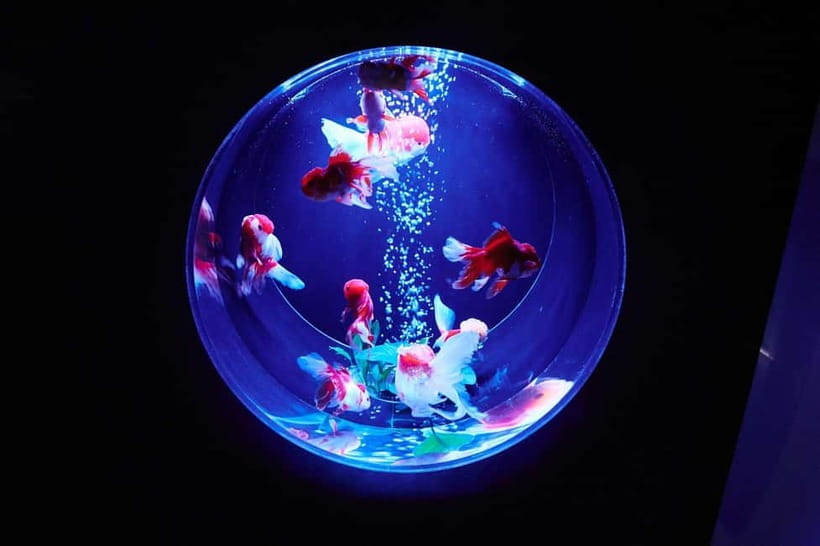
- Goldfish as living art: The museum links present-day design with Edo-period appreciation of ornamental goldfish.
- A compact one-hour visit: You can see the full venue without giving up half a day in Tokyo.
- Light, music, and scent: The presentation is built around several senses, not just fish tanks.
- Photography is welcome: Tripods, monopods, strobes, and extra lighting equipment are not allowed.
- Good for a Ginza day: The museum is inside Ginza Mitsukoshi, with subway access close by.
- Seasonal changes: The permanent venue changes some of its art over the year, so a return visit may feel different.
Goldfish in a gallery, not a regular aquarium
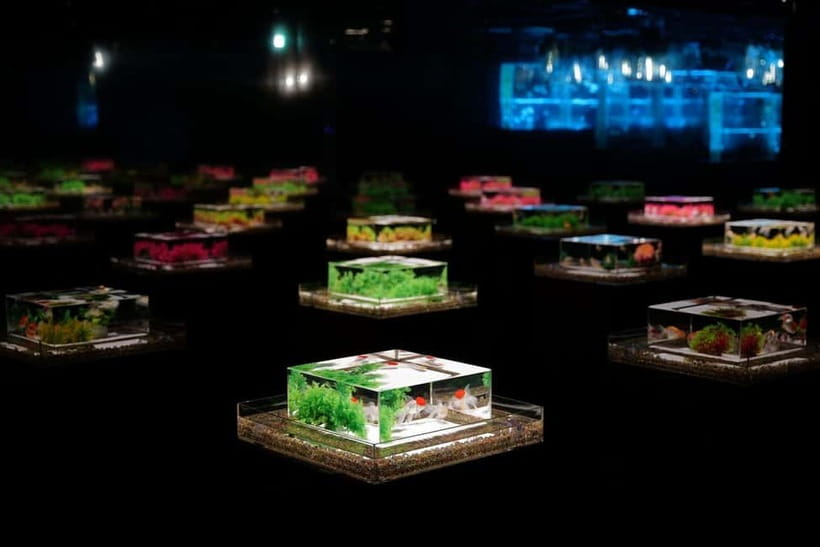
Art Aquarium Museum GINZA takes one simple subject, the goldfish, and presents it through theatrical room design. Instead of focusing on a large collection of sea life, it gives each display a decorative setting. The fish swim through tanks shaped and lit to make their movement part of the visual show.
The idea connects to Edo-period goldfish appreciation, when ornamental goldfish were admired for their color, form, and graceful movement. You do not need a background in Japanese history to enjoy the place, but this context helps explain why the museum treats goldfish as more than pets or pond animals.
The setting is intentionally polished and dreamlike. Music plays in the background, lighting shifts the mood, and scent is part of the presentation. One visitor specifically enjoyed the aromatherapy, while others found the music tranquil and closely tied to the art. If you are sensitive to fragrance or prefer quiet, plain aquariums, this sensory approach is worth considering before you buy.
The displays are designed for looking and photographing rather than reading long blocks of information. English information about the goldfish is available, which adds useful context without slowing down the visit. You can focus on the tanks, then pause at the information panels when a particular fish or display catches your eye.
More museums worth an hour:
- Tokyo: teamLab Planets TOKYO Digital Art Museum Entry Ticket
★ 4.6 · 9,779 reviews - Tokyo: Samurai Ninja Museum Guided tour and Experience
★ 4.6 · 1,010 reviews - Ninja Experience (Family Friendly) at Samurai Ninja Museum TOKYO
★ 5.0 · 441 reviews
What the one-hour visit feels like
Your visit begins at the Art Aquarium reception on the ninth floor of the new building at Ginza Mitsukoshi. Once inside, you follow the museum’s presentation through a series of aquarium installations and spatial displays. The supplied estimate is about one hour, but the actual pace depends on how much you photograph.
A quick visit can take around 30 minutes. That works well if you are fitting the museum between shopping, lunch, or another Ginza stop. If you want clear photographs and time to watch the fish, plan closer to 45 minutes to an hour.
The first impression comes from the contrast between the department store outside and the dark, carefully lit exhibition space inside. That change gives the museum its effect. You leave the bright commercial setting of Ginza and enter rooms where color and movement do most of the work.
As you move through the displays, watch for the way the goldfish look under different colors of light. Their appearance can change sharply from one setting to the next. The fish may look delicate and almost painted in one tank, then bold and highly colored in another.
The museum is not presented as a guided tour, and no guide names are provided for this activity. You explore at your own pace. That makes the visit simple for independent sightseers, though it also means you should not expect a detailed spoken explanation at every installation.
Why the displays photograph so well
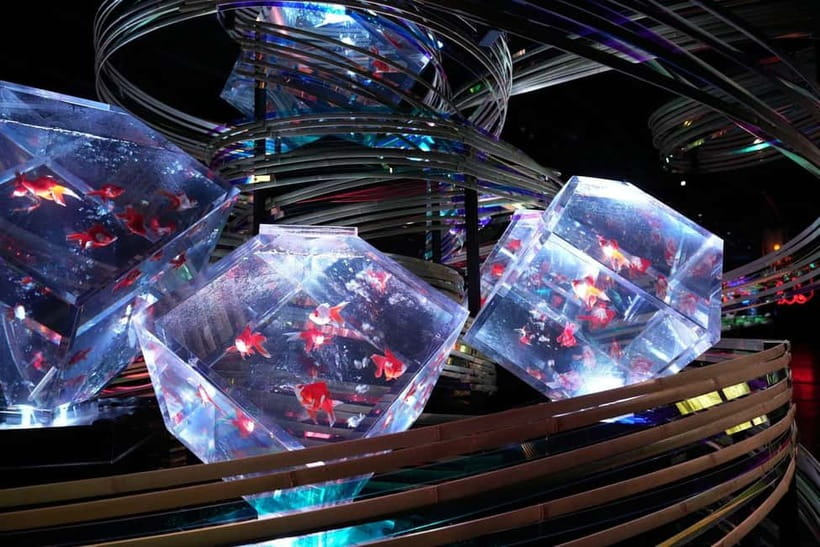
Photography is one of the main reasons to visit. The art is built around glowing tanks, reflections, strong color, and carefully placed light. Goldfish move constantly, so even a familiar display can produce different photographs from one moment to the next.
You may get your best results by taking a little time rather than snapping one picture and moving on. Look for moments when a fish crosses a bright section of the tank or turns toward the glass. The compact size means you can return to a favorite display later in the visit.
There are clear limits on equipment. You may photograph the exhibits, but tripods, monopods, similar supports, strobes, and lighting equipment are not allowed. This keeps the rooms easier to move through and prevents bright flashes from affecting the atmosphere.
A midweek morning is a sensible choice if photography matters to you. One visitor with a 10:30 a.m. weekday ticket found the museum quiet enough to take photographs without interrupting other people. That is not a promise of empty rooms, but early timing can improve your chances of having space around a display.
The museum also works for people who do not take pictures. The music and color changes give the visit a calm, reflective rhythm. Still, photography is so central to the design that you may find some people stopping often near the most dramatic tanks.
Seasonal art gives repeat visits a reason
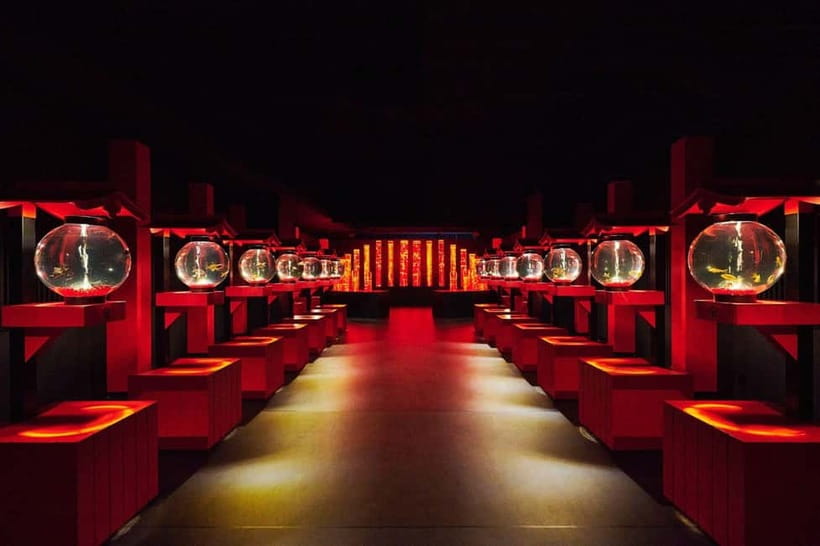
Art Aquarium Museum GINZA is a permanent venue, but the presentation is not fixed forever. Seasonal changes take place throughout the year, and a repeat visit may include new or changed art. One repeat visitor found that more than half of the art had changed over a two-year period.
That makes the museum more useful for repeat trips to Tokyo than a one-time pop-up show. You should not assume that every display will be different on your next visit, but the venue does have room to change with the calendar.
Seasonal design also suits Ginza, where shopping streets and department stores already shift their displays through the year. The museum offers a sheltered indoor stop that can fit into several kinds of Tokyo day, from a rainy afternoon to a shopping break.
I would not make a special cross-city journey solely for a 30-minute visit unless goldfish art is a priority for you. It works best when combined with other plans in Ginza. A little planning turns the museum into a neat part of the day rather than an isolated stop.
A few more Tokyo bookings worth comparing
- Tokyo: Sumida Aquarium Entry Ticket
★ 4.6 · 70 reviews
The Ginza Mitsukoshi location
The museum is inside Ginza Mitsukoshi at 4-6-16 Ginza, Chuo-ku, Tokyo. Admission reception and same-day tickets are handled on the ninth floor of the new building, so allow time to get through the department store and reach the correct floor.
Ginza Station is the easiest rail connection for many people. The Tokyo Metro Ginza, Marunouchi, and Hibiya lines serve the station, and Exit A7 is the listed access point. From Ginza 1-chome Station on the Yurakucho Line, the walk is about five minutes from Exit 9.
Higashi-Ginza is even closer by the listed route. The Toei Asakusa Line and Tokyo Metro Hibiya Line connect there, with a two-minute walk through the underground passage toward Ginza Station.
This location is convenient, but one practical point matters: you are entering a department store, not a separate street-level museum. Follow the building signs and head to the ninth floor rather than expecting an obvious aquarium entrance outside.
Ginza is a strong area for a flexible day. You can pair the museum with shops, restaurants, and other central Tokyo plans, although one visitor felt there was less to do nearby than expected. Your enjoyment of the location will depend on whether you already want to spend time in Ginza.
Is $17 good value?
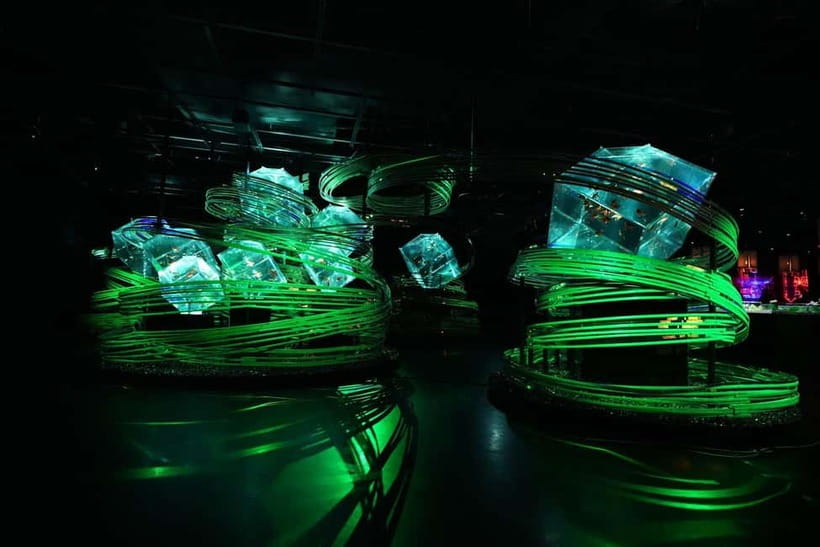
At about $17 per person, the ticket is reasonably priced for a polished indoor attraction, but value depends on how you use it. If you spend only 30 minutes inside, the price may feel high compared with a larger museum. If you stay for an hour, take photographs, read about the goldfish, and appreciate the room design, the cost feels easier to justify.
This is not a full-day attraction. The ticket is valid for one day, while the estimated viewing time is about one hour. Think of it as a focused cultural stop, not the main event for an entire Tokyo itinerary.
The price becomes more attractive for families with young children. Up to two children under elementary school age may enter free with one paying adult. That can make the museum a practical short outing for a family, especially when you want an indoor activity that does not require a long commitment.
The ticket is non-refundable, and closing days and business hours can vary. Check the current availability and opening information before you set out. This matters more here than at a large outdoor sight because the museum is compact and your visit may depend on a particular time window.
Who will enjoy Art Aquarium Museum GINZA?
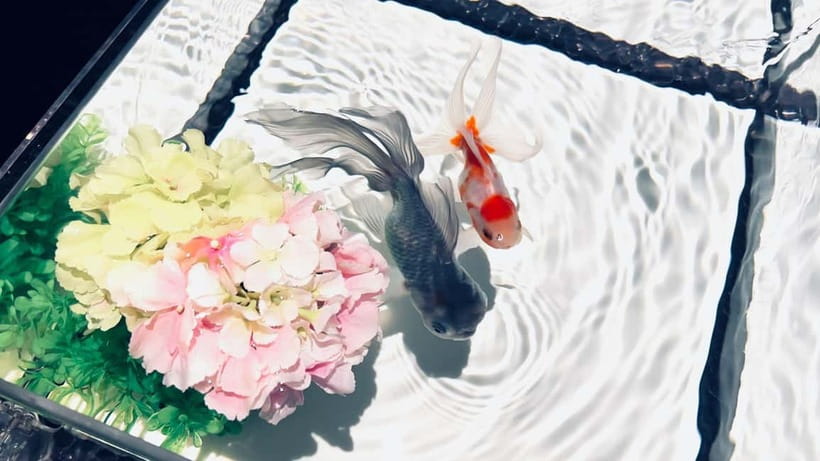
I would recommend this experience to anyone who likes photography, interior design, Japanese visual culture, or unusual museum formats. It is especially useful when you want something calm and visually striking rather than a long historical attraction.
Couples and solo sightseers can move at their own pace. Families may appreciate the short duration and free admission for up to two preschool children per adult. The colorful tanks may appeal to children, though the calm presentation is not built as a hands-on activity.
It also suits repeat visitors to Tokyo. The seasonal changes and refreshed art give you a reason to return, particularly if you are already planning time in Ginza.
You may want to skip it if you are seeking a traditional aquarium with many species, large habitats, or extensive natural-history displays. This museum is about presentation and atmosphere. Goldfish are the subject, and the exhibition is fairly small.
There is also an animal-welfare point to think about. One visitor felt that some fish looked maltreated. The supplied information does not provide details about fish care, so I cannot settle that concern here. If the treatment of live animals is central to your choice, you may prefer to research the venue’s current welfare information before booking.
Practical tips for a smoother visit
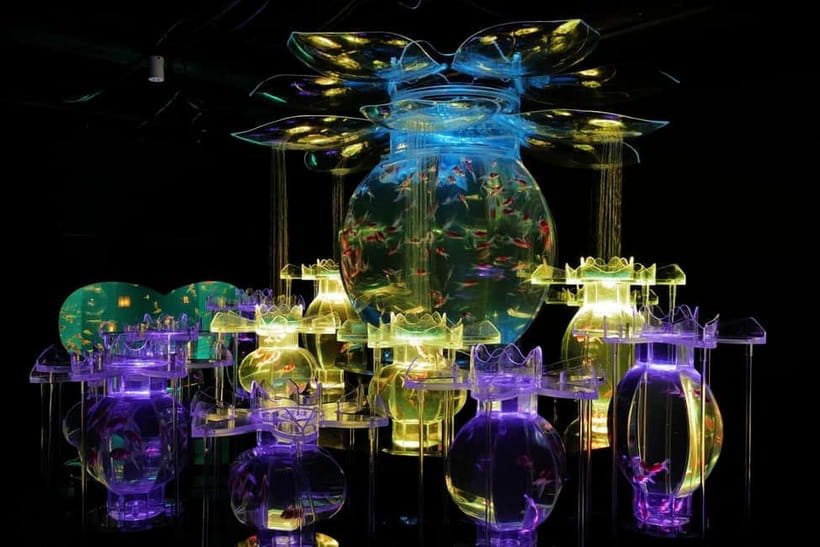
Choose a weekday morning if you want more room for photographs. A 10:30 a.m. visit was described as relatively quiet, but conditions can change. Avoid bringing a tripod or similar support because those are prohibited.
Allow at least 45 minutes if you want to enjoy the lighting, music, scent, and written information without rushing. Add time for finding the ninth-floor reception inside Ginza Mitsukoshi, especially if you are unfamiliar with the building.
Keep your camera ready, but do not rely on flash. Strobes and added lighting equipment are not permitted, and the displays are already lit for you. The museum’s own lighting is part of the composition.
You may want to leave room in your schedule for the gift shop. It offers souvenirs, and it gives the visit a natural ending after the final aquarium display.
For a family visit, remember the age rule precisely: up to two children under elementary school age may enter free with one adult. Closing days and business hours can change, so verify the current schedule before traveling to Ginza.
Should you book this ticket?
Book it if you want a short, polished Ginza attraction with striking photographs, gentle music, seasonal art, and a distinctly Japanese idea of ornamental beauty. The $17 price is fair when you treat the museum as a one-hour cultural stop and take time with the displays.
I would book a weekday morning for the best chance of photographing the tanks without crowding. I would also combine it with other Ginza plans, since the museum alone may feel too brief for a major outing.
Skip it if you want a large aquarium, a long museum visit, or a heavily guided explanation. For everyone else, especially photography enthusiasts and repeat visitors to Tokyo, Art Aquarium Museum GINZA offers a memorable change of pace.
FAQ
Where is Art Aquarium Museum GINZA located?
It is inside Ginza Mitsukoshi at 4-6-16 Ginza, Chuo-ku, Tokyo. Admission reception and same-day tickets are on the ninth floor of the new building.
How do I reach the museum from Ginza Station?
Use Exit A7 of Ginza Station on the Tokyo Metro Ginza, Marunouchi, or Hibiya lines.
How far is the museum from Ginza 1-chome Station?
It is about a five-minute walk from Exit 9 of Ginza 1-chome Station on the Tokyo Metro Yurakucho Line.
How far is it from Higashi-Ginza Station?
The museum is about a two-minute walk via the underground passage toward Ginza Station from Higashi-Ginza Station.
How long should I allow for the museum?
The estimated viewing time is one hour. A faster visit may take about 30 minutes, while photography and reading the information can extend your stay toward an hour.
What does the $17 ticket include?
The ticket includes admission to Art Aquarium Museum GINZA.
Can children enter free?
Up to two children under elementary school age may enter free of charge with one adult.
Is photography allowed?
Yes, photography is permitted. Tripods, monopods, similar equipment, strobes, and lighting equipment are not allowed.
Does the museum change during the year?
Yes. The permanent venue includes seasonal changes, and the artwork may be updated over time.
Can I get a refund if my plans change?
No. This activity is non-refundable. Closing days and business hours may vary, so check availability and current operating information before booking.
New on our Tokyo list
- From Tokyo: Mount Fuji & Hakone Full Day Private Tour★ 4.9 · 25 reviews
- Tokyo Spectacular View Day-Cruise in 90 Minutes★ 5.0 · 25 reviews
- Real Tokyo Runner Club : Daikoku Car Meet Night Tour with JDM Car★ 5.0 · 25 reviews
- 2.5 Hour-Guided Cycle Tour in the Central Tokyo★ 5.0 · 25 reviews
- Ramen Making from Scratch +Akihabara Tour –Cooking Class★ 5.0 · 25 reviews
- [Self-Drive] Tokyo & Daikoku Custom Car Driving Tour★ 4.9 · 25 reviews
- Tokyo: 2-Hour Night Bike Tour of the City’s Hidden Gems★ 4.9 · 25 reviews
- Buddha, Bamboo & Zen – Bespoke Kamakura Private Walking Tours★ 5.0 · 25 reviews
Museums, compared.
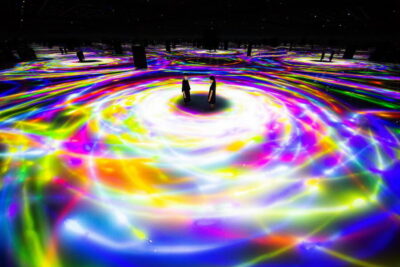
teamLab Planets TOKYO Digital Art Museum Entry Ticket
Read our review →
Samurai Ninja Museum Guided tour and Experience
Read our review →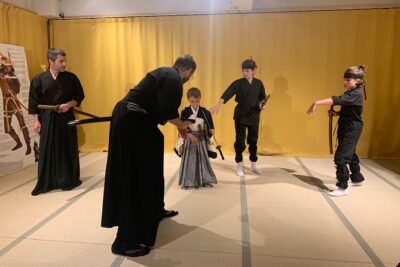
Ninja Experience (Family Friendly) at Samurai Ninja Museum TOKYO
Read our review →
Tokyo Studio Ghibli Museum and Ghibli Film Appreciation Tour
Read our review →
Tokyo Sword Experience – includes Museum Ticket/Ninja Experience
Read our review →
Samurai Ninja Museum Asakusa: Samurai Sword Lesson & Tour
Read our review →
Samurai Sword Experience (Family Friendly)at SAMURAI MUSEUM TOKYO
Read our review →
Samurai Ninja Museum Asakusa: Kid-Friendly Ninja Training
Read our review →Browse the lists this tour appears in