
Reviewed · CITY TOURS
Yokohama: A City at the Corner of Tradition and Modernity
Yokohama changed almost overnight from a small fishing village into Japan’s great international port. This four-hour private tour follows that story through Minato Mirai, Chinatown, Sankei-en Garden, and Noge, moving from sleek waterfront towers to old streets, garden paths, and Japan’s early beer culture.
I like the private group format, which lets your guide adjust the pace instead of marching everyone along. I also like the range of the route: modern city views, Chinese-Japanese food culture, a carefully designed garden, and a local drinking quarter all appear in one compact outing.
The main drawback is the amount of walking. Public transport helps, but most of the tour is on foot, and Sankei-en adds garden paths to the day. Bring comfortable shoes, water in summer, and speak up early if your knees or energy need a slower plan.
In This Review
- Key points to know before booking
- Yokohama’s port story begins at Nihon-Odori
- Minato Mirai shows Yokohama looking forward
- Chinatown brings food, trade, and street life together
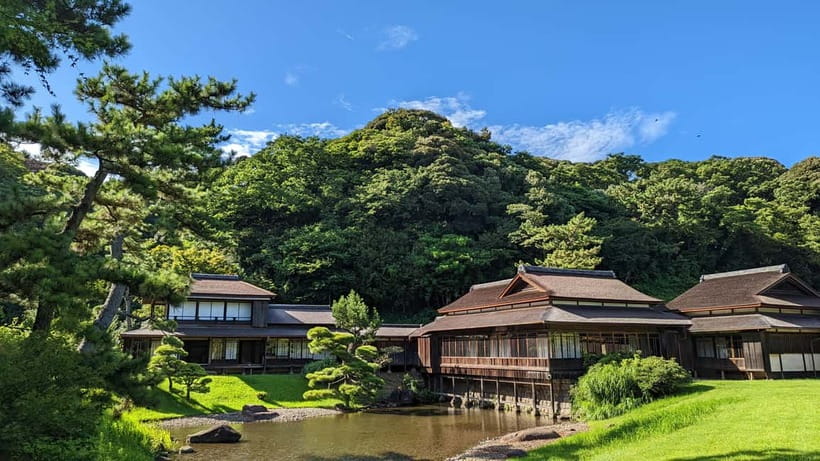
- Sankei-en Garden offers a quieter change of pace
- Noge reveals Yokohama after dark, even in daylight
- What the private format adds
- Walking demands and practical planning
- Who will get the most from this tour
- Booking details that matter
- Should you book the Yokohama city tour?
- FAQ
- Where does the Yokohama tour meet?
- How long does the tour last?
- What language is the tour offered in?
- Is this a private tour?
- What places does the tour visit?
- Are food and drinks included?
- Are transport and entry fees included?
- Is the tour suitable for wheelchair users?
Key points to know before booking
- Four major sides of Yokohama: See Minato Mirai, Chinatown, Sankei-en Garden, and Noge in one half-day.
- Private tour for up to 10 people: Your group gets one English-speaking guide rather than joining a large public crowd.
- A flexible route: Public transport is used at times, and the plan can become more transport-based if you tire easily.
- John’s careful planning: The guide adapted the day for a guest with an injured knee and handled questions about life in Japan with broad knowledge.
- Extra costs are modest but real: Plan for about 400 yen for transport and about 1,000 yen in entry fees, plus your own food and drinks.
- Best for walkers: The experience is not suitable for wheelchair users and requires comfortable footwear.
Yokohama’s port story begins at Nihon-Odori
Meet just outside Exit 2, called the Stadium Exit, at Nihon-Odori Station. This is a practical starting point because the tour begins in the part of Yokohama tied most closely to the city’s opening to foreign trade.
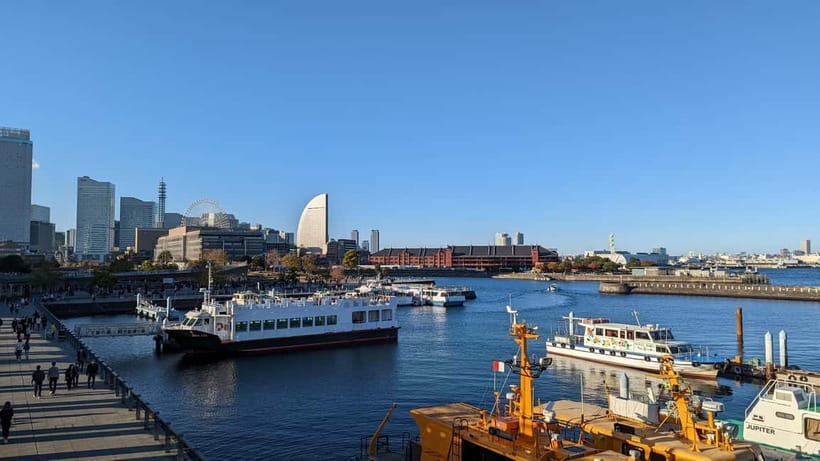
Around 200 years ago, Yokohama barely counted as a town. In the mid-1800s, Japan opened the small port to overseas commerce, and the change was rapid. Yokohama grew into one of Japan’s largest and wealthiest cities, with foreign trade shaping its streets, food, buildings, and habits.
That background gives the tour a useful thread. You are not simply checking off four attractions. You are watching one city shift between old customs and outside influence, then seeing how those influences remain visible today.
Your guide can also help connect Yokohama with Japan’s beer story. The city became an early center of Japanese beer culture, with the country’s first breweries opening here in the late 1800s. Today, Yokohama has many small breweries, though this tour does not include drinks or a brewery visit as part of the stated plan.
More Yokohama outings:
- Authentic Sumo Experience in Tokyo: Enter the Sanctuary
★ 5.0 · 603 reviews - EVO, WRX, Skyline – JDM Night Run to Daikoku Car Meet
★ 4.9 · 478 reviews - Tokyo: Best Price Daikoku Parking Area JDM Car Meet
★ 4.9 · 192 reviews
Minato Mirai shows Yokohama looking forward
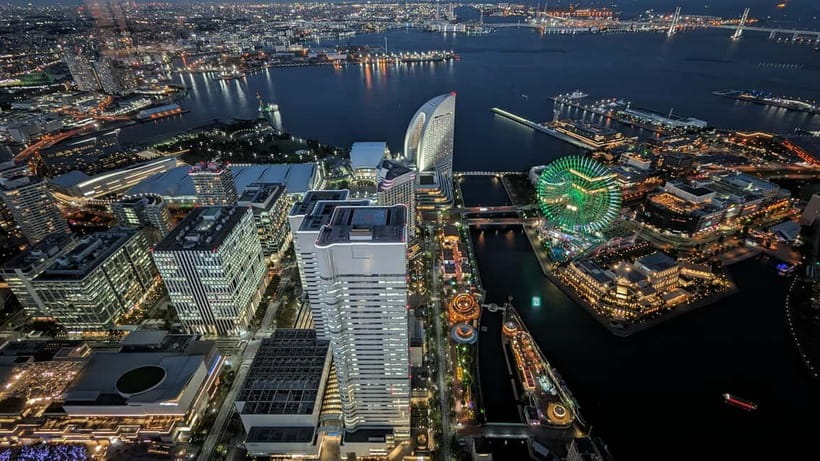
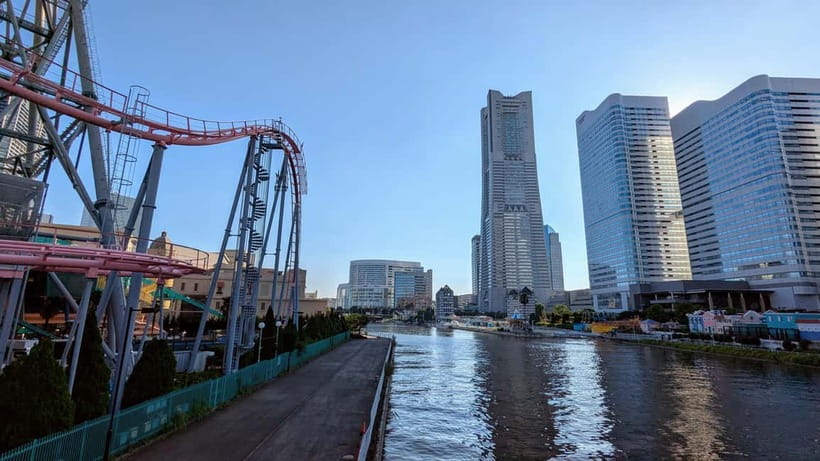
Minato Mirai is Yokohama’s modern downtown. Expect broad urban views, large-scale development, and the polished side of a port city that has grown far beyond its fishing-village beginnings.
This stop works best as a counterpoint to the rest of the route. After hearing how Yokohama opened to global trade, you see the result in a modern business and entertainment district. It gives you a quick sense of the city’s present-day scale before the tour shifts to more intimate areas.
Because the full experience lasts only four hours, your guide will need to keep the schedule moving. Minato Mirai is a large district, so do not expect an exhaustive visit to every attraction or shopping complex. Instead, treat it as a broad introduction to Yokohama’s contemporary center.
I appreciate that the tour does not stay only in the polished downtown area. Many city walks stop once they have shown you the best skyline. This one continues into places where Yokohama feels more local and layered.
Chinatown brings food, trade, and street life together
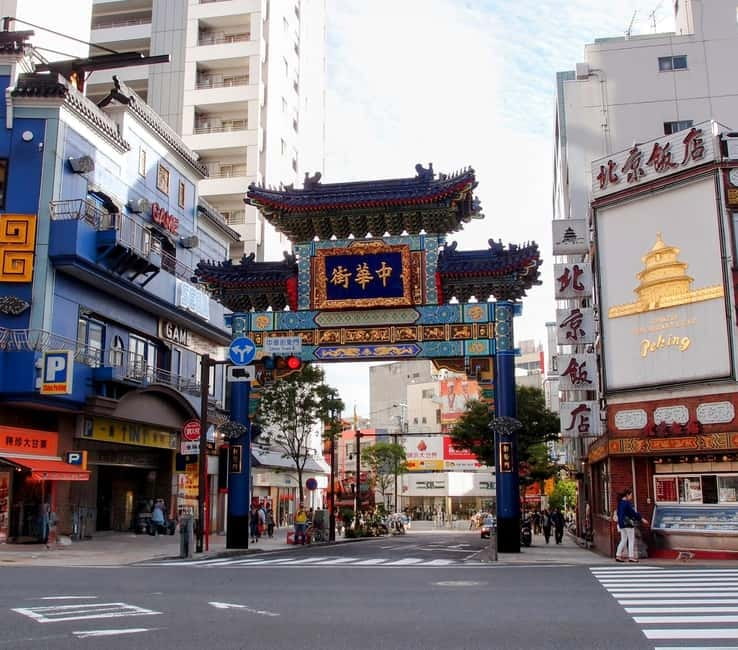
Yokohama Chinatown is described as the largest Chinatown in Japan, making it one of the central stops rather than a quick photo break. The area gives the tour another way to examine Yokohama’s port identity, since international trade brought new communities, flavors, and customs to the city.
You will have the chance to see the district with a guide who can explain how it fits into Yokohama’s development. Food and drinks are not included, so budget separately if you want a snack or meal. That can be useful, since the listed tour price covers the guide only.
There is a practical timing point here. The tour is four hours, and it also includes a garden and the Noge district. You should not assume that Chinatown provides a long, relaxed lunch stop unless you arrange that with your guide. If eating is a priority, ask how much time can be set aside before the day begins.
Still, Chinatown adds welcome variety. Minato Mirai gives you modern city planning. Chinatown shifts the focus to culture, commerce, and everyday streets. The contrast is one of the tour’s best features.
Sankei-en Garden offers a quieter change of pace
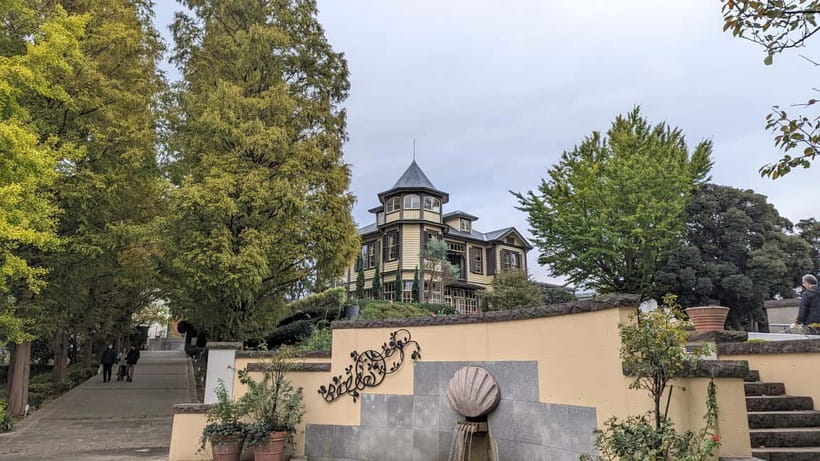
Sankei-en Garden is presented as the finest garden in the Tokyo region. That is a strong claim, but the garden’s place in the itinerary is easy to understand: it offers a calm break from Yokohama’s dense downtown districts.
Expect garden paths and an atmosphere that feels removed from the towers of Minato Mirai and the busy streets of Chinatown. The tour includes an entry fee of about 1,000 yen, so factor that into the total cost. The exact fee can vary, but the supplied estimate gives you a sensible planning figure.
This is also the stop that makes footwear especially important. Walking on garden paths may be tiring for anyone with knee, hip, or balance problems. The guide can make the plan more transport-reliant if you tire easily, but you should explain your needs before the tour starts rather than waiting until you are uncomfortable.
John, the guide named in the feedback, adjusted the plan for a guest with an injured knee. That detail matters more than a general promise of flexibility. It suggests you can discuss a practical route instead of treating the itinerary as fixed, though the tour is still not suitable for wheelchair users.
A few more Yokohama bookings worth comparing
- Yokohama Private Transfer: Tokyo City, Narita and Haneda Airport
★ 4.5 · 18 reviews - 【50 mins】 City lights HelicopterTour: Tokyo and Yokohama plan
★ 5.0 · 3 reviews - Tokyo: Private City Highlights Tour with Local Guide
★ 4.8 · 1,433 reviews - Tokyo: Asakusa, Skytree & Akhihabara Go-Kart City Experience
★ 4.7 · 761 reviews
Noge reveals Yokohama after dark, even in daylight
Noge is the final piece of the city’s character. It is known for its small bars, restaurants, and connection to Yokohama’s drinking culture. The district fits naturally with the story of early Japanese beer and the city’s long relationship with food, drink, and port commerce.
The tour does not include lunch, snacks, or drinks, so any stop in Noge is at your own expense. That is helpful if you want control over what you eat and spend, but it also means the 129 dollar group price is not an all-inclusive day out.
Noge gives you a less polished side of Yokohama than Minato Mirai. Its appeal is not a single grand sight. It is the feel of a district built around small-scale places and local routines. Your guide can help you understand why this area matters, especially if you want more than landmark photographs.
Since the tour takes place during a four-hour window, ask your guide how Noge fits into the day’s timing. The supplied details do not promise a full meal or a brewery tasting, so plan for an introduction to the district rather than a long evening of eating and drinking.
What the private format adds
The price is 129 dollars per group of up to 10 people, not per person. For a full group, that can be strong value, especially when you divide the fee among several people. A couple will pay more per person, but the private format gives you control that a cheaper group tour may not offer.
You receive the guide fee and one English-speaking guide. Food, drinks, transport, and entry fees are separate. The expected additional costs are about 400 yen for public transport and about 1,000 yen for admission, with meals and snacks depending on your choices.
The greatest value is flexibility. John adapted the route for a guest with a knee injury, and the tour description says the plan can become more reliant on transport if you tire easily. You can also ask questions about daily life in Japan, not only about the four named stops.
That personal exchange is important in Yokohama. The city’s story crosses trade, migration, architecture, food, beer, and modern growth. A guide who can move between those subjects makes the same streets more useful than a simple sightseeing route.
Walking demands and practical planning
This is primarily a walking tour. Public transport is used at times, but you will mostly get around on foot. Comfortable shoes are essential, and water is a sensible choice during summer.
The tour is not suitable for wheelchair users. The garden paths and the need to move between districts make accessibility a serious consideration, not a minor footnote. If you tire easily, contact the guide or explain your needs at the start so the route can be adjusted as much as possible.
The meeting point is outside Exit 2 of Nihon-Odori Station. Arrive with enough time to find the Stadium Exit and regroup before the walking begins. Since starting times vary, check availability for the date you want.
The tour lasts four hours, which is enough for an overview but not enough for a slow, detailed visit to every district. I would choose this experience early in a Yokohama stay. It can help you decide where to return for a longer meal, garden visit, shopping stop, or brewery outing.
Who will get the most from this tour
This experience suits you if you want a private introduction rather than a rigid sightseeing checklist. It is especially useful for first-time visitors who want to understand how Yokohama connects its port past with its modern city center.
It also suits families or small groups who value a flexible pace. A group of up to 10 can share the guide fee, and the route can be adjusted when someone needs more transport or fewer walking stretches. John’s response to an injured knee is a useful sign for anyone concerned about keeping the outing manageable.
You should think twice if you want a food tour, a dedicated beer tour, or a long garden visit. Those subjects appear in the city story, but the experience covers four different areas in four hours. It is broad rather than highly specialized.
The same applies if you dislike walking or want a fully accessible route. This is not the right fit for wheelchair users, and even an adjusted version still involves movement through several parts of the city.
Booking details that matter
Cancellation is free up to 24 hours before the tour for a full refund. You can also reserve now and pay later, which helps if your Yokohama plans are still shifting.
The tour is offered in English with a live guide. It is a private group experience, so you are not sharing the day with unrelated participants.
The overall rating is 4.7 from three reviews, including a five-star account that specifically praised John’s organization, planning, flexibility, and ability to answer questions about life in Japan. Another rating was four stars with no detailed comment. The sample is small, so I would treat the score as encouraging rather than definitive, but the specific praise points to the qualities that matter most on this route.
Should you book the Yokohama city tour?
Book it if you want a compact, private introduction to Yokohama that mixes modern downtown views with Chinatown, a major garden, and Noge. The fixed group price can be a good deal for several people, and the flexible approach is useful if your party has different walking abilities.
Skip it if you want an all-inclusive food experience, a brewery tasting, or a slow visit focused on one district. You will need to pay for food, drinks, transport, and entry fees separately, and four hours requires a fairly active pace.
For most independent visitors, this is a smart first look at Yokohama. Bring good shoes, keep some yen handy, and tell the guide about mobility concerns at the outset. If you do that, the tour gives you a clear sense of why this former fishing village became one of Japan’s most varied port cities.
FAQ
Where does the Yokohama tour meet?
The meeting point is just outside Exit 2, known as the Stadium Exit, of Nihon-Odori Station.
How long does the tour last?
The tour lasts four hours.
What language is the tour offered in?
The tour is conducted in English with a live guide.
Is this a private tour?
Yes. It is a private group tour for up to 10 people.
What places does the tour visit?
The route includes Minato Mirai, Yokohama Chinatown, Sankei-en Garden, and Noge.
Are food and drinks included?
No. Lunch, snacks, and drinks are not included.
Are transport and entry fees included?
No. Public transport costs about 400 yen, and entry fees are estimated at about 1,000 yen. These costs are paid separately.
Is the tour suitable for wheelchair users?
No. The experience is not suitable for wheelchair users. Comfortable walking shoes are required, and the guide can make the route more transport-reliant if you tire easily.
New on our Yokohama list
- Yokohama Chinatown: Authentic Local Street Food Experience★ 4.7 · 3 reviews
- 【50 mins】 City lights HelicopterTour: Tokyo and Yokohama plan★ 5.0 · 3 reviews
- Wheelchair Accessible Taxi from HND to Yokohama Port★ 5.0 · 3 reviews
- Tokyo/yokohama: Full Day Nikko Private Sightseeing Trip★ 5.0 · 3 reviews
- Eat like a local in Yokohama – with a Local Expert Guide!★ 4.7 · 3 reviews
- Tokyo JDM Daikoku PA Car Meet Private LEXUS RC Tour from Yokohama★ 5.0 · 3 reviews
- Yokohama: Soba Noodle Workshop with a Soba Master★ 5.0 · 3 reviews
- Find Yokohama’s Hidden Gem: Walking Tour with Local Guide★ 5.0 · 3 reviews
City Tours, compared.

Private City Highlights Tour with Local Guide
Read our review →
Asakusa, Skytree & Akhihabara Go-Kart City Experience
Read our review →
3-hour Guided E-Bike Tour of the City’s Hidden Gems
Read our review →
3-Hour Bike/E-Bike Tour of the City’s Highlights
Read our review →
Small Town in the Big City: Tasting Tokyo’s Kichijoji
Read our review →Browse the lists this tour appears in