
Reviewed · SAMURAI & NINJA EXPERIENCES
Samurai Ninja Museum Asakusa: Samurai Sword Lesson & Tour
The best part of this Asakusa experience is the hands-on sword lesson. You do not simply look at armor behind glass. You put on a hakama, helmet, and samurai armor, then learn a short katana routine under an instructor such as Sensei Ryo, Koki, or Kenny. I especially like the family-friendly foam-sword practice and the chance to try shuriken, or ninja throwing stars, afterward. The lively museum tour adds useful context instead of leaving the activity as costume play alone.
The main drawback is time. Two hours passes quickly, and the museum portion can feel rushed when the group is full. Children under six cannot enter, and younger children can make the sword routine harder to follow, so families should consider the age mix and group size before booking.
In This Review
- Key points to know before booking
- Putting on the hakama in Asakusa
- Learning the katana routine with Sensei Ryo
- What the family sword play is really like
- Touring the Samurai and Ninja Museum
- Trying ninja weapons and throwing shuriken
- Photo opportunities that are worth planning for
- How two hours feels in practice
- Is $63 a fair price?
- Who will enjoy this most
- English guidance and group size
- Practical booking advice
- Should you book the Samurai Ninja Museum experience?
- FAQ
- Where is the Samurai Ninja Museum experience located?
- How long does the activity last?
- What is included in the price?
- Is the activity conducted in English?
- Can children take part?
- Is previous sword experience required?
- Do participants get to wear samurai armor?
- Do participants use real swords?
- Is the experience wheelchair accessible?
- How large can the group be?
- Can I cancel the booking?
Key points to know before booking
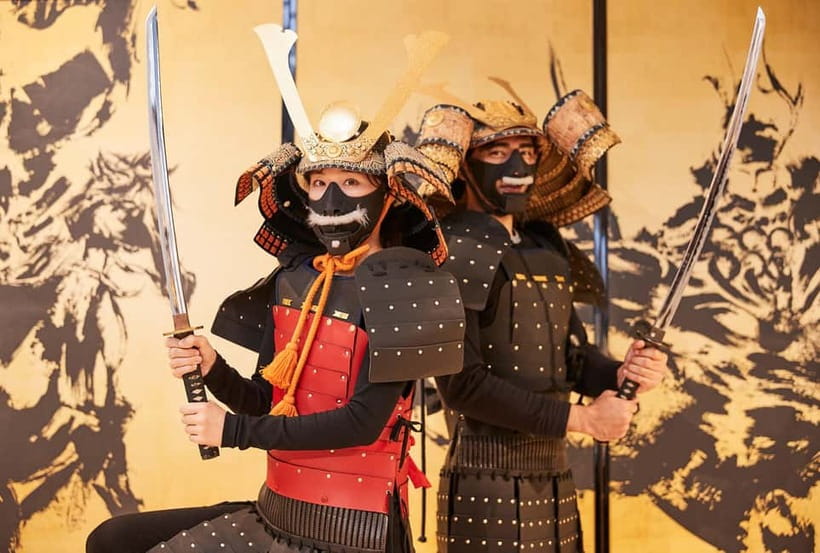
- You wear the full samurai look: Hakama, armor, and a helmet are provided for the lesson and photographs.
- You learn a short katana routine: Instructors break down basic handling and choreographed movements for complete beginners.
- The sword practice is supervised: Family sessions may include foam-sword partner play rather than unsupervised combat.
- The museum adds historical context: You see samurai and ninja displays while learning about Japan’s warrior traditions.
- Ninja weapons are part of the fun: The activity includes a shuriken throwing trial and, in some sessions, a friendly competition.
- The group can reach 16 people: Small-group and private options are available if you want more room and attention.
Putting on the hakama in Asakusa
This experience gets you into costume early, which is smart. Once you are dressed in the hakama, armor, and helmet, the lesson feels more like an activity than a standard museum visit. You also get several samurai-themed backgrounds for photographs, so plan to use your phone before the session ends.
The clothing is not just decoration. It gives children a clear role to play and helps adults relax into the lesson. You may feel a little stiff at first, especially in the helmet and armor, but that is part of the fun. The photos also give you something lasting from an activity that otherwise moves quickly.
The meeting point can vary by the option you book, so check your confirmation carefully. The venue is in Asakusa, a convenient Tokyo area for combining this activity with nearby sightseeing, though the supplied details do not specify a single fixed meeting address.
More samurai and ninja sessions:
- Tokyo: Samurai Ninja Museum Guided tour and Experience
★ 4.6 · 1,010 reviews - Tokyo: Samurai Sword & Archery Class from Samurai Descendant
★ 5.0 · 603 reviews - Best Samurai Experience in Tokyo
★ 5.0 · 458 reviews
Learning the katana routine with Sensei Ryo
The central lesson teaches you how to hold and move a katana. You begin with basic positions and controlled movements, then work toward a short routine. Instructors demonstrate first and correct the group as you practice.
Sensei Ryo receives especially strong praise for his calm, polite teaching style and his ability to make beginners feel at ease. Kenny is also noted for clear English and humor, while Koki has been praised for patient instruction. Staff names and assignments can vary, but the English-language format is consistent.
You should not expect a full martial arts course. This is a brief introduction, not a serious study of kenjutsu or a substitute for training at a dojo. The value comes from learning a few movements correctly, understanding how ceremonial sword handling looks, and enjoying the feeling of performing a routine in costume.
Some sessions end with a short sword performance or group routine. That is often the most entertaining moment, but it is also where the limited space matters. If the room is crowded, you may not be able to complete every movement with much room around you.
What the family sword play is really like
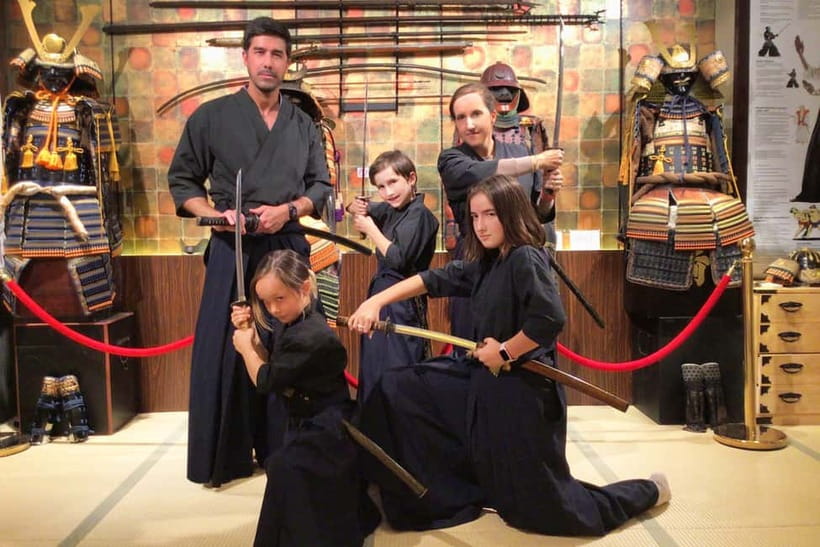
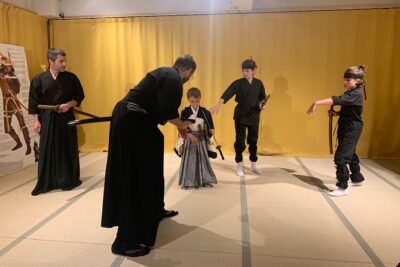
The phrase sword lesson can sound more intense than the activity actually is. The supervised partner portion uses foam swords in the family-friendly sessions described by several participants. You practice a simple sequence and may face another member of your group in a controlled, playful match.
That makes this a good choice for families with children old enough to follow instructions. Kids ages seven and nine have enjoyed the ninja and sword portions, and older children and teenagers can take the routine seriously enough to feel involved without needing previous experience.
You should still expect a busy room and some uneven pacing. One four-star assessment found that a full group with several small children made it harder to finish the movements. Another felt that a very short lesson did not provide enough practice. If the sword technique itself is your main reason for booking, a private or smaller option is worth considering.
Touring the Samurai and Ninja Museum
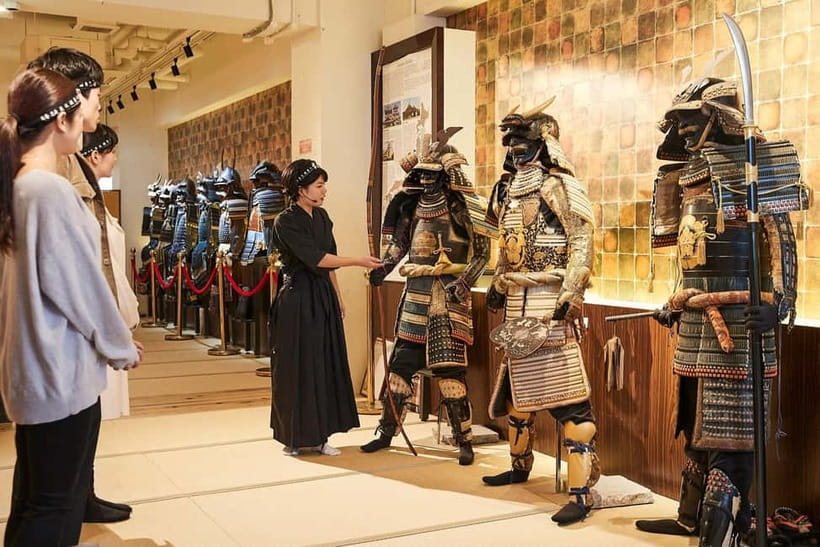
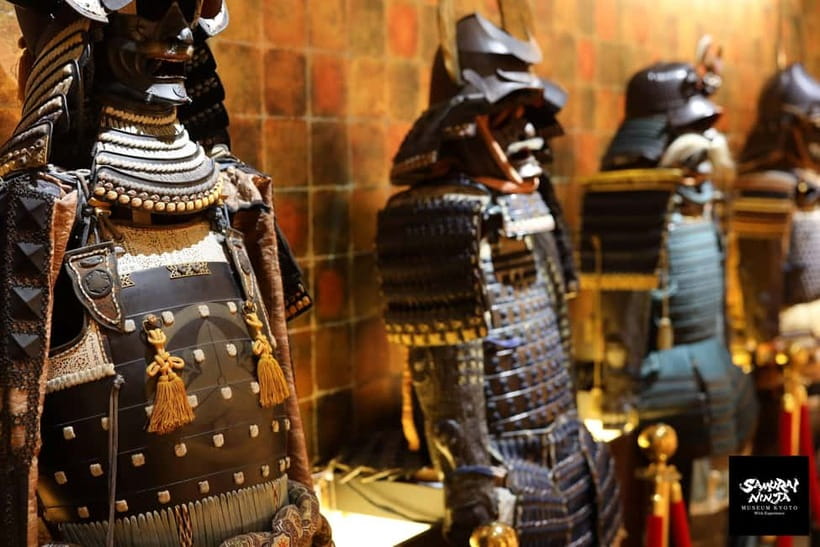
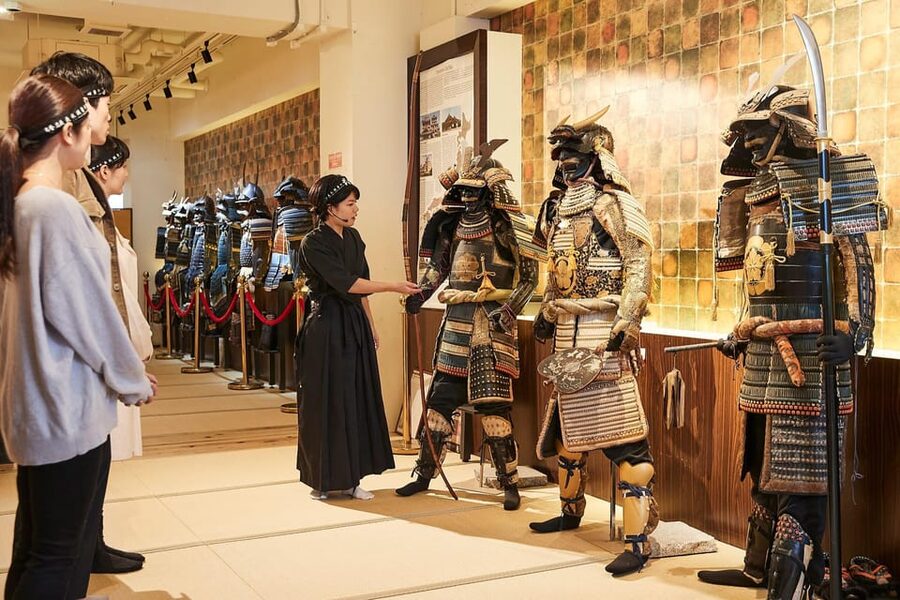
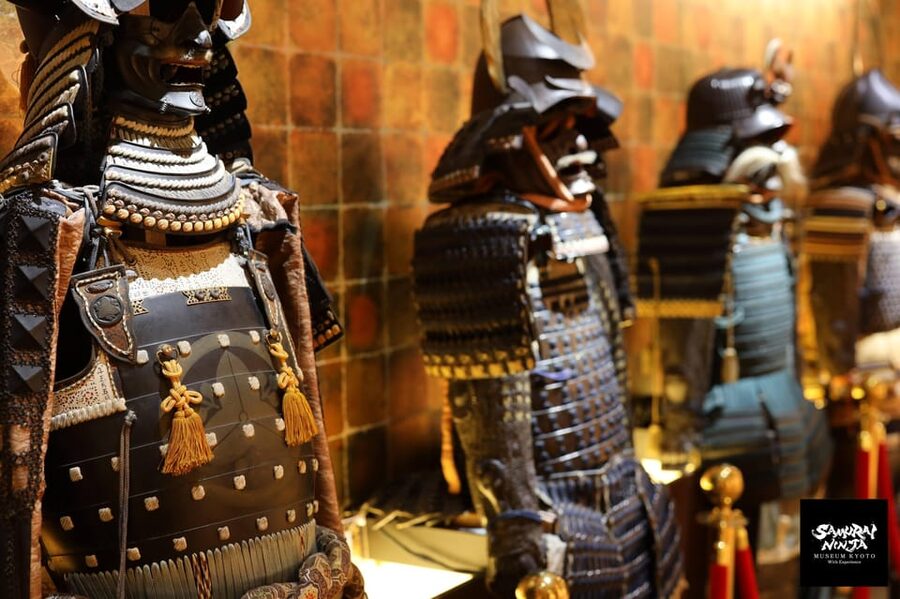
The museum tour gives the activity its educational backbone. You see displays connected with samurai and ninja culture while your guide explains how Japan’s warrior traditions developed, changed, and eventually ended. The material covers the origins of the samurai, the samurai era, and its place in modern Japan.
The museum is small, so do not expect the scale of a major national institution. Its collection includes samurai antiques and themed displays rather than a vast range of galleries. That compact size works well with children, since the guide can keep the visit moving and connect the objects to the costume and sword lesson.
Guide quality matters here. Ren has been praised for lively explanations, while Momo is noted for keeping children engaged during a packed two-hour visit. The best guides add humor and questions, making the history easier to remember than a dry timeline.
The balance between entertainment and history is one of the experience’s strongest features. You are not asked to absorb a long lecture before doing anything. Instead, the museum visit helps explain the objects and traditions you have just acted out.
More Asakusa visits:
- Tokyo: Japanese Dance Cabaret Theater Asakusa-Kaguwa Ticket
★ 4.8 · 2,270 reviews - Tokyo: Meiji Shrine, Asakusa, Skytree Bus Tour and Cruise
★ 4.7 · 1,986 reviews - Tokyo: Roll and Authentic Sushi Making Class in Asakusa
★ 4.9 · 1,957 reviews - Tokyo: Asakusa Walking Tour with Sensoji Temple Visit
★ 4.8 · 1,583 reviews
Trying ninja weapons and throwing shuriken
The ninja portion brings a different kind of energy. You get to try ninja weapons, including shuriken throwing, usually at a target. Some sessions include several attempts or a friendly contest, which can be a hit with children, teenagers, and adults who enjoy a little competition.
This is a trial, not professional weapons training. The appeal is the chance to handle a familiar ninja symbol in a supervised setting and see how difficult accurate throwing can be. It also gives the group a change of pace after the more structured katana routine.
The ninja segment may be taught by a different staff member from the sword class. Nao has been praised for making the ninja lesson engaging, and one family particularly enjoyed the activity because it gave children another hands-on challenge. The exact balance between sword and ninja time can depend on the session and group.
Photo opportunities that are worth planning for
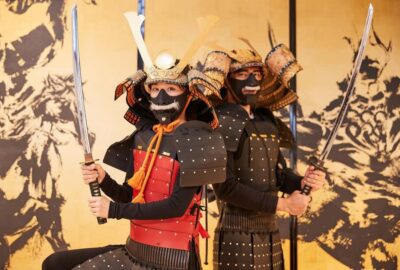
The photo session is not an afterthought. You can pose in samurai clothing against several themed backgrounds, wearing the helmet and armor. These pictures tend to be the clearest record of the experience, especially if your group includes children who may not remember the historical explanations in detail.
I suggest taking a few natural photos as well as the formal warrior pose. If everyone is wearing armor at once, the group picture can be especially memorable. Since the activity is only two hours, do not wait until the very last minute if the staff gives you a chance to take pictures earlier.
The compact space can limit large group arrangements. Still, the themed settings make these photos more distinctive than ordinary costume snapshots around Tokyo.
How two hours feels in practice
The schedule combines dressing, photos, sword instruction, museum interpretation, and ninja activities. That is a lot for a two-hour visit, which explains why the experience feels energetic rather than slow.
The exact order can vary. One account describes dressing and photographs before the sword class, followed by the museum tour. Other descriptions place the museum and ninja material around the lesson. You should be ready for transitions rather than a long uninterrupted class.
A typical visit may include:
- Changing into a hakama and putting on armor and a helmet
- Taking photographs in the samurai-themed areas
- Learning basic katana handling and a short choreographed routine
- Practicing with a partner using foam swords
- Touring the samurai and ninja displays
- Trying shuriken or another ninja weapons activity
- Finishing with a photo, game, or friendly contest, depending on the session
The advantage of this format is variety. You get history, costume, movement, photos, and a simple skill challenge in one booking. The trade-off is that no single part receives a great deal of practice time.
Is $63 a fair price?
At $63 per person, this is not the cheapest museum visit in Tokyo. It is fair value if you want an activity with several parts rather than a quiet look at exhibits. The fee covers the sword lesson, hakama, armor, helmet, themed photos, museum tour, and ninja weapons trial.
I would compare it with the cost of booking separate attractions and a family activity in Asakusa. Here, the costume and instruction are bundled together, and the English-speaking guide helps make the historical content accessible. For a family, the ability to keep adults and children occupied with different activities improves the value.
The price is less compelling if you mainly want a serious sword class or a large museum collection. The class is introductory, and the museum is compact. You are paying for a lively cultural experience, not extensive martial arts training or hours of quiet historical study.
Private and small-group options can make the price more worthwhile for a family that wants more practice time. A full group of up to 16 may feel crowded during the routine, especially when younger children are present.
Who will enjoy this most
I would recommend this for families with children six and older, first-time visitors curious about samurai culture, and adults who enjoy active sightseeing. It works particularly well for mixed-age groups because children can focus on costumes and sword play while adults get historical background.
Teenagers may appreciate the combination of photos, choreographed movement, and shuriken throwing more than a conventional museum tour. Couples and groups of friends can also have fun with the costume pictures and partner practice.
This is not the best match for children under six, since they cannot enter. It may also disappoint you if you want an extended technical lesson, a large collection of artifacts, or a slow and scholarly museum visit.
The activity is wheelchair accessible, which makes it easier for more visitors to take part. Because the details do not specify how every costume or sword exercise is adapted, contact the provider if you need information about a particular movement or fitting.
English guidance and group size
The activity is offered in English, and the instructors have been praised for clear explanations, patience, and humor. That matters during the sword routine, where small changes in hand position or timing make a difference.
The maximum group size is 16. That is not a huge tour, but it can still feel crowded in a small room. A private or small-group booking should give you a calmer setting and may be the better choice if you want photographs without a rush or more direct coaching.
The meeting location varies by booking option. Build in enough time to find the correct address in Asakusa, and check the starting time before you set out. Availability determines the start times, so this is an easy activity to fit into a Tokyo day once the session is confirmed.
Practical booking advice
Children under six are not admitted, so do not count on bringing a younger child along to watch. Everyone who enters should be prepared to take part in a compact, active session rather than simply observe.
Wear something comfortable under the costume. You will be changing into a hakama and adding armor and a helmet, so simple clothing is more convenient than a complicated outfit. The supplied details do not state whether changing rooms or storage are available, so avoid bringing bulky items.
If you are booking for a family, ask for the smallest available group if the sword lesson is a priority. If photos and general entertainment matter more, a standard group should still deliver the main experience.
The cancellation policy is forgiving: you can cancel up to 24 hours ahead for a full refund. You can also reserve now and pay later, which helps if you are still arranging a Tokyo itinerary.
Should you book the Samurai Ninja Museum experience?
I would book it if you want a fun, compact introduction to samurai and ninja culture with real participation. The strongest combination is the costume, Sensei-style instruction, short katana routine, museum storytelling, and shuriken trial. The 4.8 rating from 306 reviews reflects how consistently the experience delivers that mix.
Go in with the right expectations. You will not become a swordsman in two hours, and the museum can feel quick when the room is full. But you will learn basic movements, take distinctive photos, hear useful history in English, and give your family or friends something more memorable than another pass through a Tokyo exhibit.
For most families and first-time visitors, $63 is a reasonable price for the range of activities. Choose a small or private group if you want more practice and less crowding. Otherwise, this is a cheerful Asakusa activity that adds a welcome dose of action to a Tokyo sightseeing schedule.
FAQ
Where is the Samurai Ninja Museum experience located?
It is in Asakusa, Tokyo, on Honshu. The exact meeting point may vary depending on the option you book, so check the details for your selected session.
How long does the activity last?
The experience lasts two hours. Check availability for the starting times offered on your chosen date.
What is included in the price?
The activity includes a samurai sword lesson, use of a hakama, samurai helmet and armor, themed photo opportunities, a museum tour, and a ninja weapons trial.
Is the activity conducted in English?
Yes. The live guide and activity information are provided in English.
Can children take part?
Children can participate if they are at least six years old. Children under six cannot enter the samurai venue.
Is previous sword experience required?
No previous experience is stated as necessary. The lesson teaches basic katana handling and a short routine, making it suitable for complete beginners.
Do participants get to wear samurai armor?
Yes. The activity includes the use of samurai armor, a helmet, and a hakama.
Do participants use real swords?
The activity teaches katana handling. Family-friendly partner practice described for the session uses foam swords under supervision.
Is the experience wheelchair accessible?
Yes, the activity is listed as wheelchair accessible.
How large can the group be?
The maximum group size is 16 people. Private and small-group options are also available.
Can I cancel the booking?
Yes. You can cancel up to 24 hours in advance for a full refund. Reserve now and pay later is also available.
More Museums Worth an Hour
- Tokyo: teamLab Planets TOKYO Digital Art Museum Entry Ticket
★ 4.6 · 9,779 reviews - Ninja Experience (Family Friendly) at Samurai Ninja Museum TOKYO
★ 5.0 · 441 reviews - Tokyo Studio Ghibli Museum and Ghibli Film Appreciation Tour
★ 4.5 · 421 reviews - Tokyo Sword Experience – includes Museum Ticket/Ninja Experience
★ 5.0 · 314 reviews
More Workshops in Tokyo
- Sushi Making Tokyo Roll and Authentic Japanese Sushi Class
★ 5.0 · 3,971 reviews - Tokyo Shinjuku Chopsticks Making Class
★ 5.0 · 1,763 reviews - Tokyo: Sushi Making Class in a Happi Coat near a Famous Spot
★ 4.9 · 1,377 reviews - Chopstick Making Workshop in Ginza
★ 4.8 · 1,366 reviews
New on our Tokyo list
- From Tokyo: Mount Fuji & Hakone Full Day Private Tour★ 4.9 · 25 reviews
- Tokyo Spectacular View Day-Cruise in 90 Minutes★ 5.0 · 25 reviews
- Real Tokyo Runner Club : Daikoku Car Meet Night Tour with JDM Car★ 5.0 · 25 reviews
- 2.5 Hour-Guided Cycle Tour in the Central Tokyo★ 5.0 · 25 reviews
- Ramen Making from Scratch +Akihabara Tour –Cooking Class★ 5.0 · 25 reviews
- [Self-Drive] Tokyo & Daikoku Custom Car Driving Tour★ 4.9 · 25 reviews
- Tokyo: 2-Hour Night Bike Tour of the City’s Hidden Gems★ 4.9 · 25 reviews
- Samurai themed Entertainment show in Shinjuku★ 4.5 · 25 reviews
Samurai & Ninja Experiences, compared.
Samurai Ninja Museum Guided tour and Experience
Read our review →
Samurai Sword & Archery Class from Samurai Descendant
Read our review →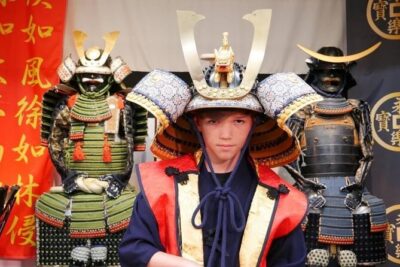
Ninja Experience (Family Friendly) at Samurai Ninja Museum TOKYO
Read our review →
Samurai Entertainment Night Show in Kanda Shrine
Read our review →
Tokyo Sword Experience – includes Museum Ticket/Ninja Experience
Read our review →
Ninja Samurai 2-hour hands-on lesson by Japanese master in Tokyo
Read our review →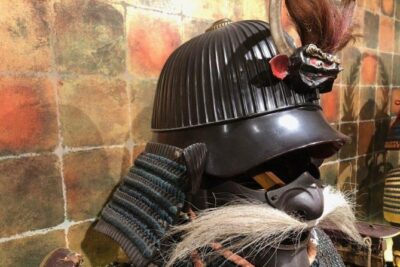
Samurai Sword Experience (Family Friendly)at SAMURAI MUSEUM TOKYO
Read our review →Browse the lists this tour appears in